
Many players look to elevate their game and master advanced techniques in padel. In this guide, you’ll discover strategies to enhance your footwork, improve shot precision, and develop a winning mindset. By focusing on these key aspects, you’ll gain a competitive edge that sets you apart from other players. Whether you want to dominate the court or refine your skills, these tips will help you play like a true pro.
Key Takeaways:
- Focus on mastering ball placement and shot selection to control the game.
- Develop strong communication and positioning with your partner for effective teamwork.
- Practice advanced techniques like volleying and lobbing to enhance your strategic options.
Understanding Padel
What is Padel?
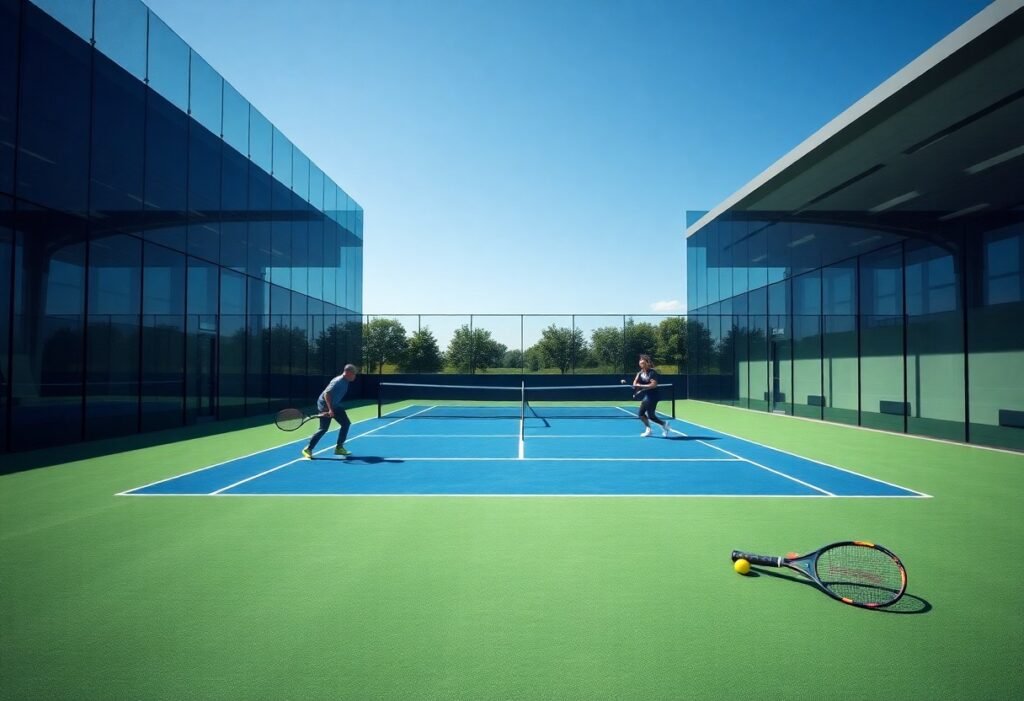
This dynamic sport combines elements of tennis and squash, played in a four-player format on an enclosed court. You use solid rackets and a low-compression ball, and the objective is to hit the ball over the net, ensuring it bounces off the walls within the established boundaries. Its accessibility and engaging gameplay make it increasingly popular across various age groups and skill levels.
The Evolution of Padel
Padel originated in 1969 in Acapulco, Mexico, created by Enrique Corcuera. The sport rapidly gained traction and has expanded globally, especially in Europe and Latin America.
From its modest beginnings, padel has evolved into a professional sport with established circuits and tournaments. The International Padel Federation (FIP) was formed in 1991, helping standardize rules and promote international competitions. Today, padel boasts millions of players worldwide, highlighting its increasing importance in sports culture. Recent years have seen a surge in padel facilities, making it more accessible and fostering community engagement.
Differences Between Padel and Tennis
The primary distinctions between padel and tennis lie in court size, rules, and equipment. Padel courts are smaller and enclosed, using walls as part of the game, whereas tennis courts feature open boundaries. You play padel in pairs, while tennis can be played in singles or doubles.
In padel, the ball must hit the ground once before it can be played, and serves occur underhand, contrasting with tennis’s overhead serves. The racket design is solid and perforated in padel, facilitating unique shot dynamics. These differences create a distinct playing experience, emphasizing strategy and teamwork in padel.
Essential Skills for Advanced Padel
| Skills | Description |
| Mastering the Grip | Understanding how to hold the racket effectively enhances your precision and control. |
| Footwork Fundamentals | Agile and efficient footwork allows you to position yourself for optimal shot execution. |
| Court Positioning Techniques | Positioning on the court can dictate your gameplay and strategic options. |
| Effective Shot Selection | Choosing the right shot is key to outsmarting your opponent and gaining an upper hand. |
Mastering the Grip
Your grip directly influences your control over the ball. A proper grip allows for greater spin, power, and versatility. Experiment with different grips, such as the Eastern, Western, and Continental grips, to find what works best for your style. Adjusting your grip based on shot type will enhance your play and keep your opponents guessing.
Footwork Fundamentals
Effective footwork ensures you’re in the right position to hit the ball with precision. Focus on maintaining an athletic stance and quick lateral movements. By incorporating drills that emphasize agility and quick changes of direction, you will enhance your efficiency on the court and reduce unnecessary fatigue.
In addition to speed, your footwork should involve anticipation and readiness. Use small, quick steps to adjust your positioning as the ball approaches. Practicing cone drills can significantly improve your lateral movement, enhancing your ability to reach shots that would otherwise be out of range.
Court Positioning Techniques
Your positioning on the court can significantly impact your performance. By understanding key areas, like the “T” position and net play, you can dictate the tempo of the game. Maintain an aggressive but safe position to intercept shots while being ready to retreat if needed.
Staying aware of both your own position and your opponent’s will increase your chances of successfully executing shots. For instance, staying close to the net during rallies puts pressure on your opponent and allows for easier volleys. Consistent practice on court positioning can greatly enhance your strategic thinking in matches.
Effective Shot Selection
Choosing the right shot is fundamental to your strategy. Whether opting for a forehand, backhand, lob, or volley, assess the game situation and the opponent’s weaknesses. Diversifying your shot selection keeps you unpredictable and can easily turn the tide of a match.
Implementing shot selection analysis in your practice can be particularly beneficial. Spend time reflecting on your matches and identifying when different shots are most effective. Utilizing tools like video analysis can also provide insights into your decision-making and help you refine your skill set.
Advanced Strategies for Winning
- Analyze Your Opponent
- Create Effective Shots
- Play the Angles
- Exploit Weaknesses
Analyzing Your Opponent
Understanding your opponent’s gameplay is vital. Observe their preferred shots, positioning, and movement patterns to anticipate their next move. Identify strengths to neutralize and weaknesses to exploit. This strategic awareness can offer you significant advantages during rallies.
Creating Effective Shots
Effective shot-making is about precision and adaptability. Focus on developing various shots, including volleys, smashes, and lobs, to keep your opponent guessing. Aim for placement rather than just power, targeting corners or areas where they are least prepared.
Invest in practicing diverse shots to enhance your arsenal. Besides the basic strokes, work on spins and changes in depth or pace, forcing your opponent into uncomfortable situations. Mastering these concepts allows you to dictate the pace of the game.
Playing the Angles
Utilizing angles can help you create space and open up the court. Angle your shots to move your opponents off-balance, making it difficult for them to return effectively. This strategy encourages them to play defensively, giving you opportunities for domination.
Employing sharp angles forces opponents into challenging positions, allowing you to dictate play. Recognize when to use cross-court shots or target the side walls to enhance your effectiveness and control during exchanges.
Exploiting Weaknesses
Identifying and exploiting specific weaknesses is crucial for gaining the upper hand. Notice your opponent’s limitations, whether it’s subpar backhand returns or slower reactions on specific shots. Target these areas to increase your chances of winning points.
By consistently placing shots in these weak zones, you can pressure your opponent into making errors. The key is to adapt your strategy dynamically throughout the match, focusing on areas that yield the highest success rates against their gameplay.
Mental Toughness in Padel
Staying Focused During Matches
To maintain focus during matches, you must block out distractions and concentrate solely on your game. Use routines between points, such as deep breathing or visualizing successful shots, to help clear your mind. Establishing a pre-match ritual can also enhance your mental state, preparing you to face tough opponents without losing sight of your goals.
Dealing with Pressure Situations
Pressure situations can occur at any moment, whether facing match point or competing against a higher-ranked player. Your ability to respond effectively will define your performance. Develop strategies, such as focusing on one point at a time and maintaining positive self-talk, to manage stress and keep your mind clear.
In pressure situations, it’s vital to embrace the moment instead of fearing it. Techniques such as setting mini-goals during the match can redirect your mind from the overarching pressure. For instance, focus on executing just one solid return rather than worrying about the outcome. Studies show that athletes who employ mental visualization techniques often outperform those who don’t, underscoring the importance of mental preparation in critical moments.
Building Confidence on Court
Boosting your confidence on the court requires a mix of practice and positive reinforcement. Celebrate small victories, such as executing a well-timed shot or winning a tough rally, to develop a success-oriented mindset. The more you believe in your abilities, the more consistently you’ll perform under pressure.
To build confidence, engage in deliberate practice that focuses on both your strengths and areas for improvement. Incorporate match simulations in training where you challenge yourself with high-pressure scenarios. Celebrating even minor achievements during these sessions can reinforce your belief in your skills, making you less susceptible to doubt during real matches. Integrating visualization techniques can further enhance your self-assurance, as seeing yourself succeed can create a confidence-boosting mindset on the court.
Fitness and Conditioning for Padel
Strength Training Recommendations
To enhance your performance, focus on compound movements such as squats, deadlifts, and bench presses, which build overall body strength. Incorporate weighted lunges and push-ups to develop the muscles vital for explosive movements on the court. Aim for strength training at least twice a week, ensuring you target both the upper and lower body for a balanced approach.
Endurance Building Exercises
Integrate high-intensity interval training (HIIT) into your routine to boost your cardiovascular endurance. This could include alternating short bursts of intense activity like sprints with recovery periods. Incorporating drills that mimic the movements of padel can also enhance your game-specific endurance.
HIIT sessions can typically last between 20 to 30 minutes, combining activities such as shuttle runs or jump rope with brief rest intervals. These workouts improve not only your stamina for extended matches but also your ability to recover quickly between points, a key factor in maintaining peak performance.
Flexibility and Mobility Importance
Flexibility and mobility play significant roles in your padel performance. Engaging in regular stretching routines can prevent injuries and improve your range of motion, allowing for more fluid movements on the court.
Targeting areas such as your hips, hamstrings, and shoulders through dynamic and static stretches will enhance your agility. Techniques like yoga or Pilates can be particularly beneficial, as they not only improve flexibility but also promote core strength, contributing to better stability and control during play.
For more insights, check out 4 Secret Padel Tips and Tricks They DON’T Tell You About.
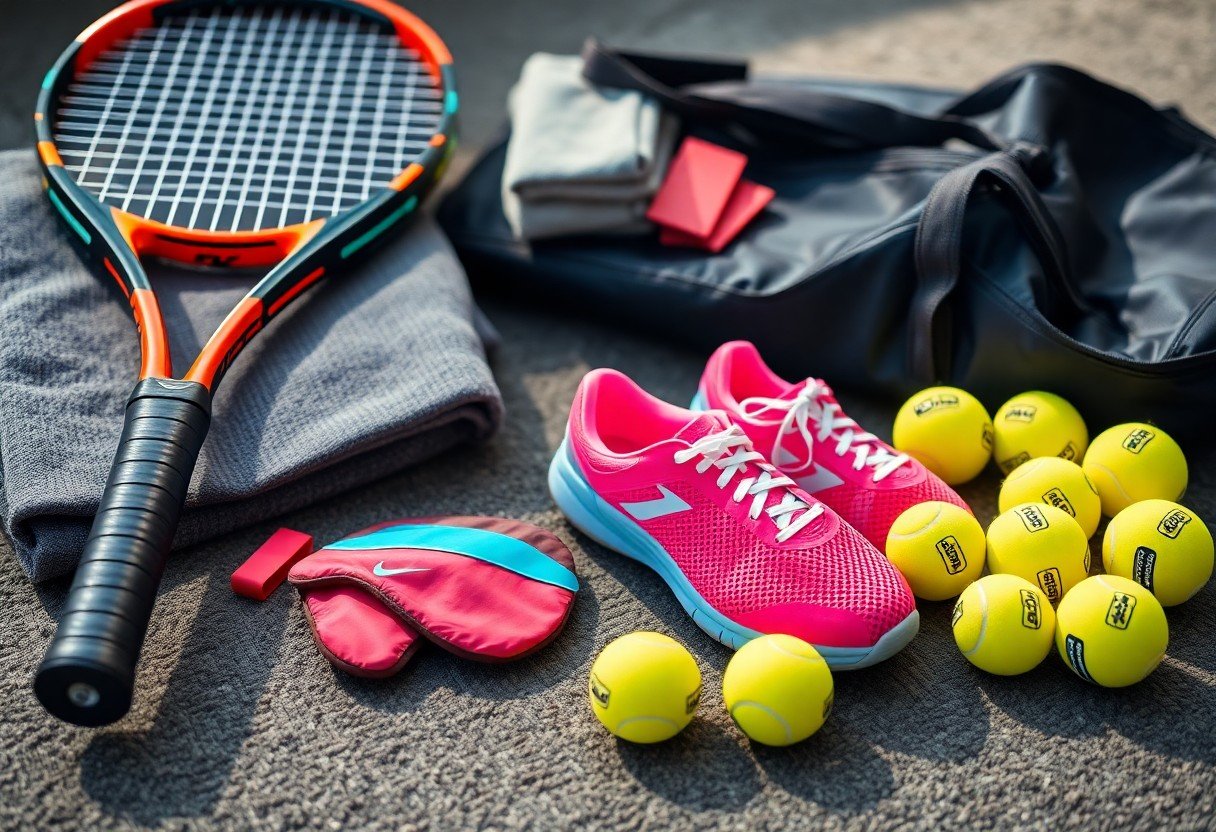
Equipment and Gear for Performance
Choosing the Right Padel Racket
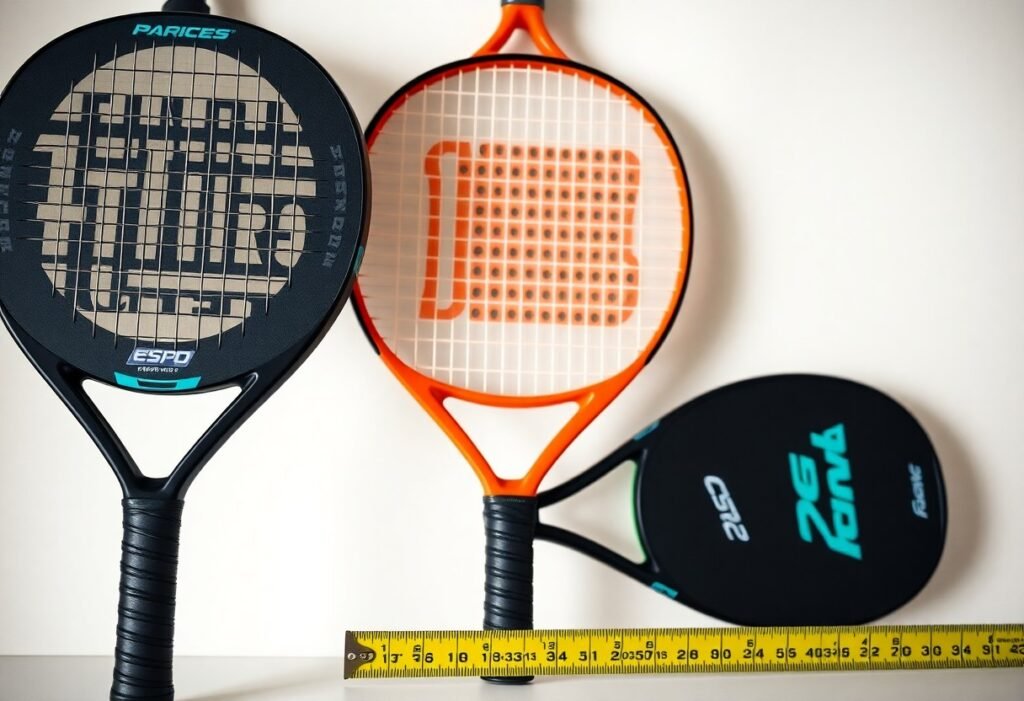
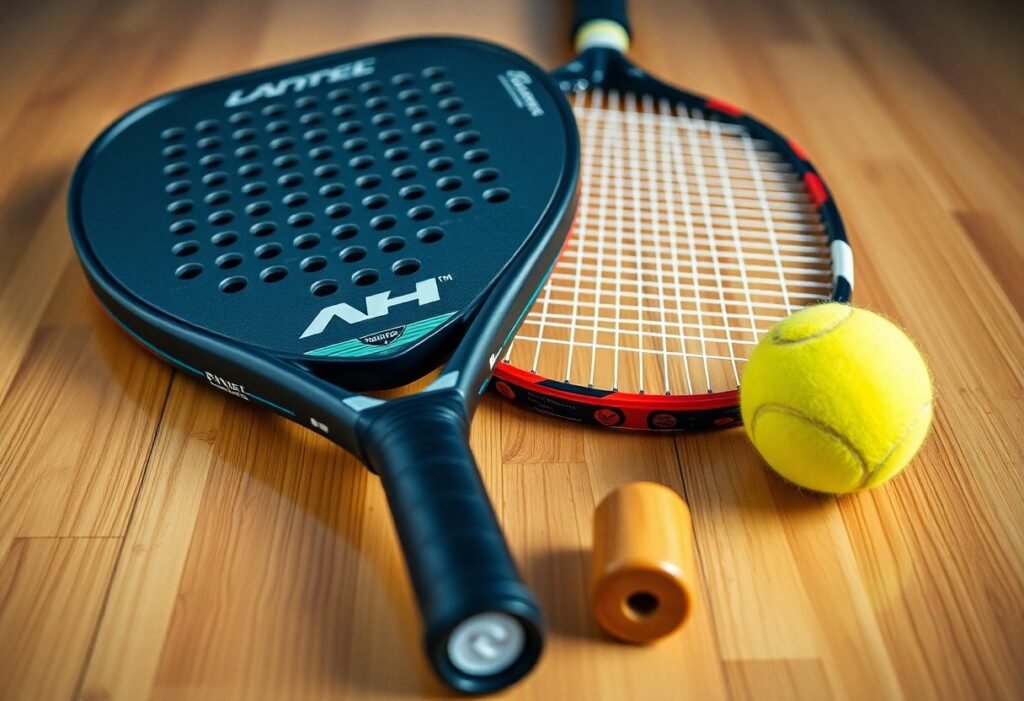
Your choice of padel racket significantly impacts your performance on the court. Look for a racket that complements your playing style, whether you prefer power or control. Rackets generally come in three shapes: teardrop, diamond, and round. Teardrop rackets provide a good balance of power and control, while diamond rackets favor aggressive players looking for maximum power. Round rackets offer greater control, making them ideal for beginners or those focusing on precision.
Selecting Appropriate Footwear
Wear the right shoes to optimize your movement and agility during matches. Padel-specific shoes often feature a herringbone pattern for enhanced grip and lateral support, which is imperative for quick footwork. Investing in quality footwear helps prevent injuries and ensures you maintain stability and comfort as you dart around the court.
Importance of Choosing Quality Balls
Quality padel balls can drastically affect your gameplay experience. Unlike regular tennis balls, padel balls are designed to maintain consistent bounce and durability. Choosing balls from reputable brands ensures reliable performance throughout your matches, providing a predictable playing environment and enhancing your overall enjoyment of the game.
Choosing high-quality balls affects not just the game but also your performance. Inferior balls tend to lose pressure quickly, which can lead to inconsistent bounces and unreliable play. Opt for balls that are approved by official padel organizations, as these are designed to meet professional standards in terms of both durability and playability, ensuring an enjoyable challenge for your skills on the court.
To wrap up
Upon reflecting on your journey to play padel like a pro, it’s necessary to integrate the advanced techniques and strategies discussed. Focus on refining your footwork, mastering shot selection, and enhancing your communication with partners. Consistent practice will elevate your gameplay, while analyzing top players will give you insights into effective techniques. Embrace a flexible mindset to adapt your strategies during matches, and continuously seek feedback to improve your performance. By committing to these principles, you will develop a stronger understanding of the game and elevate your skills on the court.
FAQ
Q: What are the key techniques to improve my racket grip in padel?
A: To improve your racket grip, focus on the continental grip for versatility during shots. Experiment with the semi-western grip for topspin. Practice switching grips quickly between shots to increase your efficiency.
Q: How can I enhance my footwork for better court coverage?
A: Enhance footwork by practicing lateral movements and quick sprints. Incorporate ladder drills and agility exercises into your training. Focus on maintaining a low center of gravity to improve balance and positioning on the court.
Q: What strategic shot selection should I use against different opponents in padel?
A: Against aggressive players, aim for deep shots to push them back. Use angled volleys to exploit their positioning. For defensive players, mix up your shots with variations in pace and spin to disrupt their rhythm.
Q: What are the benefits of communication with my partner during matches?
A: Effective communication enhances teamwork, allows for better shot coordination, and helps avoid confusion during rallies. Use clear signals and designated calls to inform your partner of positioning and intended shots.
Q: How can I mentally prepare for high-pressure situations in padel matches?
A: Mental preparation can include visualization techniques, breathing exercises, and setting realistic goals for each match. Develop a routine to manage stress and maintain focus during critical points.