
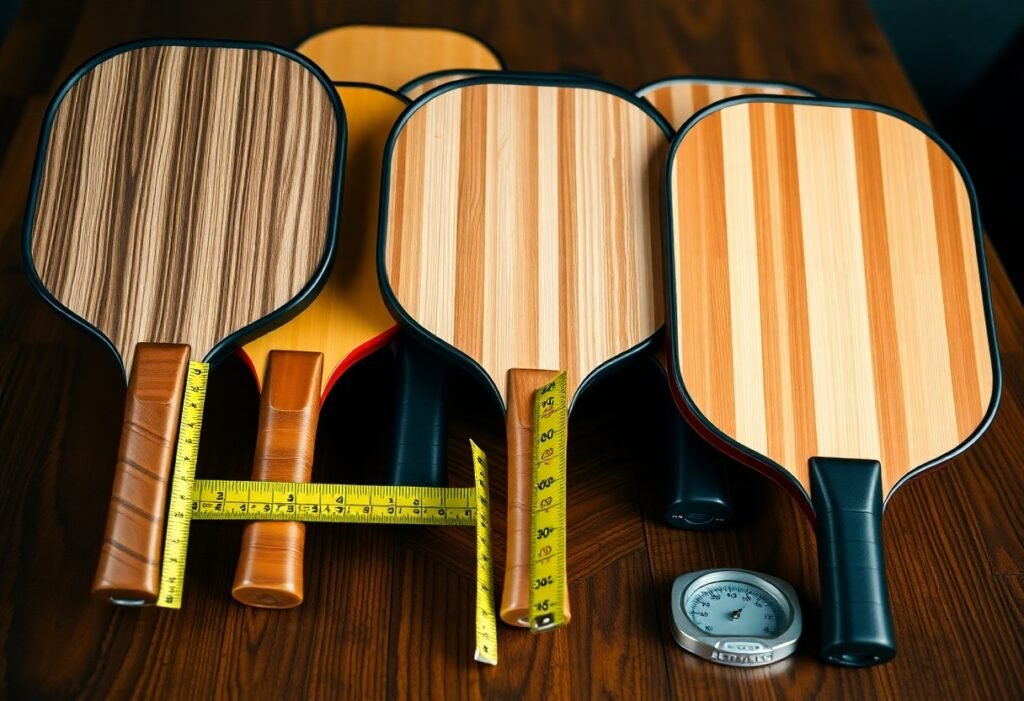
Guide your game to success by selecting the perfect pickleball paddle that suits your playing style. This decision impacts your overall performance, especially regarding weight, grip, and shape. A paddle that feels right in your hand can enhance your control and power on the court. You’ll want to consider the balance between weight and maneuverability, find a grip that fits comfortably, and choose a shape that complements your skills. Dive into this guide to ensure you make an informed choice.
Understanding Pickleball Paddles
What is a Pickleball Paddle?
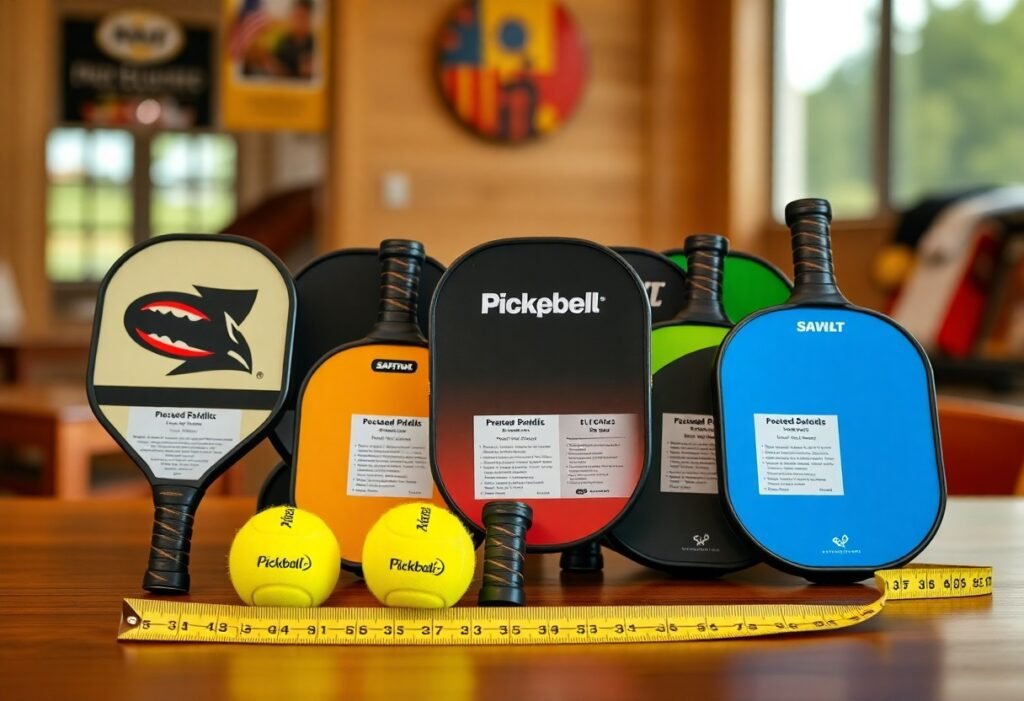
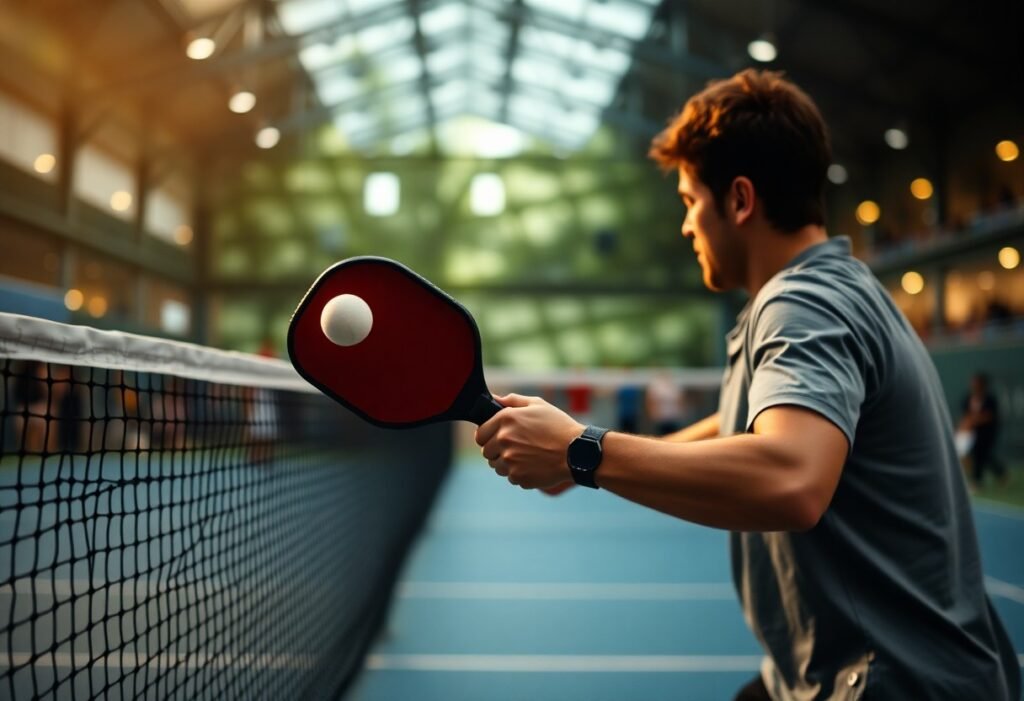
A pickleball paddle is a rectangular instrument used to strike the pickleball during play. Constructed from materials like wood, composite, or graphite, paddles come in various shapes and sizes to cater to player preferences. The paddle’s surface affects spin and control, while its core influences power and durability. Each type offers unique benefits, allowing you to tailor your gameplay experience.
Importance of Choosing the Right Paddle
Selecting the right pickleball paddle enhances your performance and enjoyment on the court. The right weight, grip size, and shape can significantly influence your control, power, and overall gameplay. For instance, a lighter paddle can improve maneuverability, while a heavier option may offer more power on your shots. Ultimately, the paddle you choose can impact your learning curve and how effectively you can develop your skills.
Choosing the right paddle is not just about personal comfort; it can also affect your competitive edge. For example, if you opt for a paddle that’s too heavy, fatigue may inhibit your performance, reducing your agility and responsiveness. Conversely, a paddle that doesn’t provide sufficient stability may lead to inconsistent ball control. Evaluating your skill level, playing style, and physical attributes against each paddle’s specifications will help you find the best match for your needs.
Factors to Consider When Choosing a Paddle
- Weight of the paddle
- Grip size that fits your hand
- Paddle shape for different play styles
- Material used in construction
- Price and brand reputation
Recognizing the right combination of these factors can greatly enhance your performance on the court.
Weight of the Paddle
The weight of your paddle significantly impacts your control and power. Lighter paddles, typically ranging from 6 to 8 ounces, enable faster swings and less arm fatigue, making them ideal for players who prefer quick reactions. Conversely, paddles weighing 8.5 ounces or more provide more force behind your shots but may sacrifice some maneuverability.
Grip Size
Your grip size is important for maintaining comfort and control during play. A properly sized grip helps prevent slippage, reducing the risk of injury. Standard grip sizes generally range from 4 inches to 4 ¾ inches in circumference.
A good method to determine your grip size is to hold the paddle; you should be able to fit your index finger between your fingers and palm. If your grip is too large, you’ll struggle with control; too small, and you risk slipping or losing power in your strokes. Custom grips are also available and can enhance your overall experience on the court.
Paddle Shape
The shape of your paddle affects your sweet spot and overall playability. Wider paddles offer larger hitting areas, making them ideal for beginners, while elongated shapes provide more reach and power, perfect for advanced players seeking precision.
The paddle’s shape can also influence the balance you feel during play. A thicker edge provides increased durability and a larger sweet spot, while a thinner design focuses on speed and maneuverability for those who prefer quick, agile gameplay. Selecting the right shape aligns with your specific playing style.
How to Determine the Right Paddle Weight
Evaluating Your Playing Style
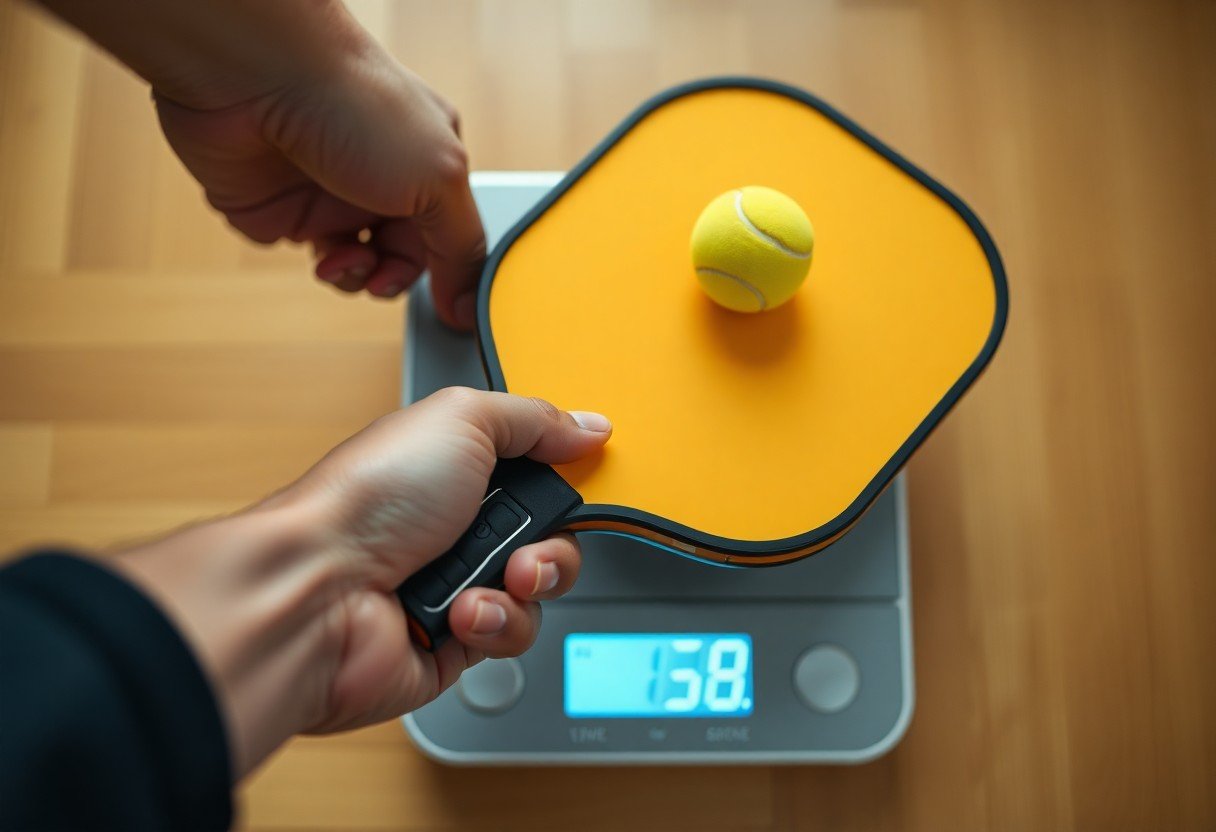
Your playing style significantly influences the ideal paddle weight for you. If you favor an aggressive, power-driven game, a heavier paddle (8.0 oz and above) provides additional force on your shots. Conversely, if you prioritize quick reactions and finesse, a lighter paddle (6.5 oz to 7.5 oz) allows for greater maneuverability and control. Assess your strengths and weaknesses to select the weight that enhances your performance on the court.
Testing Different Weights
Before committing to a paddle, testing various weights is fundamental. Many sporting goods stores offer demos, enabling you to feel the difference firsthand. Aim to play with paddles ranging from 7.0 oz to 8.5 oz. A good rule of thumb is to spend at least 15 minutes with each paddle to accurately gauge comfort and performance.
When testing different weights, pay attention to how each one affects your shot consistency and endurance. A lighter paddle can help you react faster but may sacrifice some power, while a heavier paddle might tire your arm sooner but provide a satisfying thwack on powerful shots. Consider playing matches with each paddle to assess how they impact your overall gameplay, as sustained use will reveal strengths and weaknesses that brief demos cannot. This practical experience is invaluable for making an informed decision that aligns with your playing style and physical comfort.
Tips for Choosing the Right Grip Size
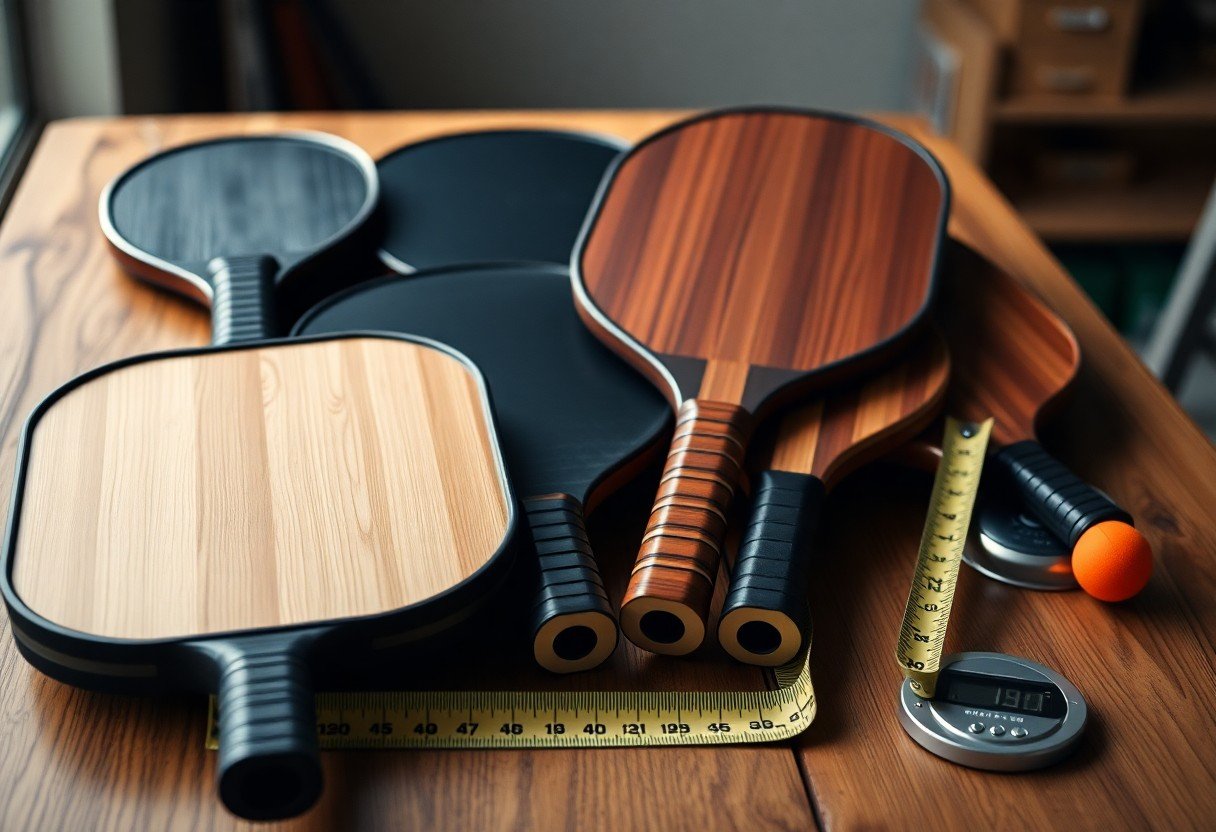
Determining the best grip size for your pickleball paddle enhances comfort and control during play. Here are some tips to consider:
- Measure your hand: Use a ruler to measure from the tip of your ring finger to the base of your palm.
- Try different sizes: Test paddles with various grip sizes to find what feels best.
- Consider playing style: Aggressive players may prefer larger grips for added power, while finesse players may choose smaller grips for better maneuverability.
- Check for comfort: Ensure your grip allows for a relaxed hold without excessive squeezing.
Common Grip Sizes and Their Effects
Grip sizes generally range from 4 inches to 4 ¾ inches in circumference. A smaller grip offers enhanced wrist action and maneuverability, which is ideal for players who rely on finesse. Conversely, a larger grip can provide more stability and power for players with a stronger swing. Finding the right fit is important for comfort and optimal performance on the court.
Adjustments and Accessories for Better Grip
Sometimes, the grip size alone isn’t enough to optimize your paddle use. Consider adjusting your grip with accessories such as grip strips or overgrips. These can add thickness, improve texture, and absorb moisture, helping prevent slippage during play.
Overgrips are particularly effective; they are designed to be wrapped over your existing grip and can add 1/16 inch of thickness. Additionally, using grip-enhancing products can significantly improve your hold during intense matches. You might want to experiment with different materials, like tacky or cushioned textures, to find which combination feels best in your hand. The right grip solution can enhance both performance and enjoyment while playing pickleball.
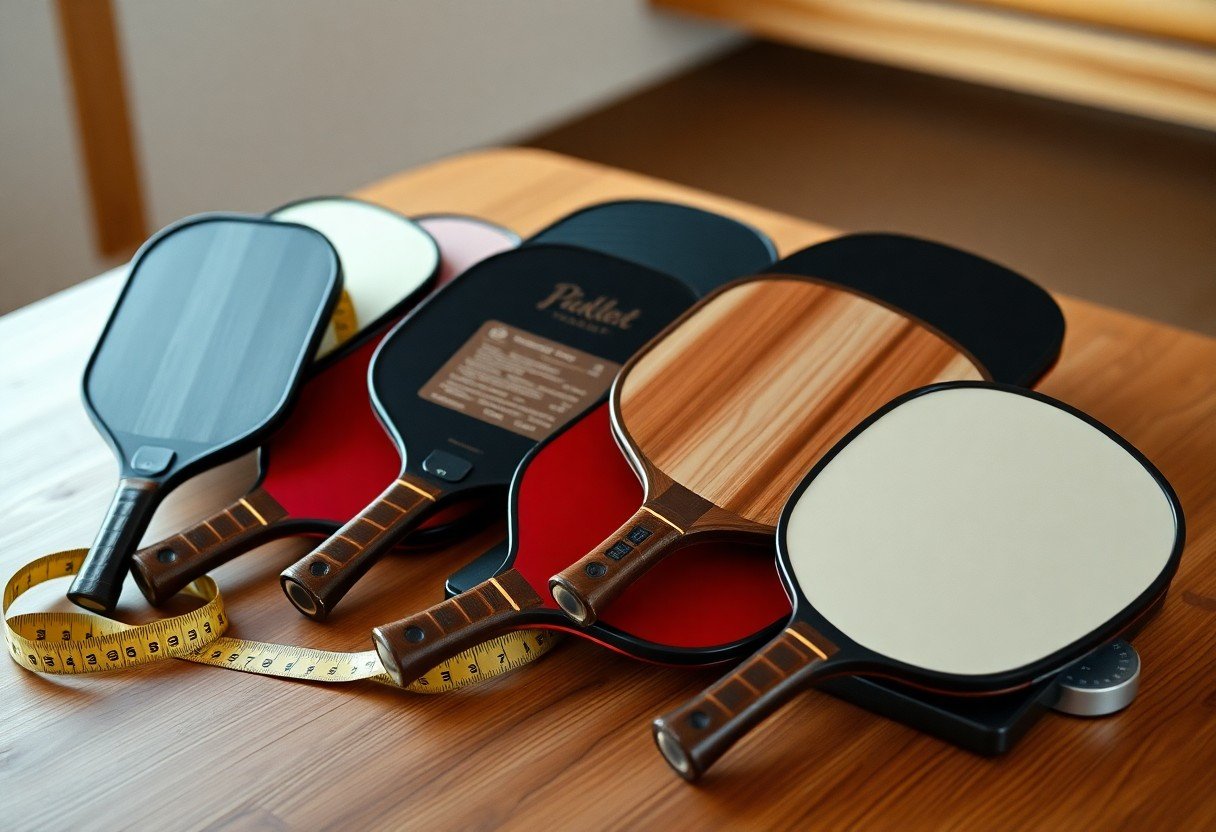
Selecting the Right Paddle Shape
Benefits of Various Paddle Shapes
Different paddle shapes can significantly impact your performance on the court. Wide-body paddles offer a larger sweet spot, enhancing the chances of effective hits, ideal for beginners. elongated paddles provide greater reach and maneuverability, allowing for more precision in advanced shots. For those who prefer power, traditional shapes offer stability and controlled swings, making it easier to generate force behind your shots.
Recommendations Based on Player Experience
Your skill level should guide your choice of paddle shape. Beginners should opt for wider shapes to capitalize on a larger sweet spot, reducing the learning curve. Intermediate players can explore various shapes for versatility, while advanced players might prefer elongated shapes for enhanced control and reach, catering to their specific playing style.
If you are just starting, a wide-body paddle can help you get comfortable with ball contact and improve your confidence. As you progress, experimenting with different paddle shapes allows you to refine your style; for example, an intermediate player might find that an elongated paddle enhances their serve and volley game. Advanced players often favor these elongated options to fine-tune their shots, combining power and precision effectively.
Additional Features to Look For
Materials and Construction
When choosing a pickleball paddle, the materials and construction significantly influence its performance and durability. Most paddles are made with a combination of fiber, graphite, and polymer. Graphite paddles are typically lightweight and offer excellent power, while polymer paddles provide better control and a softer feel. Evaluating the paddle’s core material is also necessary; a polymer core often delivers enhanced shock absorption, making your game more comfortable and reducing the risk of injury.
Paddle Surface Texture and Its Impact
The surface texture of your paddle directly affects your control and spin on the ball. Textured surfaces can grip the ball better, allowing for enhanced spin capabilities, whereas smoother surfaces provide a more straightforward hit. Pickleball paddles often feature materials like fiberglass or roughened polymer to increase the texture. A textured paddle can add a layer of unpredictability to your shots, enabling high-level performance against opponents.
Different paddles vary significantly in surface texture, impacting your play style. For instance, a paddle with a rough surface promotes higher spin rates on serves and returns, which could be your advantage during competitive matches. Conversely, a smoother paddle is ideal for players emphasizing power over spin. Choosing a paddle with the right texture aligns with your playing style and skill level, ultimately enhancing your overall performance on the court.
To wrap up
Following this guide will help you select the ideal pickleball paddle by considering weight, grip, and shape that suits your style of play. Choose a weight that balances power and maneuverability for your needs. Ensure the grip size accommodates your hand for optimal control. Lastly, select a paddle shape that complements your playing technique, whether you prioritize power or precision. With the right paddle in hand, your performance on the court can improve significantly.