
It’s your decision: renting offers lower upfront cost and easy upgrades, buying gives tailored fit and long-term savings but increases responsibility for maintenance; prioritize proper fit and safety to reduce injury risk whether you rent or buy.
The Financial Breakdown: Cost-Benefit Analysis
Initial Investment vs. Cumulative Rental Fees
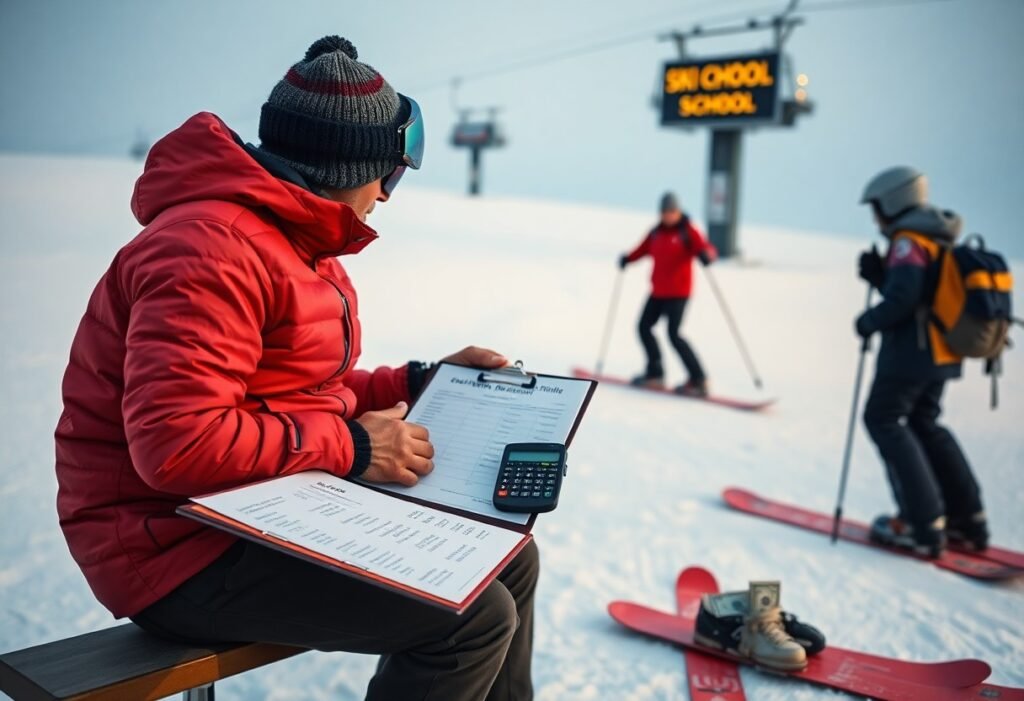
Compare the upfront cost of buying gear to the cumulative rental fees across trips; you may pay less renting if you ski rarely. Knowing your annual trip count and rental rates reveals the break-even season threshold.
- Upfront cost
- Cumulative rental fees
- Break-even point
Resale Value and Equipment Depreciation Factors
Assess depreciation patterns: high-end gear holds resale value better while entry-level sets drop faster; you should factor maintenance and model year. Knowing average depreciation helps estimate how much you can recoup when selling.
- Depreciation
- Resale value
- Maintenance
Consider whether you plan frequent upgrades; worn or poorly serviced equipment cuts value and can create safety risks in bindings and boots, while documented service and proper storage increase resale potential. Knowing local demand and timing (preseason vs. offseason) helps you maximize returns.
- Service history
- Market demand
- Safety risks

Travel Logistics and Convenience
Navigating Airline Baggage Fees and Transport Hassles
Flights often charge high checked-bag fees for skis and boots, forcing you to choose between costly extras or awkward carry-ons; you also face risk of damage during transfers and cumbersome airport transport options.
Bypassing Resort Rental Lines and Fitting Wait Times
Skip long resort queues by reserving gear online so you can grab pre-fit equipment and head out quicker, cutting hours saved and avoiding last-minute mismatched boots or crowded fitting areas.
Booking rentals ahead lets you complete size questionnaires and note preferences so resorts hold gear that fits; you can use mobile check-in and express pickup to avoid counters. On peak days shortages may force substitutions, increasing the risk of ill-fitting boots that can ruin your day-consider off-mountain shops or shipping your own to guarantee fit.
Assessing Skill Level and Frequency of Use
Assessing how often you ski and how quickly you improve helps determine whether renting or buying makes sense; renting saves money when you go sporadically and lets you test setups, while ownership gives consistent fit and performance that can yield long-term cost savings. See Buying vs. Renting Skis: When to Commit to Your Own Gear for more guidance.
Why Beginners Benefit from Rental Versatility
You gain flexibility from rentals because they let you try different skis and boots without a large upfront expense, reduce the chance of injury from poorly fitted gear, and match conditions as your technique develops.
The Break-Even Point for Frequent Skiers
Frequent skiers often reach a break-even after roughly 10-15 ski days per season, where buying becomes cheaper than repeated rentals, especially if you want a consistent setup and resale value.
Calculating that break-even means totalling rental rates, transport, and tuning versus purchase price, storage, and resale; if you buy, factor in maintenance and occasional upgrades. You may find midrange gear pays back after one or two busy seasons, while premium equipment requires many more days to justify the cost-so focus on realistic usage to maximize cost savings.
Managing Rapid Skill Progression and Gear Changes
Managing rapid progression by renting keeps your skis aligned with your current ability, preventing mismatched gear from slowing you down while you explore styles.
Equipment purchases become sensible once your style and frequency stabilize; when you do buy, prioritize a custom boot fit and correct binding setup to lower injury risk and boost performance, and consider used or incremental upgrades to spread cost while keeping gear that truly fits your level.
Maintenance and Storage Obligations
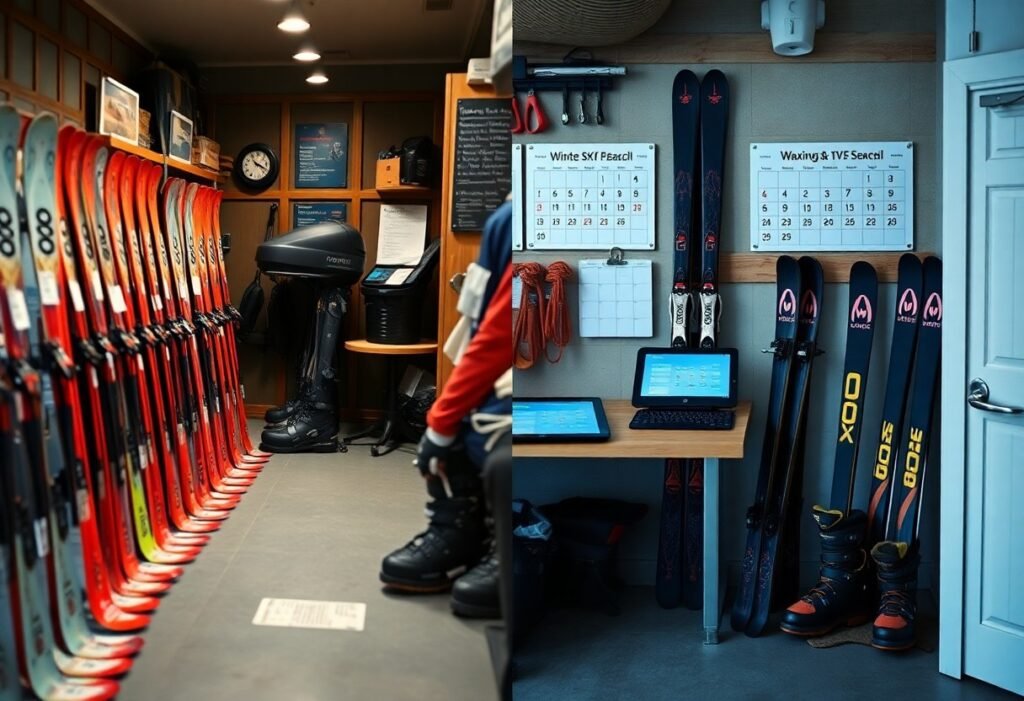
Maintenance of owned gear puts the onus on you to clean, dry, and inspect skis and boots after each day to avoid edge rust, mold, and binding failures, expenses and risks that renters typically sidestep.
The Cost of Professional Tuning and Waxing
Services like professional tuning and waxing can cost you $30-$80 per session; frequent skiers face recurring bills, but proper tuning preserves edge grip and reduces injury risk.
Long-Term Storage Requirements and Space Constraints
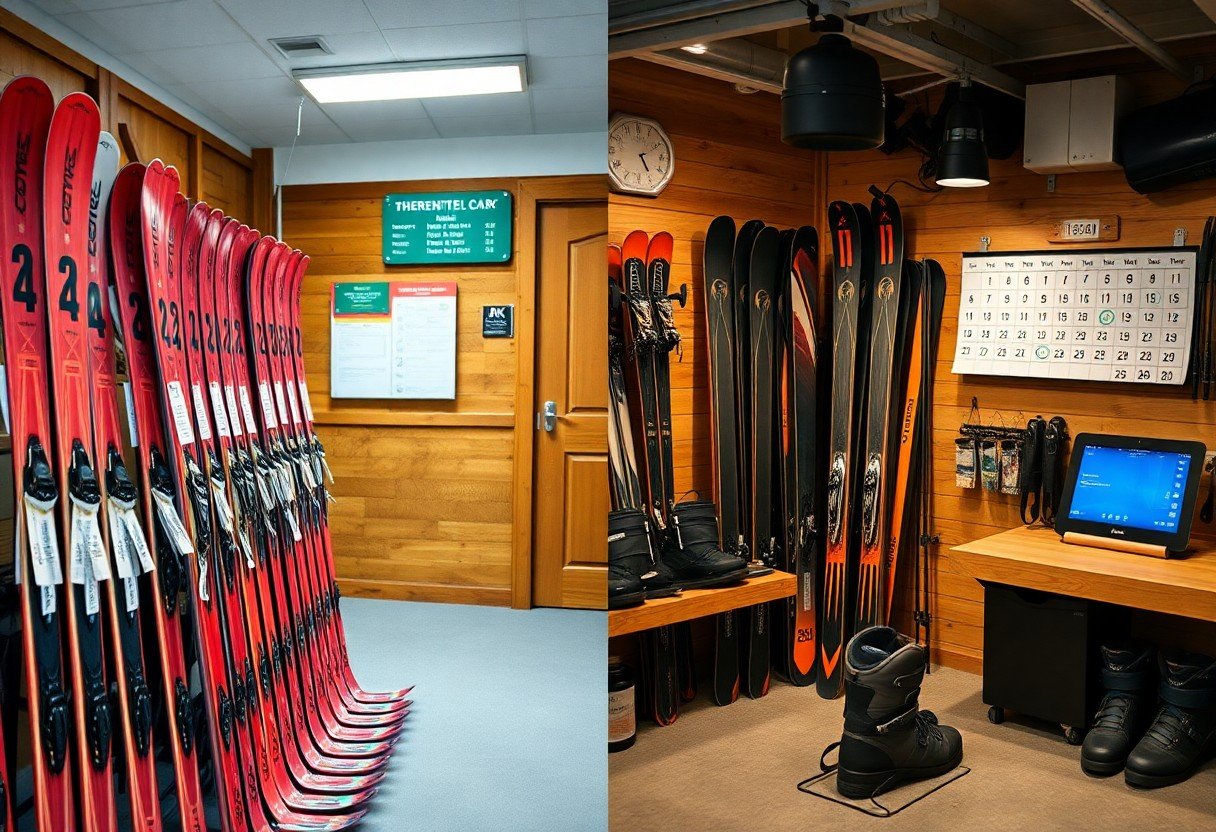
Space for storing skis, boots, and bindings requires dry, cool conditions and secure racks so you avoid warping, mildew, and binding damage, which can be expensive to repair if you own equipment.
Storing gear correctly extends its life and keeps performance predictable: you should fully dry liners and shells, apply a protective storage wax, and use breathable bags or wall racks away from heaters; moisture and heat cycles cause delamination and corrosion. You can mitigate limited room by using vertical racks, under-bed storage, or paid lockers at season bases to prevent damage without cluttering your living space.
Final Words
Presently you should weigh frequency, budget, and performance when choosing between renting and buying ski equipment; renting suits occasional trips and saves storage, while buying rewards frequent use with tailored fit and long-term cost savings.
FAQ
Q: How do costs compare between renting and buying ski equipment?
A: Cost depends on how often you ski and the type of gear you choose. Rental rates at resorts typically range from $30-$60 per day for standard skis and boots, with premium or demo sets costing more. Buying a complete beginner setup can run $400-$800, while performance gear and custom boots can exceed $1,200. Break-even calculations usually put buying ahead if you ski about 7-12 days per season for several seasons; for example, paying $50/day in rentals for 10 days equals $500, which approaches the lower end of purchase costs. Factor in maintenance, seasonal storage, and depreciation when comparing long-term expenses.
Q: Will renting limit my performance compared to owning my own gear?
A: Performance depends on gear quality, fit, and how well the setup matches your ability and goals. High-quality rental shops carry modern, well-tuned skis and a range of models that suit different styles, so casual and intermediate skiers can get solid performance from rentals. Custom-fit boots and personally selected skis offer better control, comfort, and efficiency for advanced skiers who demand precision or spend many days on snow. Demo programs let you try high-end models for a day or two before committing to a purchase.
Q: What are the convenience, storage, and travel considerations for renting versus buying?
A: Travel with rented gear removes the hassle of transporting heavy skis and boots and avoids airline baggage fees or roof-rack logistics. Renting at the resort saves home storage space and eliminates long-term maintenance like waxing and binding checks. Owning gear requires storage space, periodic tune-ups, and time for fitting and adjustments, but it also provides immediate access, no rental queues, and the comfort of equipment that is broken in to your feet and technique.
Q: When does buying ski equipment make the most sense?
A: Buying makes sense for skiers who go regularly, value a precise boot fit, or pursue advanced or specialized skiing. People who ski more than a dozen days per season, who progress quickly, or who participate in varied terrain and conditions often recover purchase costs over a few seasons and gain performance benefits. Buyers should budget for professional boot fitting, annual tuning, and eventual replacement cycles for skis and boots as technology and wear change needs.
Q: When is renting the smarter choice?
A: Renting is smarter for beginners, occasional skiers, travelers, and families with growing children. New skiers benefit from trying different setups without the upfront investment, and children who outgrow gear quickly avoid repeated purchases. Renting also works well for skiers who want to test new models or specific gear for particular conditions without committing to a full purchase. Choose rental shops with good reputations, up-to-date equipment, and proper boot fitting to maximize comfort and safety.