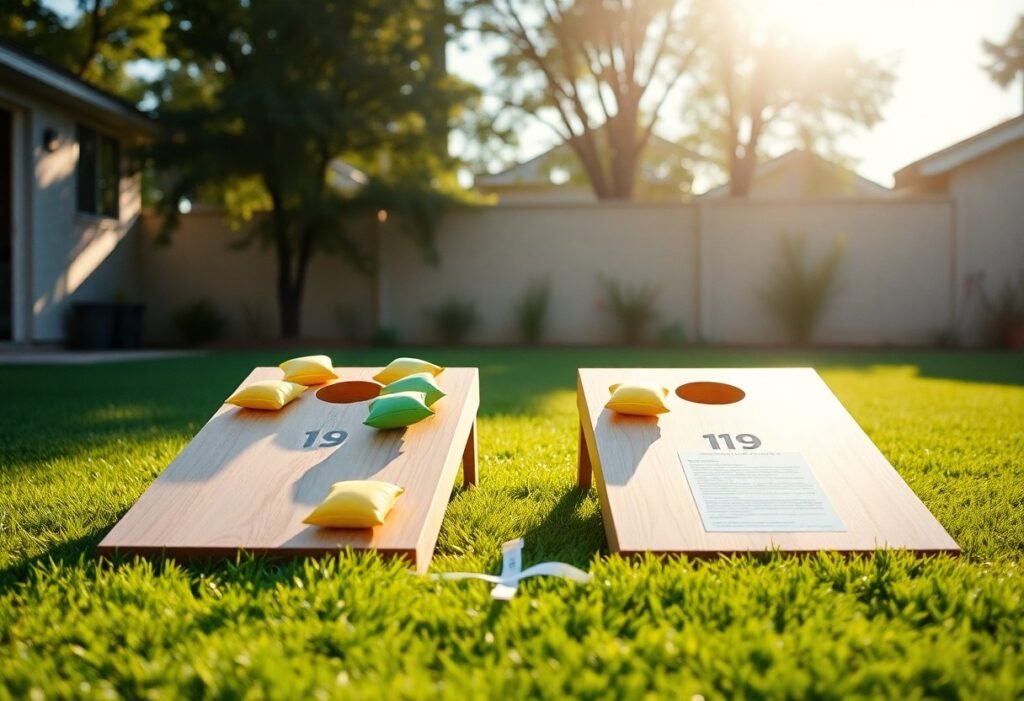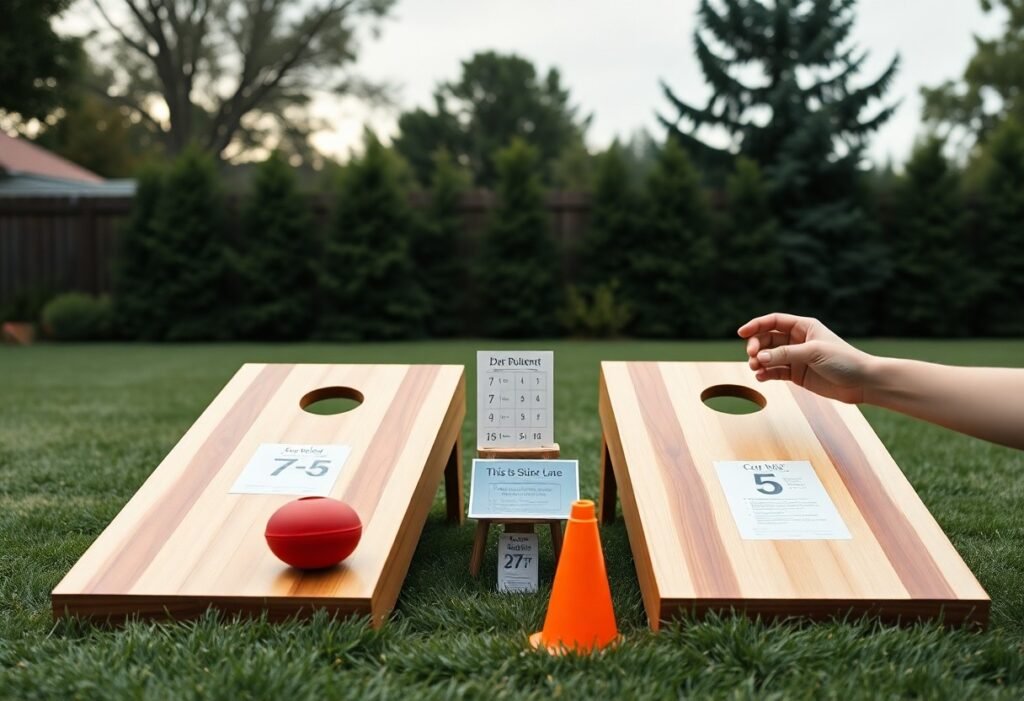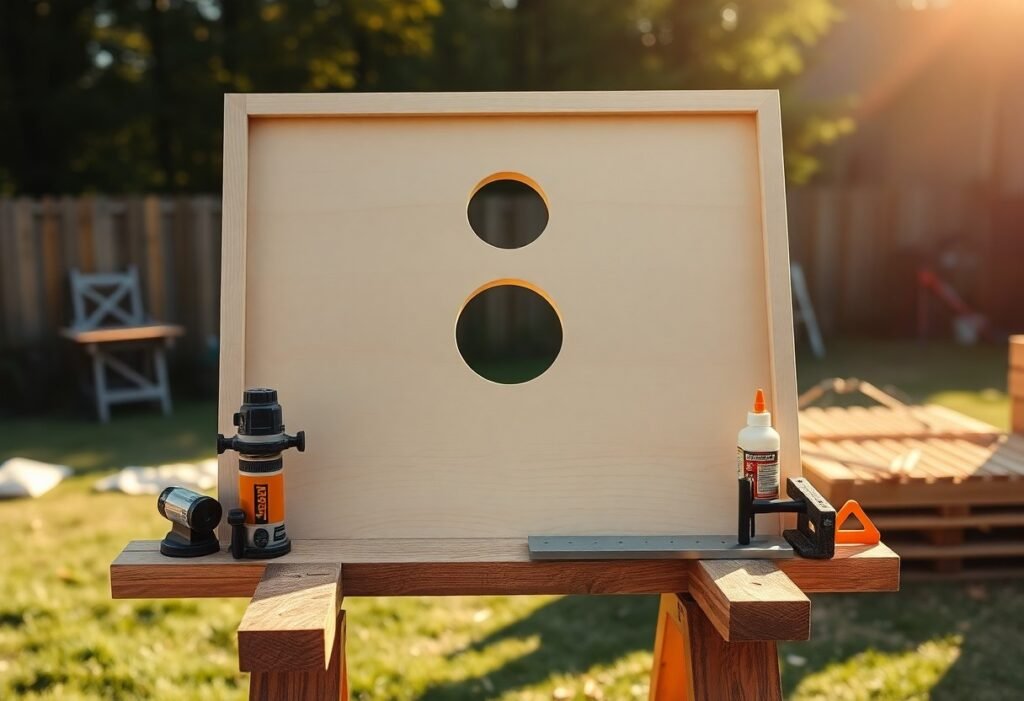


You can enjoy cornhole inside by adapting rules and space: clear your play area of trip hazards and fragile items, set boards closer for limited rooms, and enforce a safe throwing distance so players and pets stay protected. Use soft bags or reduced-force throws, mark boundaries, and keep scoring simple; this easy-to-set-up, party-friendly game stays competitive and fun for all ages.
Key Takeaways:
- Adapt the setup for indoor space: shorten the pitch distance, use non-marking pads under boards, and add rugs or foam to protect floors and reduce bounce.
- Prioritize safety and space: clear the play area of breakables, use soft fabric bags, set clear boundaries, and ensure adequate overhead clearance.
- Tweak rules for practicality and fun: agree on modified scoring, allow softer throws, set turn timers if needed, and keep a visible score tracker.

Getting Started with Indoor Cornhole
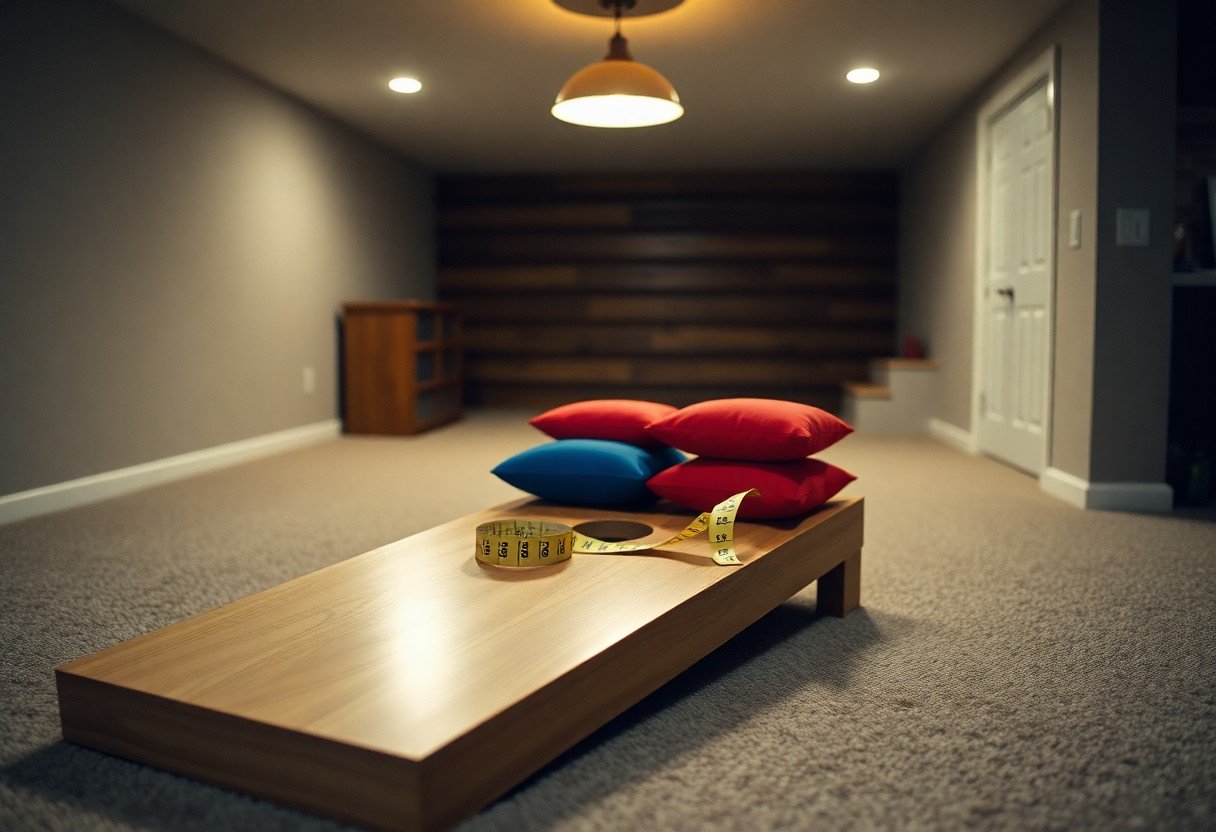
Start by measuring your room and setting a safe play distance: while outdoor regulation is 27 feet, indoors you should shorten to 12-20 feet depending on space and obstructions. Clear a minimum 3-4 foot zone around each board, secure rugs with tape, and move breakables at least 6 feet away. Use non-slip pads under boards on hardwood or tile to prevent sliding and protect floors; lighting should be even to avoid glare when you aim.
Choosing the Right Cornhole Boards
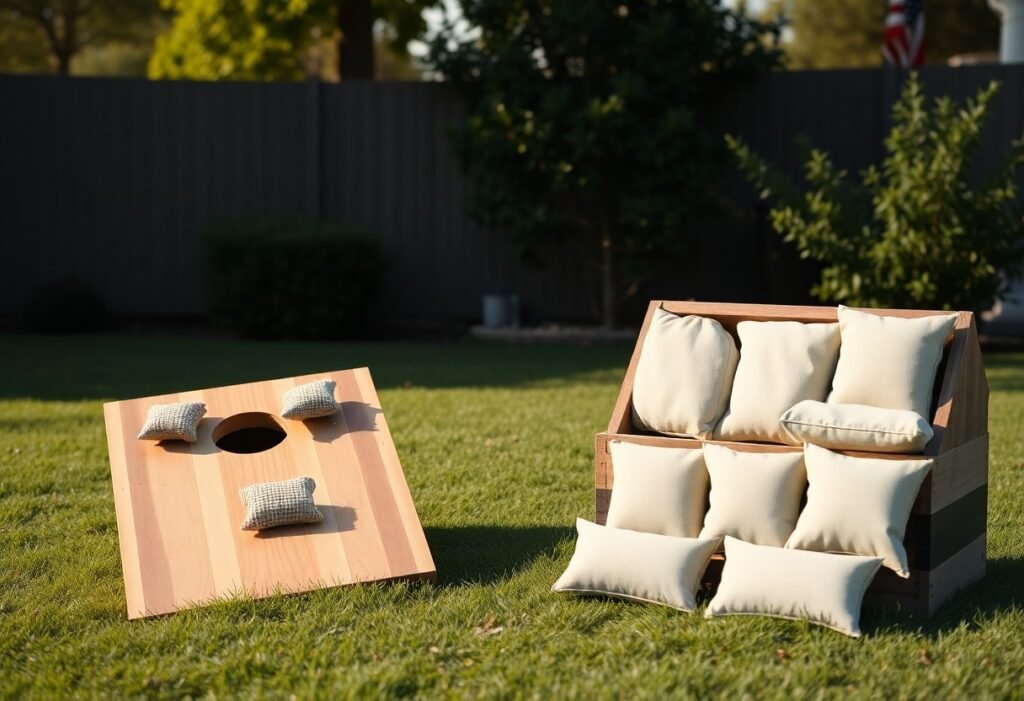
Pick boards that match your space and surface: regulation size is 24″ x 48″ with a 6″ hole, 3″ front height and 12″ rear height, but folding or mini boards (36″ length) work better in apartments. Prefer plywood or composite tops for consistent slide; add felt or rubber feet to prevent floor damage. If noise is a concern, choose laminate with a matte finish or place a thin rug beneath the back legs to deaden sound.
Selecting Suitable Bean Bags
Choose bags that reduce bounce and noise: standard bags typically weigh about 14-16 ounces, but for indoor play you should lean toward softer covers (microfiber or suede) and polypropylene bead filling to avoid dust and excessive bounce. You want enough weight to hold on the board yet a fabric that grips the surface; consider 6″x6″ regulation size or slightly smaller “soft” indoor sets for tighter rooms.
For durability and hygiene, opt for synthetic-filled bags rather than corn-filled ones, since corn can rot and attract pests. Test a few throws: bags with around 14-15 oz and a plush cover will slide then stick on laminate, while heavier 16 oz bags sink more. Also buy a few spare bags-wear shows after 50-200 games depending on material-and wash covers per manufacturer instructions to keep grip consistent.
Understanding the Rules
You play with two teams (1v1 or 2v2), each throwing four bags per inning from behind the foul line; standard boards sit with fronts 27 feet apart. Scoring uses cancellation: a bag in the hole is worth 3 points, on the board is 1 point, and only the net difference per inning is added. Games usually end when a team reaches or exceeds 21 points, so track cumulative totals and watch foul placements closely to keep play fair and safe.
Official Cornhole Scoring
Official scoring uses cancellation scoring: hole = 3 points, board = 1 point, then subtract your opponent’s points that inning. For example, if you score 7 (two holes + one board) and they score 4 (four boards), your net is +3. Most leagues use first-to-21 wins, though house rules sometimes play to 11 or require an exact 21. You should log each inning to avoid disputes and resolve ties with a sudden-death inning if preferred.
Game Variations for Indoor Play
You can adapt distance, scoring, and equipment to fit rooms: shorten the span to 12-18 feet for small spaces, play first-to-11 for quick rounds, or use single-elimination brackets for parties. Another option is “around the board” where players rotate positions after each throw; it keeps everyone engaged and reduces wear on one lane. Use these tweaks to match skill level, room size, and time-each change shifts strategy and pacing.
You should also adjust gear and layout: standard boards are 2×4 feet with a 6-inch hole and you use four bags per player, so mark a taped foul line and pad floors to prevent slips. Consider softer or foam bags and place breakables at least 5 feet away from play to avoid accidents. For organized indoor leagues try fixed rules (distance, best-of-3 games) and time limits to keep sessions flowing and fair.
Tips for Setting Up an Indoor Game
When arranging an indoor cornhole setup, pick a level, low-pile surface and mark the foul line with tape so you and opponents keep consistent throws. Choose reduced-weight bags if ceilings are under 8 feet and allow at least 3 feet clearance each side to avoid furniture damage; keep a 4-foot retrieval zone behind boards and limit throws to underarm in tight rooms. Perceiving how light, traffic flow, and furniture placement affect play will help you fine-tune distance and padding.
- Surface: hardwood, low-pile carpet, or a rubber mat
- Distance: regulation 27 feet or 10-20 feet for most rooms
- Protection: rugs, corner pads, and taped cords
- Lighting: bright, even light to reduce glare
Space Requirements
Aim for regulation spacing of 27 feet between the front edges of boards when possible; standard boards measure 48×24 inches with a 6-inch hole. If your room is smaller, shorten to 10-20 feet-12 feet works well for kids or casual play. Maintain at least 3 feet of side clearance and 4 feet behind each board for safe retrieval and walking paths.
Safety Considerations
You should clear breakables (glass, lamps, vases) from the throw corridor and tape down loose rugs or cords to prevent trips and slips. Keep pets and uninvolved children well away from the lane, require non-slip shoes, and enforce underarm throws in confined spaces to limit hard ricochets.
Also inspect ceiling height (preferably ≥8 feet) and keep boards at least 6 feet from windows to avoid shattered glass from errant throws; use soft or lightweight bags if you can’t meet those distances. You should have a basic first-aid kit accessible, set clear turn-taking rules to prevent collisions, and consider temporary padding on sharp furniture edges to reduce injury risk.
Enhancing Your Skills
To sharpen your indoor game focus on stance, release, and controlled arc: aim for a consistent foot placement and practice a gentle upward trajectory so bags slide or drop in cleanly. Keep at least 10 ft of overhead clearance when possible and remove lights or hanging decor to avoid damage; for real-world examples see Minimum ceiling height to play under? Currently building … to compare setups and Q&A.
Techniques for Accurate Tossing
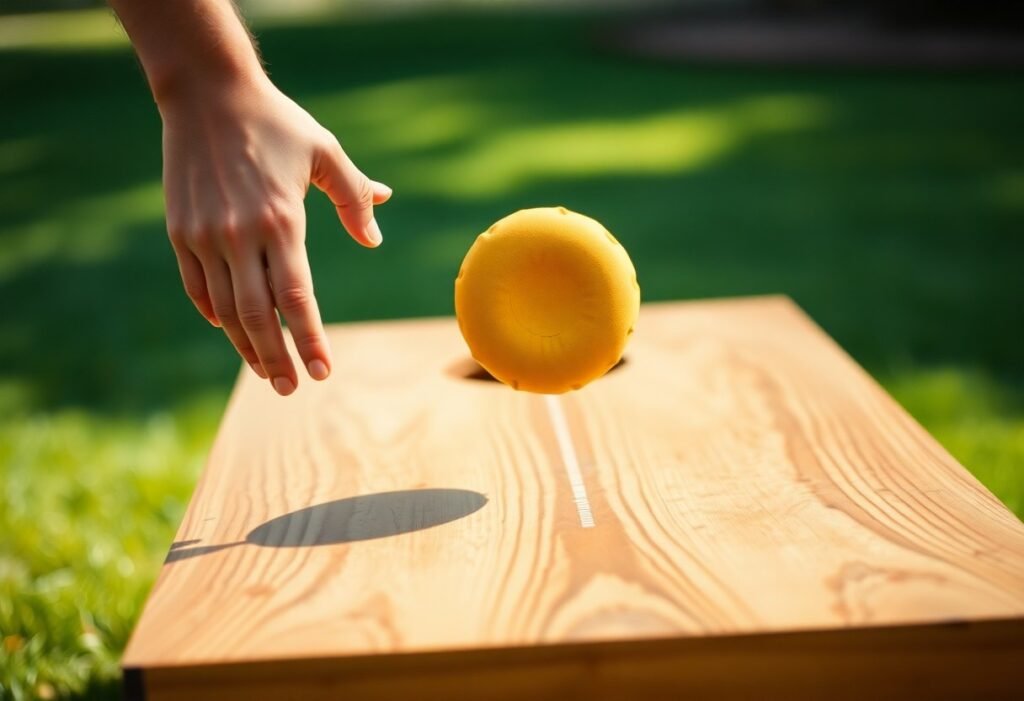
You should square your shoulders to the target, grip the bag at the seam, and practice a smooth wrist release to minimize side spin; aim for the front edge when playing a slide shot and the hole for an airmail. Use the standard board dimensions (48″×24″ with a 6″ hole) to visualize angles, and work on matching your release speed so your bag lands within a 12-18″ radius of the hole consistently-consistency beats power.
Practice Drills
Start with 50 controlled throws from three distances-8 ft, 12 ft, 15 ft-tracking makes per distance; then run a 10-throw “pressure set” where you must hit two consecutive bags to finish. Rotate between slide-only and airmail-only sessions so you train both approaches, and keep sessions under 30 minutes to avoid fatigue.
Break drills into focused goals: one session targets release consistency with a marked aim point on the board, another emphasizes backswing and footwork using boxes or tape for foot placement. Record your hit rate each week and set incremental targets (for example, raise 12 ft make-rate from 50% to 70% in four weeks). Simulate game pressure by scoring sets and limiting time per throw; that practice transfers directly to improved match-day performance-track progress to ensure steady gains.
Factors to Consider for Indoor Play
Assess your room with an eye for space, flooring, lighting, and safety: aim for 15-21 feet between boards when possible, clear a 3-5 foot perimeter around play, and choose a low-pile surface to keep bag arcs consistent. Use 14-16 oz bags indoors or softer fabric in tight rooms to reduce bounce and noise, and secure loose items that could be tripped over. After you checklist these items, adjust distance and gear to match the room.
- Space: 15-21 ft recommended indoors
- Flooring: low-pile carpet or hardwood with protection
- Lighting: even, glare-free fixtures
- Safety: 3-5 ft clear perimeter
Handling Different Flooring Types
On carpet you’ll get slower slides and may prefer firmer throws; on hardwood boards need non-slip pads and felt feet to prevent scuffing; on tile expect faster slides and potential board movement so anchor corners; on rubber or gym floors bags can bounce more, so reduce force; on area rugs secure edges to avoid trips and inconsistent bounces. Test with 20 throws to dial in aim and bag choice. Any loose rugs should be taped and boards anchored to stop movement.
- Carpet: firmer throws, choose higher-friction bags
- Hardwood: use felt feet and non-slip pads
- Tile: anchor boards, expect faster slides
- Rubber: reduce throw force to limit bounce
| Recommended Distance | 15-21 ft indoors (adjust by room) |
| Bag Weight | 14-16 oz for controlled indoor play |
| Perimeter Clear Space | 3-5 ft around boards |
| Lighting | 300-500 lux, even, no glare |
| Floor Prep | Secure rugs, use pads/anchors, test 20 throws |
Accommodating Weather Conditions
If you move play indoors due to rain or wind, protect boards and bags from moisture: store boards on risers so they dry evenly and blot wet bags before play since humidity above 60% can add weight and change slide. Shift distance to 15-21 ft if space is tight, and keep a dehumidifier or fans running to speed drying and reduce slick floors-water on floors increases slip risk and damage to wood.
Plan for transitions: if forecast shows intermittent rain, keep a covered staging area so you can swap boards without soaking floors; bring at least two sets of bags (one dry, one for damp conditions) and use silica packs in storage cases to protect burlap or cotton bags. Track temperature-below 40°F boards stiffen and seams can split-so acclimate gear indoors for 24 hours before competitive play and mark wet zones with tape to prevent slips and equipment damage.
Hosting an Indoor Cornhole Tournament
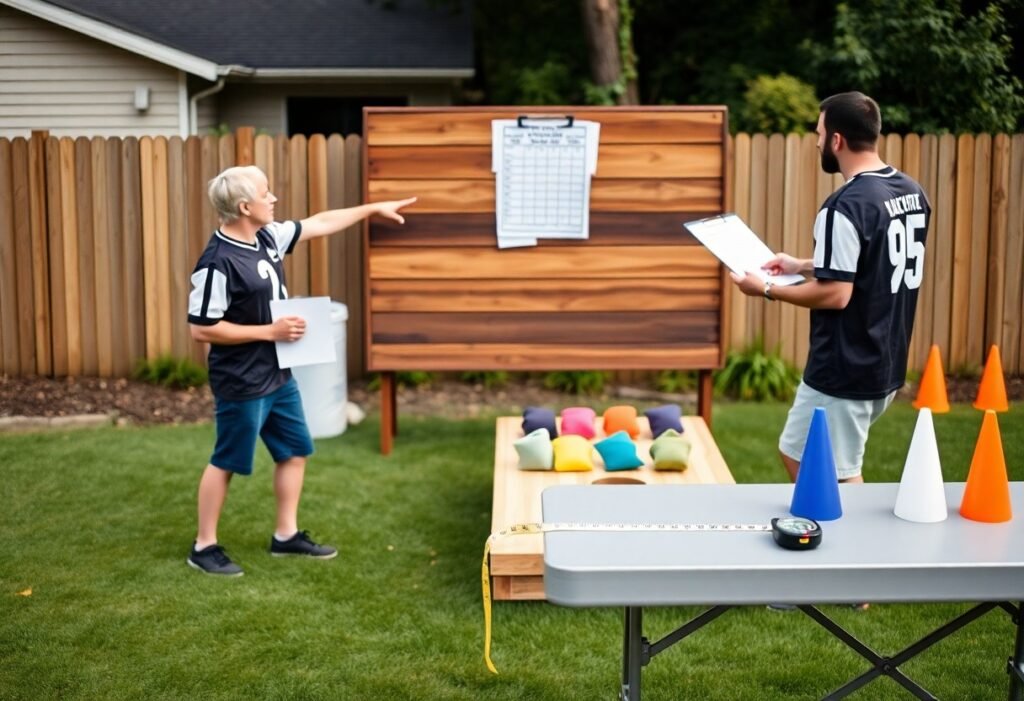
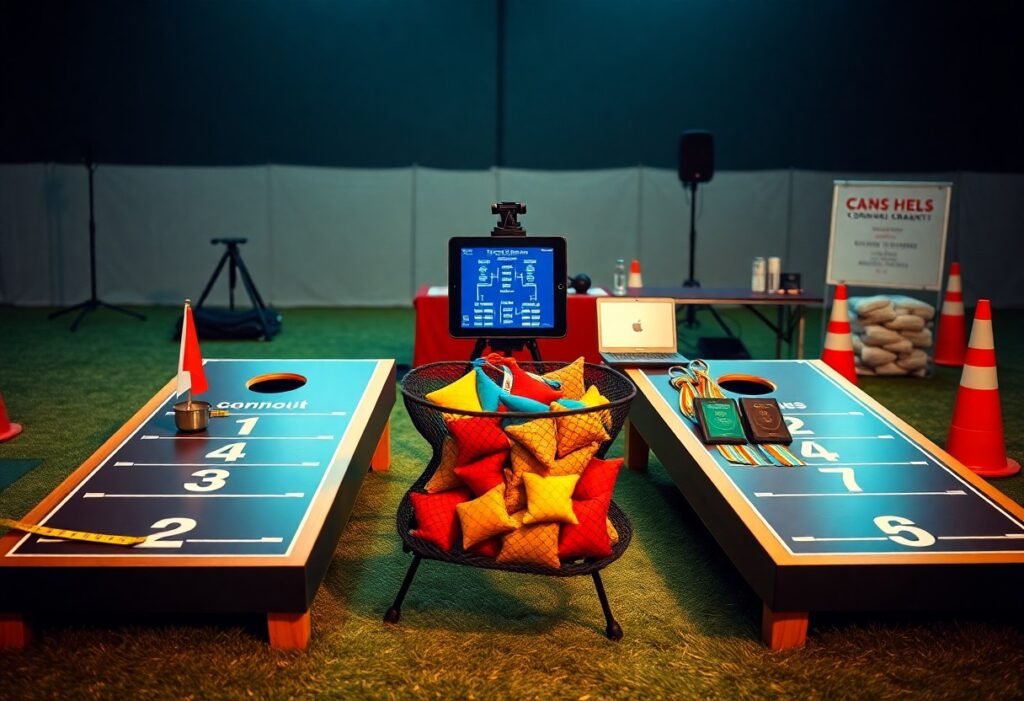
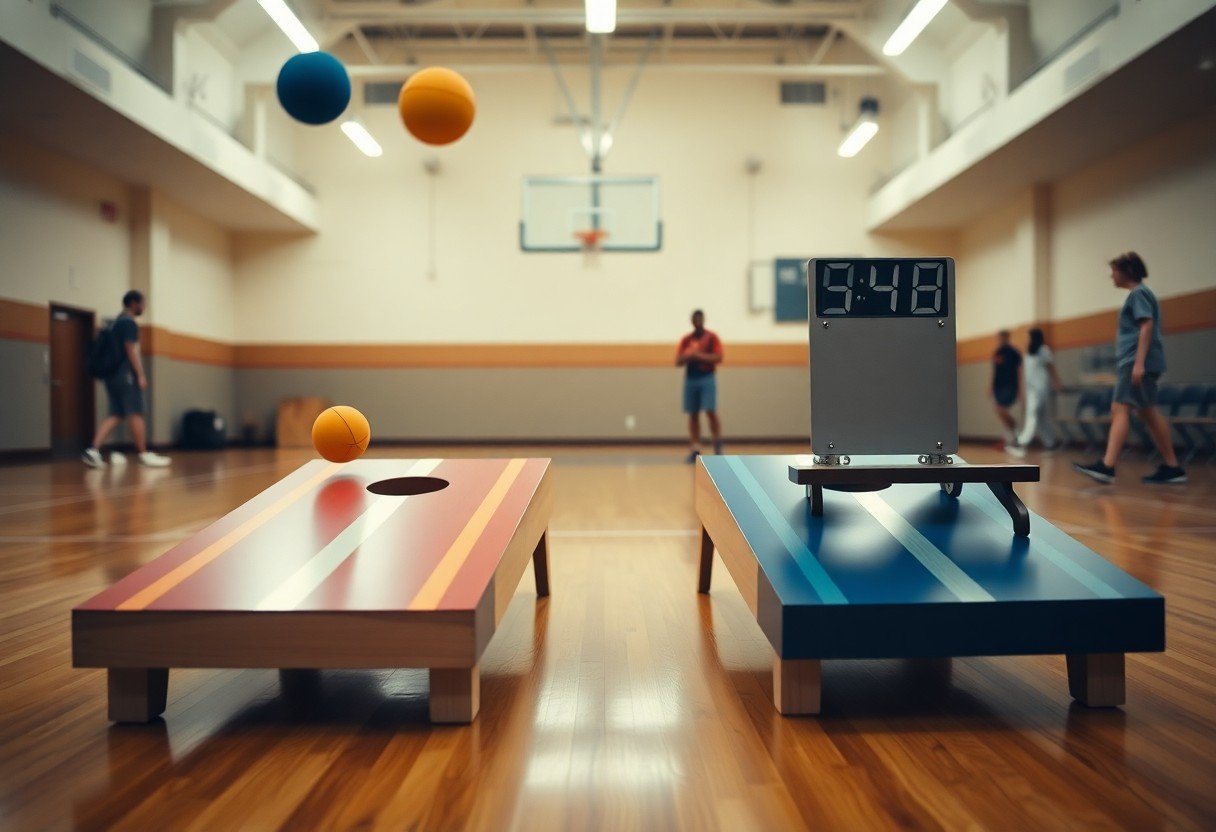
Set up a double-elimination bracket for 8-16 teams to keep matches moving; with 2 boards you can run simultaneous games and finish in 2-3 hours. Assign a scorekeeper, use 15-minute match windows (best of 3 games), and post the bracket visibly. Keep aisles clear and mark a safe play zone to avoid trips or stray bags. Offer simple prizes like gift cards or a trophy to boost turnout.
Organizing Participants
Have players register online or set a 30-minute check-in so you can confirm teams and waivers. Limit rosters to two players per team for doubles, and create separate brackets for novices and experienced players using a simple seeding rule: top 4 seeds get byes. If you expect 24 teams, run three courts to finish under 4 hours. Post rules and a medical/waiver notice at check-in.
Creating a Fun Atmosphere
Curate a 2-3 hour playlist at 70-75 dB to energize play without drowning conversation; you can include popular upbeat tracks and alternate genres every 30 minutes. Set up themed photo spots and a visible scoreboard with live updates to keep spectators engaged. Offer bottled water and finger foods, and provide seating for every 4 spectators per court. Small touches like LED lane lighting create a festive vibe.
Add string lights and LED strips along board edges, and make sure you leave clear 3-foot walkways to prevent trips; place rugs only where taped securely. Schedule short 10-minute intermissions after every two rounds for score updates, raffles, and quick bag maintenance. Hire an emcee or assign a host to announce matchups and keep pace, and prepare an 11×17 printed scoreboard plus a digital bracket for live updates. Mark any trip hazards and keep high-volume speakers away from play areas.
Conclusion
Drawing together the importants, you can adapt cornhole to any indoor space by adjusting board distance, using softer or lighter bags, protecting floors, and setting clear scoring and safety rules. Keep the pace steady, limit throws to safe zones, and tweak rules to fit your room so play stays competitive, enjoyable, and damage-free.
FAQ
Q: How should I set up cornhole indoors when room is limited?
A: Place the two boards facing each other with the front edges aligned. Official front-to-front distance is 27 ft, but indoors use 8-18 ft depending on room size (12-15 ft is a good compromise for adults; 8-12 ft for small rooms or kids). Put non-marking rubber or felt pads under board legs, mark the foul line with painter’s tape, clear a 4-6 ft landing area in front of each board, and check ceiling height to limit high arcs.
Q: What scoring and rule changes work best for indoor play?
A: Use standard cancellation scoring (3 points for a bag through the hole, 1 point for a bag on the board). Play with four bags per player/team and alternate throws after a coin flip. For faster indoor games, play to 11 or 15 instead of 21, or reduce bags to 2-3 each. Keep basic fouls: no stepping past the front edge when throwing and any bag that contacts the floor before the board does not count.
Q: Which bags and board modifications reduce noise and protect floors?
A: Choose soft, microfiber or suede-style bags filled with plastic resin pellets (they’re quieter and don’t shed like corn). Fit boards with non-marking rubber feet or furniture sliders, add felt or rubber bumpers under corners, and place a thin rug or foam mat where bags land to dampen sound and protect flooring. Use painter’s tape for foul lines so floors aren’t damaged.
Q: How can I adapt gameplay for kids, quick matches, or apartments?
A: Shorten distance between boards and reduce bags per player (2-3) for quicker rounds. Use lower target scores (first to 11 or 15) or timed rounds to keep games short. For apartments, schedule quieter hours, use soft bags and mats, and consider velcro or magnetic targets and lighter bags for kids to prevent wild throws and reduce noise.
Q: How do I handle common indoor problems like sliding boards, wobbly legs, or neighbor complaints?
A: Secure boards with non-slip pads, double-sided tape, or small weights on the back edge to stop sliding; tighten or replace unstable legs and add rubber caps. Reduce noise with soft bags and an under-board mat, lower throwing arcs to avoid ceiling strikes, and move breakables out of the area. If disputes arise about scoring, appoint a neutral scorer or record plays on a phone for quick review.