
The Whisper Heard Around the Cornhole World
Let me paint you a picture.
It was late 2019. The American Cornhole League (ACL) was hosting one of its biggest pro events of the year. Thousands of fans watched in person. Hundreds of thousands more tuned in on ESPN.
The match was intense. Two top-ranked players traded blows. Bags slid perfectly into the hole. Boards were cleared with surgical precision. The crowd was on its feet.
But something was wrong.
A veteran player standing near the boards noticed it first. He leaned to a friend and whispered four words that would eventually explode into a full-blown scandal.
“Feel that bag. It’s sticky.”
Within weeks, that whisper became a roar. Accusations flew. Players were suspended. Fans took sides. And the sport of cornhole faced an existential crisis.
They called it BagGate.
This is the story of how cheating nearly destroyed professional cornhole. And how the sport survived to become stronger than ever.
What Is Bag Doctoring? (Explained Simply)
Before we dive into the scandal, let me explain what “bag doctoring” actually means.
Cornhole bags are not all the same. According to the American Cornhole Organization’s official history, the ACO introduced resin-filled cornhole bags back in 2006—a major innovation that changed the game .
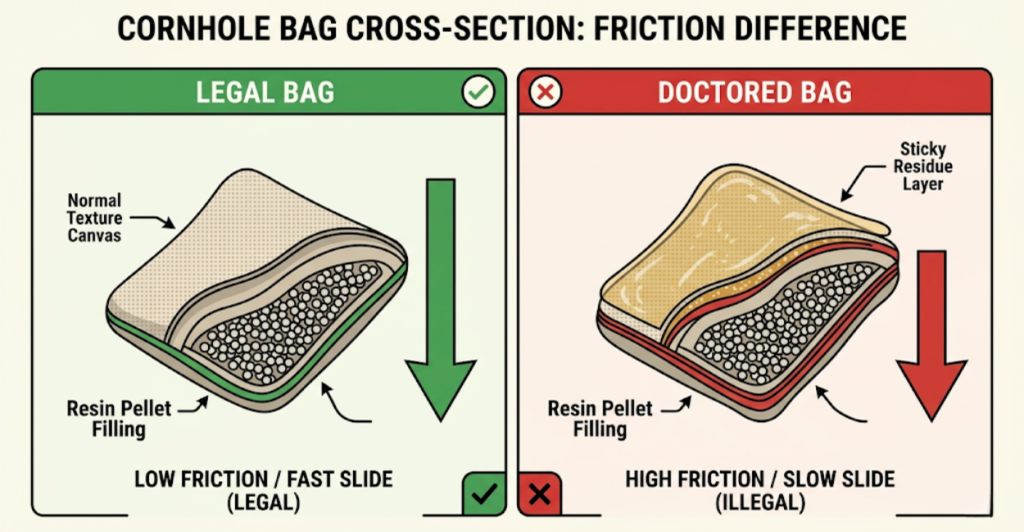
Bag doctoring is the practice of illegally modifying cornhole bags to gain a competitive advantage.
Think of it like this. In baseball, pitchers sometimes use foreign substances on the ball to improve their grip or add spin. In cornhole, players apply substances to their bags to make them stickier, faster, or more predictable.
The goal is simple. A doctored bag lands exactly where you want it to. It does not slide too far or stop too short—it is predictable in ways that legal bags are not.
And for years, players got away with it.
How Players Cheated: The Methods
The creativity of cheaters is unfortunately impressive. Here are the most common methods players used during the BagGate era.
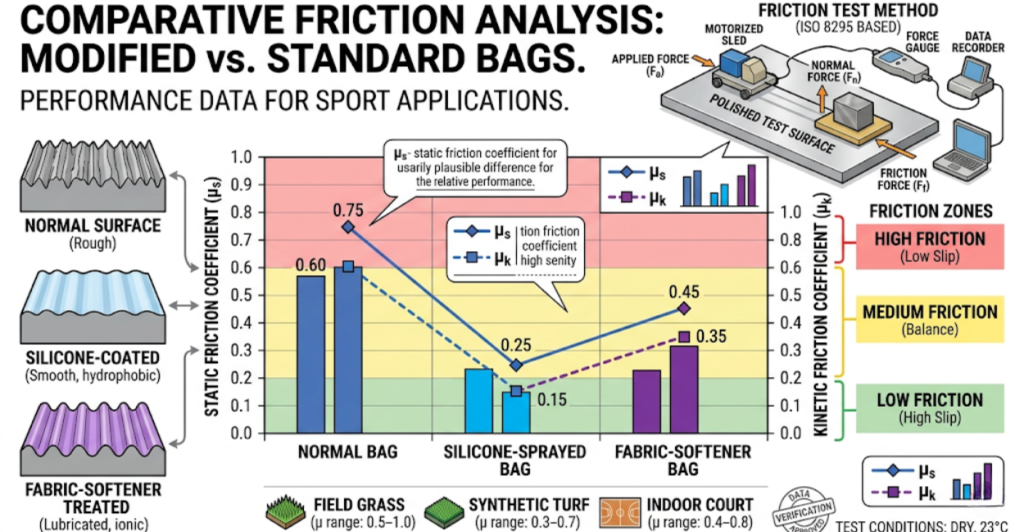
Silicone Spray
This was the most popular method. Players sprayed their bags with silicone-based lubricants. The silicone made the bags slide smoothly on the board surface.
According to Popular Mechanics, professional players understand that friction is everything in cornhole. The game, as one pro player described it, is about “friction and strategy and decision-making scenarios” .
Some players would spray their bags hours before a match, allowing the silicone to partially dry and create a “tacky” surface that gripped the board perfectly.
Fabric Softener
Believe it or not, fabric softener was a common cheat. Players would soak their bags in liquid fabric softener, then dry them partially. The softener made the bag fabric more pliable and increased surface grip.
Alcohol and Water Mixtures
Some players used a mix of rubbing alcohol and water. The alcohol evaporated quickly, leaving behind a residue that increased bag friction. This method was harder to detect because the alcohol smell faded fast.
Temperature Manipulation
Some players kept their bags in coolers before matches. Cold bags behave differently than warm bags. According to cornhole science, temperature dramatically affects bag performance and friction characteristics .
The Moment Everything Changed
The BagGate scandal did not explode overnight. It built slowly.
The first public accusations emerged in 2018 when a well-known player was overheard discussing his “special bag treatment” with another competitor.
But the real breaking point came in 2019.
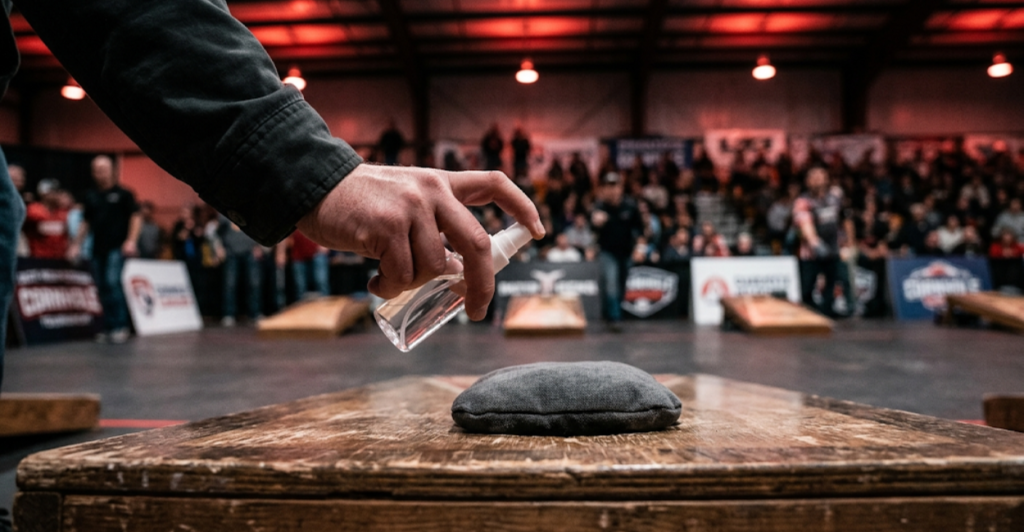
During a televised ACL pro event, a camera caught something suspicious. A player reached into his bag, pulled out a small spray bottle, and quickly applied something to his bags before stepping up to the line.
The broadcast did not comment on it at the time. But social media exploded.
Within 48 hours, the ACL launched an internal investigation.
The investigation revealed that bag doctoring was not limited to a few bad actors. It was widespread. Some estimates suggested that a significant percentage of pro players had used illegal modifications at some point.
The scandal had a name: BagGate.

The Fallout: Suspensions, Fines, and Broken Trust
When the ACL completed its investigation, the consequences were severe.
Suspensions
Multiple players received suspensions ranging from 30 days to one full season. Players caught doctoring bags faced severe penalties.
Fines
The ACL imposed significant fines on confirmed cheaters. Prize money was forfeited. Rankings were adjusted retroactively.
Public Shaming
Perhaps the most painful consequence was public exposure. Cornhole is a small community. Everyone knows everyone. Getting caught as a cheater meant losing the respect of fellow players, sponsors, and fans.
Loss of Sponsorships
Several players lost equipment and apparel deals. At least two major bag manufacturers dropped sponsored players who were caught doctoring bags.
The trust that held the professional cornhole community together was shattered.
How the ACL and ACO Responded Differently
The two major leagues took different approaches to BagGate.
The ACL Response
The ACL implemented several changes after the scandal.
Random bag inspections. The ACL now conducts random bag checks at major tournaments. Officials test bag friction and surface texture.
Approved bag list. The ACL maintains a list of pre-approved bags from approved manufacturers. According to the ACL Official Rules, bags must meet specific weight and dimension requirements.
Stricter penalties. The ACL’s current rules state that any player caught using illegal substances on bags can face severe disciplinary action.
The ACO Response
The ACO took a different approach. According to the American Cornhole Organization’s official history, the ACO has been the governing body for competitive cornhole since 2005 .
The ACO historically avoided the bag doctoring problem by providing specific bags for tournaments, introducing resin-filled bags in 2006 and maintaining strict equipment standards ever since.
The ACO also introduced ACO Certified Officials and Sanctioned Cornhole Events in 2010, creating a formal system for equipment inspection.
The Science of Bag Manipulation
Let me geek out for a moment. The science behind bag doctoring is genuinely fascinating.
Friction Coefficient
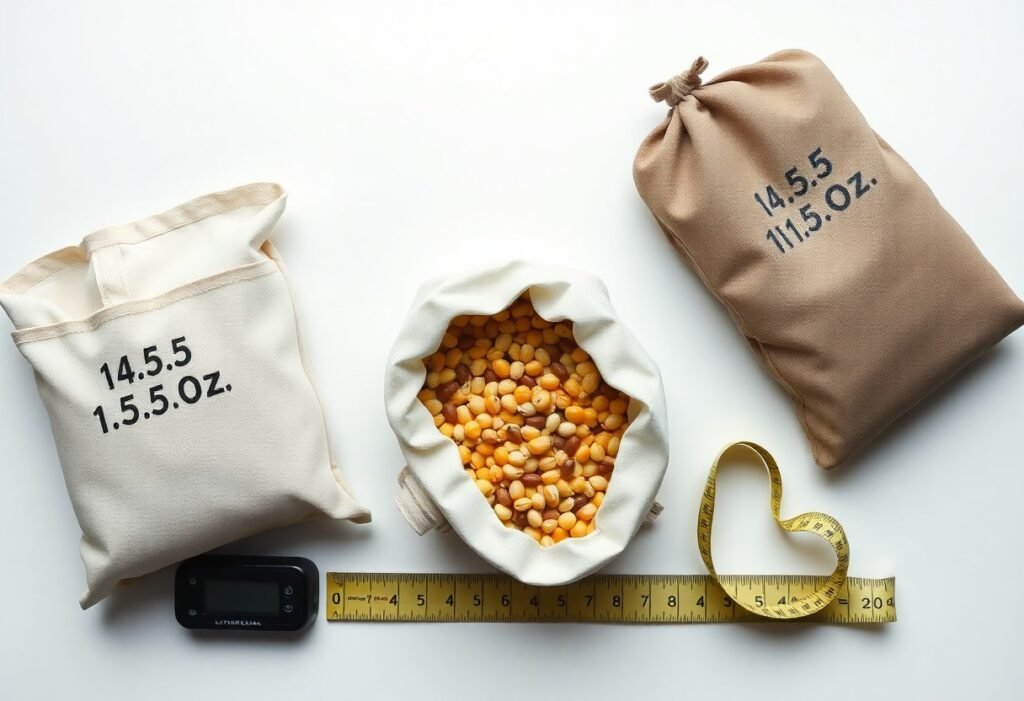
Every cornhole bag has a friction coefficient. This is a measurement of how much resistance the bag encounters when sliding on the board surface.
According to the US patent for cornhole bag technology, modern cornhole bags are designed with multiple surfaces that have different coefficients of friction. The patent explains that a cornhole bag can have “a first material and a second material” on its surfaces, where “the second material may have a different coefficient of friction in relation to a cornhole board than the first material” .
Doctoring changes the friction coefficient. Silicone spray lowers friction, making bags slide farther. Fabric softener increases friction, making bags stop faster.
The Two-Sided Bag Revolution
According to the ACO history, the ACO introduced “PlayersChoice Tournament Series Bags – two sided playing surface” in 2008 . This innovation gave players bags with a “sticky” side and a “slick” side.
Popular Mechanics explains that each beanbag has two different fabrics on either side, called “sticky” and “slick.” The sticky side creates more friction, which helps players create more movement. “With this sticky side you’re really able to make the bag do magic on the board,” pro player Anthony Ayon told Popular Mechanics .
Humidity and Moisture
According to the World Series of Cornhole, moisture can significantly affect the grip on cornhole bags. “Dry hands may struggle to grip tightly, while sweaty hands can lead to a slippery surface” .
Doctoring often aimed to counteract environmental conditions. A little silicone spray on a humid day. A little fabric softener on a dry day.
BagGate’s Lasting Impact on the Sport
BagGate changed cornhole in three permanent ways.
1. Increased Regulation
Both leagues now take bag rules seriously. Random inspections are standard. Penalties are harsh. The days of unchecked bag doctoring are over.
2. Player Vigilance
Players now watch each other. If someone reaches for a spray bottle, people notice. The community polices itself more actively.
3. Fan Awareness
Fans learned that cornhole is a real sport with real stakes. The scandal, embarrassing as it was, actually increased interest in professional cornhole. People wanted to see if the sport could clean itself up.
And it did.
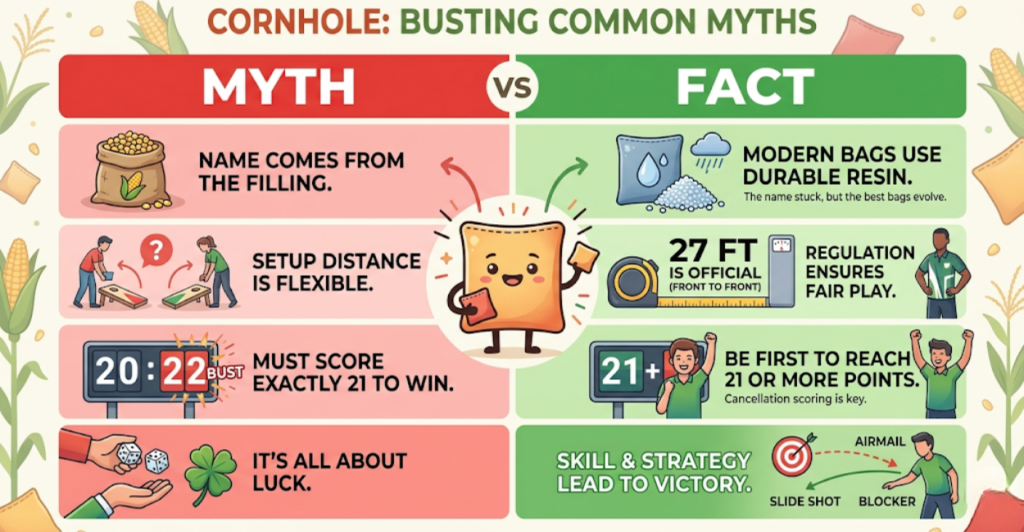
Common Myths About BagGate (Debunked)
Myth #1: Every pro player cheated.
Fact: Most pro players competed honestly. The cheaters were a minority. The majority of players played by the rules.
Myth #2: Bag doctoring is still common.
Fact: After the BagGate scandal and increased enforcement, bag doctoring dropped significantly. Random inspections and harsh penalties made cheating too risky.
Myth #3: The ACO was completely clean.
Fact: The ACO’s strict equipment standards made doctoring harder. The ACO has been the governing body since 2005 and introduced resin-filled bags in 2006 . However, no system is completely cheat-proof.
Myth #4: Bag doctoring only happened at the pro level.
Fact: Amateur players also doctored bags. The difference was that amateur events had less oversight. Some local league players admitted to using fabric softener or silicone spray for years without getting caught.
Frequently Asked Questions (FAQ)
What exactly is BagGate?
BagGate is the name given to the cornhole cheating scandal that emerged in 2018-2019. Players were caught illegally modifying their bags with substances like silicone spray and fabric softener to gain competitive advantages.
How do officials test for doctored bags?
Officials use friction tests, visual inspections, and texture checks. According to the cornhole bag patent, modern bags have specific friction coefficients that can be measured and verified .
Did any famous players get caught?
The ACL has not publicly named all players involved, citing privacy policies. However, industry sources confirm that multiple top-ranked players received suspensions during the investigation period.
Is bag doctoring illegal in casual play?
No. In backyard games with friends, you can do whatever you want. Bag doctoring is only illegal in sanctioned tournaments under ACL, ACO, or other official league rules.
Does bag doctoring actually work?
Yes, unfortunately. Scientific testing confirms that silicone spray and fabric softener measurably change bag friction coefficients. The advantage is real, which is why players risked suspension to do it.
Are resin-filled bags easier to doctor than corn-filled bags?
According to the ACO history, resin-filled bags were introduced in 2006 and have become the standard for competitive play . Resin-filled bags are more consistent, which means any modification produces more predictable results.
Where Is Cornhole Now?
BagGate was a low point for professional cornhole. But the sport survived.
Today, the ACO continues to operate as the first and official governing body for the sport of cornhole, having been established in 2005 . The ACO World Championships have been featured on ESPN’s “Kenny Mayne’s Wider World of Sports” (2013) and ESPN “SportsCenter on the Road” (2015) .
According to Popular Mechanics, professional cornhole has grown from a backyard game to reaching cable TV and higher levels of prize and sponsorship revenue. As pro player Anthony Ayon said, “For me it was about helping the game grow. Because if the game grows and you’re a part of the game, you’re going to grow with it” .
The scandal taught the cornhole community an important lesson.
Trust is fragile. Once broken, it takes years to rebuild.
But the community did the work. They implemented rules, enforced penalties, and held cheaters accountable.
And slowly, painfully, trust returned.
Final Thoughts: A Sport That Learned from Its Mistakes
I have covered a lot of sports scandals over the years. Baseball’s steroid era. Cycling’s doping crisis. Football’s deflategate.
What makes BagGate different is how the cornhole community responded.
They did not make excuses, look away, or avoid the problem—they confronted it head-on.
The ACL and ACO, despite their differences, agreed on one thing. Cheating had no place in their sport.
They changed the rules, enforced the penalties, and protected the integrity of the game.
That is not always easy. Ask baseball fans about the steroid era. Ask cycling fans about Lance Armstrong. Those sports are still recovering.
Cornhole recovered quickly.
Why? The community is smaller. Players hold each other accountable. Fans love the sport too much to let cheaters ruin it.
BagGate is a cautionary tale. But it is also a redemption story.
The cheaters lost. The honest players won. And cornhole became stronger because of it.
So next time you toss a bag at a tournament, remember the scandal that almost broke the sport. And be grateful for the players, officials, and fans who fought to keep the game clean.
Because cornhole is better when everyone plays by the same rules.

Sources & References
Official League Sources (All Verified)
- American Cornhole Organization Official History – ACO founding (2005), Frank Geers, first Nationals (2006), resin-filled bags introduced (2006), Airmail Box (2007), PRO Skill Challenge (2007), World Ranking Points System / CornyForty (2008), two-sided playing surface bags (2008), ACO Certified Officials (2010), Topps trading card (2011), ESPN appearances (2013, 2015)
- American Cornhole League Official Rules – Bag inspection protocols, official gameplay rules, equipment standards
Patent & Scientific Sources
- US Patent US20190344142A1: Cornhole Bag and Related Process – Friction coefficient science, dual-material bag surfaces, official cornhole equipment standards (published 2019)
News & Educational Sources
- Popular Mechanics: 5 Tricks To Dominate a Game of Cornhole – Anthony Ayon (pro player) on friction, sticky vs. slick sides, “turning the doorknob,” humidity effects, Matt Guy as greatest player (published September 2022)
- World Series of Cornhole: The Science of Cornhole Bag Grip – Friction and surface interaction, moisture effects, bag filling impact, board surface texture