
Kids thrive on fun and engaging activities, making padel an excellent choice for developing their physical skills and social confidence. To introduce young players to this exciting sport, you should focus on creating a positive environment, emphasizing teamwork, and encouraging friendly competition. Start with basic techniques and games that promote enthusiasm while ensuring safety through proper equipment and supervision. By fostering a love for the game early on, you can set the foundation for a lifelong passion for padel.
Key Takeaways:
- Focus on fun and engaging activities to spark interest in padel.
- Utilize age-appropriate equipment and modified rules to ensure a positive experience.
- Encourage teamwork and social interaction to build confidence and skills.
Understanding Padel
What is Padel?
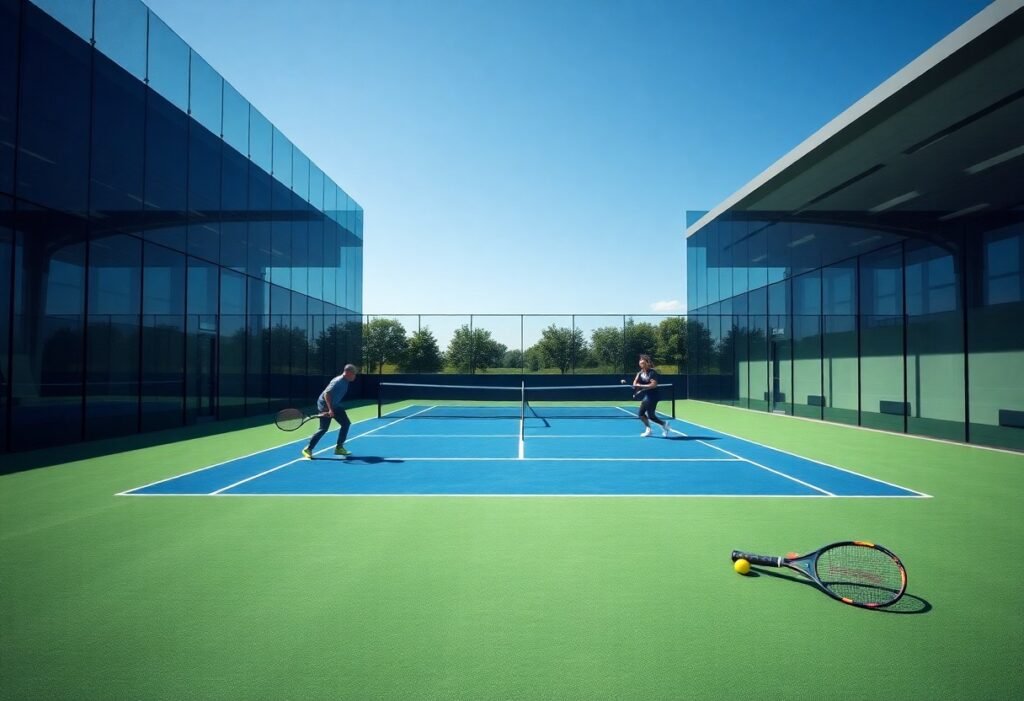
Padel is a fast-paced racquet sport played on an enclosed court about one-third the size of a tennis court. Combining elements of tennis and squash, it involves two or four players hitting a perforated ball over a net. The unique aspect of padel is its use of walls, which allows for a variety of strategic shots and encourages teamwork.
The Benefits of Padel for Kids
Engaging in padel offers numerous advantages for children, including improved physical fitness, coordination, and social skills. The sport’s emphasis on teamwork fosters communication and collaboration, making it an excellent medium for building friendships. Additionally, its low-impact nature ensures that kids can play safely without the risk of excessive strain.
The sport enhances your child’s physical fitness by promoting cardiovascular health and increasing strength and flexibility. As they learn padel, your child develops important life skills, such as resilience through practice and competition. Engaging in padel encourages discipline, as you guide them to set goals and strive for improvement, creating a positive cycle of achievement and personal growth.
How Padel Differs from Other Racket Sports
Padel stands out from traditional racket sports through its unique court design and gameplay mechanics. Unlike tennis, which takes place on an outdoor or indoor court, padel incorporates walls into its play area, allowing the ball to bounce off and create a dynamic, strategic game. This wall usage not only influences game tactics but also makes it accessible for players of varying skill levels.
The smaller court size in padel promotes quicker rallies and offers a more interactive experience between players. As you navigate the game, the focus shifts from sheer power, like in tennis, to precision and strategy, making it easier for newcomers to appreciate and enjoy the sport. This accessibility fosters a welcoming environment, encouraging participation regardless of prior experience in racket sports.
Factors to Consider When Introducing Padel
- Age Appropriateness
- Physical Ability and Development
- Interest and Enthusiasm Levels
- Available Facilities and Equipment
Age Appropriateness
Introducing padel to children should align with their age to ensure the experience is enjoyable and beneficial. Tailoring the game to match their developmental stages fosters engagement, allowing for skill acquisition while minimizing frustration. Generally, children aged 5 to 12 can start with simplified rules.
Physical Ability and Development
Your child’s physical ability plays a significant role in their readiness for padel. Coordination, balance, and agility are imperative components that influence their performance and enjoyment on the court.
Each child develops physically at their own pace, making it important to assess their specific abilities. Younger children may still be honing their motor skills, so providing age-appropriate equipment, like lighter rackets and smaller balls, can enhance their experience. Fostering a supportive atmosphere allows them to gradually improve and build confidence in their abilities.
Interest and Enthusiasm Levels
Your child’s interest in the game directly affects their willingness to participate and improve. Observing their excitement for sports in general can guide your decision on when to introduce them to padel.
Connecting padel to your child’s existing interests can help spark a genuine enthusiasm. For instance, if they enjoy watching tennis or other racket sports, highlighting the fun aspects of padel can make the transition smoother. Plan playful and engaging activities to encourage participation and foster a love for the game.
Available Facilities and Equipment
Assessing the availability of facilities and proper equipment is vital before introducing padel to children. Ensure access to a safe playing environment where they can learn and practice effectively.
Look for dedicated padel courts or multi-sport facilities with equipment suitable for their age, such as appropriately sized rackets and balls. Local clubs or community centers often offer introductory programs for young players. Availability of such resources directly impacts their opportunity to engage and develop skills in the sport.
Recognizing these factors will help create a supportive and enjoyable environment for introducing padel to young players.
How to Start Playing Padel
Choosing the Right Equipment
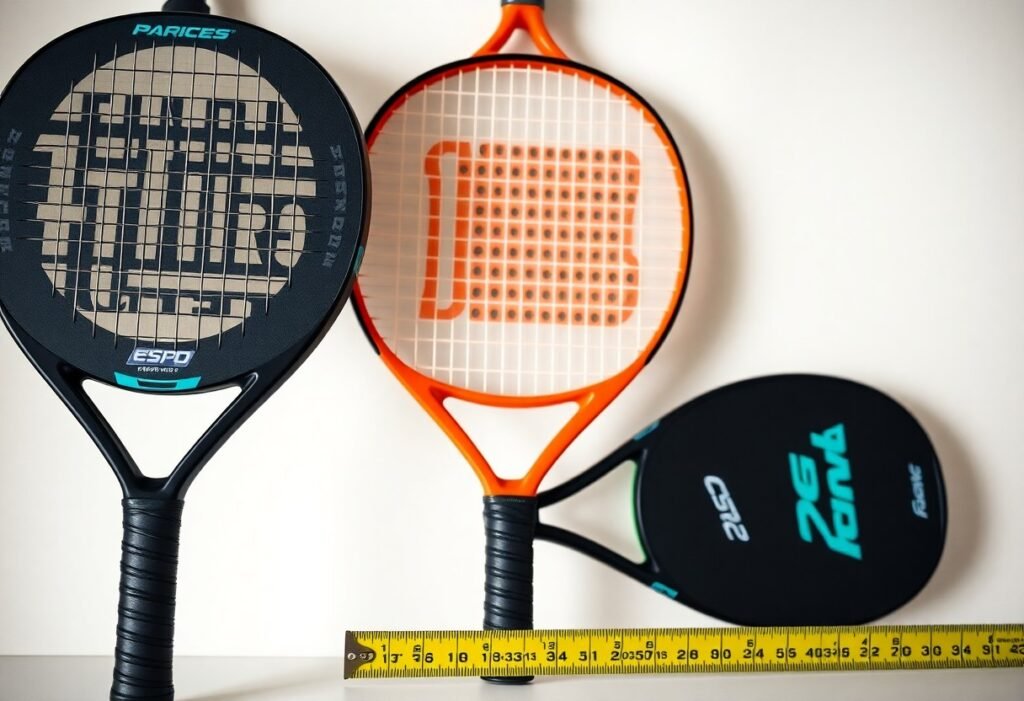
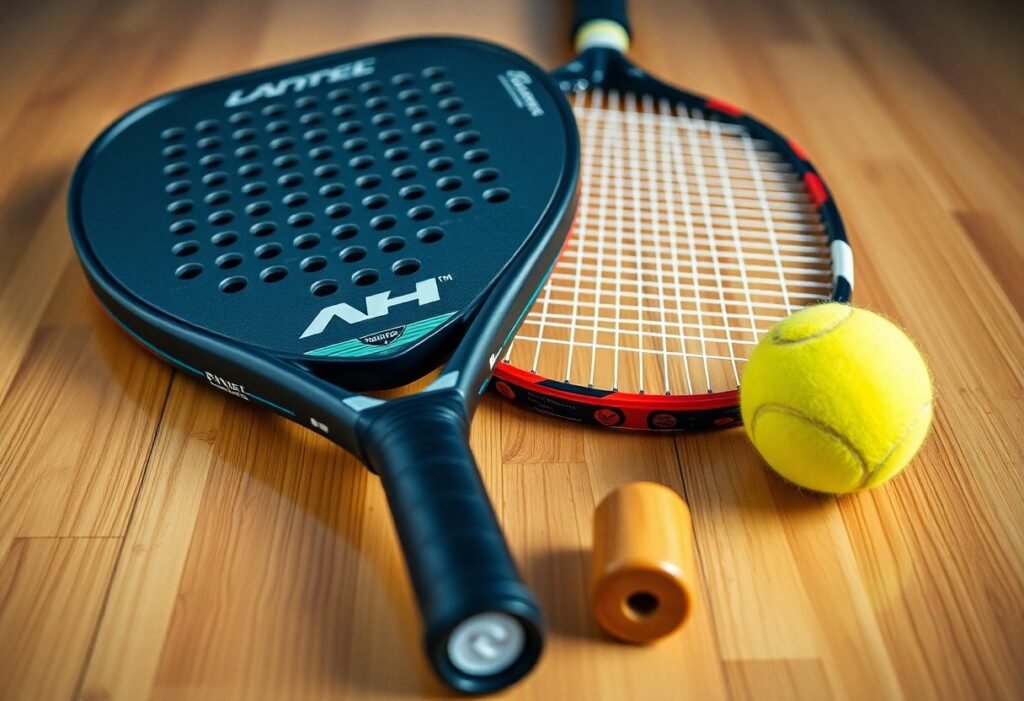
Selecting the appropriate equipment is imperative for your young player’s success in padel. You should look for a lightweight padel racket designed specifically for children, as it enhances control and maneuverability. Additionally, choose padel balls that are slightly softer than standard ones, making them easier to hit and manage. This tailored equipment promotes a positive experience while learning the fundamentals of the game.
Finding Local Padel Clubs or Courts
Locating nearby padel clubs or courts is vital for fostering your child’s interest. Search for local sports centers or dedicated padel facilities that offer youth programs. Many communities feature clubs that cater specifically to young players, providing access to training, matches, and social events, which are excellent opportunities to develop skills and form friendships.
Utilize online directories or community boards to discover options near you. For example, the presence of clubs within a few miles can significantly enhance your child’s involvement. Engaging with coaches or joining local leagues can further encourage your child’s participation while building a network of fellow enthusiasts.
Scheduling Regular Play Times
Establishing a consistent schedule for playing padel can significantly benefit your child’s progress. Regular practice not only enhances skills but also builds discipline and a love for the sport. Aim for at least one to two practice sessions per week, varying activities to include drills, matches, and skill-focused games.
Creating a routine helps your child anticipate and prepare for their padel sessions. This regular commitment also allows for incremental improvement over time, solidifying their skills and fostering a lasting passion for the game. By setting achievable goals during each session, you can boost their enthusiasm and engagement in learning padel.
For further insights, check out Padel for Kids: Perfect Sport for Young Talent.
Tips for Teaching Padel to Kids
- Focus on creating a fun and engaging environment.
- Use age-appropriate equipment and modified rules.
- Introduce basic techniques and skills gradually.
- Encourage team play and sportsmanship.
- Introduce game rules gradually.
Making Learning Fun
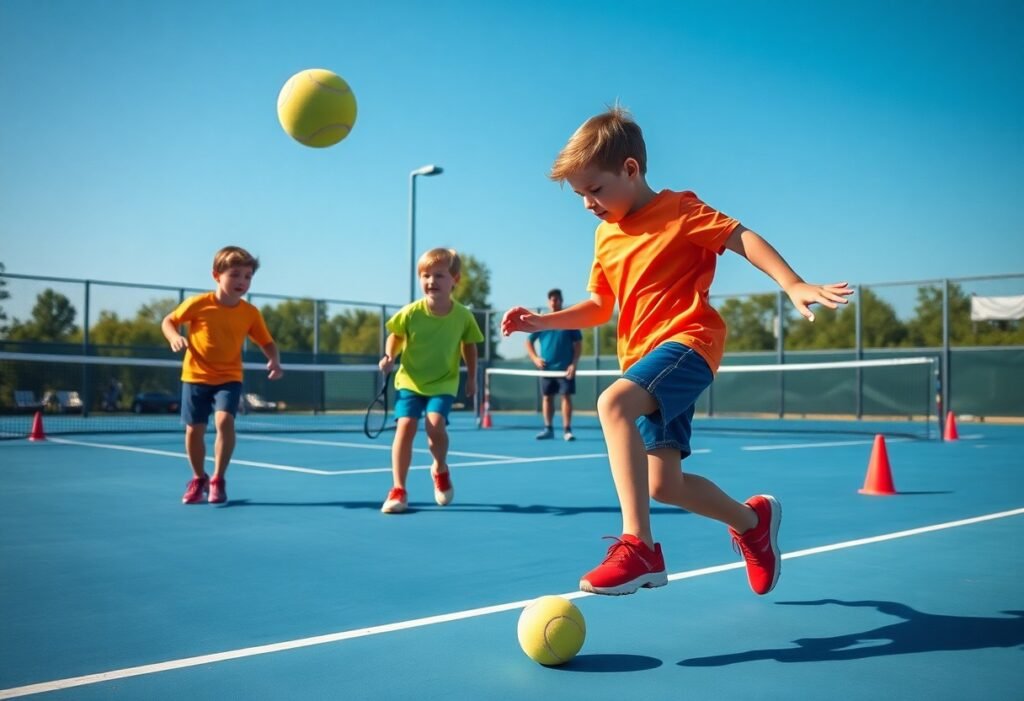
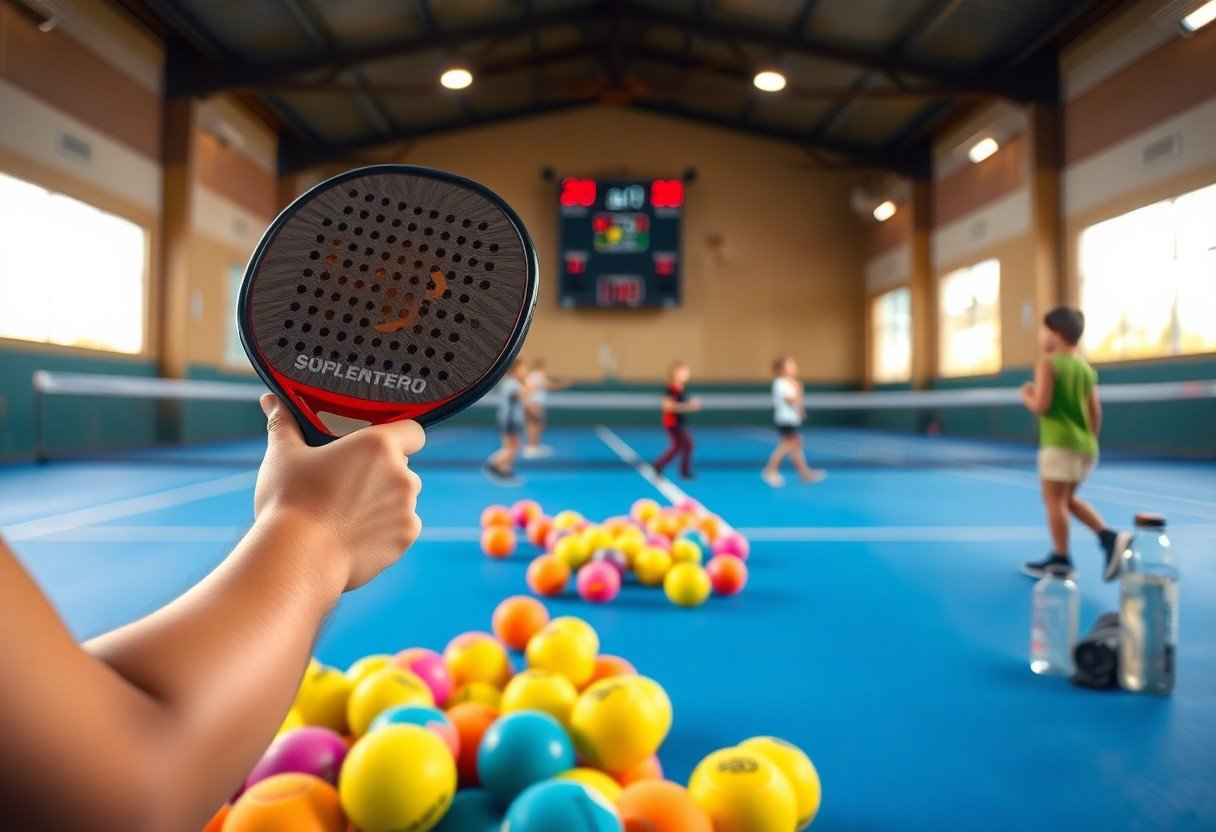
Incorporate games and creative drills to keep your young players engaged. Activities can include relay races with padel rackets or target practice using soft balls. Providing rewards, like stickers or small prizes, can boost motivation and enthusiasm, making every session enjoyable and memorable.
Basic Techniques and Skills to Focus On
Start by teaching the fundamental skills vital for padel, such as the grip, stance, and basic strokes. Use playful exercises, such as balloon rallies, to help develop coordination and timing. Emphasizing these basics builds a solid foundation for their future game.
A solid grasp of the basic techniques will significantly enhance your child’s performance in padel. Focus on the correct grip, footwork, and swing mechanics. Introduce simple drills that emphasize these skills while ensuring that your sessions remain engaging. For instance, rely on fun activities that incorporate movement and allow them to practice their service, groundstrokes, and volleys in a relaxed setting.
Introducing Game Rules Gradually
Begin by explaining the basic rules of padel, such as scoring and court boundaries. Use simplified versions of the full game to avoid overwhelming them with information. Gradually incorporate more rules as their understanding and skills improve.
Your goal should be to introduce game rules progressively to avoid confusion. Start by focusing on the serving rules and how points are scored before gradually incorporating more complex rules like fault systems and game strategies. This gradual approach helps build confidence and creates a solid foundation for understanding the game without feeling overwhelmed.
Encouraging Team Play and Sportsmanship
Foster a spirit of teamwork by organizing pairs or small groups during practice sessions. Highlight the importance of cooperation and respect, celebrating both successes and mistakes collectively to build resilience and camaraderie.
Emphasizing team play nurtures your child’s social skills while reinforcing the importance of sportsmanship. Encourage communication and support during matches, fostering a positive atmosphere where children learn to celebrate each other’s achievements. Encourage them to be gracious whether they win or lose, instilling values that extend beyond the court and into everyday life. Knowing these principles will help shape well-rounded young athletes.
Structuring Padel Practice Sessions
Short and Engaging Drills
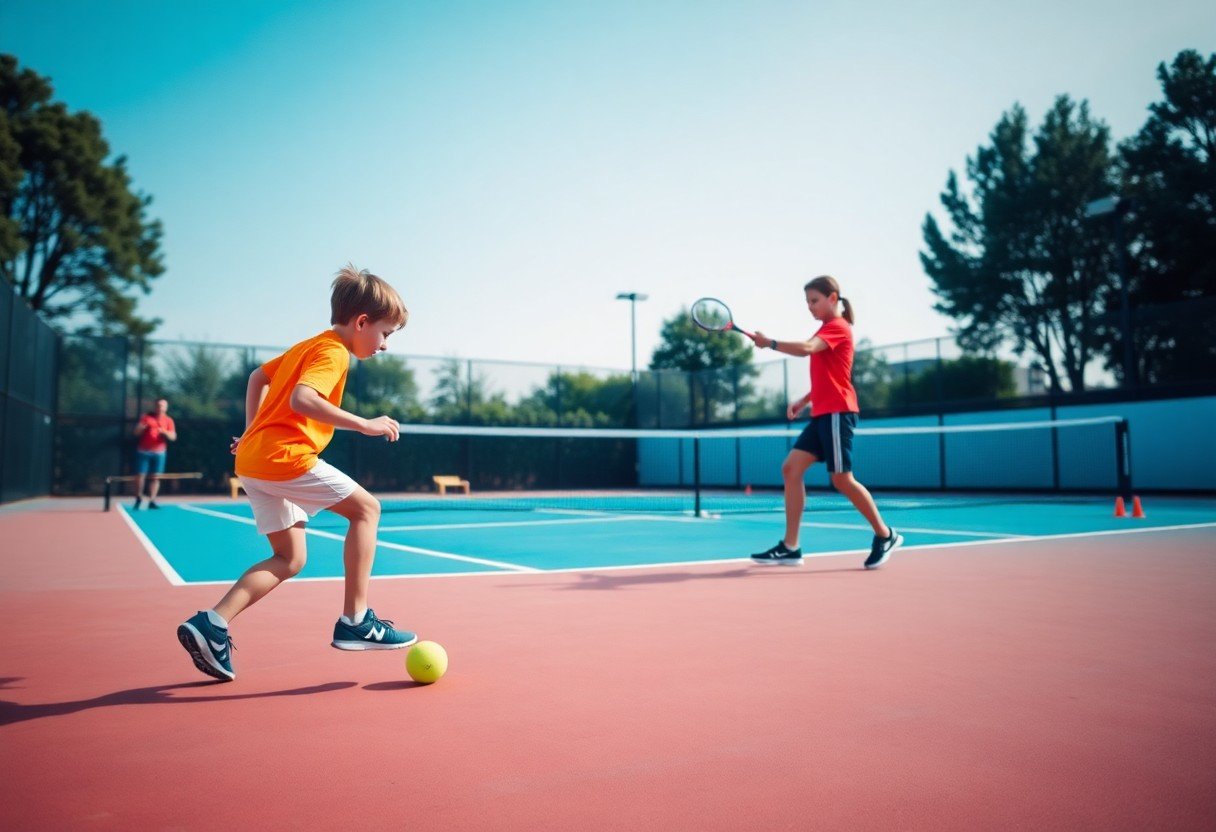
Keep drills short and engaging to maintain your young players’ focus and energy. Aim for 5-10 minute sessions that involve simple skills like forehand and backhand hits, footwork exercises, or net play. Rotating between different drills can prevent boredom and help kids develop various aspects of their game in an enjoyable way.
Incorporating Fun Games
Integrate fun games into practice to create excitement and promote teamwork. Activities like “King of the Court” or relay races not only consolidate skills but also foster a competitive spirit. These games encourage social interaction and light-hearted rivalry, enhancing the overall experience of learning padel.
Fun games serve as a powerful tool in keeping kids motivated and engaged. For instance, you can set up obstacle courses that blend skill development with play, encouraging players to navigate targets while hitting balls. This way, players are developing their coordination and strategic thinking without the pressure of traditional drills.
Setting Goals for Improvement
Establishing clear, achievable goals gives young players direction and a sense of accomplishment. Work with them to identify specific skills they want to develop, such as improving their serve or mastering volley techniques. Documenting these goals can help track progress and ensure consistent focus during training.
Setting goals becomes pivotal in maintaining motivation. You can implement a reward system for reaching milestones, which makes improvement tangible and encourages persistence. For example, after successfully completing a certain number of practice sessions or achieving a new skill level, a small reward can significantly boost their determination and enthusiasm for the sport.
Overcoming Challenges
Keeping Kids Motivated
To keep your child excited about padel, incorporate varied drills and mini-games that make practice enjoyable. Set achievable goals, like mastering a specific shot, and celebrate their progress. Organize friendly matches with peers to foster a sense of community and competition, demonstrating that padel is not just about skill, but fun and teamwork. This approach can ignite passion and maintain their enthusiasm as they learn the game.
Dealing with Frustration in Learning
Frustration is common when children encounter challenges in learning padel. Acknowledge their feelings and encourage them to express what’s bothering them. Offer support by breaking down skills into manageable parts, allowing them to experience small successes that build confidence. Encourage a growth mindset, emphasizing that improvement comes with time and practice, which can transform frustration into motivation.
When your child feels frustrated, provide reassurance and remind them that mastery takes time. Instead of pushing them too hard, adapt your approach by incorporating fun exercises that reinforce basic skills. Regularly check in to see their emotional state, ensuring they feel understood and supported. Transitioning from frustration to enjoyment often requires patience and gentle guidance, making them more resilient in their learning journey.
Balancing Padel with Other Activities
While engaging in padel, it’s imperative to ensure your child maintains a balance with other activities, such as academics and social engagements. Encourage them to explore a variety of interests, so they develop well-rounded skills outside of sports. This way, they can avoid burnout and continue to foster a healthy love for the game without sacrificing other important aspects of their lives.
Creating a balanced schedule involves setting aside specific days for padel while also prioritizing school and social time. Limit practice sessions to a few times a week, allowing your child to engage in arts, music, or other sports. This holistic approach helps them gain diverse experiences, ultimately enriching their padel performance and personal growth.
To wrap up
Conclusively, introducing padel to young players involves creating a fun and engaging environment that nurtures their passion for the sport. Start with basic techniques and emphasize teamwork and sportsmanship, allowing them to enjoy the game without pressure. Utilize age-appropriate lessons and incorporate various drills to keep their interest alive. Regular practice, along with participation in friendly matches, will help them develop their skills. By fostering a positive atmosphere around padel, you can inspire your children to embrace the sport and enjoy its many benefits as they grow.
FAQ
Q: What is Padel and why should kids play it?
A: Padel is a racquet sport that combines elements of tennis and squash, played on an enclosed court. It is enjoyable and encourages physical activity, coordination, and teamwork among kids.
Q: At what age can children start playing Padel?
A: Children can start playing Padel as young as 5 or 6 years old. It’s important to introduce the game in a fun and engaging way to maintain their interest.
Q: What equipment do kids need to play Padel?
A: Kids need a Padel racket, which is lighter and smaller than a tennis racket, Padel balls, and appropriate sports clothing and footwear that provide comfort and support during play.
Q: How can I introduce my child to Padel?
A: Begin by taking them to a local Padel court or club. Consider enrolling them in introductory classes or workshops designed for kids, where they can learn the basics and meet other young players.
Q: What are some tips for keeping kids motivated in Padel?
A: Keep practices fun and varied by incorporating games, challenges, and friendly competitions. Encourage teamwork and celebrate their progress and achievements to build confidence and enthusiasm for the sport.