
It’s smart to budget $200-$2,000+ per trip for gear, lift tickets, and travel; you face wide cost variation, risk of injury on slopes, and access to resorts and lessons that boost safety and enjoyment.
Outfitting the Skier: Gear and Apparel Costs
Outfitting requires allocating funds across hardgoods, apparel, and ongoing upkeep; you’ll likely spend most on boots and skis while helmets, goggles, and layers are smaller line items. Balance fit and safety against price to avoid costly mistakes that harm performance or increase injury risk.
Rental Fleet Tiers: Performance vs. Sport
Rental shops split fleets into sport and performance tiers; you can save with sport models while performance skis cost more. Choose performance if you demand responsiveness; mismatched skill and gear increases injury risk and rental upgrades often add $20-$50 per day.
Long-term Investment in Hardgoods and Maintenance
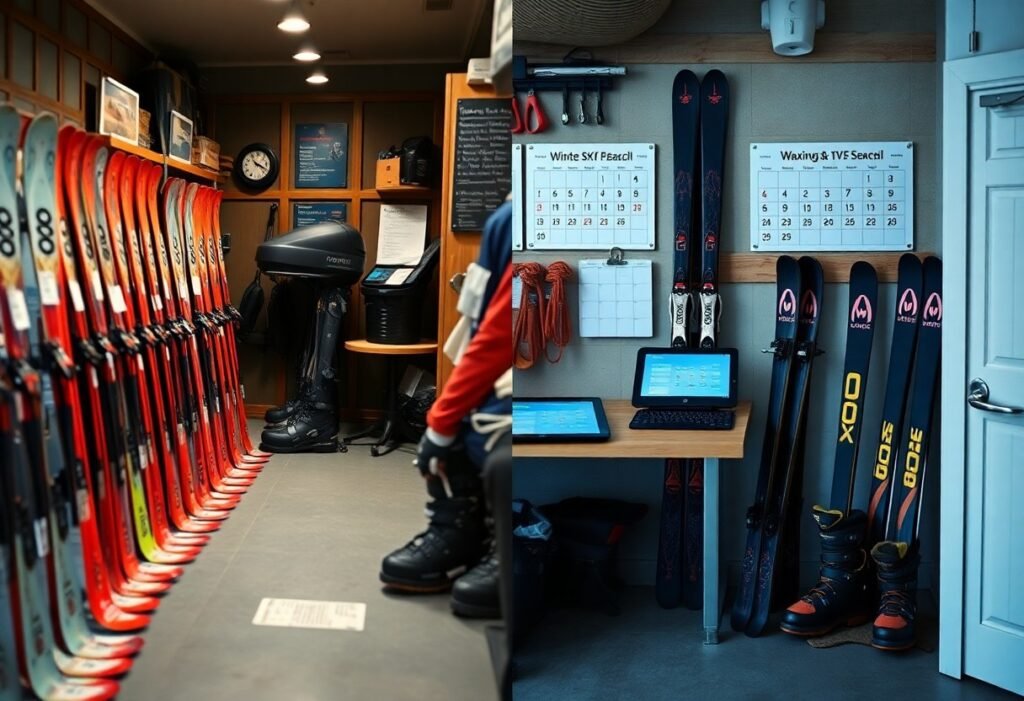
Buying skis, boots, and bindings upfront costs hundreds to thousands, but you cut recurring rental fees; you must budget for waxing, edge tuning, and annual binding checks. Skimping on service raises wear and safety hazards, shortening gear life and increasing long-term spend.
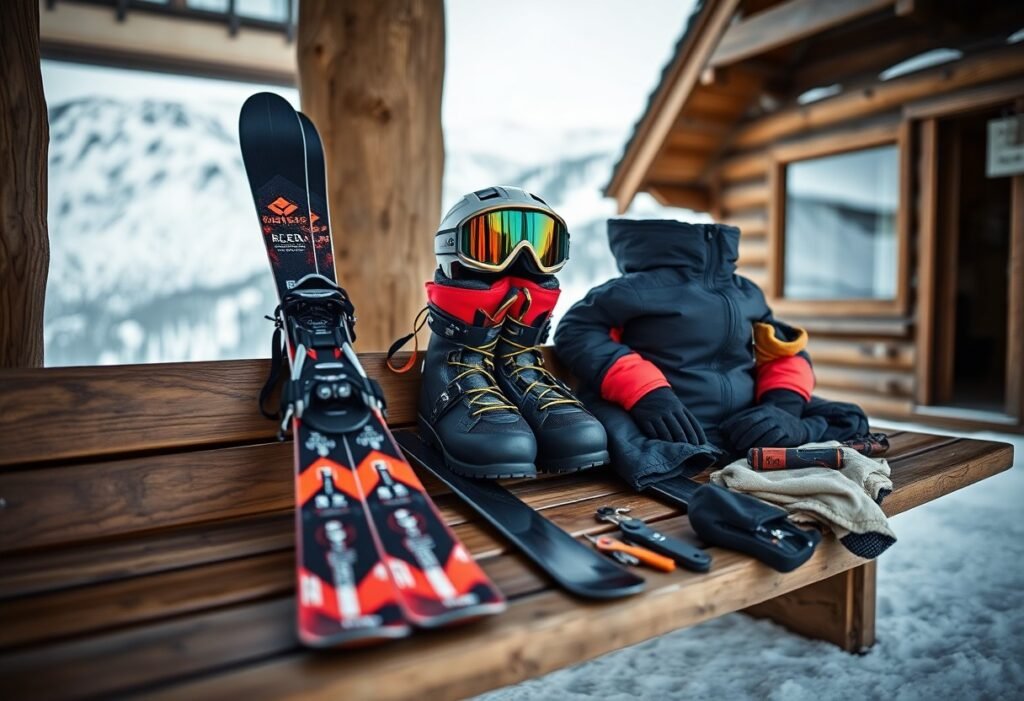
Skiers, if you invest in hardgoods you gain performance and resale value: expect all-mountain skis at $400-$800, boots $300-$700, bindings $100-$250 plus pro boot fitting. Plan $100-$200 yearly for two tune-ups and waxes. Prioritize properly adjusted bindings and custom-fit boots to reduce injury risk and maintain consistent performance.
Technical Outerwear and Layering Systems
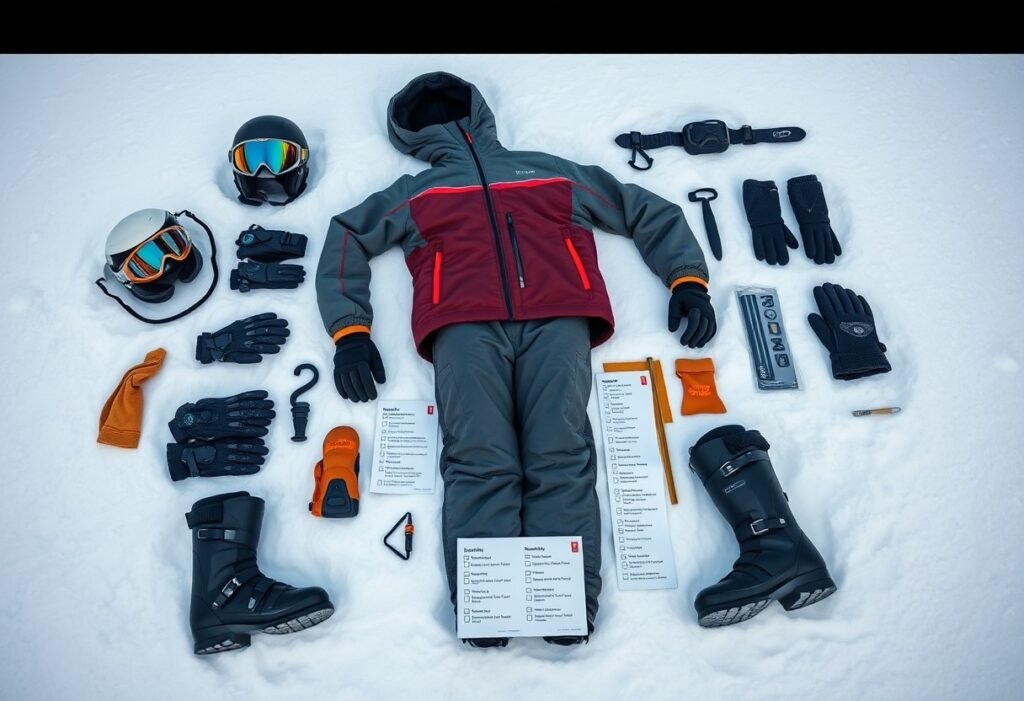
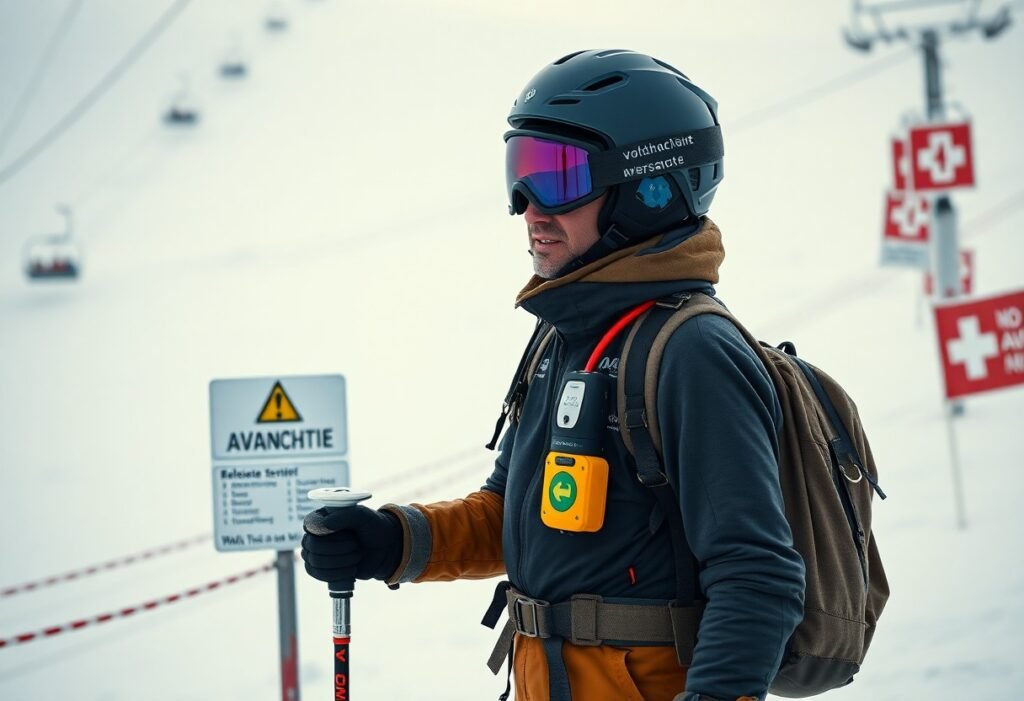
Layering pairs a wicking base, insulating midlayer, and waterproof shell; you can opt for budget pieces or pricier technical garments. Seek breathability and taped seams; wet or inadequate insulation raises hypothermia risk on long days.
Shells and insulated jackets range from $150 budget shells to $600+ pro-level pieces, with membranes like Gore-Tex adding cost but improving waterproofing and longevity. Check waterproof ratings (10,000-20,000 mm), sealed seams, pit zips, and powder skirts. Clean and reapply DWR periodically because compromised outerwear reduces warmth and increases cold-injury exposure.
Coaching and Skill Acquisition Expenses
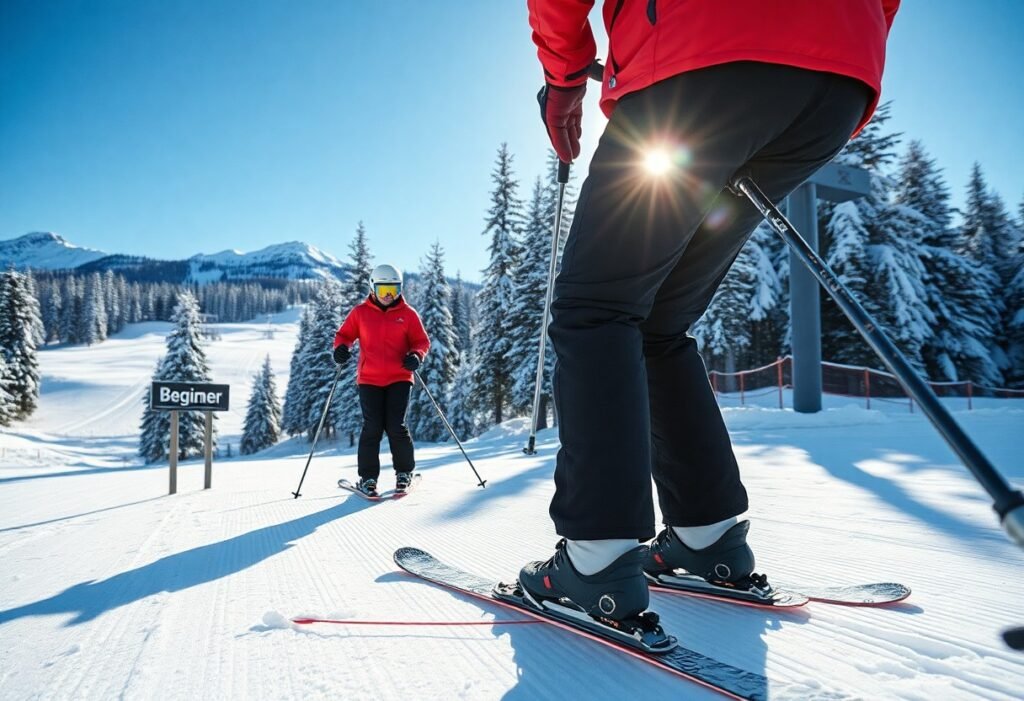
Coaching and skill development can add a significant portion to your ski budget; you’ll choose between economical group lessons and high-end private coaches costing $150-$500+ per hour, which can improve technique and lower your injury risk.
Standardized Group Lesson Rates
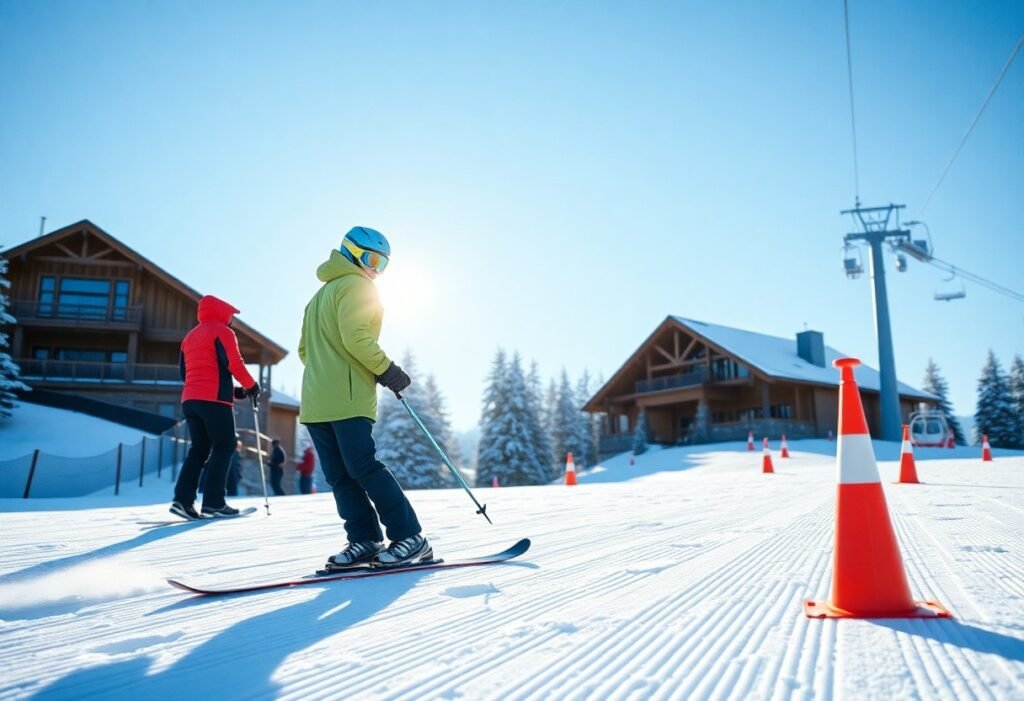
Group lessons commonly run $50-$150 per session or $100-$300 for a full day, giving you cost-effective instruction and social practice with certified instructors.
High-Performance Private Instruction
Private coaching typically costs $150-$500+ per hour depending on coach pedigree and location, offering you one-on-one feedback and tailored drills.
Elite private programs often bundle repeated sessions, video analysis, and off-snow training; you may pay a few hundred dollars per hour or sign a season package totaling $2,000-$10,000. Coaches with pro-level experience command premium fees, and you’ll get personalized technique work and equipment tuning. Pushing into steeper terrain raises injury risk, while focused coaching delivers faster results.
Travel, Logistics, and Transportation
Regional Transit and Airfare Considerations
Flights into mountain airports often cost more during holidays, so you should budget for higher fares and equipment surcharges, check alternative hub airports, and factor in shuttle or bus fares that can significantly raise your total travel bill.
Vehicle Rentals and On-Site Parking Fees
Parking at many resorts carries daily or overnight fees, so you should compare rental-car rates plus parking against shuttle services and rideshares to decide what actually saves you money.
Renting a car adds flexibility but also hidden costs: expect add-ons like ski racks, winter-tire or 4WD requirements, and collision insurance, and be wary of high one-way or drop-off fees; ask about tire chain rules, roadside assistance, and whether resort lots require permits to avoid towing or fines.
The Cost of Stay: Lodging and Sustenance
Your lodging and meal choices often outpace lift-ticket spending: slopeside hotels and condos add high nightly rates and resort fees, while renting in nearby towns cuts costs but adds commute time and parking. You can find community insights like Ski pass costs in the USA. : r/skiing to balance savings and convenience.
Premium Slopeside vs. Budget-Friendly Satellite Towns
Slopeside lodgings give instant access and convenience but command higher nightly rates; staying in satellite towns saves you hundreds per week while adding shuttles or a short drive to the lifts.
On-Mountain Food and Beverage Economics
Expect steep markup on alpine menus-single meals often cost $15-25 and drinks can double supermarket prices, so packing snacks or eating off-mountain reduces your daily spend.
Prices on-mountain vary widely between resort villages and summit huts. You should expect high markups, limited dietary choices at small vendors, and long lines at peak lunch hours that can eat into your ski time. Packing high-energy snacks, using base-area cafeterias, or buying groceries in town are simple ways to lower your food bill and keep you fueled all day.
Strategic Financial Planning for the Season
Planning your season budget requires you to allocate for lift passes, travel, rentals, lessons and insurance while tracking promotions and blackout dates. Set a fixed spending cap and a reserved contingency for unexpected closures or repairs to avoid major overspend late in the season.
Timing the Market: Off-Peak and Midweek Savings
Off-peak travel and midweek skiing let you avoid peak pricing, often cutting lift and lodging costs by up to 50%. You should prioritize flexible dates and book Tuesday-Thursday stays to capture the best rates and quieter slopes.
Leveraging Loyalty Programs and Corporate Discounts
Corporate or employer discounts, season-pass mailing lists and resort loyalty programs often give you substantial discounts or resort credits; join newsletters and link employer benefits to your account to maximize savings.
Memberships and employer programs let you stack discounts: use your credit card perks, company portals, and multi-resort passes together to reduce costs. Watch the fine print for blackout dates, transfer limits and auto-renewals that can unexpectedly increase your bill; verify eligibility before purchase to lock in genuine savings.
Summing up
With this in mind, you should budget roughly $100-$600 per person per day for alpine skiing in the USA for lift tickets, rentals, and basic lessons, while multi-day trips, premium resorts, and lodging can push costs higher; season passes and package deals reduce per-day expenses.
FAQ
Q: How much does a typical day of alpine skiing cost in the USA?
A: Typical lift ticket prices range from $70 to $200 per day depending on the resort and time of season. Equipment rentals usually add $30-$60 per day for skis, boots, and poles. Group lessons commonly cost $50-$100 for a half-day while private lessons run $100-$300. On-mountain food and parking can add $15-$50 and $0-$40 respectively. Budget-minded skiers can expect $120-$200 per day, mid-range trips usually land $200-$350, and high-end days can exceed $350.
Q: Are season passes worth the cost and what do they typically price at?
A: Season passes vary by brand and can cost $300-$1,200 or more depending on access and perks. Major networks such as Epic and Ikon commonly price passes between $700 and $1,200, while regional passes may be $300-$600. Break-even point for frequent skiers is often 6-12 days depending on daily ticket prices and travel. Pass holders should check for blackout dates, resort-specific restrictions, and any extra fees for lessons or parking. Buying a pass early or through promotions can lower the upfront cost significantly.
Q: How does buying gear compare to renting in terms of cost?
A: Buying new skis, bindings, and boots typically runs $700-$2,000 for a complete setup depending on quality and brand. Individual price ranges are roughly $400-$1,000 for skis, $200-$600 for boots, and $100-$300 for bindings. Helmets and goggles add $100-$400, while quality outerwear can be $200-$800. Renting over a season for occasional skiers often costs $30-$60 per day, which becomes more expensive than owning after many days on snow. Purchasing used gear or last-season models cuts upfront costs and still delivers strong performance.
Q: Which resorts or strategies offer the cheapest skiing options?
A: Smaller regional resorts often have lift tickets under $50-$70 on weekdays and during early/late season. Booking midweek lodging and buying lift tickets in advance lowers overall trip cost. Multi-day packages and combo deals that include lodging, tickets, and rentals reduce the per-day price. Renting gear in nearby towns or bringing your own equipment avoids premium on-mountain rental rates. Staying in nearby towns with lower hotel rates and using free shuttles cuts lodging and transportation expenses.
Q: What additional expenses should I budget for a ski trip beyond tickets and rentals?
A: Travel to the resort ranges from $50 for short drives to $400+ for flights or long transfers. Shuttle services, rental cars, or parking fees typically add $20-$150 depending on distance and season. On-mountain services such as lockers, childcare, and private lessons can add $30-$200 per day. Après-ski dining, equipment repair, and shopping can push the total substantially higher. Trip insurance and potential helmet or gear replacement should be factored into the trip budget as well.