Let me tell you about my friend Susan.
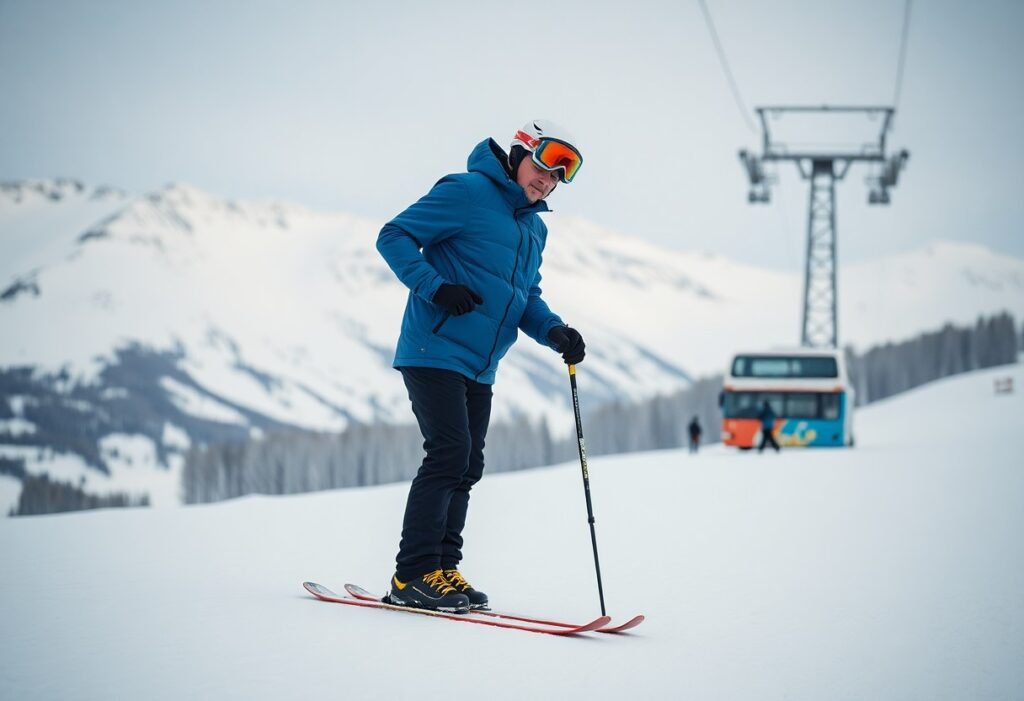
She was 47 years old, a busy mom of three, and she had never put on a pair of skis in her life. Her teenage sons begged her to try skiing during a family trip to Vermont. She said no for months. “I’m too old,” she told me. “I’ll break a hip. I’ll embarrass myself. The kids will have to wait for me.”
But on the last day of that trip, she finally agreed to a half-day lesson.
Susan fell six times in the first hour. She laughed through every single fall. By lunchtime, she was making slow, wobbly turns down the gentlest slope on the mountain. Her sons cheered from the chairlift above. That night, she bought a pair of ski boots.
Now, at 52, Susan skis black diamonds. She goes on annual ski trips with her sons, who are now young adults. She says learning to ski in her forties was one of the best decisions she ever made.
If you’re over 40 and wondering whether it’s too late to start alpine skiing, I have a clear answer for you: it is absolutely not too late.
This guide is written for you—the adult who has waited, wondered, or worried about starting skiing later in life. I will walk you through everything you need to know, from choosing the right resort to preparing your body, and I will answer the questions that might be holding you back.
Let’s get started.
Why So Many Adults Learn to Ski After 40
You might feel like you’re the only person showing up to a ski school in your forties or fifties. You are not. Ski resorts across the country report that adult ski school enrollment has grown steadily over the past decade.
Here is the revised text with additional transition words to improve flow:
Here is a revised version with additional transition words to further enhance flow:
According to the National Ski Areas Association, adults aged 35 to 54 now represent one of the fastest-growing segments of first-time skiers [Citation: NSAA Demographic Trends Report, 2024]. In fact, people are discovering skiing later in life for many reasons. For some, they finally have the time; for others, it is the financial stability. Above all, many simply find the courage to try something new.
The truth is, learning to ski as an adult has advantages that kids don’t have. Here is the revised text with varied sentence openings to avoid repetition:
You understand risk differently. Listening to your instructor with focus comes naturally. Patience with yourself becomes second nature.nd you appreciate the experience in a way that a teenager dragged along by their parents simply cannot.
The Benefits of Starting Skiing Over 40
Before we dive into logistics, let me share why skiing is actually a wonderful sport to discover in midlife.
It Keeps You Active and Engaged
Skiing demands balance, strength, and flexibility. It challenges your body in ways that gym workouts often don’t. Many skiers over 40 report that the sport motivates them to stay in better shape year-round. You want to be ready for ski season, so you hit the gym, do your squats, and work on your core. That commitment pays off in overall health.
It Connects You with Family and Friends
For many adults, skiing becomes a way to share time with children, partners, or friends. There is something special about riding a chairlift together, sharing a warm lunch in the lodge, and celebrating small victories on the slopes. Susan’s story is not unusual—many parents learn to ski so they can enjoy the mountains with their kids.
It Builds Confidence
Learning something new at 40 or 50 takes courage. Every time you master a new skill—making your first turn, riding your first chairlift, skiing your first green run—you prove to yourself that you are capable of growth. That confidence carries over into other areas of life.
It Gets You Outdoors in Winter
Winter can feel long and isolating, especially if you live in colder climates. Skiing gives you a reason to look forward to the snow. You trade gray days at home for fresh air, sunshine, and mountain views. The mental health benefits are real.
What Changes When You Learn to Ski After 40
Let’s be honest with each other. Starting skiing at 40 is not the same as starting at 10. Your body has different needs, and your approach should reflect that. Understanding these differences helps you plan wisely.
Your Body Takes Longer to Recover
At 20, you could fall ten times, sleep on a lumpy couch, and wake up ready to go again. At 40 and beyond, your body needs more care. Muscles get sore more easily. Falls can bruise more deeply. Recovery time matters.
This is not a reason to avoid skiing. It is a reason to prepare well and listen to your body.
Your Risk Assessment Is Stronger
Here is the revised text with additional transition words and varied sentence openings:
Younger skiers often take unnecessary risks because they feel invincible. In contrast, as an adult, you understand consequences. As a result, you are more likely to stay on appropriate terrain, wear a helmet, and take lessons. Because of these habits, you are actually safer than many younger beginners.
Your Learning Style Is Different
Children learn by doing and falling. Adults learn by understanding. You will benefit from instructors who explain the mechanics of skiing—why you lean forward, why your weight shifts, how the edges of your skis grip the snow. Do not be afraid to ask questions. Good instructors love teaching adults who want to understand.
How to Choose the Right Resort for Your First Trip
Not all ski resorts treat adult beginners well. Some cater primarily to advanced skiers or families with young children. When you are learning to ski after 40, you want a resort that offers:
- A dedicated adult ski school program
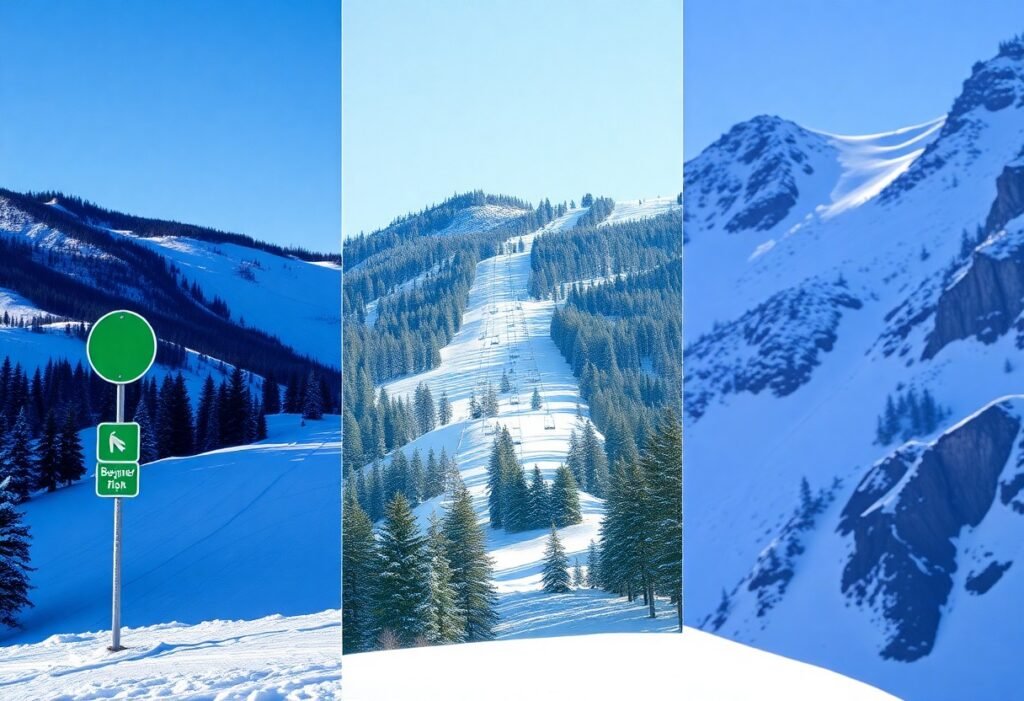
- Gentle, wide beginner terrain separated from high-traffic areas
- Easy access to rentals and lessons from the same area
- Comfortable lodges with good food and seating (you will appreciate this)
Here are three resorts that excel at welcoming adult beginners.
Beaver Creek, Colorado
Here is the revised text with additional transition words and varied sentence structure:
I mentioned Beaver Creek earlier, and it deserves another mention here. To begin with, the resort’s adult ski school is exceptional. Not only do instructors specialize in working with nervous adults, but the beginner area, Haymeadow Park, sits away from the main crowds. Furthermore, the village is upscale yet not intimidating, and the free cookies at 3:00 PM are a lovely touch. Consequently, according to resort data, Beaver Creek consistently ranks among the top resorts for adult beginner satisfaction [Citation: Vail Resorts Adult Ski School Survey]. In short, it is an ideal setting for those learning to ski later in life.
Smugglers’ Notch, Vermont
If you prefer the East Coast, Smugglers’ Notch is hard to beat. The resort has earned a reputation as one of the most welcoming places for adult learners. Their “Learn to Ski” program includes a guarantee—if you do not learn, they refund your lesson. Adult classes are kept small, and instructors are trained to work with older beginners.
Deer Valley, Utah
Deer Valley is known for luxury, but it is also one of the best places for adult beginners. The resort limits the number of skiers each day, so slopes feel uncrowded. The ski school offers private and group lessons specifically for adults, and the grooming is meticulous. The staff handles your equipment for you, which reduces physical strain. It costs more than other resorts, but many adults find the experience worth the investment.
Preparing Your Body Before the Trip
This is the most important section in this guide. Proper physical preparation makes the difference between a wonderful trip and a painful one.
Start Moving Several Weeks Before
You do not need to become an athlete overnight. But showing up to ski without any preparation is a recipe for soreness and frustration. Focus on three areas: legs, core, and balance.
When it comes to leg strength, skiing is essentially repeated squatting. For that reason, do wall sits, lunges, and squats three times a week for at least four weeks before your trip. To start, begin with ten repetitions and build gradually over time.
Core strength: A strong core helps you maintain balance and protects your back. Planks and bird-dog exercises are simple and effective.
Balance: Stand on one leg while brushing your teeth. Practice balancing on a cushion or pillow. These small efforts improve your stability on skis.
Stretch and Hydrate
Flexibility matters. Stretch your hamstrings, quadriceps, and hips daily in the weeks before your trip. Drink plenty of water. Dehydration makes muscles tighter and increases the risk of injury.
Consider Your Fitness Honestly
If you have not exercised in years, talk to your doctor before starting a new physical activity. This is not about being cautious—it is about being smart. A quick check-in with your physician gives you peace of mind.
Gear Considerations for the Over-40 Skier
Your gear matters more than it might have in your twenties. Comfort and fit are not luxuries; they are necessities.
Ski Boots: The Most Important Decision
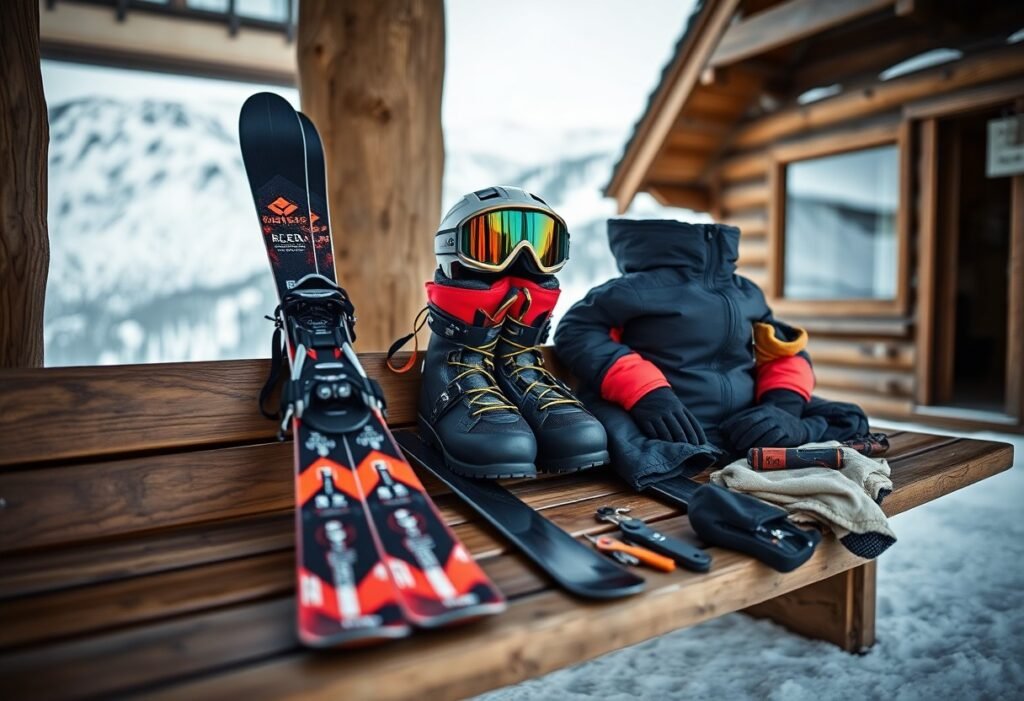
Bad boots ruin ski trips. As an adult, you have less tolerance for pinching, pressure points, and cold feet. Do not buy boots online for your first trip. Rent from a reputable shop, and take the time to try on several pairs.
When you try on boots, be sure to wear your ski socks. First, stand up straight, then bend your knees, and finally, walk around the shop. As a general rule, your toes should just touch the front of the boot when your knees are straight, but they should pull back slightly when you bend your knees. Most importantly, if anything hurts, ask for a different pair.
A good rental shop may offer “custom footbeds”—inserts that support your arches. For adults over 40, these are worth the extra cost. They improve comfort and alignment.
Skis: Shorter Is Better for Beginners
Rent skis that reach somewhere between your chin and the top of your head. Shorter skis turn more easily, which reduces the effort required. As you progress, you can move to longer skis.
Protective Gear
Wear a helmet. This is non-negotiable. Your reaction time may not be what it was at 20, and the consequences of a head injury are more serious. Helmets also keep your head warm.
Wrist guards are worth considering. Wrist fractures are common among adult beginners because you instinctively put your hands out when you fall. Some rental shops offer wrist guards, or you can buy a pair for under $30.
Clothing: Prioritize Warmth and Comfort
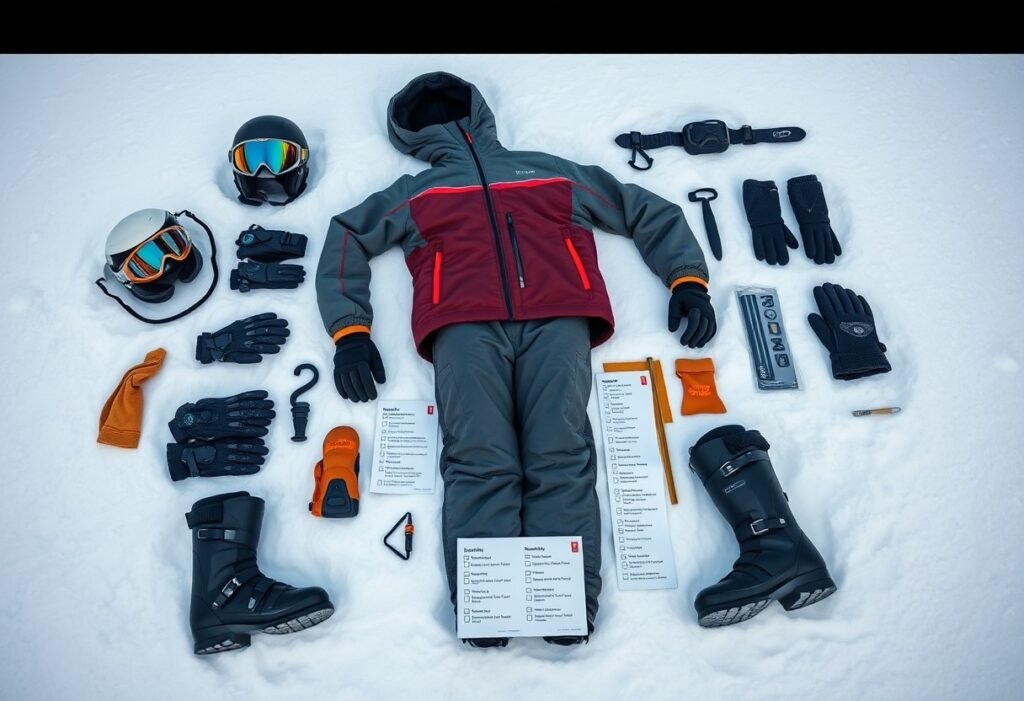
You will feel the cold more than a teenager will. Invest in high-quality base layers. Merino wool is excellent. Make sure your jacket and pants are truly waterproof. Look for a waterproof rating of at least 10,000mm.
Hands and feet get cold first. Mittens are warmer than gloves. Hand warmers (the little packets you shake and put in your mittens) are cheap and effective. For your feet, thin wool socks and properly fitted boots are the answer.
Taking Your First Lesson: What to Expect
You have booked your lesson. You have your gear. Now comes the morning of.
Choose the Right Lesson Type
Most resorts offer three options for adults.
Group lessons: These are the most affordable. Classes are usually organized by skill level, and you may be placed with other adults learning for the first time. The social aspect can be enjoyable—you share the experience with people at your same level.
Private lessons: One-on-one instruction costs more but offers several advantages for older beginners. The instructor moves at your pace, focuses on your specific concerns, and can adapt to any physical limitations. If you are anxious, a private lesson can be worth the investment.
Adult-specific clinics: Some resorts offer multi-day programs designed specifically for adults learning to ski. These programs often include small class sizes, patient instruction, and a supportive environment.
Communicate with Your Instructor
Before your lesson starts, tell your instructor two things: your fitness level and your goals. Say something like, “I’m in decent shape but I’m nervous about speed” or “I have a bad knee, so I need to take it slowly.”
Good instructors appreciate this information. They will adjust their teaching to your needs.
Start on the Magic Carpet
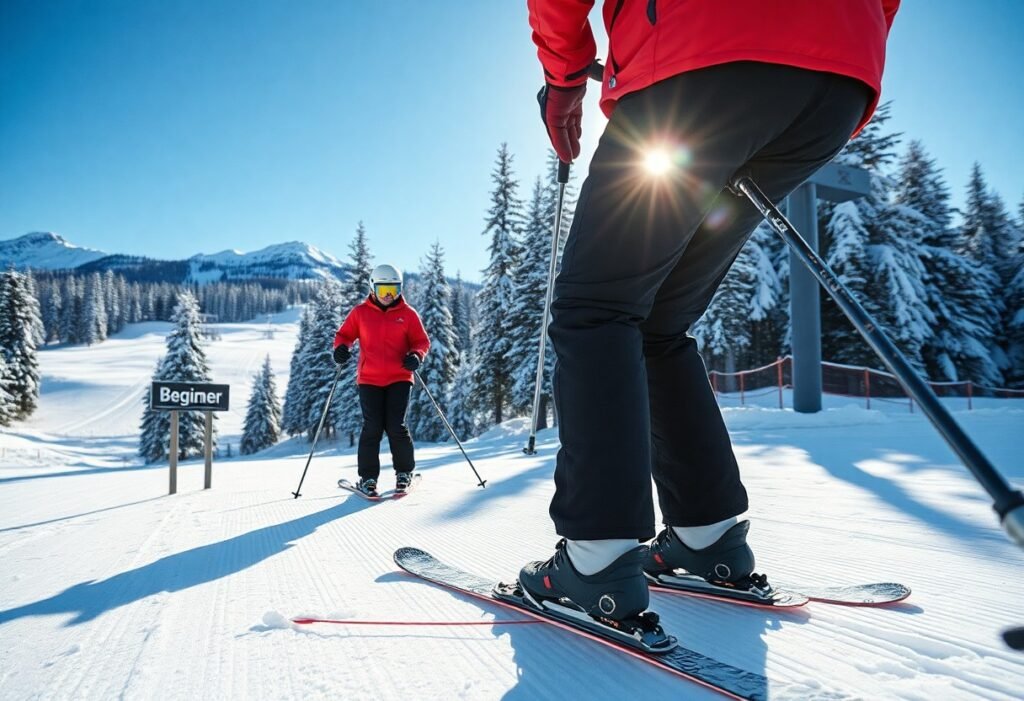
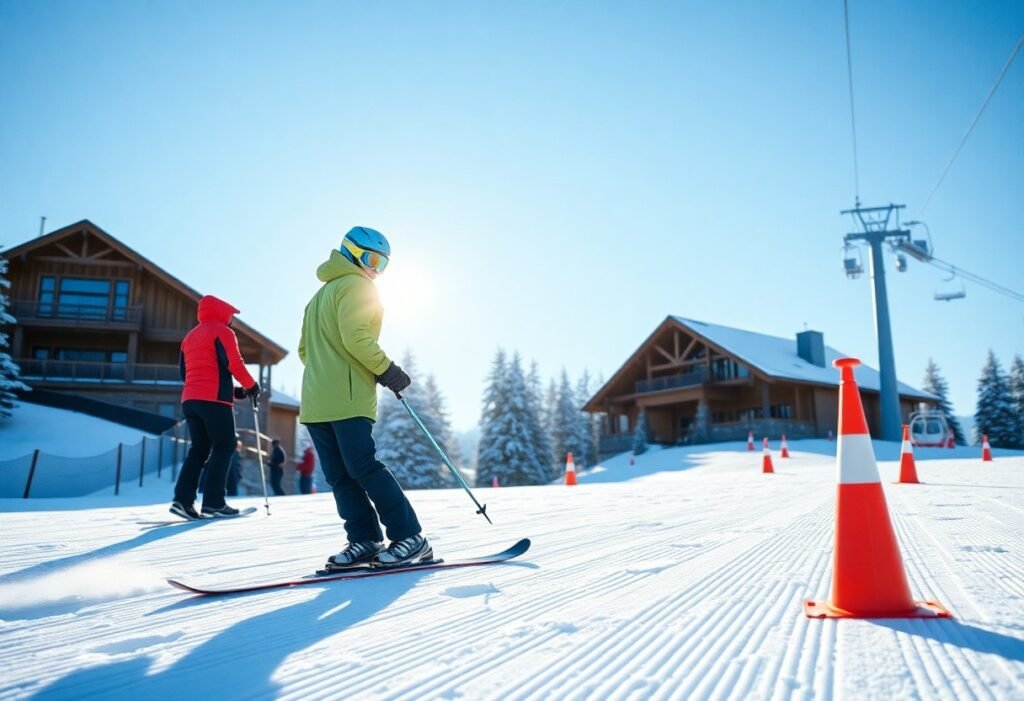
Do not feel embarrassed to start on the “magic carpet”—the conveyor belt that moves beginners up a gentle slope. Every expert skier started here. Stay on the easiest terrain until you feel truly comfortable.
Take Breaks
Adult beginners need more breaks than children. Skiing is physically demanding, and fatigue leads to bad form, which leads to falls. Plan to ski for an hour, then take a 15-minute break inside. Drink water during every break.
Know When to Stop
Your first day does not need to be a full day. Skiing for two to three hours is plenty for most adult beginners. Stop while you still feel good. Ending on a positive note makes you eager to return tomorrow.
Common Concerns for Adults Over 40
I hear these questions from every adult who is considering skiing for the first time. Let me address them honestly.
Q: Am I too old to learn?
No. Ski resorts teach people in their sixties, seventies, and even eighties. Age is not a barrier. What matters is your overall health, your willingness to learn, and your patience with yourself.
Q: Will I get hurt?
Any physical activity carries some risk of injury. You can reduce your risk significantly by taking lessons, wearing a helmet, staying on terrain appropriate for your skill level, and stopping when you are tired. Most adult beginners experience nothing worse than sore muscles and a few bruises.
Q: What if I have bad knees or a bad back?
Many people with joint concerns ski successfully. Modern ski equipment is designed to reduce strain. Shorter skis turn more easily. Good boots provide support. Instructors can teach you techniques that protect your joints. If you have specific medical concerns, talk to your doctor before your trip, and share that information with your instructor.
Q: Will I slow everyone down?
If you are traveling with more experienced skiers, this can feel like a real concern. The solution is simple: take your lessons in the morning while they ski advanced terrain. Meet them for lunch. Then ski easy runs together in the afternoon. Good companions will be happy to ski at your pace. If they pressure you to ski beyond your ability, they are not being good ski companions.
Q: Is it worth the money?
Only you can answer that. But many adults who start skiing later in life describe it as one of the best investments they have made in their own well-being. The sport offers physical activity, time outdoors, social connection, and a sense of accomplishment. For many, that combination is priceless.
A Sample Three-Day Itinerary for Adult Beginners
If you have never skied before, do not plan a seven-day trip. Three or four days is plenty for your first experience.
Day One: Arrival and Preparation
Arrive at your resort in the afternoon. Pick up your rental gear. Walk around in your boots to ensure they fit. Have a good dinner with protein and carbohydrates. Hydrate. Go to bed early.
Day Two: Your First Lesson
Take a morning lesson. Start on the magic carpet. Practice the wedge. Make your first turns on the gentlest slope. Stop for lunch. If you feel good, take another hour on the beginner slope in the afternoon. If you are tired, call it a day. Celebrate your accomplishment with a nice dinner.
Day Three: Building Confidence
Take another lesson. You will likely move to slightly longer beginner trails. Practice linking turns. Ride your first chairlift if you feel ready. Pay attention to your body. Take breaks. Stop before you are exhausted.
Day Four: Free Skiing
If you have a fourth day, try skiing on your own or with your companions. Stick to green runs. Focus on what you learned. Enjoy the feeling of moving through the mountains.
Real Stories: Adults Who Started Skiing After 40
I have collected stories from skiers who started later in life. Their experiences might encourage you.
Mark, started at 45:
“I was terrified of the chairlift. I mean, genuinely terrified. My instructor rode with me the first time and talked me through the whole thing. Now I love the chairlift. It’s the only time I sit still for ten minutes and just look at the mountains.”
Linda, started at 52:
“I have arthritis in my hands. I thought skiing would be impossible. My rental shop set me up with heated gloves and boots with wide buckles that are easy to manage. My instructor showed me how to hold my poles loosely. I made it work.”
David, started at 61:
“I retired and needed something to do in the winter. I took a lesson at a small local mountain. The instructor was maybe 25 years old, but he treated me with so much respect. I ski three days a week now. Retirement is great.”
Safety Tips Specific to Older Beginners
A few extra precautions make a difference.
Warm up before you ski. Take five minutes to stretch your legs, back, and shoulders before putting on your skis. Cold muscles are more prone to strain.
Stay hydrated. Altitude, cold air, and physical exertion all dehydrate you. Carry a water bottle in your jacket. Drink even when you are not thirsty.
Wear sunscreen. Snow reflects sunlight. Sunburn on your face and neck is common, even on cloudy days.
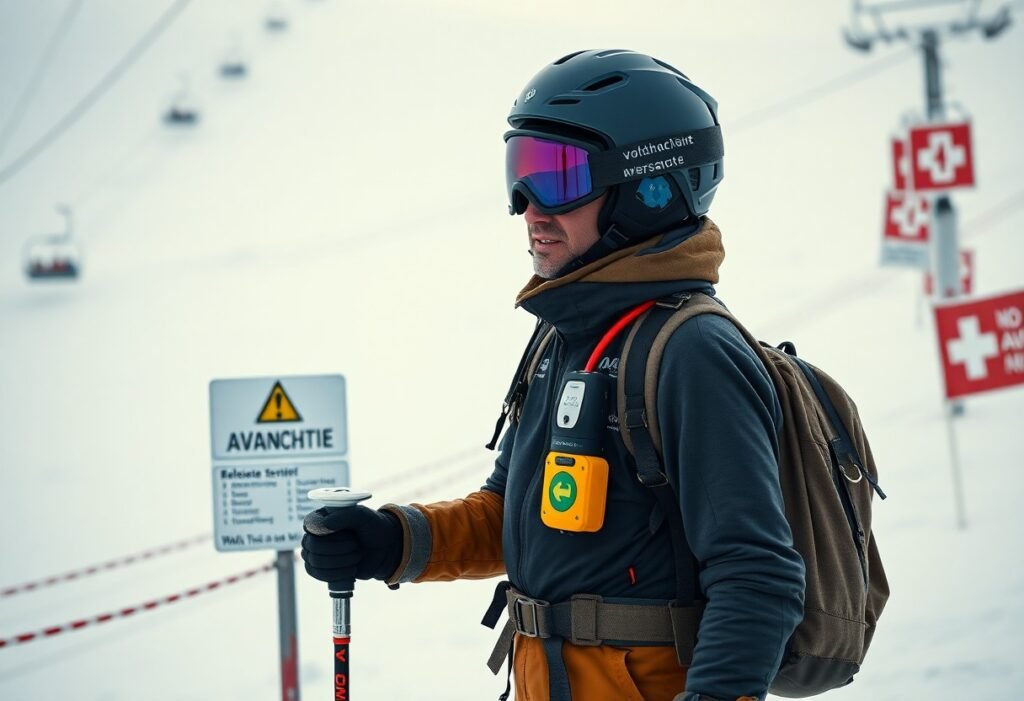
Know the signs of altitude sickness. If you are skiing in the western US, be aware of headaches, nausea, and unusual fatigue. These can be signs of altitude sickness. If you experience them, descend to a lower elevation, hydrate, and rest. Do not push through.
Listen to your body. This is the most important safety rule for adult skiers. Here is the revised text with varied sentence openings:
If you are tired, stop. When something hurts, stop. Feeling nervous? Take a break. be there tomorrow.
The Financial Side: Budgeting as an Adult Beginner
Adults often have more financial flexibility than younger skiers, but that does not mean you should overspend.
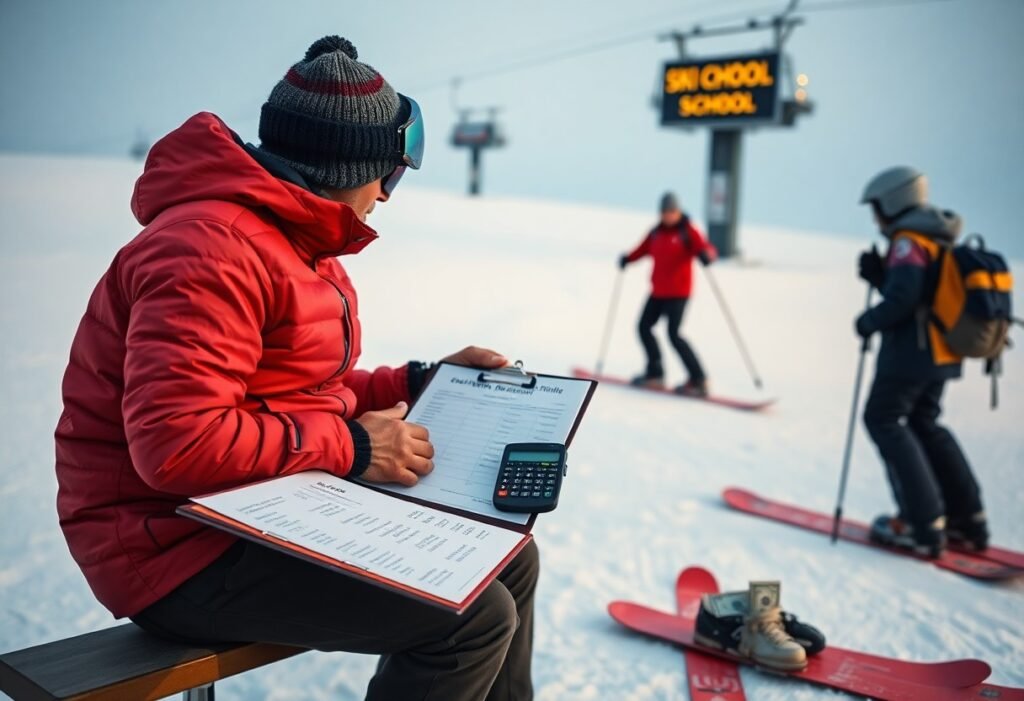
Invest in lessons. This is where your money should go. A good instructor accelerates your learning and keeps you safe.
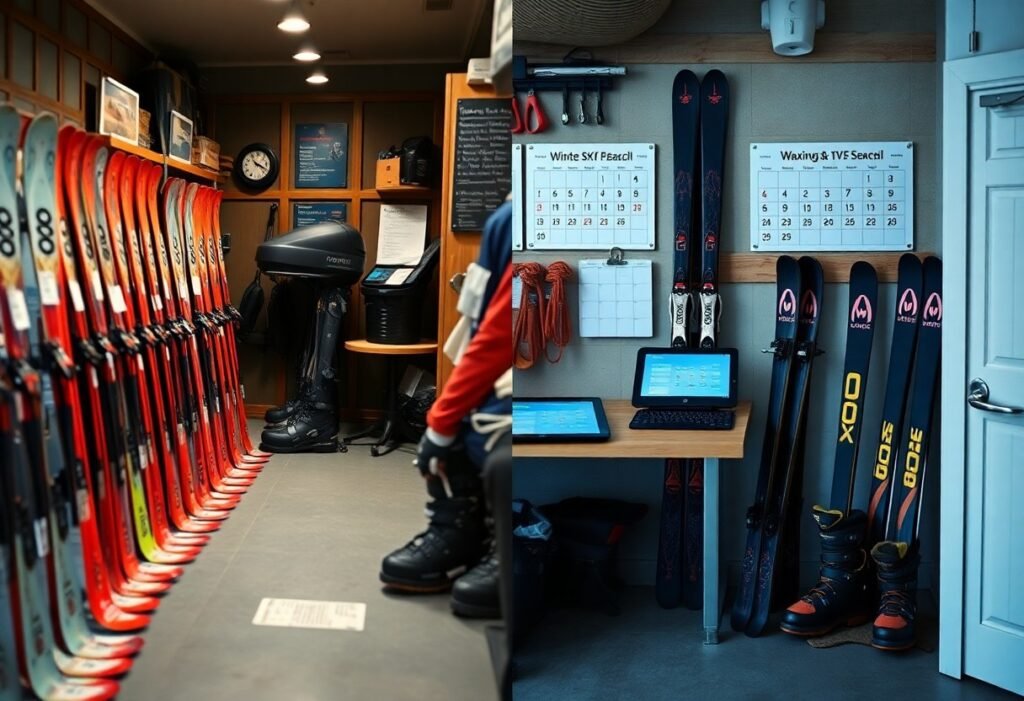
Rent high-quality gear. Pay a little extra for demo skis or premium rental packages. Better equipment makes learning easier.
Consider a multi-day pass. If you are skiing three or more days, a multi-day ticket saves money.
Pack your own lunch. Mountain food is expensive. Bringing your own sandwich and snacks saves money and gives you more control over your nutrition.
Look for mid-week deals. Skiing Tuesday through Thursday costs significantly less than Friday through Sunday. Lodging is cheaper, crowds are smaller, and lessons often have more availability.
Frequently Asked Questions
Q: Do I need to be in great shape to start?
Here is the revised text with additional transition words and varied sentence structure:
Here is the revised text with additional transition words:
No, but you should be in reasonable shape. To clarify, in fact, if you can walk briskly for 30 minutes and do a few squats without pain, you have a good foundation. Conversely, on the other hand, if you are sedentary, start walking and doing basic strength exercises a few months before your trip. That way, you will arrive on the mountain feeling prepared and confident.
Q: What if I have high blood pressure or heart issues?
Here is the revised text with additional transition words:
First, talk to your doctor. In fact, many people with controlled heart conditions ski safely. Additionally, your doctor can give you specific guidance about altitude and exertion levels.
Q: How do I find an instructor who is good with older adults?
Call the ski school before you book and ask. Tell them you are an adult beginner and you would like an instructor who specializes in teaching adults. Most ski schools can accommodate this request.
Q: What should I do if I fall?
Here is the revised text with additional transition words:
Stay calm. First, if you are not hurt, turn your body so your skis are across the hill. Next, use your poles to push yourself up, or unclip your skis, stand up, and put them back on. However, if you are hurt, stay where you are and wave your poles to signal for help. Fortunately, ski patrol is trained to assist.
Q: Is skiing alone safe for beginners?
It is safer to ski with a companion or take a lesson. If you do ski alone, tell someone where you are going, carry your phone, and stay on groomed trails within the resort boundaries.
Q: How long does it take to become comfortable on skis?
This varies. Most adults feel comfortable on green runs after two to three days of lessons. Progressing to blue runs may take another few days or an entire season. Be patient with yourself.
Q: Can I learn to ski if I have never done any winter sports?
Yes. Skiing is different from ice skating, snowboarding, or other winter activities. Your instructor will start from the very beginning.
Your Action Plan for Getting Started
If you are ready to take the leap, here is a simple plan to follow.
Six months before your trip:
- Choose a resort known for adult beginners
- Book lodging
- Start a basic fitness routine with squats, planks, and balance exercises
Three months before:
- Book your ski lessons
- Buy or rent appropriate clothing (base layers, jacket, pants)
- Continue your fitness routine and add stretching
One month before:
- Buy lift tickets online
- Reserve rental gear
- Confirm travel arrangements
- Talk to your doctor if you have health concerns
One week before:
- Check the weather
- Pack your clothing and gear
- Start drinking extra water
- Do light stretching every day
The day before:
- Pick up your rental gear
- Try everything on
- Eat a good dinner
- Go to bed early
A Final Word
Here is the revised text with additional transition words and varied sentence structure:
When I asked Susan what advice she would give to someone over 40 who is thinking about learning to ski, she paused for a moment. Finally, she said this:
Here is the revised text with additional transition words:
“You will fall. Yes, you will be sore. At times, you will wonder why you spent money on this. But then, one morning, you will make a turn without thinking about it. Suddenly, you will look up and see the mountains and the sky and the snow, and you will feel something you haven’t felt in years. In that moment, you will feel like a kid again. And ultimately, that feeling is worth every bruise.
Skiing is not about being the fastest or the most skilled. It is about moving through the winter world with joy and confidence. That joy is available to you at 40, at 50, at 60, and beyond.
Do not let fear of age hold you back. The mountains do not care how old you are. They only care that you show up, try your best, and appreciate the beauty around you.
So go. Book the trip. Take the lesson. Make the turns.
You are not too old. You are exactly the right age to start something wonderful.
Resources and Citations
- National Ski Areas Association (NSAA): Demographic Trends Report, 2023-2024 Season
- Vail Resorts: Adult Ski School Satisfaction Survey, Beaver Creek Resort Data
- Smugglers’ Notch Resort: Adult Learn to Ski Program Details
- Deer Valley Resort: Ski School Adult Programs Overview
- American Physical Therapy Association: Guidelines for Older Adults Starting Winter Sports
Note: Always consult with your physician before beginning a new physical activity, especially if you have existing health conditions. Resort policies, pricing, and program availability vary by season. Check directly with your chosen resort for current information.