
Assessing Physical Readiness and Medical Considerations
Evaluating musculoskeletal health and joint resilience
Check your injury history, joint pain, and range of motion before you hit the slopes; prior ACL tears, meniscal damage, or osteoarthritis raise your risk. Address strength imbalances and proprioception deficits with targeted training to reduce falls. Emphasize knee and hip stability and consult a specialist if you have persistent pain.
Cardiovascular demands of high-altitude physical activity
Expect higher heart rates and lower oxygen availability at altitude, which can unmask coronary disease or worsen hypertension. Monitor symptoms during exertion and stop for chest pain, fainting, or severe breathlessness. Consider staged exertion and oxygen-conserving pacing while you acclimate.
Monitor your baseline cardiovascular risk with appropriate testing if you have risk factors: an ECG, exercise stress test, or cardiology consult may be advised depending on age, symptoms, and activity intensity. Use gradual ascent, prescribed rate control or antihypertensives as directed, and carry emergency plans for arrhythmia or ischemia. Carrying a pulse oximeter and knowing target exertion limits helps you recognize dangerous hypoxia or angina early.
The importance of a pre-season medical consultation
Schedule a pre-season check to review cardiac risk, medication effects, and musculoskeletal concerns; your clinician can advise testing or temporary activity limits. A formal clearance may be required for those with recent cardiac events or uncontrolled blood pressure.
Bring a concise medical summary and a list of medications to the appointment so your provider can tailor advice: exercise prescriptions, adjustment of beta blockers or diuretics for altitude, and referrals for imaging or physical therapy if needed. Discuss emergency action plans for syncope, chest pain, or falls, and arrange conditioning or supervised rehab to optimize your readiness and reduce injury and cardiac risk.
Specialized Equipment for the Adult Beginner
Prioritizing ergonomic fit and comfort in boot selection
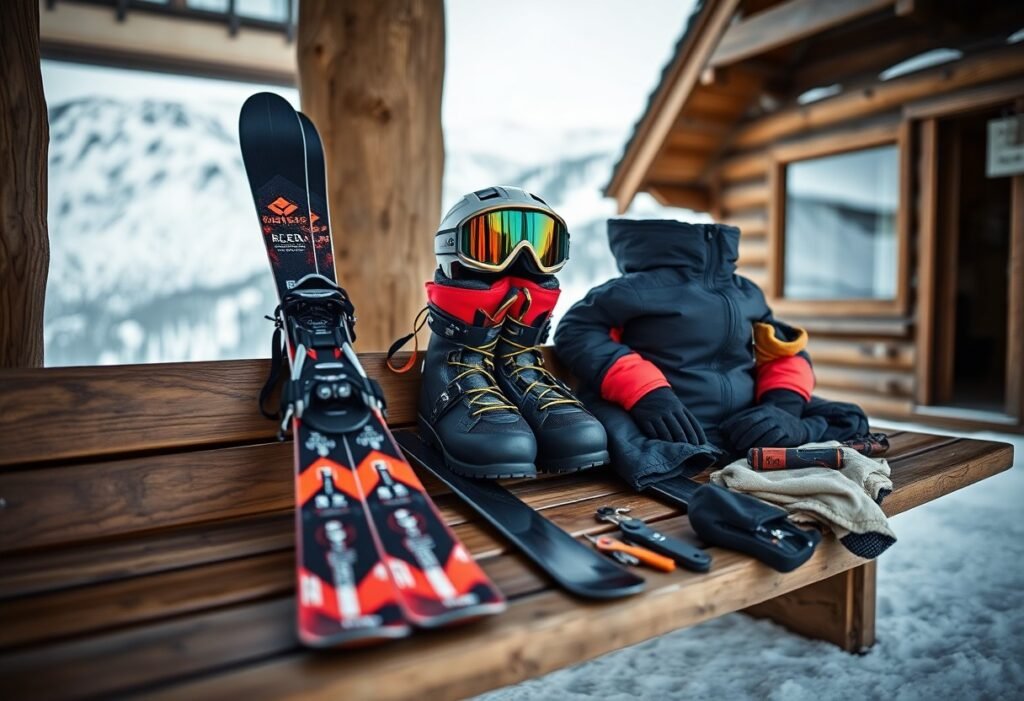
Boots that match your foot shape and flex will keep you comfortable and responsive; have a professional bootfitter adjust liners to avoid painful pressure points and to maximize power transfer.
Utilizing modern ski geometry for enhanced stability
Rockered profiles and modestly wider waists help you stay balanced at lower speeds, reducing the chance of catching an edge and giving you greater stability as you learn.
Ski geometry-waist width, sidecut radius, and rocker profile-dictates how easily you turn and how much edge hold you have on ice; try skis with forgiving sidecuts and moderate widths for predictable grip and less fatigue. You can demo several shapes to find one that builds confidence on both groomers and variable snow.
Essential safety gear: Helmets and impact protection
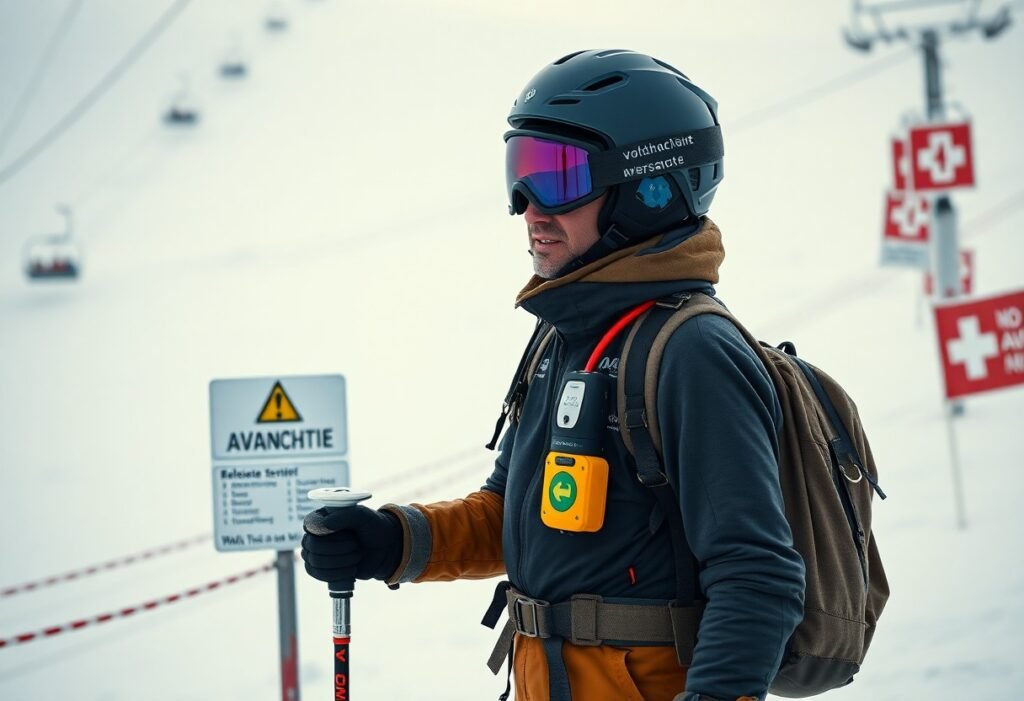
Protective gear such as a well-fitted helmet and padded shorts lowers the risk of head and hip injuries on falls; pick items with certified impact protection and secure retention systems.
Helmets should sit level, strap snug, and avoid hot spots while meeting ASTM or CE standards; systems like MIPS reduce rotational forces that worsen brain injury. You should replace helmets after any significant impact and every few seasons to retain reliable protection.
Physical Conditioning and Injury Mitigation
Functional strength training for core and lower extremities
You should prioritize compound movements like squats, deadlifts, lunges and single-leg Romanian deadlifts, plus plank variations, to build steady power and hip stability. Aim for progressive overload twice weekly to reduce fall and knee injuries and improve on-slope control.
Flexibility and proprioception drills for improved balance
Incorporate ankle, hip and thoracic mobility work plus single-leg balance progressions to sharpen your proprioception. Short daily sessions can lower your risk of falls and improve edge control on variable terrain.
Practicing dynamic mobility sequences-leg swings, hip CARs, thoracic rotations-before strength work primes joints, while targeted proprioception drills like single-leg standing with eyes closed, wobble-board taps, and tandem hops train your reaction to perturbations. You can progress by increasing surface instability and adding ski-like turns; keep volume modest to avoid knee and lower back injuries. Consistent work yields better balance and fewer falls, directly reducing injury risk on slopes.
The Pedagogy of Adult Ski Instruction
Why professional coaching is vital for late starters
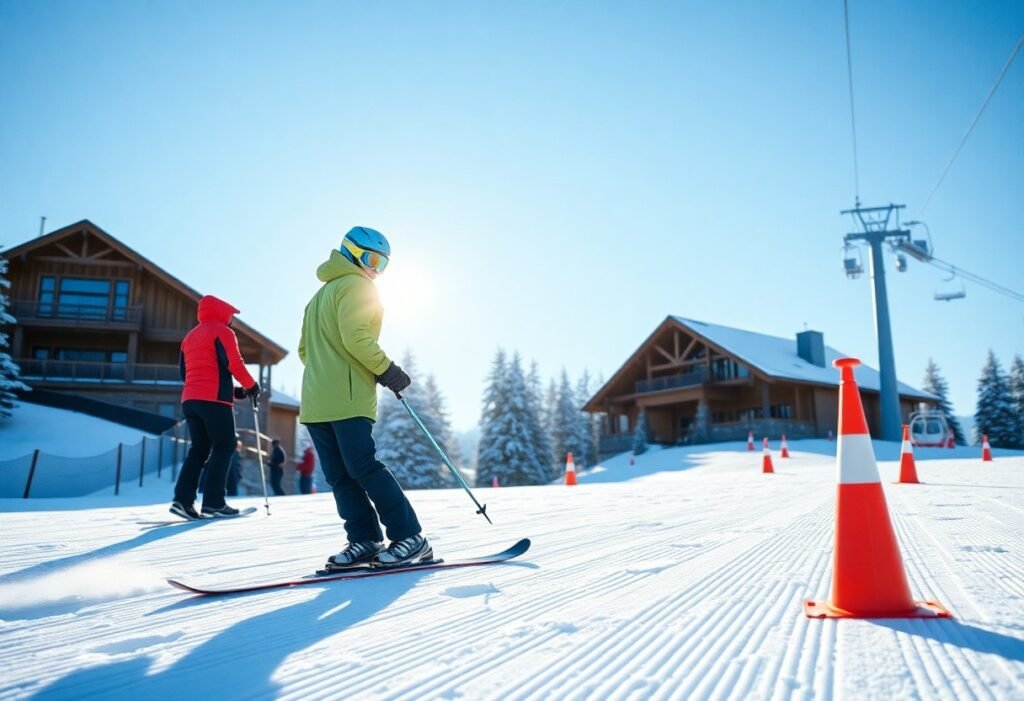
You should hire a pro instructor who adapts technique, avoids bad habits, and designs strength and mobility work to lower the higher injury risk you face; this produces faster, safer progress than self-teaching.
Cognitive strategies to overcome the psychological fear of falling
Facing the fear of falling, you use breathing, visualization and graded exposure drills that shrink anxiety and build confidence for on-slope practice.
Practice mental rehearsal before each run, pair controlled drills with progressive speed and terrain, work with an instructor on safe-falling techniques, and set small measurable goals so you experience regular success and reduced anxiety.
The benefits of private versus group lessons for mature learners
Comparing formats, you gain personalized corrections and tailored pacing in private lessons, while group sessions offer cost savings and peer support that boosts motivation.
Private lessons let you focus on technique, balance, and weaknesses with immediate feedback, video analysis and a customized progress plan that can reduce your chance of injury and deliver faster technical gains; group lessons give rhythm, real-time practice with others and social reinforcement, so many adults combine both for maximum benefit.
Summing up
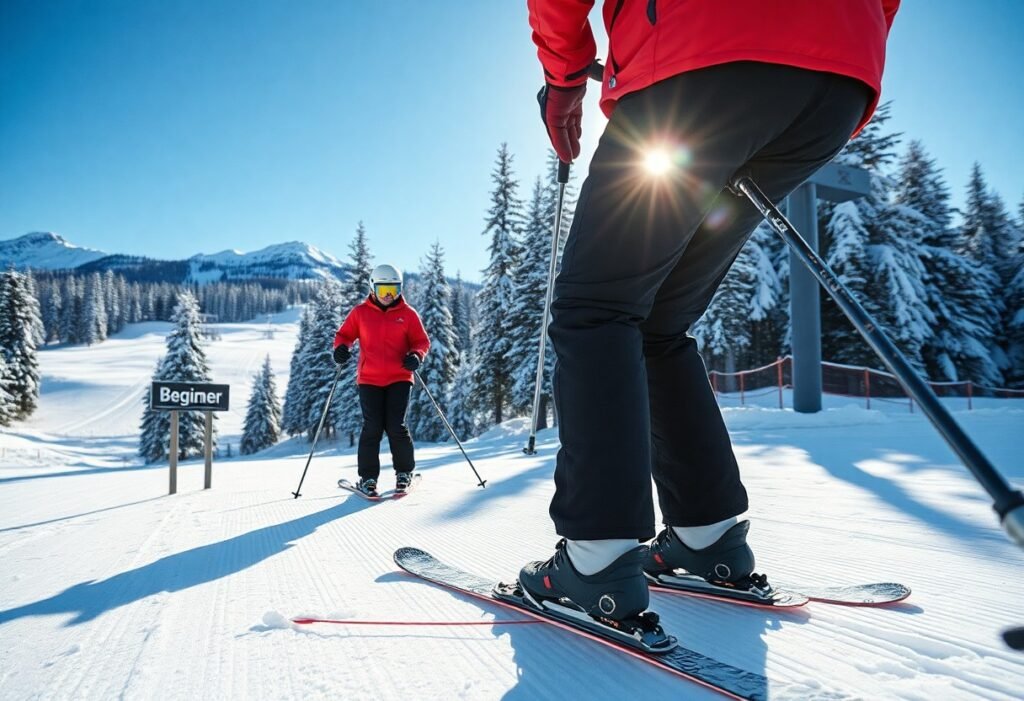
With these considerations you can start alpine skiing after 40; proper instruction, targeted conditioning, realistic goals, and injury prevention let you learn safely and enjoy the sport, while steady progression and listening to your body reduce injury risk and improve technique.
FAQ
Q: Is it too late to start alpine skiing at 40?
A: No. Many adults begin alpine skiing after 40 and make steady progress. Age can bring slower recovery and reduced flexibility for some, but targeted instruction, progressive practice, and basic conditioning let beginners learn safely. Expect a learning curve: basic turns and balance typically take several days of lessons, while confident blue-run skiing often develops over a season of regular practice. Enjoyment and safe habits matter more than age when deciding to start.
Q: What physical considerations should I know before starting?
A: Pre-season fitness helps: leg strength, core stability, cardiovascular endurance, and ankle mobility all reduce fatigue and fall risk. A medical check is advisable if you have heart disease, uncontrolled blood pressure, recent joint surgery, or severe osteoporosis. Warm up before runs, pace your first days on-snow, and add off-season strength, balance, and flexibility work to shorten the learning curve and lower injury risk.
Q: How should I learn and stay safe on the mountain?
A: Lessons with a certified instructor speed skill acquisition and teach safe fall and recovery techniques. Begin on gentle slopes, practice edge control and speed management, and request drills tailored to your fitness and goals. Always wear a helmet, have bindings checked and adjusted by a qualified tech, stay hydrated, and ski with a partner or in areas covered by patrol. Stop or seek help if pain or persistent soreness appears.
Q: What equipment and clothing choices are best for older beginners?
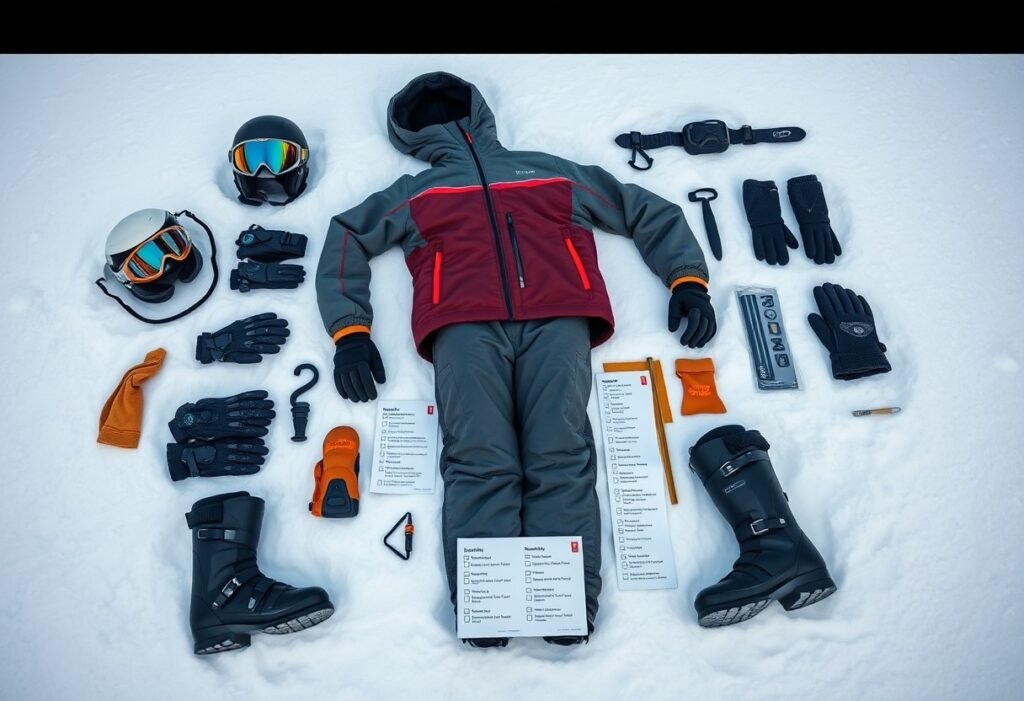
A: Renting quality gear for the first season helps you test ski lengths, stiffness, and boot shapes before buying. Prioritize properly fitted boots for comfort and ankle support, since boot fit has the largest impact on control. Choose forgiving, slightly wider all-mountain skis for stability at modest speeds. Use layered, moisture-wicking clothing, a waterproof outer shell, warm gloves, good goggles, and a certified helmet. Consider purchasing boots and helmet once you know your preferences.
Q: What progress can I expect and how should I set goals?
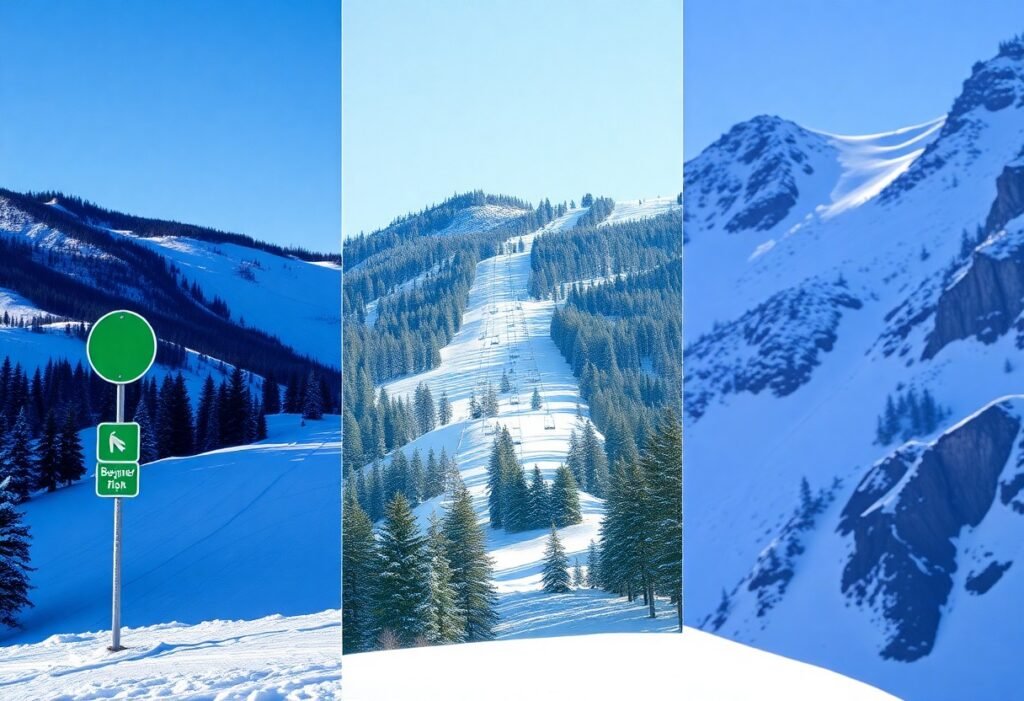
A: Short-term goals include safe stopping, controlling speed, and linking basic turns on green slopes. Medium-term goals can be comfortable blue-run cruising and beginning to carve with consistent practice over a season. Long-term improvement depends on training frequency, fitness, and instruction; many adults keep improving into their 50s with targeted work. Track lessons and practice days, mix instructor time with supervised solo practice, and maintain off-snow conditioning to maximize progress.