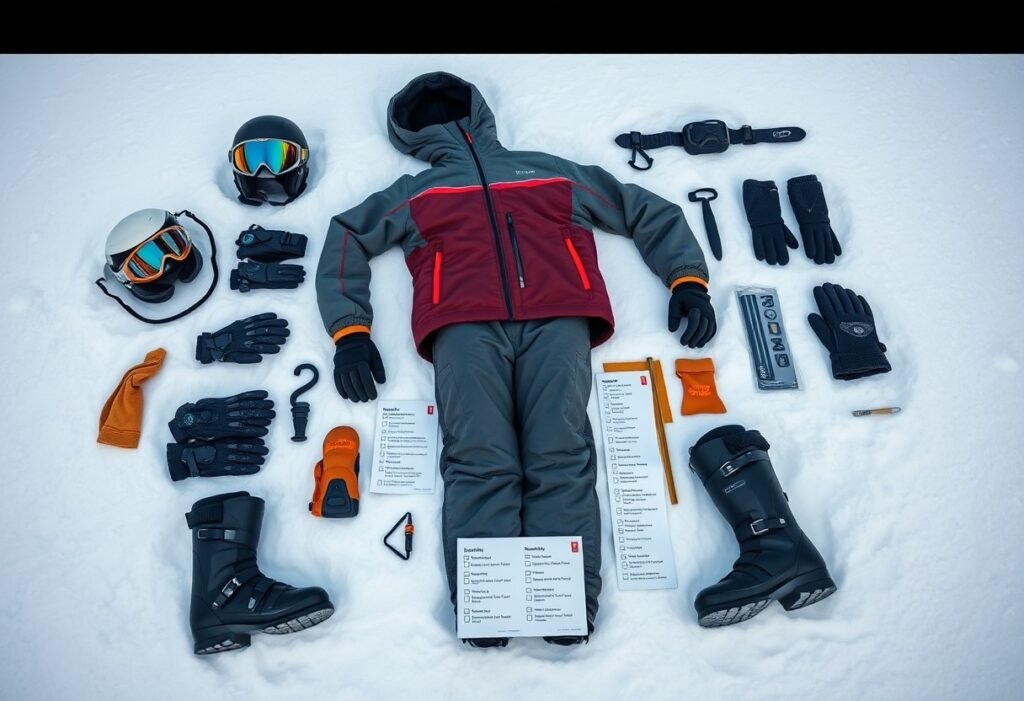

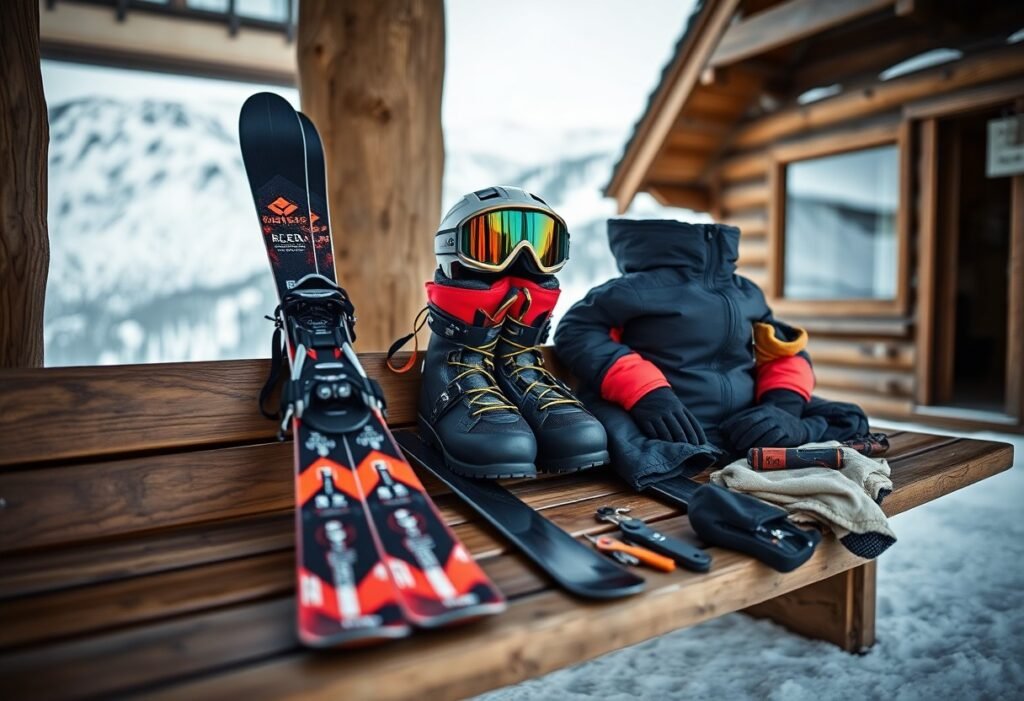
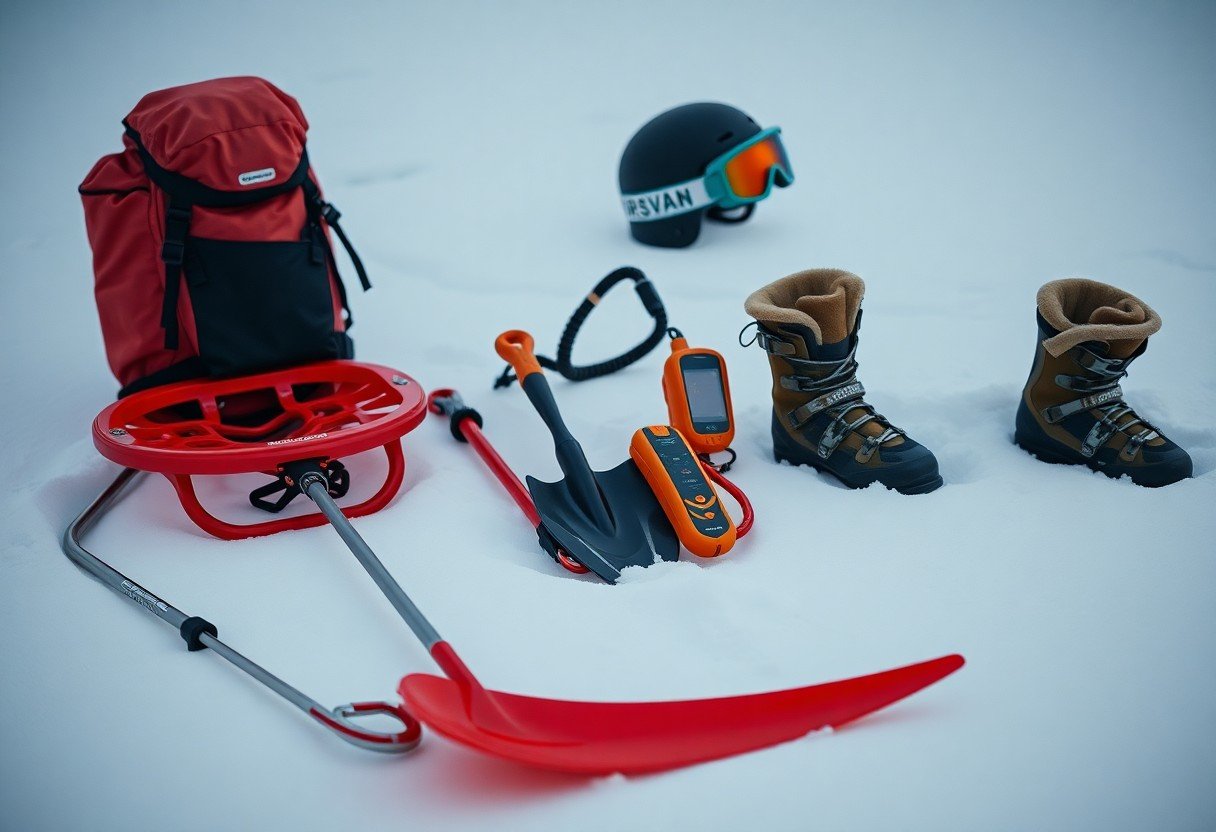
There’s one compact kit you should pack: skis, boots, bindings, helmet, layered clothing and an avalanche kit; you should prioritize safety, tune gear for performance, and accept that avalanches and high-speed falls are dangerous.
Safety and Protection Essentials
Modern helmet technology and impact protection types
Helmets now pair MIPS rotational systems with EPS foam or multi-impact liners so you minimize rotational and linear forces while keeping a certified, snug fit. Recognizing helmet age and replacing after impacts keeps you protected.
- MIPS
- EPS foam
- Multi-impact liners
- ABS shell
- Rotational protection
| MIPS | Reduces rotational forces |
| EPS foam | Absorbs linear impact |
| Multi-impact liner | Handles repeated falls |
| Adjustable fit | Keeps helmet stable |
| Certification | Meets safety standards |
High-visibility goggle lens types for variable light conditions
Lenses include photochromic, low-light, and high-VLT options so you match contrast to conditions and maintain clear vision while you ski. Recognizing coatings and quick-change systems improves your response to shifting light.
- Photochromic
- Low-light
- High-VLT
- Polarized
- Anti-fog
| Photochromic | Adapts to changing light |
| Low-light | Boosts contrast in flat conditions |
| High-VLT | Brightens cloudy days |
| Polarized | Reduces glare |
| Anti-fog | Maintains clarity |
High-visibility goggle lens types for variable light conditions
Detailed comparisons show you that photochromic lenses suit mixed days while mirror-coated options cut glare and amber tints sharpen contrast in flat light for safer line choice. Recognizing frame fit and lens interchangeability lets you adapt vision fast.
- Photochromic
- Mirror-coated
- Amber
- VLT
- Interchangeable lenses
| Photochromic | Best for variable light |
| Mirror-coated | Ideal in bright sun |
| Amber/yellow | Enhances flat-light contrast |
| Polarized | Reduces reflective glare |
| Interchangeable | Quick swaps for weather |
Technical Apparel and Performance Layering
Step-by-step guide to the three-layer insulation system
Layering the three-layer system keeps you dry and warm: the base layer wicks moisture, the mid layer traps heat, and the shell blocks wind and rain; adjust pieces to activity and conditions so you avoid sweat buildup and chill.
Three-Layer System Breakdown
| Layer | Function |
|---|---|
| Base | Moisture-wicking, close fit to move sweat away |
| Mid | Insulation-fleece or synthetic to retain warmth |
| Shell | Waterproof/windproof and breathable protective layer |
Material factors: Waterproofing and breathability ratings
Ratings like waterproofing (mm) and breathability (g/m²/24h) define performance; you pick higher breathability for aerobic tours and higher waterproofing for storm-prone days. Thou balance those numbers to avoid soaked layers and hypothermia risk.
- Waterproofing: mm column measures resistance
- Breathability: g/m²/24h shows vapor transfer
- DWR: helps shell shed moisture
Performance ratings guide choices: a 10,000/10,000 garment suits most resort skiing, while alpine objectives often demand 20,000/20,000 for heavy wet snow and sustained climbs. You must also maintain DWR to prevent saturation. Thou re-treat worn finishes and inspect seams before long outings.
- 10k/10k: versatile resort option
- 20k/20k: heavy-weather alpine choice
- Maintenance: reapply DWR and check seams
Maintenance and Equipment Longevity
Keep your routine focused on cleaning, waxing, and binding checks so you avoid rust, delamination, and premature wear; consult a quick primer like Ski Gear Basics: What to Rent, What to Buy, and What You Need for buying versus renting decisions.
Essential tips for edge tuning and base waxing
Edge maintenance and waxing keep you more controlled and faster on snow.
- Edges: deburr and set angle with a file.
- Base: clean, then iron wax for protection.
- Tools: use a stone, file, wax iron, scraper.
This prevents unsafe handling and costly repairs.
Proper off-season storage to prevent equipment degradation
Store skis and boots in a cool, dry spot with skis waxed and bindings relieved of tension to prevent corrosion and warping.
Avoid leaving gear in damp basements or hot attics; wipe metal parts, apply a thick storage wax to bases, dry boots fully and keep liners ventilated to stop mold and material breakdown.
Step-by-step instructions for routine base cleaning
Clean bases after each outing to remove grit and old wax.
Quick base-clean routine
| Step | Action |
| 1 | Brush off snow and grit. |
| 2 | Use a plastic scraper for loose wax. |
Refer to this systematic process before waxing: remove debris, use a solvent wipe if contaminant remains, then apply and scrape fresh wax; avoid overheating the iron to prevent base burns.
Detailed cleaning & waxing
| Stage | Details |
| Prep | Brush and scrape until base is clean. |
| Solvent | Use base cleaner sparingly to remove oils. |
| Wax | Iron wax evenly, cool, then scrape and brush. |
Summing up
Taking this into account, you should prioritize well-fitted boots, appropriate skis, bindings, helmet, and layered clothing to match conditions, invest in lessons to refine technique, and maintain gear regularly so you can ski safely and confidently all season.
FAQ
Q: What skis do I really need based on ability and terrain?
A: Skier ability, body measurements, and preferred terrain determine the right ski type and length. All-mountain skis with a waist width of about 75-100 mm cover most resort conditions; carving skis have narrower waists for hardpack and precise turns, while powder skis exceed 100 mm for flotation. Length guidelines: beginners often choose skis that reach chin to nose, intermediates aim nose to forehead, and advanced skiers select longer skis for stability at speed. Rocker and camber profiles change turn initiation and flotation-more rocker helps powder and forgiving turns, more camber helps edge hold on groomers. Demo a few models in conditions you ski before buying to confirm feel and performance.
Q: How should I choose ski boots and why does fit matter?
A: Boot fit is the most important factor for control and comfort on skis. Shell fit should leave toes lightly touching the front with the heel secure; a proper shell fit often means 1-2 cm difference between foot length and shell length. Flex rating should match skill level and weight: softer flex for beginners and stiffer flex for aggressive or heavier skiers. Heat-moldable liners and custom footbeds improve fit and pressure distribution, and cuff alignment or canting can correct stance issues. Always try boots with the socks you will wear and have a certified bootfitter make final adjustments.
Q: Do I need my own bindings and how are DIN settings handled?
A: Bindings must match your skis, boot sole length, and skier profile because they control release forces and safety. Brake width should equal or slightly exceed the ski waist. DIN settings depend on weight, height, age, skill, and boot sole length; a trained technician should calculate and set the DIN and perform a release test rather than adjusting settings yourself. Mounting location matters for ski performance, so have bindings mounted and checked at a reputable shop whenever you change skis or boots.
Q: What clothing and protective gear should I pack for alpine skiing?
A: Start with moisture-wicking base layers and a breathable insulating midlayer such as fleece or light down. A waterproof, breathable shell jacket and pants with taped seams and ventilation zippers keep you dry and comfortable. Helmet with a snug fit and impact protection, plus goggles with lenses suited to light conditions, improve safety and visibility. Waterproof, insulated gloves or mittens, quality ski socks, and a neck gaiter or balaclava protect extremities; hand warmers and extra layers are useful for cold or long days on the hill.
Q: Should I rent or buy equipment and what maintenance is required?
A: Renting is sensible for beginners, occasional skiers, or travelers who want to try different gear; it avoids the upfront cost and storage needs. Buying pays off for frequent skiers; consider an all-mountain pair plus a specialty ski if you have distinct needs like deep powder or park skiing. Maintenance: wax skis regularly (every few days of skiing or before storage), tune and sharpen edges after damage or each season, and have bindings checked annually or after impacts. Store skis in a cool, dry place, relieve binding tension for long-term storage, and replace boot liners or shells when fit and comfort degrade.