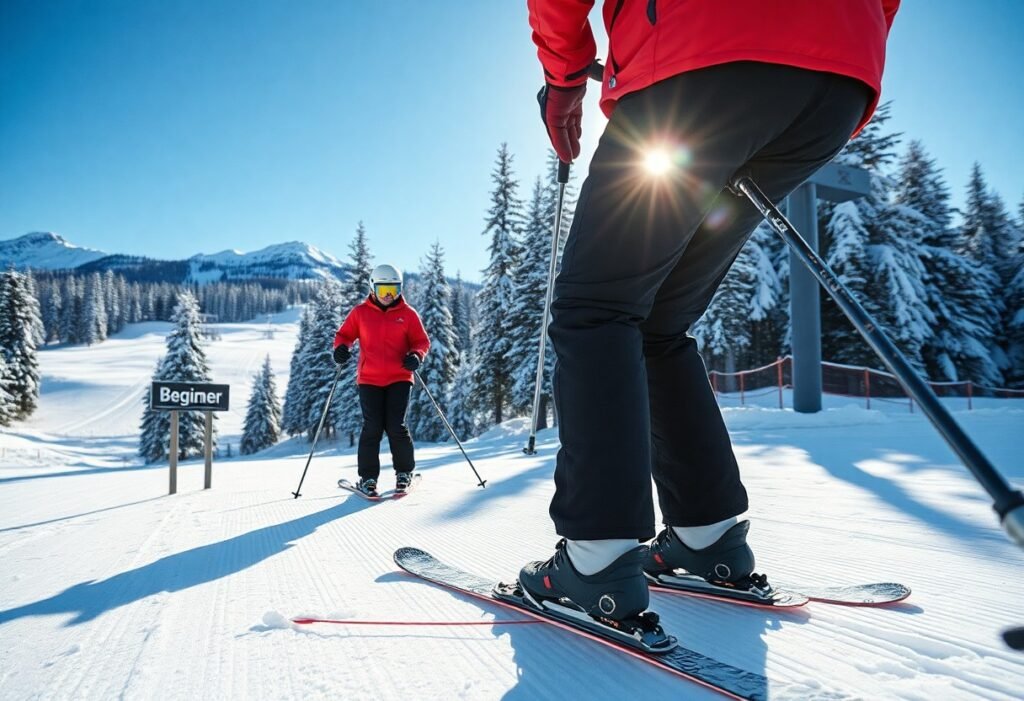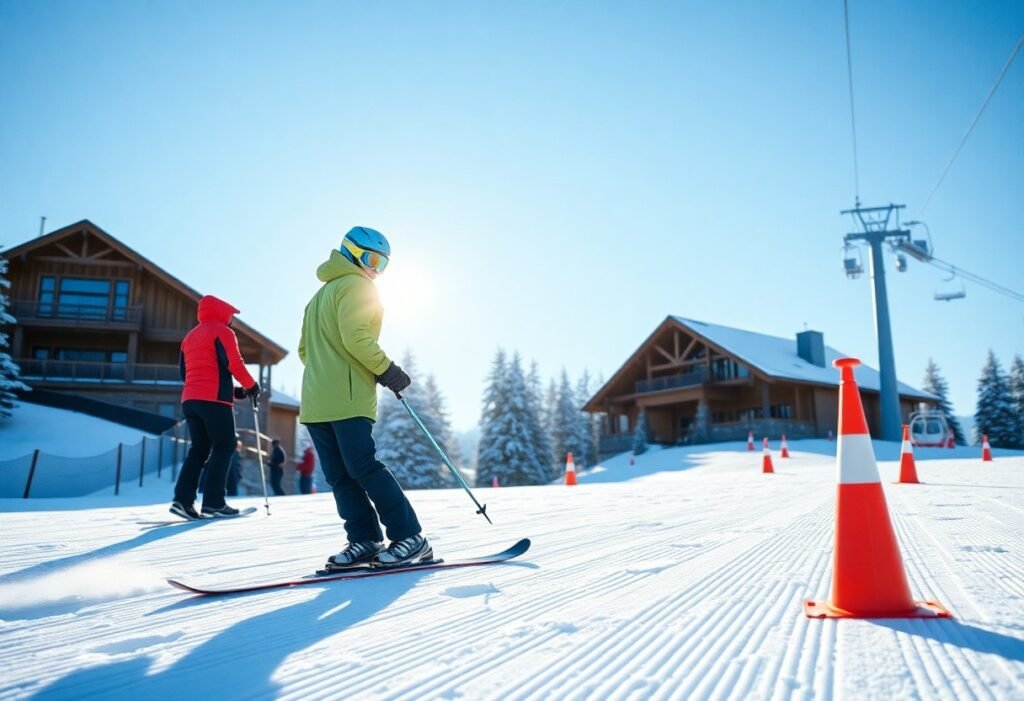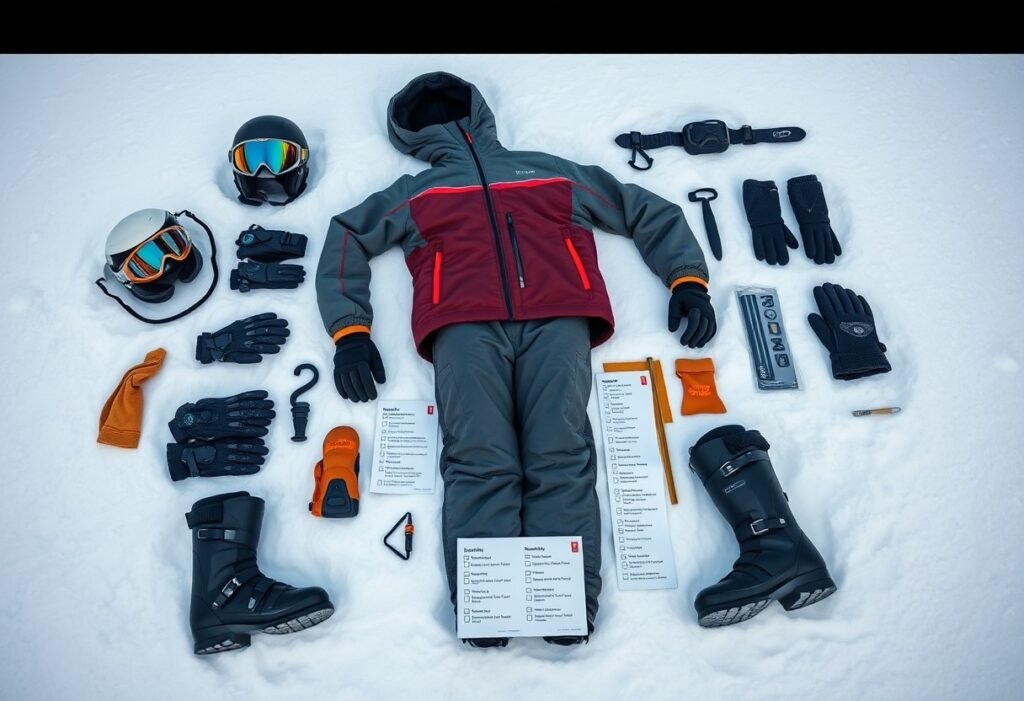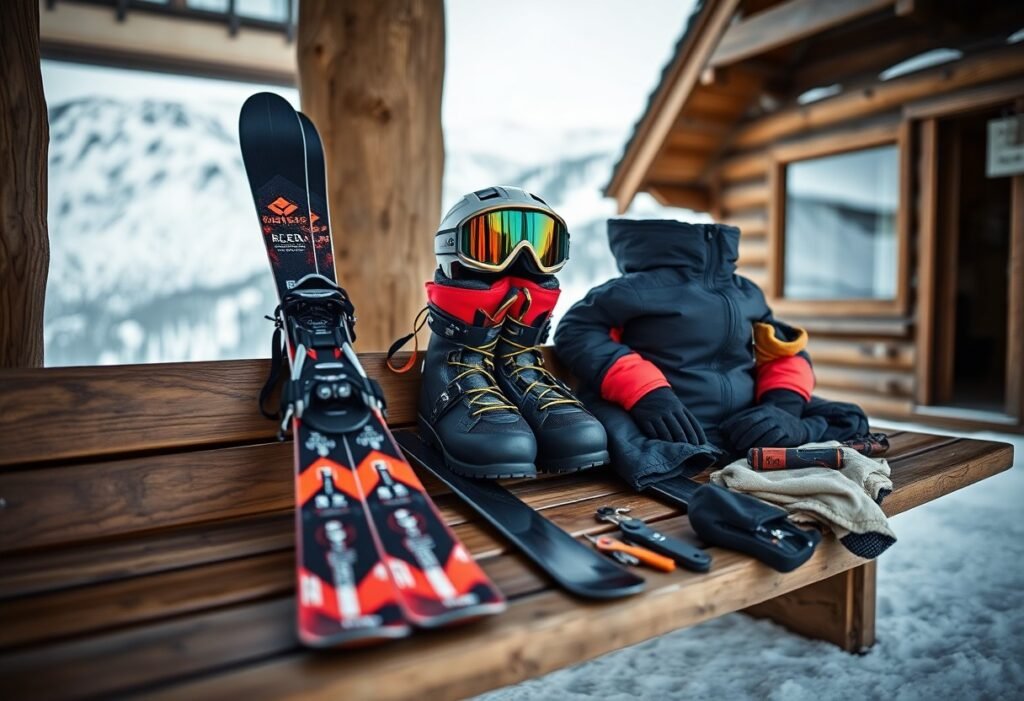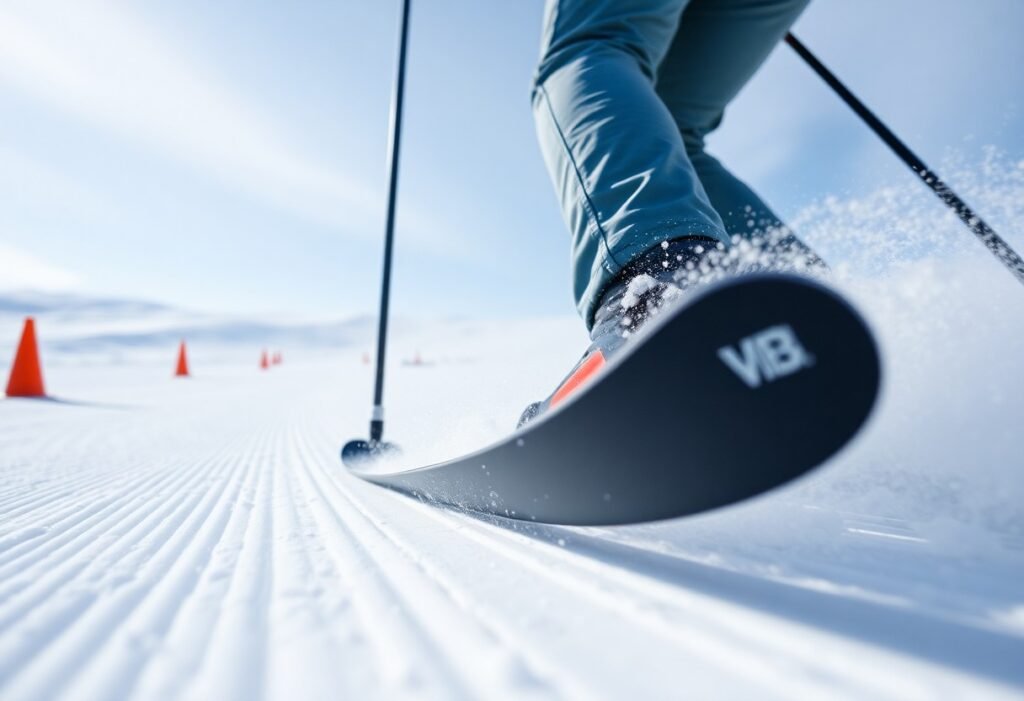

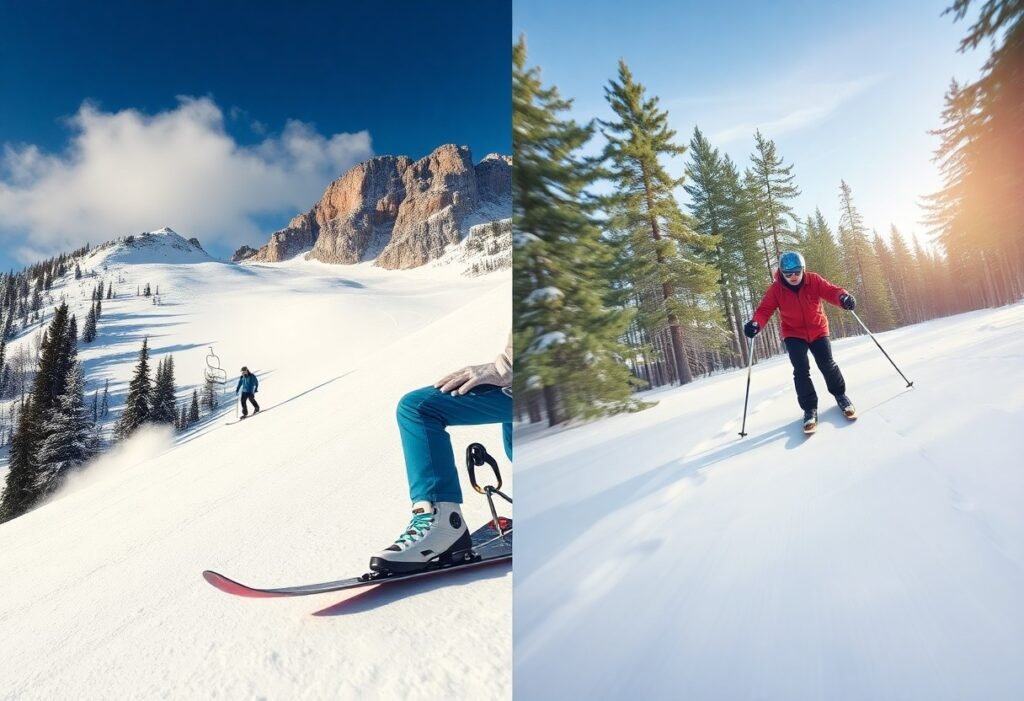
Many of you notice that alpine skiing focuses on steep downhill runs with high speeds and greater fall risk, while cross-country skiing emphasizes endurance, flatter terrain, and lower impact with higher aerobic demand, so you choose based on speed preference and fitness goals.
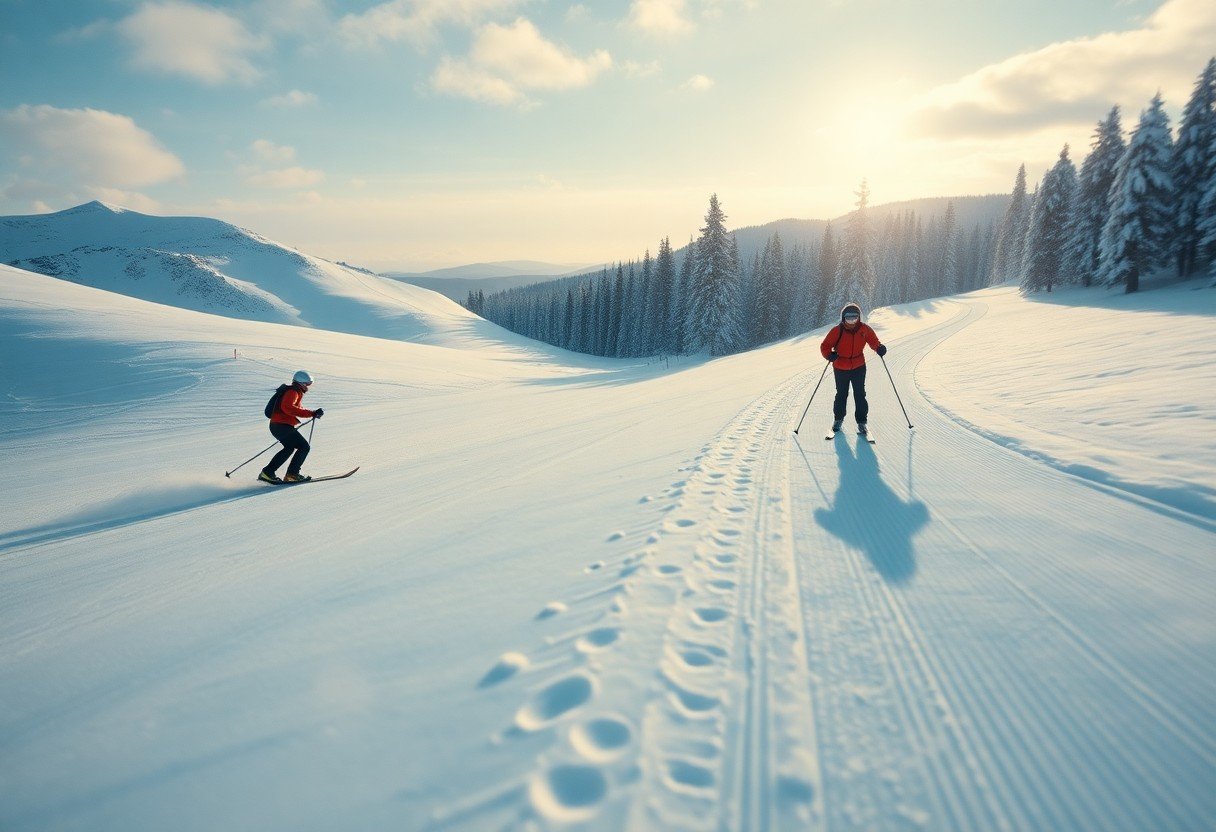
Technical Mastery: Skill Sets and Learning Curves
Downhill Fundamentals: Carving, Edging, and Speed Control
On steep descents, you refine carving and edging to control speed; pressure management and stance changes keep you stable. Focus on weight distribution, angulation, and timely edge release to avoid falls. High speeds increase fall risk, so practice progressive runs and brake turns.
Propulsion Mechanics: Classical Kick-and-Glide vs. Skate Techniques
In classic skiing, you drive with a timed kick-and-glide using grip and weight transfer; skate technique demands lateral power and rhythm for speed. Practice balance and hip rotation to be efficient. Skate is faster but more physically demanding, so build strength gradually.
You must master the kick timing, glide posture, and pole plant in classical technique: a clean kick into the waxed kick zone followed by full weight transfer yields efficient propulsion. Skate technique requires a strong lateral push, quick recovery, and coordinated pole timing for V1/V2 cadences. Timing and weight transfer determine efficiency, wax choice affects grip and can cause dangerous slips, and skate offers higher top speed while demanding greater leg and core power-practice drills, interval sets, and targeted strength work to progress safely.

Final Words
Presently you can choose alpine for speed, steep runs, and chairlift access, or cross-country for endurance, varied terrain, and quieter trails; equipment, technique, and fitness demands differ, so you should match your goals to the style.
FAQ
Q: What are the core differences between alpine and cross-country skiing?
A: Alpine skiing emphasizes downhill runs, controlled turns, and higher top speeds on groomed slopes served by lifts. Cross-country skiing emphasizes forward travel using your own power across groomed tracks, rolling terrain, or backcountry flats and climbs. Equipment, technique, and physical demands differ: alpine uses shorter, wider skis with fixed-heel bindings and stiffer boots for edge control; cross-country uses longer, narrower skis with free-heel bindings and flexible boots for efficient gliding and kick.
Q: How do equipment and bindings differ in practice?
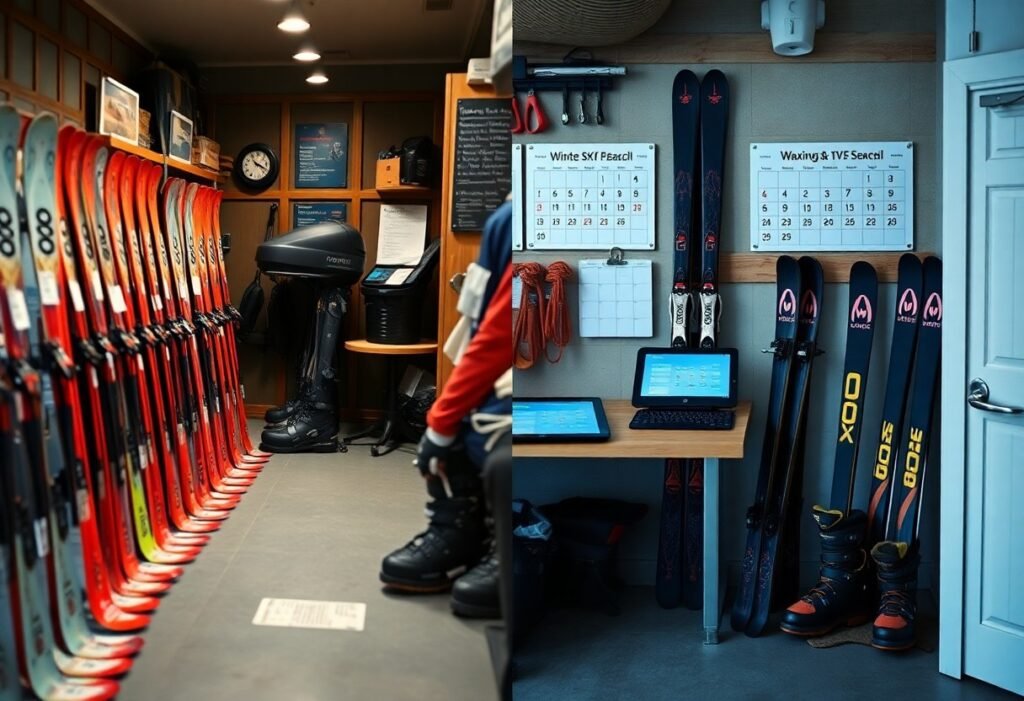
A: Alpine skis are generally wider with metal edges and a sidecut that facilitates carving; bindings lock the heel for stability during turns and high-speed descents. Cross-country equipment splits into classic and skate styles: classic skis are longer with a grip zone or skin for kick, skate skis are shorter and stiffer for lateral push; bindings allow the heel to lift and boots are more flexible for ankle motion. Pole length, boot stiffness, and ski wax choices also vary significantly between the two disciplines.
Q: What are the main technique and fitness differences?
A: Alpine technique centers on turning, edge control, absorbing terrain with the legs, and short, explosive efforts using quads, glutes, and core. Cross-country technique requires sustained aerobic endurance, efficient weight transfer, and rhythmic full-body coordination-classic double pole and diagonal stride or skate technique recruit arms, core, and legs continuously. Training for alpine favors strength, power, and reactive balance; training for cross-country focuses on cardiovascular fitness, muscular endurance, and pacing.
Q: Which environments and snow conditions suit each style?
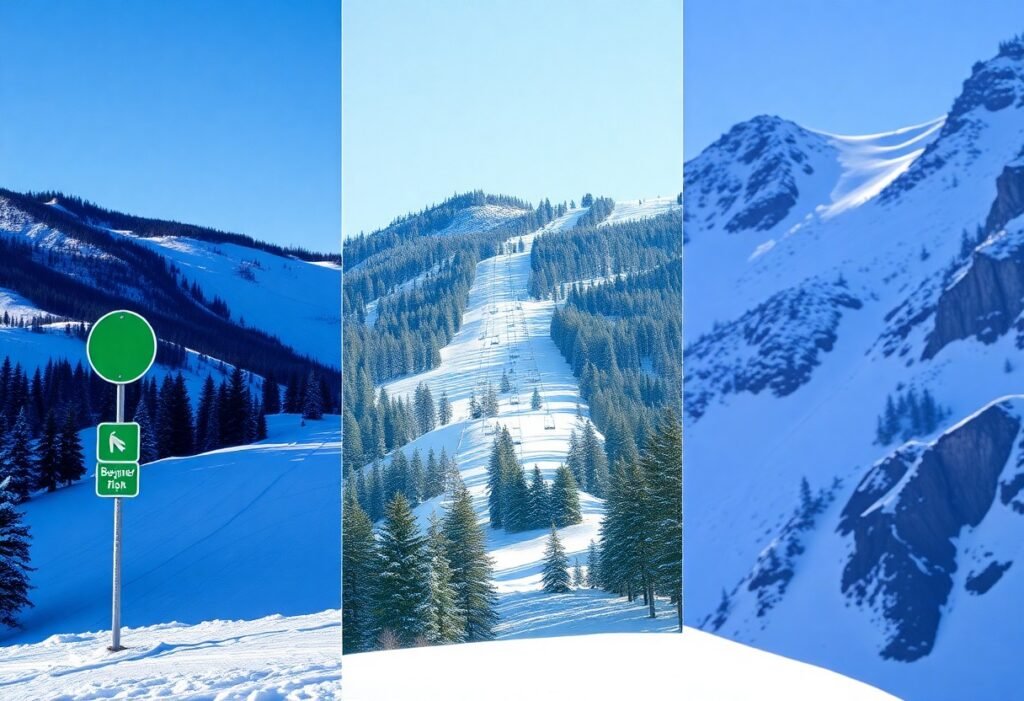
A: Alpine skiing excels on groomed pistes and steep slopes. It performs best in lift-access terrain where firm edges and speed matter. Packed snow and variable grip are typical conditions for this style.
Cross-country skiing performs best on groomed tracks and packed trails. Gentle to rolling terrain suits it well. Wax and grip choices must be tuned to temperature and snow crystal type.
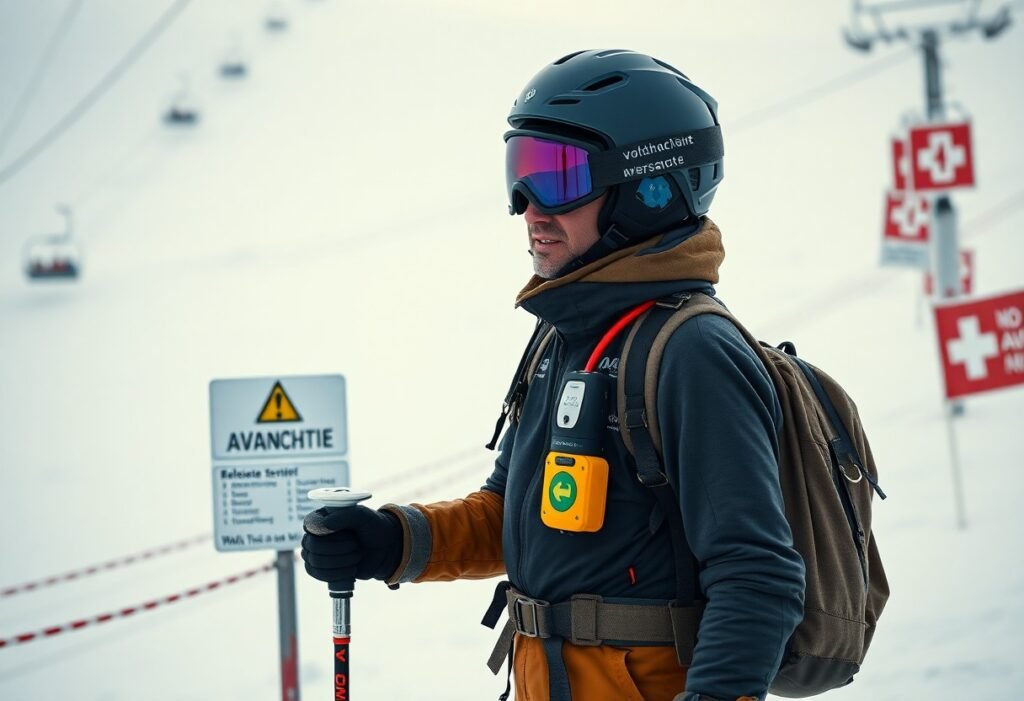
Both disciplines can extend beyond groomed areas. Backcountry alpine requires specific gear and avalanche awareness. Long cross-country tours need careful route planning and preparation.
Q: How do learning curve, safety, and cost compare between alpine and cross-country skiing?
A: Alpine skiing offers quick progress for beginners learning basic turns on green runs. However, higher speeds increase injury risk. Knee and lower-leg injuries are common without proper technique and protective bindings.
Cross-country skiing has a gentler initial fall risk. Flat groomed trails make it easier to start. However, fitness demands make longer outings challenging for novices.
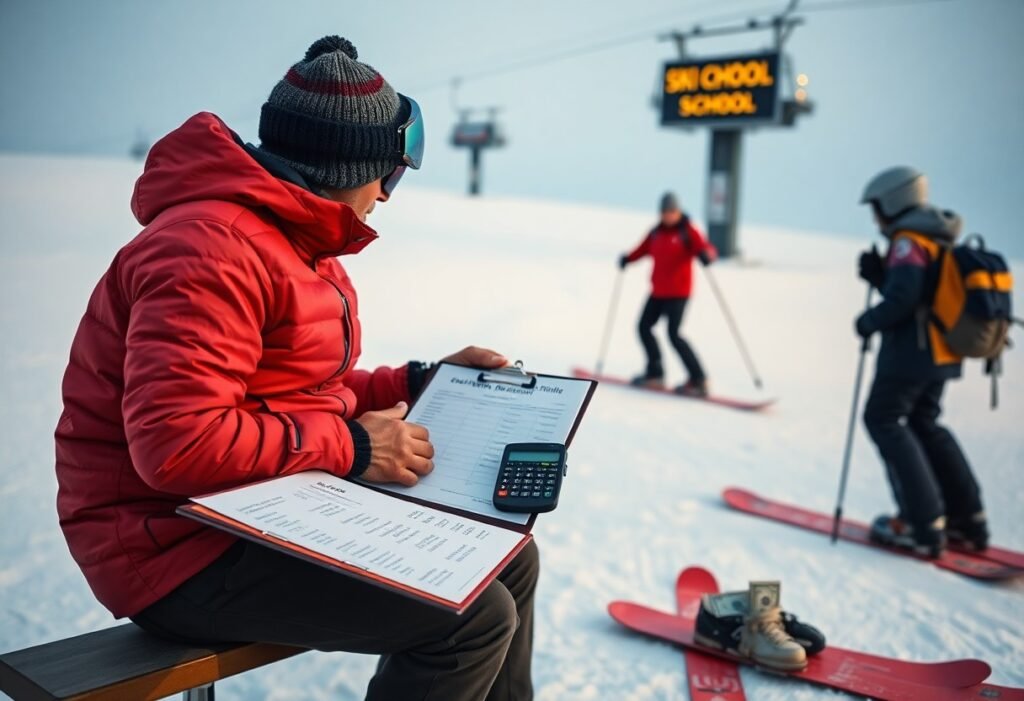
Cost differences exist between the disciplines. Alpine requires lift tickets and larger equipment expenses for skis, boots, and bindings. Cross-country gear and access are usually less expensive. Specialized race or backcountry setups add cost to both.
Lessons, proper fitting, and appropriate protective gear reduce risk for both styles.