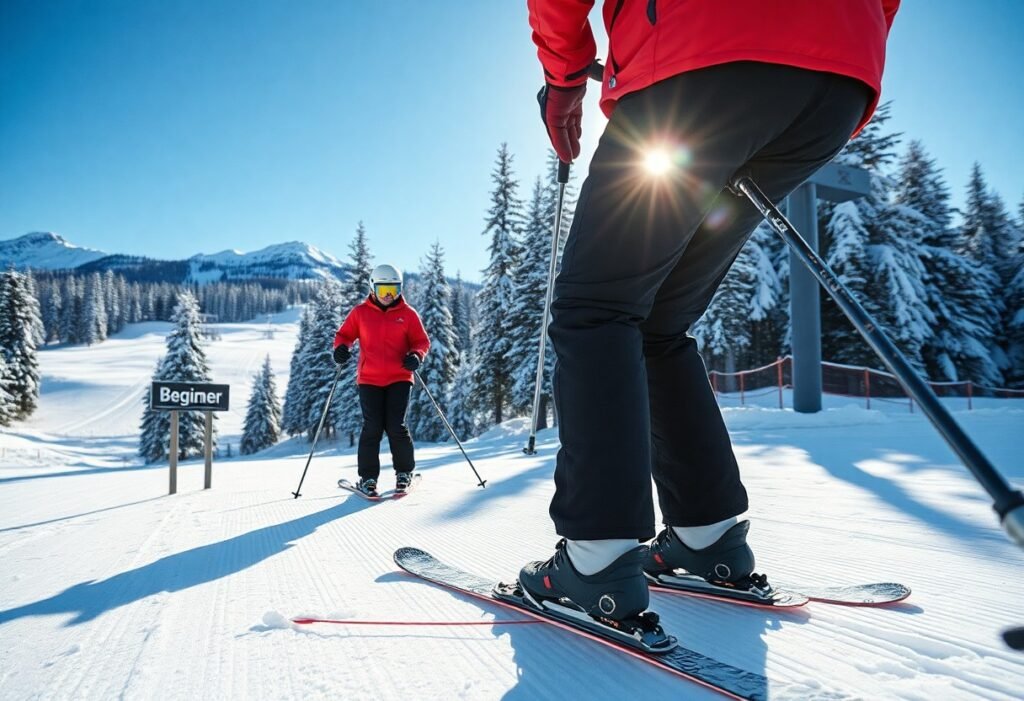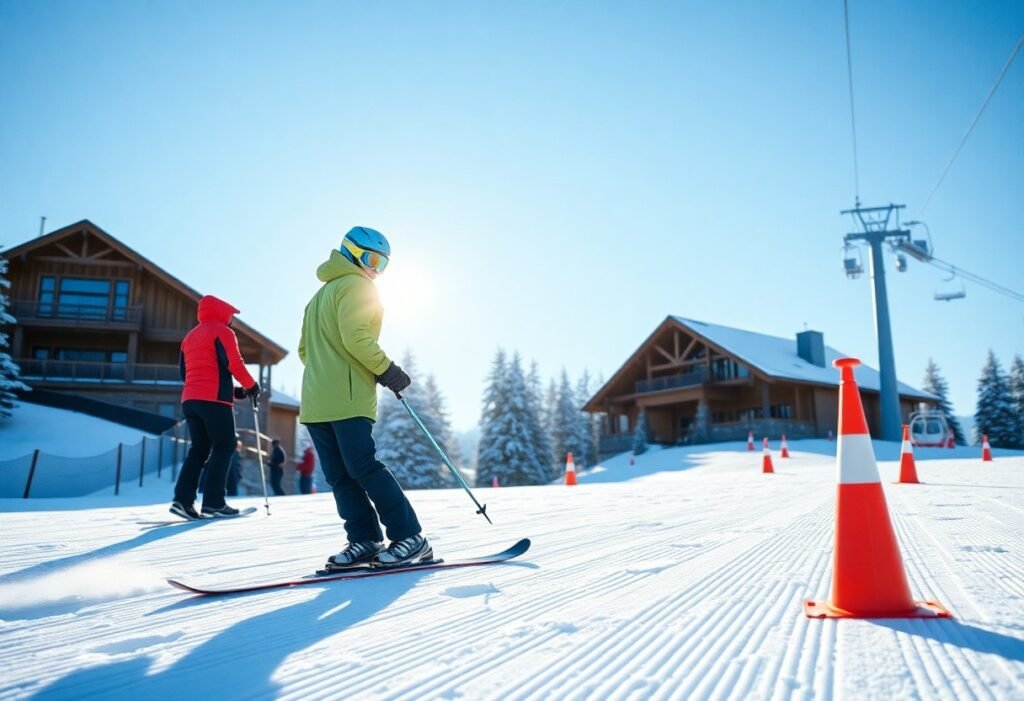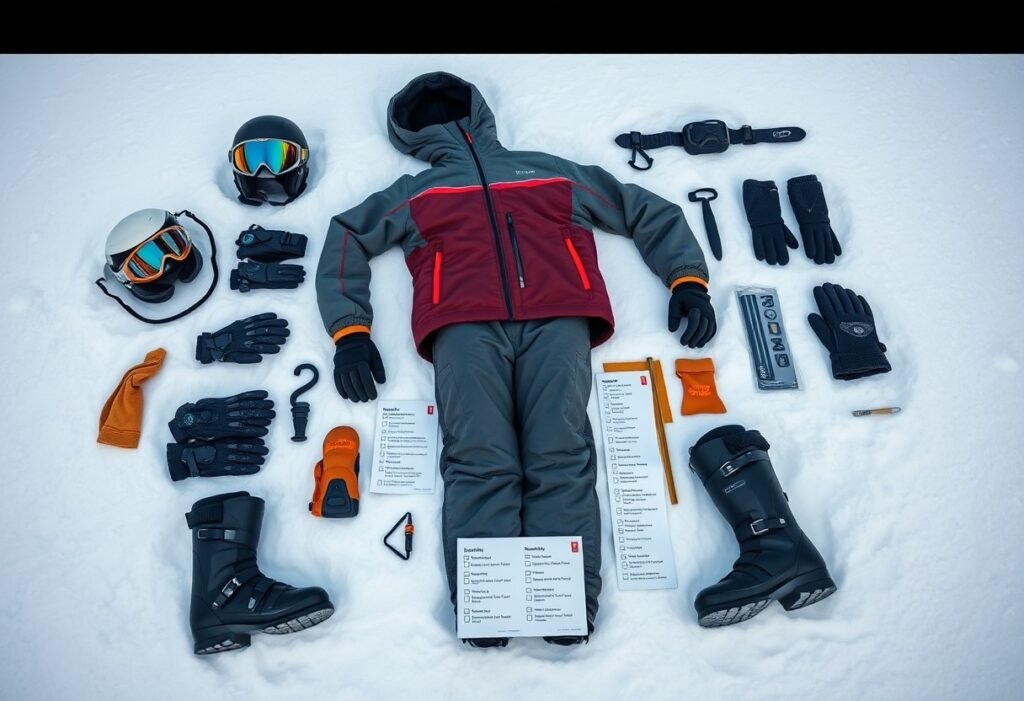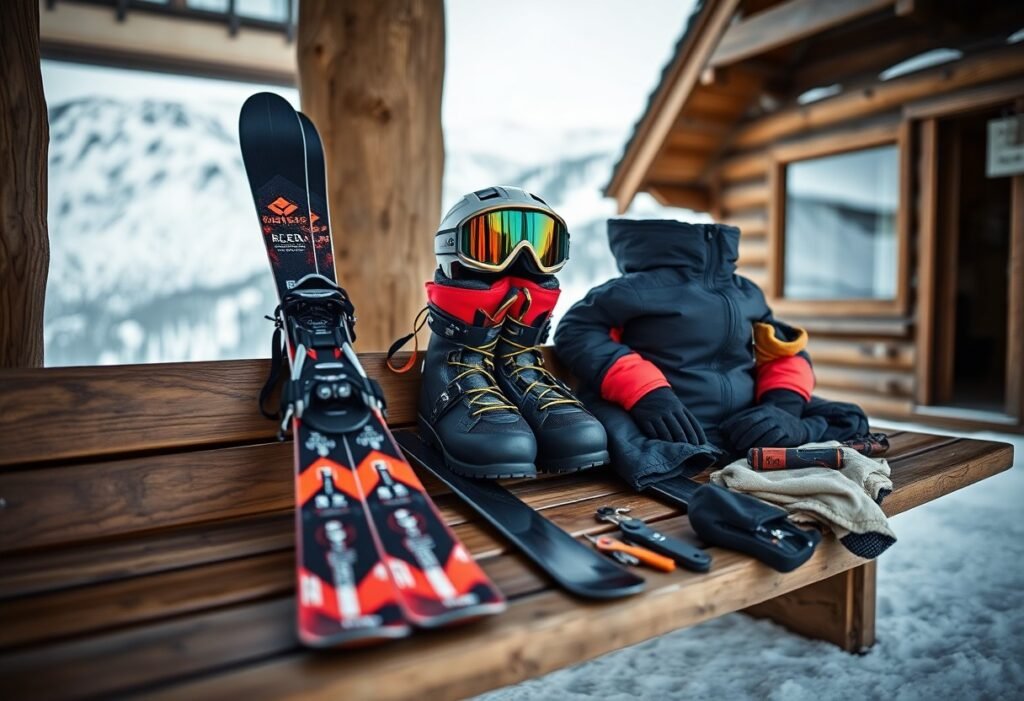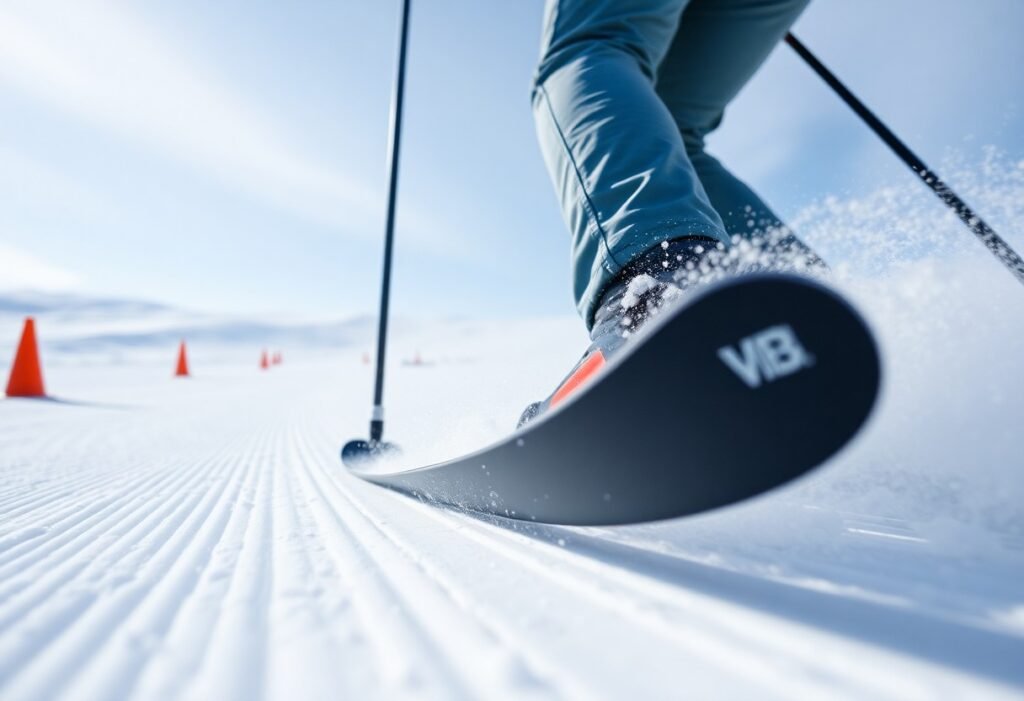

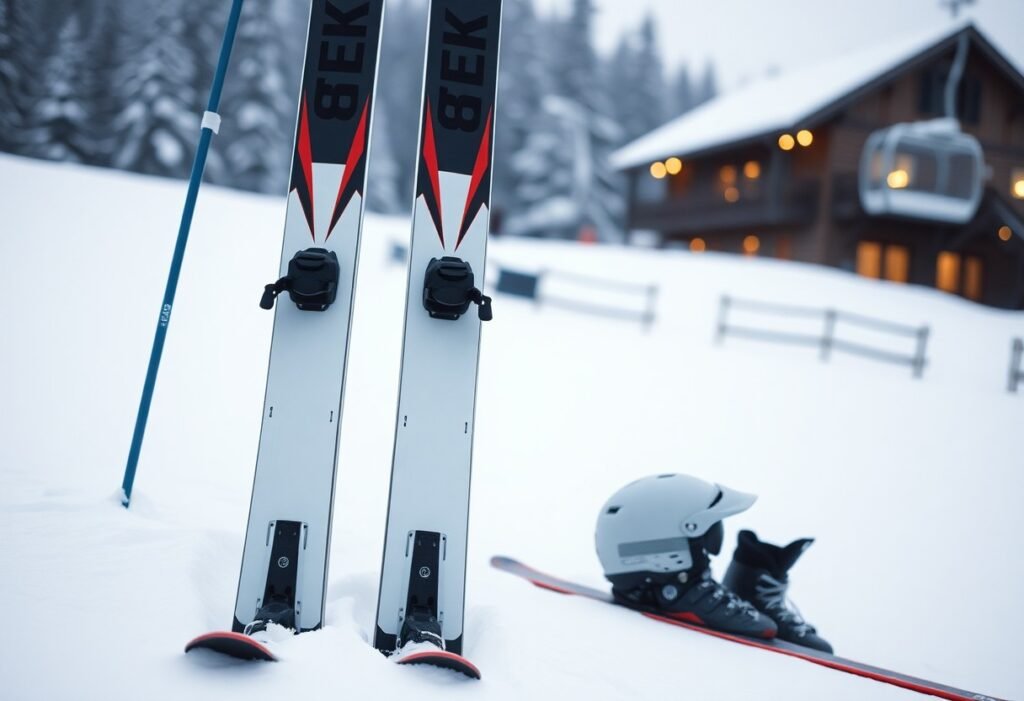
Beginners like you should prioritize easy control and stability, balance weight and flex, and avoid designs with high injury risk while seeking durable, forgiving skis for confident progression.
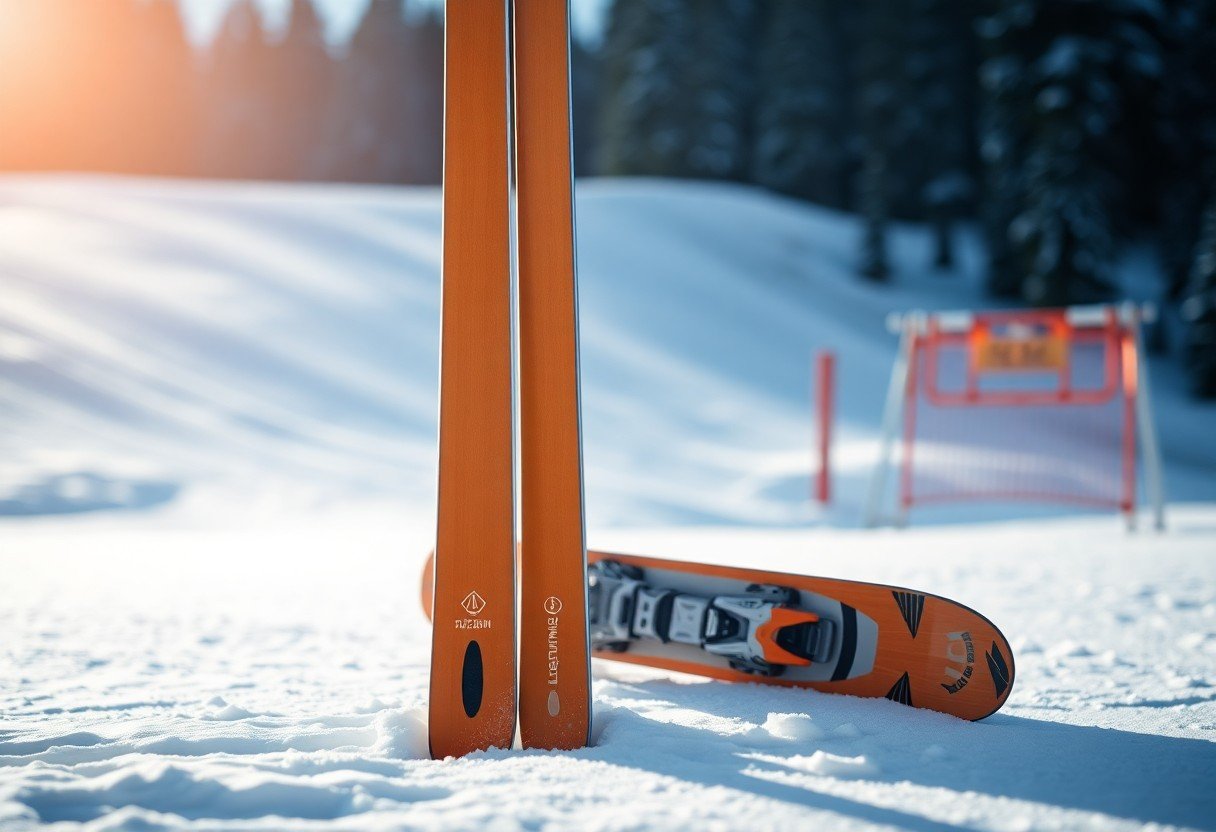
Essential Characteristics of Beginner-Friendly Skis
You should focus on skis that reduce errors and build confidence quickly, favoring forgiving flex, predictable rocker, and moderate widths so you can progress without fighting the gear; choose models that reward balanced technique while minimizing the risk of sudden edge catches or high-speed instability with consistent edge hold.
Soft Flex Patterns for Effortless Control
Softer flex patterns let you press and release turns with less effort, so you build confidence faster; you benefit from forgiveness on mis-timed inputs and lower vibration at low speed, which shortens the learning curve on groomed runs.
All-Mountain Rocker Profiles for Easy Turn Initiation
Early-rise tips and mellow tails make turn initiation much simpler, allowing you to pivot without digging the edge and reducing the chance of a catch; you’ll enjoy smoother transitions across varying snow without overworking your legs.
When you prioritize an all-mountain rocker, pick a gentle tip lift with camber underfoot so you retain edge bite when you speed up; this combo reduces tip hang-ups while keeping enough contact for reliable grip, letting you practice longer turns and quick turns without constant recovery work.
Optimal Waist Widths for Groomed Trail Stability
Moderate waist widths (roughly 70-80mm) give you nimble edge-to-edge response on packed snow while supporting balanced pressure through turns; you’ll find carving easier and recoveries faster, enhancing confidence on hardpack for each run.
Widths toward the lower end of that range reduce swing weight and help you focus on technique rather than brute force; if you go wider, expect slower edge-to-edge response, which can frustrate progress, so match width to typical groomer conditions and your stance.
Materials and Technology Trends in 2026
Sustainable Bio-Resins and Recycled Core Materials
You’ll find more skis built with bio-resins and recycled cores, giving you lower-carbon options and often lighter weight, while still offering pop; watch for durability trade-offs on early runs that can affect long-term performance.
- You should check certification labels (ECO, EPD) before buying.
- You can expect minor weight differences between batches.
- You ought to compare warranty terms for recycled-content models.
Material vs Benefit
| Bio-resin | Lower emissions, slightly different flex for you |
| Recycled wood core | Reduced waste, potential variability you should test |
| Third-party certs | Clearer sustainability claims for your choice |
Advanced Vibration Dampening for Smoother Rides
Expect you’ll notice multi-layer dampers and tuned polymers that cut chatter, giving you smoother landings and more confidence at speed; verify specs to avoid unexpected added weight.
- You should demo skis to feel damping across speeds.
- You can compare materials (metal, polymer, viscoelastic) for feedback differences.
- You ought to factor damping into overall weight and stiffness choices.
Dampening Feature vs Rider Impact
| Viscoelastic layers | Reduced high-frequency chatter for you |
| Metal inserts | Stable at speed but may add weight you feel |
| Targeted placement | Preserves edge feel where you need it |
Testing shows you that well-tuned dampers smooth rough snow without killing edge feedback, but poorly tuned systems can mask what your skis are doing-always do a demo to confirm the trade-offs for your style.
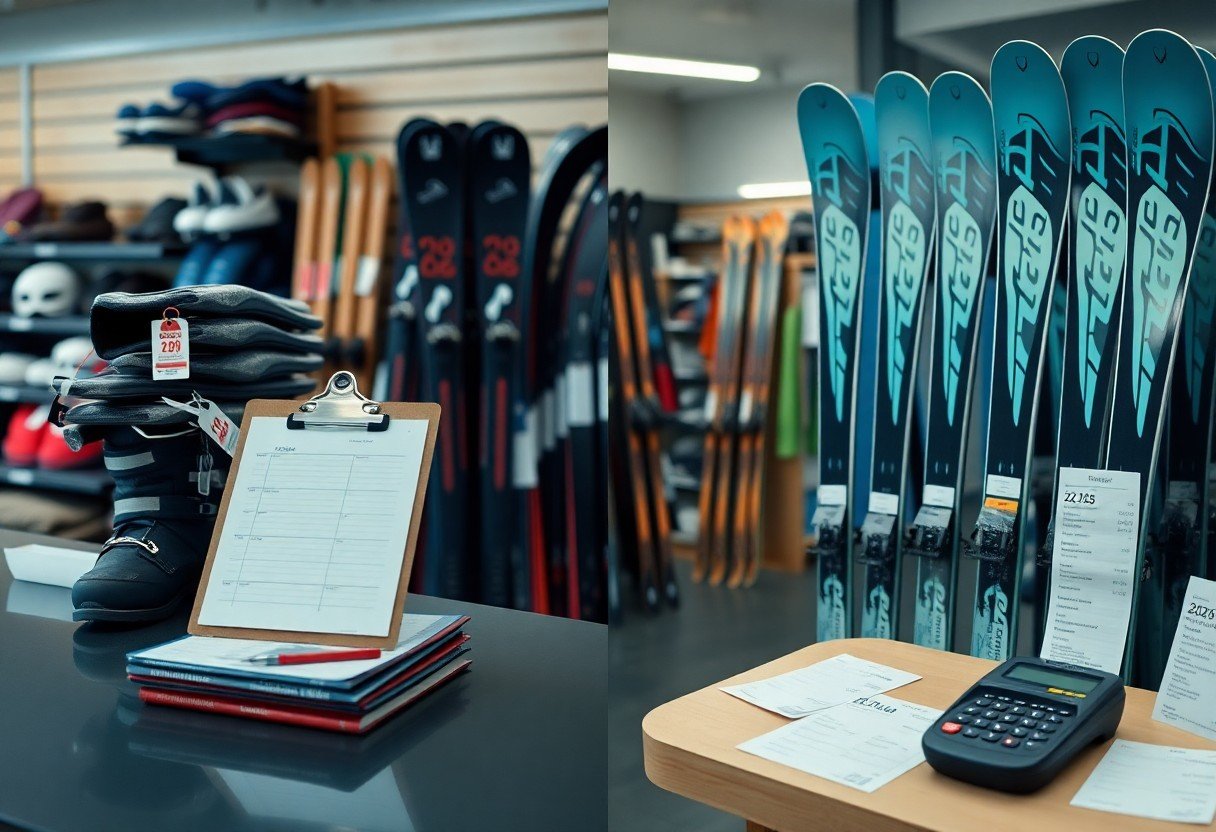
Investment Strategy: Buying vs. Renting
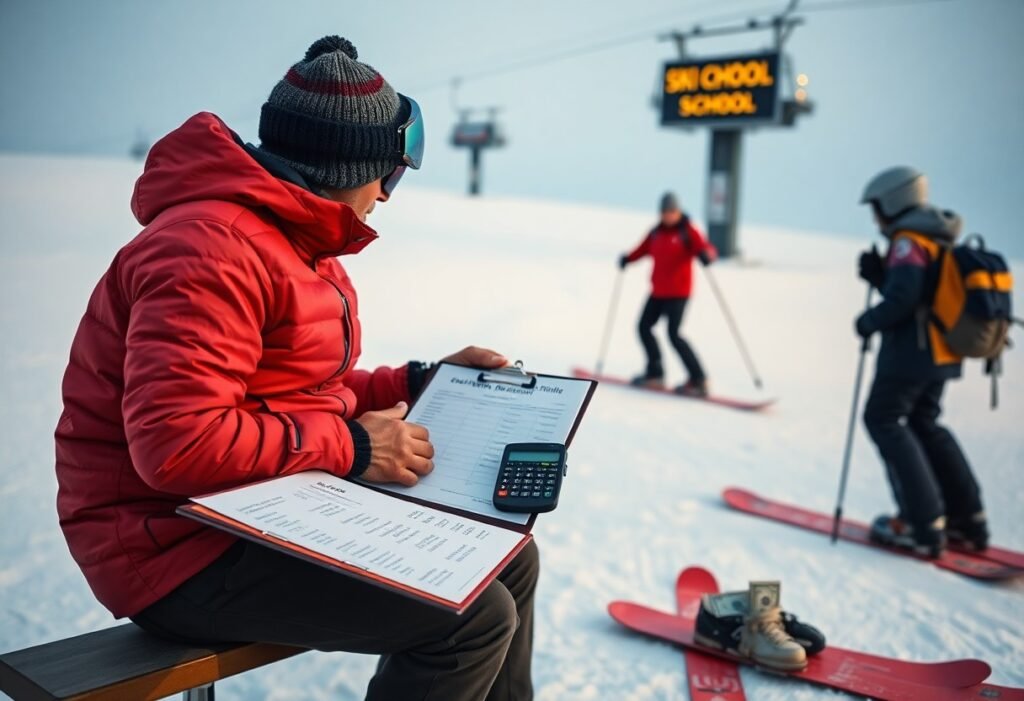
Buying becomes the smarter play when you ski often, because you control boot fit, binding settings, and waxing, while renting lowers upfront cost for occasional trips; weigh long-term savings against convenience and potential injury risk from poorly fitted rental boots.
Long-Term Cost Savings of Owning Your Equipment
Owning spreads costs across seasons, so after a season or two your per-day spend drops; if you ski regularly, long-term savings and resale value often justify an initial purchase and proper maintenance.
The Importance of Gear Familiarity and Muscle Memory
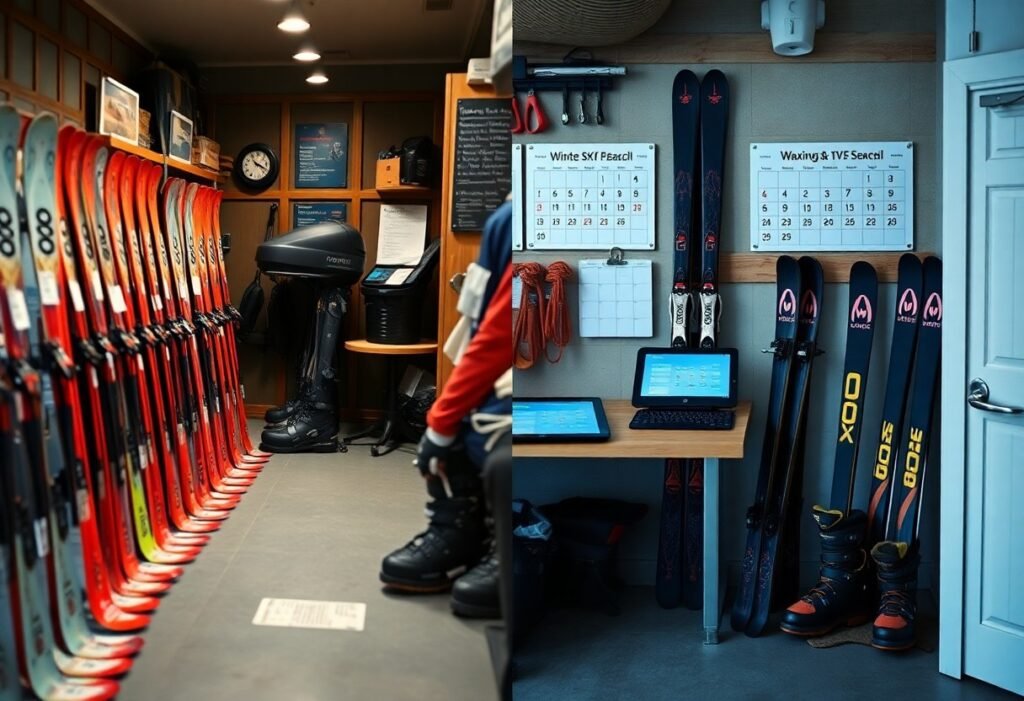
Familiarity with your personal skis and boots sharpens muscle memory so you ski with more confidence and lower injury risk, compared with swapping rental gear each day.
Practice on the same setup to internalize edge pressure, release timing, and stance so you react instinctively in varied snow; you’ll progress faster when your body trusts how your skis respond. Consistent tuning, boot alignment, and a stable binding setup create predictable feedback that reduces falls and enhances control. Small, regular adjustments by a qualified tech also limit wear and reduce the chance of equipment-related injury.
To wrap up
From above, you can pick skis that match your skill: forgiving, stable models with easy turn initiation help you progress while reducing fatigue. Choose a well-fitting boot and moderate-length, soft-flex ski to build confidence and refine technique across groomed runs and gentle powder.
FAQ
Q: How do I choose the right alpine skis as a beginner?
A: Look for skis with a softer flex, moderate sidecut, and early-rise rocker in the tips. Choose a narrower waist for quicker edge-to-edge response and easier turning on groomed runs. Match skis to your skier type: more cautious beginners favor forgiving, easy-turning models while those who plan to progress quickly can opt for slightly stiffer, more stable all-mountain skis. Ensure bindings are DIN-rated for your weight, height, and skill level and have them mounted and adjusted by a certified technician.
Q: What ski length should a beginner pick?
A: Aim for skis that reach between your chin and the top of your head when stood upright. Skis closer to chin height make turning and controlling speed easier; skis near nose or forehead height add stability at higher speeds. Factor in your weight and intended terrain: heavier skiers or those who want more stability should choose a slightly longer length within the range, while lighter or cautious skiers should pick the shorter end. Demoing a couple of lengths on snow helps find the most comfortable option.
Q: Which technical features matter most for beginner performance and safety?
A: Softer flex patterns reduce catchiness and forgive mistakes during turns. Tip rocker or early-rise tips aid turn initiation and reduce tip hang-ups in variable snow. Moderate waist widths (roughly 70-85 mm) perform well on groomers while still offering some versatility off-piste. Lightweight construction lowers fatigue and improves control. Reliable, properly adjusted bindings and certified brake systems are vital for release performance and injury prevention.
Q: What are the top beginner alpine skis in 2026 reviews?
A: Review consensus for 2026 highlights several accessible models: Rossignol Experience 74 for smooth turn initiation and predictable behavior; Salomon XDR 76 ST for light weight and easy handling; K2 Konic 75 for confidence-building simplicity and value; Atomic Vantage 75 C for a balance of stability and forgiveness; Head V-Shape V2 for playful, directional control. Each model prioritizes forgiving flex, user-friendly sidecut, and manageable weight, making them strong choices for new skiers who want quick progression.
Q: How much should a beginner budget for skis and bindings in 2026?
A: Entry-level complete setups (skis plus bindings) typically range from $300 to $600, offering good value and adequate performance for first seasons. Mid-range packages with better materials and lighter construction sit around $600 to $900 and last longer as skills improve. Renting skis for the first season or two costs about $30-$60 per day or $100-$300 for a multi-day package and lets you test sizes and styles before committing to a purchase. Include the cost of professional binding mounting and adjustment when budgeting.