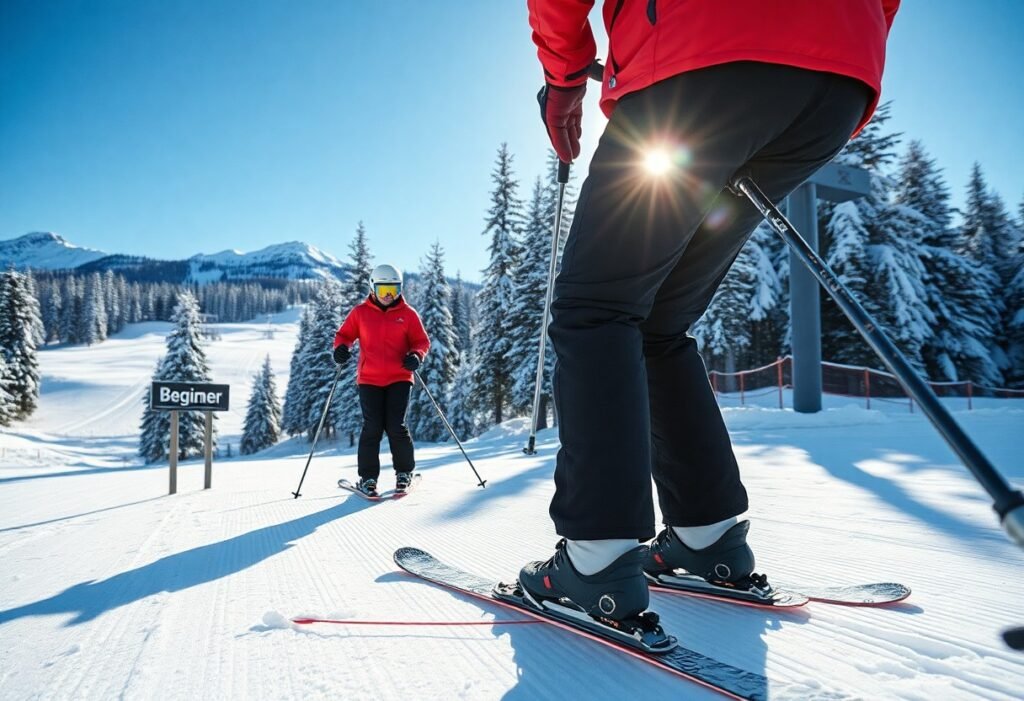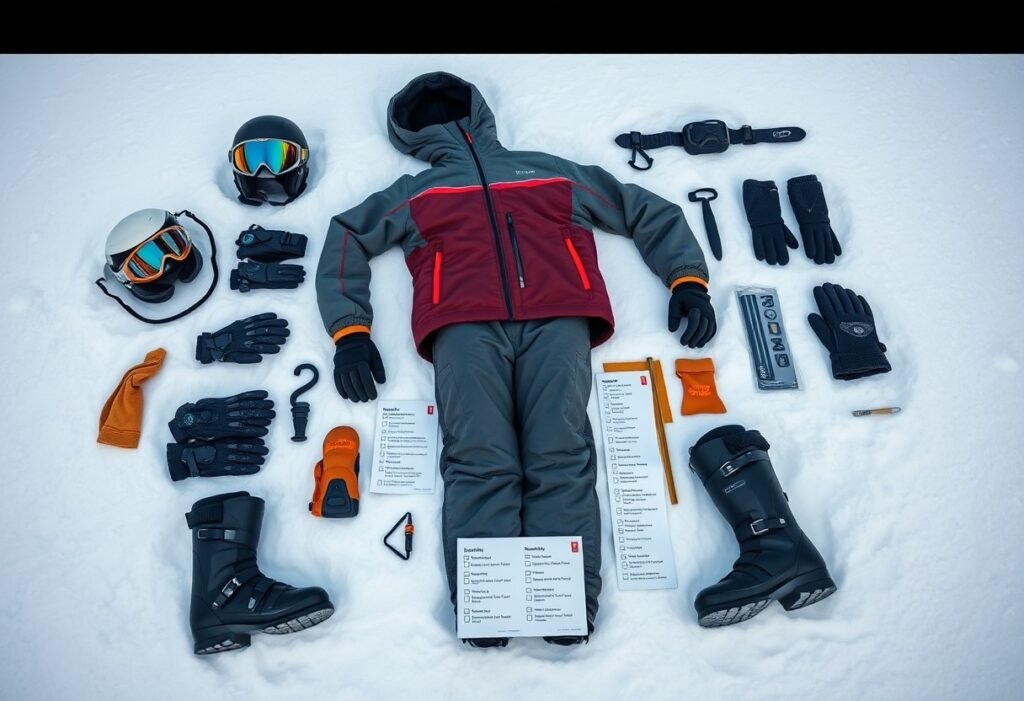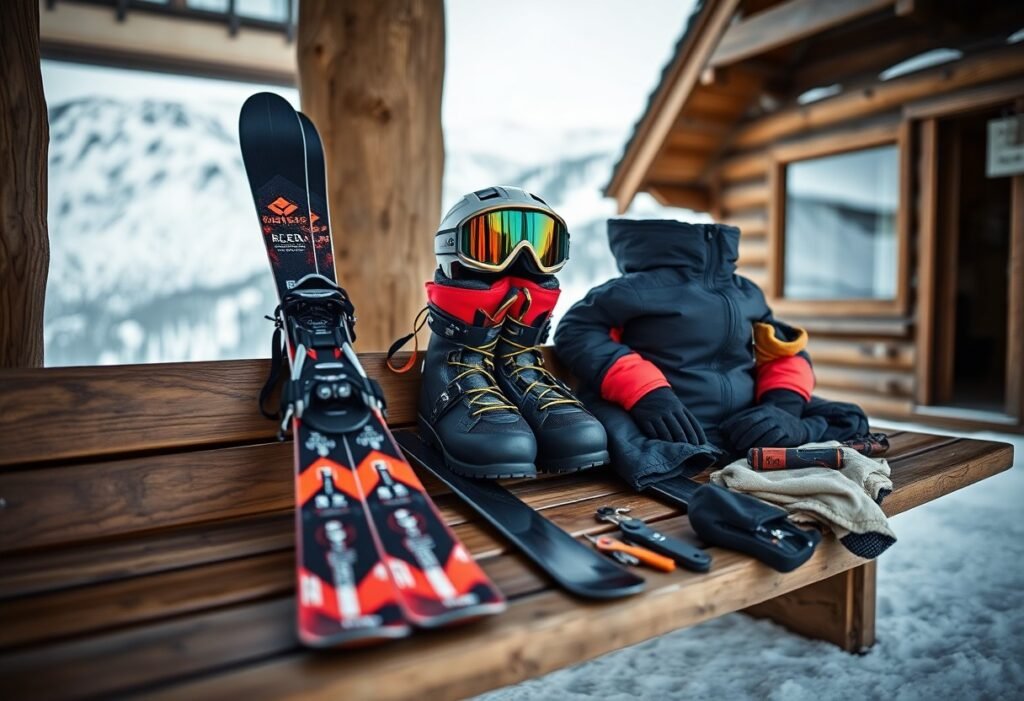

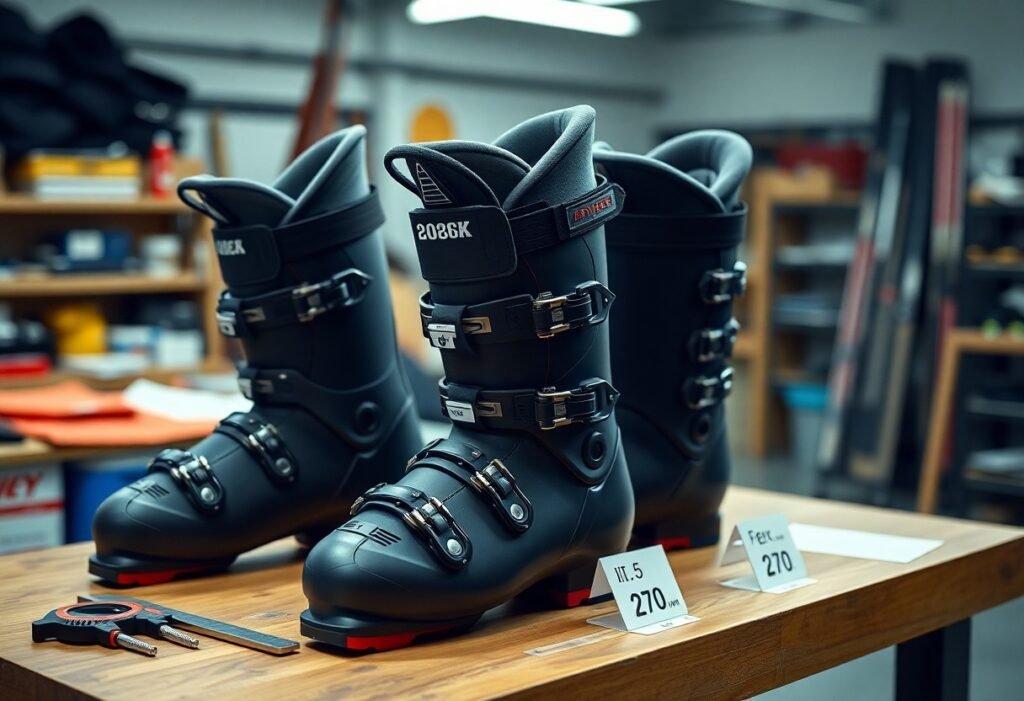
You should choose boots with a precise fit, proper stiffness and certified bindings to reduce injury risk, while seeking comfort and superior edge control for confident alpine performance.
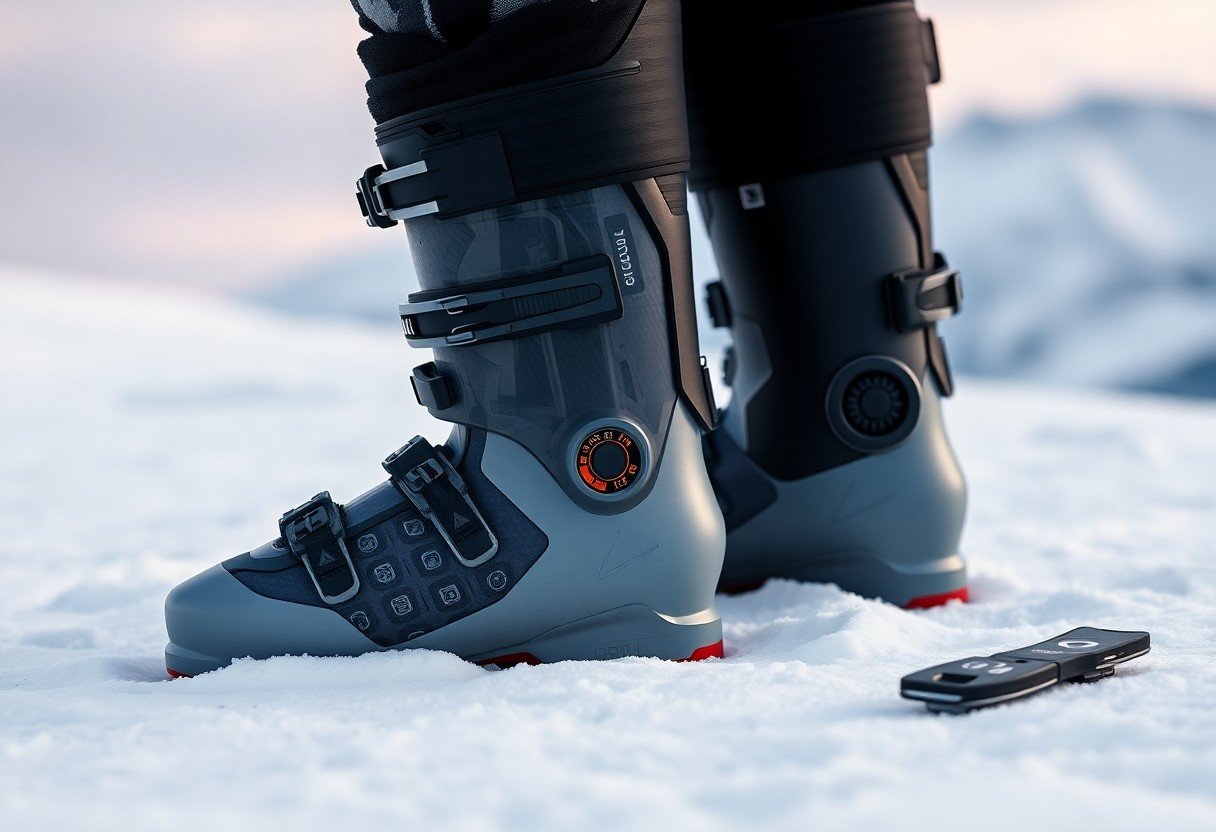
Innovative Technologies Defining 2026 Ski Boots
Sustainable Materials and Circular Manufacturing
Brands are replacing virgin plastics with recycled polymers and bio-based foams so you get lighter shells and a smaller carbon footprint, while recyclable liners and modular parts make repair and reuse easier.
Next-Generation BOA Closure Systems
BOA delivers micro-adjustable tension so you can dial fit during runs; quick mid-run tweaks reduce hot spots, while low-profile reels lower snag risk and boost energy transfer for sharper control.
Designers have refined BOA for alpine demands so you can fine-tune pressure across multiple zones with micrometer adjustments, reducing blister risk and improving responsiveness. Systems now use torque-limiting reels and freeze-resistant bearings to prevent over-tightening and jamming; follow manufacturer’s torque guidance because excessive force can damage shells or cut circulation. Expect faster one-hand releases and tool-free replacement spools for field repairs.
Top Overall Alpine Ski Boots of 2026
Best High-Performance Boots for Advanced Skiers
Advanced skiers need shells with a stiff flex and precise heel hold; you should choose boots with 100-130+ flex and narrow lasts to maximize edge control and responsiveness, but watch for pressure points and reduced forgiveness if the fit is off.
- Atomic Hawx Ultra 130 – lightweight, aggressive fit.
- Tecnica Mach1 MV 130 – strong power transfer and customizable cuff.
- Salomon S/Pro 130 – precise fit with performance liner.
Performance Features
| Feature | What it means for you |
|---|---|
| Flex rating | Stiffer = more response; softer = more forgiveness. |
| Last width | Narrow lasts increase control but can pinch if too tight. |
| Shell customization | Heat-molding improves fit and reduces hotspots. |
Top-Rated Comfort-Oriented All-Mountain Boots
Comfort-focused all-mountain boots give you forgiving flex, roomy lasts, and heat-moldable liners so you stay warm and pain-free on long days while keeping adequate support for varied terrain.
You should prioritize fit over brand: get a professional shell fit, test liners for pressure spots, and choose a boot with a reliable walk mode if you hike; poor fit can cause long-term knee and foot pain, while proper customization preserves comfort and performance all season.
Category Leaders by Terrain and Style
Best On-Piste Carving Boots
Carving boots give you direct edge response and precision on groomers; you should choose models with high lateral stiffness and responsive soles, and avoid an overly tight fit that can cause numbness and knee strain.
Leading Hybrid Boots for Resort-Based Freeride
Hybrid models balance uphill walkability and downhill power so you can access varied lines; prioritize reliable walk modes, stiff downhill shells, and durable soles while noting that complex mechanisms can fail in extreme cold.
You should favor a boot with a sturdy cuff hinge, adjustable forward lean, and a dependable walk lock to keep ascent weight low without sacrificing downhill edge control or comfort. Mechanical parts and seals require regular checks, and choosing brands with replaceable pins or a solid service network improves long-term safety.
Fit and Volume Specifications
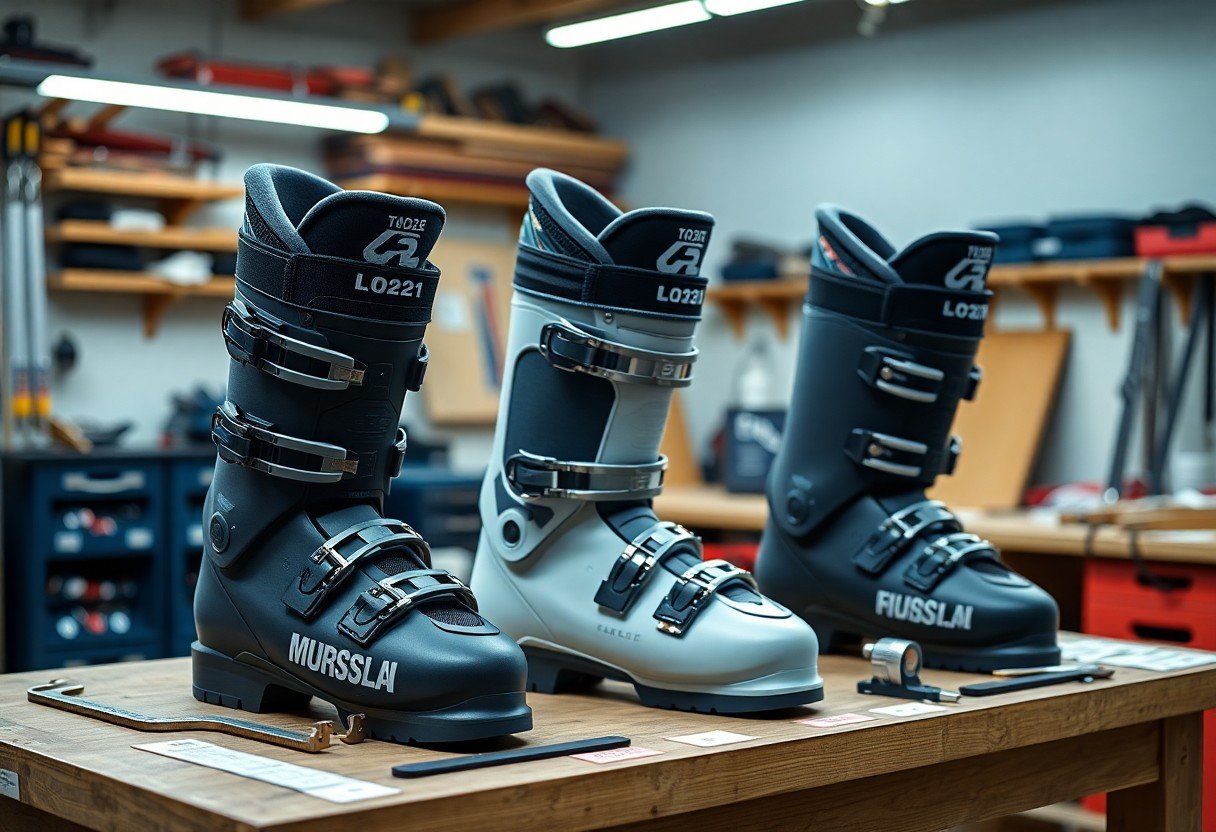
Fit dictates how you transfer input to the ski; match the shell last to your foot width and flex, aim for snug heel hold, and avoid pressure points that cause numbness or injury.
Low Volume (LV) vs. High Volume (HV) Solutions
Choose LV shells for narrow feet to get precise response, and opt for HV if your foot is wider or you prioritize comfort; mismatched volume risks sloppy control on hard snow.
Women’s Specific Anatomy and Cuff Adjustments
You should seek narrower lasts, softer liners, and adjustable cuff options to match calf flare; proper alignment reduces chafing and improves stance.
Adjust cuff cant and forward lean to fit your calf shape and femur angle; your bootfitter can add shims, grind the shell, or tweak liners to prevent knee strain and deliver balanced edging for stronger turns.
Essential Features for Enhanced Power Transfer
You should prioritize a snug shell fit, aligned cuff and responsive buckles so that your inputs result in immediate edge response without pressure points or lost energy.
Flex Ratings and Temperature Stability
Stiffness ratings tell you how a boot reacts; pick a flex that matches your weight and style and watch for cold-induced stiffening that can blunt control.
Flex & Temperature Guide
| Rating | What it means for you |
| Soft (<90) | Comfortable at low speeds, less precise at high load |
| Medium (90-110) | Balanced for most intermediates and advanced skiers |
| Stiff (>110) | High-power transfer for aggressive skiers; monitor cold effects |
Advanced Power Straps and Shell Rigidity
Straps that spread pressure give you stronger cuff lock and faster rebound; avoid straps that slip or cut circulation to preserve maximal power transfer.
- You get better hold with wider straps.
- You can fine-tune fit with micro-adjustable buckles.
- You may feel more fatigue with very heavy shells.
Power Strap & Shell Checklist
| Feature | Why it matters to you |
| Strap width | Increases contact area and rebound |
| Shell material | Dictates stiffness versus weight |
| Micro-adjustment | Lets you dial torque transmission |
Advanced Power Straps and Shell Rigidity – Details
Shell geometry determines how you channel leg torque; pairing a slightly compliant cuff with a firm lower shell gives direct, controllable power while minimizing painful hotspots and heel lift.
- You should adjust cuff canting to match your stance.
- You must avoid excessive shell gaps behind the heel.
- You can vary strap tension between long and short turns.
Adjustment Priorities
| Adjustment | Effect for you |
| Cuff canting | Aligns edges without forcing ankle |
| Heel engagement | Prevents loss of power and control |
| Strap tension | Balances comfort and rebound |
GripWalk Evolution and Sole Compatibility
GripWalk soles improve walk traction and often change boot-to-binding geometry, so confirm binding compatibility to maintain correct release behavior.
Sole shape affects how you clip in and the safety release; inspect manufacturer certification and ensure you replace worn tread to avoid misfits or unexpected non-release.
GripWalk Compatibility
| Component | Check for you |
| Boot sole | GripWalk label and tread condition |
| Binding | Manufacturer certification for GripWalk |
| Tread wear | Replace soles if depth or shape is compromised |
Professional Fitting and Customization
Expert bootfitters use pressure mapping, gait analysis and targeted trimming so you get a tailored stance and eliminate painful hotspots; you should expect shell punching, cuff canting and liner shaping during a session, and consult reviews like The Best Ski Boots of 2026, Tested and Reviewed by Experts to pick shells that respond well to adjustments.
Heat-Moldable Shells and Liner Technology
Heat-moldable shells and liners let you achieve a snug, pressure-free fit quickly, reducing numbness and improving edge control while you ski.
The Role of Custom Footbeds in Power Transfer
Custom footbeds align your arch and heel so you get sharper power transfer and less fatigue through hard turns and long days.
You benefit from a custom footbed that supports your arch, controls rearfoot movement and corrects stance; a skilled fitter will scan or cast your foot, recommend materials like high-density EVA or carbon, and tune heel cup depth to improve ski response while lowering the chance of overuse injuries, making your boots feel more predictable at speed.
Summing up
Upon reflecting, you should choose ski boots that fit your foot shape, match your skier type and flex needs, and offer heat-moldable liners with precise buckles and modern shell materials; proper fitting and certified shop tuning make the best 2026 alpine boots perform consistently on-piste and in variable conditions.
FAQ
Q: Which ski boots are considered the best for alpine skiing in 2026?
A: For 2026 the best alpine ski boots fall into clear categories: high-performance piste race boots, all-mountain boots, freeride/powder boots, and alpine-touring hybrids for mixed skiing. High-performance piste picks include updated models from Lange (RX/RS lines), Tecnica (Mach1 series), and Salomon (S/Pro race/all-mountain variants). All-mountain favorites include Atomic Hawx and Dalbello Panterra families for their blend of power and comfort. Freeride and wider-stance models to handle soft snow and big terrain come from Atomic and Rossignol Alltrack lines, while backcountry-oriented alpine-touring hybrids and tech-compatible boots are strong from Fischer Ranger, Salomon MTN, and Dynafit-collaborations. Buyer priorities such as last width, flex, heat-moldable liners, and binding compatibility usually determine which model is best for an individual skier.
Q: How do I choose the right flex index for my skiing ability and weight?
A: Flex selection should match skier ability, aggressiveness, weight, and preferred terrain. Common guidelines place beginner recreational skiers around flex 60-80, intermediates 80-100, advanced skiers 100-120, and expert/race skiers 120-140+, with elite racers pushing higher. Body weight and strength require adjustment: heavier or very strong skiers should step up a flex range, lighter or less aggressive skiers should choose a softer flex. Women’s-specific boots often have slightly softer flex ratings for the same number; consult manufacturer conversion charts in case ratings differ. Testing flex on-snow with proper boot stance gives the most reliable assessment.
Q: What fit features matter most and what does a professional bootfitting involve?
A: Proper fit depends on shell fit, last width, liner volume, heel hold, and cuff alignment. Shell fit is judged by the forefoot and toe box when the shell is tried with footbeds and thin socks; a snug shell with minimal dead space is correct before molding. Last widths are typically narrow (<98 mm), medium (98-100 mm), and wide (101-104+ mm); pick a last that matches your foot width. Professional bootfitting steps include pressure mapping or visual assessment, heat-molding liners, custom footbeds or orthotics, shell punching or grinding to relieve hot spots, cuff canting and alignment, and micro-adjusting buckle positions. Experienced fitters will check stance, forward lean, and boot-to-binding compatibility to achieve precise control and comfort.
Q: Are walk-mode and touring features worth it if I mostly ski at resorts?
A: Resort skiers who prioritize on-piste performance benefit most from alpine-focused boots without a walk mode; those boots are usually stiffer and more direct in power transfer. Skiers who take long liftless approaches, use hike-accessed terrain, or split time between resort and backcountry will value walk-mode or tech-compatible alpine-touring boots for mobility and uphill efficiency. Hybrid models with alpine sole options can serve mixed-use skiers but will trade some downhill precision for weight savings and range of motion. Check binding compatibility and ISO standards (ISO 5355 for alpine; tech fittings follow AT norms) before choosing a hybrid or tech boot for resort use.
Q: How should I break in and maintain ski boots, and when should I replace them?
A: Break-in usually takes two to five days on-snow; heat-mold liners and an initial fitting session reduce pressure points quickly. Routine maintenance includes rinsing liners after wet days, drying boots at moderate temperatures with buckles closed, tightening and checking buckles and screws, and keeping shells free of deep gouges that could affect fit. Replace custom footbeds when liners compress by more than 8-12 mm or when heel lift and loss of edge control become apparent. Replace shells when visible cracks appear, when the boot no longer holds cant or alignment adjustments, or when overall performance drops despite refits and new liners.