

Workout enthusiasts like yourself can greatly benefit from engaging in padel, a sport that combines elements of tennis and squash. With its fast-paced nature and dynamic movements, you’ll experience a full-body workout that enhances your cardiovascular endurance, builds strength, and improves agility. The constant lateral movements and quick reflexes required in padel engage multiple muscle groups, ensuring that your core, arms, and legs are all effectively trained. Additionally, playing padel provides a fun social environment, making it an ideal choice for those looking to stay active while enjoying their exercise routine.
Key Takeaways:
- Padel engages multiple muscle groups, providing a comprehensive full-body workout.
- Playing padel improves cardiovascular health through sustained aerobic activity.
- The sport enhances coordination, agility, and balance, contributing to overall physical fitness.
What is Padel?
Definition and Overview
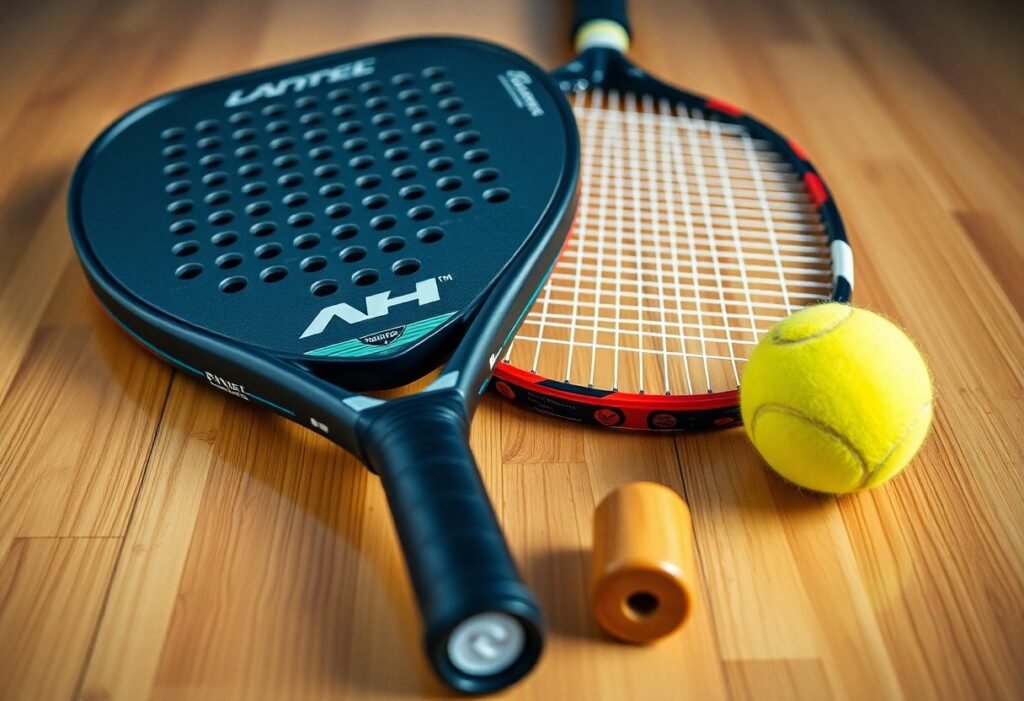
Padel is a racquet sport, played predominantly in doubles, that combines elements of tennis and squash. You play on an enclosed court, with walls that add a strategic twist to the game. The equipment consists of a solid racket without strings and a smaller, low-compression tennis ball, which makes the game accessible for players of all ages and skill levels.
History of Padel
Originating in Mexico in the 1960s, padel was invented by Enrique Corcuera, who adapted the game from tennis and squash. It rapidly gained popularity, spreading to Spain in the 1970s, where it flourished. Today, Spain boasts over 10,000 courts, making it a national phenomenon that continues to expand globally.
The game’s growth in popularity is marked by its inclusion in annual international tournaments and professional leagues. In 1991, the International Padel Federation was established, further promoting the sport worldwide. With millions of players across Europe, Latin America, and beyond, padel’s unique blend of accessibility and competitive spirit solidifies its standing as a modern fitness trend. Countries like Sweden and Italy are also seeing a surge in facilities and interest, indicating the sport’s remarkable potential for expansion.

The Mechanics of Padel
Court Layout and Dimensions
The padel court measures 20 meters long and 10 meters wide, surrounded by walls that are integral to gameplay. The front wall is 3 meters high, while the side walls stretch 2 meters high. You’ll find service boxes at each end, important for starting the point. This compact layout encourages quick, strategic play and facilitates exhilarating rallies.
Padel Equipment Essentials
To engage effectively in padel, you need specific gear. A padel racket is distinctive, featuring a solid construction with perforations and no strings. The padel ball resembles a tennis ball but has slightly reduced pressure, allowing for a unique bouncing experience. Proper footwear, typically sporting shoes with a grip appropriate for synthetic surfaces, is also important for mobility.
Your padel racket, often made from composite materials, balances power and control, allowing for precise shots. When deciding on a ball, consider one designed specifically for padel to optimize play, as these balls ensure consistency in bounce during fast-paced games. Finally, wearing suitable footwear helps prevent injuries and improves your traction, enabling you to maneuver effortlessly on the court.
Basic Rules of Play
In padel, each match consists of three sets, and the game follows similar scoring rules to tennis. Players serve diagonally into the opponent’s service box, aiming to force errors. The ball may hit the walls after first bouncing, adding a strategic element to each shot you take.

Padel as a Full-Body Workout
Cardio Benefits
Engaging in padel provides significant cardiovascular benefits. As you rally back and forth, your heart rate escalates, promoting better blood circulation and enhancing your endurance. The combination of quick sprints, lateral movements, and strategic pauses keeps your heart engaged, making it an excellent aerobic exercise that burns calories efficiently. Studies show that playing padel can elevate your cardiovascular fitness, improving overall stamina.
Strength Training Elements
Padel requires you to use various muscle groups, effectively incorporating strength training elements into your gameplay. Serving, returning shots, and quick lateral movements engage your arms, legs, and core, helping to build muscle while you compete. This full-body engagement translates to increased muscle tone and strength.
During a typical match, your upper body gets a workout from the powerful strokes required for serving and volleying, while your lower body benefits from the rapid footwork and direction changes. Your core plays a vital role in stabilizing your movements and generating power, leading to improvements in both strength and physical resilience. As you continue to play, you can expect noticeable gains in muscle definition and functional fitness.
Flexibility and Balance Improvement
Flexibility and balance are enhanced through the diverse movements in padel. The sport requires you to stretch, lunge, and pivot, which helps improve your overall flexibility, particularly in the hips, shoulders, and legs. These actions not only contribute to better performance on the court but also reduce the risk of injury.
As you practice your footwork and positioning, you’ll find that your balance improves significantly. The need to maintain stability while executing shots challenges your proprioception, leading to greater body awareness. Enhanced flexibility and balance can translate to better mobility in everyday activities, making padel an effective way to promote overall physical well-being. For more insights, you can check out this article about how “I play padel every week, here’s why it’s so good.”
Specific Muscle Groups Engaged
Upper Body Involvement
As you swing the racket, your shoulders, arms, and wrists undergo significant engagement. The overhead shots and volleys primarily activate the muscles in your biceps, triceps, and deltoids, improving strength and coordination. Ensuring proper technique can enhance your upper body strength and develop muscle tone, making a noticeable difference in your athletic performance.
Core Engagement
While playing padel, your core muscles engage continuously, providing stability and power for each shot. The rotational movements during swings challenge your abdominals and obliques, resulting in improved muscle definition and strength.
With each rally, your core is imperative for maintaining balance and control. By twisting and shifting your weight while striking the ball, you activate your rectus abdominis and transverse abdominis, leading to enhanced overall stability. This engagement not only contributes to better performance on the court but also translates to improved posture and endurance in daily activities.
Lower Body Strengthening
Your legs play a fundamental role in padel, with every move engaging major muscle groups including your quadriceps, hamstrings, glutes, and calves. The agility and quick lateral movements required sharpen your strength and responsiveness, transforming your lower body fitness.
As you sprint, stop, and pivot during matches, you build muscle mass and cardiovascular fitness. Each lunge and squat-like position not only fortifies your lower body but also enhances overall agility. Studies suggest that consistent play can improve leg strength by as much as 25% over a few months, significantly benefiting your performance and functional fitness in other activities.

Padel vs. Other Sports for Fitness
Comparisons with Tennis
While both padel and tennis are racquet sports, padel is generally more accessible and easier for beginners. The enclosed court in padel allows for longer rallies, enhancing cardiovascular workout without the same level of stamina required in tennis. Here are some key differences:
Comparison of Padel and Tennis| Court Size | Padel courts are smaller (20x10m) compared to tennis courts (23.77×8.23m). |
| Scoring | Scoring in padel is similar to tennis but less complex due to shorter matches. |
| Movement | Padel requires lateral movement and quick reflexes, while tennis involves more running. |
Padel versus Squash
Both padel and squash are fast-paced and played in enclosed courts, yet they differ significantly in gameplay style and movement. Padel emphasizes teamwork and strategic plays, while squash often involves solo competition and more intense lunging movements.
The dynamics of padel promote a more social aspect, allowing you to play in doubles and focus on strategy rather than just speed. In contrast, squash is more intense, delivering a higher impact cardio workout, yet it may come with increased risk of injury due to the variety of movement required. You’ll find padel builds endurance and engages your core without the pressure of high-impact movements.
Advantages Over Traditional Gym Workouts
Unlike traditional gym workouts, padel provides a fun, social environment that encourages consistent participation. The interactive aspect of playing with others keeps you motivated and engaged, making exercise feel less like a chore.
Studies show that engaging in activities you enjoy not only enhances your workout experience but also leads to greater adherence to fitness regimes. Padel allows you to burn calories while enjoying the company of friends, maximizing your workout efficiency. You’ll find the combination of cardiovascular exercise and strength training in a lively setting makes your fitness goals more attainable than lifeless gym routines.
Health Benefits of Playing Padel
Cardiovascular Health
Playing padel significantly enhances your cardiovascular health, as it involves a combination of high-intensity bursts and recovery periods. This dynamic nature elevates your heart rate, thereby improving your heart’s efficiency. Engaging in regular matches can lead to decreased blood pressure and enhanced circulation, providing a solid foundation for long-term heart health.
Weight Management
Padel is an effective activity for weight management, allowing you to burn an estimated 600-800 calories per hour, depending on intensity and body weight. This high-calorie expenditure combined with enjoyable gameplay makes it easier to stick with a consistent fitness routine.
Incorporating padel into your weekly schedule can lead to sustained weight loss or maintenance. As an engaging and social sport, it encourages you to remain active without the monotonous feel of traditional workouts. Regular participation boosts your metabolism, and the involvement of multiple muscle groups ensures you’re toning up while burning calories.
Mental Well-being
The mental benefits of playing padel extend beyond physical fitness. The sport acts as a powerful stress reliever, releasing endorphins that enhance your mood and reduce anxiety. Engaging with friends during matches can also foster a sense of community, further promoting your mental health.
Studies show that players often experience improved cognitive function and a greater sense of focus due to the strategic nature of padel. By navigating gameplay and making quick decisions, you sharpen your mental acuity, enabling better performance on and off the court.
Final Words
Now that you understand the full-body workout benefits of padel, you can appreciate how it enhances your fitness journey. Engaging in this dynamic sport improves your cardiovascular health, builds strength, and promotes flexibility. As you enjoy the game, you are also working on coordination and agility, helping to create a balanced workout experience. By incorporating padel into your routine, you can achieve your fitness goals while having fun and staying motivated. Embrace this exciting sport to elevate your overall well-being.
FAQ
Q: What is Padel and how does it contribute to fitness?
A: Padel is a racquet sport that combines elements of tennis and squash. It provides a full-body workout by engaging multiple muscle groups, improving cardiovascular health, strength, agility, and coordination.
Q: What specific muscle groups are targeted during a Padel session?
A: Padel engages arm muscles for swinging, leg muscles for movement, and core muscles for stability and balance, offering a comprehensive workout across the entire body.
Q: How does Padel improve cardiovascular health?
A: The fast-paced nature of Padel requires sustained movement, which elevates heart rate, enhancing cardiovascular endurance and promoting overall heart health.
Q: Can Padel help with weight loss?
A: Yes, playing Padel can burn a significant number of calories during matches, aiding in weight loss and promoting a healthier lifestyle when combined with proper nutrition.
Q: Is Padel suitable for all fitness levels?
A: Padel is accessible to individuals of various fitness levels. Its social and competitive nature encourages participation while allowing players to engage at their own pace.