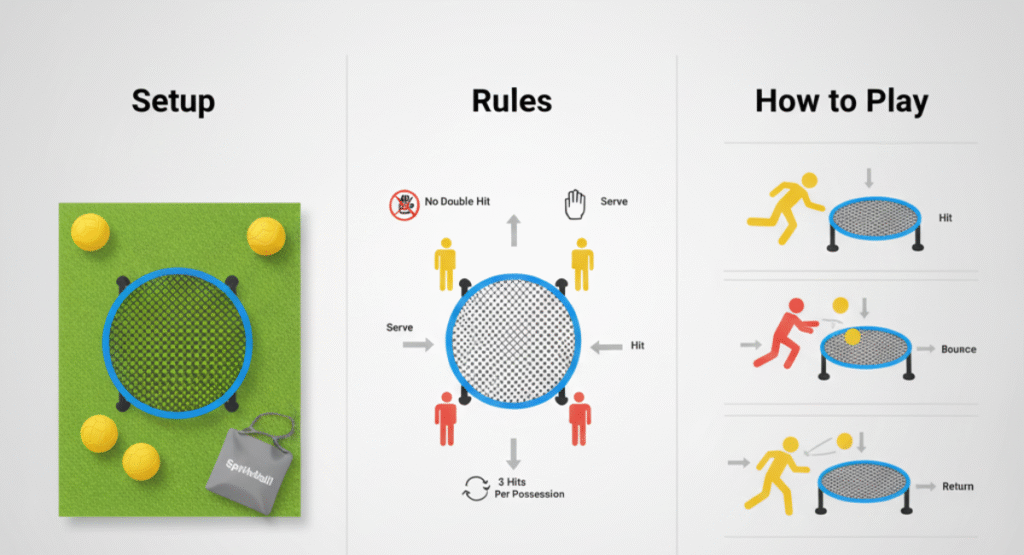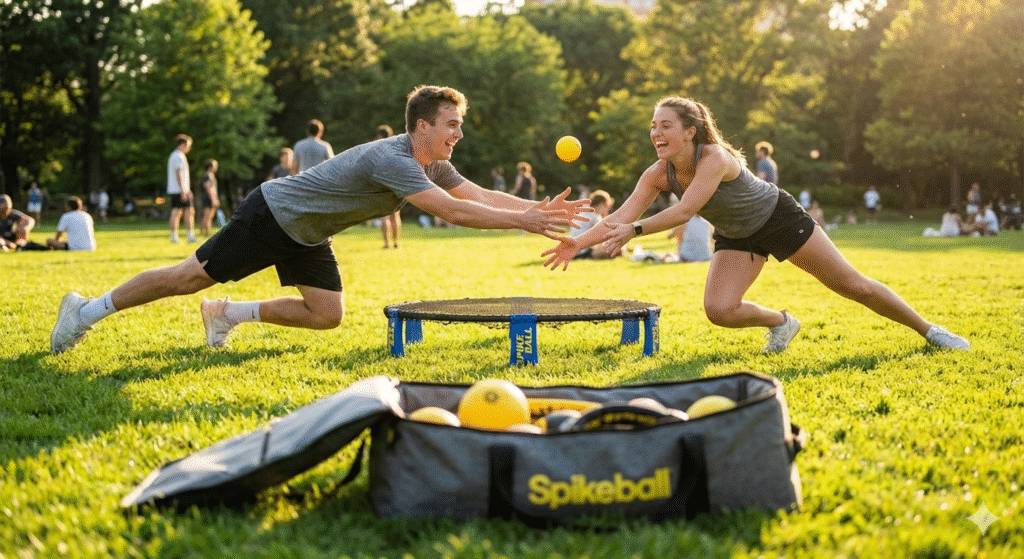

It’s easy to make mistakes when you’re learning to play Spikeball, but recognizing them can transform your game for the better. Many players underestimate the importance of proper positioning, team communication, and ball control. In this list, you’ll discover the top 10 common mistakes that could be holding you back, along with effective solutions to elevate your skills and enhance your enjoyment of this exciting sport. Fix these missteps, and you’ll be well on your way to dominating the court.
Key Takeaways:
- Proper positioning is necessary; players should stay balanced and maintain a good stance to react effectively.
- Communication between teammates improves coordination and enhances overall gameplay.
- Aim for consistent ball contact on the serve and hits to reduce errors and maximize scoring opportunities.
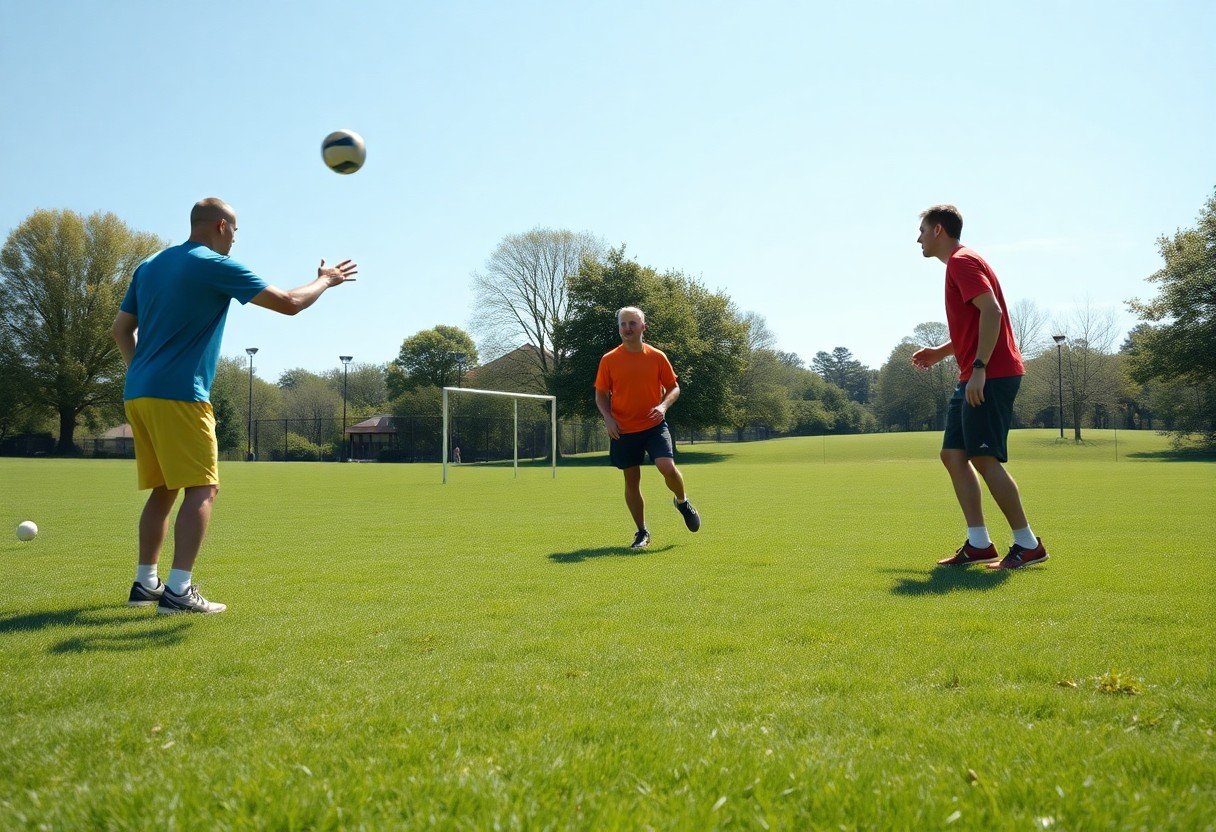
Poor Serving Technique
Incorrect ball toss
A proper serve starts with a solid ball toss. If you throw the ball too low or too high, it can lead to an inaccurate hit or inconsistent serves. Ensure your toss is at waist height, giving you the opportunity to execute a controlled, powerful strike.
Weak initial hits
Weak initial hits can hinder your serving effectiveness and put your team at a disadvantage. You need to develop a strong contact technique to consistently deliver the ball to your target with speed and accuracy.
To improve your serving, focus on your body positioning and follow-through. Shift your weight forward and use your legs to generate power. Ensure that your racket makes firm contact with the ball, avoiding a light tap that leads to weak serves. Practicing these techniques will help you deliver more effective serves, keeping your opponents on the defense.
Miscommunication with Partner
Lack of clear signals
Effective communication is necessary in Spikeball. Without clear signals, you risk confusion, leading to missed opportunities. Establishing a system of hand signals or verbal cues can enhance your teamwork significantly, allowing you and your partner to coordinate your movements and decisions more effectively.
Overlapping movements
Overlapping movements can create chaos on the court. If you and your partner do not have defined roles, you might end up colliding or blocking each other’s paths, which reduces efficiency. Designating positions and sticking to them during gameplay can help you avoid these pitfalls.
Overlapping movements often indicate a lack of strategy. It’s necessary to discuss your roles before the game; for instance, if one of you is advancing to the net, the other should retreat to maintain a balanced formation. Disorganization leads to mistakes and potential injuries. By focusing on specific areas and responsibilities, you enhance your chances of success and create a well-functioning partnership. Adjust your movements based on your partner’s position to maintain optimal spacing.
Ignoring Court Positioning
Standing too close
When you stand too close to the net, you limit your ability to react effectively. This positioning may lead to missed balls or poor shots. Instead, maintain a good distance that allows you to intercept the ball and be ready for your opponent’s next move, ensuring you can maximize your reach and response time.
Not covering space
Failing to cover space properly can leave gaps that opponents exploit. Position yourself strategically to guard areas where the ball is likely to land. Keep your feet moving and be aware of your partner’s positioning, as this allows you to maintain effective coverage and support each other during rallies.
When you fail to cover space, you’re necessaryly providing your opponents with opportunities to score. Being proactive in your positioning allows you to anticipate plays and effectively respond. Always keep a low center of gravity and stay light on your feet to quickly adjust your positioning. Good court awareness ensures that you and your partner can synergize your movements, making it difficult for opponents to find openings. Establishing clear communication also enhances your ability to adapt and cover space effectively.
Not Watching the Ball
Losing focus
If you find yourself losing focus during a game, you may miss vital moments that can cost your team points. It’s easy to get distracted by your surroundings or teammates, but staying concentrated on the ball is key to your performance. Practice mindfulness techniques to enhance your focus and keep your eyes fixed on the action.
Poor hand-eye coordination
Poor hand-eye coordination can significantly hinder your ability to play Spikeball effectively. When you struggle to track the ball and react, your ability to make successful plays diminishes. To improve your hand-eye coordination, incorporate drills such as catching or bouncing a ball against a wall into your practice routine, which will enhance your accuracy and timing.
To build strong hand-eye coordination, engage in activities that require precise timing and quick reflexes. Consider reactive drills that challenge your ability to catch or hit a ball under varying conditions. Additionally, practice with a partner to improve not just your hand-eye coordination but also your ability to anticipate and react to unpredictable plays in Spikeball. Consistent practice will yield improved performance and confidence in your game.
Weak Defense
Unprepared for spikes
Your defense suffers when you’re unprepared for spikes. Anticipation is key; if you’re not mentally ready, you will struggle to react. Always keep your eyes on the ball and your body low, enabling you to spring into action as soon as the opponent strikes.
Inadequate positioning
When your positioning is inadequate, you limit your ability to defend effectively. By standing too far from the net or too close, you reduce your chances of making a successful play. Proper spacing allows you to cover more ground, enabling you to respond quickly to various angles of attack.
To enhance your game, focus on maintaining a balanced stance that allows for quick lateral movement. Position yourself at an optimal distance from the net to react efficiently; this means being close enough to intercept spikes but not so close that you become an easy target. Practice shifting your weight and staying light on your feet to adjust rapidly based on your opponent’s position and spikes, which will significantly improve your defensive skills.
Rushing to Hit
One common mistake players make is rushing their shots, leading to mistakes that can easily be avoided. Taking your time to assess the situation allows for better decision-making and execution. For helpful tips, check out this Mastering Spikeball: Defense Strategies and Techniques.
Premature shots
Hitting the ball too soon is a frequent error among players. When you strike before the ball is in an optimal position, your accuracy decreases significantly. Instead, give yourself that extra moment to gauge its trajectory.
Losing control
Rushing often leads to losing control of your shot. This can result in wild hits or missed opportunities. Control is key to ensuring your strikes are both effective and strategic.
When you lose control, you risk making your shots unpredictable and easily returnable for your opponents. Focus on your footwork and positioning before making a hit; this will enhance your balance and precision. Ultimately, clear your mind, and prioritize making a clean, calculated strike over an immediate one. A well-placed shot is often more effective than a hurried swing.
Neglecting Body Position
Improper stance
Your stance plays a vital role in your overall performance during Spikeball. If you stand too rigid or overly relaxed, you risk losing balance and agility. A proper stance keeps you ready to react quickly to the ball and your opponents. Focus on maintaining a slight bend in your knees and staying low to enhance your mobility on the court.
Wrong foot placement
Correct foot placement can significantly impact your game. Standing with your feet too close together can limit your movement, while positioning them too far apart can throw off your balance. Aim to keep your feet shoulder-width apart, allowing for a stable foundation to execute agile plays.
Having your feet too far apart can lead to a lack of mobility, making it challenging to reach for balls effectively. Conversely, placing your feet too close together restricts lateral movement and disrupts your balance. By maintaining a shoulder-width stance, you ensure that you are well-prepared to maneuver around the net, allowing you to respond quickly and efficiently to your opponents’ shots.
Overcomplicating Plays
Trying fancy shots
In Spikeball, you might feel tempted to impress your teammates or opponents with fancy shots. However, this often leads to errors instead of points. Instead of attempting elaborate moves, focus on executing simple, effective shots that consistently put pressure on your opponents. Keep your game straightforward to enhance your performance.
Simplifying strategy matters
A well-defined strategy is vital, and overcomplicating it can hinder your team’s success. Concentrate on the basics—positioning, communication, and timing. By simplifying your approach, you create a more predictable and effective game plan that enhances team synergy and promotes skill development.
When you simplify your strategy, you free your mind of unnecessary distractions and allow yourself to focus on executing your core game plan. You should prioritize basic tactics that emphasize teamwork and efficient movement on the court. A strong foundation in these areas leads to better coordination, making it easier to react and adapt during play. Ultimately, a simplified approach not only boosts your confidence but also enhances your overall Spikeball experience.
Underestimating Opponents
Ignoring their skills
Underestimating your opponents by ignoring their skills can lead to unexpected defeats. Each player brings unique abilities to the game. Always assess the strengths of your adversaries and adjust your strategy accordingly. A lack of awareness can leave you vulnerable to their tactics, resulting in lost points and momentum.
Lack of respect
A lack of respect for your opponents can significantly affect your gameplay. Treating them as lesser players diminishes your focus and determination, impacting your overall performance. Every match requires a level of seriousness and respect for the skills your opponents possess.
When you underestimate your opponents due to a lack of respect, you risk becoming complacent. This mindset can lead to poor performance and missed opportunities. Always acknowledge that your opponents have invested time and effort into honing their skills. By viewing them as worthy challengers, you can elevate your game, remain motivated, and potentially enhance your own skills in response to their playstyle.
Summing up
Drawing together the insights from the 10 common Spikeball mistakes, you now have the tools to elevate your game. By addressing these errors, you can enhance your strategy, improve teamwork, and increase your overall enjoyment of the sport. Whether it’s mastering positioning or perfecting your serves, focusing on these aspects will lead to better performance and more satisfying matches. Embrace these adjustments to boost your skills and confidence on the Spikeball court.
FAQ
Q: What is the most common mistake beginners make in Spikeball?
A: Many beginners fail to position themselves properly, often being too far or too close to the net. This can lead to ineffective returns; instead, focus on maintaining a comfortable distance to react effectively.
Q: How can players improve their serving accuracy?
A: A common mistake is serving too hard without control. Players should practice consistent, lower-power serves aimed at specific zones on the opponent’s side to improve accuracy.
Q: Why is communication important, and how can it be improved?
A: Poor communication can lead to misunderstandings during play. Players should establish clear verbal cues or signals before matches to coordinate movements and strategies effectively.
Q: What are typical mistakes regarding positioning during rallies?
A: Players often stand too close together or too far apart during rallies. Maintaining appropriate spacing allows for better coverage and the ability to support one another during plays.
Q: How can players avoid over-hitting the ball?
A: Over-hitting occurs when players swing too forcefully. Instead, focus on controlled swings and refine your technique to promote better ball placement over sheer power.