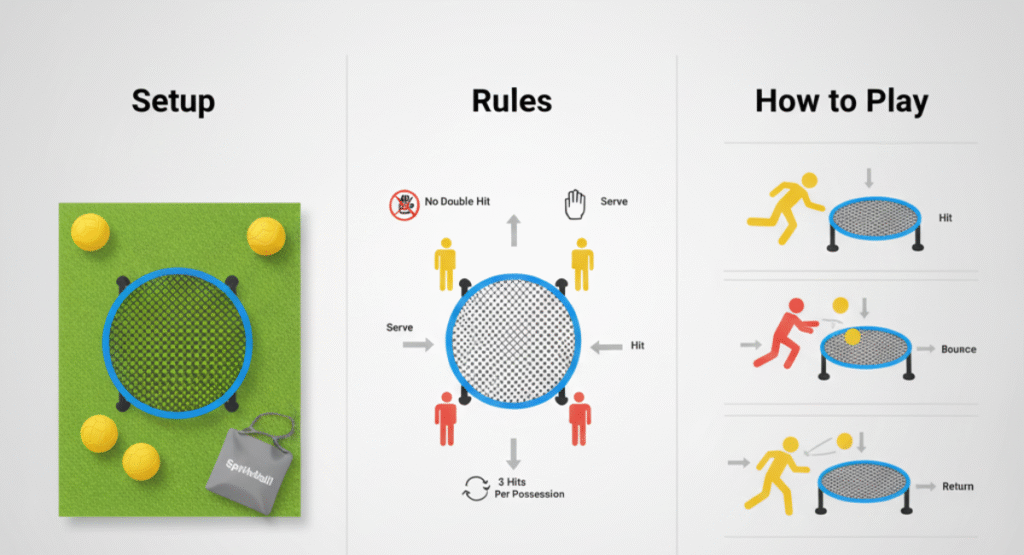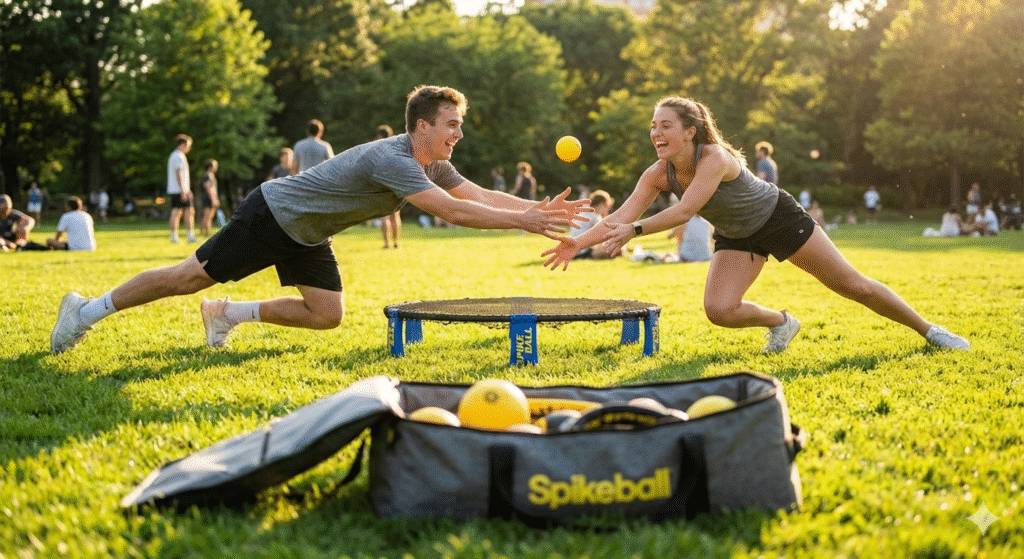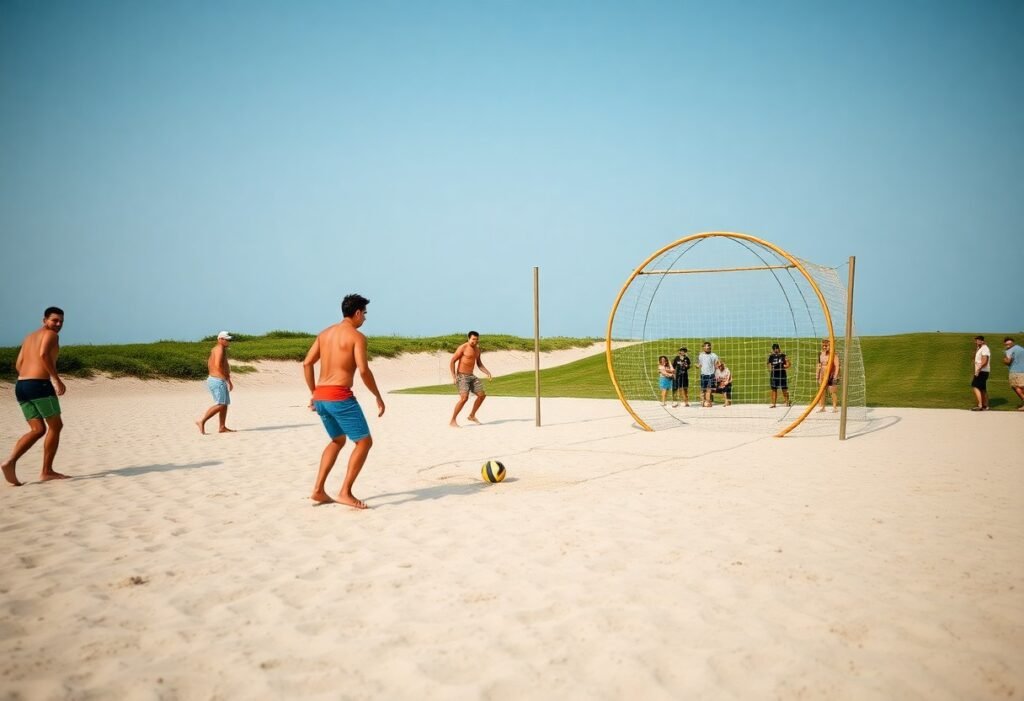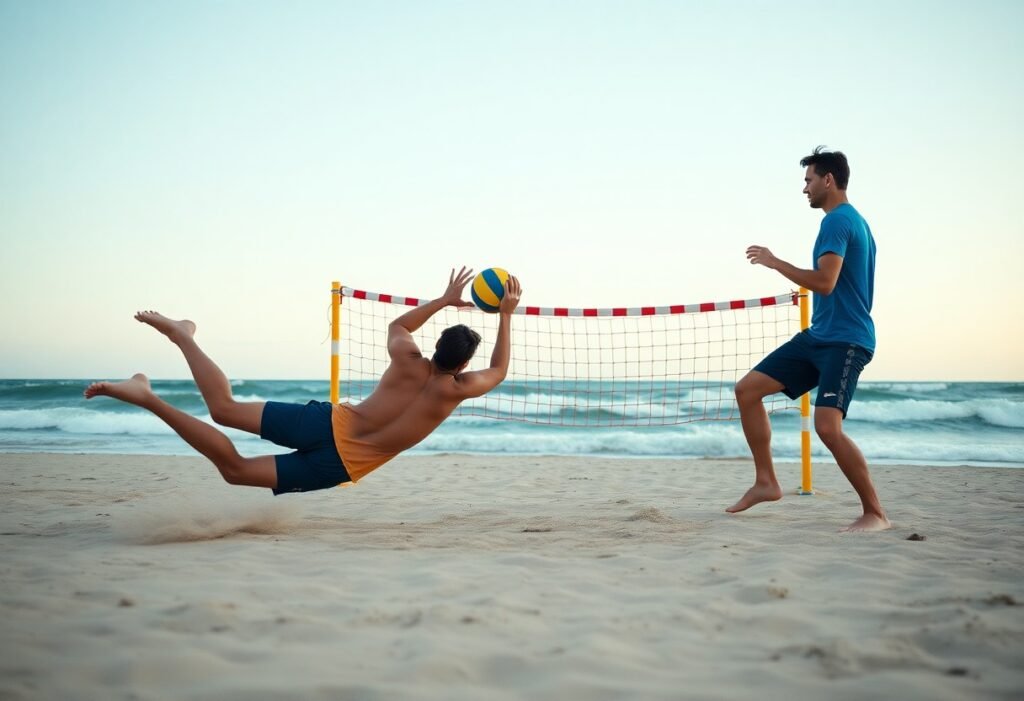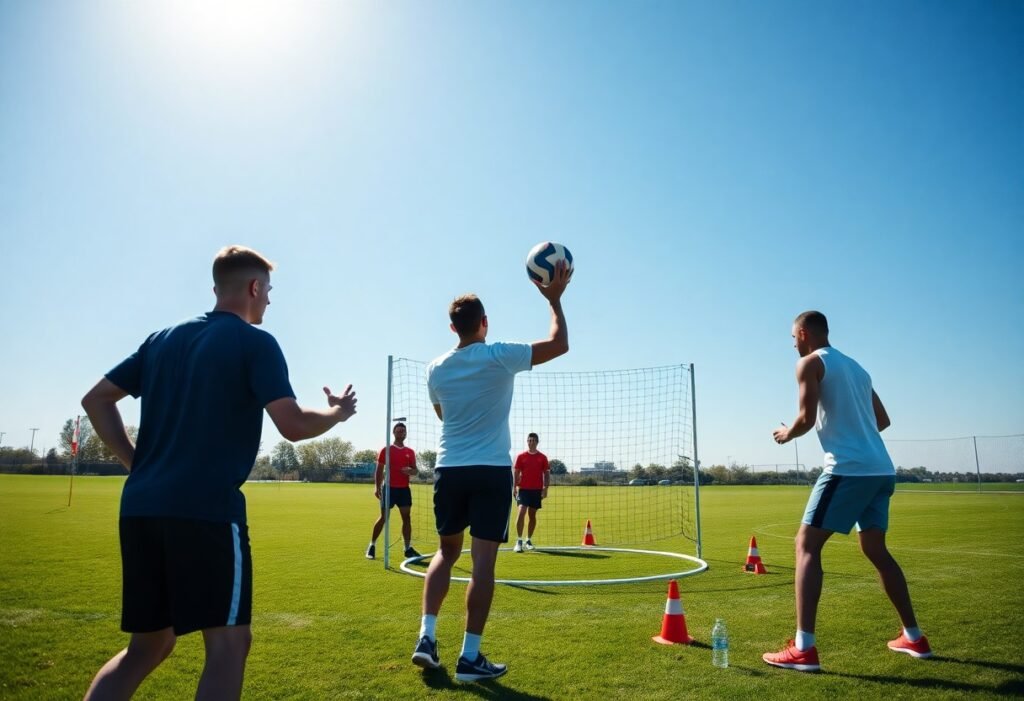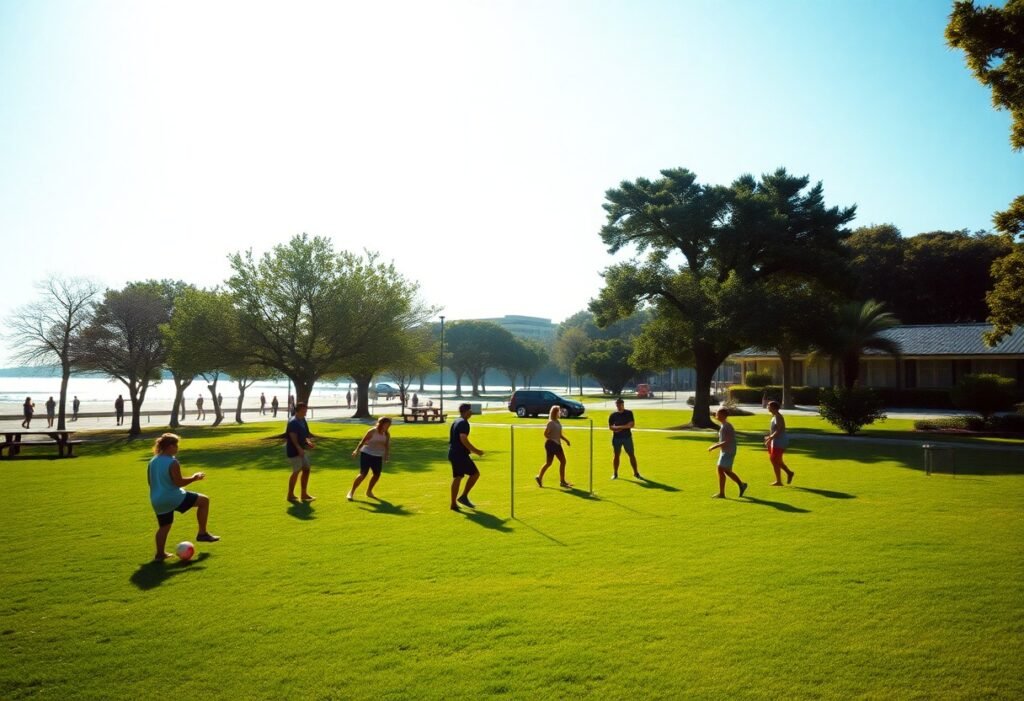

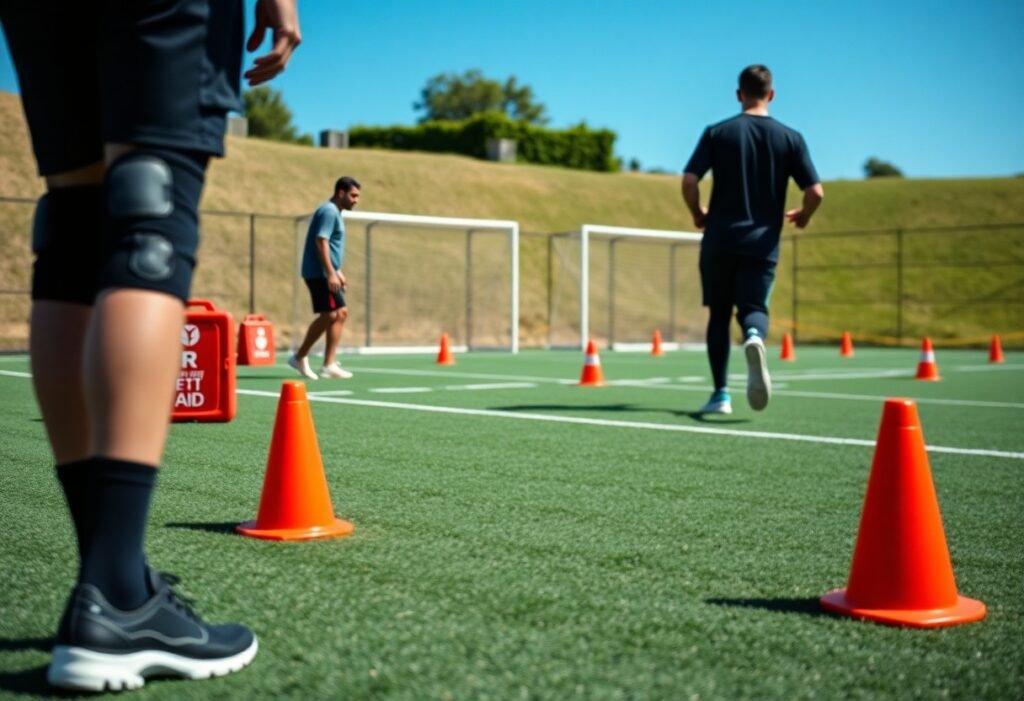
It’s vital to prioritize your safety while enjoying Spikeball, as injuries can frequently occur due to the fast-paced nature of the game. To ensure you have a fun and safe experience, understanding common risks such as sprains, strains, and collisions is vital. This post will provide you with effective prevention strategies and safety tips that can help you minimize injuries, allowing you to focus on improving your skills and enjoying the game with your friends.
With an increasing number of players embracing Spikeball, injuries have become a significant concern. To ensure your safety and enjoyment of the game, it’s imperative to understand common risks and implement effective prevention strategies. This guide will provide you with practical tips to minimize the risk of injuries while maximizing your fun on the court. By prioritizing safety and practicing smart techniques, you can fully enjoy this exciting sport without the fear of injury.
Key Takeaways:
- Warm up properly to reduce the risk of muscle strains and joint injuries.
- Use proper techniques for jumping and landing to minimize impact on knees and ankles.
- Wear appropriate footwear that provides support and traction on the playing surface.
Key Takeaways:
- Warm-up and stretch before playing to reduce the risk of muscle strains.
- Use proper footwear and play on a suitable surface to minimize slips and falls.
- Stay hydrated and take breaks to prevent fatigue-related injuries.
Understanding Spikeball Injuries
Common Types of Injuries
Injuries in Spikeball can range from mild to severe. The most frequent issues include ankle sprains, knee injuries, wrist sprains, shoulder injuries, and forearm strains. Each of these injuries often arises due to sudden movements or falls during gameplay. Thou should always take care to warm up properly and maintain proper form to minimize these risks.
| Injury Type | Description |
| Ankle Sprains | Tear or stretch of ankle ligaments from twists or rolls. |
| Knee Injuries | Damage to ligaments, cartilage, or tendons often from jumping. |
| Wrist Sprains | Overstretching of wrist ligaments typically during falls. |
| Shoulder Injuries | Overuse or trauma leading to pain and limited mobility. |
| Forearm Strains | Pain resulting from repetitive movements or sudden force. |
Risk Factors for Injury
Certain factors elevate the likelihood of experiencing injuries in Spikeball. High-intensity play, inadequate warm-ups, and ignoring proper technique can all contribute to injury. Additionally, less experienced players may be more susceptible due to their understanding of game mechanics. Perceiving these risks can help you make informed decisions to enhance your safety during matches.
- High-intensity play
- Inadequate warm-ups
- Ignoring proper technique
- Player experience level
- Fatigue
Understanding the different risk factors can guide your gameplay strategies. For instance, maintaining a steady pace instead of pushing for high-speed actions can prevent injuries, especially when fatigue sets in. Pay attention to physical endurance and assess weather conditions to avoid slips. Perceiving these aspects enables you to protect yourself while enjoying the game.
- Physical endurance
- Weather conditions
- Technique awareness
- Proper footwear
- Warm-up routines
Understanding Spikeball Injuries
Common Types of Injuries
In Spikeball, ankle sprains, knee injuries, and shoulder strains are the most frequently reported injuries. Participants often experience muscle pulls due to rapid movements. Additionally, cuts and abrasions from falls can occur. While many injuries are minor, others may lead to longer rehabilitation periods. Perceiving the risks associated with these injuries can help you take necessary precautions.
| Injury | Occurrence Rate |
| Ankle Sprains | 30% |
| Knee Injuries | 25% |
| Shoulder Strains | 20% |
| Muscle Pulls | 15% |
| Cuts/Abrasions | 10% |
Causes of Injuries
Injuries in Spikeball often arise from improper techniques or overexertion. Many players disregard their limits, leading to falls or twists resulting in injury. Furthermore, playing surface conditions can significantly contribute to injury risk, as uneven or hard surfaces increase the likelihood of accidents.
Common causes of Spikeball injuries include inadequate warm-up routines, which can lead to muscle strains, and sudden direction changes that place stress on joints. Often, players lack the necessary experience or knowledge to perform specific movements safely, increasing susceptibility to injuries. Moreover, playing on inappropriate surfaces amplifies the risk of slips and falls, further compromising safety during matches.
Statistics on Spikeball Injuries
Data indicates that around 40% of Spikeball players report experiencing injuries during an average season. Among these, ankle sprains account for the highest percentage, followed closely by knee injuries. Interestingly, most injuries occur during competitive play, suggesting an increased intensity level contributes to risk. Awareness of these statistics can help you prioritize safety measures.
Statistics reveal that injuries in Spikeball are more likely in competitive settings as players push their limits. Surveys show that nearly 60% of injuries happen during tournaments or league play, emphasizing the importance of awareness and safety practices. By acknowledging these numbers, you can better prepare and safeguard yourself while enjoying the game.
Risk Factors for Injuries
- Player Experience Level
- Playing Environment
- Equipment Quality
Player Experience Level
Your level of experience significantly influences injury risk. Beginner players may lack the necessary skills to control movements, leading to falls or collisions. In contrast, experienced players often have better spatial awareness and technique, which can help mitigate injury risks.
Playing Environment
The conditions where you play Spikeball can either increase or decrease injury risks. Uneven surfaces, wet grass, or obstructive obstacles can lead to trip hazards or falls. Always assess your surroundings before starting a game.
For optimal safety, ensure your playing area is flat and free from debris. Playing in a crowded space can heighten the chance of collisions; therefore, choosing an open area allows ample room to maneuver. Lighting can also affect visibility and judgment, particularly during evening games. Prioritize a safe environment to prevent injuries.
Equipment Quality
Investing in durable, reliable equipment is imperative. Poor-quality or damaged gear may break during play, especially during intense matches. Regular inspections and prompt replacements of any worn-out items can make a significant difference in your overall safety while playing.
After considering these risk factors, you can better prepare yourself and your teammates to minimize injuries during play.
Prevention Strategies
Proper Warm-Up Techniques
Before exploring into a game, it’s imperative to engage in proper warm-up techniques. Spend at least 10-15 minutes performing dynamic stretches and light cardiovascular activities to elevate your heart rate. Focus on movements that mimic the actions in Spikeball, such as lunges, arm circles, and high knees, to prepare your muscles and joints effectively.
Strength and Conditioning Exercises
Incorporating strength and conditioning exercises into your routine can enhance your overall performance in Spikeball while reducing the risk of injuries. Focus on building strength in your legs, core, and upper body through resistance training, which can include squats, deadlifts, and push-ups.
Specific strength and conditioning exercises such as box jumps and planks improve explosive power and stability, ensuring you can make quick movements on the field. Aim to perform these exercises at least twice a week, allowing your body to adapt and grow stronger with each session.
Flexibility and Mobility Training
Incorporating flexibility and mobility training into your fitness regimen can significantly enhance your performance and prevent injuries. Engage in static stretching post-workout to maintain your range of motion, focusing on key muscle groups like hamstrings, quadriceps, and shoulders.
Dynamic flexibility exercises, such as leg swings and hip circles, can also be beneficial in enhancing joint mobility. Doing this regularly can help you achieve a better extension during swings and dives, minimizing the risk of strains and sprains as you move through the game.
Wearing Appropriate Footwear
Your choice of appropriate footwear plays an important role in injury prevention. Opt for shoes with good traction and support to maintain stability during rapid movements. Avoid casual sneakers that may lack the necessary grip and cushioning.
Footwear designed specifically for court sports often provides better lateral support, which is vital for quick side-to-side movements integral to Spikeball. Ensure that your shoes fit well, as improper fit can lead to blisters and misalignment, further increasing your injury risk.
Prevention Strategies
Proper Warm-Up Techniques
Before exploring into a game, it’s imperative to engage in proper warm-up techniques. Spend at least 10-15 minutes performing dynamic stretches and mobility exercises that target your legs, hips, and shoulders. Incorporate movements like lunges, high knees, and arm circles to increase blood flow and flexibility. This preparation can significantly reduce your risk of strains and injuries during intense gameplay.
Equipment Safety
Ensuring your equipment is in top shape contributes significantly to player safety. Regularly check your Spikeball set for any signs of wear or damage; a compromised net or bent frame can lead to unexpected accidents. Use quality balls designed for Spikeball to prevent unexpected bounces or inconsistent performance, which can cause injuries. Always adhere to the manufacturer’s guidelines for setup and maintenance.
Investing in high-quality equipment not only enhances your playing experience but also minimizes the risk of injury. For instance, using a proper ball with sufficient grip and bounce can lead to more predictable gameplay, lowering the chances of awkward landings or missteps. Furthermore, comprehensive inspections of nets and frames can prevent accidents caused by equipment failure. Prioritizing standard safety practices ensures a safer environment for all players, keeping the game enjoyable and harm-free.
Safety Tips During Play
- Be aware of your surroundings to prevent collisions.
- Use proper techniques when diving or jumping to reduce the risk of falls.
- Wear appropriate footwear to enhance grip and stability.
- Communicate with teammates about play patterns and movements.
- Keep hydrated to maintain peak performance and concentration.
The implementation of these tips can significantly lower the risk of injuries and enhance your overall gameplay experience.
Understanding Personal Limits
Every player has different strengths and weaknesses. Recognizing your own physical capabilities will help you avoid overexerting yourself or attempting risky maneuvers that could lead to injury. Listen to your body and adapt your style of play accordingly.
Establishing Clear Boundaries
Clear boundaries on the playfield help prevent accidental injuries and misunderstandings during the game. Defining the area where you and your teammates will play keeps everyone aware of their space, reducing the risk of collisions.
Set specific lines or markers to indicate the playing area for both teams. This not only fosters a competitive spirit but also ensures that all players respect each other’s space, minimizing scrambles for the ball in overlapping zones. Identifying designated zones allows each player to anticipate movements better and execute plays without fear of unintended interference.
Effective Communication Among Players
Effective communication is necessary for a smooth and safe game of Spikeball. Using clear signals and phrases helps you coordinate with teammates and establish expectations regarding plays.
Implementing specific calls or gestures can streamline the flow of the game. For instance, a simple shout of “Mine!” can prevent confusion as players approach the ball. Regularly discussing play strategies and sharing feedback after matches can also enhance collaboration and safety, leading to a better overall experience on the court.
First Aid for Spikeball Injuries
Recognizing When to Seek Help
If you experience severe pain, swelling, or an inability to move the affected area, it’s important to seek professional medical help. Additionally, symptoms such as a headache, dizziness, or confusion after a fall could indicate a concussion, requiring immediate attention. Trust your instincts; when in doubt, it’s better to err on the side of caution and consult a healthcare provider.
Basic First Aid Techniques
When addressing a minor injury, the RICE method is effective. This involves Resting the injury, applying Ice to reduce swelling, using Compression to manage blood flow, and Elevating the injured area to minimize discomfort. These techniques can offer immediate relief and aid in recovery.
For effective injury management, ensure you’re equipped with a first aid kit containing antiseptic wipes, bandages, and ice packs. When you apply the RICE method, rest by stopping any activity that aggravates the injury. Ice should be applied for 15-20 minutes every hour, while compression can be comfortably achieved with an elastic bandage. Elevation helps by encouraging blood flow away from the injury, reducing swelling significantly.
Injury-Specific Management
Different injuries require tailored responses. For instance, a sprain might benefit from the RICE method, while a laceration needs cleaning and sealing with a bandage. Identifying the injury type early allows for proper treatment and can prevent complications.
For sprains or strains, it’s vital to immobilize the area and follow the RICE protocol. In cases of cuts or abrasions, clean the wound thoroughly under running water and cover it with a sterile bandage. If you suspect a fracture, avoid moving the individual and seek medical assistance immediately. Adapting your response according to the injury type ensures best outcomes and faster recovery.
Safety Tips During Play
- Understand game rules to minimize conflict and misplays.
- Communicate with teammates to ensure effective coordination and strategy.
- Maintain awareness of surroundings to prevent collisions and maintain safety.
- Use proper equipment to enhance safety and performance.
- Engage in warm-up exercises to reduce the risk of muscle injuries.
Thou must take these safety precautions seriously to enjoy the game without injury. For further insights, check out Injuries in the emerging sport of roundnet (Spikeball).
Understanding Game Rules
You should familiarize yourself with the basic Spikeball rules to minimize misunderstandings during play. Clear rules outline the scoring system, fault lines, and turns, making it easier for you to focus on strategy and teamwork.
Communicating with Teammates
Effective communication with teammates is key to a successful match. Using verbal cues and hand signals can help coordinate plays and improve your team’s overall performance.
Staying vocal about your position and intentions on the court fosters clarity and enhances teamwork. Call out strategies, alert teammates to upcoming plays, and provide feedback after each round. This constant dialogue keeps everyone engaged and aware, mitigating the chances of confusion or accidental collisions.
Maintaining Awareness of Surroundings
Awareness of your surroundings during play is important for avoiding injuries. Keeping track of the position of other players and the Spikeball itself allows you to react promptly to changing dynamics on the court.
Be vigilant about the space around you, as conditions can shift quickly in an active game. Always be alert to not only the ball but also the movements of opponents and teammates. This attentiveness reduces the risk of accidents, especially in fast-paced exchanges, helping you to enjoy the game safely.
Long-Term Injury Management
Rehabilitation and Recovery
Following an injury, prioritizing rehabilitation and recovery is key to regaining full functionality. Start with a structured program that includes physical therapy tailored to your specific injury, focusing on strength building and flexibility. Utilizing methods such as ice therapy during the initial healing phase can further assist in reducing inflammation and enhancing mobility.
Importance of Follow-Up Care
Consistent follow-up care is vital to monitor your progress and address any complications arising from your injury. Frequent check-ups can help adjust your rehabilitation plan as needed, ensuring you’re on the right path to recovery and preventing future issues.
Engaging in follow-up care also allows healthcare professionals to evaluate the healing process comprehensively. They can provide modifications to your rehabilitation plan based on your recovery timeline, ensuring you’re not pushing your body too hard too soon. This proactive approach can significantly reduce the risk of re-injury and support long-term health.
Role of Cross-Training
Integrating cross-training into your routine can greatly enhance your recovery and overall athletic performance. It provides variety to your workouts, preventing overuse injuries while simultaneously strengthening different muscle groups.
Incorporating activities like swimming, cycling, or yoga during recovery periods not only keeps you engaged but also enhances your overall fitness. This approach can improve your cardiovascular health and flexibility, which are vital for injury prevention. By diversifying your training regimen, you not only bolster your strength but also maintain motivation, ensuring you stay in optimal condition for Spikeball and other sports.
First Aid for Spikeball Injuries
Immediate Response to Injuries
When an injury occurs, quickly assess the situation. For minor injuries like strains or sprains, apply the RICE method: Rest, Ice, Compression, and Elevation. Use ice packs for 15-20 minutes to reduce swelling and apply pressure with a bandage if bleeding occurs. For more serious injuries, like fractures or severe sprains, don’t move the injured person and call for medical assistance immediately.
Long-term Injury Management
Following initial treatment, long-term management involves rehabilitation and gradually reintroducing activity. Consult a healthcare professional to develop a tailored recovery plan, focusing on physical therapy to strengthen affected areas and improve mobility. Enhance your recovery by adhering to prescribed exercises to prevent future injuries.
For example, if you sustained a knee injury, engaging in specific strengthening exercises, like leg lifts and hamstring curls, can significantly aid in recovery. Additionally, complying with your therapist’s guidelines and gradually increasing your activity levels can facilitate a smoother transition back to play. Incorporating flexibility training into your routine will further enhance stability and reduce the risk of recurrence.
Final Words
Ultimately, prioritizing safety and injury prevention while playing Spikeball is imperative for enhancing your experience and longevity in the sport. By implementing proper warm-ups, using the correct technique, and being aware of your playing environment, you can significantly reduce the risk of injury. Make sure to stay hydrated and listen to your body’s signals. Being mindful of these safety tips will ensure you enjoy every game while keeping yourself and your teammates safe.
Training and Conditioning
Fitness Routines for Spikeball Players
Incorporating a diverse fitness routine tailored for Spikeball is necessary for enhancing your performance. Focus on exercises that build endurance, agility, and strength, such as sprints, lunges, and core workouts. Utilizing interval training can boost your cardiovascular fitness, necessary for maintaining energy during fast-paced games. Consider adding injuries in the emerging sport of roundnet (Spikeball) as a focal point to ensure your training addresses common injury risks.
Importance of Flexibility
Flexibility plays a significant role in your overall performance and injury prevention while playing Spikeball. Regular stretching routines can enhance your range of motion, allowing for better movement during games. Incorporating dynamic stretches before play and static stretches post-game can help you maintain optimal flexibility levels.
Improved flexibility reduces the risk of muscle strains and ligament injuries, which are common in high-intensity sports like Spikeball. By dedicating time to stretching and flexibility exercises, you enable your body to move more freely, enhancing your ability to execute quick jumps, changes in direction, and dives safely. This not only keeps you safe but also enhances your overall agility, making you a more formidable player on the Spikeball court.
Community and Resources
Finding Local Spikeball Clubs
You can find local Spikeball clubs through social media platforms, community boards, and the official Spikeball website. Joining a club not only helps you improve your skills but also connects you with fellow enthusiasts. Local clubs often hold regular practice sessions and tournaments, providing a great opportunity for safe, supervised gameplay.
Online Resources and Support Groups
Online resources and support groups can enhance your understanding of Spikeball and injury prevention. Websites, forums, and social media pages dedicated to the sport offer insights, tips, and a community to share experiences and advice. These platforms encourage conversations about injuries, safety, and best practices.
Engaging with online resources like Facebook groups or Spikeball’s official forums allows you to connect with players from various backgrounds. Here, you can access videos, injury prevention articles, and personal stories that emphasize safety and proper techniques. Platforms like Reddit also boast communities where players discuss injuries, recovery, and safety measures, enriching your knowledge and experience.
Workshops and Training Camps
Participating in workshops and training camps offers hands-on learning about gameplay and injury prevention. These events typically feature professional trainers who emphasize technique, strategy, and safety protocols. Engaging in structured training helps reduce the risk of injuries while enhancing your overall performance.
Many workshops focus on specific skills, such as agility and teamwork, to improve your game while ensuring safety. Camps conducted by certified Spikeball instructors provide tailored training that addresses common injury risks, helping you gain confidence and familiarity with best practices. Investing time in these immersive experiences can significantly lower your chances of sustaining injuries during play.
To wrap up
Ultimately, prioritizing safety in Spikeball is necessary for an enjoyable experience. By understanding the common injuries and implementing preventive measures such as proper warm-ups, suitable footwear, and adhering to correct playing techniques, you can significantly reduce your risk of injury. Always stay aware of your surroundings and communicate with your teammates to foster a safe playing environment. With these tips, you can focus on the fun of the game while staying safe.
FAQ
Q: What are common injuries associated with Spikeball?
A: Common injuries include ankle sprains, knee injuries, shoulder strains, and wrist injuries due to the dynamic movements involved in the game.
Q: How can I prevent ankle sprains while playing Spikeball?
A: To prevent ankle sprains, wear supportive footwear, perform ankle-strengthening exercises, and ensure the playing surface is clear of obstacles and hazards.
Q: What warm-up exercises are effective before a Spikeball game?
A: Effective warm-up exercises include dynamic stretches such as leg swings, arm circles, and lunges, along with light jogging to increase heart rate and flexibility.
Q: Are there safety tips for playing Spikeball in different weather conditions?
A: In hot weather, stay hydrated and take breaks in the shade. In wet or slippery conditions, play carefully and consider postponing the game to avoid falls.
Q: What should I do if someone gets injured during a game?
A: Stop the game immediately, assess the injury, apply first aid as needed, and seek medical attention if the injury appears serious. Ensure the injured player is comfortable until help arrives.