
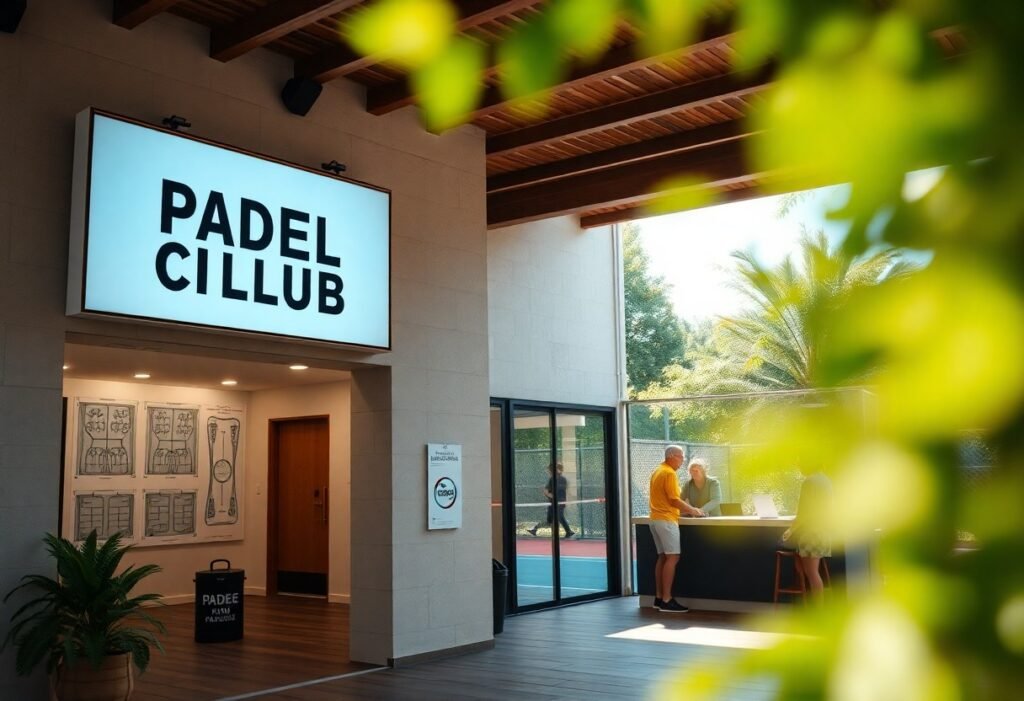
There’s a growing interest in padel in the USA, and starting your own club can be a rewarding venture. You’ll need to identify the right location, secure sufficient funding, and develop a solid plan to attract members. By fostering a welcoming environment and organizing engaging events, you can build a community that thrives on the excitement of this dynamic sport. Embrace the challenges ahead and take the leap into establishing your very own padel club.
Key Takeaways:
- Conduct thorough market research to identify demand and suitable locations for your padel club.
- Develop a solid business plan outlining funding, equipment needs, and operational strategies.
- Create a community around the club through marketing efforts and offering diverse programs and events.
Understanding Padel
What is Padel?
Padel is a racquet sport combining elements of tennis and squash, played in a smaller, enclosed court. Generally featuring four players, it utilizes a solid racket and a lightweight ball. The game is characterized by its unique scoring system and the use of walls, allowing for dynamic gameplay and strategic rallies.
The Popularity of Padel in the USA
The popularity of padel in the USA has surged in recent years, with the number of players and clubs rapidly increasing. In 2021, there were about 1,500 paddle courts, and by 2023, that number had broached the 3,000 mark, highlighting the sport’s accelerating growth across the country.
More on the Popularity of Padel in the USA
Major cities like New York, Miami, and Los Angeles are seeing a boom in padel facilities, driven by grassroots initiatives and high-profile endorsements. Social media platforms fuel this momentum, showcasing padel’s accessibility and community aspect, attracting players of all ages. The U.S. Padel Association is working to promote structured events and tournaments, further solidifying the sport’s foothold as a mainstream activity in the American sports landscape.
Key Differences Between Padel and Tennis
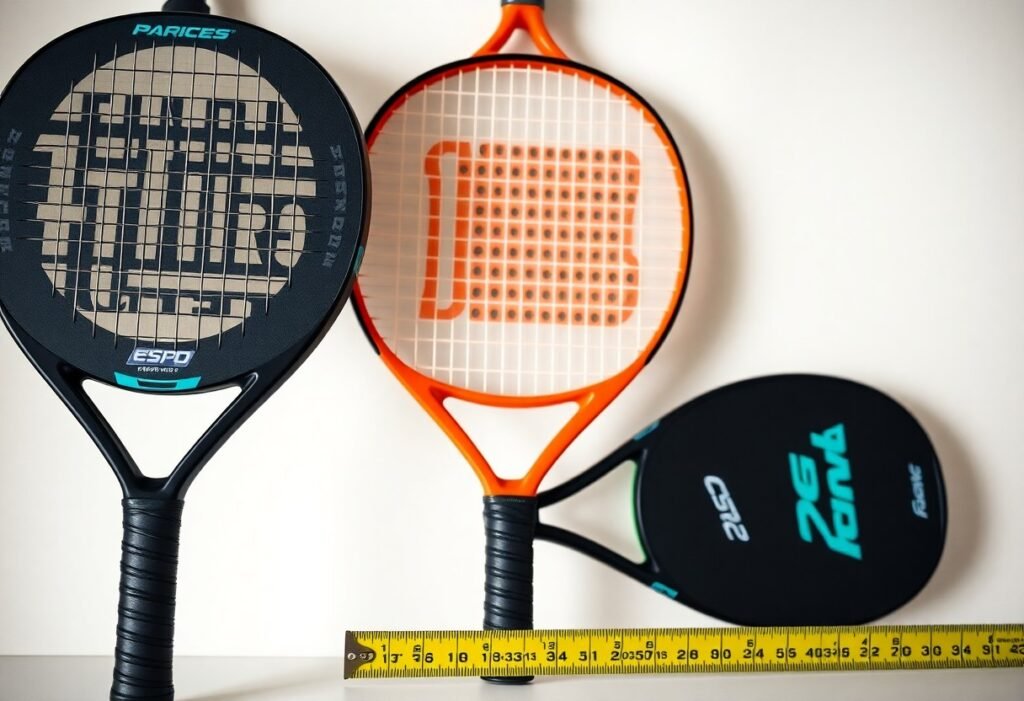
Padel and tennis differ significantly in court size, scoring system, and gameplay techniques. Padel courts are smaller, enclosed, and allow players to use walls to bounce the ball, while tennis courts are open spaces with no walls. The scoring system in padel mirrors that of tennis but features faster-paced, more continuous rallies due to its unique court setup.
More on Key Differences Between Padel and Tennis
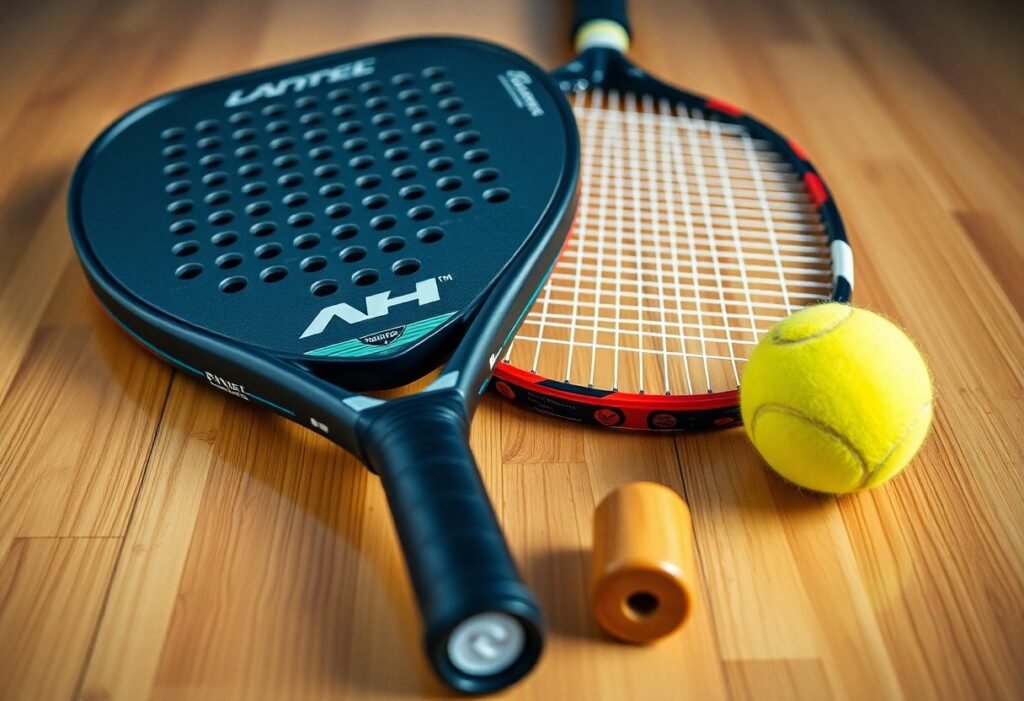
In terms of equipment, padel players use solid rackets with no strings, enhancing durability and simplicity. Match duration also contrasts starkly; padel games often conclude more swiftly as rallies are shorter, making instant engagement key for new players. Because of these factors, the playstyle in padel often prioritizes teamwork and strategy over sheer power, enticing a diverse range of participants, including those who may not resonate with traditional tennis.
Conducting Market Research
Analyzing Local Demand for Padel
To gauge local interest in padel, survey potential players and gather insights through community engagement. Host free introductory sessions to assess participation rates. Leverage social media polls to understand the demographic and interest levels, ensuring you collect data from diverse age groups and backgrounds.
Identifying Your Target Audience
Your target audience will likely include young adults seeking a new competitive sport, families looking for recreational activities, and sports enthusiasts who enjoy a social atmosphere. Understanding these personalities can help tailor your marketing and programming effectively.
Consider segmenting your audience based on age, skill level, and motivation for playing. Young professionals may be drawn to fast-paced leagues, while families might prefer casual play and family-friendly events. Additionally, those engaged in fitness or social activities can be attracted through partnerships with local gyms or wellness facilities.
Assessing Competitors and Existing Facilities
Evaluate the current landscape by identifying nearby padel clubs and facilities. Analyze their offerings, membership pricing, and customer satisfaction to identify potential gaps in the market.
Conducting a thorough competitive analysis helps pinpoint how your club can stand out. For example, if existing clubs focus heavily on advanced classes, you might capitalize on offering beginner programs or family-oriented events. The aim is to provide something unique that meets unmet needs, enhancing your club’s appeal and positioning in the local sports scene.

Developing a Business Plan
Defining Your Club’s Vision and Mission
Your club’s vision and mission are foundational to its identity. Clearly articulate what you want to achieve, whether it’s promoting physical activity, building a community, or hosting competitive events. This clarity will guide your decisions and attract like-minded members who resonate with your purpose.
Estimating Start-Up Costs and Budgeting
Understanding your start-up costs is vital to financial planning. Consider expenses such as facility rental, equipment purchase, insurance, and marketing. Assess your budget thoroughly to avoid overspending and ensure financial sustainability.
Break down your estimated costs into categories like infrastructure, marketing, and operational expenses. For example, a single padel court might cost anywhere from $20,000 to $50,000 to construct, factoring in land, materials, and labor. Additionally, allocate a budget for initial marketing efforts and necessary equipment. Establishing a realistic budget helps prioritize spending and identify potential funding sources.
Crafting a Marketing Strategy
Your marketing strategy should target potential members and raise awareness about your club. Use both digital platforms and local outreach to create a comprehensive plan that resonates with your audience.
Develop engaging content on social media showcasing the excitement of padel, and consider hosting free introductory events to draw in newcomers. Collaborating with local schools or businesses can also enhance visibility. An effective marketing strategy will not only attract initial members but foster a loyal community around your club.
Establishing Revenue Streams
Consider offering subscription plans, day passes, and corporate packages to broaden your membership base. Additionally, income from hosting events and clinics can significantly boost your revenue. Selling branded gear or snacks can also provide ongoing financial support. Expanding your revenue sources will create a well-rounded financial foundation.
Choosing the Right Location
Factors to Consider When Selecting a Site
When deciding on a site for your padel club, consider factors such as proximity to potential members, availability of parking, and local competition. Assess the size of the space, ensuring it accommodates courts, amenities, and future growth. Additionally, evaluate the environment—look for areas with existing sports culture or those that encourage physical activity. Perceiving these elements will help you choose an ideal site for your club.
Evaluating Accessibility and Visibility
Accessibility and visibility are pivotal in attracting members. Your padel club should be within easy reach of major roads, public transport, and residential areas, ensuring that it’s convenient for players to visit. High visibility from busy streets increases awareness and encourages walk-ins, adding to your membership potential.
Understanding Zoning and Legal Requirements
Understanding zoning and legal requirements is fundamental to establishing your padel club. Check local zoning laws to ensure that sports facilities are permitted in your selected area. Additionally, you may need to obtain various licenses and permits, especially if you aim to offer food or beverages, hold events, or operate facilities during certain hours.
Financing Your Padel Club
Exploring Funding Options
To launch your padel club, explore various funding options such as personal savings, loans, or grants tailored for sports facilities. Engage with local business partnerships and look into crowdfunding campaigns that resonate with your community. Additionally, you can explore into resources like How to Open a Profitable Padel Club for insights on financial strategies.
Preparing a Pitch for Investors
Your pitch is imperative for attracting investors. Clearly outline your business model, market analysis, potential profitability, and community benefits. Use dynamic visuals and straightforward data to convey your vision effectively, making it appealing for both seasoned investors and newcomers.
Be sure to address the unique selling points of your padel club, such as exclusive programs, community engagement, and competitive events. Highlight how these elements will not only enhance the local sports scene but also ensure a steady return on investment. Incorporate potential financial projections and timelines to give investors a clear pathway to understanding their involvement.
Budgeting for Operational Expenses
When budgeting for operational expenses, consider costs like equipment, maintenance, staffing, and utilities. Outline both fixed and variable costs to create a realistic financial outlook. Start with imperative expenditures, then allocate funds for marketing and community outreach to ensure growth.
A well-structured budget should reflect a thorough understanding of your anticipated expenses, avoiding underestimation. This includes ongoing costs such as insurance, taxes, and promotional events. Efficiently managing your budget will not only keep your padel club operational but also position it for future expansion and success.
Building Your Padel Facility
Designing the Court Layout
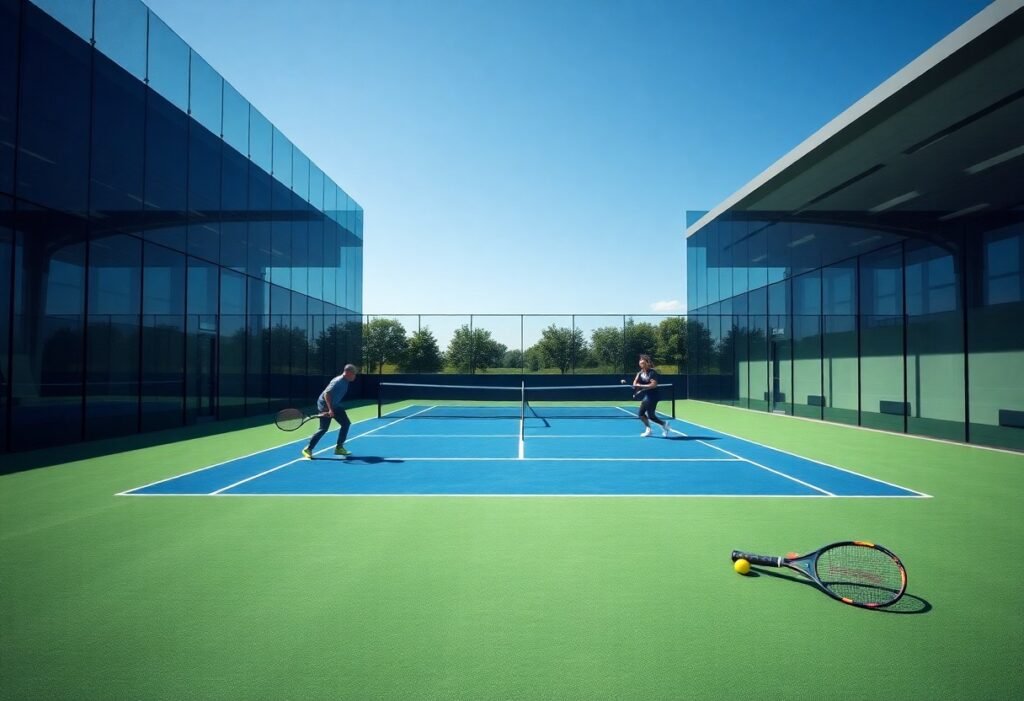
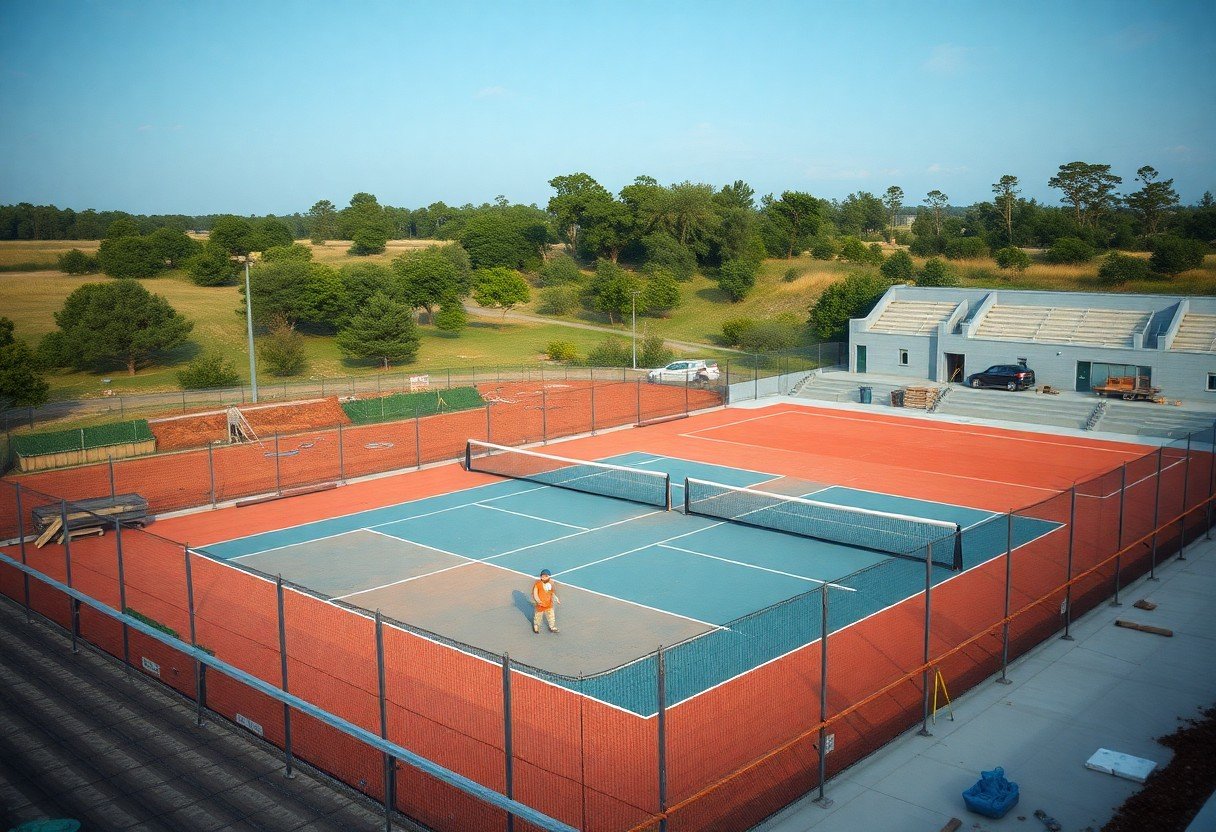
Ensure your court layout prioritizes player safety and space optimization. Typically, a standard padel court measures 20×10 meters, surrounded by glass walls for visibility. Plan for multiple courts if possible to accommodate varying skill levels and age groups. Incorporate designated areas for spectators, equipment storage, and warm-up zones to enhance player experience.
Selecting Quality Equipment and Materials
Invest in durable, high-quality materials for your courts and facilities to withstand weather changes and heavy use. High-caliber synthetic turf, appropriate lighting systems, and sturdy glass walls will ensure longevity and performance. Research suppliers to find reputable brands that offer warranties and excellent customer support.
Quality equipment goes beyond just the court surface; secure reliable net systems, windscreens, and seating arrangements for your spectators. Look for materials designed for longevity and low maintenance, considering environmental factors specific to your location. Partnering with trusted manufacturers may lead to better pricing and comprehensive service agreements that benefit your club in the long run.
Hiring Contractors and Managing Construction
Choose experienced contractors who specialize in sports facility construction. Their expertise can significantly affect the outcome and efficiency of your project. Communicate your vision clearly and set strict timelines and budgets to keep the construction on track.
Managing construction involves regular check-ins with contractors to ensure compliance with your specifications and local regulations. Develop a timeline that includes milestones for each phase of the project, allowing you to monitor progress effectively. Using project management software can aid in coordinating tasks and maintaining clear communication among all parties involved, ensuring that your padel facility becomes a reality without unnecessary delays or cost overruns.
Launching Your Padel Club
Creating a Pre-Launch Marketing Strategy
Before your launch, implement a strong marketing strategy to generate excitement and interest. Utilize social media platforms to share progress updates and create sneak peeks of your facilities. Offer early bird membership discounts or VIP access to your followers. Collaborate with local sports influencers to expand your reach and host virtual or live Q&A sessions to engage potential members.
Organizing Grand Opening Events
Your grand opening is an opportunity to create buzz and attract new members. Plan a day filled with exciting activities such as exhibition matches featuring local players, free coaching sessions, or a mini-tournament. Offer giveaways, interactive demos of the game, and incentives for attendees to join. Promoting this event through local media will help you reach a wider audience.
Consider hosting an all-day event with various activities tailored for different skill levels. Set up booths showcasing local businesses while providing food and refreshments to create a festive atmosphere. Live music or entertainment can further draw crowds. Ensure that you also have a registration table for new memberships, and consider offering limited-time promotions to incentivize immediate sign-ups during the event.
Engaging with the Community and Gathering Feedback
Establishing a solid connection with your local community enhances your club’s reputation and sustainability. Organize outreach initiatives such as open tournaments or community fairs where you can showcase your facilities and engage local residents. Actively seek feedback through surveys or informal conversations to improve member experience continuously.
Creating an open dialogue with your members fosters loyalty and shows that you value their input. Hold regular meetings or feedback events where members can share their thoughts on club activities and suggest improvements. You might also consider forming a community advisory board to involve active members in decision-making, reinforcing their ownership and commitment to your Padel club.
Summing up
The process of starting a padel club in the USA involves thorough research, community engagement, and strategic planning. You should assess the local interest, secure a suitable location, and consider obtaining necessary permits. Building partnerships with equipment suppliers and local businesses can enhance your club’s visibility. Additionally, creating engaging marketing strategies will help attract members. By focusing on fostering a welcoming atmosphere and organizing events, you will establish a vibrant padel community that will thrive and grow over time.
FAQ
Q: What are the initial steps to start a padel club in the USA?
A: Begin by conducting market research to assess demand, identify potential locations, and analyze competitors. Afterward, create a business plan outlining your goals, budget, and operational strategies. Secure funding through investors or loans to cover initial costs.
Q: What legal requirements must I fulfill to establish a padel club?
A: Register your business with the appropriate state authorities and obtain necessary licenses and permits. Comply with local zoning laws, safety regulations, and liability insurance requirements to protect both the club and its members.
Q: How do I find a suitable location for my padel club?
A: Look for locations with high visibility and accessibility, preferably near similar sports facilities or areas with a community interest in tennis or squash. Consider space for multiple courts, parking availability, and the potential for future expansion.
Q: What facilities and amenities should I include in my padel club?
A: Essential facilities include at least one or two padel courts, changing areas, showers, and restrooms. Additional amenities like a pro shop, lounge area, café, and outdoor spaces enhance the member experience and encourage social interaction.
Q: How can I effectively market my padel club to attract members?
A: Utilize social media platforms, local advertising, and partnerships with schools and community centers to promote your club. Organize open days, tournaments, and introductory classes to engage potential members and showcase the benefits of playing padel.