
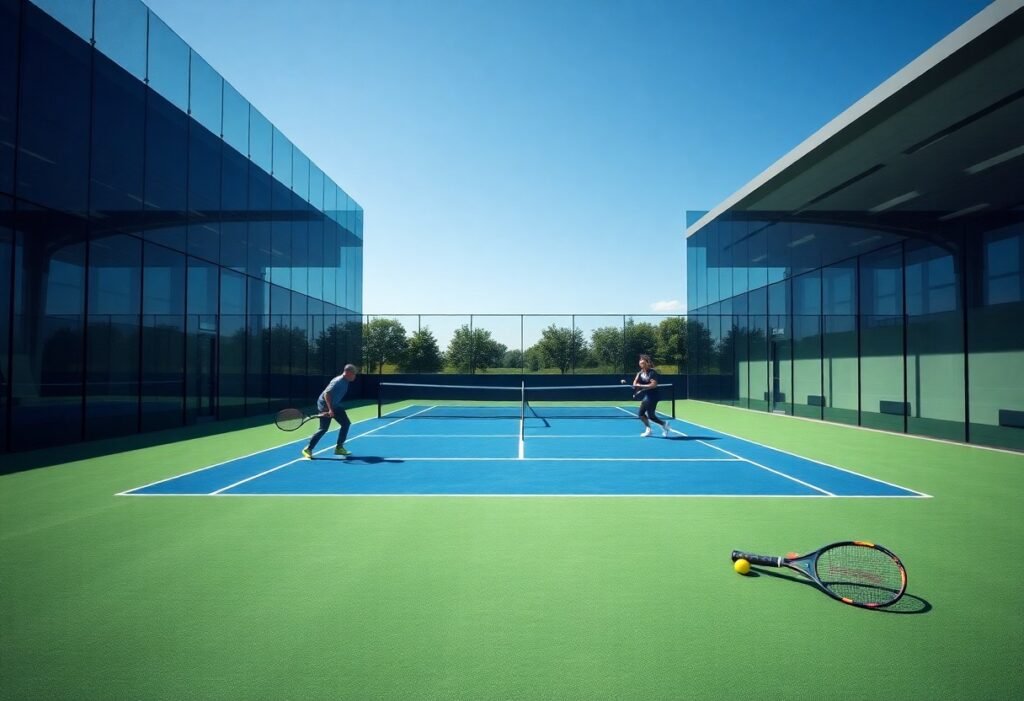
Just like tennis, but with a twist, padel is a dynamic sport that combines elements of squash and tennis, offering a uniquely engaging experience. As you prepare to step onto the court, you’ll find that padel is played in doubles, making it a fantastic way to enjoy social interactions and teamwork. Understanding the rules, equipment, and gameplay will enhance your enjoyment and performance while ensuring that you stay safe and injury-free. Get ready to explore what makes padel an exciting addition to your sports repertoire.
Key Takeaways:
- Padel is a racquet sport combining elements of tennis and squash, typically played in doubles on an enclosed court.
- The game emphasizes strategy and teamwork, with a focus on volleys and smart shot placement.
- Equipment includes a solid, perforated padel racket and a low-pressure ball, making it accessible for players of all skill levels.
History of Padel
Origins of the Game
Padel originated in 1969 in Acapulco, Mexico, when electrician Enrique Corcuera adapted the concept of tennis to fit into his smaller property. He enclosed a court with walls, allowing for innovative plays that differed from traditional tennis. This new game gained attention due to its unique blend of tennis and squash elements.
Evolution and Popularity
After its inception, padel quickly spread across Spain in the 1970s, thanks in part to its incorporation into sports clubs and facilities. By the 1990s, padel had become a national obsession in Spain, leading to the establishment of the Federación Española de Pádel in 1991, which formalized rules and competitions. Currently, around 10 million players enjoy the sport globally.
With rapid growth, padel now features competitive tournaments and professional leagues, attracting sponsors and media attention. International events like the World Padel Tour bring players from around the globe, showcasing high-level gameplay. Countries such as Argentina, Italy, and Sweden have embraced padel, cultivating thriving communities and dedicated facilities to accommodate its expanding fan base.
Global Reach
As the sport’s popularity soared, padel has gained a remarkable global footprint. From its Spanish stronghold, it successfully crossed borders into various countries, solidifying its place in the sporting landscape. Now you can find padel courts in over 90 countries, making it increasingly accessible to new players.
Padel’s global expansion is evidenced by the increasing number of international federations and tournaments. Major tournaments are held in Europe, South America, and beyond, leading to the establishment of dedicated clubs and facilities. Countries like the UK, the USA, and the Netherlands are witnessing a surge in court constructions and player registrations, heralding a new era for this exhilarating sport.
Padel Court
Dimensions and Layout
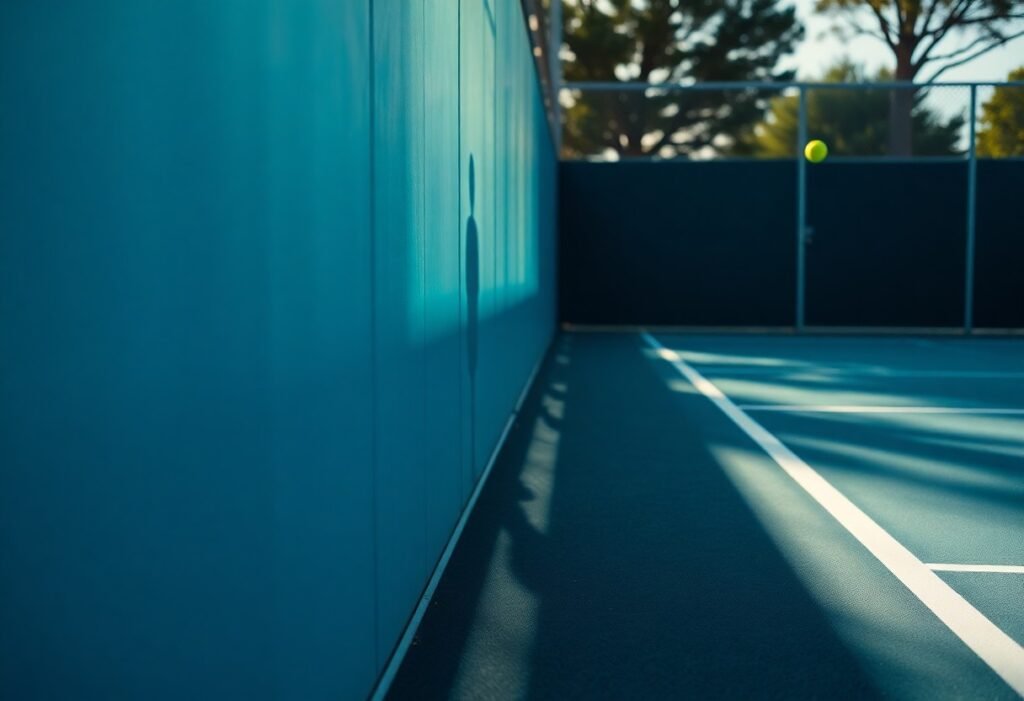
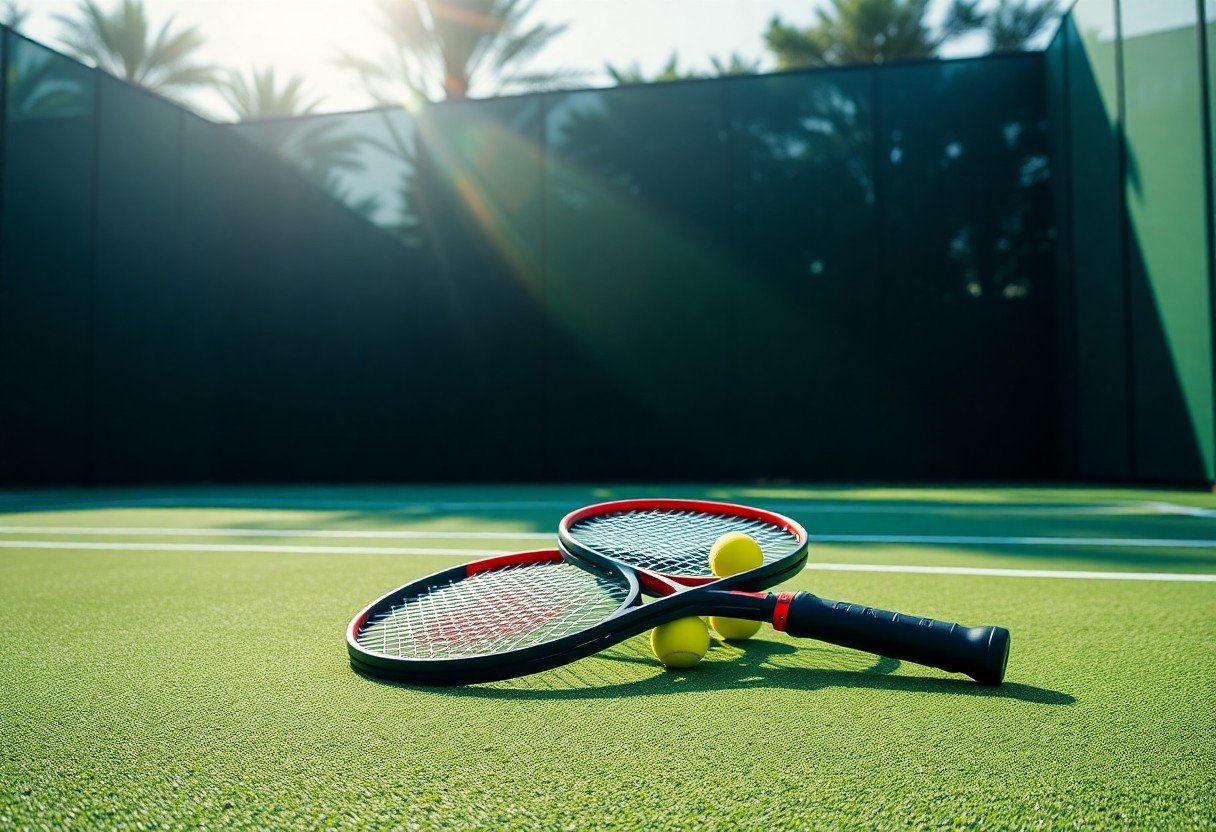
A standard padel court measures 10 meters wide and 20 meters long, enclosed by walls on all sides. The net divides the court into two equal halves, standing 88 centimeters high in the center. Each side features service boxes, measuring 3 meters by 3 meters. For detailed regulations, refer to Padel rules: The complete beginner’s guide.
Types of Surfaces
You will typically find padel courts constructed with either artificial grass, concrete, or wood surfaces. Each surface influences gameplay, with artificial grass providing better ball control, while concrete is known for its quicker ball speeds. You may prefer one surface over another based on your playing style.
- Artificial Grass offers excellent grip.
- Concrete allows for faster play.
- Wood is aesthetically pleasing.
- Clay can enhance strategy.
- Any surface affects ball interaction.
| Surface Type | Characteristics |
| Artificial Grass | Good for control and durability. |
| Concrete | Quick bounce and faster gameplay. |
| Wood | Aesthetic with varied bounce. |
| Clay | Slower pace, requires strategy. |
| Mixed Surfaces | Unique challenges and play styles. |
Equipment Required
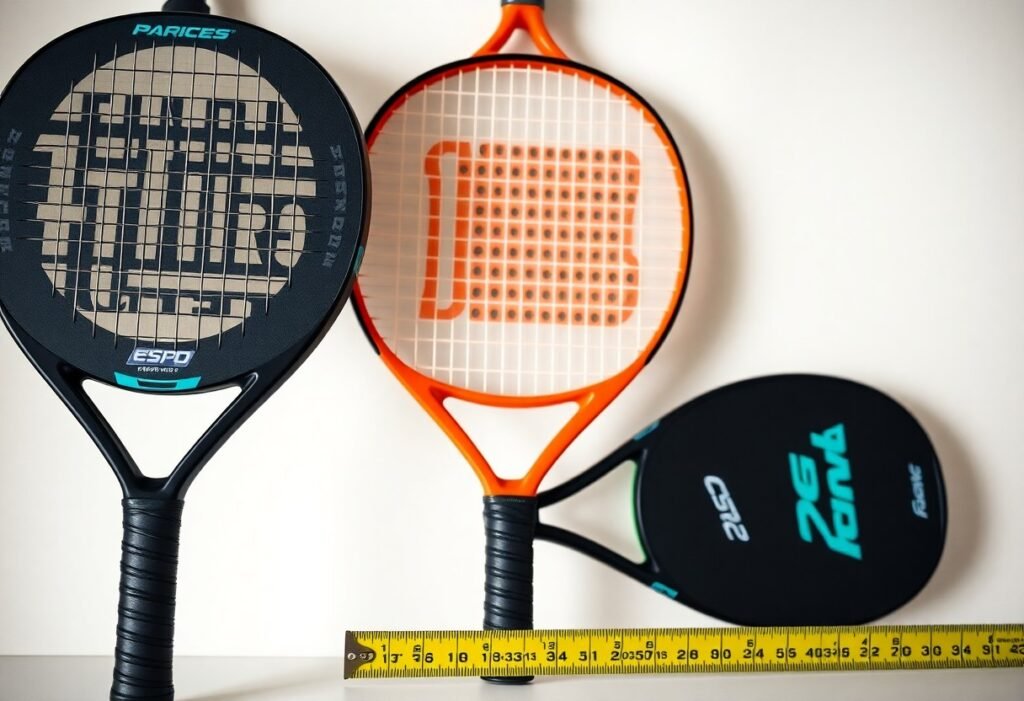
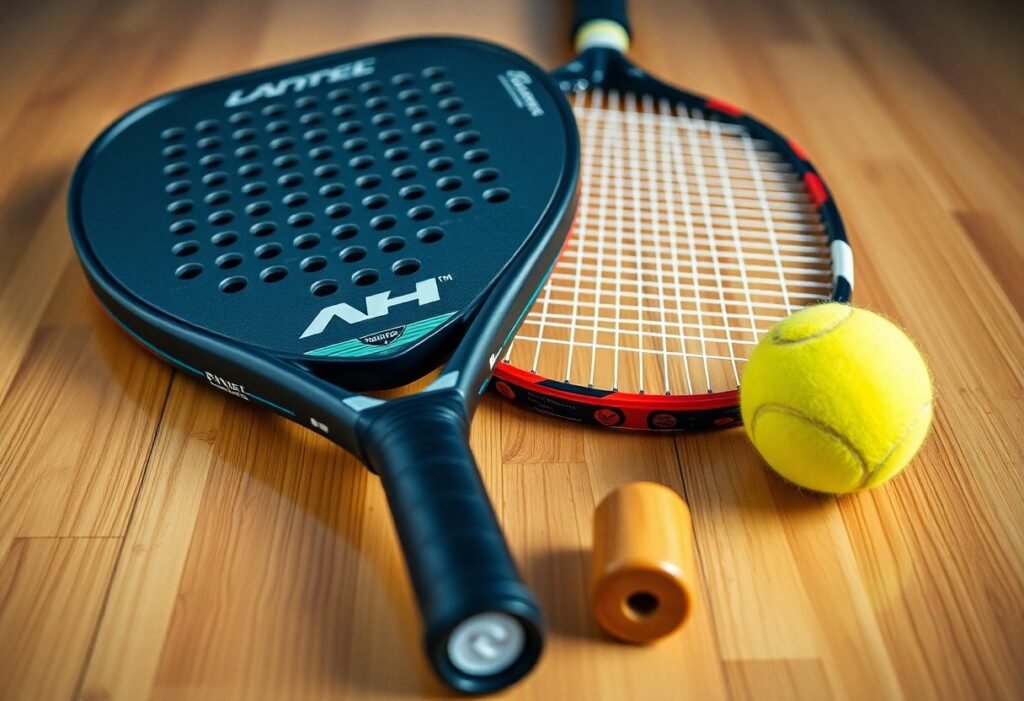
Essential equipment for padel includes a padel racket, which is solid and perforated, and padel balls, which are similar to tennis balls but with slightly less pressure. Comfortable sportswear and non-marking shoes are also important for optimal performance.
Your choice of equipment can significantly affect your game. Padel rackets come in various shapes and weights, allowing you to select one that fits your playing style. Ensure you also have some replacement balls, as they lose pressure over time, impacting gameplay.
- Padel Racket needs to be lightweight.
- Padel Balls should maintain pressure.
- Sneakers must have non-marking soles.
- Comfortable Attire enhances movement.
- Any equipment choice impacts your performance.
| Item | Importance |
| Padel Racket | Determines ball control. |
| Padel Balls | Affects game dynamics. |
| Sneakers | Ensures stability and grip. |
| Sportswear | Facilitates ease of movement. |
| Accessories | Enhances overall experience. |
Rules of Padel
Basic Rules
The game of padel is played with either two or four players, using solid rackets to hit a ball over a net onto the opposing court. Each point starts with an underarm serve that must bounce in the service box. Players are allowed to hit the ball after it has bounced once or directly off the walls surrounding the court. Matches are typically played in a best-of-three sets format, making strategies around positioning and communication with your partner vital for success.
Scoring System
The scoring system in padel mirrors that of tennis, using points, games, and sets. You score points as follows: 0 (love), 15, 30, 40, and game. A game is won when you reach four points, provided you lead your opponent by at least two points. A set is won when you secure six games, again with a two-game advantage.
In more detail, if both you and your opponent reach 40-40, the score goes to deuce. From deuce, you must win two consecutive points to win the game. If you’re tied at six games each, a tiebreaker may determine the winner of the set, where the first player or team to reach seven points wins, needing to be ahead by two points.
Differences from Tennis
Padel differs from tennis primarily in court size, walls, and gameplay style. The padel court is smaller and enclosed, which significantly alters ball dynamics and allows for wall plays. You predominantly play padel in doubles, promoting a more collaborative strategy compared to tennis’s singles and doubles options.
This unique court design facilitates longer rallies and emphasizes technique over power, with players often engaging in volleys close to the net. The enclosed walls give rebounding opportunities, creating a distinct rhythm and flow to the game that sets it apart from traditional tennis, where players rely solely on the open court.
Playing Techniques
Grip and Stance
Your grip and stance are fundamental to your performance in padel. Hold the racket with the continental grip, which allows versatility across various shots. Position your feet shoulder-width apart, knees slightly bent, and maintain a balanced posture ready to move quickly in any direction. This setup enhances control and mobility, facilitating better shot execution.
Basic Shots
Mastering basic shots is necessary to your development in padel. Focus on the forehand, backhand, and serve. The forehand is your primary shot, ideal for attacking or rallying, while the backhand can be employed for defensive plays. A well-placed serve establishes momentum from the start of each point.
The forehand and backhand strokes should flow smoothly, incorporating an elbow-bent stance and proper follow-through. During your serve, leverage your positioning to maximize your power and placement. Try experimenting with spin on your shots to keep your opponents guessing; topspin adds consistency while slice can create difficult angles. Learning to mix these basic shots effectively will elevate your game.
Advanced Strategies
- Analyze opponents’ weaknesses.
- Communicate effectively with your partner.
- Utilize lobs to disrupt your opponents’ formations.
- Employ volleying techniques to maintain pressure.
| Strategy | Description |
| Positioning | Maintain strategic court cover to intercept shots. |
| Shot Selection | Choose shots that exploit opponents’ weaknesses. |
| Communication | Coordinate movements and strategies with your partner. |
Incorporating these advanced strategies into your gameplay enhances your tactical awareness. Effective communication with your partner is vital to executing complex plays. Use lob shots to create distance and force your opponents out of position, opening spaces for aggressive follow-ups. Mastering these elements will lead to improved performance and greater success on the court.
- Practice regular drills to refine techniques.
- Observe and adapt to your opponents’ playstyle.
- Focus on fitness for quicker reaction times.
| Tip | Description |
| Regular Drills | Enhance your skills through consistent practice. |
| Game Analysis | Evaluate your opponents to exploit weaknesses. |
| Fitness Focus | Improve agility for better court coverage. |
Health Benefits of Padel
Physical Fitness
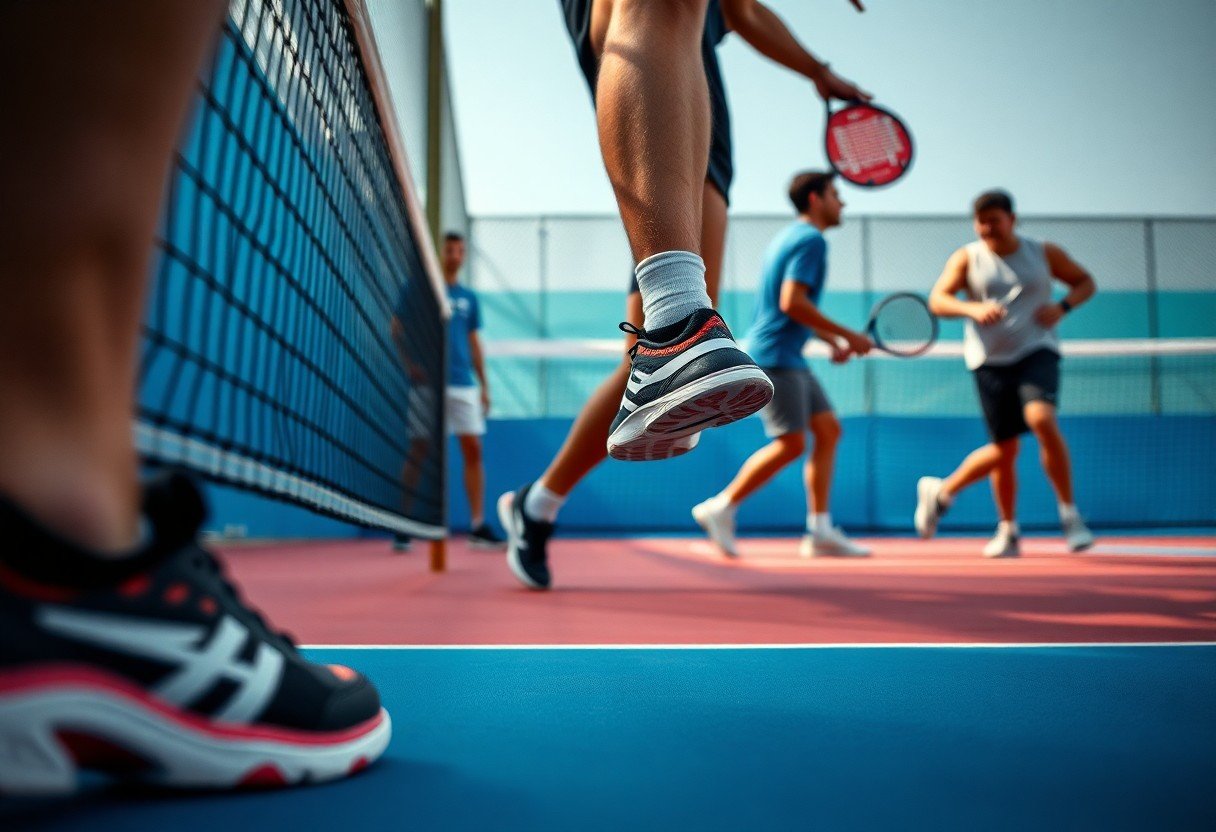
Engaging in padel greatly enhances your physical fitness. The game’s fast pace promotes cardiovascular health, improves agility, and builds strength through constant movement and swinging. Studies show that players can burn up to 600 calories during a single match, making it an effective workout.
Mental Health
Playing padel contributes positively to your mental health by reducing stress and enhancing mood. The combination of physical activity and social interaction stimulates the release of endorphins, leading to feelings of happiness and relaxation.
Moreover, the strategic nature of padel requires concentration and quick decision-making, which sharpens your cognitive functions. As you focus on your opponent’s moves and develop game strategies, you actively engage your mind, benefitting mental clarity and focus.
Social Interaction
Padel fosters social interaction, making it a perfect avenue for meeting new people and building friendships. The game’s doubles format encourages teamwork and communication, enhancing your social skills in a fun environment.
Participating in padel clubs or recreational leagues allows you to connect with individuals sharing similar interests, thus creating a sense of community. Regular play not only strengthens existing relationships but also helps you build new connections, enriching your social life.
Getting Started with Padel
Finding a Court
Identifying a local padel court is your first step. Many clubs and fitness centers now feature dedicated padel courts, often constructed to the official dimensions and standards. You can find courts by searching online, using padel-specific apps, or checking with local sports facilities. Some areas may even have public courts available for free or at a low cost, making it accessible to newcomers.
Joining a Club
Joining a padel club can enhance your experience significantly. Clubs provide access to courts, organized events, and opportunities to connect with other players. You’ll benefit from a supportive community that can help you develop your skills and improve your game.
Many clubs host regular tournaments, social events, and training sessions led by experienced coaches. These activities allow you to meet players of varying skill levels, making it a great environment for both beginners and advanced players. Membership often includes benefits like discounted court bookings, equipment rentals, and exclusive access to club events, making it a worthy investment.
Recommended Gear
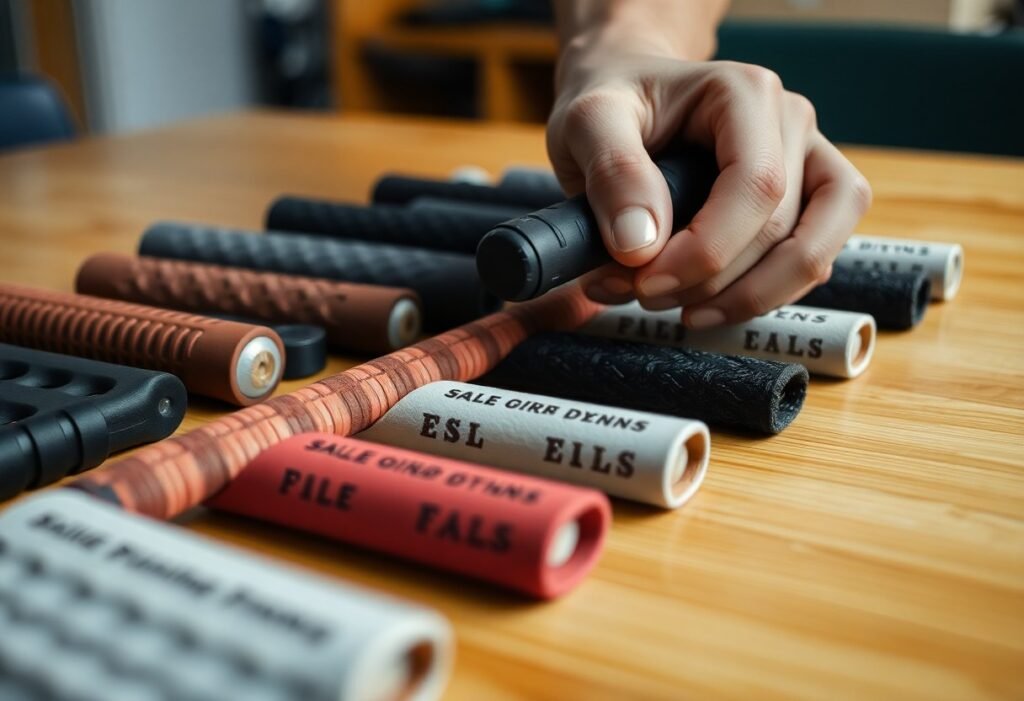
Your padel experience will be greatly influenced by the gear you choose. Essential equipment includes a padel racket, padel balls, and comfortable athletic wear. While there’s a range of brands and styles, opting for a racket that suits your playing style is key to performance.
A well-chosen racket can make a significant difference in your gameplay, especially for beginners. Consider factors like weight, grip size, and shape when selecting your racket. Popular brands like Bullpadel and Head offer various models for different skill levels. Pair your racket with high-quality padel balls designed for optimal play, ensuring a better feel and durability. Don’t forget to invest in appropriate footwear; shoes with good grip are vital for quick movements on the court.
To wrap up
Conclusively, understanding padel’s rules, equipment, and techniques equips you to enjoy this dynamic sport fully. As you engage in padel, focus on building your skills, enjoying social interactions, and embracing the strategic elements of the game. Whether you’re a beginner or looking to refine your abilities, having this foundational knowledge will enhance your playing experience and help you make the most of your time on the court.
FAQ
Q: What is padel?
A: Padel is a racquet sport that combines elements of tennis and squash, typically played in doubles on a small, enclosed court. Players hit a lightweight ball over a net, using solid racquets with no strings.
Q: How is padel different from tennis?
A: Padel courts are smaller than tennis courts and surrounded by glass walls, which can be used to play the ball. The ball is also allowed to bounce off the walls, adding a unique strategic element not present in tennis.
Q: What equipment do I need to play padel?
A: Players need a padel racquet, which is perforated and usually made from composite materials, and a padel ball, which is slightly different from a regular tennis ball in its pressure and bounce.
Q: What are the basic rules of padel?
A: The game is played in teams of two, with the objective being to score points by hitting the ball over the net and making it land in the opponent’s court. Players can have one bounce before hitting the ball, and they can also use the walls to return shots.
Q: Is padel suitable for all skill levels?
A: Yes, padel is accessible for players of all ages and skill levels. The rules are straightforward, making it easy for beginners to learn, while experienced players can enjoy advanced strategies and techniques.