
Just understanding the padel scoring system can enhance your gameplay and strategy on the court. In this step-by-step guide, you will learn how to accurately keep score during matches, which is necessary for both recreational play and competition. You’ll discover the nuances of game, set, and match scoring, ensuring you grasp every point and the rules behind them. With this knowledge, your confidence will soar as you engage in thrilling padel games.
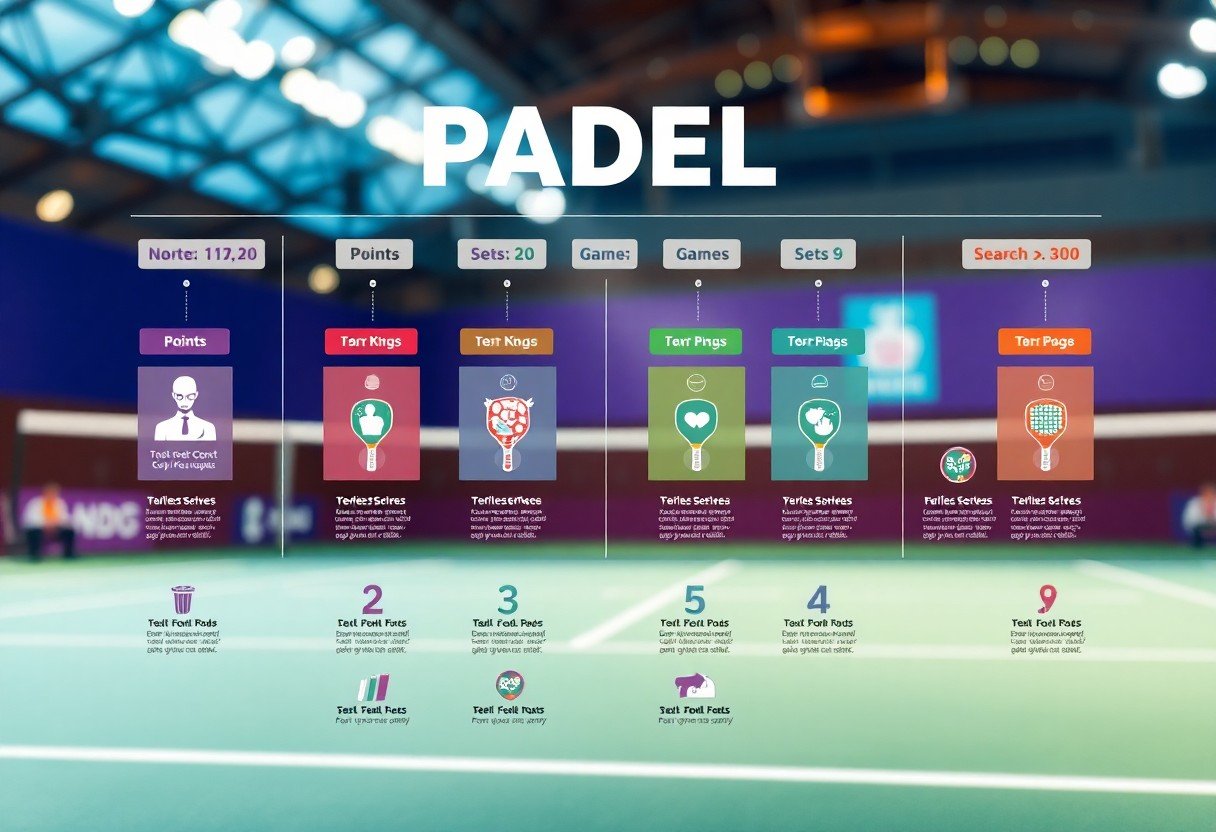
Key Takeaways:
- The scoring system in padel follows a conventional tennis format, with games scored as 15, 30, 40, and game point.
- A match is typically played as the best of three sets, with players needing to win six games to secure a set, and a tiebreak is played at 6-6.
- Players switch sides after every odd-numbered game to ensure fairness in playing conditions.
Understanding the Padel Scoring System
Overview of Padel Scoring
The scoring system in padel mirrors that of tennis, utilizing incremental points: 15, 30, 40, and game point. Each game comprises a series of points, and winning a set typically requires claiming six games with at least a two-game margin. Sets are generally played in a best-of-three format. This structured approach lends itself to tension-filled matches where every point counts.
Importance of Scoring in Padel
Scoring is important in padel as it directly influences match dynamics and strategies. Understanding the scoring system enhances your ability to track progress, gauge opponents, and make strategic decisions during gameplay, critical for both casual and competitive matches.
The ability to accurately assess your scoring position allows for better concentration and tactical planning. For instance, being aware of a 40-30 score can prompt you to employ aggressive shots to secure the game. Conversely, if trailing, adjusting your strategy to play more conservatively can help regain control. Thus, scoring not only reflects your performance but also shapes your on-court tactics.
Common Terminology
Familiarizing yourself with common padel terminology related to scoring is fundamental. Terms like “deuce,” “advantage,” and “set point” are pivotal in understanding the flow of the game and communicating effectively with your partner.
Knowing these terms connects you to the game’s rhythm. For example, when a match reaches deuce at 40-40, understanding how to transition to an advantage point can significantly impact your next move. Terminology enhances your engagement in matches, ensuring you and your partner are on the same page regarding scores and strategies, thereby improving your overall game experience.
Types of Padel Scoring Systems
- Standard Padel Scoring
- Alternative Scoring Formats
- Differences in Scoring Across Tournaments
- Game Formats
- Scoring Variations
| Scoring Type | Description |
| Standard Padel Scoring | Follows the traditional tennis scoring structure. |
| Fast4 Padel | Shorter matches with no deuces and first to four games. |
| Super Tie-Breaks | Used instead of a final set, played to 10 points. |
| Games to 11 | Matches played to the first team reaching 11 points. |
| Timed Matches | Games played for a set duration with points counted. |
Standard Padel Scoring
In standard padel scoring, games are counted as 15, 30, 40, and game point, resembling tennis. A player must win a game by at least two points, and matches typically consist of either two out of three sets or three out of five sets. This familiar structure provides players with a clear understanding of how progress is made throughout a match.
Alternative Scoring Formats
Alternative scoring formats offer variations that can expedite play or change the dynamics of competition. Formats like Fast4 and Super Tie-Breaks introduce new rules such as no deuces or playing to a set number of points, making the game more exciting and accessible for matches with time constraints.
For instance, the Fast4 format allows players to enjoy matches without the traditional long games, featuring first to four games instead of the conventional six. Together with the Super Tie-Breaks, where players compete to 10 points instead of winning a set, these variations cater to different preferences and time restrictions while adding a strategic layer to the gameplay.
Differences in Scoring Across Tournaments
Scoring systems can vary significantly between different tournaments, affecting match length and player strategies. While some official tournaments stick strictly to the standard scoring, others might adopt more casual or unique formats that can lead to more thrilling matches.
Events with specific local rules might employ shorter match formats or introduce alternative scoring systems to accommodate players and spectators, reflecting the adaptability of padel. It is necessary to be aware of these variations when competing or spectating, as they can influence your approach to the game and overall experience.
Step-by-Step Guide to Scoring in Padel
| Aspect | Description |
|---|---|
| Scoring Points | Points are scored in a sequence of 15, 30, 40, and game point. If the score reaches 40-40, it’s called deuce. |
| Winning Games | A game is won when you score four points and lead by at least two points. |
| Winning Sets | To win a set, you need to win six games by a margin of at least two. |
| Match Scoring | Matches are typically played in a best-of-three set format, with the final set often being a tiebreaker. |
Scoring Points
When you score points in padel, the sequence goes 15, 30, 40, and then game point. If both players or teams reach 40, it’s deuce, which requires you to gain an advantage, and then win the next point to clinch the game.
Winning Games
A game is secured once you reach four points with a minimum two-point lead. If you’re at 40-30 and win the next point, you win the game. However, if it’s deuce, success in two consecutive points is required to win.
Winning Sets
Winning a set demands that you secure six games, maintaining at least a two-game lead over your opponent. If the score reaches 5-5, a player or team must reach 7 games to win the set.
Match Scoring
Typically, matches consist of the best of three sets, wherein the final set may transition to a tiebreaker if the score is tied at one set each. This structure ensures competitive balance and excitement throughout the match.
Factors Influencing Padel Scoring
- Player Skill Levels
- Court Conditions
- Match Format and Length
Player Skill Levels
Your performance on the court directly affects your scoring potential. Higher skill levels bring better technique and strategy, enabling you to capitalize on your opponent’s weaknesses. A skilled player may consistently win points through precise shots, while less experienced players may struggle, emphasizing the importance of practice.
Court Conditions
Court conditions can significantly impact scoring. Factors such as surface type, weather, and humidity can alter ball behavior and play. A faster surface may result in quicker points, while a slower court might extend rallies, challenging your endurance and shot selection.
For instance, if you play on a hard court, the ball typically travels faster, giving players less time to react. In contrast, a clay court slows down the game, often leading to longer rallies and requiring players to strategize their shots more effectively.
Match Format and Length
The format of your match influences scoring dynamics, with various formats like round-robin or knockout altering your approach. Shorter matches may encourage aggressive play, while longer formats allow for strategy and pacing. Consider how best to adjust your game plan based on these factors.
For example, in a best-of-three sets match, if you lose the first set, you might choose to play more conservatively in the second to regain confidence, affecting overall scoring opportunities throughout the match. Understanding these aspects enhances your game management and maximizes your scoring chances.
After exploring these factors, you can dive deeper into the rules and scoring intricacies by checking out How Do You Score a Point in Padel? (and Other Common ….

Tips for Understanding and Mastering Padel Scoring
- Focus on the basic score structure: Points, Games, Sets.
- Learn the advantage scoring system thoroughly.
- Practice calling out scores clearly during matches.
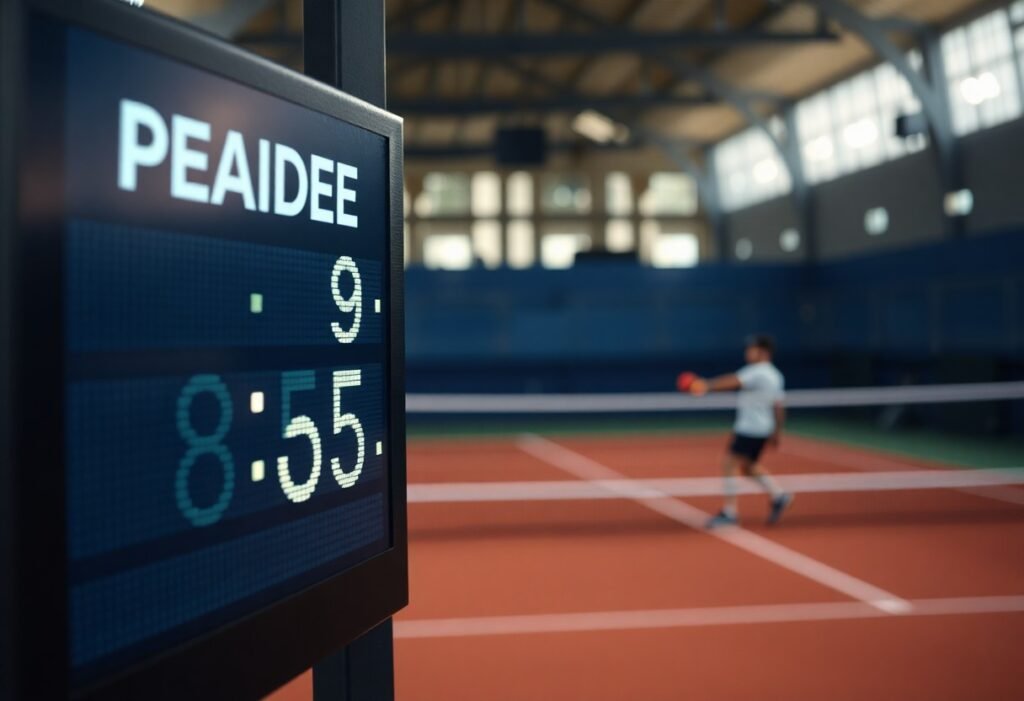
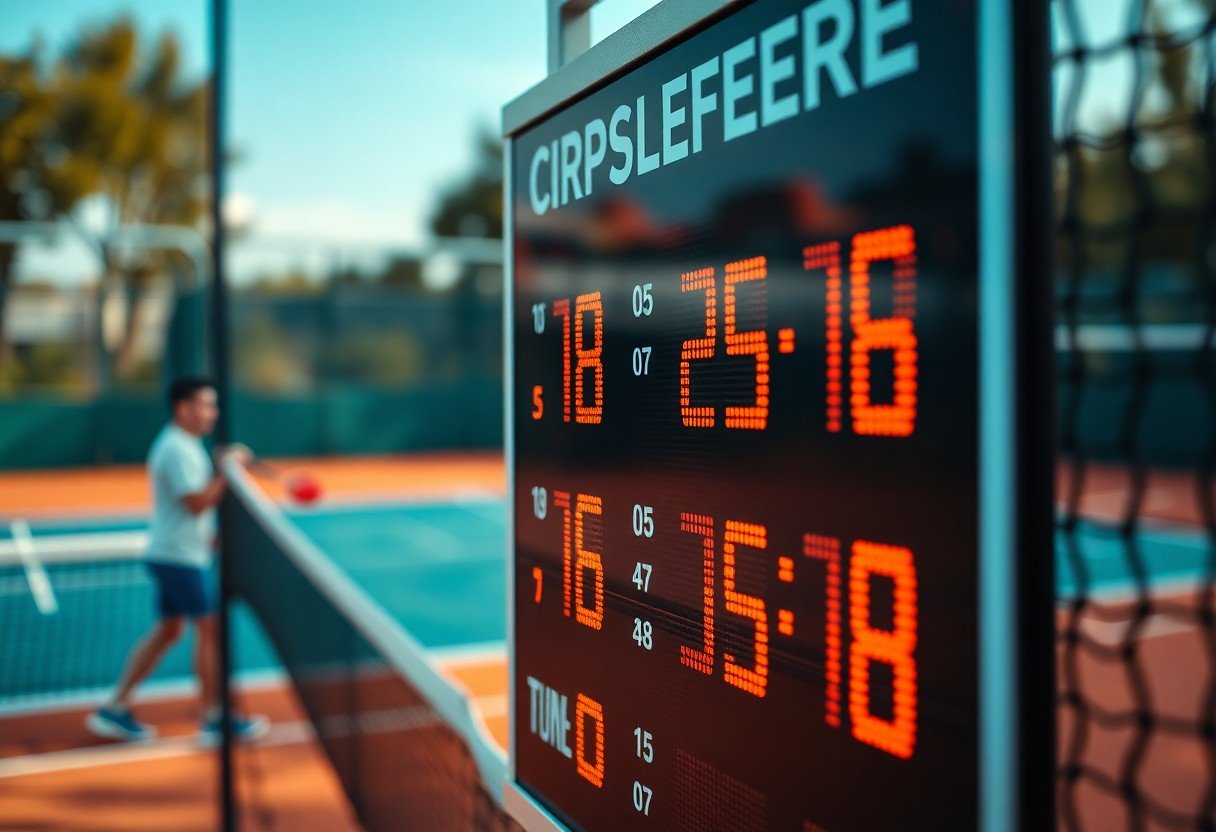
- Use a scoreboard to visualize the game status.
- Engage in regular practice to build confidence.
Knowing the scoring nuances will enhance your game experience.
Practice Scenarios
Incorporating various practice scenarios is imperative for mastering the scoring system. Set up drills where you simulate match conditions, practicing calling out scores or keeping track during a fast-paced game. This repetition helps reinforce your understanding of the scoring process and builds a natural fluency in communicating scores with your partner.
Keeping Track of Scores
Tracking scores accurately during a match is vital for maintaining focus and strategy. Use either a physical scoreboard or a mobile app designed for scoring padel to keep everyone informed. Consistent practice with your scoring method will lead to greater confidence in managing game status effectively.
Using a scoreboard not only helps you keep track of scores but also serves as a visual reference for both players. Aim to establish a habit of checking the scores frequently to ensure you understand the game’s progress. This practice instills a sense of awareness about your standing and strategizes accordingly, whether you’re ahead or behind in games.
Familiarizing with Common Mistakes
Understanding common mistakes can save you from unnecessary confusion during matches. Players often forget to change the score after a point or mix up the sequence of scoring announcements. Familiarizing yourself with these pitfalls will streamline your communication and enhance your overall game flow.
Common mistakes in scoring can lead to frustration and disputes between players. For instance, failing to recognize when the score resets after a game can disrupt the rhythm of play. By regularly practicing how to announce scores and double-checking them, you not only avoid confusion but also promote a more enjoyable match experience for you and your opponents.
Pros and Cons of Different Scoring Systems in Padel
Pros and Cons of Different Scoring Systems
| Pros | Cons |
|---|---|
| Standard scoring provides consistency across all matches. | May feel repetitive for some players. |
| Easy for spectators to follow. | Limited excitement in longer rallies. |
| Fair allocation of points rewards skill. | Can lead to drawn-out matches. |
| Allows for effective strategizing. | Less suitable for quick play options. |
| Encourages competitive spirit among players. | Some may prefer less conventional formats. |
| Standardized tournament adherence. | Not universally adopted across all venues. |
| Facilitates skill development. | Newer players may struggle to grasp scoring. |
| Encourages players to focus on performance. | Can be less engaging for casual players. |
| Creates a structured gaming environment. | May not suit all playing styles. |
| Promotes fairness through defined rules. | Some players may find the scoring tedious. |
Advantages of Standard Scoring
Utilizing a standard scoring system in padel promotes an organized and structured gameplay experience. This method enhances clarity for both players and spectators, allowing you to focus on skill development and strategy. It facilitates a competitive environment where points are awarded based on performance, ensuring a fair outcome in matches.
Disadvantages of Alternative Scoring
While alternative scoring systems can introduce variation, they may also create confusion for players accustomed to traditional formats. Combining scoring methods can lead to inconsistency during matches, affecting performance and enjoyment. Furthermore, these systems may not offer the same level of challenge as standard scoring, which can diminish the competitive spirit.
Alternative scoring might attract those looking for increased excitement, yet the inconsistency can hinder players’ ability to develop necessary skills. This unpredictability can result in mismatched expectations, particularly in competitive settings. Players used to standard scoring may find it difficult to adjust to the nuances of these systems, potentially impacting their overall experience.
Player Preferences
Your preference in scoring systems can significantly affect your overall enjoyment and performance in padel. Some players thrive under the structure of standard scoring, while others might appreciate the flexibility of alternative formats. Individual playing styles, competitiveness, and even psychological factors often influence what you find most appealing in a match’s structure.
Your preference for a specific scoring system may depend on your personal experiences and competitive nature. If you’re comfortable with traditional formats, you may favor the predictability and fairness they provide. Conversely, if you’re seeking more dynamic play, alternative systems might align better with your style. Understanding your preferences can enhance your approach to the game and optimize your engagement in matches.
Summing up
As a reminder, understanding the padel scoring system is necessary for enhancing your gameplay. By familiarizing yourself with the step-by-step process of points, games, and sets, you can improve your strategic approach during matches. Each aspect of the scoring system is designed to create dynamic and engaging play, allowing you to fully enjoy the competitive nature of padel. Mastering these rules will not only boost your confidence but also enrich your overall experience on the court.
FAQ
Q: What is the basic scoring system in padel?
A: The basic scoring system in padel follows the same structure as tennis, comprising points scored as 0, 15, 30, 40, and game. A player must win at least four points to win a game and must lead by at least two points.
Q: How does the set scoring work in padel?
A: A set in padel is won when a team wins six games, with a minimum lead of two games. If the score reaches 5-5, a team must win the next game to lead 6-5 or win a tiebreak if the score is 6-6.
Q: What is a tiebreak in padel?
A: A tiebreak is played when the set score is tied at 6-6. It is played to seven points, and a team must win by at least two points. The serving alternates every two points during the tiebreak.
Q: How does a match in padel conclude?
A: A padel match is typically played as the best of three sets. The first team to win two sets is declared the match winner.
Q: Are there any variations in scoring based on tournament formats?
A: Yes, some tournaments may implement alternative scoring formats such as short sets or super tiebreaks. Players should confirm the specific rules applicable to the event they are participating in.