
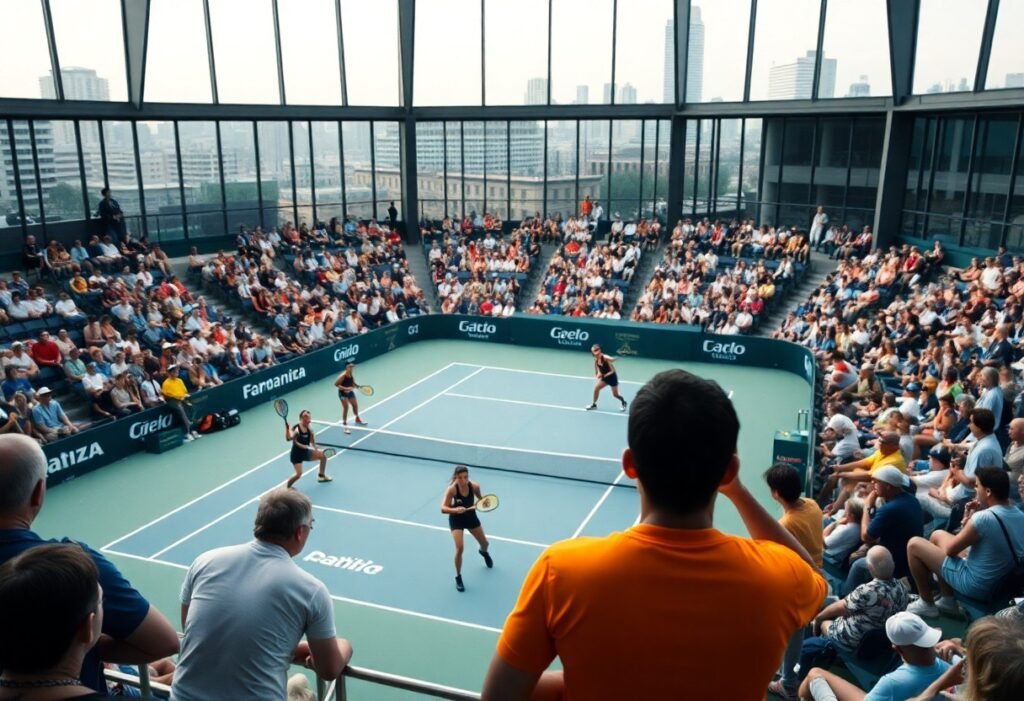
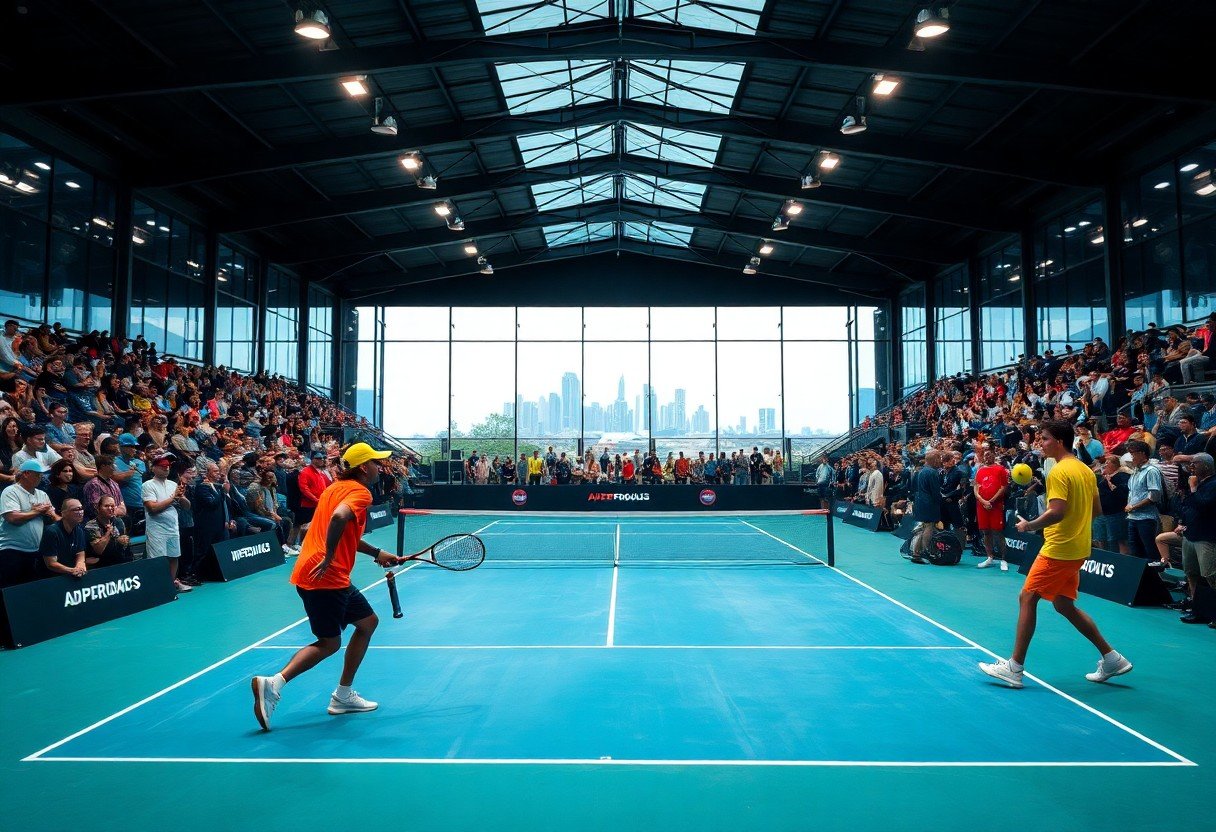
Market trends indicate a rapid expansion of padel in the USA, attracting enthusiasts and investors alike. As you explore this exciting sport, you’ll discover its social appeal and accessible gameplay, which contribute to its growing popularity across diverse demographics. Your understanding of the market dynamics, including key players and investment opportunities, will provide valuable insights into this burgeoning industry. Padel is not just a passing fad; it represents a promising future in recreational sports that could redefine your fitness and leisure activities.
Key Takeaways:
- Padel is experiencing significant growth in the USA, with increasing numbers of players and facilities.
- The sport appeals to a diverse demographic, attracting both younger and older audiences.
- Investment in infrastructure and professional tournaments is driving padel’s popularity and visibility in the market.
The History of Padel
Origins and Development of Padel
The game of padel originated in the early 1960s in Mexico, thanks to Enrique Corcuera, who adapted tennis principles to a smaller court surrounded by walls. This innovative approach allowed players to utilize the walls for gameplay, making it a unique blend of tennis and squash. Over the years, this captivating sport spread rapidly, particularly in Spain, leading to the formation of the first official padel clubs.
Padel’s Global Journey
Padel has transformed into a globally recognized sport, gaining traction across Europe and Latin America. In Spain, it has become a national favorite, with over 10,000 courts and millions of players. Furthermore, major international competitions, such as the World Padel Tour, have sparked interest in other regions, creating a dynamic community and a growing market.
As padel gained popularity, several countries, including Argentina and Italy, embraced the sport, further solidifying its status on the global stage. The establishment of national federations and international championships has fueled competitive passion. Moreover, innovative initiatives, such as celebrity endorsements and social media campaigns, have expanded its reach, appealing to diverse demographics. As a result, you now witness a rising culture around this sport, with enthusiasts flocking to courts worldwide.
Padel in the United States: A Brief Timeline
In the United States, the introduction of padel can be traced back to the late 1990s, albeit at a slow pace. The first courts appeared in Florida, and initial interest was modest compared to traditional racquet sports. However, recent years have led to a significant uptick in awareness and participation, coinciding with increased facility development and recreational interest.
The timeline of padel in the U.S. reveals a gradual yet promising growth. As of 2023, there are around 1,000 courts across the nation, with states like California, Texas, and New York seeing the fastest expansion. The formation of the American Padel Association in 2020 marked a turning point, uniting enthusiasts and promoting tournaments and leagues. With growing investments by sports organizations and a rising number of players, the future of padel in the U.S. looks bright, indicating that you’re part of an exciting sporting evolution.

The Growth of Padel in the USA
Recent Popularity Surge
A remarkable surge in padel’s popularity in the USA has been evident over the past few years, with participation rates doubling in several cities. Major tournaments and media coverage have placed the sport in the spotlight, attracting not just players but also spectators. New courts are popping up across the country, making the game accessible to a broader audience. The atmosphere in local clubs is vibrant, reflecting a burgeoning community of enthusiasts.
Key Demographics Engaging with Padel
People of diverse ages and backgrounds are drawn to padel, with a particularly strong appeal among urban dwellers aged 25-45. This demographic is often health-conscious, seeking new sports that combine fun and fitness. Additionally, both men and women are equally represented, fostering an inclusive environment that encourages both competitive and recreational play.
Young professionals in major cities are finding padel to be a social activity that fits their busy lifestyles. This demographic values the balance between work and play, often preferring sports that can be enjoyed in less time yet still offer a robust athletic challenge. The inclusive nature of padel allows friends and family to participate together, strengthening its community appeal.
Factors Driving the Growth
Several factors are propelling the growth of padel in the USA. The sport is relatively easy to learn, requiring minimal equipment and space to play, which encourages newcomers to give it a try. Additionally, the social aspect of padel enhances its attractiveness compared to more solitary sports.
- Accessibility of facilities and equipment
- Social engagement and community building
- Health benefits and fitness appeal
Recognizing the sport’s potential, numerous investors are capitalizing on this trend by establishing dedicated clubs and courts. Furthermore, effective marketing strategies have reached a younger audience through social media, increasing visibility and enthusiasm for the game.
Factors Driving the Growth
The growth of padel is further fueled by the influence of competitive leagues and the passion exhibited by players. The rise of social media has allowed events to gain traction, showcasing highlights and engaging narratives that resonate with fans. Corporate sponsorships and partnerships have also played a significant role in legitimizing and expanding the sport’s presence in the market.
- Investment in infrastructure and facilities
- Media coverage and exposure
- Community initiatives fostering participation
Recognizing these dynamics, clubs are increasingly focusing on hosting tournaments and social events that cater to all skill levels, ensuring a comprehensive approach that promotes long-term engagement with the sport.
Market Insights
Infrastructure Expansion: Padel Courts
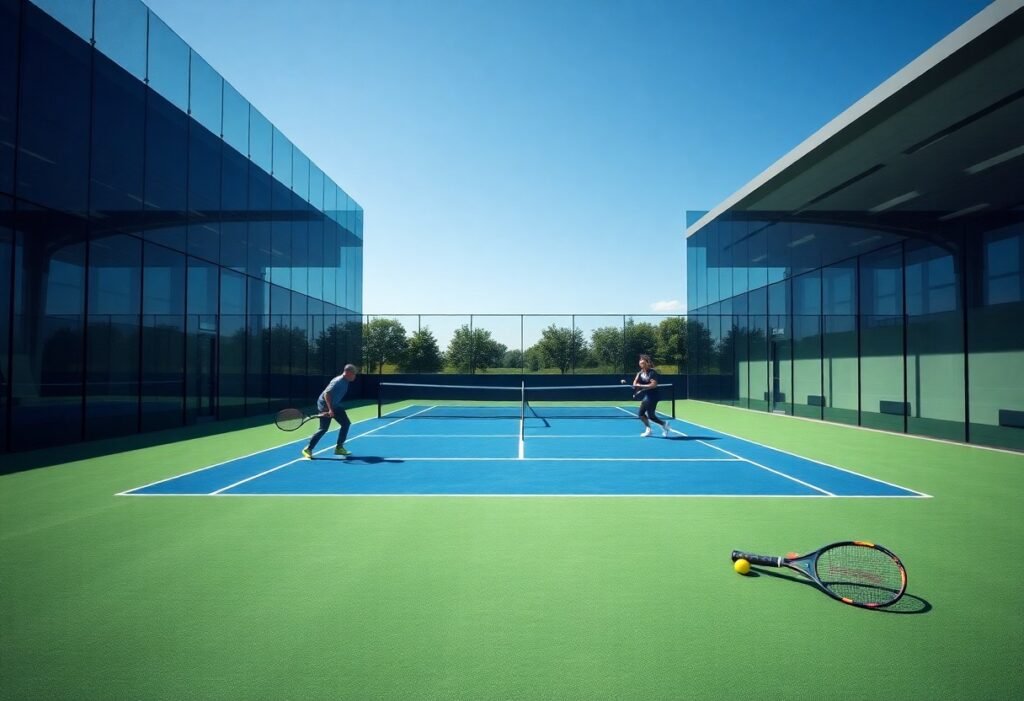
The growth of padel in the USA is directly tied to the rapid expansion of padel courts. Many urban areas are witnessing the construction of new facilities, catering to the increasing demand from players. You’ll find courts popping up not only in dedicated sports clubs but also in existing tennis complexes and even recreational parks, making the sport more accessible than ever.
Major Players in the Market
Several key organizations are driving the padel movement in the USA, each contributing to its popularity and accessibility. Notable companies like Paddle 8 and Padel USA are prominent leaders, establishing new venues and organizing events that attract players of all skill levels.
These major players are not only investing in court construction but also in promoting padel through tournaments, partnerships with local gyms, and community outreach programs. Their efforts facilitate an engaging ecosystem that nurtures both novice and experienced players alike. Companies are also focusing on providing high-quality equipment and coaching, further enhancing the overall experience for players and encouraging new entrants into the sport.
Industry Revenue and Economic Impact
The padel industry is generating significant economic impact, with revenues surging alongside the sport’s popularity. You can see tangible benefits in the number of jobs created, from court maintenance to coaching positions, reflecting a healthy growth trajectory.
Most recent estimates indicate that the padel market could reach revenues of $1 billion by 2025, driven by increasing participation rates and commercialization efforts. Sports tourism is also on the rise, as events and tournaments draw visitors, contributing to local economies. This combined growth sets a strong precedent for ongoing investment in padel infrastructure and service offerings, ensuring sustainability and further expansion of the sport.
Padel vs. Traditional Racquet Sports
Similarities and Differences
Both padel and traditional racquet sports share fundamental aspects, such as the use of rackets and the goal of scoring points by hitting a ball over a net. However, the key differences lie in the playing environment and rules: padel is played on a smaller, enclosed court allowing for unique dynamics and strategies, while traditional sports like tennis and squash occur on larger, open courts. For a deeper understanding of these differences, check out the Padel Surge in the U.S.: Courts, Players & Growth.
Cultural Appeal of Padel
The cultural appeal of padel stems from its accessibility and social nature. Unlike tennis, you don’t need extensive training to enjoy a game of padel, making it approachable for players of all ages and skill levels. This welcoming atmosphere fosters social interactions, drawing in diverse groups and creating a community around the sport.
This accessibility is key to padel’s rising popularity. You can easily find courts in urban and suburban areas, often adjacent to social hubs like restaurants and bars. This integration promotes not just the sport but also a lifestyle—people not only play but engage with a community that values fitness and connection. Events, leagues, and tournaments encourage participation and foster lasting relationships among players.
Health and Fitness Benefits
Engaging in padel offers numerous health and fitness benefits, combining cardiovascular exercise with agility and coordination training. The fast-paced nature of the game works your muscles and boosts endurance, contributing to overall fitness and weight management.
Additionally, you’ll experience improved hand-eye coordination and reflexes as you navigate the game’s quick exchanges. Padel also encourages social interaction, which can enhance mental well-being through community bonding. The blend of physical activity and social engagement makes it a holistic workout, supporting both your physical and emotional health effectively.

The Role of Technology in Padel
Innovations in Padel Equipment
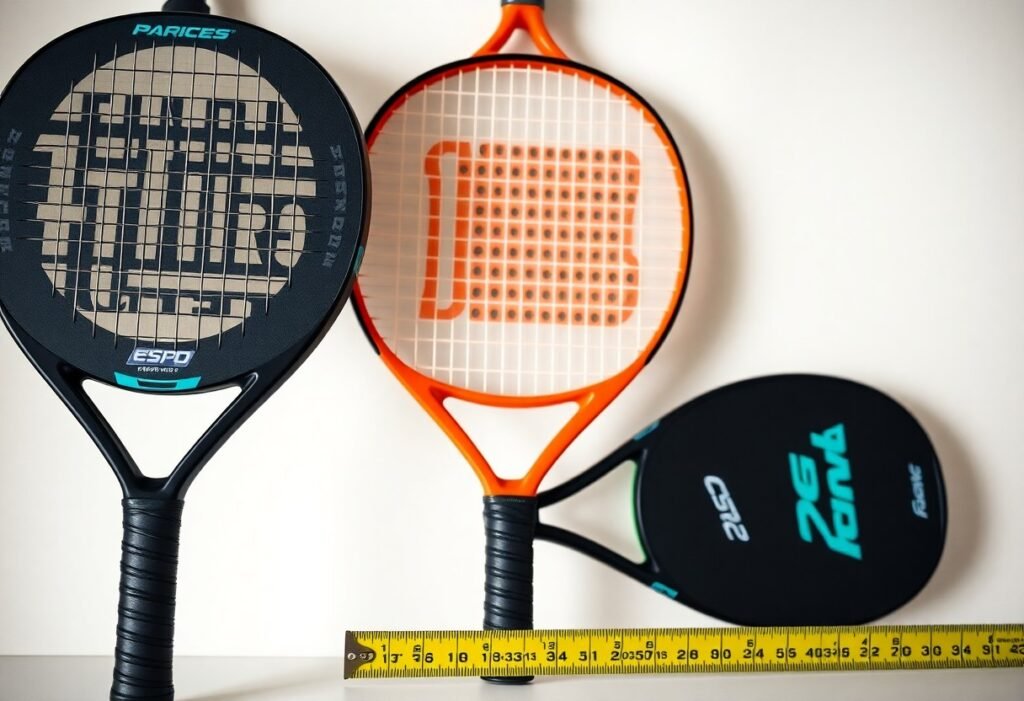
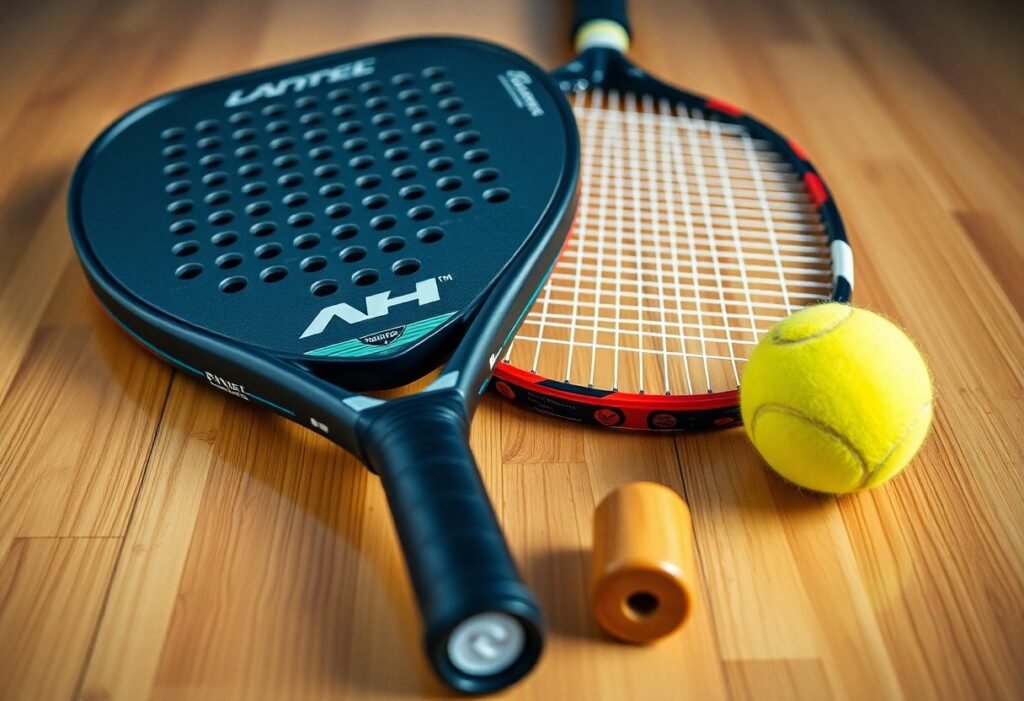
Recent advancements in padel equipment have significantly enhanced player performance and enjoyment. Manufacturers are utilizing high-tech materials such as carbon fiber and graphene, leading to rackets that are not only lightweight but also durable and powerful. Innovations like varying racket shapes and grip designs offer personalized options, allowing you to choose gear tailored to your playing style and skill level.
Digital Platforms for Engagement
Digital platforms are reshaping how you connect with the padel community. Apps and websites dedicated to padel facilitate match scheduling, player matchmaking, and event organization, serving as central hubs for enthusiasts. These platforms also provide training resources, tutorials, and analytics to help improve your game.
More specifically, platforms like Playtomic and Padelmanager have streamlined interactions within the sport. You can easily locate courts, track match statistics, and even book your games online. This level of connectivity enables a vibrant community, fostering both social interactions and competitive play, increasing your engagement with the sport.
Social Media Impact on Popularity
Social media platforms have played a significant role in popularizing padel, allowing you to access exhilarating content and engage with players worldwide. Influencers and professional players share their experiences, tutorials, and behind-the-scenes glimpses, amplifying the sport’s visibility.
By utilizing attention-grabbing videos and captivating stories, padel’s advocates have created a buzz that’s hard to ignore. Hashtags and challenges especially on platforms like Instagram and TikTok have driven user-generated content, encouraging greater participation and interest in the sport. You’ll find that this digital presence not only promotes the sport but also provides a sense of community among both veterans and newcomers.
Future Trends in Padel
Predictions for Growth and Development
Industry experts predict that the number of padel courts in the USA will increase by over 30% annually, driven by urban developments and community interest. Major sporting events and tournaments are also on the rise, providing exposure and a platform for aspiring athletes. You can expect significant investments from sports organizations, potentially leading to partnerships that will further promote the sport across diverse demographics.
Potential Challenges Ahead
As padel grows, it faces challenges such as competition from other sports, funding for infrastructure, and maintaining a consistent player base. Continued expansion requires strategic planning to effectively address these areas, especially in adapting to local preferences and potential market saturation.
Attracting sustainable funding remains a significant challenge. While interest is surging, many areas lack the infrastructure to support new courts and facilities. Additionally, you may encounter competition from established sports that can overshadow padel’s presence. As the market matures, aligning growth strategies with viable funding sources and community engagement will be imperative for long-term success.
Padel’s Role in American Sports Culture
Padel is swiftly securing its place within American sports culture, appealing to a broad audience by blending elements from tennis and squash. You will find it increasingly common to see pop-up courts at parks or clubs that emphasize inclusivity and community engagement, thus carving out a niche distinct from traditional sports.
This focus on community engagement is pivotal to padel’s embrace in American culture. As people seek social recreation and a healthier lifestyle, you will see a rise in clubs that host leagues and social events. The sport’s accessibility fosters a welcoming environment, making it an attractive option for players of all ages and skill levels, helping it embed itself within the American sports landscape.
To wrap up
On the whole, the rise of padel in the USA presents an exciting opportunity for you as a player, investor, or enthusiast. As the sport gains popularity, driven by its accessibility and community aspect, you can expect to see increased facilities and events in your area. Embracing this trend could enhance your recreational ventures or business prospects within the growing market, allowing you to be part of a dynamic and engaging sporting community.
FAQ
Q: What are the main factors driving the growth of padel in the USA?
A: Key factors include increased awareness of the sport, the friendly and social aspect of padel, investment from sports organizations, and the establishment of more facilities catering to players.
Q: How does padel compare to other racquet sports in terms of popularity?
A: Padel is gaining popularity rapidly, especially compared to tennis and squash, due to its accessibility, shorter learning curve, and appeal to a broader audience, including families and social groups.
Q: What demographic is primarily engaging with padel in the USA?
A: Padel is attracting a diverse demographic, including young adults, families, and older players, with a particular emphasis on urban areas where access to facilities is improving.
Q: What role does media coverage play in promoting padel?
A: Increased media coverage, including social media presence, professional tournaments, and player endorsements, is vital in promoting padel, raising awareness, and attracting new participants to the sport.
Q: What are the projected trends for padel’s growth in the next five years?
A: Projections indicate significant growth in the number of padel courts, increased participation rates, more competitions, and enhanced investment from sponsors and sports organizations, solidifying its presence in the American sports market.