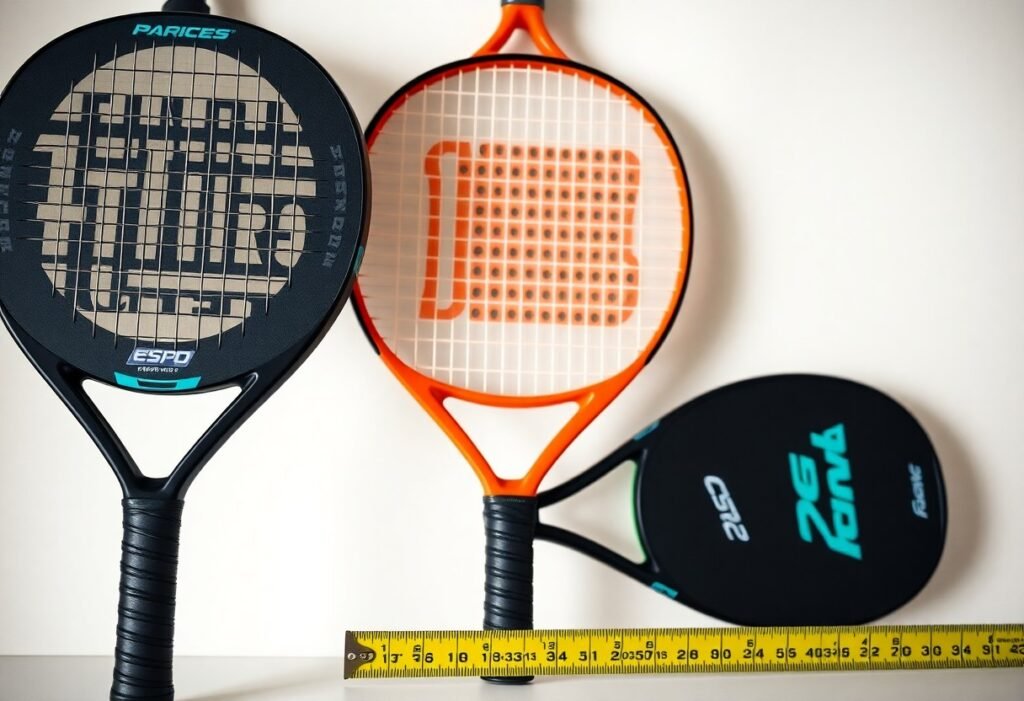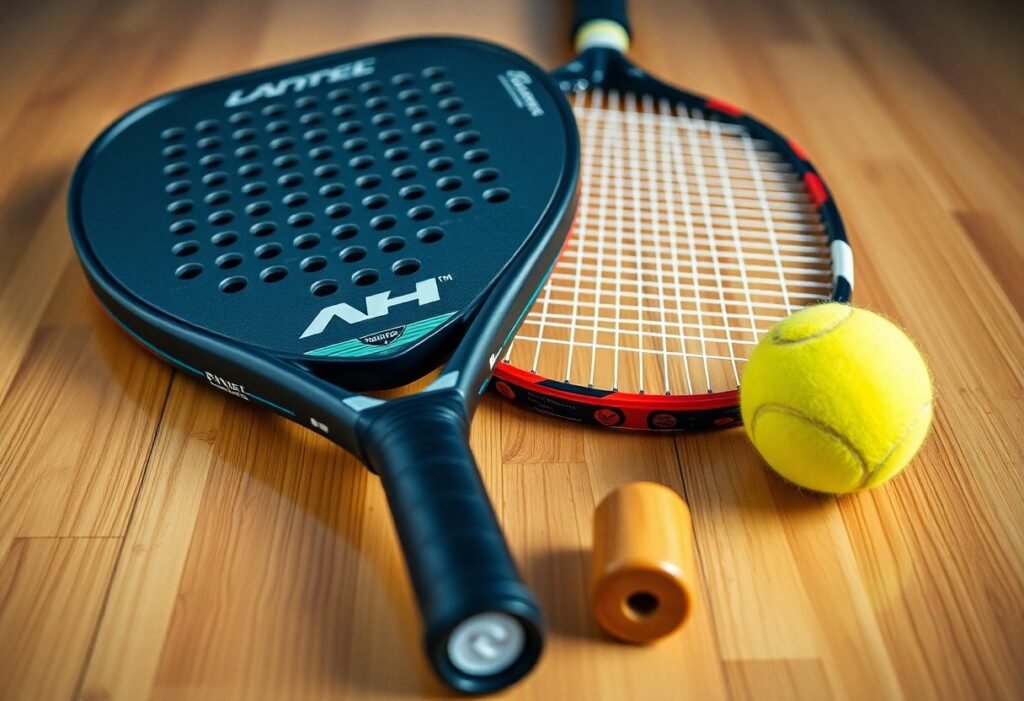

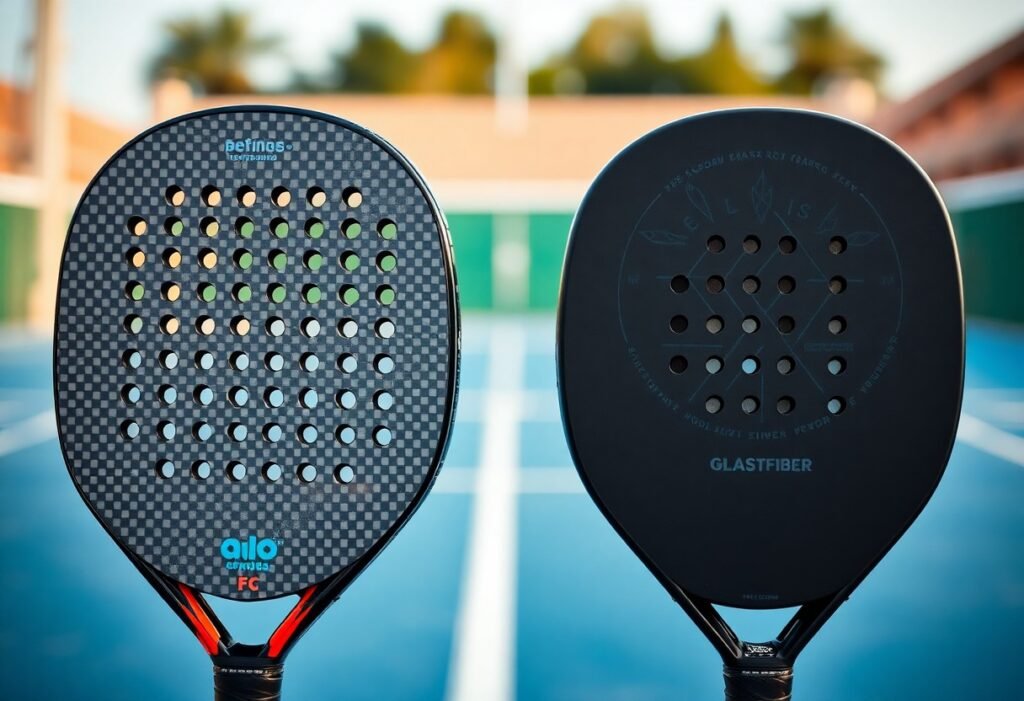
There’s a significant difference between carbon and glass fiber when it comes to padel racket materials. Understanding these differences can greatly impact your game performance and choice of equipment. Carbon offers superior strength and enhanced control, making it ideal for players seeking precision shots. In contrast, glass fiber is typically more affordable and provides excellent flexibility, which can be advantageous for beginners. By weighing the advantages of each material, you can make an informed decision that best suits your style and skill level.
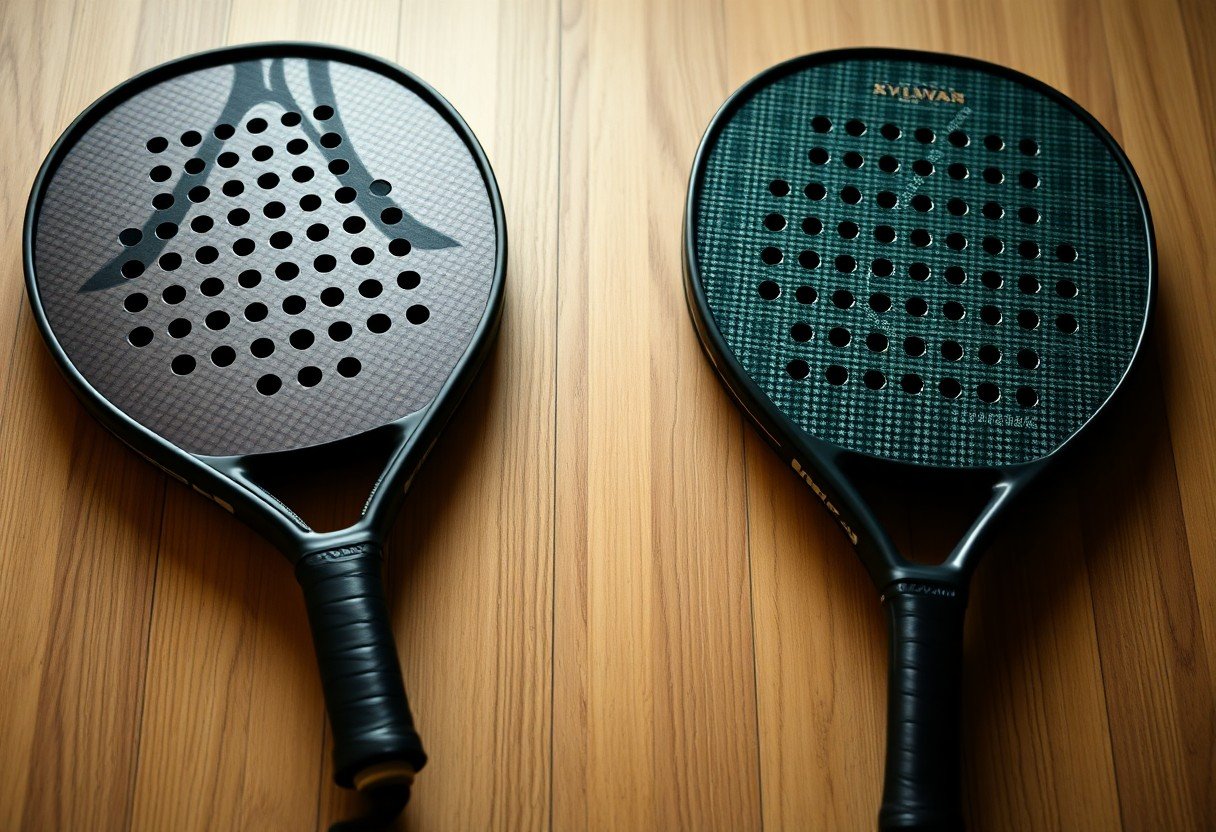
Key Takeaways:
- Carbon pads provide increased stiffness and power, ideal for advanced players seeking performance.
- Glass fiber offers greater flexibility and shock absorption, making it suitable for beginners and those prioritizing comfort.
- The choice of material affects durability, with carbon generally being more resilient than glass fiber.
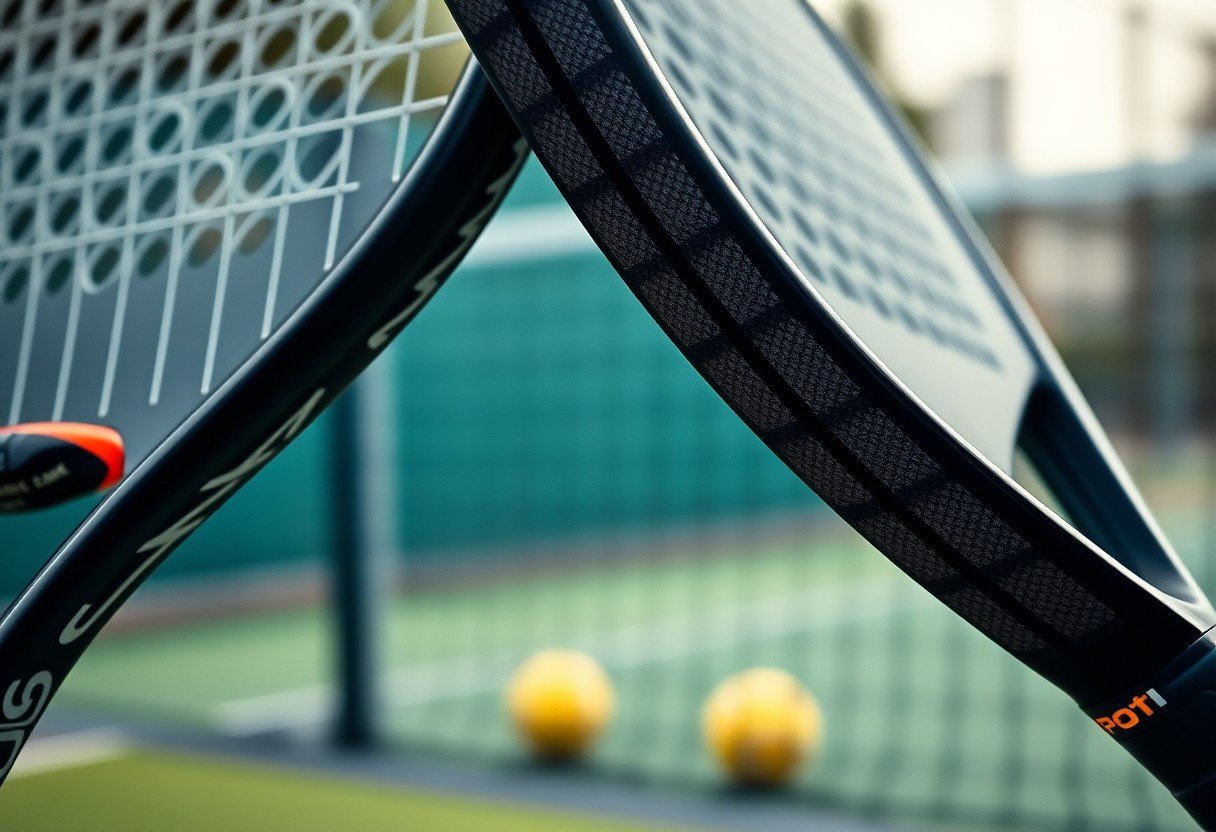
Overview of Padel Rackets
History of Padel Racket Design
The design of padel rackets has evolved significantly since their inception in the 1960s. Initially crafted from wood, rackets began to incorporate various materials to enhance performance. The introduction of composite materials, particularly in the 1980s, transformed the game, allowing players to enjoy increased power and control. Over the decades, innovations like perforated designs and thicker frames emerged, leading to the modern rackets you see today, which optimize both weight and balance for improved playability.
Importance of Materials in Performance
The materials used in padel rackets greatly influence your gameplay. Carbon and glass fiber are the primary options, each affecting durability, weight, and overall feel. Carbon rackets offer superior rigidity and responsiveness, catering to aggressive players seeking power. Conversely, glass fiber provides a softer touch and is more forgiving, making it ideal for beginners or those focused on control.
The choice between carbon and glass fiber shapes your experience on the court. Carbon rackets typically weigh less and can withstand the wear from frequent play, ensuring longevity. On the other hand, glass fiber racks have a larger margin for error, allowing for better ball placement and reduced mishits. Ultimately, understanding the distinct characteristics of each material can help you select a racket that complements your style, enhancing your performance and enjoyment of the game.
Materials Used in Padel Rackets
Carbon Fiber
When considering high-performance padel rackets, carbon fiber stands out as a top choice. Known for its exceptional strength-to-weight ratio, carbon fiber rackets provide impressive power and precision. You’ll notice a significant difference in stability and control during your play, making this material ideal for competitive players. For more insights on the best choices for your playstyle, check out The BEST Material For Your Padel Racket.
Glass Fiber
Glass fiber offers a more forgiving feel in padel rackets, making it a suitable option for beginners and recreational players. Its flexibility enhances maneuverability, allowing for easier ball handling and comfort during longer matches. While it may not deliver the same level of power as carbon fiber, glass fiber contributes to a softer touch that many players appreciate.
This material is often combined with other composites to enhance its performance. Rackets made with glass fiber provide increased durability and are generally more budget-friendly, perfect for those new to the sport. By understanding the strengths of both carbon and glass fiber, you can make an informed decision that aligns with your playing style and experience level.
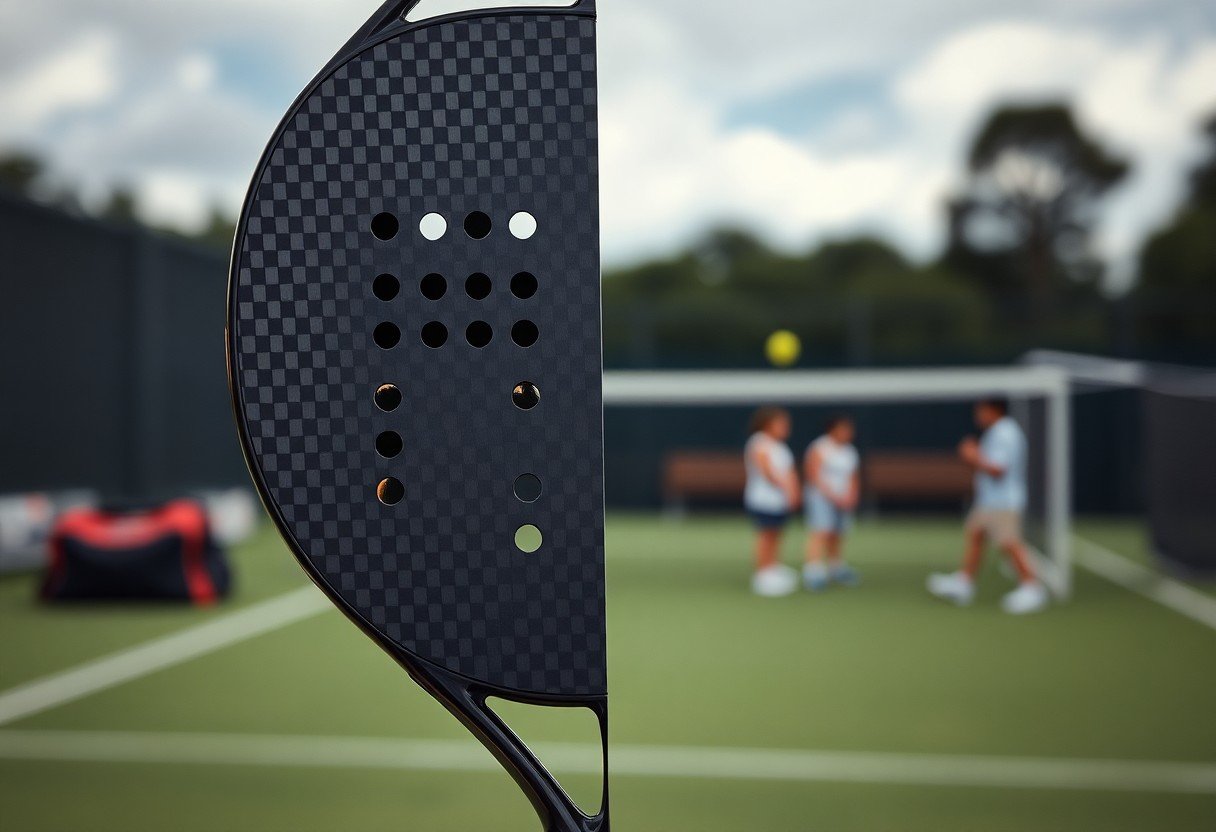
Performance Comparisons
| Aspect | Carbon Fiber |
|---|---|
| Durability | Exceptional strength, resistant to impact and wear |
| Weight | Lighter, providing enhanced maneuverability |
| Power Output | Great potential for power with precise hits |
| Vibration Dampening | Superior dampening for a smooth feel |
Durability and Longevity
Carbon fiber rackets are known for their exceptional durability, able to withstand high-impact play and resist deformations over time. In contrast, glass fiber models tend to wear out quicker, especially under frequent stress. If longevity is a priority for you, opting for a carbon fiber racket can lead to cost savings in the long run due to less frequent replacements.
Weight and Balance
Pertaining to weight, carbon fiber rackets are typically lighter, which enhances your agility and speed on the court. This allows for swift reactions and better control. On the other hand, glass fiber rackets often have a heavier feel, which can be beneficial for players who prefer a steadier grip and more stability during play.
The balance of a racket significantly affects your performance. A light carbon fiber racket enables you to execute quick swings and rapid movements, giving you a tactical advantage. Conversely, glass fiber’s heft can add stability but may hinder agility, impacting your quickness around the court. It’s crucial to choose the weight and balance that aligns with your playing style.
Power Output and Control
Your choice of material affects power output and precision. Carbon fiber rackets typically deliver higher power levels due to their stiffer composition, allowing for explosive shots. However, this may sometimes compromise control. On the contrary, glass fiber provides a softer feel, enabling better control at the cost of power. Tailoring your racket material to your playing preferences can enhance your overall game.
With carbon fiber, you can generate more power in your hits, making it suitable for aggressive players. However, if you value control and placement in your shots over raw power, a glass fiber racket can provide you with the feel necessary for finesse gameplay, ensuring precision on the court.
Vibration Dampening
Vibration dampening is a key factor for comfort during play. Carbon fiber rackets excel in this aspect by providing superior dampening properties, minimizing shock and strain on your arm. This allows you to play longer without fatigue. Glass fiber rackets, while offering some level of dampening, may not absorb vibrations as effectively, which could lead to discomfort during extended matches.
When you hit the ball with a carbon fiber racket, the reduced vibrations not only protect your arm but can also enhance shot consistency. On the other hand, if you often face wrist or elbow discomfort, the added vibrations from a glass fiber racket may exacerbate your problems, making it less suitable for prolonged use.
Cost Considerations
Price Range of Carbon Fiber Rackets
Carbon fiber rackets typically fall in the higher price range, often ranging from $200 to $500. This cost reflects the advanced materials and technology used, which provide excellent durability and performance benefits. Brands like Bullpadel and Adidas offer options at varying prices, making it possible to find something that matches your budget while enjoying the advantages of carbon fiber.
Price Range of Glass Fiber Rackets
Glass fiber rackets are usually more budget-friendly, with prices ranging from $100 to $250. These rackets offer solid performance for recreational players, making them an appealing choice for those who are just starting out or playing less frequently.
In the glass fiber category, numerous brands like Head and Wilson offer affordable options without compromising too much on quality. Models can vary significantly in price based on their features, but you can generally find a reliable glass fiber racket for under $200, providing excellent value for casual players looking to enjoy the game without a hefty investment.
Value for Money Analysis
When considering value for money, carbon fiber rackets deliver high performance and longevity, making them a worthwhile investment for regular players. Their higher price tag is justified by the benefits such as better power and control. Conversely, glass fiber rackets offer accessible pricing for beginners and those who play occasionally, making them a good choice for recreational use.
Ultimately, your choice depends on how frequently you play and your skill level. If you’re committed to improving your game, investing in a carbon fiber racket can enhance your performance and enjoyment. However, if you’re more casual, a glass fiber option can provide everything you need without breaking the bank. Balancing performance with budget will help you make the best decision for your padel journey.
User Preferences
Preferences Among Professional Players
Professional players overwhelmingly choose carbon fiber rackets due to their superior performance characteristics. The enhanced control and power provided by carbon fiber allow athletes to execute precise shots and maintain consistency during high-stakes matches. Many top players benefit from the lightweight nature of these rackets, enabling quick maneuverability and swift responses.
Preferences Among Amateur Players
Amateur players often lean towards glass fiber rackets given their affordability and greater forgiveness on less-than-perfect shots. These options provide adequate performance while being easier on the budget, catering to those still developing their skills.
For many amateurs, the forgiveness of glass fiber rackets enhances the learning experience, enabling you to enjoy the game without feeling overwhelmed by advanced equipment. Since these players tend to vary in skill levels and play styles, the softer feel and accessibility of glass fiber rackets often prove more appealing than the stiffer characteristics of carbon alternatives.
Influencing Factors in Material Choice
Factors influencing your choice between carbon and glass fiber include not only cost but also your playing style, skill level, and the frequency of play. For those who play often and prioritize performance, the investment in carbon fiber may offer greater value in the long run. The
- Skill level and experience
- Frequency of play
- Playing style preferences
- Budget limitations
Additionally, comfort and vibration dampening are significant, especially for amateur players who might experience fatigue or discomfort with heavier or stiffer rackets. The
- Comfort during play
- Vibration absorption
- Weight of the racket
- Personal play style
Future Trends in Padel Racket Materials
Innovations in Composite Materials
Recent advancements in composite materials are transforming padel rackets. Companies are experimenting with nano-reinforcements and advanced resin systems to enhance performance and durability. These innovations not only aim to improve strength-to-weight ratios but also to provide a more responsive feel during play, catering to players seeking enhanced control and power.
Sustainability in Padel Racket Manufacturing
The demand for sustainability is reshaping the padel racket industry. Manufacturers are increasingly adopting eco-friendly materials and production methods that reduce environmental impact. This shift is not only beneficial for the planet but also appeals to consumers who prioritize sustainable practices in their purchasing decisions.
As the padel community grows more eco-conscious, you can expect increased use of biobased resins and recycled fibers in racket construction. Companies like Bullpadel and Wilson are leading the charge, implementing green certifications and transparent supply chains. Additionally, the integration of circular economy principles aims to minimize waste from production to end-of-life recycling options, creating a more responsible approach to manufacturing.
Potential for Hybrid Materials
Hybrid materials are gaining traction in the design of padel rackets, combining the benefits of carbon fiber and glass fiber. This approach provides a balanced mix of strength, flexibility, and affordability, giving players more options tailored to their performance needs.
By incorporating hybrid materials, you can benefit from enhanced performance characteristics without the steep price tag of 100% carbon rackets. Brands are experimenting with layering techniques that optimize impact resistance while maintaining vibration dampening properties. The result is a racket that delivers an impressive combination of power and control, appealing to a wider range of skill levels and playing styles. As technology evolves, the potential for tailored combinations of materials will only expand, addressing the specific demands of players like you.
To wrap up
Summing up, choosing between carbon and glass fiber for your padel racket significantly impacts your performance. Carbon offers superior stiffness and responsiveness, ideal for advanced players seeking power and control. In contrast, glass fiber provides a more flexible feel, making it a suitable choice for beginners or those prioritizing comfort over performance. Your decision should align with your playing style, skill level, and personal preferences to enhance your game effectively.
FAQ
Q: What are the main differences between carbon and glass fiber in padel rackets?
A: Carbon is lighter and stiffer, providing better power and control. Glass fiber is more flexible and offers better shock absorption, making it ideal for beginners.
Q: How does the material affect the performance of a padel racket?
A: Carbon rackets enhance performance by delivering more power and precision, while glass fiber rackets often provide a softer touch and improved comfort during play.
Q: Which material is more durable for padel rackets?
A: Carbon is generally more durable, resisting deformation and wear over time. Glass fiber, while still durable, may show signs of wear sooner under heavy use.
Q: Can beginners benefit from using a carbon padel racket?
A: Beginners may prefer glass fiber rackets for their forgiveness and comfort. However, some might opt for carbon if they seek advanced performance right from the start.
Q: What is the cost difference between carbon and glass fiber padel rackets?
A: Carbon rackets are typically more expensive due to higher production costs and advanced technology, while glass fiber rackets are more budget-friendly.