

Over the years, padel has gained immense popularity, and understanding the correct court dimensions and setup is important for both players and facility operators. You will see that a standard padel court measures 20 meters long and 10 meters wide, surrounded by walls that play a key role in the game. Proper setup ensures optimal gameplay and safety, preventing injuries from improper design. This guide will equip you with the necessary knowledge to either build your own court or enhance your understanding of existing ones.
Key Takeaways:
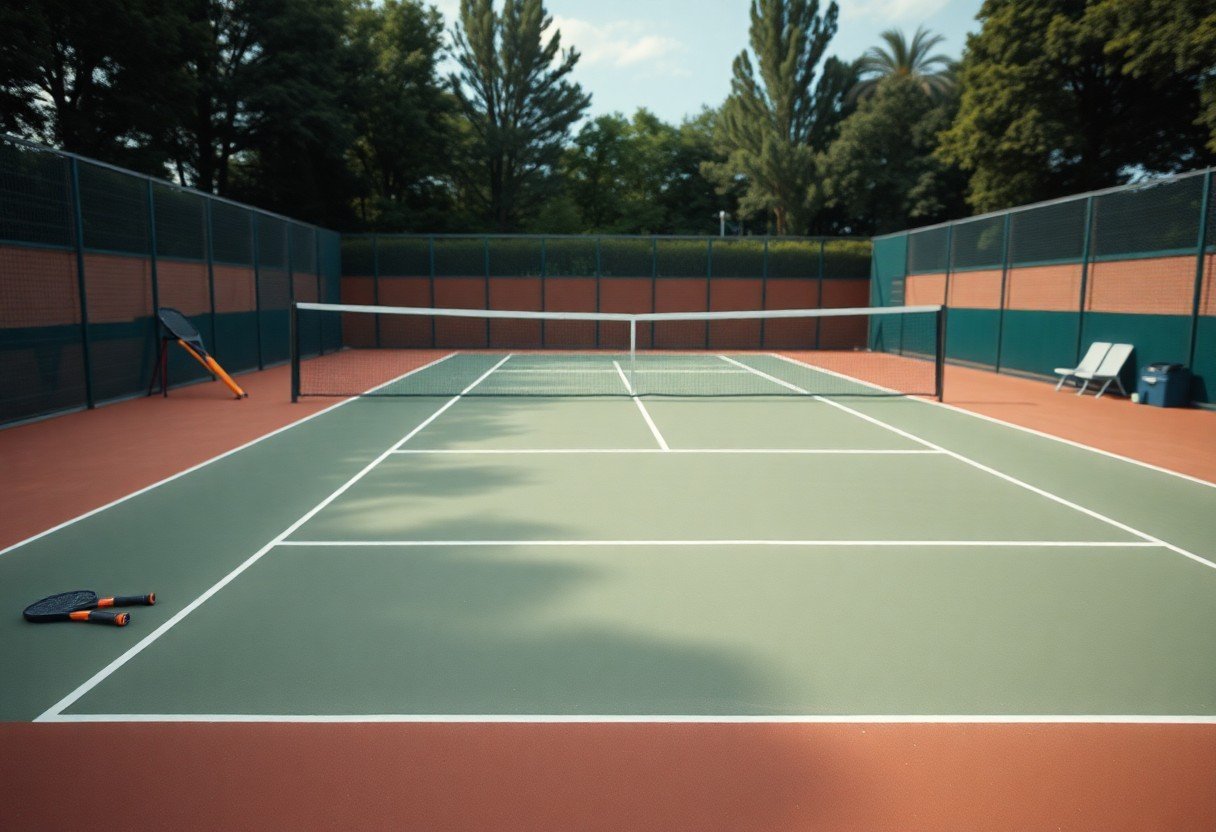
- Padel courts measure 20 meters long and 10 meters wide, with a height of 3 meters for the walls.
- The court is enclosed with glass and metallic structures, providing a unique playing experience.
- A standard padel court is divided into two halves by a net placed at a height of 88 centimeters.
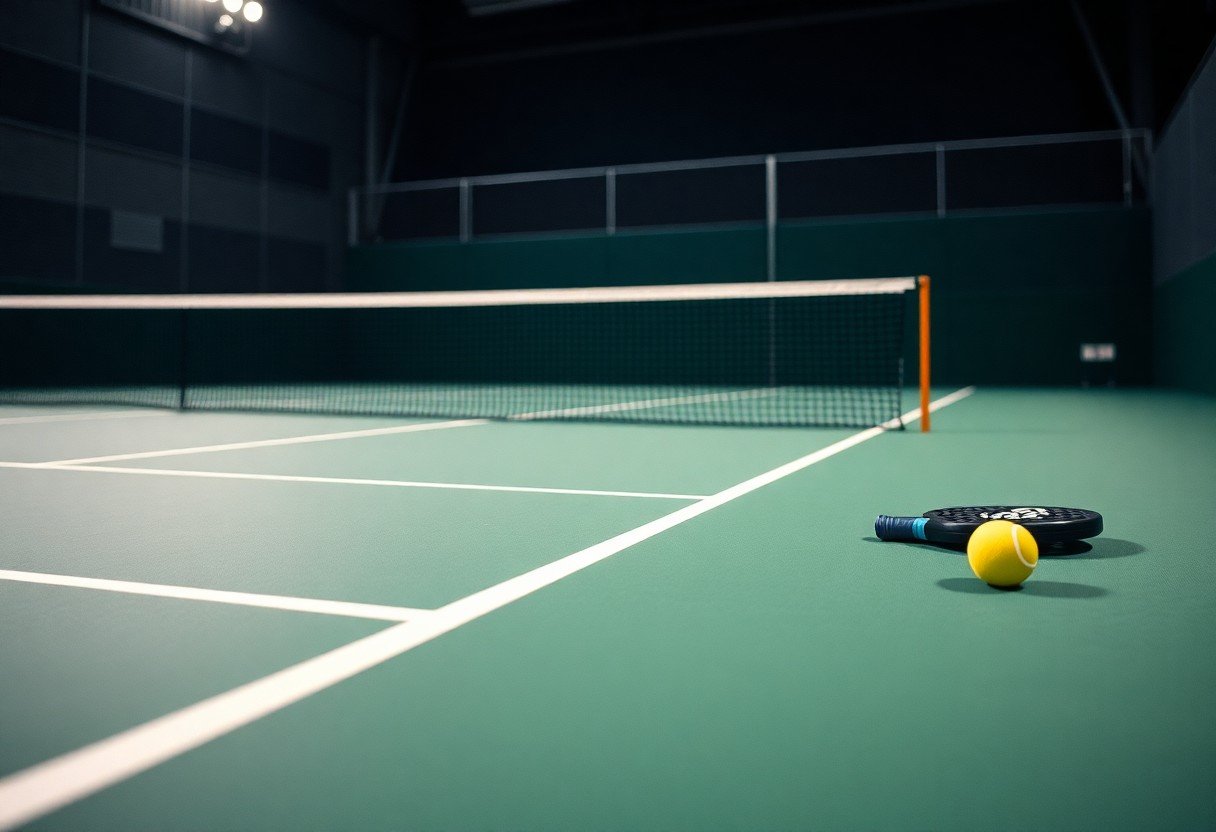
Understanding Padel
History of Padel
Padel originated in the late 1960s in Mexico when Enrique Corcuera created a smaller version of tennis, incorporating walls from his private home. The sport quickly gained traction in Spain, where it evolved with standardized regulations, and by the 1980s, it became widely popular across Europe. Today, padel boasts a rich sporting heritage, combining elements from tennis and squash, making it unique and engaging.
Popularity and Global Reach
Padel’s popularity has skyrocketed, turning it into one of the fastest-growing sports worldwide. With estimated global players exceeding 25 million, you can find padel courts in over 90 countries, including booming communities in Sweden, Italy, and Argentina. The sport’s accessibility, social aspects, and entertaining gameplay help explain its expanding fan base.
In Spain alone, over 4 million people play padel regularly, showcasing its cultural integration. Unique tournaments, such as the World Padel Tour, attract significant media coverage and sponsorship deals, enhancing global visibility. As properties and facilities develop, the sport continues to cultivate an international community and engage diverse demographics.
Basic Rules and Gameplay
Understanding the basic rules of padel is key to enjoying the game. The match typically consists of doubles teams, with the objective being to score points by grounding the ball in your opponent’s court. Players serve from below the waist, and the ball must first bounce in the service box before the opponent can return it.
Scoring resembles tennis, with games to four points and sets usually played up to six games. You also have the option to use the walls strategically, adding a layer of complexity. Familiarizing yourself with these rules enhances your experience on the court and improves your overall game play.
Padel Court Overview
Definition of a Padel Court
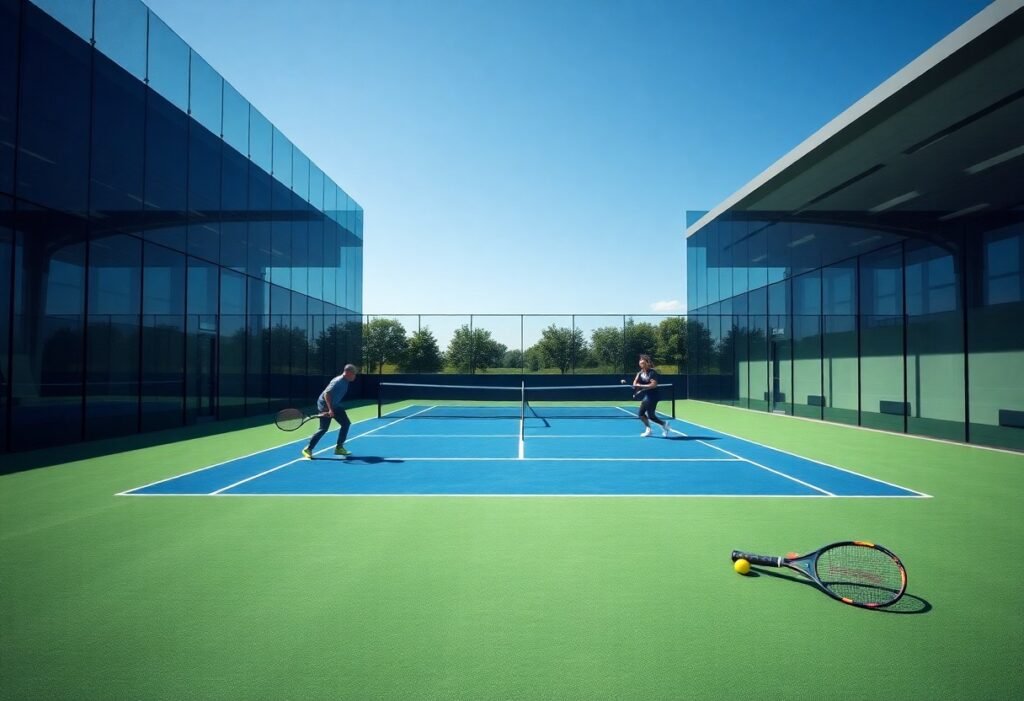
A padel court is a rectangular area specifically designed for the sport of padel, typically measuring 20 meters long and 10 meters wide. Enclosed by glass walls and fencing, the court promotes dynamic gameplay, allowing for both indoor and outdoor play. The surface usually consists of artificial turf, providing the ideal balance of grip and slide for your movements during a match.
Types of Padel Courts
There are primarily two types of padel courts: indoor and outdoor. Indoor courts are fully enclosed, providing a controlled environment free from weather interference. Outdoor courts typically feature hard surfaces that can be adapted to various weather conditions. Each type contributes distinct challenges and advantages, impacting how you enjoy and improve your game.
| Type | Description |
| Indoor Court | Enclosed, ideal for all-weather play. |
| Outdoor Court | Exposed to elements, often versatile. |
| Glass Wall Court | Walls are primarily glass, enhancing visibility. |
| Hybrid Court | Mix of surfaces for diverse play styles. |
| Portable Court | Temporary setups for events or recreational use. |
With the growing popularity of the sport, the variety of padel courts is expanding. Indoor courts are prevalent in areas where weather could hinder play. Outdoor courts can provide breathtaking surroundings, often becoming focal points in recreational parks. As you explore these options, consider factors such as location, surface type, and accessibility that best suit your playing style and community needs.
- Indoor courts offer a consistent playing environment.
- Outdoor courts can vary with weather conditions.
- Glass wall courts improve spectator experience.
- Hybrid courts cater to different player preferences.
- Portable courts are great for events or temporary setups.
Any choice you make in terms of court type will significantly impact your experience in playing padel.
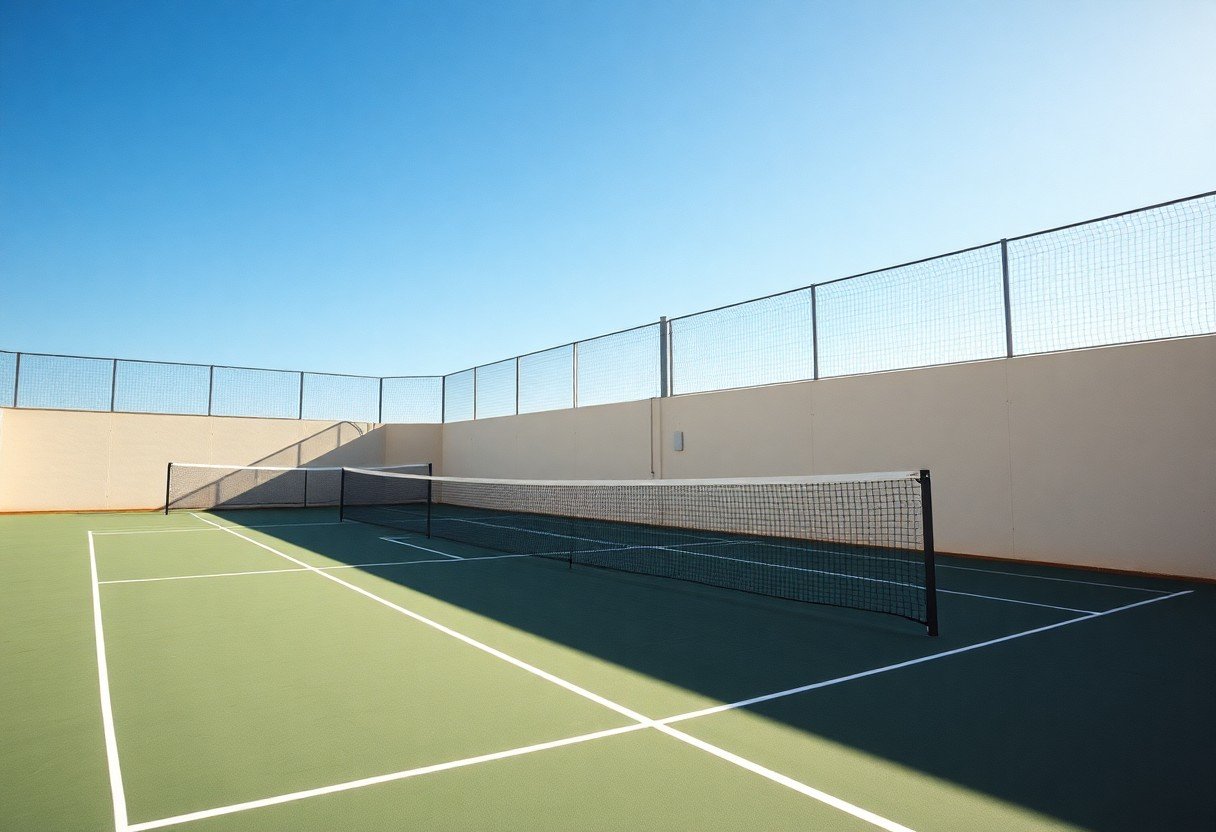
Padel Court Dimensions
Standard Dimensions Explained
The standard dimensions for a padel court are 20 meters in length and 10 meters in width, surrounded by walls that are 3 to 4 meters high. The playing area is divided by a net in the center, creating two equal halves. Ensuring these dimensions is important, as they provide the ideal space for both recreational and competitive play.
Differences in Dimensions for Various Court Types
Padel courts can vary in size depending on their type. While the standard court dimensions are consistent, you may encounter other formats such as mini-courts for beginner players, which are typically smaller, or custom courts designed for specific venues. These variations can impact gameplay and player development.
- Standard Courts: 20m x 10m
- Mini-Courts: 10m x 6m
- Custom Courts: Vary according to venue
- Indoor/Outdoor Courts: Similar standards
- Differences may affect gameplay
| Type of Court | Dimensions |
| Standard Court | 20m x 10m |
| Mini Court | 10m x 6m |
| Professional Court | Standard dimensions |
| Training Court | Varies by training goals |
| Custom Sized Courts | Adapted for space |
When considering the differences, mini-courts cater to younger players while maintaining the essence of the game. For professionals, standard courts ensure that international regulations are met for tournaments. Custom sized courts might be tailored to fit specific environments, making them suitable for varied audiences. Assume that each type of court serves a particular purpose in enhancing player experience.
Impact of Court Size on Gameplay
The size of the court can significantly affect the style and pace of play. On larger courts, rallies tend to be longer, and strategies adapt to exploit space. In contrast, smaller courts can speed up the game, encouraging quick reflexes and rapid exchanges between players.
As you engage in matches, consider how court size dictates your movement and shot selection. Larger courts allow for a more strategic approach, leveraging angles and space. Meanwhile, on smaller courts, you may find yourself relying on precision and speed. Thus, the court’s dimensions play a fundamental role in shaping your overall performance. Ultimately, the court’s impact should inform your training and strategy. Assume that understanding these dynamics can enhance your game significantly.
Court Setup Requirements
Surface Materials
The choice of surface materials directly impacts gameplay and player safety. Common options for padel courts include artificial grass, which provides excellent grip and shock absorption, and acrylic surfaces, known for their durability and low maintenance. When dicking out a surface, consider factors like drainage, weather conditions, and player preferences to ensure an optimal playing experience. For a comprehensive overview of required dimensions, refer to the Padel Court Dimensions Guide.
Fencing and Enclosure Specifications
Fencing enclosures typically measure 3 meters high on the sides and 4 meters high at the back. This height helps maintain the pace of the game while preventing balls from leaving the court. Opt for clear or green powder-coated wire mesh that offers visibility and a professional appearance. The fencing must be tensioned correctly to withstand impacts from high-speed balls.
Lighting Considerations
Your padel court requires adequate lighting for both day and night play. Typically, a minimum illumination level of 300 lux is recommended to ensure fair visibility without glare. Use LED lights for their energy efficiency and longevity, and position them to minimize shadows on the court. A mix of overhead and sidelight placements often works best for even illumination.
Proper lighting brings a significant enhancement to the game, allowing players to maintain focus on the ball and reducing the risk of injuries due to poor visibility. You may want to consider adjustable fixtures to cater to various lighting conditions and time of day, ensuring that every match can proceed unaffected by natural light changes.
Essential Features of a Padel Court
Net Specifications
The net on a padel court is set at a height of 88cm in the center and 92cm at the ends. This height ensures that players can engage in dynamic rallies while also facilitating strategic shot placements. The net is divided into two sections by a central strap, providing clear boundaries for each side of the court.
Benches and Spectator Areas
Benches for players and designated spectator areas are crucial. Typically, you will find benches located outside the court’s playing area, allowing you to rest between games while maintaining visibility of the match. Spectator areas should be designed to ensure comfort and optimal viewing angles.
Providing shaded or covered benches enhances the overall experience, particularly during hot weather. You should also consider the distance from the court; spectators ideally sit at least 1.5 meters away to avoid interference while not obstructing the view. Layout also plays a role, with proper placement needed to enhance both safety and engagement.
Accessibility Features
Accessibility features in a padel court are designed to ensure that everyone can enjoy the game. Your court should include ramps, wide gates, and adequate space for maneuvering wheelchairs or other mobility devices, creating an inclusive environment for all players and spectators.
Integrating these features not only adheres to regulations but also promotes a welcoming atmosphere for all. Facilities such as accessible restrooms and seating can further enhance the experience, demonstrating an understanding of diverse needs. This fosters community engagement and encourages participation from a broader audience, making padel a more inclusive sport.
Maintenance and Safety Standards
Regular Maintenance Practices
To ensure optimal gameplay and safety, you should implement regular maintenance practices for your padel court. This includes routine inspections of the court surface, net, and surrounding areas, focusing on removing debris and checking for wear and tear. Schedule deep cleaning and repairs at least biannually to prevent accidents and maintain court quality.
Safety Regulations and Compliance
Adhering to safety regulations is vital for minimizing risks during gameplay. You are responsible for ensuring your court meets local safety standards, which may include specific guidelines regarding surface materials, fencing heights, and lighting. Regular audits and compliance checks will protect both players and your facility.
Local safety regulations often require the implementation of emergency protocols, including first-aid readiness and clear signage for escapes and safety exits. Staying updated on these guidelines not only ensures compliance but also enhances player confidence in using your facility.
Surface and Equipment Safety Checks
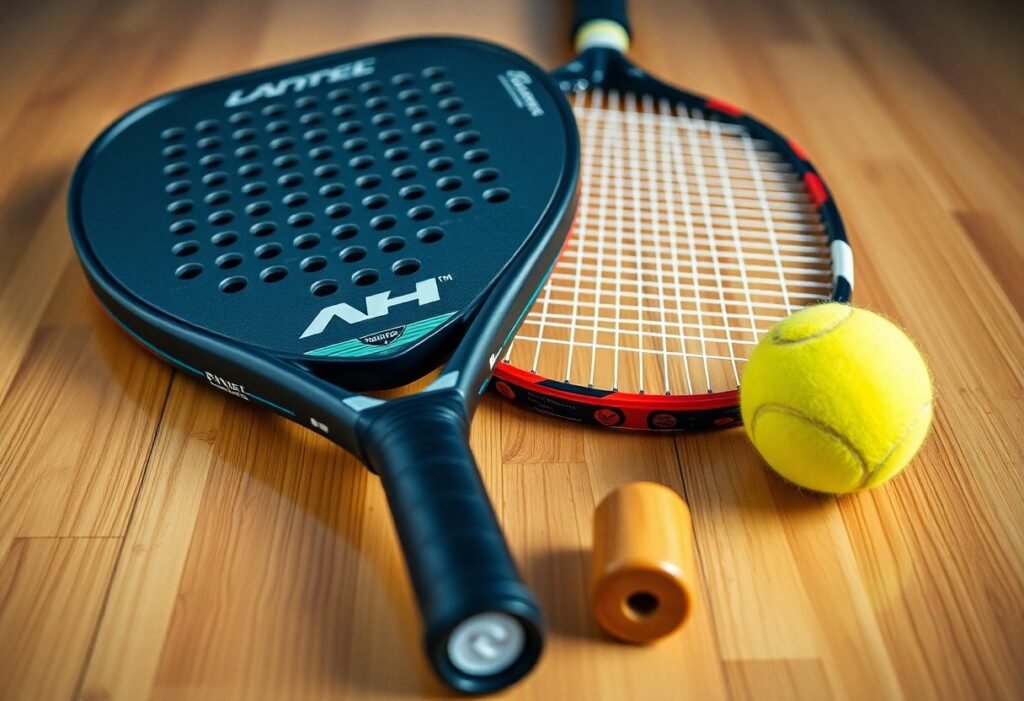
Regular surface and equipment safety checks are crucial for maintaining a hazard-free environment. Inspect the court surface for cracks and unevenness, which could lead to injuries during play. Additionally, equipment like racquets and balls should be assessed for wear, ensuring they meet the required safety standards.
Performing surface and equipment safety checks involves a systematic approach. You should check the court surface for any visible damage or degradation that could compromise players’ footing. Test the tension of the net and inspect the quality of racquets and balls, replacing any that are worn or damaged, ensuring a safe and enjoyable gameplay experience.
Final Words
As a reminder, understanding padel court dimensions and setup is crucial for creating an optimal playing environment. You should ensure that the court is 20 meters long and 10 meters wide, with appropriate net height and clearances around the playing area. Proper installation of walls and flooring will enhance gameplay and maintain safety for you and your opponents. By following these guidelines, you can enjoy an enhanced padel experience whether you are setting up your own court or familiarizing yourself with existing facilities.
FAQ
Q: What are the official dimensions of a padel court?
A: A standard padel court measures 20 meters long and 10 meters wide. The playing area is enclosed with walls that are 3 meters high on the sides and 4 meters high at the back.
Q: How should the flooring of a padel court be constructed?
A: The flooring should be made of a non-slip material, ideally a combination of artificial grass and sand. This surface allows for optimal traction and ball bounce during play.
Q: What are the net specifications for a padel court?
A: The net should be 10 meters long and 0.88 meters high at the center and 0.92 meters at the sides. It divides the court into two equal halves for play.
Q: What is the recommended height for the ceiling above a padel court?
A: The ceiling should be at least 6 meters high above the playing area to ensure that high shots do not interfere with play.
Q: How should lighting be set up for a padel court?
A: Lighting should provide a uniform illumination of at least 300 lux on the playing surface. It is best to install lights approximately 4 to 6 meters above the ground to reduce shadows and ensure visibility.