

You can take advantage of the rapidly growing popularity of padel in America, which presents numerous business opportunities. As more locations open, you have the chance to invest in facilities, offer coaching services, or even host tournaments. This sport appeals to a wide demographic, making it ideal for attracting diverse customers. However, understanding the competitive landscape and potential challenges is necessary for your success in this emerging market.
Key Takeaways:
- Rapid growth in popularity, especially among millennials and families, presents a fertile ground for new investments.
- Establishing padel clubs and indoor facilities can cater to rising demand for recreational sports and social activities.
- Collaborations with schools and community organizations can enhance outreach and establish padel as a mainstream sport.

Understanding Padel
Overview of Padel
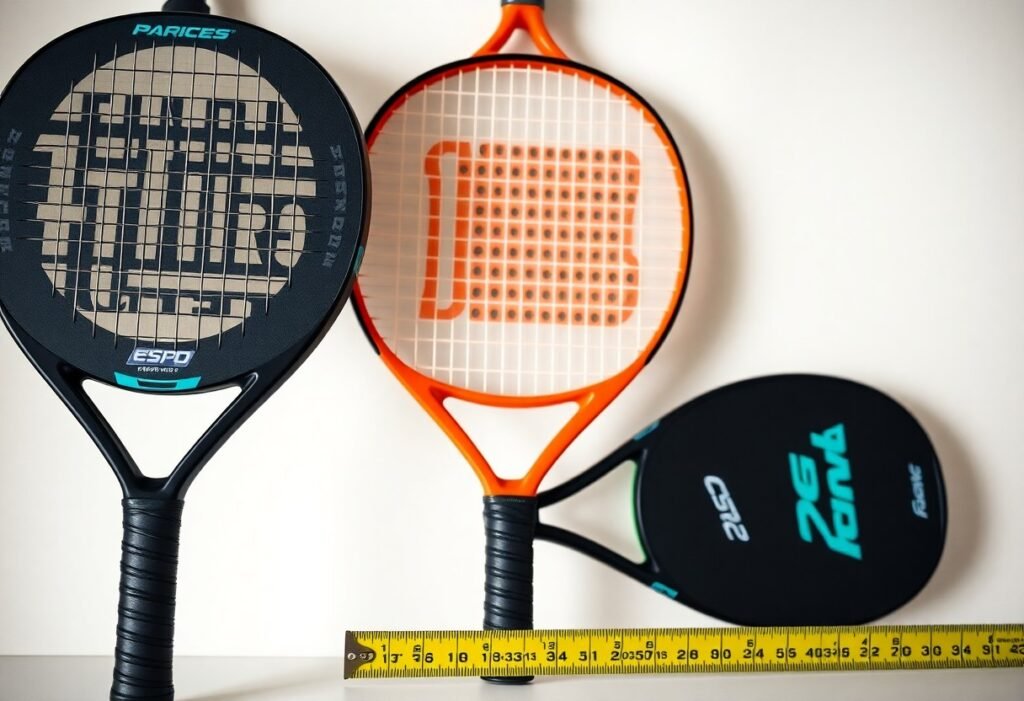
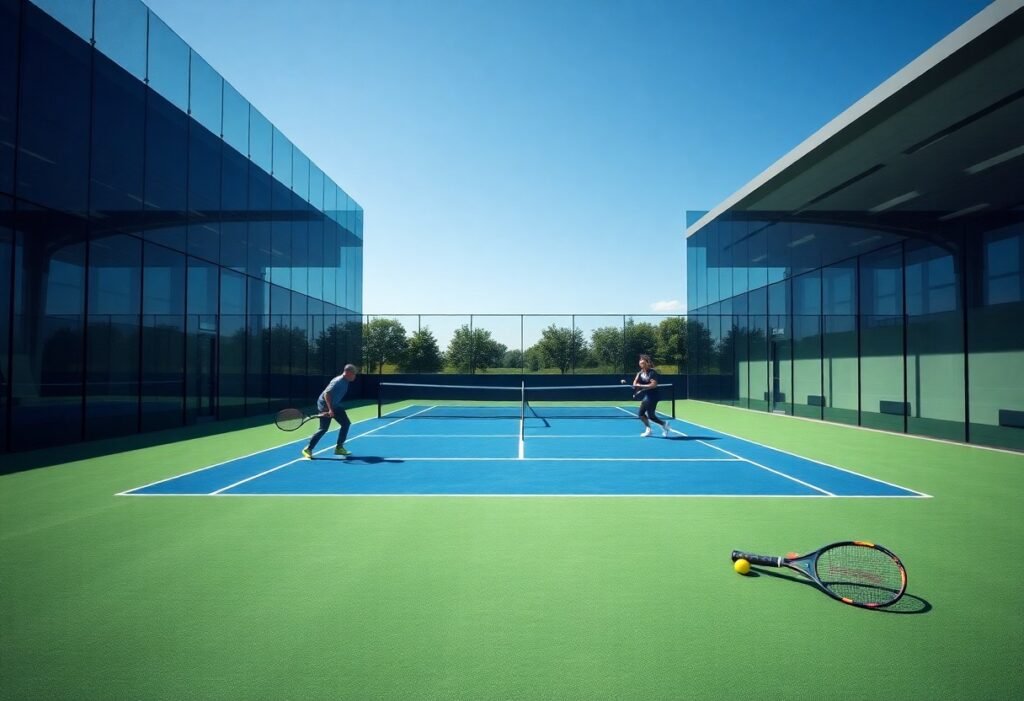
Padel is a fusion of tennis and squash, played in doubles on a smaller, enclosed court. You utilize a solid racket and a low-compression ball, emphasizing strategy and teamwork over sheer power. This accessible sport appeals to a broad audience, making it ideal for social play and competitive leagues alike.
History of Padel
Originating in the 1960s in Mexico, padel was developed by Enrique Corcuera, who adapted his squash court to create a new game. The sport quickly gained traction in Spain and Latin America, evolving into a popular pastime across Europe and beyond.
By the 1970s, padel had established itself in Spain, where it flourished alongside tennis. It became a professional sport in the 1980s with the formation of federations and tournaments, leading to its expansion into other European countries such as Italy and Sweden. Different leagues and organizations were formed, contributing to its global presence and establishing a community of dedicated players.
Popularity Surge in America
In recent years, padel’s popularity in America has skyrocketed, fueled by the sport’s engaging nature and community-driven environment. You’ll find new courts popping up across major cities, attracting players from various backgrounds and skill levels.
As of 2023, the number of padel players in the U.S. has seen a remarkable increase, with estimates exceeding 5 million participants. Strategic investments by both local clubs and major sports organizations are driving this growth. Events like the World Padel Tour are beginning to showcase American talent, solidifying the country’s presence in the global padel landscape.
Market Analysis
Current State of the Padel Market
The padel market in America is currently in its infancy, yet showing promising signs of growth. Participation rates are increasing, particularly among millennials and younger demographics, with the sport gaining traction in metropolitan areas and resort destinations. Major cities have seen a rise in dedicated padel clubs, while existing tennis facilities are incorporating padel courts to attract a broader audience.
Growth Potential and Trends
With an uptick in interest, the potential for padel in the U.S. is significant, bolstered by trends favoring social and accessible sports. The rise of mobile apps for court booking and social play is enhancing player engagement. Furthermore, partnerships with fitness brands and celebrities are elevating the sport’s profile and facilitating its integration into the mainstream.
The trend towards health and wellness has spurred interest in padel, aligning with your goals of attracting participants seeking engaging physical activities. Enthusiasts can expect an increase in organized tournaments and leagues as well as sponsorship opportunities, enriching the overall ecosystem surrounding the sport. International events may also amplify exposure, creating avenues for brands to connect with a growing community.
Key Demographics and Audience
Your target audience for padel includes a diverse mix of age groups, with a core focus on millennials and Generation Z, as they value social interaction and fitness. This demographic is largely urban-centric, with an affinity for activities that integrate community elements and physical challenge.
As you analyze key demographics, it becomes clear that students, young professionals, and families are primary participants. The sport’s low barrier to entry appeals to beginners, while its competitive nature attracts more serious players. Engaging this audience through social media campaigns and local events can significantly enhance participation rates and community involvement in your padel ventures.
Investment Opportunities
Padel Courts Construction
Investing in padel court construction presents a lucrative opportunity as demand for the sport grows in America. Opting for high-quality, durable materials ensures longevity and player satisfaction. Consider targeting urban areas where space is limited; modular court designs can be an effective solution. Successful developers have seen profits surge by engaging local clubs and schools as partners, creating community-focused facilities.
Equipment Manufacturing and Retail
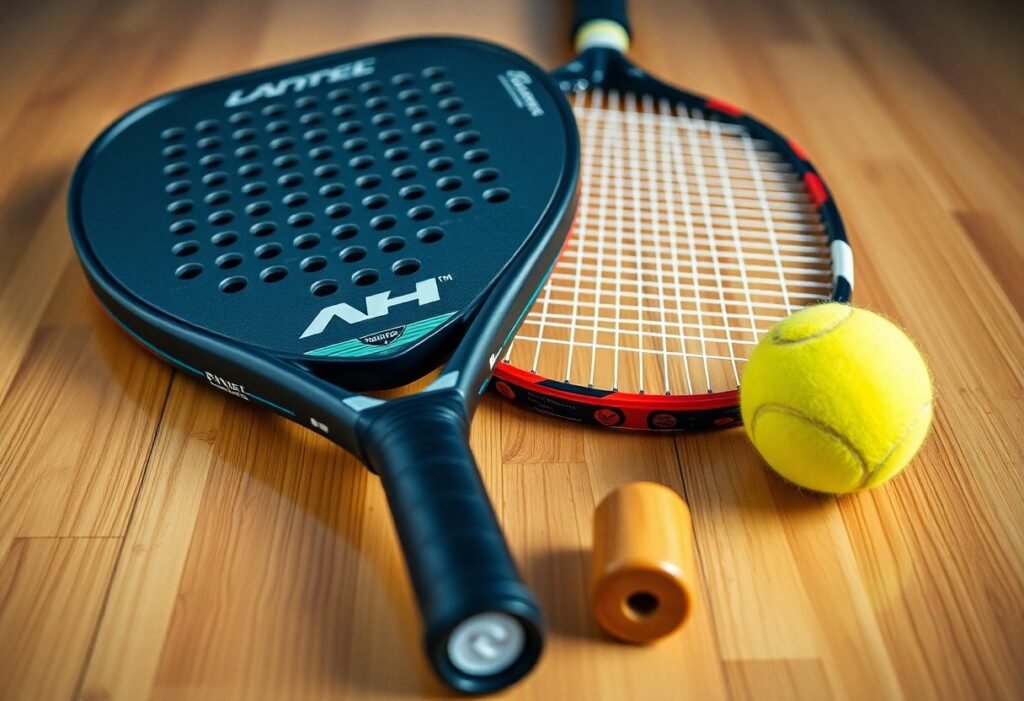
The market for padel equipment manufacturing and retail is expanding rapidly. As interest builds, so does the need for quality paddles, balls, and apparel tailored to players’ preferences. By analyzing trends in other leading countries, you can curate product lines that resonate with emerging American players, thereby maximizing your sales potential.
Innovation in equipment design can differentiate your brand. Collaborate with local athletes to create signature gear that enhances performance and fosters loyalty. With the global market for sports equipment valued at over $145 billion, entering the padel sector at this early stage provides significant growth potential, especially as you capitalize on marketing strategies targeting emerging demographics.
Franchise Models and Partnerships
Exploring franchise models and partnerships can streamline your entry into the padel market. By aligning with established brands, you benefit from their expertise, resources, and customer base. This arrangement significantly lowers initial risks while enhancing your visibility in a burgeoning sport.
Establishing a franchise network allows you to leverage brand recognition and operational efficiencies. Through robust training programs and support from your franchisor, you can maintain quality standards across multiple locations. As the popularity of padel surges, your franchised outlets can cater to various demographics, potentially leading to a rapid increase in revenue streams and brand loyalty.

Marketing Strategies
Promoting Padel through Social Media
Social media is your best ally in promoting padel. Utilize platforms like Instagram, Facebook, and TikTok to showcase vibrant visuals of padel matches, player testimonials, and community activities. Engaging content can spark intrigue, and you can leverage hashtags like #PadelAmerica to connect with a broader audience. Regular posting and interaction with followers will help foster a passionate online community around padel.
Leveraging Influencers and Sponsorships
Partnering with influencers who resonate with your target audience can amplify your marketing efforts. By aligning with sports enthusiasts or lifestyle influencers, you can create authentic content that highlights padel’s benefits, driving interest and participation. Influencers can create engaging videos or stories around padel, ultimately fostering a deeper connection with potential players.
Consider cases like strategic alliances with local athletes or well-known sports figures that resonate with your brand. When they share their personal experiences with padel, it builds trust and credibility. For example, sponsoring regional tournaments or local clubs and having influencers promote them can draw attention, attracting participants and spectators alike. These combined efforts not only increase visibility but also encourage a community feel around the sport.
Community Engagement and Events
Hosting community events is a powerful way to engage locals and bolster interest in padel. Organizing free trial days, friendly competitions, or social mixers creates opportunities for people to experience the sport firsthand. By promoting inclusive participation, you foster a welcoming atmosphere that encourages newcomers to join the community.
Events such as charity tournaments can significantly boost your local presence and goodwill, creating a platform for networking and fostering relationships among participants. Collaborating with schools or local organizations can expose more people to padel and its benefits, ultimately strengthening your position in the market. These community ties not only enhance your brand’s reputation but also create long-lasting customer loyalty.

Legal and Regulatory Considerations
Licensing Requirements for Padel Venues
To operate a padel venue, you’ll need to navigate various licensing requirements that can differ by state and municipality. Typically, you’ll require an operating license, which may involve completing an application process, paying fees, and meeting health and safety regulations. Additionally, if you plan to serve food or beverages, a separate licensing process for food service or alcohol may be necessary.
Insurance and Liability Issues
Your padel venue must prioritize insurance and liability coverage to protect yourself and customers. General liability insurance is crucial for covering accidents that might occur on your premises, while umbrella policies provide extra protection. Additionally, consider player insurance to safeguard against injuries, as participation in sports carries inherent risks.
Obtaining robust insurance coverage is vital. For instance, general liability could cost you between $800 to $2,000 annually, depending on your location and the size of your venue. Player waivers can also help mitigate legal risks, but these are not foolproof. Litigation costs can soar, so you should engage a legal professional for tailored advice and to ensure your insurance is adequate.
Compliance with Local and State Regulations
Compliance with local and state regulations is crucial for operating your padel venue smoothly. This may include zoning laws, building codes, and health regulations mandated by local authorities. Each state has different requirements regarding facility specifications, so checking with your local government is imperative.
Your regulatory obligations can involve several checks, such as ensuring your venue meets disability access standards mandated by the Americans with Disabilities Act (ADA). State health departments might also require inspections, especially if you plan to operate a café or bar on your premises. Ignoring these regulations can lead to costly fines or even closure, making compliance a priority from the beginning.
Case Studies
- Midwest Padel Club: Opened in 2021, this facility saw a 150% increase in membership in its first year, reaching 1,200 members.
- West Coast Padel Academy: Launched in San Francisco, it generated $500,000 in revenue within the first 18 months, with over 2,000 lessons taught.
- East Coast Padel Challenge: A regional tournament that attracted 500 participants and secured sponsorships worth $100,000 in 2022.
- PaddleUp: A startup focused on mobile court setups, grew its market presence with 30 contracts within 12 months, earning $300,000 from festivals and events.
For more insights, explore Padel Boom in the USA 2025: Invest & build courts now.
Successful Padel Businesses in America
Your analysis of successful Padel businesses highlights significant traction in the market. Facilities like the Midwest Padel Club and West Coast Padel Academy have shown rapid growth and revenue generation, indicating strong demand and clear pathways for profitability.
Lessons Learned from International Markets
International markets reveal key strategies for success. Countries like Spain and Sweden have established extensive infrastructures, allowing you to learn about membership models, pricing strategies, and community engagement.
Leveraging the experiences from established markets, such as Spain’s model of accessible courts and player training programs, can provide you with actionable insights. Successful clubs often integrate social activities and partnerships with local businesses, creating a thriving ecosystem that fosters player retention and community involvement.
Best Practices for New Entrants
Focusing on best practices can significantly enhance your chances of success in the Padel industry. Prioritize community engagement and implement diverse programming to attract varied demographics.
By adopting a multi-faceted approach that includes offering drop-in sessions, league play, and youth clinics, you can create a welcoming atmosphere. Utilize social media to promote events and build a loyal customer base. Invest in top-quality facilities and maintain strong customer service to foster a positive culture around Padel.
To wrap up
Now is the ideal time for you to explore the booming padel market in America. With increasing interest and popularity, investing in padel facilities, coaching, or retail opportunities can yield substantial returns. By capitalizing on the growing community and working to engage players of all skill levels, you position yourself at the forefront of this expanding industry. Your strategic involvement can attract new players, foster partnerships, and ultimately ensure your place in the evolving landscape of sports and recreation.
FAQ
Q: What are the primary business opportunities in the padel industry in America?
A: Key opportunities include opening padel clubs, organizing tournaments, selling equipment, offering coaching services, and creating padel-focused fitness programs.
Q: How can I attract customers to a new padel club?
A: Implement effective marketing strategies such as social media promotions, partnerships with local gyms or sports organizations, introductory offers, and community events to engage potential players.
Q: What is the investment range required to start a padel business?
A: Initial investment can vary widely but typically ranges from $50,000 to $500,000, depending on location, facility size, construction costs, and amenities offered.
Q: Are there specific regulations or permits needed to open a padel facility?
A: Yes, regulations can vary by state. Generally, you will need business permits, zoning clearance, and compliance with health and safety regulations. It is advisable to consult local authorities.
Q: What marketing strategies are effective for a padel business?
A: Effective strategies include social media campaigns, engaging local influencers, hosting free clinics or demo days, and integrating loyalty programs to encourage repeat business.