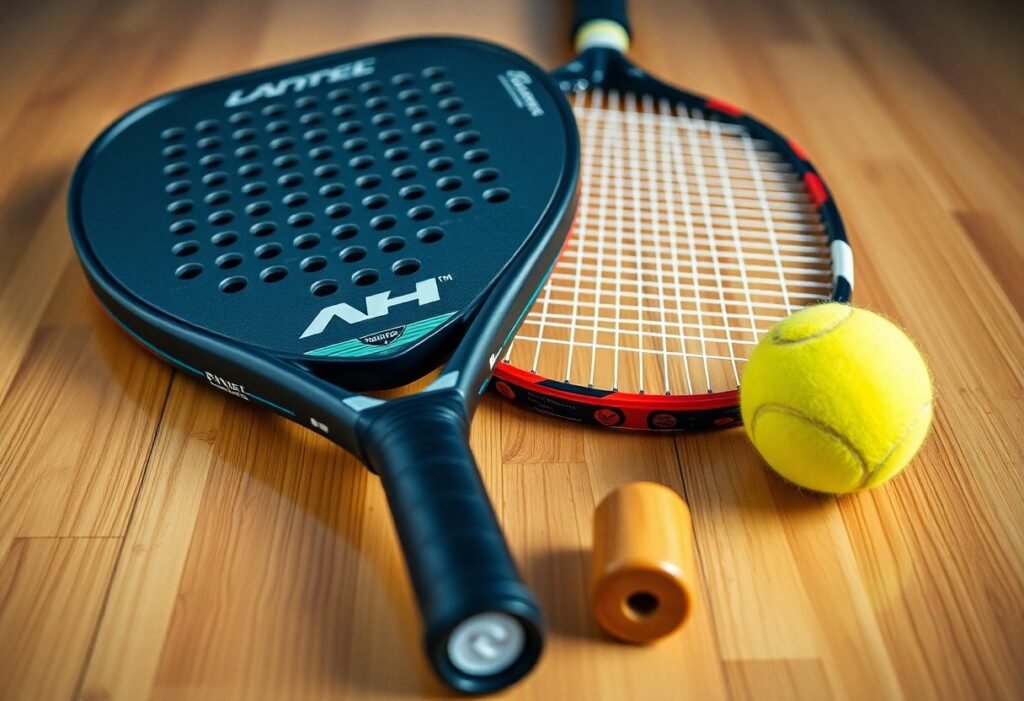

This guide will help you choose the best padel rackets tailored for your beginner’s journey in the sport. You’ll discover the key features to consider, such as weight, balance, and material, ensuring you select a racket that enhances your performance while minimizing the risk of injury. With our expert recommendations, you can confidently invest in a racket that suits your playing style and boosts your enjoyment of this dynamic sport. Get ready to elevate your game with the perfect gear!
Key Takeaways:
- Lightweight paddles enhance maneuverability and reduce arm fatigue for beginners.
- Focus on rackets with a large sweet spot to improve consistency in strikes.
- Consider materials such as fiberglass and foam for better power and comfort.
Understanding Padel Rackets
Types of Padel Rackets
When choosing your first padel racket, you’ll encounter three main types: controlled, power, and balanced rackets. Controlled rackets are great for precision, power rackets boost your hitting capability, and balanced rackets offer a mix of both. Your choice should align with your playing style and skill level.
| Type | Characteristics |
| Controlled | High accuracy with less power. |
| Power | Enhanced speed and striking capability. |
| Balanced | Combination of control and power. |
| Lightweight | Improved maneuverability and comfort. |
| Heavy | Stability and increased power in shots. |
Knowing the different types of rackets will help you select the right one that fits your playing style.
Key Features of Padel Rackets
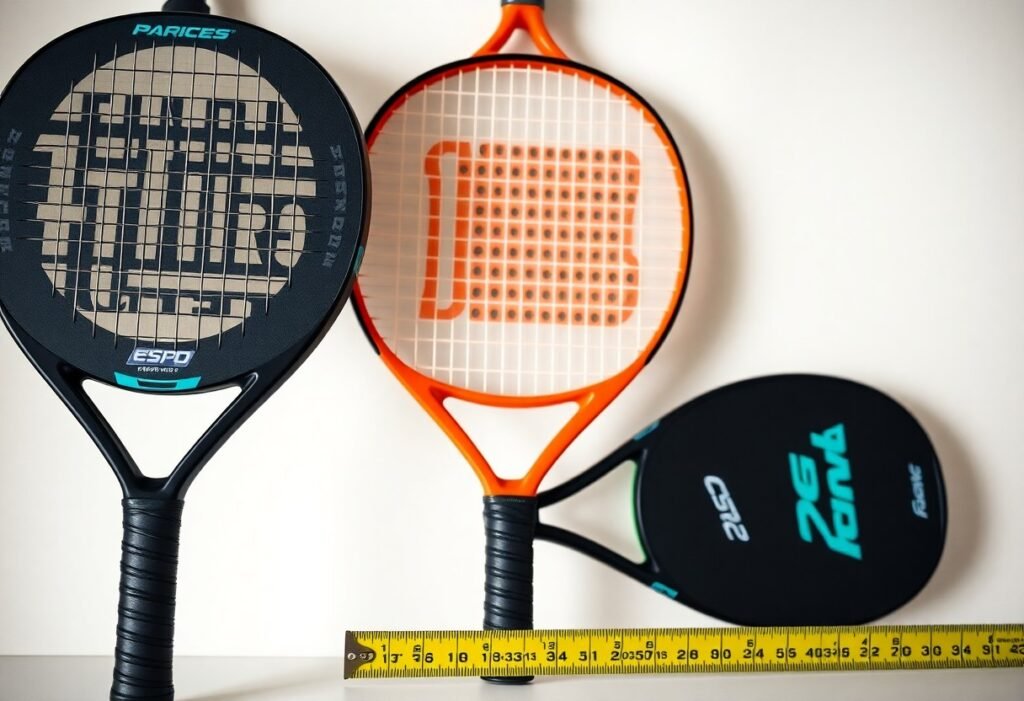
Your padel racket should have several key features to enhance your performance. Look for rackets with a large sweet spot, which helps in hitting the ball effectively. Additionally, consider the weight and balance of the racket as they affect maneuverability and control. Grip size is another important feature that ensures comfort during play.
- Large Sweet Spot for more forgiving shots.
- Weight impacts swing speed and endurance.
- Balance affects how the racket feels in your hand.
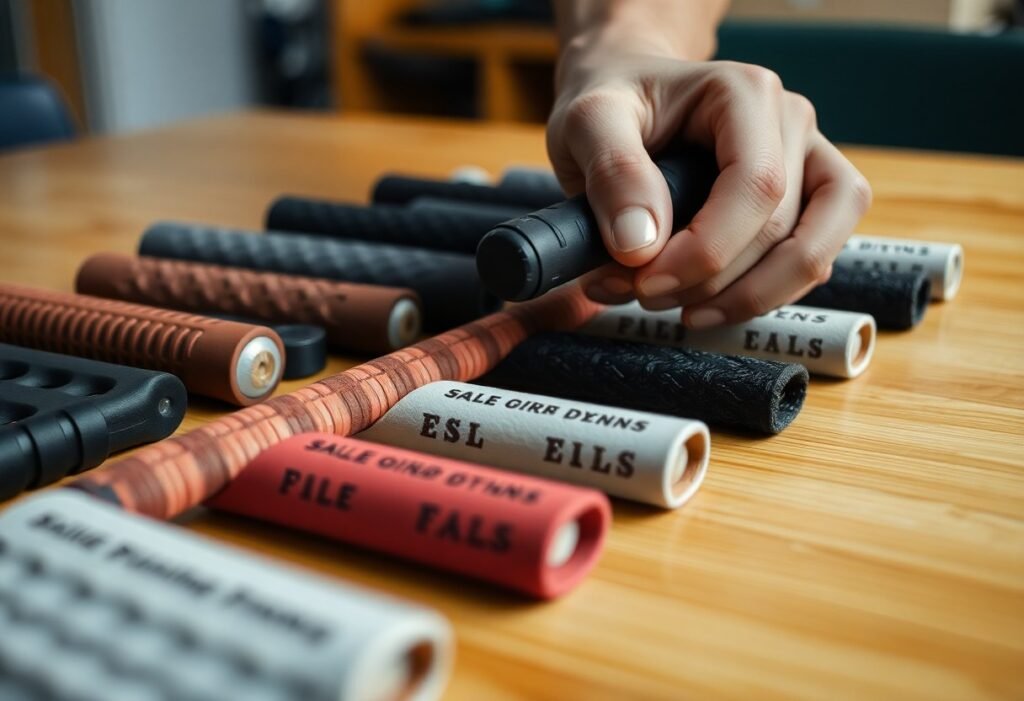
- Grip Size should match your hand size for comfort.
- Material influences durability and performance.
Knowing these key features will guide you in finding a racket that feels right for you and enhances your gameplay.
More Info on Key Features of Padel Rackets
Understanding each key feature of padel rackets is crucial for making an informed choice. The large sweet spot is a game-changer, allowing for improved accuracy even on off-center hits. The weight can vary, and lighter rackets are typically easier to handle, particularly for beginners. The balance also plays a role; a head-heavy racket may generate more power, while a head-light model improves control. Ensuring the grip size is appropriate for your hand helps prevent slips and enhances comfort.
- Large Sweet Spot expands your hitting range.
- Weight helps control your swing efficiency.
- Balance dictates power and control dynamics.
- Grip Size ensures your hold is secure and comfortable.
- Material affects performance longevity and feel.
Knowing these characteristics will empower you to select a padel racket that aligns with your individual needs and enhances your experience on the court.
Factors to Consider Before Buying
- Skill Level
- Playing Style
- Budget
Knowing the right factors to consider can significantly improve your padel experience. For more insights, check out Top 5 Beginner Padel Rackets 2025/2026.
Skill Level
Your skill level plays a significant role when selecting a racket. Beginners should opt for rackets that offer greater forgiveness with a larger sweet spot, allowing for improved shots even when striking the ball off-center.
Playing Style
Understanding your playing style is crucial for choosing the right racket. If you prefer a more aggressive approach, a power racket might suit you, while a controlled racket is ideal for those focused on placement and strategy.
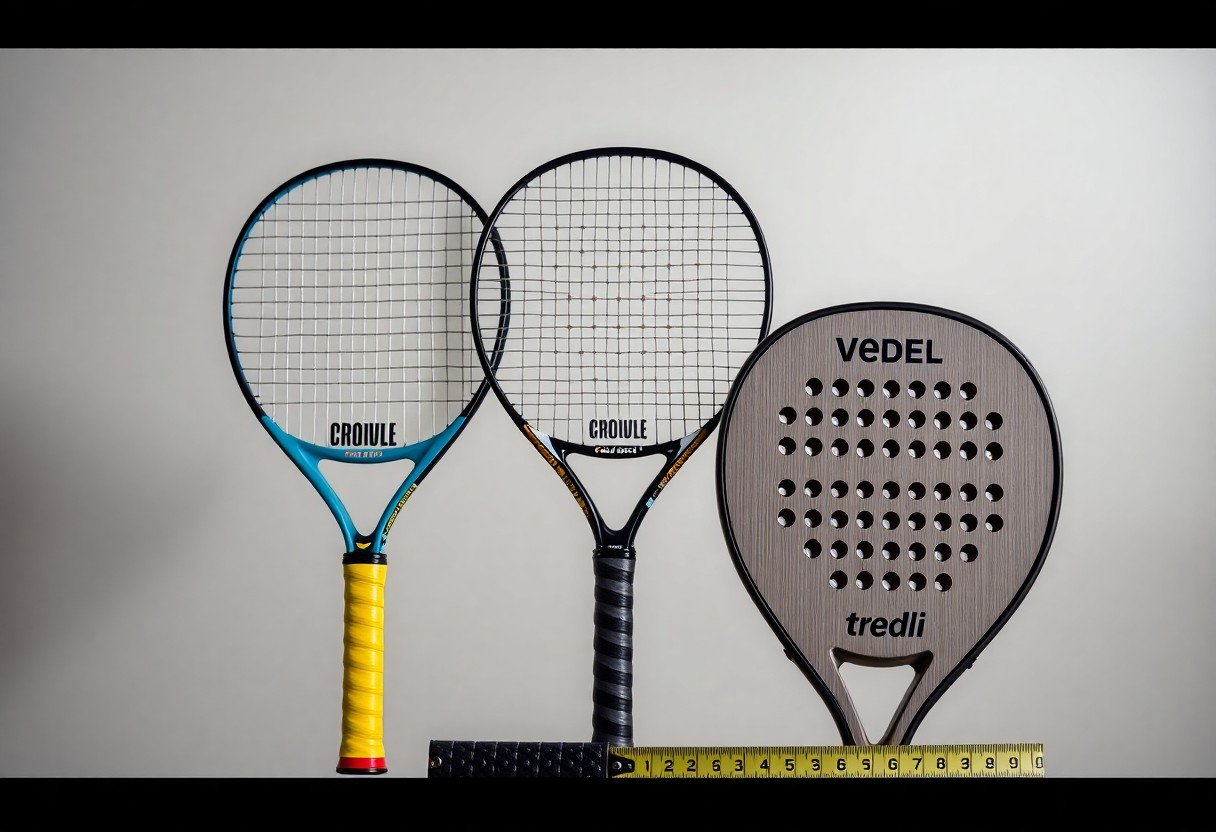
Your playing style will determine the racket’s shape and balance you should aim for. For example, if you enjoy hitting powerful shots from the back of the court, a teardrop-shaped racket can help you achieve that. Conversely, if you lean towards net play and volleys, a round racket provides better control and maneuverability, aiding in quick reactions.
Budget
Setting a budget before purchasing your padel racket is crucial. Quality beginner rackets generally range from $50 to $150, allowing you to find a suitable option without overspending.
Investing in a budget-friendly racket doesn’t mean compromising on quality. Numerous brands offer durable and performance-oriented options at lower price points, ensuring you receive good value for your money as you develop your skills on the court.
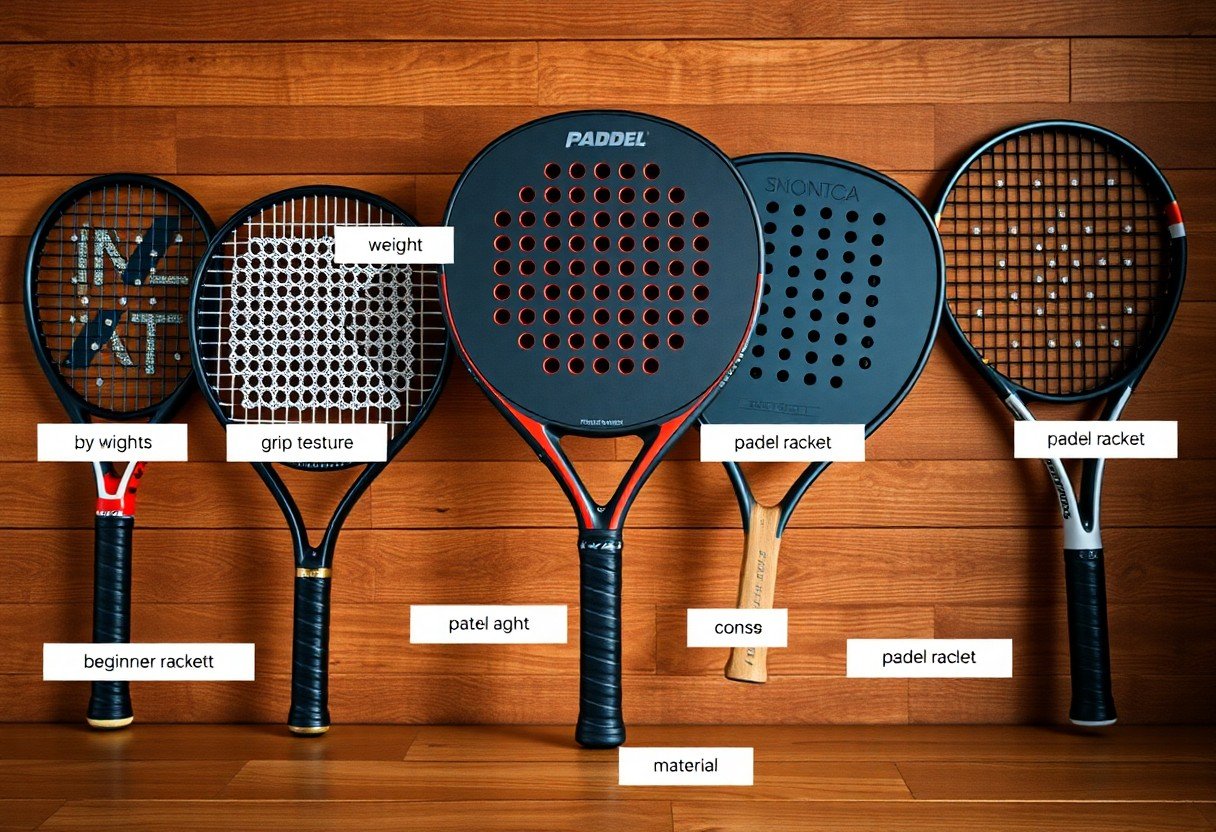
Pros and Cons of Different Types of Padel Rackets
| Type | Pros and Cons |
|---|---|
| Power Rackets | Pros: Great for aggressive players; High ball speed; Ideal for strong hits. |
| Cons: Less control; Can be harder to handle; Requires good technique. | |
| Control Rackets | Pros: Excellent precision; Enhanced ball placement; Suitable for tactical play. |
| Cons: Limited power; Requires timing; May weaken your shots if overused. | |
| Hybrid Rackets | Pros: Versatile performance; Balanced power and control; Great for varying styles. |
Pros of Power Rackets
Power rackets are designed to enhance your hitting force, allowing you to deliver powerful shots that can catch your opponents off-guard. They typically feature a larger head size and a stiffer frame, which translates to higher ball speeds and momentum. If your game style leans towards aggressive play, you’ll find power rackets help you dominate the rallies effectively.
Cons of Power Rackets
On the downside, power rackets may compromise your control over the ball. They can be less forgiving on off-center hits, making it challenging to place your shots accurately. Moreover, if you lack a strong technique, you might struggle to make effective use of the racket’s power potential.
In detail, using a power racket without the appropriate technique can lead to erratic shots and unnecessary errors. Beginners may find it overwhelming to harness the full potential of such rackets, leading to frustrating experiences on the court. Thus, be sure you’re confident in your skills before committing to this type.
Pros of Control Rackets
Control rackets focus on providing you with an accurate and consistent feel, allowing for precise ball placement. These rackets often have a smaller head size, which improves your touch and finesse, making them ideal for strategic gameplay. If you enjoy constructing points and outsmarting your opponent, control rackets can enhance your overall performance significantly.
Moreover, the stability of control rackets can boost your confidence, especially during crucial moments in a match when every shot counts. Their ability to maintain accuracy can help you execute advanced strategies and keep the pressure on your opponent using well-placed shots.
Cons of Control Rackets
Despite their advantages, control rackets come with limitations. These rackets usually don’t provide sufficient power, which can make it difficult for you to finish points unless you have solid technique. In some cases, you might feel that your shots lack the punch needed to pressure your opponents, especially during competitive matches.
Overusing a control racket can also lead to a situation where your shots become predictable. If your opponent begins to read your shots easily, they can exploit the lack of power and take advantage of openings in your playstyle.
Pros of Hybrid Rackets
Hybrid rackets blend the characteristics of both power and control, giving you a versatile option that caters to various playing styles. They offer a balanced mix of speed and precision, allowing you to adapt your game based on the situation. This versatility can help you transition between aggressive and tactical plays seamlessly.
The design of hybrid rackets often allows for a larger sweet spot, which can be incredibly forgiving, ensuring you maintain effective shots even on off-center hits. This feature is particularly beneficial for beginners, who are still honing their skills.
Cons of Hybrid Rackets
While hybrid rackets are versatile, they may not excel in any one specific area compared to specialized rackets. You might find that the power isn’t as explosive as pure power rackets, and the control may not be as precise as control rackets. This can lead to a compromise that might not satisfy players who prefer a particular style of play.
Additionally, if you become accustomed to the balance of hybrid rackets, transitioning to power or control-focused options later might pose a challenge. It can create dependency on the balanced nature of hybrids, where you may find yourself lacking in either power or control as you face stronger opponents.
Tips for Choosing the Right Padel Racket
- Understand your skill level and playing style
- Choose the right grip size
- Consider the racket’s weight and balance
- Assess the material and construction quality
- Look for racket designs suitable for beginners
Test Before You Buy
Testing rackets before purchasing is vital. Visit a local sports shop or padel club where you can try out different rackets. Pay attention to how the racket feels in your hand, its weight, and how well it performs with your strokes. This firsthand experience can significantly influence your choice.
Seek Expert Advice
Consulting with experienced players or coaches can provide valuable insights. They can recommend specific brands, models, and features based on your skill level and playing style. Their firsthand experiences can guide you towards finding a racket that fits your needs.
An expert can evaluate your performance during practice sessions and suggest adjustments based on your strengths and weaknesses. They often have insider knowledge on the latest technologies and trends in the padel racket market, ensuring you make an informed purchase. This guidance can be immensely helpful given the myriad of options available.
Consider Longevity
Selecting a padel racket that stands the test of time is imperative. Look for durable materials and solid construction, as these factors contribute to the racket’s lifespan and performance consistency. Investing in a quality racket can save you money in the long run.
Longevity is enhanced by choosing rackets made from high-grade carbon fiber or fiberglass, as these materials offer both performance and durability. Remember that the right care and maintenance can also prolong your racket’s life, making it a worthwhile investment as you progress in the sport. The quality of your equipment can significantly impact your game over time.
Step-by-Step Guide to Selecting Your First Racket
| Step | Description |
| 1. Assess Your Needs | Identify your playing style, skill level, and physical condition to narrow your options. |
| 2. Research Options | Explore various brands and models available for beginners to understand the features that matter. |
| 3. Visit a Sports Store | Check out local stores for firsthand experience and expert advice on racket selection. |
| 4. Try Out Multiple Rackets | Experiment with different rackets in-store to find the one that feels right for you. |
| 5. Make Your Final Decision | Consider all gathered information and choose the racket that best fits your needs. |
Assess Your Needs
Start by evaluating your playing style, skill level, and any physical considerations. Consider if you prefer more control or power in your shots. If you’re a beginner, prioritize comfort and stability over advanced features. Take into account your budget as well, ensuring you’re looking at options that fit within your price range.
Research Options
Spend time researching various brands and their offerings for beginner-friendly rackets. Look for reviews and recommendations from experienced players. Focus on the specifications, such as head size, weight, and balance, to determine which features align with your playing style and preferences.
Explore online forums, social media, and specialized sports websites for insights. Compare different rackets based on user reviews and expert opinions. Assess the overall quality and durability of the materials used, which can greatly impact your performance and enjoyment on the court.
Visit a Sports Store
Visiting a local sports store allows you to gain valuable insights from experienced staff. They can help you understand the differences between models and suggest options tailored to your needs. Seeing the rackets in person can also make it easier to visualize how they may perform during play.
In-store experts often have practical knowledge of the latest trends and technologies in padel rackets. They can provide recommendations based on your experience level and help you navigate the wide array of choices. Don’t hesitate to ask questions to gain a better understanding of what you’re considering.
Try Out Multiple Rackets
Before making a purchase, it’s important to physically test several rackets. Holding different models will give you a sense of their weight, balance, and grip. This firsthand experience can be invaluable in identifying what feels most comfortable for you.
Many stores have demo rackets available, or you might find a local padel club that offers trial sessions. Utilize these opportunities to assess how the rackets perform during gameplay, focusing on how each model enhances your shot-making and overall comfort on the court.
Make Your Final Decision
After thorough research and hands-on testing, it’s time to finalize your decision. Reflect on all the information gathered about each racket’s performance features and how they align with your needs and preferences.
Evaluate the pros and cons you’ve noted from your research and testing, and choose the racket that feels right for you. Consider factors like durability and warranty and also remember the importance of aligning your selection with your future growth as a player, ensuring you’re equipped for improvement on the court.
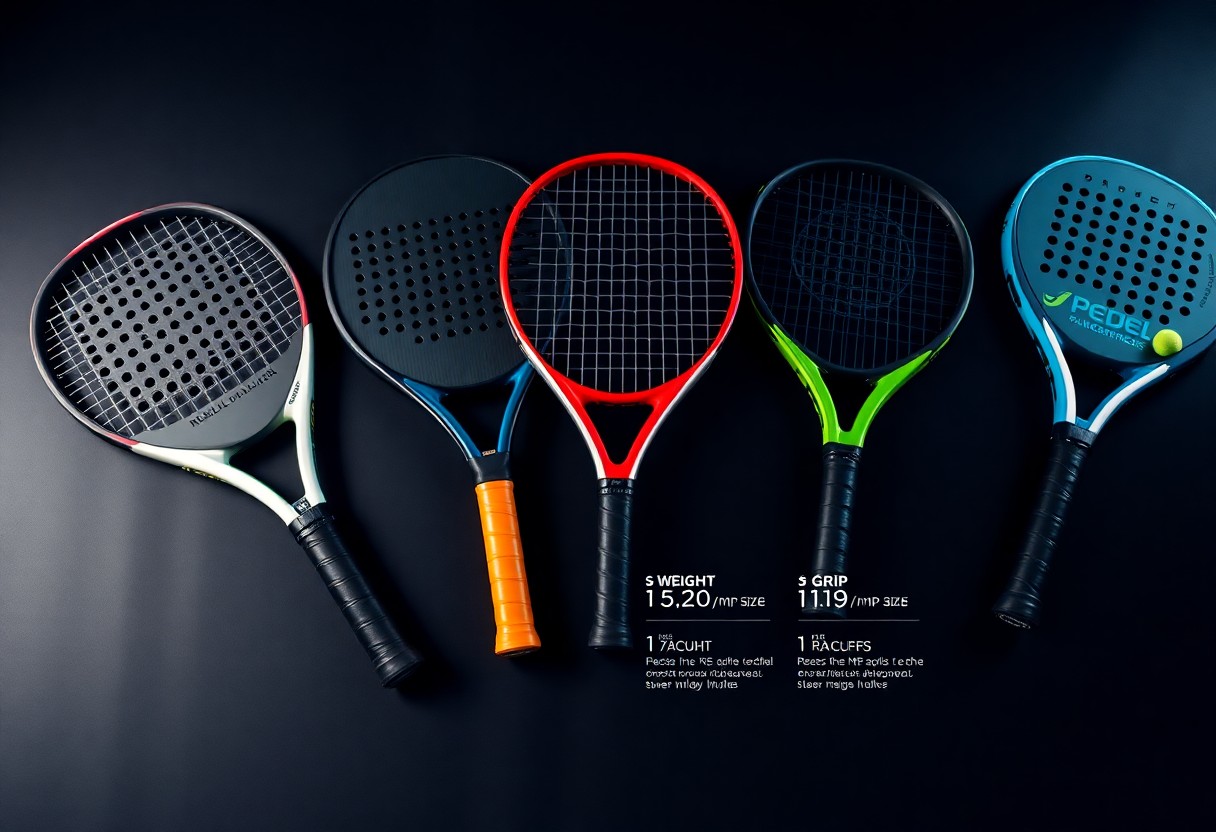
Recommended Padel Rackets for Beginners in 2025
Top Brands Overview
When opting for your first padel racket, consider top brands like Babolat, Wilson, and Head. These companies consistently deliver quality rackets designed for beginners, focusing on features such as lightweight materials and large sweet spots that enhance control and power. Brand reputation and product reviews play an crucial role in ensuring you choose a reliable option.
Best Budget Options
For those starting out, budget-friendly rackets can still provide excellent performance. Look for options under $100, like the Babolat Soft Padel or the Wilson Blade Team, which offer solid durability and user-friendly features.
The Babolat Soft Padel features a wide profile and a forgiving sweet spot, making it ideal for novice players seeking to improve their game without breaking the bank. The Wilson Blade Team is another solid choice under $100, providing a blend of control and power, suitable for casual play and practice sessions.
Best Mid-Range Options
Mid-range rackets, priced between $100 and $200, deliver a balance of quality and affordability. The Adidas Adipower Light and the Head Graphene 360+ Alpha Lite are excellent choices that enhance playability and performance as you progress.
The Adidas Adipower Light offers a well-rounded mix of power and control, featuring a lightweight design that reduces strain during extended play. The Head Graphene 360+ Alpha Lite stands out with its innovative materials, providing excellent maneuverability and a large sweet spot, making it easier for you to make clean shots consistently.
Best High-End Options
If you’re looking to invest in a premium racket, options over $200 like the Bullpadel Hack and the Nox ML10 Pro Cup offer advanced technology for serious players.
The Bullpadel Hack features an innovative shape designed for power, helping you dominate the court. Its materials provide enhanced durability, making it suitable for frequent play. Alternatively, the Nox ML10 Pro Cup is favored by many professionals for its unique balance of control and power, allowing you to execute precise shots while significantly boosting your game as you advance in skill.
Conclusion
With these considerations in mind, selecting the best padel racket as a beginner in 2025 becomes a straightforward process. Focus on factors like weight, balance, and materials to ensure the racket complements your style of play. By choosing the right racket, you enhance your skills and enjoyment of the game while setting a solid foundation for your padel journey. Invest wisely in a racket that aligns with your needs, ensuring a more rewarding experience on the court.
FAQ
Q: What should I look for in a padel racket as a beginner?
A: Beginners should focus on rackets that offer a good balance of weight, control, and power. A lightweight racket with a larger sweet spot is ideal for improving accuracy and reducing mishits.
Q: Are there specific brands recommended for beginner padel rackets?
A: Recommended brands for beginners include Bullpadel, Wilson, and Head. These brands offer a variety of models designed with beginner players in mind, providing a good mix of quality and affordability.
Q: How much should I expect to spend on a beginner padel racket?
A: A quality beginner padel racket typically costs between $50 to $150. Investing in a decent racket within this range can significantly improve your playing experience.
Q: What racket shape is best for beginners?
A: Beginners should opt for a round-shaped racket, as it provides greater control and a larger sweet spot, making it easier to hit the ball effectively.
Q: How important is the grip size when selecting a padel racket?
A: Grip size is very important as it affects comfort and control. Ensure the grip size fits your hand well for better handling, and if you’re unsure, try different sizes to find the best fit.