
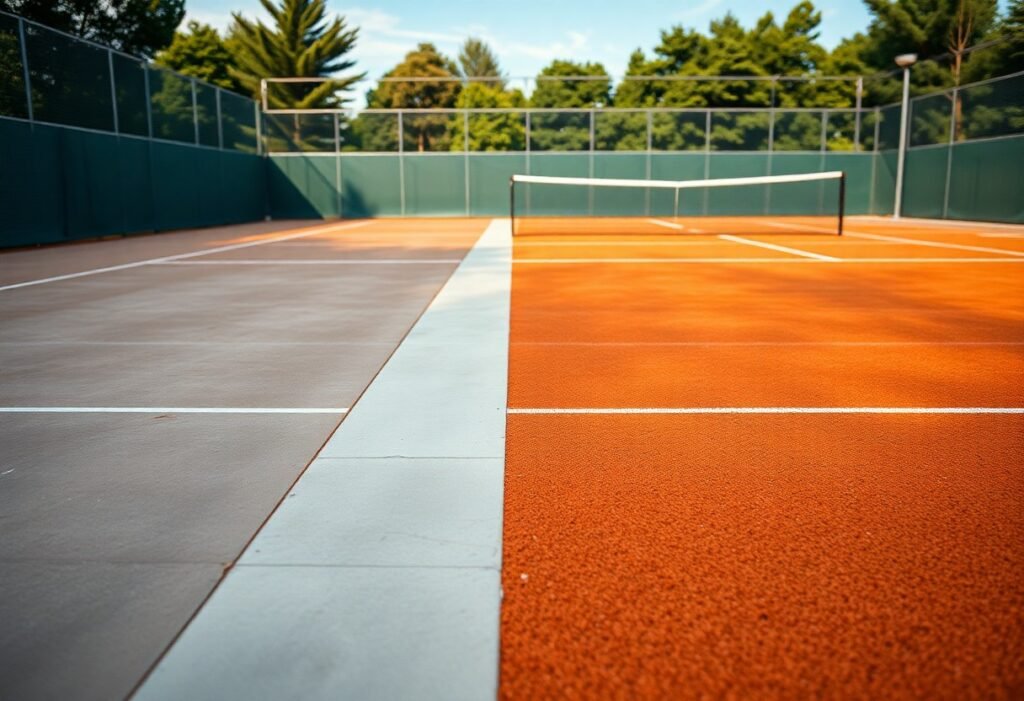
Many players overlook the significance of the surface material when choosing a padel court, yet it can significantly impact your game. The right court surface can enhance your performance, providing the ideal balance of grip, speed, and comfort. In this post, you’ll explore various surface types, including artificial grass, concrete, and wood, highlighting the pros and cons of each to help you make an informed decision for your playing experience.
Key Takeaways:
- Different surfaces (artificial grass, concrete, and wood) offer unique playing characteristics that affect ball bounce and player comfort.
- Artificial grass is popular for its consistency and durability, while concrete provides a faster pace of play.
- Wood surfaces deliver a softer feel and can enhance grip, but may require more maintenance compared to other options.
Understanding Padel Court Surfaces
Definition of Padel Courts
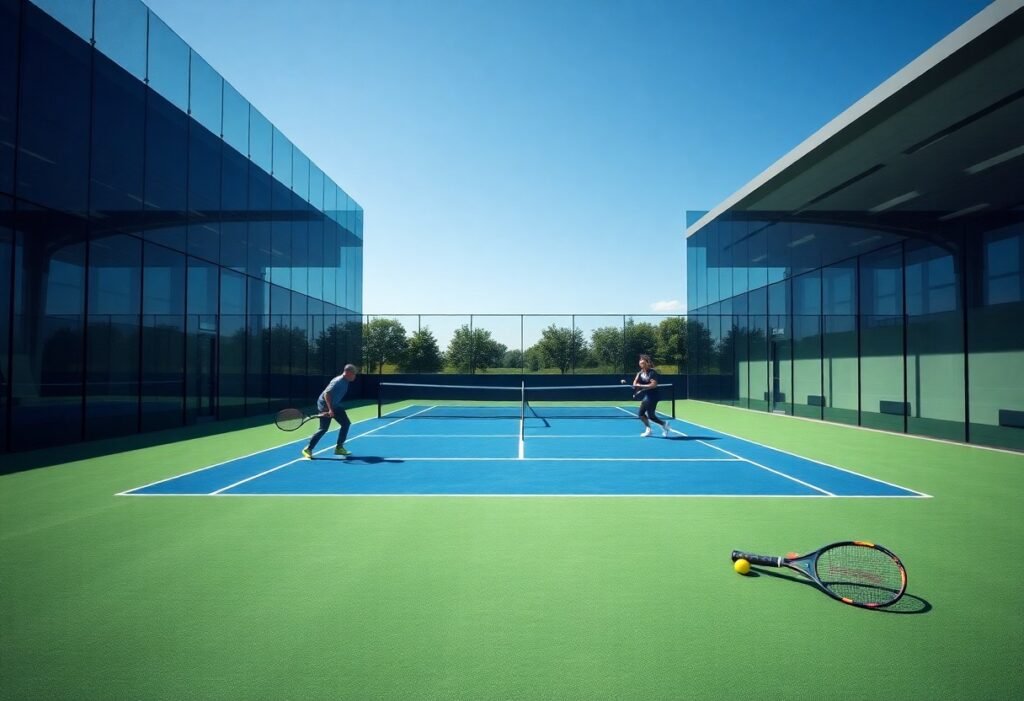
Padel courts are specifically designed playing areas for padel tennis, featuring enclosed walls and a rectangular shape measuring 20×10 meters. The courts can be made of various materials, each influencing the game’s dynamics, including how the ball rebounds and how players can maneuver around the space.
Importance of Surface Selection
The surface of a padel court significantly affects your performance and enjoyment of the game. The right choice can enhance your playing style, impact ball speed, and influence injury risk. Understanding these factors will make a substantial difference in your overall experience.
Choosing the correct padel court surface can elevate your game significantly. Players who opt for surfaces that complement their skill level will notice differences in grip, bounce, and pace. For instance, artificial grass can provide a softer landing, reducing the risk of injuries, while concrete offers a more stable bounce. Engaging with the right surface not only enhances gameplay but also fosters a safer environment.
Overview of Popular Surface Types
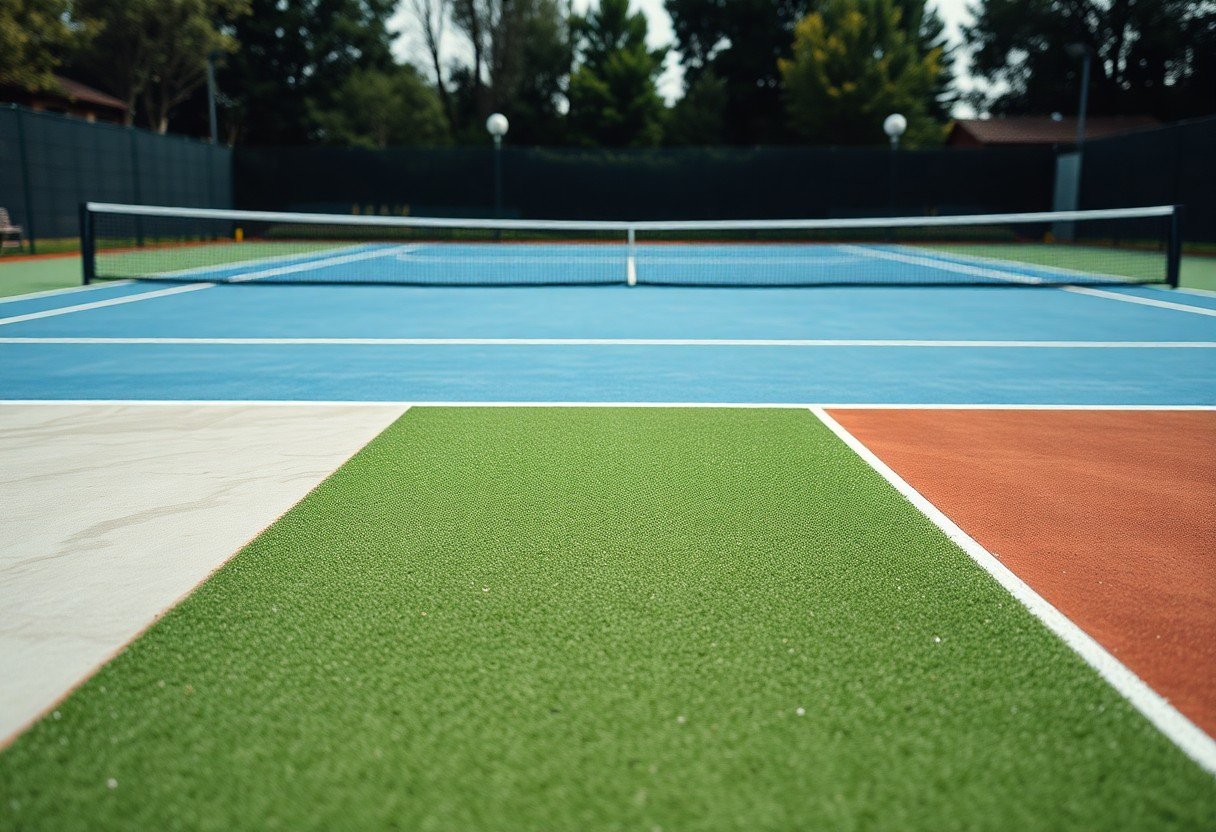
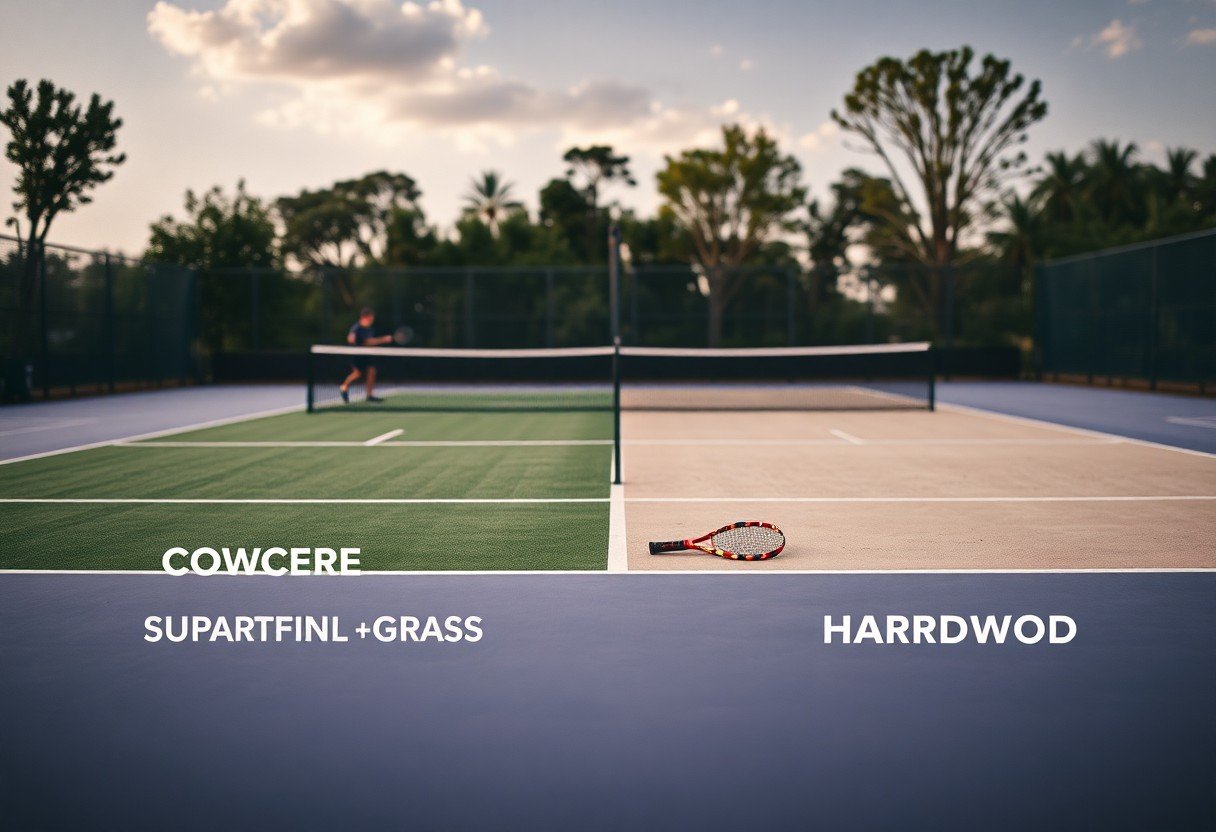
Your options for padel court surfaces include a mix of grass, concrete, asphalt, and indoor wood. Each type features unique characteristics that cater to various playing preferences. Familiarizing yourself with these surfaces is vital for making an informed choice.
| Surface Type | Characteristics |
|---|---|
| Artificial Grass | Offers good grip and cushioning. |
| Concrete | Provides a fast playing surface with consistent bounce. |
| Asphalt | Durable and cost-effective with medium bounce. |
| Wood | Best suited for indoor play; great for control. |
| Sand | Used in some outdoor courts for improved traction. |
Reviewing padel court surfaces involves understanding their distinct traits and how they influence gameplay. For example, artificial grass gives a soft feel, while concrete is hard and fast, making for rapid ball play. Your choice should align with your playing style and preferences. Assume that selecting the right surface can lead to enhanced performance and reduced risk of injuries.
- Consider your playing style when selecting a surface.
- Artificial grass is favored for its cushioning and support.
- Concrete courts offer rapid speed conducive for competitive play.
- Wood surfaces are ideal for controlled environments.
- Test how different surfaces feel before making a decision. Assume that experimenting will help you find the best fit for your game.
Types of Padel Court Surfaces
| Artificial Grass | Preferred for its soft feel and good drainage properties. |
| Concrete | Durable option, providing a consistent bounce and low maintenance. |
| Turf | Offers excellent grip and a natural playing experience. |
| Wood | Less common, delivers a unique aesthetic with a distinct bounce. |
| Asphalt | Affordable, but can negatively impact performance due to hard surface. |
The How to Choose the Right Surface for Your Padel Court will guide you through this decision.
Artificial Grass
Artificial grass is a popular choice, mainly due to its softness and comfort for players. It provides excellent traction and is designed to withstand various weather conditions. Many courts utilize a sand-infill system, which enhances both the playability and durability.
Concrete
Concrete surfaces are common for padel courts, known for their stability and long-lasting nature. While they may feel hard underfoot, they provide a reliable, consistent bounce that players appreciate during fast-paced games.
Concrete’s maintenance is minimal, primarily requiring periodic cleaning. In colder climates, consider adding a surface coating to enhance grip and reduce any slickness from moisture. With longevity in mind, concrete stands out as a solid investment for both public and private courts.
Turf
Turf courts offer a blend of realism and performance, providing a consistent playing surface that mimics natural grass. Their easy installation and maintenance make them a favorite among club owners and players alike.
Turf surfaces are often favored because they offer excellent ball control and cushioning for players, reducing the risk of injury. With various types available, such as monofilament or fibrillated, you can choose a surface that meets your specific playing style and preferences.
Performance Analysis of Court Surfaces
Speed of Play
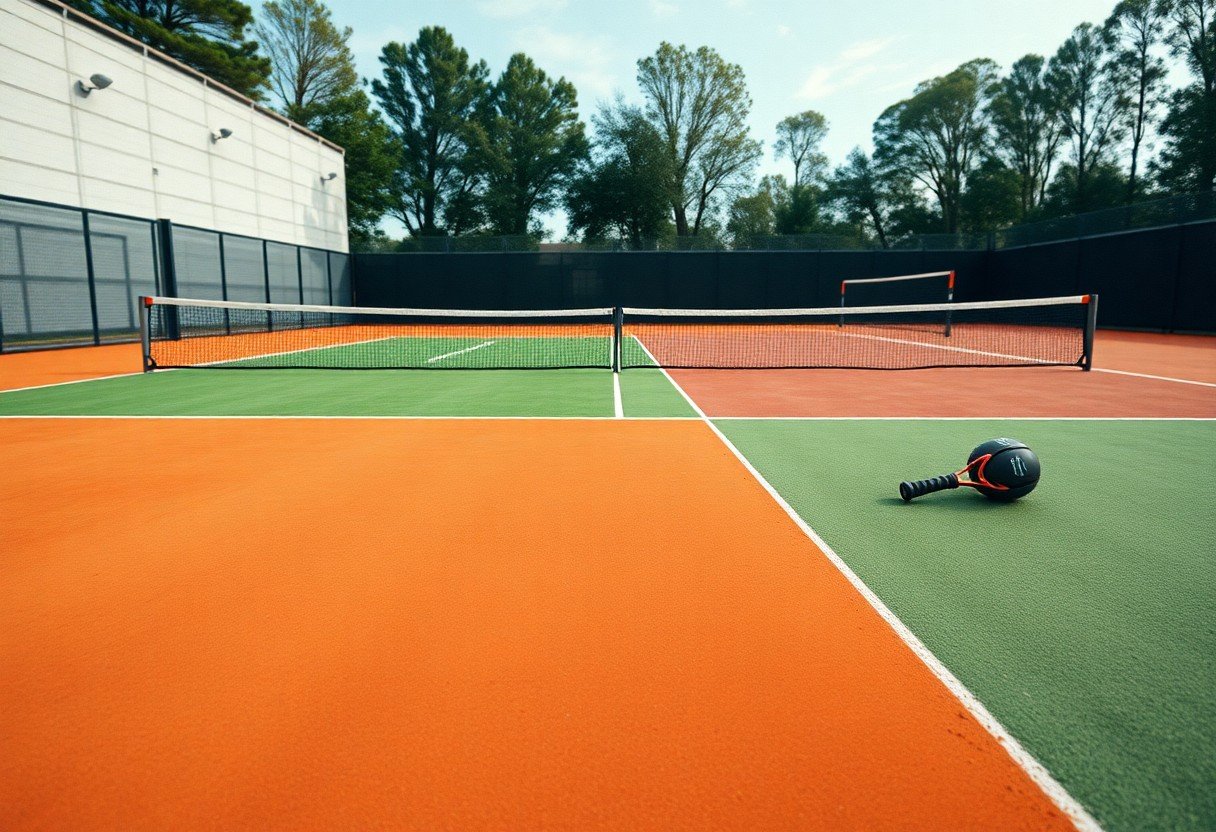
The speed of play on a padel court is significantly influenced by the surface material. Artificial grass tends to offer slower play due to friction, while concrete surfaces promote a faster game, allowing for quick rallies and sharp volleys. This difference can impact your strategy, demanding quicker reflexes on faster surfaces and more finesse on slower ones.
Ball Bounce Dynamics
Understanding ball bounce dynamics is necessary for adapting your style to different surfaces. Concrete usually provides a higher, more predictable bounce, while artificial grass can result in lower and varying bounces due to its texture. This variability can necessitate adjustments in your shot selection and placement.
A higher bounce on concrete supports aggressive play and powerful shots, which might benefit players who favor attacking strategies. In contrast, the unpredictable nature of bounces on artificial grass encourages a focus on control and placement, allowing players to exploit opponents’ positioning more effectively. Thus, the choice of surface can greatly influence your game approach and tactics.
Player Comfort and Safety
Player comfort and safety are paramount when selecting a padel court surface. Artificial grass is soft underfoot, reducing the risk of injuries and providing better shock absorption, whereas concrete can lead to joint stress, particularly during high-impact movements. This makes a difference in how you feel after matches and how often you can play without discomfort.
Choosing the right surface can significantly impact your long-term health and performance. For instance, if you frequently play on a harder surface like concrete, you may experience fatigue and soreness more quickly, which could limit your playtime. In contrast, surfaces that offer better cushioning can enhance your overall enjoyment of the game, allowing you to engage more frequently and for longer periods without adverse effects.
Maintenance and Durability of Surfaces
Maintenance Requirements
The maintenance you require for a padel court surface directly impacts its longevity and performance. For instance, artificial grass needs regular brushing and occasional infill, while concrete surfaces demand pressure washing and crack sealing. Keeping your court clean and free of debris can prevent bacteria growth and enhance the playing experience.
Lifespan of Different Surfaces
The lifespan of your padel court surface varies greatly based on the material. Artificial grass typically lasts 8-12 years with proper upkeep, while concrete surfaces can endure 20 years or more. It’s important to consider these factors when investing in your court.
You should also account for environmental factors that affect lifespan. Artificial grass may degrade quicker in high UV environments, whereas concrete is susceptible to freeze-thaw cycles. Additionally, the frequency of play can lead to faster wear and tear, particularly on softer surfaces. Regular maintenance plays a key role in extending the life of your chosen surface, ensuring that your investment remains functional and appealing.
Environmental Considerations
Your choice of padel court surface can significantly impact the environment. For instance, synthetic materials can contribute to microplastic pollution, while natural options may require more water for upkeep. Additionally, energy-intensive manufacturing processes of some surfaces raise sustainability concerns.
Evaluating these environmental impacts is crucial for making an informed decision about your court surface. Opting for sustainable choices, like recycled materials or surfaces that require less water and energy, can minimize your ecological footprint while still providing excellent performance. Considering local climate conditions and available resources will further enhance your court’s sustainability and durability.
Choosing the Right Surface for Different Skill Levels
Beginner Players
For players just starting, artificial grass is often the best choice. It provides a softer surface that enhances comfort, reducing the risk of injury while allowing beginners to learn the fundamentals of padel without the complexities of ball dynamics typical on harder surfaces.
Intermediate Players
As you develop your skills, concrete courts may become more suitable. They offer a consistent bounce that enables you to hone your technique and experiment with more advanced shots. The durability of concrete provides a reliable surface for regular practice.
You’re likely to notice improvements in your game as you adapt to the faster pace of play on concrete. With enhanced control and ball response, this surface encourages you to refine your strategy and tackle more challenging opponents. Playing on concrete can also prepare you for competitions, as many professional settings utilize hard surfaces.
Advanced Players
For seasoned players, wood surfaces can provide unique advantages. They often offer a faster game with a different ball response that can enhance your tactical play. On wood, you may achieve more spin and precision, allowing for intricate shot placement.
- Adaptability to various playing styles
- Enhanced ball control and spin ability
- Environmentally friendly options available
- Classic playing experience found in many clubs
| Key Features of Surface Types | Characteristics |
|---|---|
| Artificial Grass | Soft, good drainage, suitable for beginners |
| Concrete | Durable, consistent bounce, ideal for intermediates |
| Wood | Fast pace, unique spin dynamics, preferred by advanced players |
Advanced players often benefit from practicing on advanced court surfaces, where you can exploit your skill set to its fullest. The combination of speed and spin found on wood courts not only enhances technical play but also supports strategic development necessary to outmaneuver opponents.
- Ability to execute high-level tactical plays
- Pacing that simulates professional matches
- Variety of ball responses for adjusting hit techniques
- Encourages versatility in shot selection
Conclusion
From above, you can see that the choice of padel court surface significantly impacts your playing experience. Whether you prefer the consistency of synthetic grass, the speed of concrete, or the durability of artificial turf, each surface offers unique benefits. Evaluating your playing style, comfort preferences, and maintenance considerations will help you decide which type of surface suits your needs best. Ultimately, the right choice enhances your performance and enjoyment on the court.
FAQ
Q: What are the different types of padel court surfaces?
A: The main types of padel court surfaces include artificial grass, concrete, asphalt, and wood. Each surface offers distinct playing characteristics and maintenance requirements.
Q: How does artificial grass affect gameplay?
A: Artificial grass provides excellent traction and a consistent bounce, making it suitable for competitive play. It also allows for longer rallies due to its soft feel, which is easier on players’ bodies.
Q: What benefits do concrete and asphalt surfaces provide?
A: Concrete and asphalt surfaces are highly durable and require minimal maintenance. They typically offer a faster game with a lower bounce, appealing to players who prefer quicker rallies and aggressive play styles.
Q: Is wood a good choice for indoor padel courts?
A: Yes, wood surfaces are often used in indoor padel courts as they provide excellent grip and a warm feel. However, they require more maintenance and can be affected by humidity levels.
Q: How do weather conditions influence surface performance?
A: Weather can significantly affect padel court surfaces. For example, artificial grass may retain moisture, impacting play in rainy conditions, while concrete can become slippery. Players should consider local climate when choosing a surface.