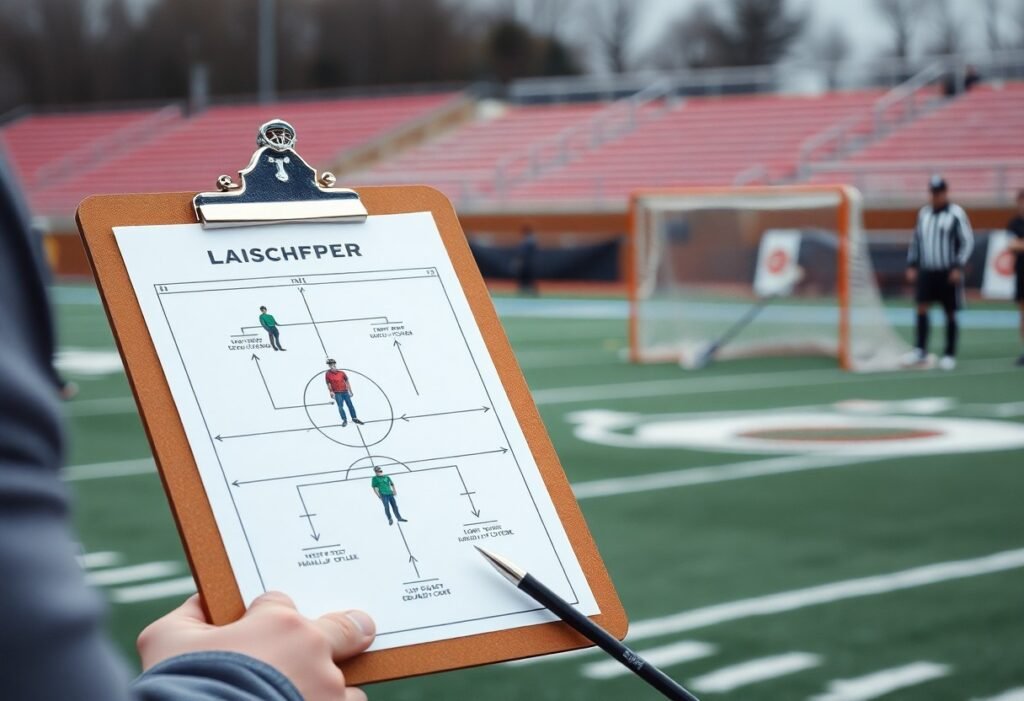

Careers in lacrosse connect tournaments, coaching and community engagement, giving you clear pathways to professional play, coaching and sports administration; tournaments offer exposure and development while presenting significant contact-related injury risk that demands proper training and safety protocols. You can leverage competitive events to build your resume, expand your network and contribute to lasting community growth and youth development, positioning your lacrosse involvement as both a career and a public benefit.
Key Takeaways:
- Tournaments provide competitive exposure, scouting opportunities, and accelerated player development through high-intensity play and networking.
- Careers in lacrosse extend beyond playing-coaching, officiating, sports administration, performance science, and marketing leverage sport-specific and transferable skills.
- Community pathways build grassroots participation and equity via youth programs, local leagues, mentorship, and partnerships that connect players to education and career pathways.
Overview of Lacrosse Tournaments
You navigate a spectrum from local weekend events to national championships and the quadrennial World Lacrosse Championship; formats vary by age and competition level, with many youth and club weekends hosting 8-100 teams and college postseason play centered on a 16‑team NCAA bracket in Division I. You should weigh exposure, development and injury risk when choosing events to fit your season and goals.
Types of Tournaments
Events split into distinct formats: weekend travel tournaments for skill-building, invitationals and showcases for recruiting, conference and NCAA postseason play, club circuits with divisioned brackets, and international competitions where national teams compete. You can target tournaments for recruiting or for pure development depending on timing and competition level. This helps you match events to your development plan and recruiting timeline.
- Weekend travel
- Showcases/invitationals
- Conference/NCAA
- Club circuits
- International
| Youth weekend | 8-40 teams; age‑group brackets |
| High school | Regional qualifiers and national showcases; 20-200 teams |
| Club/travel | Season circuits; multiple divisions per event |
| College/NCAA | Conference tourneys and a 16‑team D‑I national bracket |
| International | World Championship every 4 years; national team competition |
Benefits of Participating
You gain college exposure, accelerated skill development, and game‑intelligence from repeated high‑pressure reps; tournaments let you test tactics against varied styles and build a resume for coaches and recruiters. You also expand your network-coaches, trainers and club directors-and learn recovery strategies to mitigate injury risk.
In practice, attending a handful of targeted events across a season makes measurable differences: tournament play forces you into 6-10 competitive quarters in a weekend, so you build stamina and situational awareness quickly; dozens of college coaches (often 20-50 at major showcases) scout these events, so consistent performance across 2-3 key tournaments can generate offers. You should plan travel, rest, and video review to convert tournament exposure into recruiting momentum and tangible development gains.
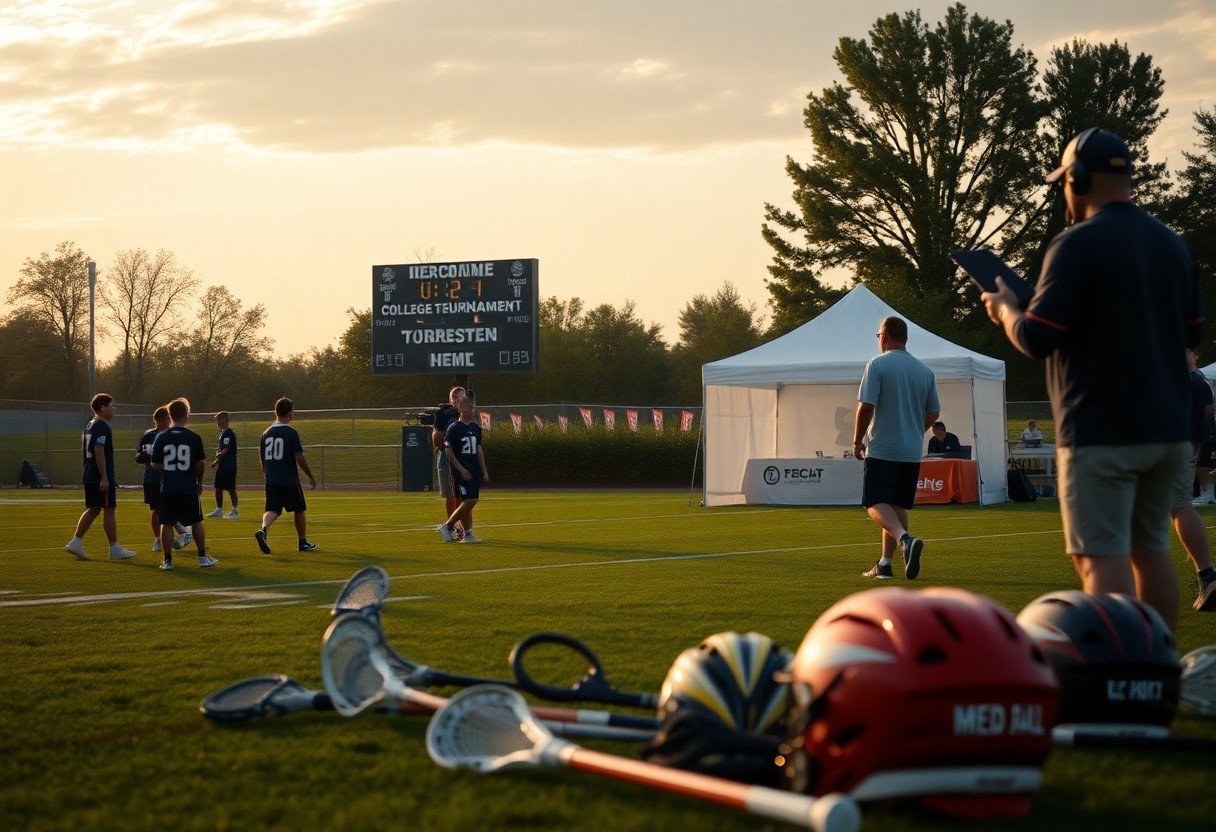
Pathways to a Career in Lacrosse
Educational Routes
You can move through NCAA Divisions I, II, or III, NAIA, or junior-college programs to build your resume; Division I offers the most athletic aid and high-visibility recruiting, while Division III emphasizes academics and playing time. Pursue degrees in sports management, kinesiology, or communications, join summer showcases like the USA Lacrosse High School All-American events, and secure internships with college programs to convert playing success into coaching, administration, or performance roles.
Professional Opportunities
You’ll find pro options across field and box lacrosse, with PLL (launched 2019) and NLL (founded 1986) as primary pathways; teams draft from college via the PLL College Draft and NLL Entry Draft, and many players earn roster spots through combines and pro tryouts. Expect roles beyond playing-coaching, operations, equipment sales-and know that pro rosters are limited, making advancement highly competitive.
More specifically, PLL and NLL teams typically carry compact rosters (roughly mid-20s per team), so only dozens to low hundreds of full-time pro spots exist at the top level, prompting many players to supplement with coaching, camps, or overseas seasons in England and Australia. You can accelerate progress by attending combine events, securing agent representation, and leveraging college awards (All-American honors, conference player of year) as concrete credentials during draft and tryout evaluations.
Community Involvement in Lacrosse
Local Clubs and Leagues
You can join local clubs that run dozens of teams across age groups, from U9 to adult rec, and host weekend leagues drawing 300-1,000 spectators. Many clubs feed college pipelines-Baltimore-area clubs often connect players to programs like Johns Hopkins-while volunteer coaches provide practice structure and travel teams offer exposure. Prioritize certified coaching and concussion protocols to reduce injury risk and maintain player development pathways.
Youth Engagement Programs
You’ll find afterschool clinics and summer camps that introduce lacrosse to thousands annually; US Lacrosse chapters and school partnerships supply curricula and coach training. Programs target ages 6-14 with progressive skill drills, small-sided games, and equipment scaling to build confidence. Expect measurable gains in fitness and teamwork, and emphasize skill development alongside head-injury awareness in every session.
You should aim for coach-to-player ratios near 1:8-1:10 for ages 6-12 to maximize touches, using video feedback and skill checkpoints every 6-8 weeks. Team startup costs typically run a few thousand dollars, so seek grants from the US Lacrosse Foundation, local chapters, or school budgets to cover gear and clinics. Prioritize certified coaching and mandated protective equipment to mitigate risk and increase long-term retention.
The Impact of Lacrosse on Personal Development
Teamwork and Leadership Skills
You develop leadership by coordinating 10 players (men) or 12 (women) on the field, organizing pre-game plans, and mediating locker-room conflicts; as captain you might run weekly film sessions and delegate drills for 10-25 teammates in club and high school settings, teaching you project management, situational decision-making, and communication under pressure. Those leadership tasks translate directly to managing teams at work or coaching youth programs.
Health and Wellness Benefits
You improve conditioning through repeated sprints, lateral moves, and sustained play; typical games have you covering 2-5 miles and burning about 600-900 calories per hour, which builds both aerobic and anaerobic fitness and supports bone strength from weight-bearing impacts. Be aware of elevated contact risks like concussions-proper protective gear and adherence to checking protocols lower that danger.
Training often includes 3-5 practices weekly plus 2 strength sessions, so you gain endurance, speed, and functional power while lowering body fat and improving sleep and stress resilience; coaches use interval work (for example, 30-second sprints with 90-second rests) and plyometrics to raise VO2max and sprint repeatability. To protect those gains, prioritize helmet fit, mouthguards, shoulder pads, concussion protocols, and dynamic warm-ups to minimize injury and maintain long-term progress.
The Role of Coaches and Mentors
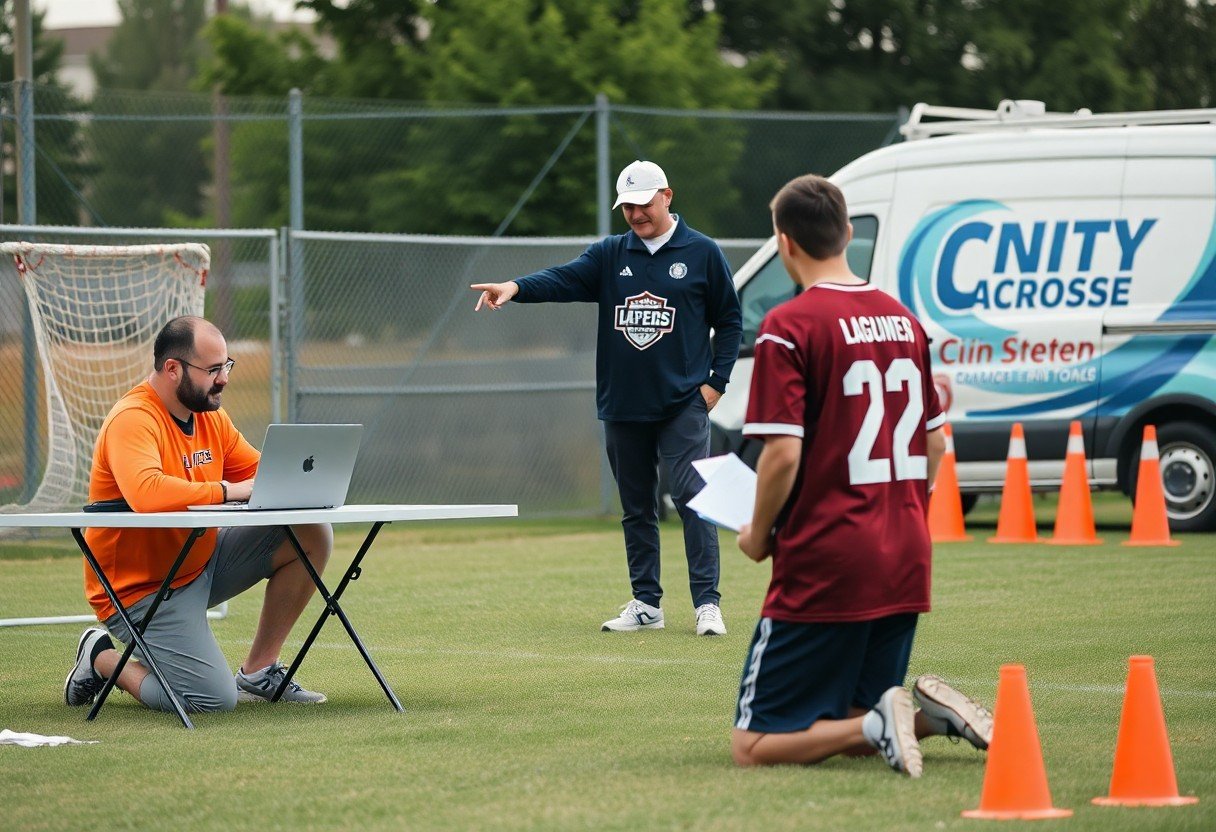
As you navigate tournaments and career decisions, coaches and mentors provide tactical instruction, recruitment insight, and community connections that create real opportunities; they analyze film, run position-specific drills, and open doors to college or pro scouts. When you’re ready to take the next step, explore pathways to Join the team and gain mentorship that blends performance metrics with character development-your coach’s reputation often affects scholarship and pro visibility.
Coaching Certification Paths
When you pursue credentials, start with US Lacrosse Level 1-3 courses and NFHS online modules: Level 1 can be completed in a weekend clinic, Level 2 adds field work, and Level 3 requires documented experience and mentorship. You must also finish concussion protocol training and background checks for most high school and college roles. Many clubs log certifications in hiring decisions, so securing badges speeds your advancement in competitive markets.
Building Future Leaders
When you focus on leadership, run a 4-week module, assign peer-coach duties, and log community service hours to develop decision-making and accountability; players given regular leadership tasks commonly transition into coaching, refereeing, or administration because they gain practical experience running drills and managing teams. Emphasize communication and conflict-resolution skills-those competencies are what programs and employers look for when recruiting coaches.
For deeper impact, pair each senior mentor with up to five younger players, host monthly leadership councils with alumni panels, and require every player to lead at least two practice segments per season. Track metrics such as retention rate, academic eligibility, and post-season leadership appointments to measure progress. You should also integrate community projects-youth clinics or fundraisers-to boost public-speaking skills and networking, which often converts into internships or coaching gigs after graduation.
Sponsorship and Marketing in Lacrosse
You should treat sponsorship and marketing as a revenue engine and community-builder: negotiate mixed deals that combine cash, in-kind gear and activation rights, use NIL opportunities for college athletes, and measure impact with clear KPIs like ticket sales, social reach and merchandise uplift. Successful programs blend local partners with national brands (Warrior, STX, Cascade) to amplify youth clinics and fan experiences while protecting long-term brand value.
Brand Partnerships
You can structure partnerships by tiers-title sponsor, kit partner, grassroots activator-so smaller clubs land local businesses while bigger events attract national names. Negotiate multi-year kit deals or in-kind equipment to lower operating costs, and watch for exclusivity clauses that can block future revenue; clubs that secured staggered exclusives saw more flexible activation and higher overall sponsor ROI.
Promoting Events and Tournaments
You should combine organic community outreach with paid channels: run targeted social ads, partner with local high school and college programs for cross-promotion, and live-stream on YouTube or a ticketed platform to expand reach. A modest paid budget ($500-$2,000) often generates 10k-100k impressions, improving early-bird sales and sponsor impressions.
You’ll get the best results by following a timeline: secure headline sponsors 4-9 months out, allocate about 15-25% of your budget to digital ads, launch weekly email cadences two months prior, and add daily social updates in the week before. Use player-driven content and highlight matchups to boost engagement, and report post-event metrics (attendance, impressions, merchandise sales) to retain sponsors for next year.

Conclusion
To wrap up, lacrosse tournaments open competitive exposure and networking that can advance your playing and coaching career, while community pathways offer leadership, mentorship, and local development opportunities; engage actively in both to build skills, expand contacts, and create sustainable career options that benefit you and strengthen the sport where you live.
FAQ
Q: How should teams prepare for a multi-day lacrosse tournament to optimize performance and reduce injury risk?
A: Create a tournament-specific plan that covers progressive conditioning, practice cadence, and recovery protocols. Emphasize interval conditioning and position-specific drills in the weeks before the event, taper training 48-72 hours prior, and implement a consistent warm-up and cool-down routine each match day. Manage playing time to reduce overload: rotate players, monitor minutes for high-intensity shifts, and prioritize sleep, hydration, and carbohydrate-rich meals. Bring a medical kit with tape, braces, ice packs, and basic supplies; assign a staff member to track injuries and communicate with medical professionals. Use pre-game routines to maintain focus and post-game protocols-immediate low-intensity movement, nutrition within 30-60 minutes, and targeted recovery (compression, massage, ice baths if appropriate)-to speed regeneration between matches.
Q: What pathways lead to professional or long-term careers in lacrosse beyond playing?
A: Careers arise through coaching, athletic training, sports administration, event management, media and content creation, equipment design, and community outreach. Gain credentials via coaching certifications, athletic training or exercise science degrees, and sport management programs. Build experience by volunteering with youth clubs, assisting high school or college teams, and managing local tournaments. Network at clinics, conferences, and regional events to connect with club directors and league officials. Develop a portfolio for media roles-game analysis, highlight reels, writing-or for business roles present proposals and case studies from successful events. Pursue internships with clubs, leagues, or sports organizations to transition into full-time positions.
Q: How can local clubs and leagues use tournaments to grow community engagement and youth participation?
A: Design tournaments with family-friendly elements: skills clinics, beginner divisions, equal-access registration, and community booths featuring local businesses and nonprofits. Partner with schools, recreation centers, and municipal programs to offer discounted or scholarship spots for underserved youth. Include coach-education workshops and volunteer training sessions during event weekends to strengthen local coaching capacity. Promote cross-programming such as referee academies and parent orientation sessions to build a broader volunteer base. Use targeted outreach-social media, local press, and community calendars-to highlight pathways from introductory clinics into club teams, summer camps, and school programs.
Q: What should athletes and families know about the college recruitment process through showcase tournaments?
A: Showcase tournaments can increase exposure but are one part of recruitment. Prepare a concise recruiting packet with game film, academic transcript, position, and contact information. Prioritize tournaments attended by coaches from desired divisions and research which coaches will be present. Reach out to college coaches before the event with your packet and game schedule; follow up after with highlights and updated stats. Maintain strong academics and standardized testing where applicable, and register with the NCAA Eligibility Center if pursuing Division I or II. Demonstrate coachability, communication, and consistent performance across multiple events rather than relying on a single showcase.
Q: What event logistics and best practices help ensure safe, equitable, and smoothly run lacrosse tournaments?
A: Establish clear governance: published schedules, division rules, disciplinary procedures, and contact points for disputes. Secure certified officials proportionate to game volume and provide pre-event briefings on rule interpretations. Implement safety protocols-on-site medical personnel, concussion management plans, emergency action procedures, and weather contingency plans. Ensure fields and facilities meet accessibility standards, provide separate divisioning to match skill and age, and offer transparent seeding and bracket procedures. Use digital registration and scheduling tools to reduce errors, communicate regularly with teams before and during the event, and collect participant feedback for continuous improvement.