
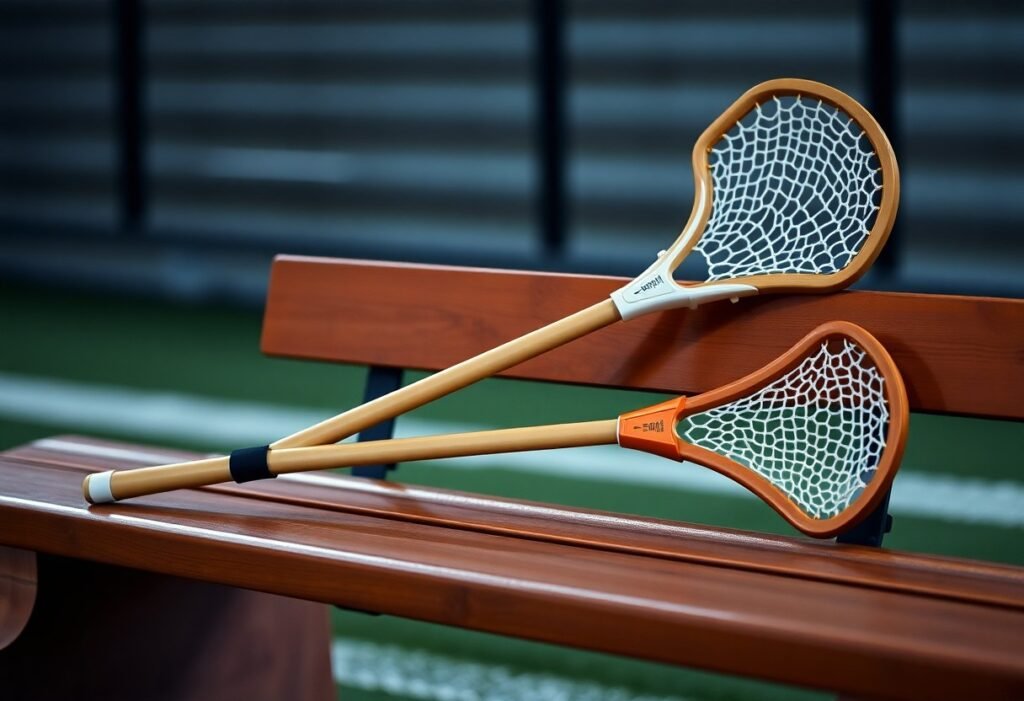
Most players pick sticks by role: as an attacker you favor shorter shafts and shallow pockets for quick shots and precise ball control; on defense you rely on longer shafts to disrupt passes and check safely; as a goalie you use a deeper head and larger face to deliver better saves and improved rebound control. This guide tells you how shaft length, head shape, and pocket depth affect your performance.
Key Takeaways:
- Attack sticks are shorter with narrower heads and shallower pockets to maximize quick handling, accurate shooting, and tight-space ball control.
- Defense sticks use longer shafts and wider heads to extend reach for checks, interceptions, and ground-ball play while sacrificing some close-range dexterity.
- Goalie sticks feature the largest, deepest heads on shorter shafts to stop and control shots and to facilitate clears; head shape and pocket depth impact save-and-pass performance.
Overview of Lacrosse Stick Components
The stick breaks down into three functional parts you interact with every play: the shaft for leverage and length, the head for catching and checking, and the pocket (strings/mesh) that controls ball hold and release. You’ll also notice top/bottom strings, sidewalls and the butt end affect feel and legality; small changes to any of these can alter your release, ground-ball success, and whether an official calls an illegal stick.
Shaft
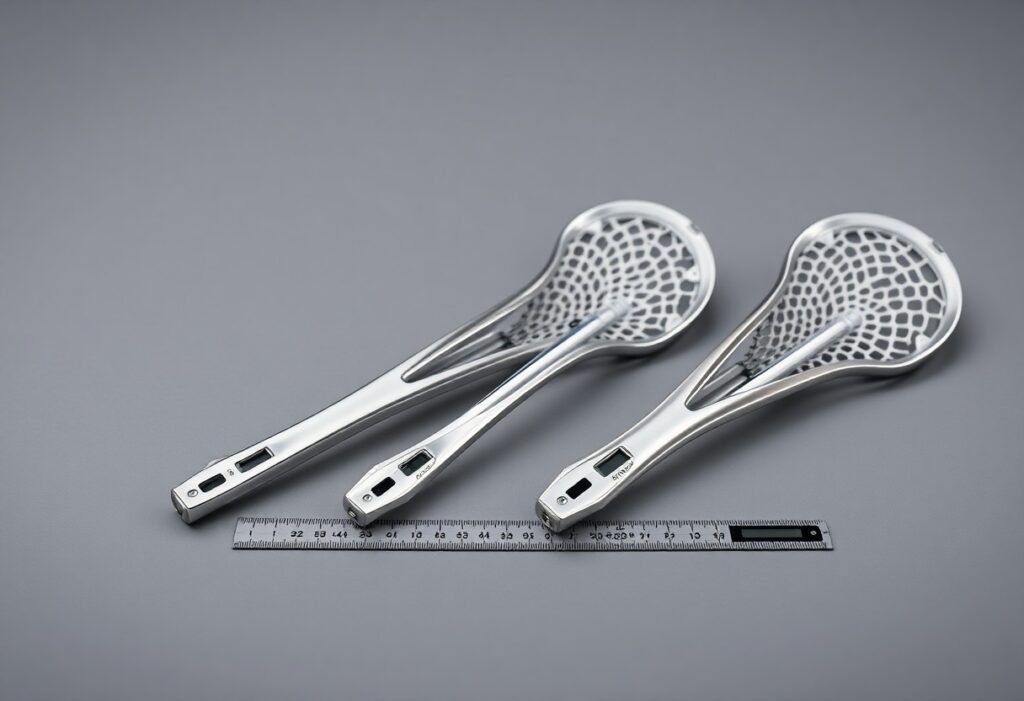
You choose shaft length and material by position: attack/midfield shafts are typically 40-42″ for quick hands, while long poles for defense run 52-72″ for reach and poke checks. Materials span aluminum, scandium, titanium and composite/carbon blends, with stiffer shafts giving more powerful checks and flexible shafts offering more whip when shooting. Pay attention to dents or cracks-a damaged shaft can fail under impact and cause injury.
Head
Heads vary by role: attack heads are pinched at the midsection for ball control and accuracy, defense heads are wider for stronger ground-ball performance and safer checking, and goalie heads are much larger to increase save area. Sidewall height and scoop shape influence how easily you pick up ground balls; stiffer sidewalls give more consistent passes and firmer pockets for shooting under pressure.
Stringing and geometry within the head determine behavior: mesh vs traditional string, number and placement of shooting strings, and pocket placement (high, mid, low) change release speed and hold. You’ll see attackers favor mid/high pockets and one-to-two shooting strings for quick releases, while defenders prefer shallower pockets for fast clears. Keep in mind an illegal or too-deep pocket can lead to a penalty and overturned plays.
Pockets range from woven leather (traditional) to various mesh grades; mesh gives consistent performance and drains water quicker, while traditional pockets offer more tactile feel and custom shaping. Pocket depth and shooting-string configuration directly affect how much the ball sits in your head versus releasing-shallower pockets speed your release, deeper pockets increase hold when cradling through traffic.
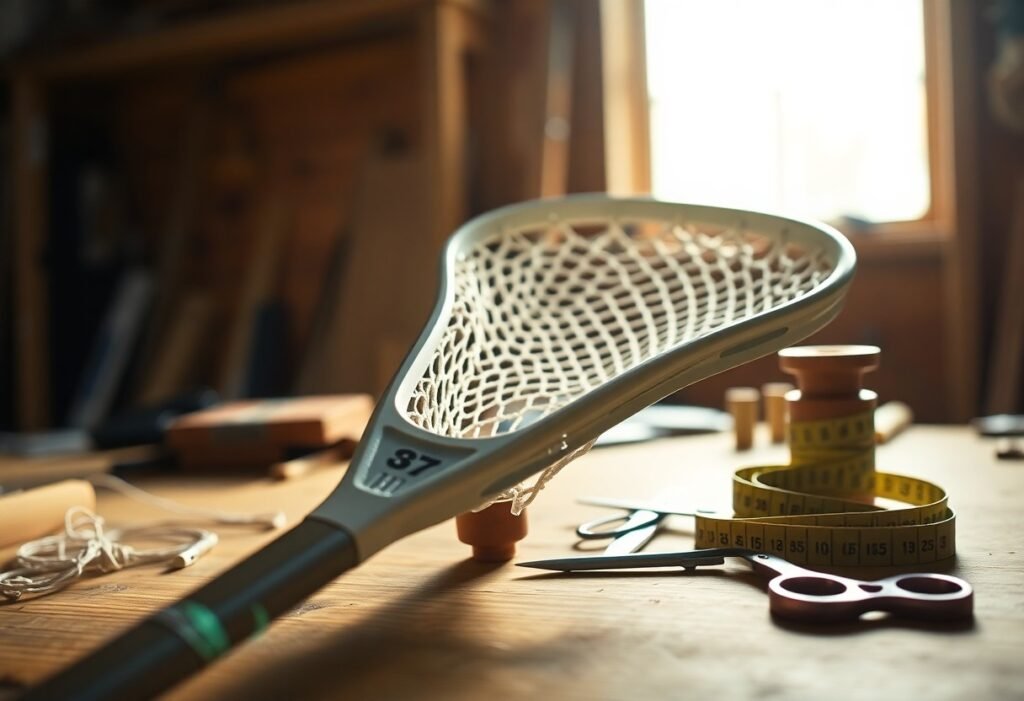
When stringing, top string tension, sidewall knots and shooting-string placement define the “whip” and accuracy-most players use one to three shooting strings to tune release and ball control. You should check pocket legality often: officials test depth and ball visibility, and a noncompliant pocket can negate a goal or possession, so keep adjustments within rule limits.
Attack Sticks
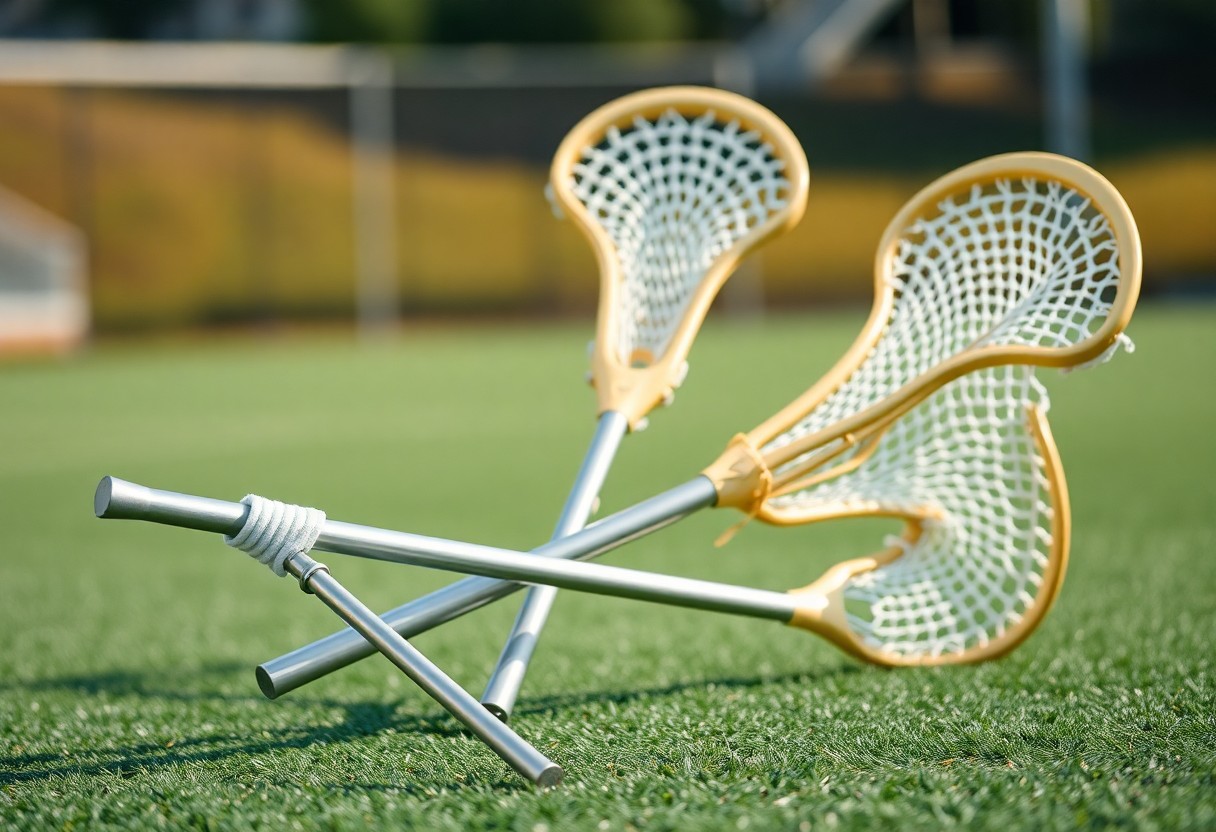
You want a stick that creates space and releases instantly; attack sticks pair a short 30-32 inch shaft with a narrow, pinched head and a mid-to-high pocket to favor hold and accuracy. They trade reach for speed and agility, making them ideal for dodging and quick shots but increasing turnover risk if your fundamentals slip. For community comparisons see What are the differences between attack and defense sticks?
Features of Attack Sticks
You’ll notice shorter shafts, narrower throat widths, sharper scoop angles and pockets set mid to mid-high; manufacturers use aluminum or composite shafts to cut weight and boost responsiveness. The head shape is often pinched to cradle the ball for quicker releases, and pocket tension is tuned to favor accuracy on shots and feeds. A stiffer shaft can add power without sacrificing the quick release you rely on.
Best Uses for Attack Sticks
You should use attack sticks for 1v1 dodges, crease play, quick-stick finishes and feeding in tight windows; they excel inside the arc and on shots from roughly 10-15 yards. Their design lets you beat defenders off the dodge and hit cutters before help arrives, making them the go-to for primary scorers and playmakers.
You’ll dial in pocket depth based on your style: shallower, pinched pockets give a faster release but less secure catches; deeper pockets help on roll dodges and contested cradles. Drill with partner feeding, 1v1 dodges, and quick-release shooting from different angles to convert in traffic and learn when to trade hold for speed.
Defense Sticks
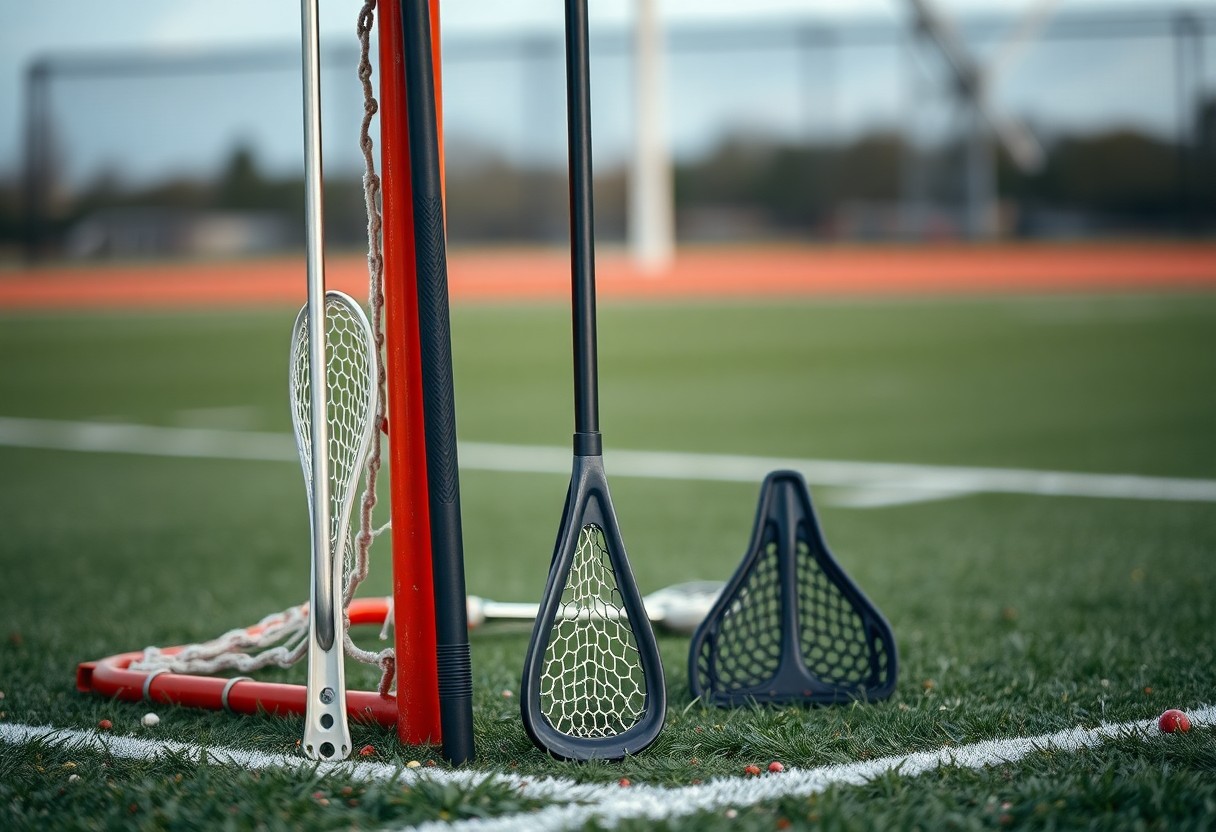
You use a long defensive pole-typically a 60-inch shaft-to gain about 1.5 feet of extra reach over an attack stick, letting you poke-check, disrupt passing lanes, and intercept feeds before they develop. Many high-school and college defenders favor scandium or composite shafts for a balance of stiffness and durability, and stiffer heads that tolerate hard checks and ground-ball scrums.
Characteristics of Defense Sticks
Designed for reach and leverage, defense sticks pair a long, stiff shaft with a head built to win ground balls and control checks. You’ll see heavier construction, reinforced but responsive pockets for faster clears, and brands like STX, Warrior, and Maverik offering models optimized for tie-ups and slap checks. Misuse can draw penalties, so precision matters as much as power.
Optimal Usage for Defense Sticks
When matched one-on-one you should use the pole to keep attackers at a distance, aiming for poke-checks and stick dislodges rather than body slams; this maximizes turnovers and limits fouls. During slides and team defense you’ll use the stick to cut off angles and deflect passes, then transition to a quick, shallow-pocket outlet on clears to jumpstart counterattacks.
Practice specific drills-1v1 mirror, 3-man slide, and outlet passing under pressure-to refine timing and positioning. Coaches often have defenders work on poke-check timing from 2-3 feet away and on controlled tie-ups along the boards; mastering those techniques increases takeaways while minimizing whistle-prone contact. Use a stiffer shaft for leverage and switch to a lighter composite if you need quicker hands for clears.
Goalie Sticks
You use a head that’s significantly larger than field sticks-typically 10-12 inches wide-with a deeper pocket and shorter shaft to maximize reaction time and coverage. Manufacturers reinforce the throat and sidewalls to handle repeated impact from shots that can exceed 100 mph, and mesh setups favor mid-to-high pockets for quick outlet passes. Expect a heavier head and a stem optimized for hand placement, balance, and rapid directional saves.
Unique Aspects of Goalie Sticks
Compared to attack or defense sticks, your goalie stick combines a wide, deep head for a larger stopping surface and a robust scoop for low-ball retrieval. You’ll notice reinforced plastics and tighter channeling to hold shots under stress, plus offset geometry that helps funnel rebounds away from high-danger areas. Manufacturers often test heads to withstand repeated impacts without warping, which changes how you set up pocket depth and mesh tension.
Advantages of Goalie Sticks
With a goalie-specific stick you gain a substantially larger stopping area and better rebound control, making routine saves and controlled clears easier. You can angle the head to direct ricochets toward the boards or wings, speeding transition offense. The design also reduces the chance of the ball slipping out on hard contact, and a sturdier throat minimizes breakage during high-velocity shots.
In practice, you’ll use the wider head to reduce shooting lanes-coaches train you to seal off inside angles and push rebounds to corners. Drill work like shot-and-rebound reps shows faster recovery when the head naturally channels the ball; combine that with consistent pocket placement and you’ll improve save-to-clear efficiency and lower opponents’ second-chance opportunities.
Material Choices for Lacrosse Sticks
Metal vs. Composite
You’ll see two dominant shaft types: aluminum and composite. Aluminum shafts are durable and budget-friendly, often used for long poles and youth gear, but they can dent on high-impact checks. Composites (carbon/graphite blends) are typically lighter and stiffer, preferred by attackers and midfielders for quicker hands and harder shots; typical shaft weights range from about 180-260 grams, influencing feel and cost.
How Material Affects Performance
Stiffer composite shafts transfer more energy to the ball, producing crisper checks and faster shot feel, while heavier metal shafts add mass for momentum on checks. You’ll often choose sub-200 g composites for attack to speed up releases, and 200-260 g or stiffer setups for defense to resist whip-be aware that very stiff shafts can transmit more shock to your hands.
In game terms, your shaft choice changes release speed, accuracy, and durability: attackers using 30-36″ composite short sticks gain quicker acceleration and sharper toe-offs, whereas defenders with 52-72″ longer, heavier shafts sacrifice a bit of quickness for reach and impact force. Coaches commonly match shaft flex and weight to role and technique, and you should test feel in game-like reps to find the best balance for your playstyle.
Choosing the Right Stick for Your Position
Factors to Consider
You’ll weigh fit, reach and release: in men’s lacrosse, attack/mid shafts are 40-42 in while defense long poles run 52-72 in. Choose head shape and pocket depth-shallow pocket for quick release, deep pocket for ball retention. Consider shaft material (aluminum, scandium, carbon fiber) and head stiffness.
- Attack – narrow face, quick release
- Defense – longer shaft, poke-check leverage
- Goalie – larger head, wider pocket
- Shaft Length – match your role and league limits
- Pocket Depth – tradeoff between accuracy and hold
Thou should test sticks in game-speed reps to confirm feel.
Personal Preference and Play Style
You may prioritize quick release or ball control based on your role: an attack player who shoots from outside favors a stiff head and low-mesh for accuracy, while a midfielder who dodges prefers a narrow head and mid pocket for quicker cradle and separation; try 10-15 shooting reps and 20 ground-ball drills with each setup to compare.
Experiment across game situations: if you chase pure power, pick a denser mesh and a stiffer head to improve shot consistency; if you need security in traffic, choose deeper pockets and a softer mesh to hold through checks. You should also align your choice with conditioning, position demands, and league rules, and validate preferences over several scrimmages before committing.
Summing up
Hence, you should match your lacrosse stick to role and style: attack sticks favor shorter shafts and flatter pockets for quick handling and accurate shooting; defensive sticks use longer shafts and stiffer heads for reach and checks; goalie sticks have larger heads and deep pockets for reliable saves. Consider shaft material, pocket setup, and league rules when choosing, and train with the stick that aligns with your position to develop position-specific skills and consistency.
FAQ
Q: What are the main differences between attack, defense and goalie lacrosse sticks?
A: Attack sticks are short and lightweight for quick hands, precise shooting and tight ball control; their heads tend to be narrower with shallower, more pinched pockets to promote quick releases and accuracy. Defense sticks (long poles) are significantly longer to give reach on checks and to disrupt passing lanes; their heads are often wider and built for stronger checks and easier ground-ball pickups. Goalie sticks have the largest heads and much deeper pockets to maximize save surface and ball control for clearing and outlet passes; goalie shafts prioritize stability and handling rather than rapid stickwork.
Q: How do head shape and pocket design change by position and how does that affect performance?
A: Attack heads are narrower and more pinched to cradle tightly and reduce whip for accurate passing and shooting; pockets are shallower and shaped to favor quick releases. Defensive heads favor a wider throat and more surface area to intercept passes, cradle under pressure and improve scooping on the run; their pockets may be slightly deeper but are balanced to maintain control on checks. Goalie heads are broad with large throat size and deep pockets to trap shots, redirect saves and control rebounds; mesh and pocket placement are optimized for holding and quickly distributing the ball.
Q: How does shaft length, material and stiffness vary between positions and what should I consider?
A: Attack and midfield players typically use short shafts (around 40-42 inches) that are light and stiff for quicker stick speed and accurate shots; materials include alloy, carbon fiber or composite blends. Defense uses long shafts (commonly 52-72 inches) to increase reach and leverage on checks; durability and torsional strength are priorities, so alloys and reinforced composites are common. Goalies may use shorter, sturdier shafts with emphasis on control and absorption of impact. Choose a shaft by balancing weight, feel, durability and the flex pattern that matches your playing style and position.
Q: What are the legal specifications and common rule checks for stick types in organized play?
A: Governing bodies set rules for head dimensions, pocket depth, shaft length and materials; typical checks include measuring overall shaft length (short stick vs long pole), head width and ensuring the pocket does not hold the ball too deep (ball must sit above a defined point on the sidewall in most rule sets). Goalkeeper head size limits differ from field player limits. Because rules vary by league (youth, high school, college, international), always consult the current rulebook for your level and inspect sticks before games to ensure compliance.
Q: How do I choose and maintain the right stick for my position and skill level?
A: Match stick type to role and experience: beginners benefit from forgiving heads and durable shafts; attack players should prioritize light, narrow heads and quicker-release pockets; defenders should pick a durable long pole with a scooping-friendly head; goalies need a wide head with a stable shaft. Test sticks in-hand for comfort, balance and pocket feel. Maintain proper pocket tension, replace worn strings or mesh, keep shafts clean and dry, and periodically check for dings or bends. Regular maintenance preserves performance and helps avoid illegal pocket depth or structural failure during play.