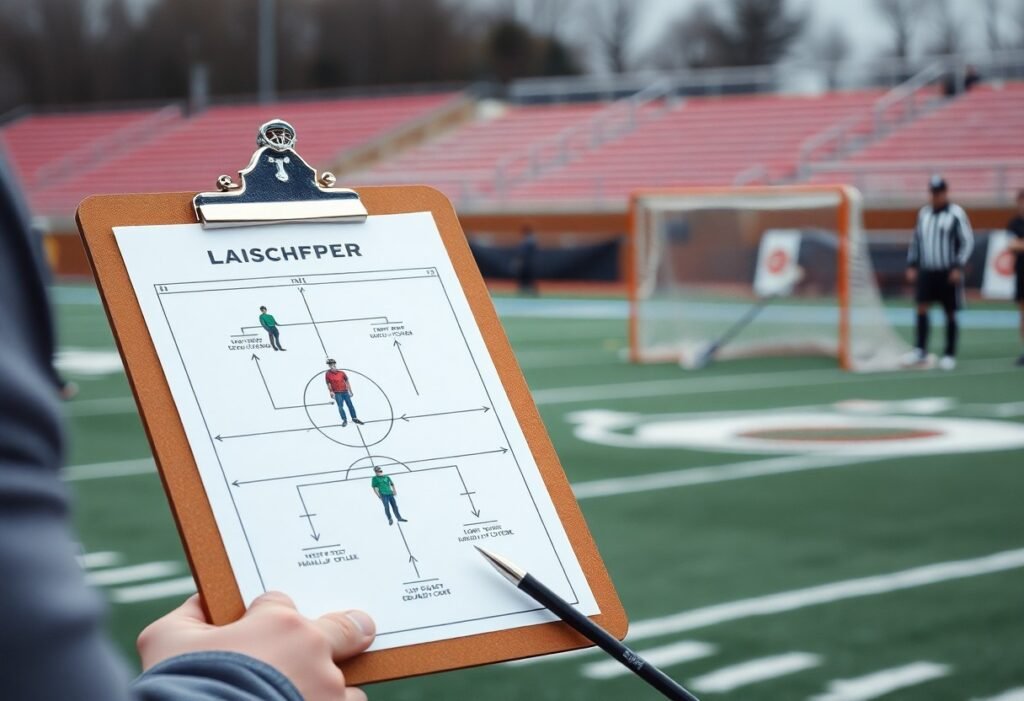

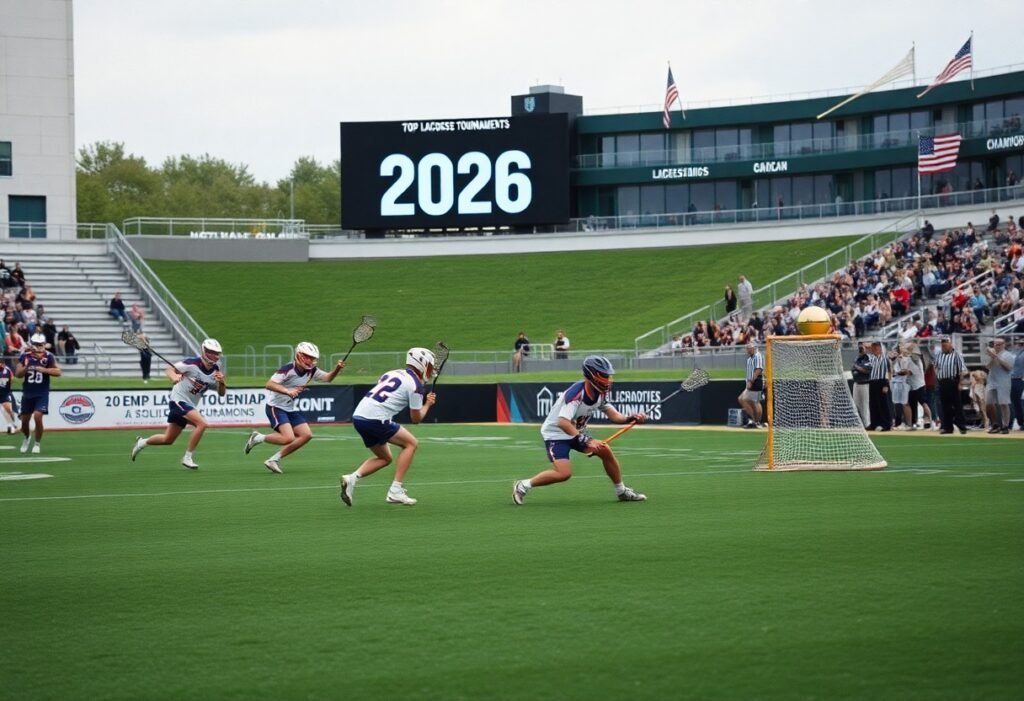
Just as you plan your season, this guide pinpoints the must-play tournaments that deliver elite competition and scouting exposure across the country; you’ll find event dates, level-specific brackets, and tips to navigate high-stakes, physical play that can be dangerous if you underestimate travel and recovery needs, so you can choose tournaments that best advance your skills and visibility.
Key Takeaways:
- NCAA championships (Division I men’s and women’s Final Fours) anchor the calendar as the highest-profile, highest-attendance events with wide broadcast coverage and fast-selling tickets.
- Professional and club showdowns-PLL Championship Weekend, NLL playoffs, MCLA Nationals and US Lacrosse national tournaments-serve as the top pro, club, and recruiting showcases.
- Marquee venues (Baltimore/Washington, Boston, Philadelphia, major college campuses) host the biggest tournaments; book travel/tickets early and follow official event sites and broadcast partners for schedule and format changes.
Major National Tournaments
The NCAA Lacrosse Championship
You’ll see the NCAA Lacrosse Championship settle college bragging rights each May, with the Division I men’s and women’s tournaments culminating in a Final Four weekend that regularly draws 20,000-40,000 fans. Top programs like Duke, Maryland, and Syracuse frequently populate the bracket, while automatic conference bids and at-large selections keep the field competitive. If you’re scouting college talent, the tournament is where draft prospects and coaching adjustments become most visible.
The Premier Lacrosse League (PLL)
You’ll find the Premier Lacrosse League (PLL), founded in 2019 by Paul Rabil, represents the top professional field lacrosse circuit with a single-entity, tour-based model that brings teams and stars to markets nationwide. The PLL’s season culminates in Championship Weekend, and you can watch elite talents-many fresh from NCAA programs-compete under fast-paced rules that boost scoring and broadcast appeal.
Beyond the title chase, the PLL emphasizes player-first contracts, centralized broadcasts, and analytics-driven coverage; for example, Tom Schreiber and Trevor Baptiste are marquee names whose performances often decide playoff seeding. You can trace prospects from NCAA Final Fours through the PLL college draft to see immediate pro impact, while rising attendance and streaming figures make the league a top destination for your scouting and fan calendars.
Regional Tournaments
Mid-Atlantic Regional Championships
You’ll face top club and high-school programs from PA, NJ, MD, DE, and NY in a bracket-style weekend that emphasizes physicality and pace. Expect matchups against teams with aggressive riding and quick clears, and plan for heavy recruiting presence-dozens of college coaches commonly scout these events. Tune your film, sharpen your communication, and emphasize consistent ride and transition to stand out in tight contests.
New England Lacrosse Championships
Teams from all six New England states-CT, MA, RI, VT, NH, and ME-converge with diverse tactical approaches, so you should prepare for both compact defensive systems and fast-break offenses. Tournament formats mix pool play with single-elimination rounds; factor in variable weather and field surfaces when crafting your game plan, since field and weather variability often dictates adjustments you must make on the fly.
Digging deeper, you’ll want to prioritize possession fundamentals like faceoffs and transitional decision-making because control often decides outcomes; schedules are compressed into weekend windows, so short recovery times force disciplined rotation, hydration, and injury prevention. Bring concise scouting notes and highlight clips that show your situational play-coaches value players who perform consistently across quick turnarounds.
Youth and Junior Tournaments
Events span U9-U19 divisions and put your team against regional and national competition; you’ll see formats that guarantee multiple games, coaching clinics on-site, and hundreds of teams converging at single venues so scouts and referees can evaluate talent across age groups.
US Lacrosse Youth Championships
At the US Lacrosse Youth Championships you’ll compete in U9-U15 divisions that combine development and exposure; expect structured pool play followed by placement brackets, on-site coaching sessions, and dozens of college and club scouts observing top performers across the weekend.
National Junior Lacrosse Championship (NJLC)
The NJLC focuses on U16 and U19 play, drawing elite club programs from across the country so you can measure your roster against the best; tournament formats emphasize multiple guaranteed games, and national scouting presence makes it a prime recruiting showcase.
More detail: NJLC typically runs a group stage into single-elimination semis and finals, gives teams at least three games, and includes position-specific showcases (goalie and attack camps) that you can use to boost recruiting exposure; organizers often provide video scouting feeds and post-game reports to help you and coaches evaluate performance.
Women’s Lacrosse Tournaments
You’ll find top club and high-school action at the Sand Storm Lacrosse Festival | Annual Event at Empire Polo …, held each March at the Empire Polo Club in Indio, CA; it draws hundreds of players, dozens of college coaches, and a heavy scouting presence, making it one of the best spring showcases for recruits and club programs looking to measure themselves against national competition.
Women’s NCAA Championship
You follow a 29-team single-elimination bracket that combines automatic qualifiers and at-large bids, then peaks with a neutral-site Final Four weekend; conference champions from power leagues and mid-majors clash, and you’ll see the season’s best shooters and close defenders tested under NCAA tournament pressure where scouting, depth, and late-game adjustments decide titles.
Women’s Premier Lacrosse League (WPLL)
You’ll watch a summer pro circuit built around elite talent: the WPLL featured six teams composed of national-team members and top college graduates, short-season scheduling for maximum competition, and concentrated showcases that made it easy for you to scout professional-level play without a full-length pro season.
You should note the WPLL’s emphasis on innovation and visibility-smaller rosters, condensed weekends, and televised showcases increased player exposure and competitive intensity; when you attend a WPLL event expect to see experimental formats and a faster game environment that accelerated player development and kept coaches and pro scouts locked in.
Emerging Tournaments
Club and Founders Cups
At dozens of club-level events you’ll find new circuits bridging grassroots teams and college exposure. Regional Club Nationals and Founders-style invitationals now host 40-120 teams, with many offering college showcases, pro scouts, and pickup sessions. You should target late-spring or early-summer weekends; coaches report recruiting interest spikes at these events, and teams often use them to trial systems before fall. Expect mixed fields-veteran programs vs. newly formed clubs-so your lineup and conditioning matter.
Environmental Lacrosse Tournaments
Green-minded organizers are launching tournaments that pair competition with activism, and you’ll see events requiring reusable water bottles, bike valet, and local carbon-offset partnerships. Several tournaments donate a portion of fees to watershed nonprofits and run clinics on field restoration. If you play in these, be ready for volunteer-run sustainability stations and reduced single-use plastics policies that alter sideline logistics and vendor options.
Organizers often require teams to commit to measurable actions-examples include donating 5% of registration, coordinating a 30-60 minute cleanup, or meeting waste-diversion targets. You can earn reduced fees or priority seeding by participating. Expect on-site audits and educational sessions led by local NGOs; however, wet-field cancellations remain a top operational risk, so your travel and roster plans should be flexible.
Tips for Participating Teams
- Preparing for Tournament Play
- Navigating Tournament Logistics
Preparing for Tournament Play
Start with a 6-week plan: schedule 8-12 high-intensity practices, two film sessions, and simulated scrimmages to prepare for typical tournament loads of 2-4 games over a weekend. Assign clear roles (captain, goalie coach, equipment manager), pack two full sets of gear per player, and set recovery windows-20 minutes active cool-down after each game plus targeted mobility work to reduce injury risk.
Navigating Tournament Logistics
Book hotels within 10-15 minutes of the venue and reserve rooms 8-12 weeks out for major events; expect limited parking. Use a shared Google Sheet or TeamSnap to publish field GPS, game times, and bench rotations. Designate an equipment lead, bring a team tent and labeled bags, and carry a printed roster to accelerate on-site check-in.
Allocate a staff member to manage payments and waivers-many tournaments require roster uploads 72 hours before kickoff and entry fees commonly range $350-$800. Build a 60-90 minute travel buffer for traffic, have a backup vehicle for gear, and carry a medical kit with tape and ice packs plus digital copies of insurance and waivers. This reduces stress and keeps your roster focused.
Conclusion
With this in mind, you can use the 2026 roundup of top lacrosse tournaments in the USA to plan your season, choose events that match your competitive level and exposure goals, and prioritize travel and training accordingly; the guide helps you evaluate prestige, competition, and scouting opportunities so your team or individual development benefits from the right tournament choices.
FAQ
Q: What are the top lacrosse tournaments and events in the USA for 2026?
A: Here are the top lacrosse events to follow or attend in 2026, including key dates and locations where available:
| Event | Dates | Location | Description |
|---|---|---|---|
| NCAA Division I Men’s Lacrosse Championship | Semifinals: May 23, 2026 Final: May 25, 2026 | Charlottesville, VA (Scott Stadium) | The premier college championship, concluding the season with the nation’s top teams. |
| NCAA Division I Women’s Lacrosse Championship | Semifinals: May 22, 2026 Final: May 24, 2026 | Evanston, IL | The top-level women’s college postseason tournament with broad exposure. |
| NCAA Division II & III Men’s Lacrosse Championships | Division II & III Finals: May 24, 2026 | Charlottesville, VA (Scott Stadium) | The championship games for Division II and III men’s lacrosse. |
| MCLA National Championships | May 4-9, 2026 | Richmond, VA (River City Sportsplex) | The national championship for the top club college teams from across the country. |
| US Lacrosse National Championships | Dates not specified in search results. | Location not specified in search results. | A large, multi-division youth tournament for club teams with national brackets. |
| Under Armour All-America Lacrosse Game | Game has already occurred (Jan. 3, 2026). | DeLand, FL (Spec Martin Stadium) | An invitation-only high school all-star event that is heavily scouted by college coaches. |
| NLF National Championships | Youth: July 10-11, 2026 HS: July 12-13, 2026 | Stony Brook University | A prestigious club tournament featuring top teams from across the country competing for a national title. |
| National Girls Lacrosse League (NGLL) National Championship | May 16-17, 2026 | Edgewood, MD (Copperplex) | The championship weekend for the nationwide NGLL youth league, featuring regional champions. |
For the most up-to-date information on events like the US Lacrosse National Championships and to confirm exact schedules, it’s best to consult each organizer’s official website.
Q: How do teams or players qualify and register for these events in 2026?
A: Qualification varies by event type. NCAA championships use conference automatic bids plus at-large selections determined by the committee. US Lacrosse Nationals generally accept direct club and team registrations. They allocate divisions by age and competitive level, occasionally using seeding or invite lists for top brackets.
Under Armour All-America and similar showcases are invitation-only. Selection is based on scouting, rankings, and video submissions. MCLA teams qualify through conference standings or league selection processes.
Registration windows typically open months in advance. Deadlines, fee structures, and roster submission rules are posted on each event’s official site. Early registration is important for securing spots. Confirm eligibility requirements including age cutoffs, school affiliation, and insurance.
Q: What are typical costs and travel considerations teams should plan for in 2026?
A: Tournament costs vary widely across events. Team entry fees range from a few hundred to several thousand dollars. This depends on event size and age bracket.
Per-player costs typically run $200-$800 for nearby events. Cross-country tournaments cost $600-$2,000 or more. These expenses cover travel, lodging, meals, and gear.
Additional expenses include coach passes and umpire fees. You may also pay for trainers and optional services. Book hotels early for team blocks to reduce costs. Confirm shuttle options between hotels and fields. Budget for field rental or turf surcharges where applicable. Factor in contingency funds for weather-related schedule changes or extra nights.
Q: Which tournaments offer the best college recruiting exposure and how can players maximize visibility?
A: Highest recruiting exposure comes from Under Armour All-America showcases. Large US Lacrosse National Championships also attract significant attention. NCAA playoff games and marquee college-club weekend events draw dozens of college coaches.
To maximize visibility, submit highlight reels and academic profiles before the event. Wear numbered pinnies and play consistent minutes. Register for official recruiting showcases and ID camps linked to tournaments. Have coaches and parents maintain an accessible contact list. Ensure compliance with NCAA contact rules for Division I opportunities. After events, share high-quality game film and send timely follow-up emails to coaches.
Q: How should teams choose the right tournament for their level and season goals in 2026?
A: Match tournament selection to your specific objectives. Choose high-profile showcases and nationals for recruiting and elite competition. Select regional or development-focused events for younger or rebuilding teams to prioritize experience.
Consider competition level, roster size, and substitution rules. Evaluate field surface, weather, and travel logistics. Check available support services like athletic trainers and film crews. Review past-year brackets and results to gauge competitiveness. Consult coaches or club directors for recommendations. Find events that historically align with your team’s development stage and exposure goals.