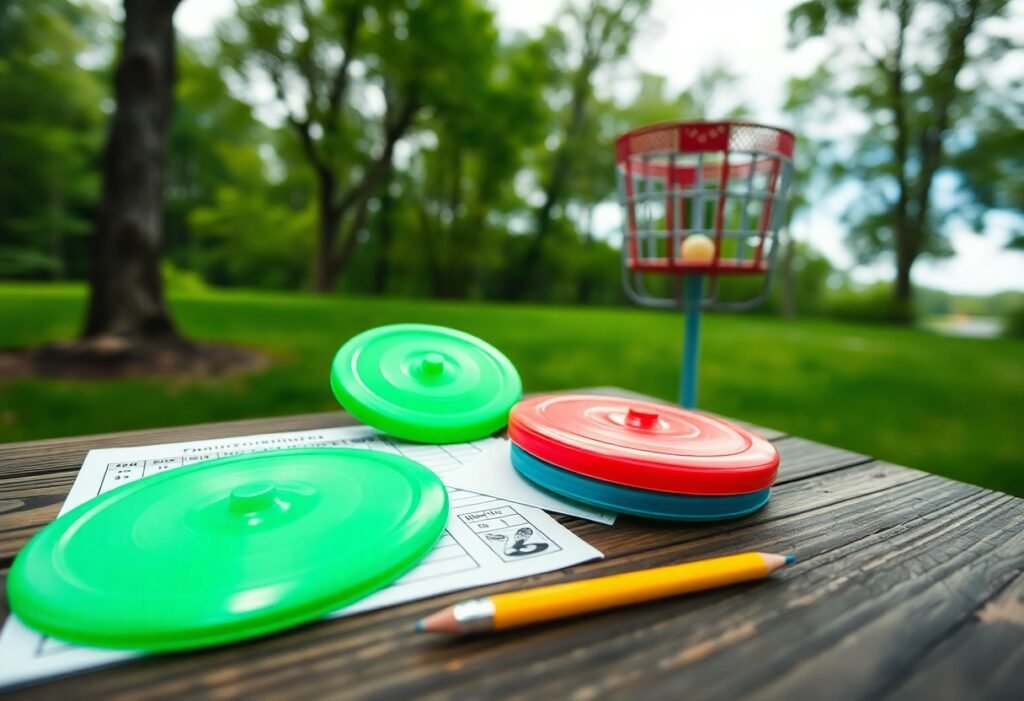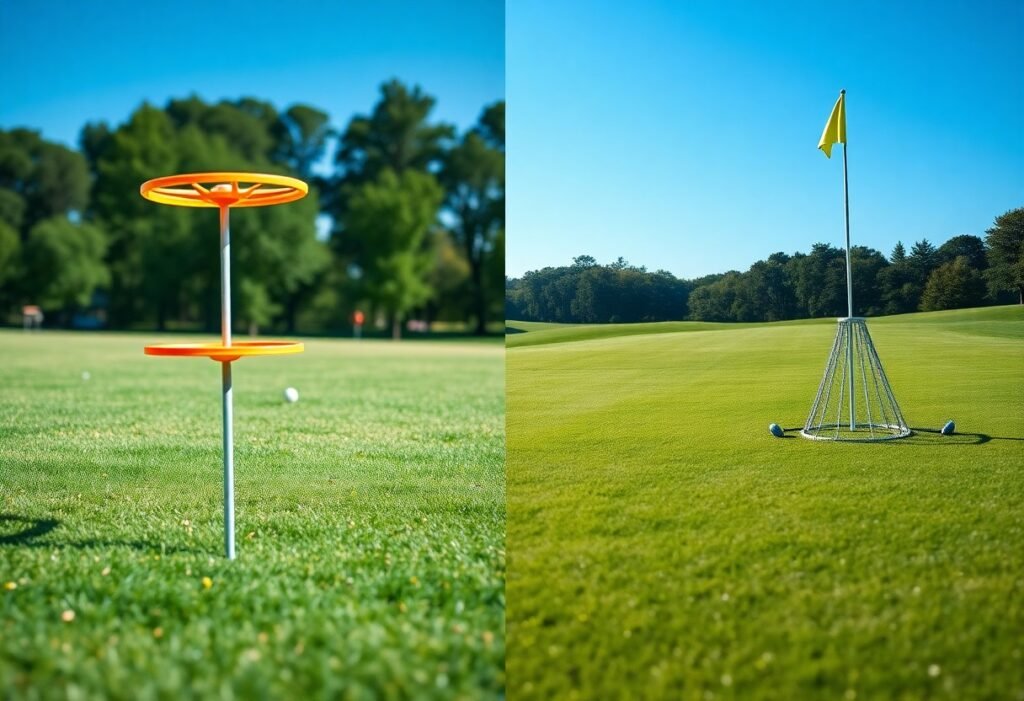


Over time, your putting can make or break your game in disc golf, and developing consistency in this aspect is important for scoring well. This post will provide you with effective putting drills that focus on improving your technique and boosting your confidence on the course. By incorporating these drills into your practice routine, you can significantly enhance your focus, reduce anxiety during crucial moments, and improve your overall performance. Get ready to transform your putting skills and elevate your game to the next level.
Key Takeaways:
- Focus on creating a consistent stance and pre-shot routine to enhance muscle memory.
- Incorporate distance control drills to improve accuracy from various ranges.
- Use visualization techniques to build confidence and reduce anxiety during practice and competition.
Understanding Disc Golf Putting
The Importance of Consistency in Putting
Consistency in putting is vital for lowering your scores and building confidence on the course. When you can repeat your putting motion effectively, you decrease variability and increase your chances of sinking putts. Studies show that players with a consistent putting routine have lower stroke averages, as they can better manage pressure and perform consistently across various course conditions. Establishing your rhythm and mechanics during practice ensures that you bring those skills to every round.
Common Putting Mistakes to Avoid
Many players unknowingly undermine their performance with simple putting mistakes. Failing to focus on the target, using inconsistent grip pressures, or overlooking your stance can lead to poor shot execution. One common issue is lack of follow-through; without completing your motion, your disc may not travel on the intended line. Distracted mental processes can further hinder execution, so maintaining concentration throughout your routine is crucial.
Another frequent mistake is not utilizing proper alignment. If your body is not facing the target at the correct angle, you risk altering the disc’s flight path. Additionally, improper weight distribution during your throw can lead to erratic results. For instance, leaning too far forward or backward can cause miscalculated angles. Practicing in front of a mirror or recording your sessions can illuminate these errors and help you make necessary adjustments for improved accuracy.
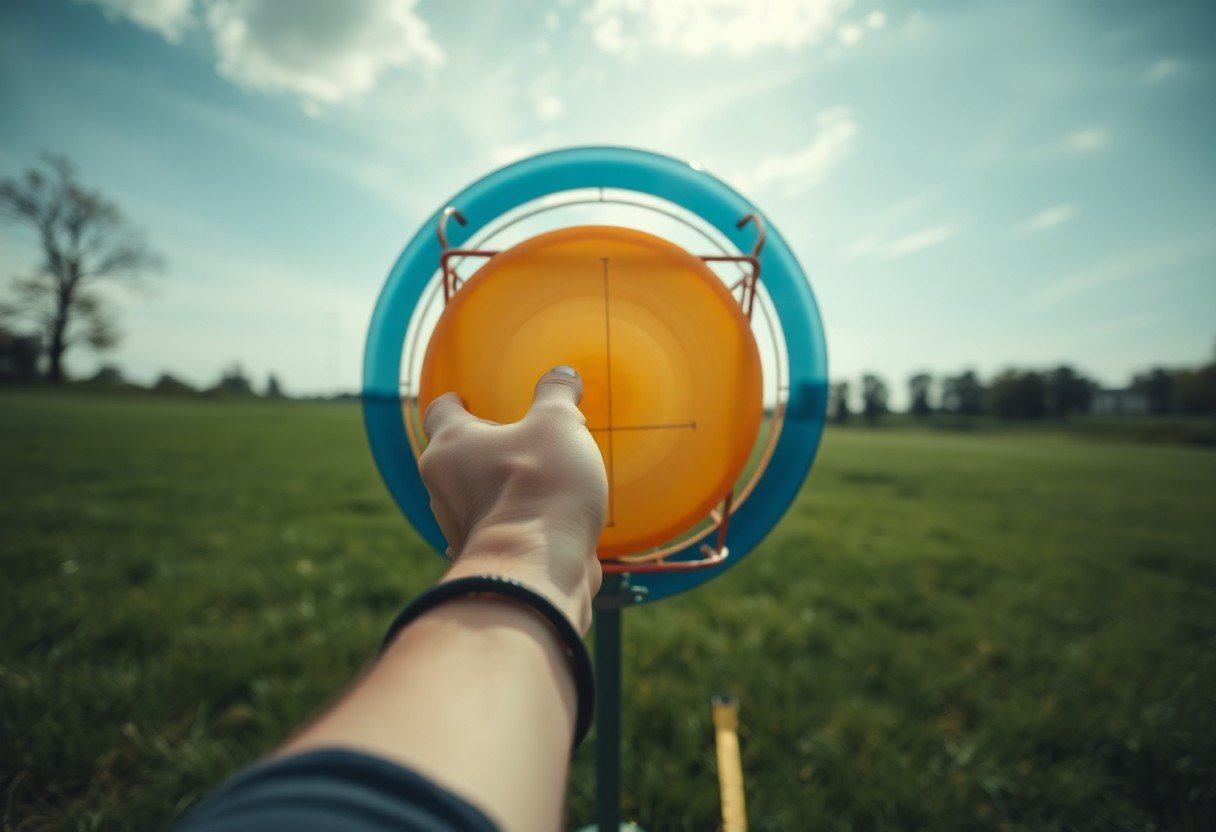
Fundamental Techniques for Effective Putting
Grip Techniques for Stability
Your grip is vital for maintaining control and ensuring a consistent release during putting. Experiment with different grips, such as the *power grip* for added strength or the *pencil grip* for finesse, to find what works best for you. Keep your fingers relaxed but firm, allowing for a natural feel that enables better touch on the disc.
Stance and Alignment Essentials
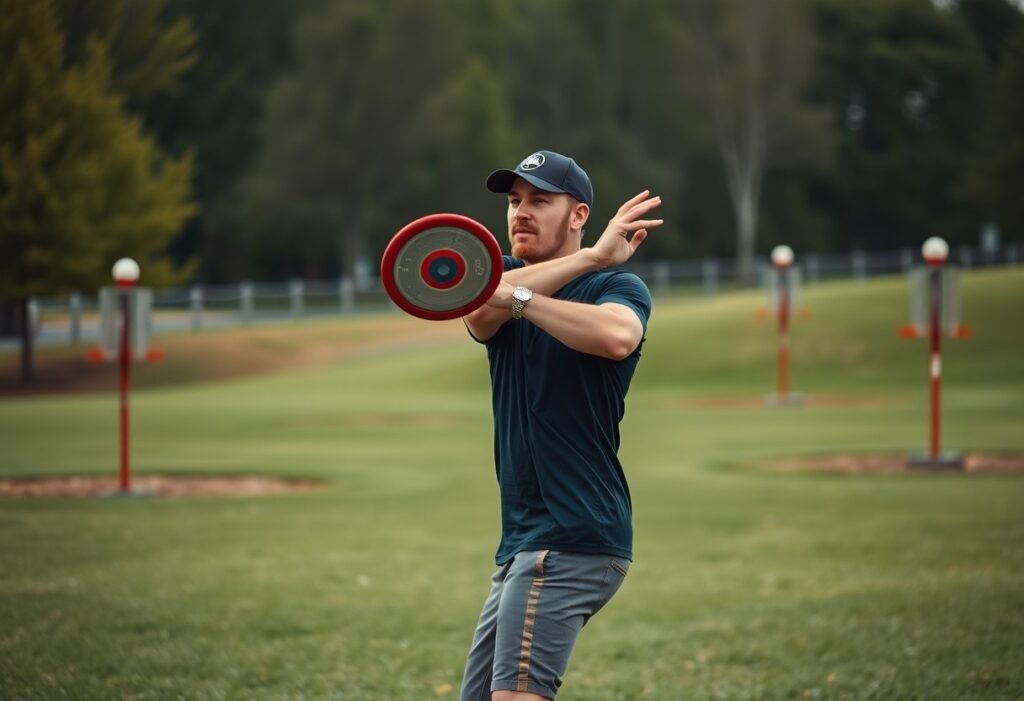
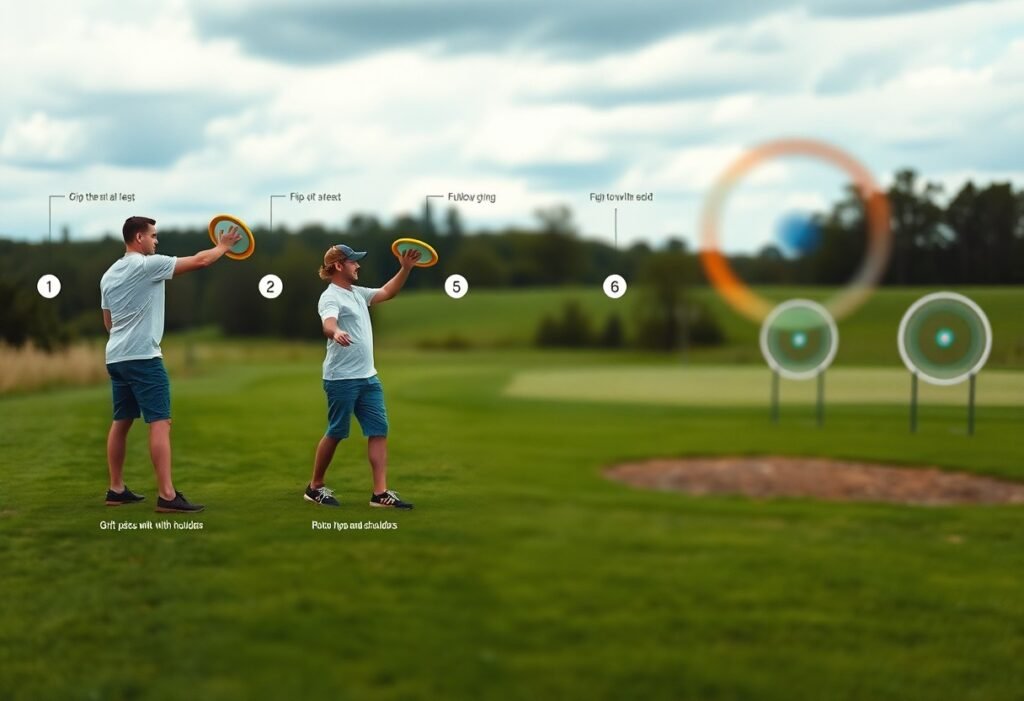
Your stance and alignment directly impact your putting accuracy. Position your feet shoulder-width apart, aligning your body towards the target. This creates a stable base, enabling you to focus on your target and minimize distractions in your peripheral vision.
Having a solid stance not only promotes balance but also affects your overall mechanics. Your weight should be evenly distributed, with a slight lean forward to enhance your projection. The alignment of your shoulders, hips, and feet towards the target minimizes unnecessary movement, allowing for a more focused and effective putt.
The Role of Follow-Through
Your follow-through plays a significant role in shaping the trajectory of the disc. After releasing, ensure your arm extends fully toward the target, as this continuation reinforces a fluid motion and stability throughout the putt.
A strong follow-through fosters a sense of completion in your putting stroke, helping you maintain your form and reducing the likelihood of an abrupt stop that can cause inconsistencies. Visualizing your putt’s flight path during follow-through can also help solidify your focus and ensure you develop a precise routine that contributes to consistent results.
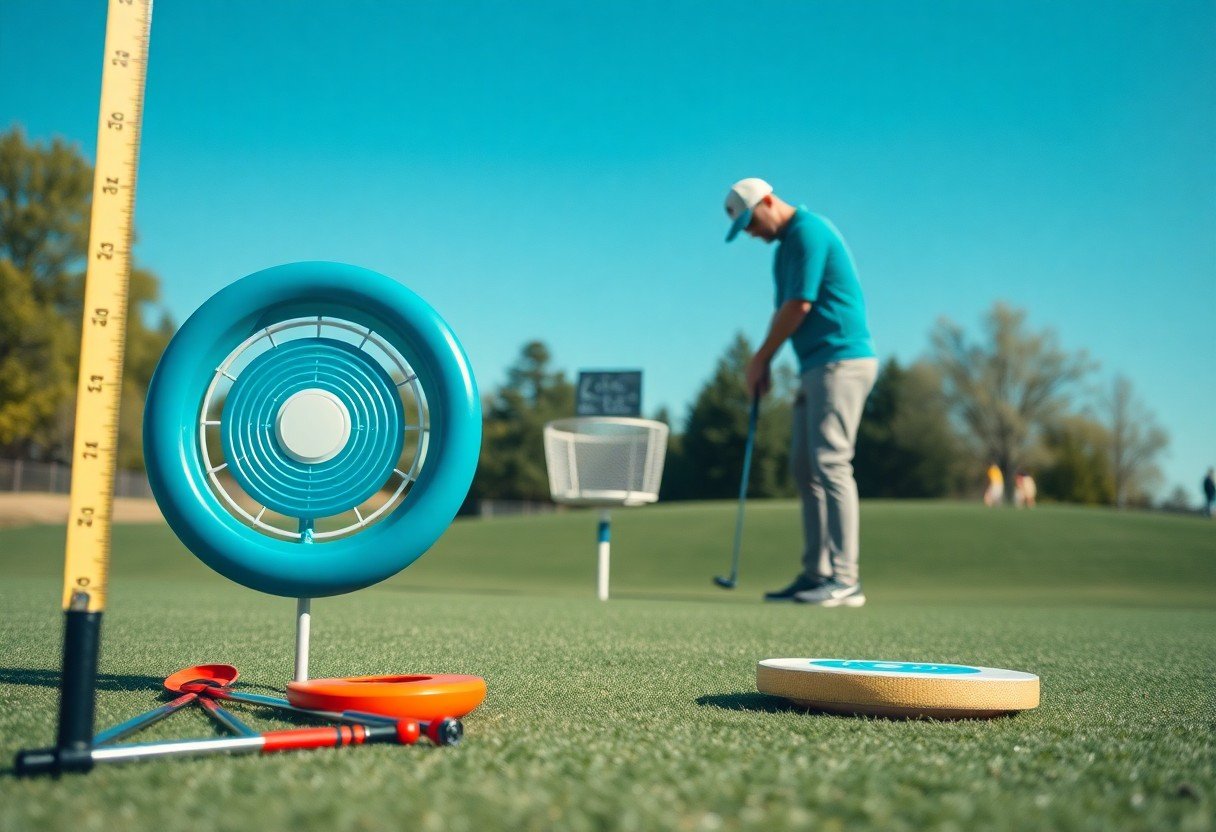
Drills for Developing a Consistent Putting Stroke
The “One-Putt” Drill for Focus
The “One-Putt” drill enhances your focus by requiring you to make a single putt from a designated distance. With this drill, every shot counts, promoting mental engagement in each attempt. Stand at a distance where you feel comfortable but slightly challenged; this creates pressure. Your objective is to make one successful putt before moving to a new spot, sharpening your concentration and consistency under pressure.
The “Circle 1” Drill for Range Accuracy
The “Circle 1” drill is designed to improve your accuracy from within 10 meters, referred to as Circle 1 in disc golf. By repeatedly practicing from this distance, you develop a muscle memory that enhances your confidence and precision. This drill allows you to focus on your form, stroke, and release, ensuring you can consistently sink those critical short-range putts.
To effectively perform the “Circle 1” drill, set up a series of targets or marked spots within the 10-meter range, making sure to vary the angles and distances. Take your time with each putt, focusing on your stance and follow-through. Challenge yourself by adding a scoring system, where missing a putt could lead to additional attempts, further reinforcing the habit of accuracy under pressure. Incorporate this drill into your routine several times a week, and you’ll notice marked improvements in your close-range putting proficiency.
The “Risk/Reward” Drill for Decision-Making
The “Risk/Reward” drill helps you assess your options by creating scenarios with varying distances and angles to the basket. Set up a few markers at different ranges and decide whether to take a putt or an approach shot based on your confidence and the situation. This drill teaches you to evaluate risk versus reward in putting, enhancing your strategic thinking during gameplay.
During the “Risk/Reward” drill, alternate between taking safe putts from close range and challenging yourself with longer, more difficult attempts that could either lead to missed opportunities or exceptional successes. Track your successes and failures to refine your decision-making skills, helping you understand when to take chances or play it safe. Over time, you’ll be able to better gauge your comfort levels in diverse situations, ultimately improving your overall putting strategy on the course.
Visualization and Mental Preparation
Importance of Mental Focus in Putting
Your mental focus can significantly influence your putting performance. When you step up to the basket, a clear and concentrated mind allows you to control anxiety and distractions. Studies show that athletes with strong mental discipline perform better under pressure, underscoring the need for you to cultivate a strong mental game. By training your mind, you enhance not only your confidence but also your ability to execute technical skills reliably.
Visualization Techniques to Enhance Performance
Visualization plays a vital role in improving your putting consistency. Before taking your shot, picture the entire process: the stance, grip, line of the putt, and the disc’s trajectory towards the basket. Many professionals use visualization techniques to mentally rehearse successful putts, enabling them to translate that confidence onto the course. Consistent practice of this method can create a positive mental blueprint in your mind, leading to enhanced focus and performance.
To get the most from visualization, dedicate a few minutes before your putting practice to close your eyes and imagine the successful execution of each putt. Picture the disc gliding smoothly along your intended line and settling into the basket. Engaging your senses makes this exercise even more effective; feel the disc in your hand, hear the putting motion, and visualize the satisfying chain rattle. Daily incorporation of these techniques can sharpen your mental game and prepare you for real competition scenarios.
Practicing Under Pressure
Simulating Game Situations
To improve your putting consistency, incorporate drills that mimic actual game conditions. Set up scenarios where you need to make critical putts to avoid a penalty or to secure a win. By introducing elements like a time limit or varying lie distances, you force yourself to adapt under pressure. This not only builds skill but also enhances your mental toughness, preparing you for the stress of real competition.
The “Pressure Putting” Drill for Confidence
The “Pressure Putting” drill brings the intensity of competition to your practice sessions. By setting specific goals, like making a certain number of putts from various distances, you replicate the pressure you face during tournaments. As you succeed, your confidence grows, directly impacting your performance on the course.
In this drill, choose five different distances, ranging from short to long, and set a target of making, for example, 10 out of 15 putts from each spot. Incorporate distractions, such as friends talking or music playing to create a realistic atmosphere. Each successful putt reinforces a positive mindset, while unsuccessful attempts encourage you to adapt and improve. Track your performance over time and aim to increase your success rate, solidifying your confidence under pressure.
Tracking Progress and Setting Goals
Keeping a Putting Record
Document your putting sessions by maintaining a putting record to track your progress over time. Note the number of successful putts, distance, and any specific drills performed. Analyzing this data helps identify trends in your performance and highlights areas needing improvement. Regularly reviewing your record allows you to see your growth and stay motivated as you reach personal milestones.
Setting SMART Goals for Improvement
Establishing SMART goals (Specific, Measurable, Achievable, Relevant, Time-bound) is vital for your development in disc golf putting. For example, instead of vague targets like “I want to get better,” aim for “I will make 80% of my putts from 20 feet within the next month.” This clarity provides a structured path for your practice, encouraging steady growth and accountability.
When setting SMART goals, consider breaking them down into smaller, actionable steps. For instance, if your main goal is to improve from 60% to 80% accuracy, set interim goals such as increasing your success rate by 5% each week. This steady progression gives you clear checkpoints to evaluate your practice strategies and adjust your methods if necessary, ensuring you stay on track toward achieving your ultimate objective.
When to Seek Professional Help
If you find it difficult to improve despite consistent practice, it may be time to seek professional help. Consider consulting with a disc golf coach or attending a specialized clinic to gain expert insights. This guidance can provide tailored drills and techniques to enhance your skills and address any form or mental blocks affecting your game.
Recognizing when to seek help is vital for your growth. If you’re consistently plateauing or feel frustrated after numerous attempts at self-improvement, a coach can offer a fresh perspective and practical solutions. They can assess your technique, provide immediate feedback, and introduce new strategies that align with your specific challenges, ultimately accelerating your advancement in the sport.
To wrap up
To wrap up, consistent putting is vital for improving your disc golf game, and incorporating specific drills can enhance your skills significantly. Focus on practicing various distances and angles to develop muscle memory and boost your confidence on the course. Engaging in regular putting drills can help you identify weaknesses and track your progress. For a great collection of putting drills, check out Putting drills : r/discgolf. Stay committed, and you will see your putting consistency improve over time.
FAQ
Q: What are effective putting drills for beginners in disc golf?
A: Beginners can start with the “Circle Drill,” where players practice putting from various distances within the circle, focusing on form and follow-through. The “One-Put Drill,” where players make a single putt from a set distance, is also beneficial for developing confidence.
Q: How can I improve my putting consistency?
A: To improve consistency, incorporate drills like the “Around the World,” where players make putts from predefined spots around the basket. This builds muscle memory and comfort from different angles.
Q: What should I focus on during putting practice?
A: Focus on your stance, grip, and release point. Consistent practice of these elements in drills such as the “Static Putts” drill, where you remain stationary and concentrate solely on your technique, will enhance your overall skills.
Q: How often should I practice putting drills?
A: Aim to practice putting drills at least 2-3 times a week for 30-60 minutes. Regular practice solidifies skills and helps build muscle memory.
Q: Are there specific drills for developing a strong mental game in putting?
A: Yes, the “Pressure Putts Drill,” where players simulate high-pressure situations by making a series of putts with penalties for misses, can help improve focus and composure during real rounds.
Q: What role does foot placement play in putting drills?
A: Proper foot placement provides stability and balance during your putt. Drills that emphasize maintaining a solid stance, such as “Footwork Dynamics,” can enhance your overall putting mechanics.
Q: Can using different discs during putting practice help improve my game?
A: Yes, practicing with various discs, including putters and midranges, helps you understand how different disc characteristics affect your putting style and consistency. Try drills with each type for a well-rounded approach.