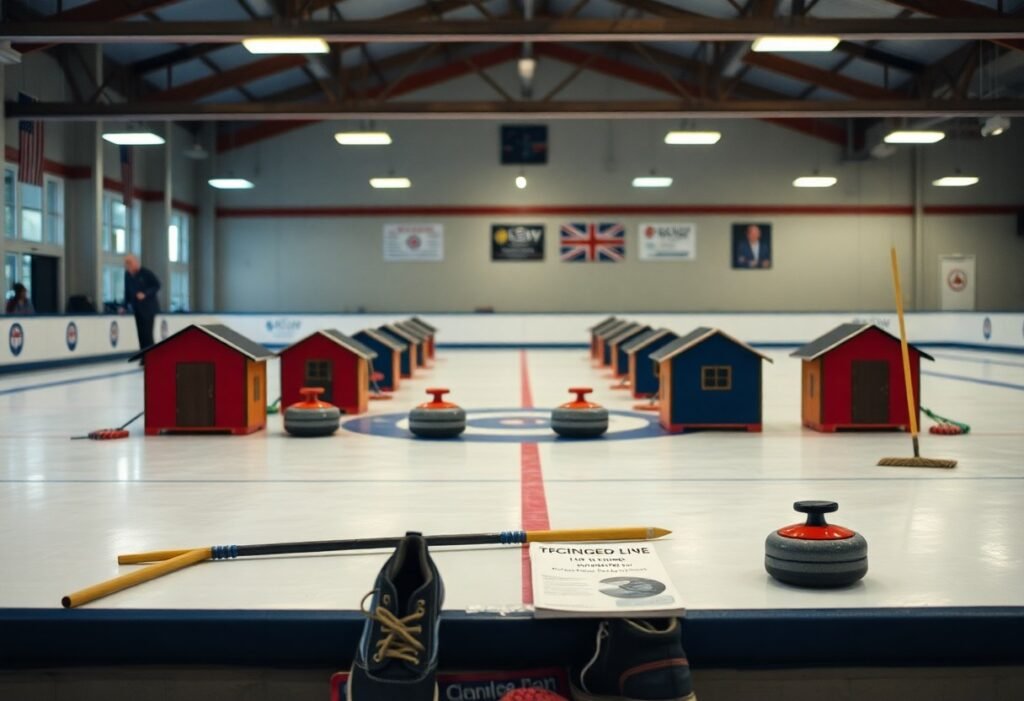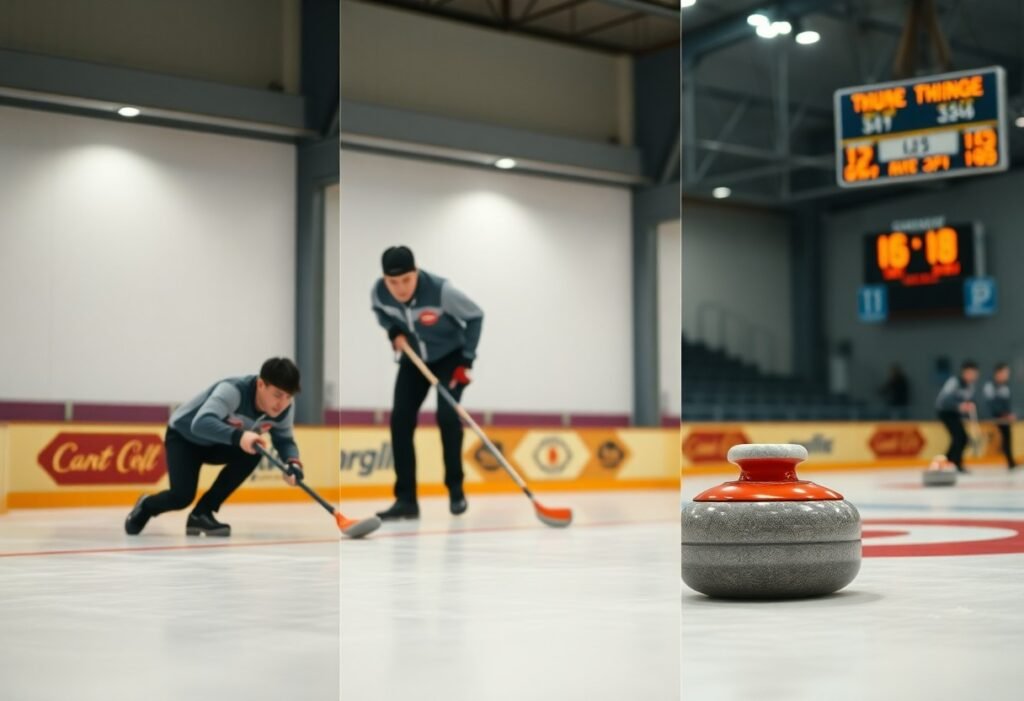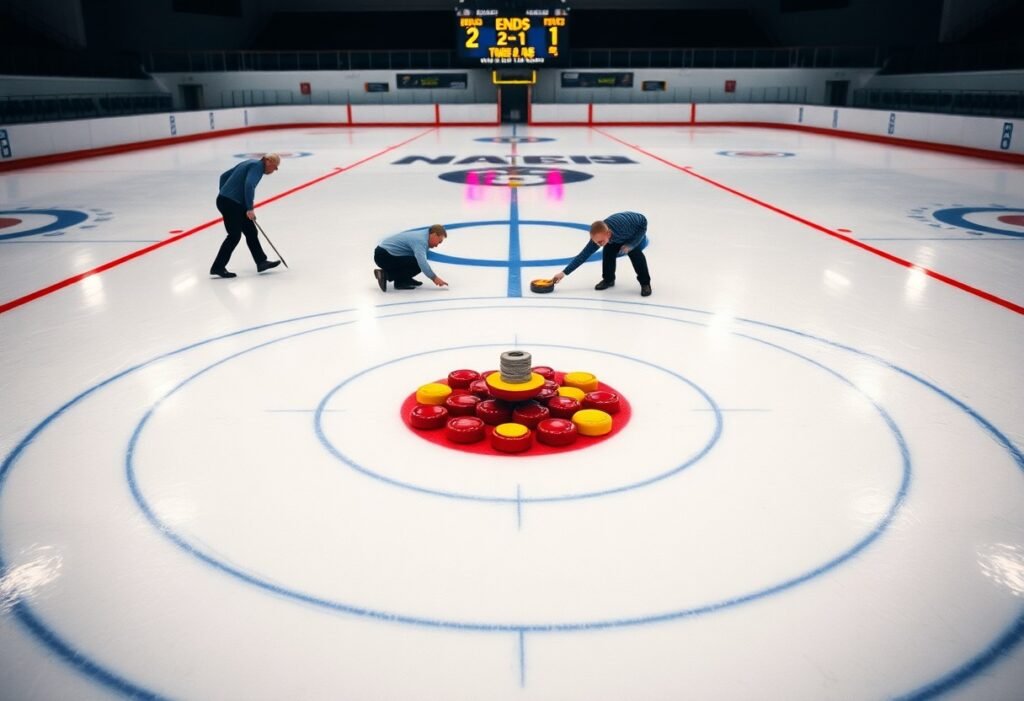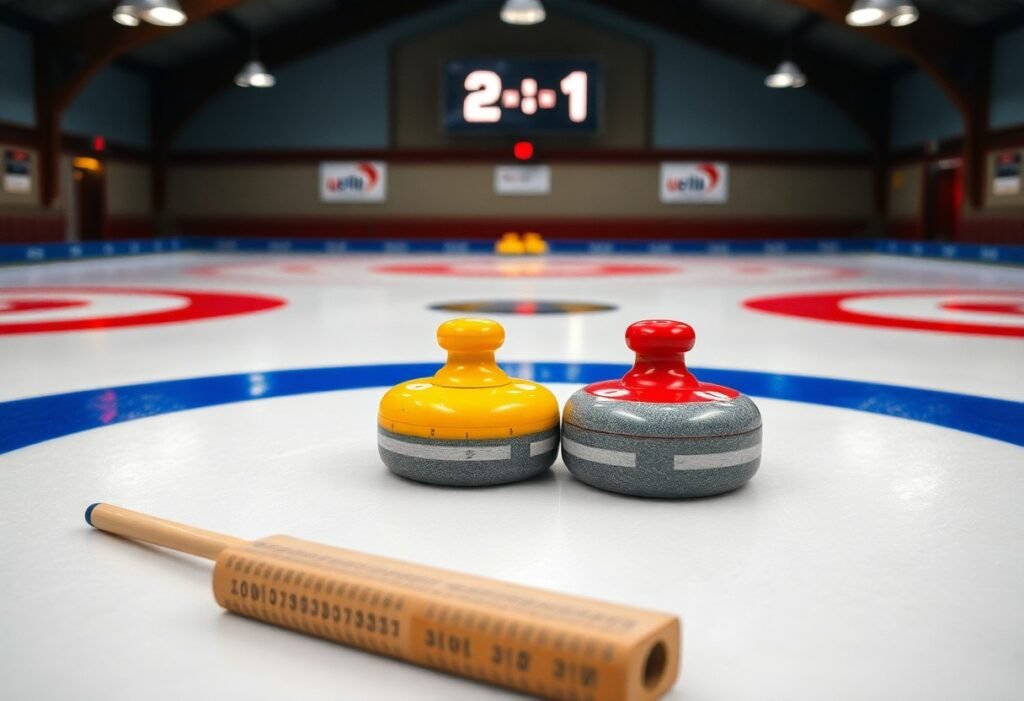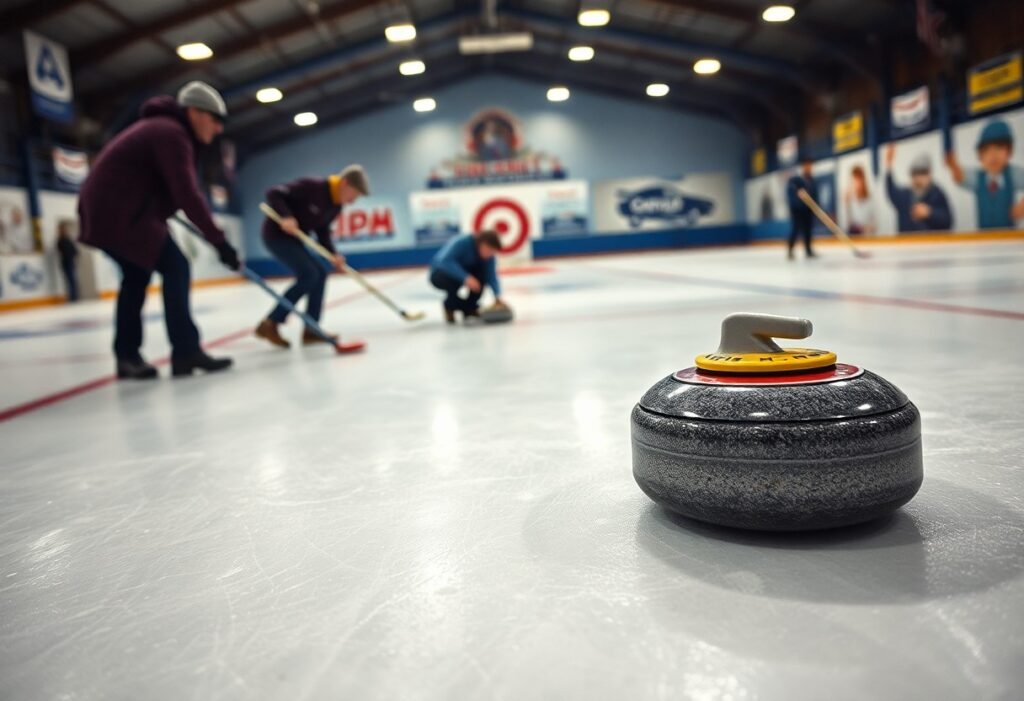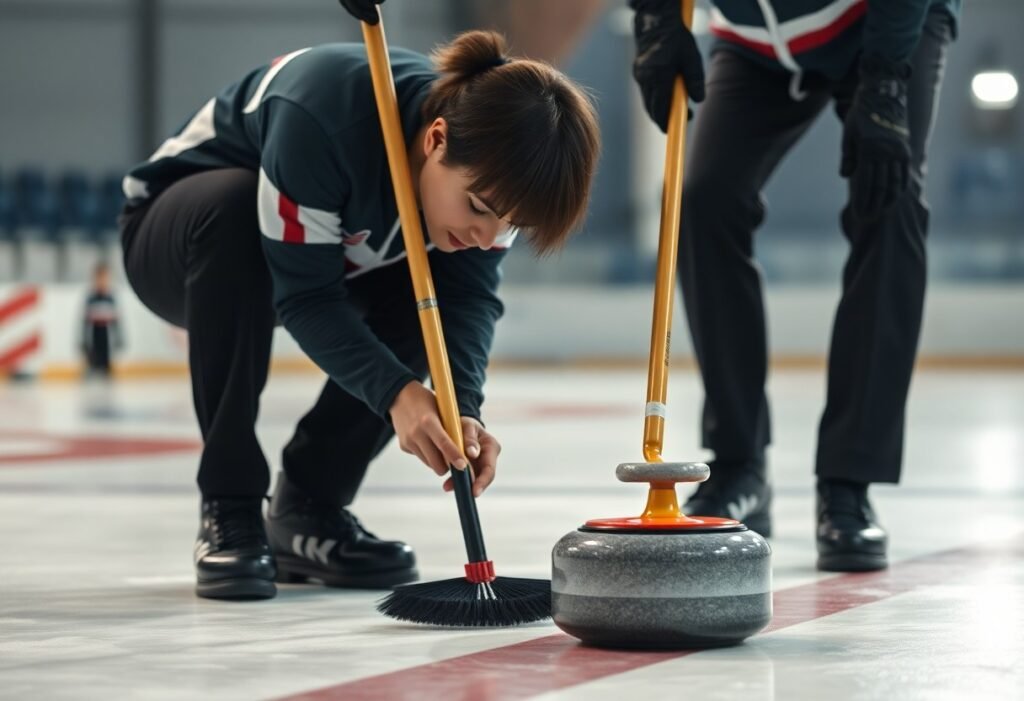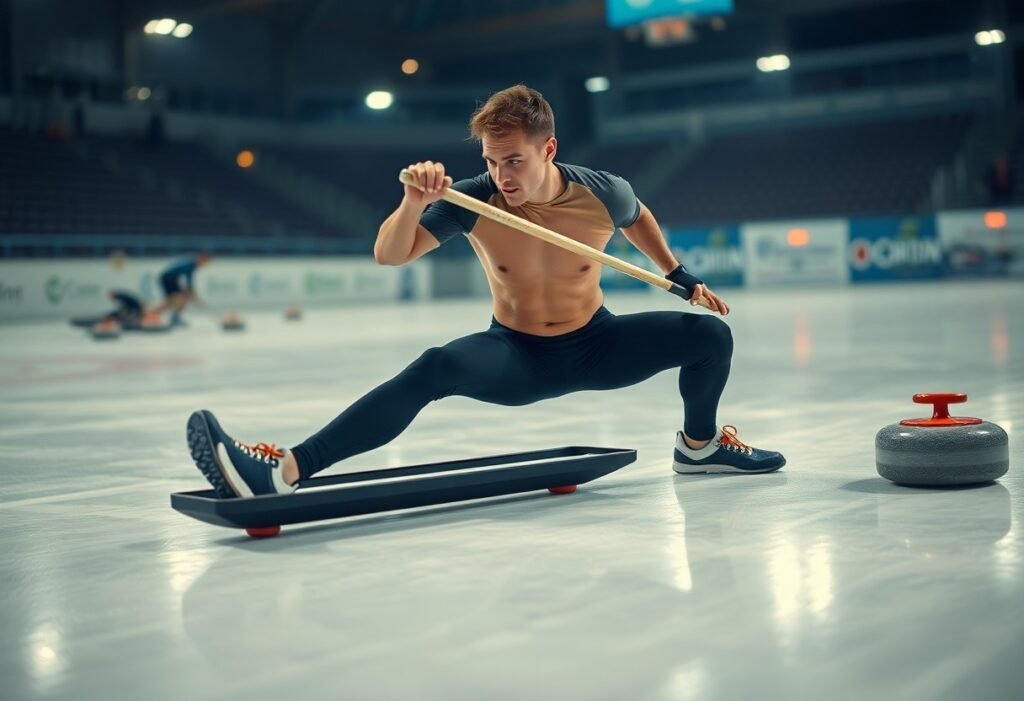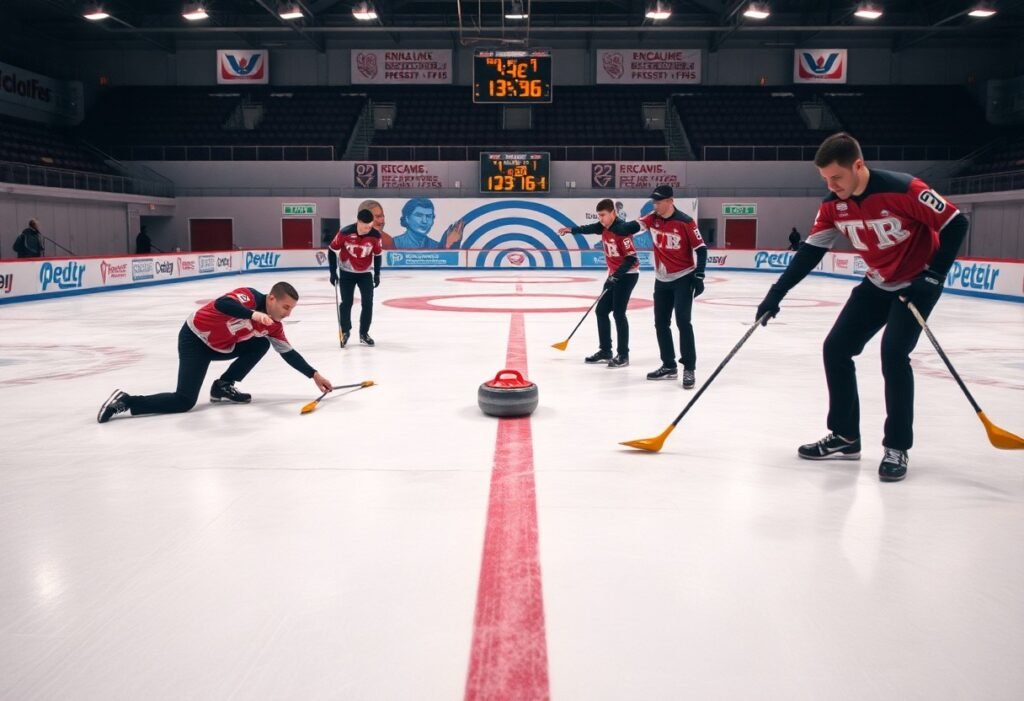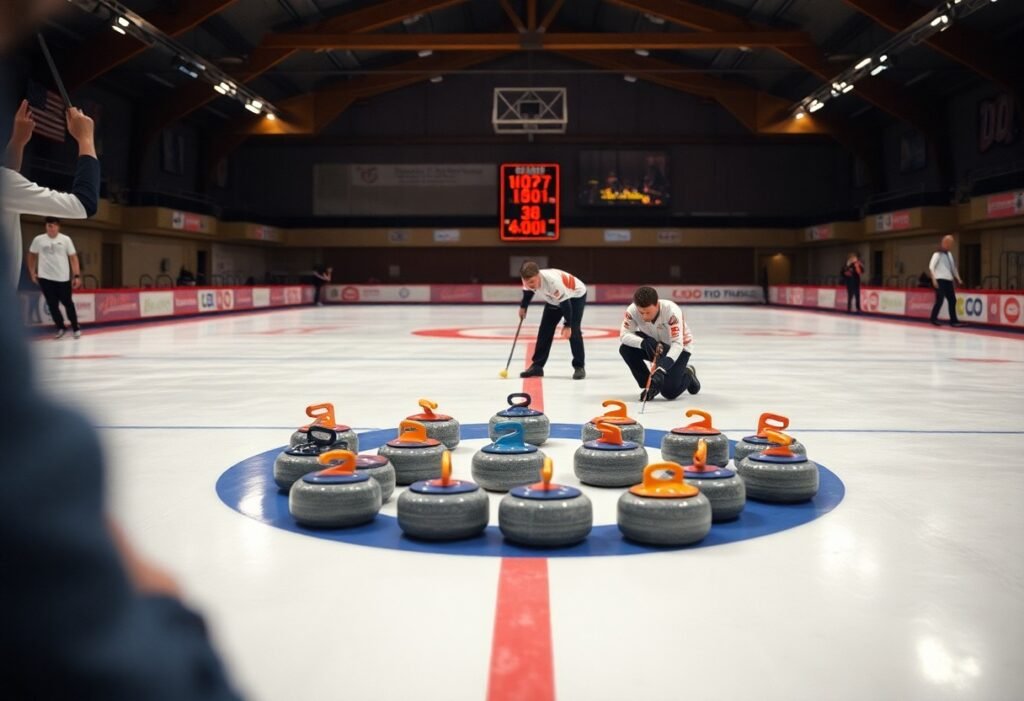

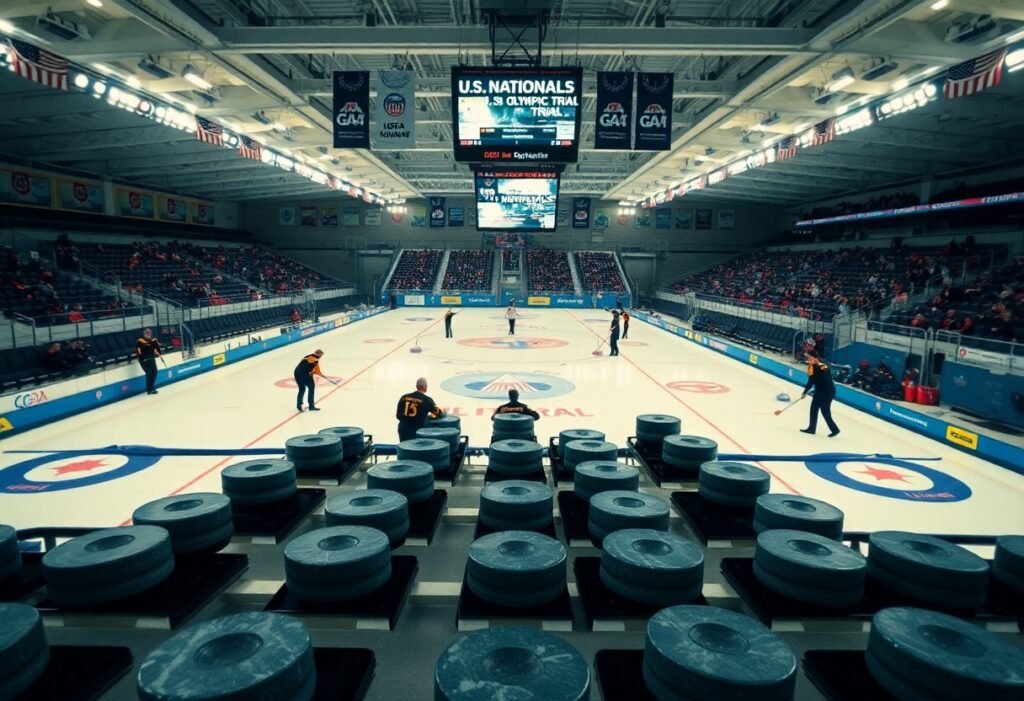
With an active circuit from local club play to elite championships, you can join or follow club leagues, state championships, the World Curling Tour and the USA Curling National Championships and Olympic Trials to test your skills and watch top talent; your development benefits from coaching and community programs, while competitive events offer exposure and advancement. Be aware of ice hazards and fall injuries and use proper footwear and training to stay safe.
Key Takeaways:
- Clear competitive pathway: local club leagues feed regional playdowns into national events such as the U.S. Men’s and Women’s Curling Championships, U.S. Mixed Doubles Championship, and Olympic Trials, with Juniors and Club Nationals offering additional routes to international play.
- Must-see tournaments: the U.S. National Championships and U.S. Mixed Doubles Championship determine national teams; World Curling Tour events hosted in the U.S. and major international bonspiels attract top domestic and international rinks.
- How to participate and follow the sport: join a USCA‑affiliated club for seasonal league play (fall-spring); top events are commonly streamed or broadcast, and success at nationals and trials is the main pathway to world championships and the Olympics.
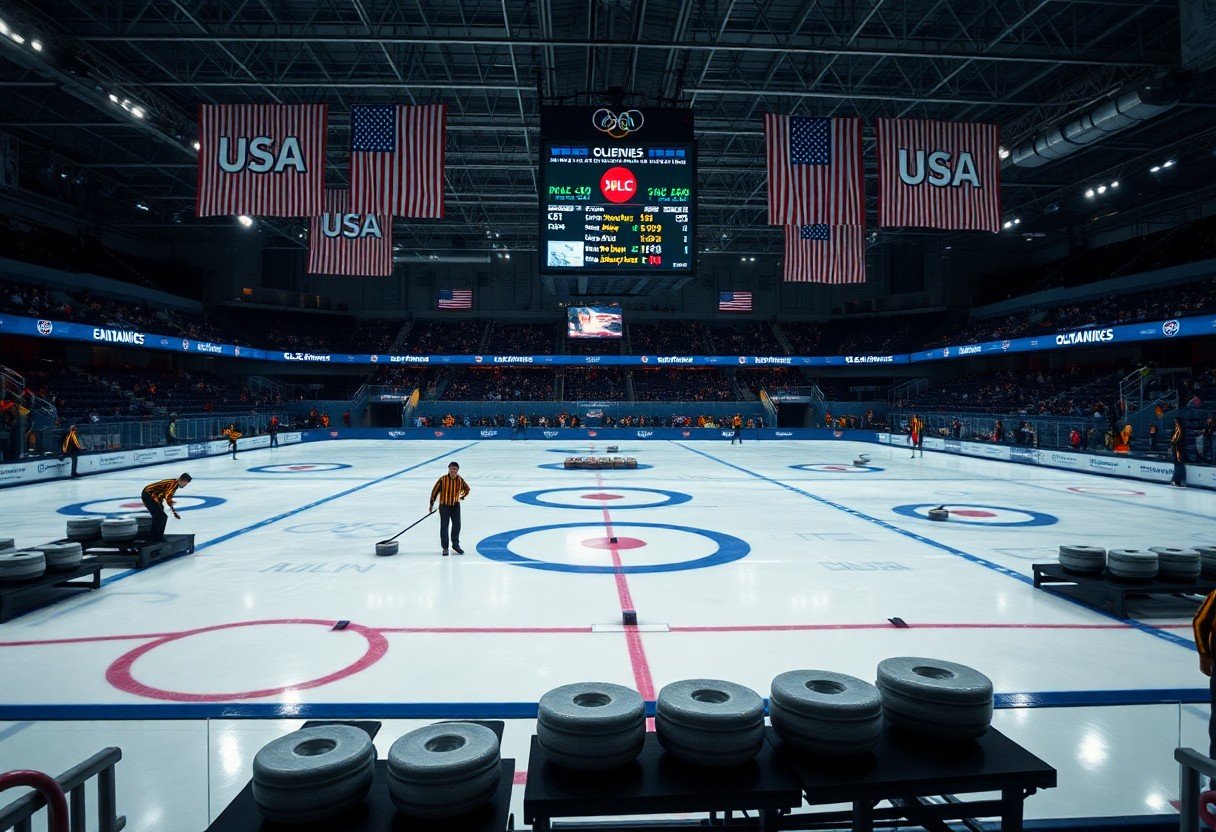
Major Curling Leagues in the USA
At the national level you’ll encounter two dominant pathways: the international World Curling Tour, where teams chase ranking points and purses, and the USA Curling league system that operates through more than 150 member clubs. You can play weekly club leagues, regional bonspiels, or aim for the High Performance pipeline that feeds national championships and the Olympic Trials, all of which shape competitive calendars and player development across the country.
World Curling Tour
The World Curling Tour stages dozens of events across North America and Europe where you can earn WCT points and prize money ranging from about $10,000 to over $100,000. Top U.S. teams routinely travel to Grand Slam and Tour stops to improve world ranking; for example, competing in Masters- or Players-level events can be decisive for World Team Ranking and Olympic qualification prospects.
United States Curling Association Leagues
USA Curling’s league network runs club, arena, junior, and senior play, plus qualifiers for the U.S. Men’s, Women’s, Mixed Doubles, and Senior Championships, which typically host around 8-12 national teams. You’ll find structured pathways-local league play, regional qualifiers, then nationals-with coaching, ice grants, and a High Performance program that supported Team Shuster’s 2018 Olympic success.
At the club level you can join drop-in arena leagues, four- to eight-end club sessions, or competitive ladders; many clubs also host weekend bonspiels and U18 programs. Joining gives you access to certified coaching, liability coverage, and scoring systems used in qualifiers, while the seasonal schedule (fall through spring) means you’ll balance travel and training-an often physically demanding but highly rewarding progression toward higher competition.
Notable National Tournaments
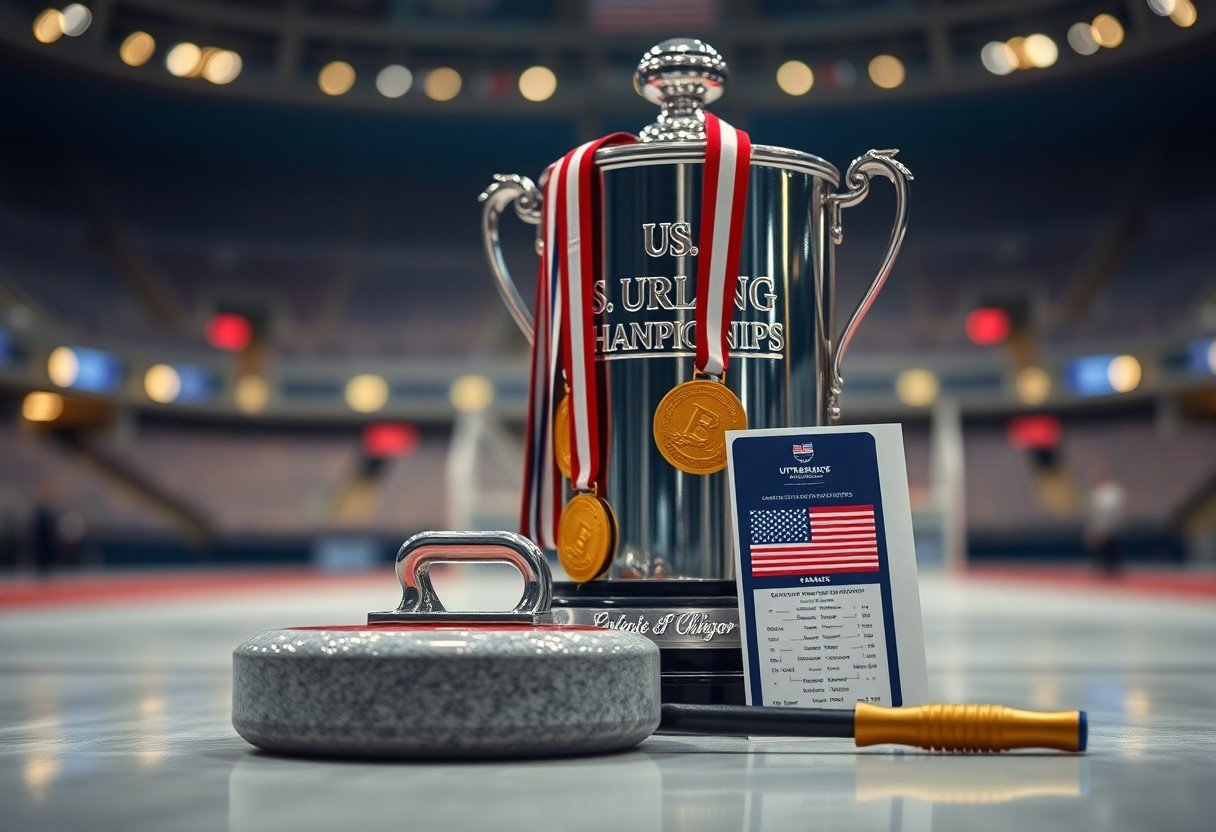
Beyond league play, national tournaments compress the season into high-stakes events where you can gauge elite progress: U.S. Men’s and Women’s Nationals, Mixed Doubles Nationals, plus Junior and Senior championships. You’ll typically see 8-12 top teams per field, round-robin pools followed by playoffs, and champions who often secure spots at the World Championships or affect Olympic qualification pathways.
USA Curling National Championships
Run annually by USA Curling, the U.S. Men’s and Women’s National Championships usually feature a ~10-team round robin leading to a Page or knockout playoff; you’ll face high-pressure draws and strategic ends. Winning teams commonly earn the national title and the right to represent the U.S. at the World Championships, and in Olympic years performance feeds directly into the Olympic Trials picture.
Mixed Doubles National Championships
Mixed Doubles Nationals spotlight two-player teams competing in six-end games with five stones per team, a pre-placed stone every end, and a strategic power play option; you’ll find the format rewards precision and speed. Since mixed doubles became an Olympic discipline in 2018, the U.S. Nationals carry increased weight as the pathway to World Mixed Doubles assignments and Olympic qualification implications.
Qualification for Mixed Doubles Nationals blends rankings, playdowns, and open entries. This creates a diverse field of club pairs and elite combinations. Expect pool play followed by single-elimination playoffs. Fields often include 16-24 teams.
The compressed six-end format places a premium on shot-making and communication. Success at Nationals often predicts which pairs will perform well internationally.
Regional Competitions
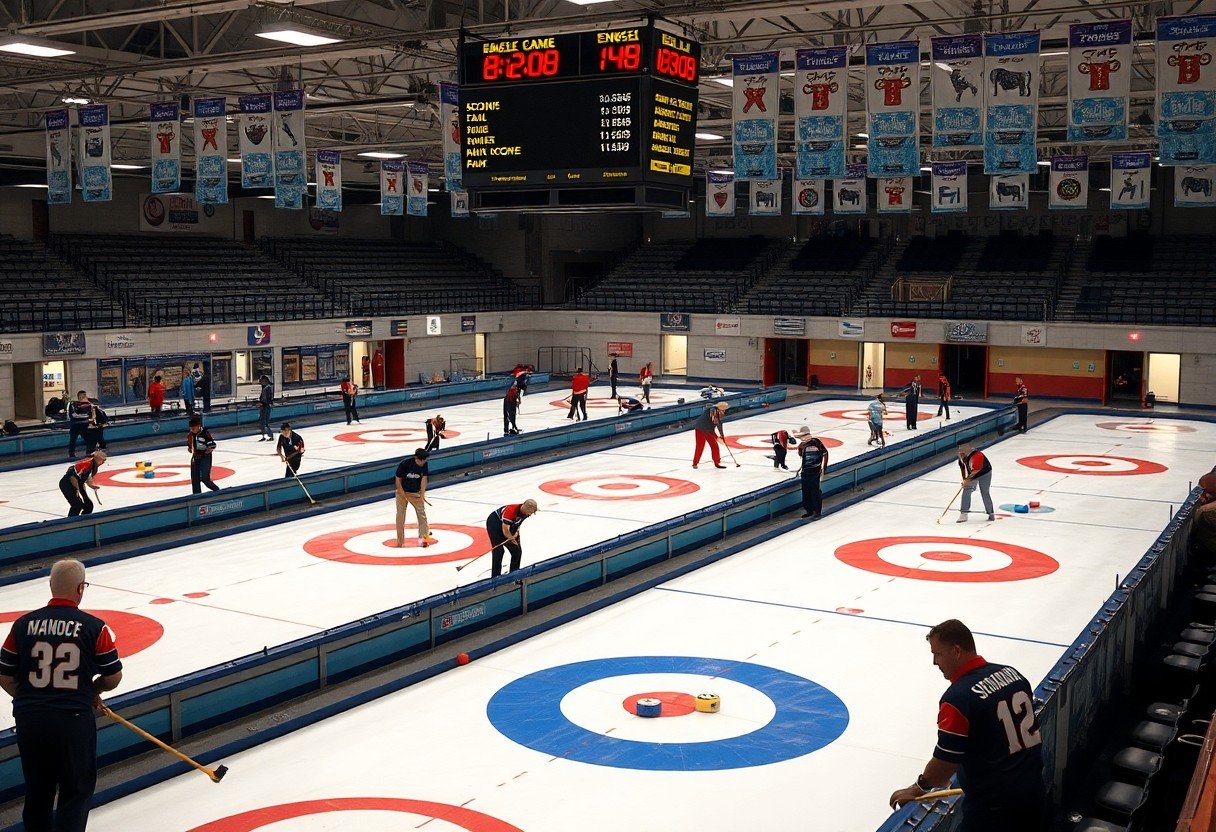
Regional play connects your club season to national contention, staging annual playdowns that typically field 8-12 teams in a round‑robin plus playoff format. Held in winter (Jan-Feb), these tournaments determine who will qualify for the U.S. Nationals, so you should treat each draw as a high‑stakes test of strategy, ice reading, and travel logistics.
Eastern Region Curling Championships
The East has strong programs from New England and the Mid-Atlantic. Events rotate between historic clubs like Broomstones in MA and Lake Placid in NY. The top one or two finishers usually advance to nationals. Play emphasizes finesse, precise draws, and aggressive hitting. The ice is generally slower and pebble-heavy.
Western Region Curling Championships
The West stretches from the Pacific Coast to the Rockies. Expect varied venues from Seattle to Denver. Altitude and fast ice change stone speed.
Typically 8-12 teams compete. Winners advance to nationals. Plan for extensive travel. Adapt quickly to bouncy pebbles and different sheet tech.
Hosts rotate among half a dozen major clubs. Travel ranges from 300 to 1,300 miles per regional. Teams often arrive 1-2 days early to adjust to altitude ice.
Coaches stress aggressive sweeping and precise weight control. Scout opponents’ tendencies carefully. Western playdowns often produce national contenders in a single tight weekend.
Junior and Youth Curling Tournaments
Across the junior circuit, competition is highly structured. Events range from club bonspiels to state playdowns. Age brackets include U12, U15, and U21 divisions.
Regional qualifiers feed into state and national events. Many tournaments run alongside coaching sessions and skill camps. This gives teams clear pathways and repeated competition.
Expect roughly 20-30 regional bonspiels each season. These events funnel talent upward toward national levels.
U.S. Junior National Championships
At U.S. Junior Nationals, you compete in an under-21 championship. Teams qualify through regional and state playdowns. Fields typically include 10-12 teams per gender.
Winners represent the U.S. at the World Junior Championships. The event usually takes place in late winter around March. This makes it a key stepping stone for international selection.
Skills Competitions for Young Curlers
Skills competitions focus on discrete shot-making tests. For example, events include draw-to-the-button, hit-and-rolls, and takeout accuracy. Scoring is based on distance or execution. Additionally, age divisions ensure you face peers.
Top finishers often receive invitations to development camps. Scholarship opportunities may also follow. Coaches use results to target technical gaps in your delivery and sweeping.
You’ll typically face multiple stations like draw, hit, and takeout. Each station allows a set number of attempts. Scoring often uses a 0-5 scale per shot. Top scorers then advance to finals.
Events use measuring sticks or electronic sensors for precision. Organizers emphasize proper footwear and delivery drills. These safety measures reduce slip-related injuries while refining your game.
Women’s Curling Events
U.S. Women’s Curling Championship
At nationals, roughly 10 top teams compete. They battle through round-robin and playoff formats organized by USA Curling. Ultimately, the winning rink usually represents the United States at the World Women’s Curling Championship.
You can study game plans, sweeping rotation, and strategy shifts across week-long events. Moreover, these tournaments determine Olympic and world-level contenders. Consequently, they serve as a critical proving ground for aspiring national teams.
Women in Curling Initiatives
Beyond competition, you’ll find targeted programs including mentorship networks, leadership workshops, women-only bonspiels, and coaching clinics . These initiatives often run in partnership with the World Curling Federation’s Women in Curling network and host dozens of clinics nationwide .
Many regional clubs and USA Curling-backed efforts offer practical pathways you can join. For instance, short clinics lasting 1-3 days focus on delivery and sweeping skills. Additionally, mentorship pairings help develop skip and coaching abilities. Furthermore, grant programs reduce travel costs for national events.
As a result, you’ll see measurable outcomes like increased female enrollment. Consequently, new women’s teams form after sustained local campaigns. Therefore, these programs serve as a direct pipeline to higher-level play.
Men’s Curling Events
The men’s calendar features a mix of regional leagues, weekend bonspiels, and elite opens. Clubs run multiple weekly draws. Travel events attract teams from across states.Clubs like Traverse City Curling Club host major bonspiels and training camps. The rise of dedicated ice facilities has improved ice quality. Competition levels have risen for both club and elite players.
U.S. Men’s Curling Championship
You can follow an annual national championship organized by USA Curling that typically fields 8-12 top teams via qualifiers, regional playdowns and rankings; the event uses round-robin play followed by page playoffs to determine the champion. Winning often secures national prestige and, in many years, the opportunity to represent the U.S. at the World Championships, so the stakes and competition intensity are high.
Participation and Growth in Men’s Curling
You’ll notice participation rising across ages, with more than 150 clubs nationwide offering leagues, learn-to-curl sessions and junior programs that funnel talent into men’s competition; college and community programs have expanded opportunities for new players and travel teams. Increased visibility from international events and improved local programming means your local club is likelier to attract newcomers and stronger competitors.
For more detail, consider that USA Curling supports growth through sanctioned junior and adult championships, coaching certification and regional development initiatives; you can track expansion by the number of new bonspiels and dedicated rinks built in nontraditional markets over the last decade. When you participate, your club benefits from volunteer-run leagues, targeted youth outreach and occasional grant support that together drive steady increases in membership and competitive depth.
To wrap up
To wrap up, the top U.S. curling scene-from your local club leagues and regional bonspiels to marquee events like the U.S. National Championships and Olympic Trials, plus World Curling Tour stops-offers pathways for every level of player and fan. You can follow elite competitions, enter competitive bonspiels, or build your skills through weekday leagues to progress toward higher-level tournaments.
FAQ
Q: What are the major national curling championships and tournaments in the USA?
A: The United States Curling Association (USCA) runs the flagship events: the United States Men’s and Women’s Curling Championships (often called U.S. Nationals), the United States Mixed Doubles Championship, the United States Junior Championships, and the United States Club Curling Championships. These events are typically annual and use round-robin or pool play followed by playoff brackets; winners frequently earn the right to represent the U.S. at World Championships or to advance into Olympic Trials qualification. The U.S. Olympic Trials (quadrennial) and various international events hosted on U.S. ice also rank among the country’s highest-profile competitions.
Q: How do teams qualify for the United States Olympic Trials?
A: Qualification pathways combine season-long performance and specific Trials qualifiers. Teams can earn spots via national championship results, U.S. ranking/point systems accumulated on the World Curling Tour and USCA-sanctioned events, and designated Trials qualifying events or challenge rounds. The USCA publishes the exact points system and qualification criteria for each Olympic cycle, and selection may include automatic berths for high-performing national teams plus winners of playdown tournaments held in the lead-up to the Trials.
Q: What competitive leagues and organized play opportunities exist for adult curlers in the USA?
A: Competitive opportunities include club leagues at local curling rinks (evening leagues, weekend men’s/women’s/mixed play), arena curling programs, and national-organized leagues such as the American Curling League (ACL), which runs weekend-format interclub competitions across many states. Regional associations run bonspiels and ladder events, and high-performance programs (USCA HP) provide elite training and competition for athletes aiming at national teams. Most curlers progress from social or house leagues into competitive ladders, cash spiels, and WCT events hosted in the U.S.
Q: Which U.S.-based bonspiels and tour events attract international fields?
A: The Upper Midwest and northern states host the bulk of high-level U.S. bonspiels and World Curling Tour (WCT) events; notable examples include the Curl Mesabi Classic and several cash spiels in Minnesota, Wisconsin, and North Dakota. In addition, when the U.S. hosts international championships (Worlds, Continental Cup or invitational events), those competitions draw top global teams. These tournaments offer cash prizes, ranking points, and strong competition that appeals to both domestic elite teams and international entrants.
Q: How can a recreational curler advance to competing in top U.S. leagues and tournaments?
A: Start by joining a local curling club and taking introductory and skills clinics to learn delivery, sweeping, and strategy. Move into club leagues to gain consistent game experience, enter local and regional bonspiels, and play in organized ladders or ACL-style interclub events to test higher competition levels. Track performance in sanctioned events to build ranking points, enter playdowns for state or regional qualifiers, and pursue USCA development programs or junior/high-performance pathways if aiming for national teams. Consistent competition, coaching, and targeted travel to higher-tier bonspiels accelerate progression.