
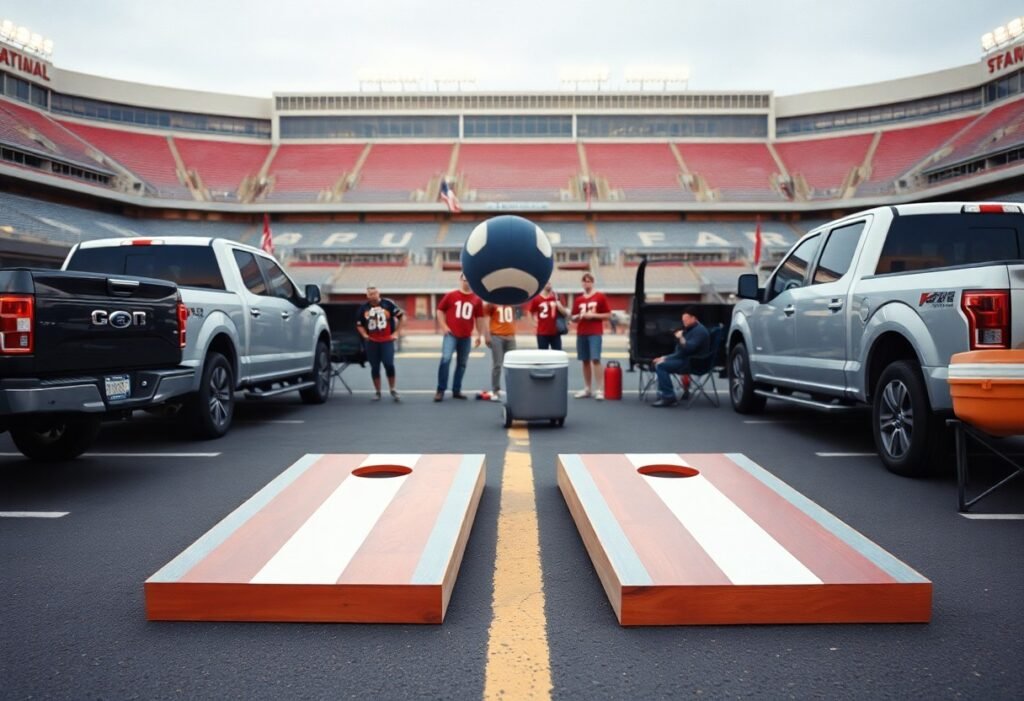
You encounter cornhole at nearly every parking lot and stadium, evidence of its rapid rise into tailgate culture; this concise overview explains how the game’s accessibility and simple rules expand participation while also noting occasional safety and liability concerns organizers should manage to keep your events safe and social.
Key Takeaways:
- Accessible rules, minimal equipment, and portability make cornhole an easy, intergenerational tailgate activity that encourages socializing and participation.
- Professional leagues, branded gear, and media exposure have commercialized the game, creating new sponsorship and merchandising opportunities around sporting events.
- As a ritual-driven pastime, cornhole strengthens local fan culture, lengthens tailgate engagement, and boosts spending on food, beverages, and event-related goods.
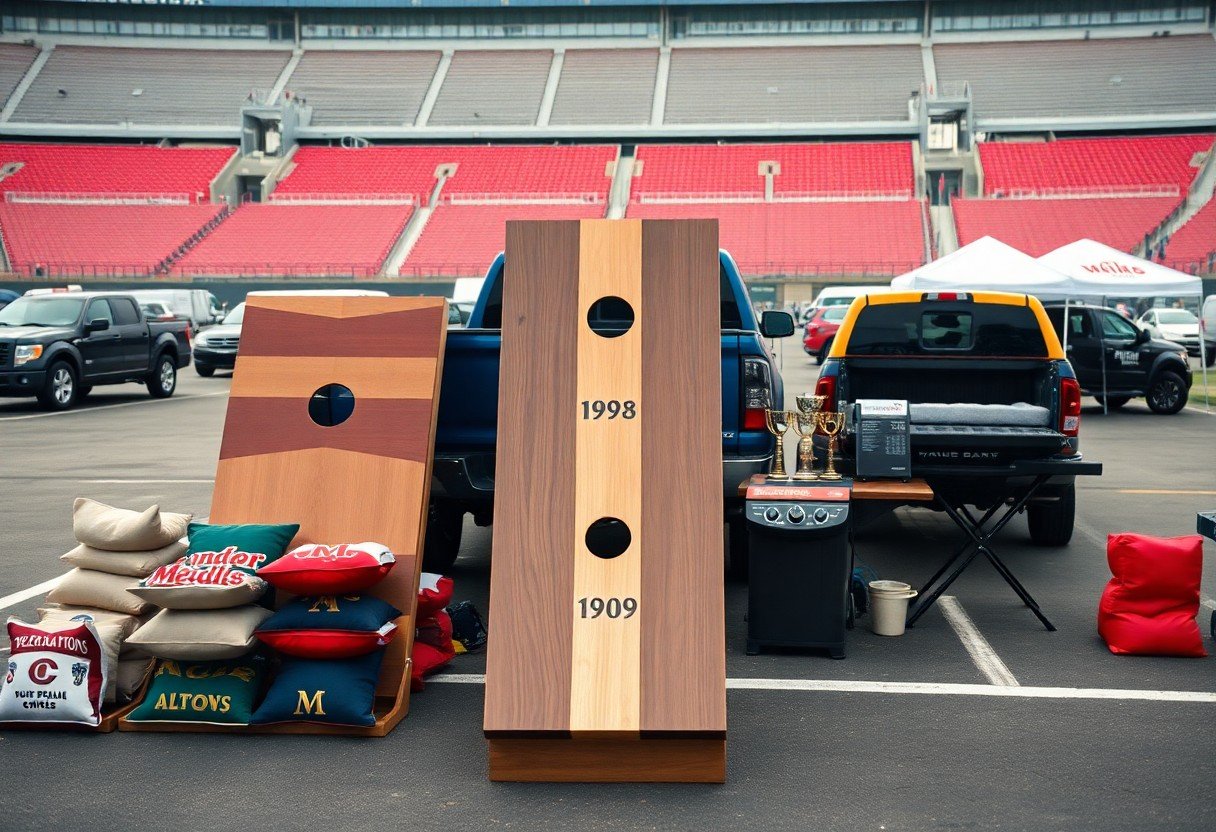
The History of Cornhole
Tracing its roots, you witness cornhole’s jump from local pastimes to a national tailgate staple: farmers’ gatherings and college parking lots popularized the game through the 20th century, and by the 2000s social media and organized events pushed it into mainstream leisure. Commercial leagues and televised matches redefined how you prepare for a game, prompting purpose-built gear, formal rules, and a competitive mindset at what used to be casual tailgates.
Origins of the Game
Early forms trace to European bag-toss traditions and 19th-century American farming communities; you can spot the origin in the name-corn-filled bags provided weight and sound for tossing. Rural fairs in Ohio and Kentucky kept the pastime alive, with rules passed informally among neighbors until local clubs began standardizing play in the 20th century.
Evolution Over Time
By the late 20th century you see formal standards emerge: regulation boards measure 48″ x 24″ with a 6″ hole centered 9″ from the top, and regulation front-edge distance is 27 ft. Organized play coalesced into leagues, with the American Cornhole League forming in 2015 and later securing televised exposure, which brought rankings, sponsorships, and a professional circuit into your tailgate repertoire.
Competitive growth changed equipment and etiquette: you can buy polymer-filled bags, carbon-fiber boards, and custom art for events, while sponsors-often beverage brands-fund tournaments. Yet increased play introduced hazards: repeated throws can cause shoulder and wrist overuse injuries, and larger tailgates raise the risk of alcohol-related incidents. Major tournaments now enforce safety protocols and standardized rules to protect players and spectators.
The Popularity Surge
You’ve seen cornhole move from backyards to packed tailgates: leagues such as the American Cornhole League run hundreds of sanctioned events annually, manufacturers report steady sales, and informal tournaments fill parking lots on game day. Because the game has a low barrier to entry and clear scoring, you can play casually or competitively, which has driven measurable growth in both recreational and organized play.
Factors Contributing to Its Rise
You’ll notice a few practical forces behind cornhole’s spread: affordability, easy setup, and organized competition encourage rapid adoption, while social sharing amplifies reach; many portable sets sell for under $100 and local groups schedule weekly matches on social platforms.
- Accessibility – low cost and simple rules
- Social media – viral clips and group coordination
- Professionalization – leagues, cash prizes, and broadcasted finals
Knowing how these elements combine helps you predict where the game will expand next.
Cornhole in Popular Culture
You spot cornhole in ads, college quads, and event fan zones, with brands deploying custom boards for activation and influencers posting trick-shot videos that sometimes reach millions of views, turning the pastime into a visible marketing tool.
At stadium tailgates and city festivals sponsors use branded boards for sampling campaigns, leagues stage televised finals that increase mainstream exposure, and you can track seasonal interest spikes-especially during football season-via tools like Google Trends, illustrating how cornhole crossed into broad cultural awareness.
Cornhole at Tailgates
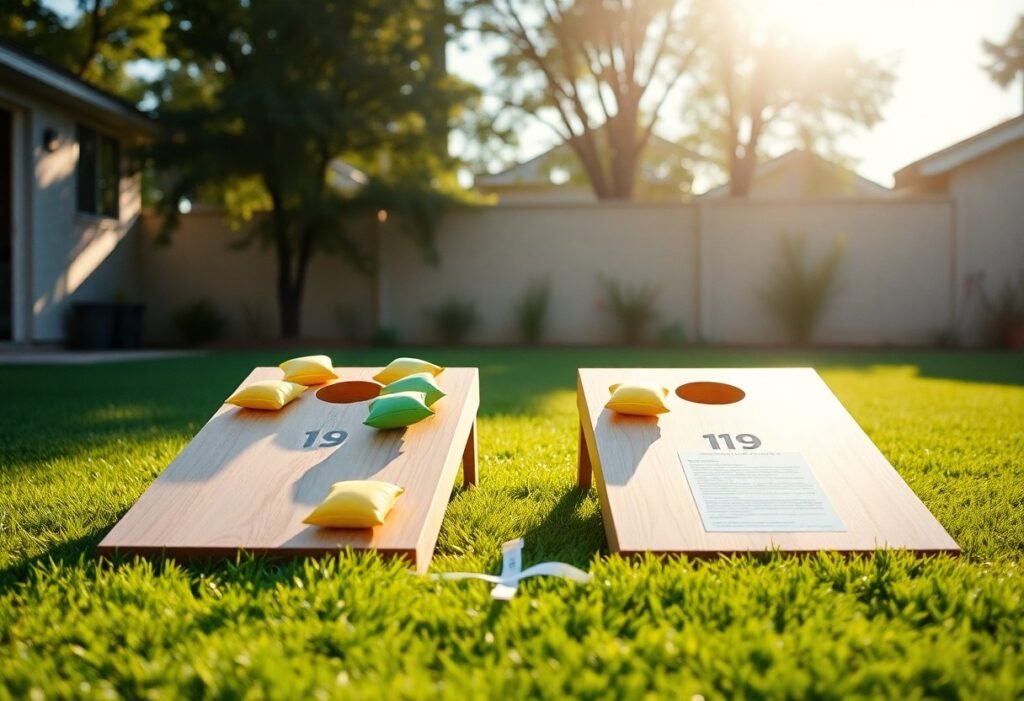
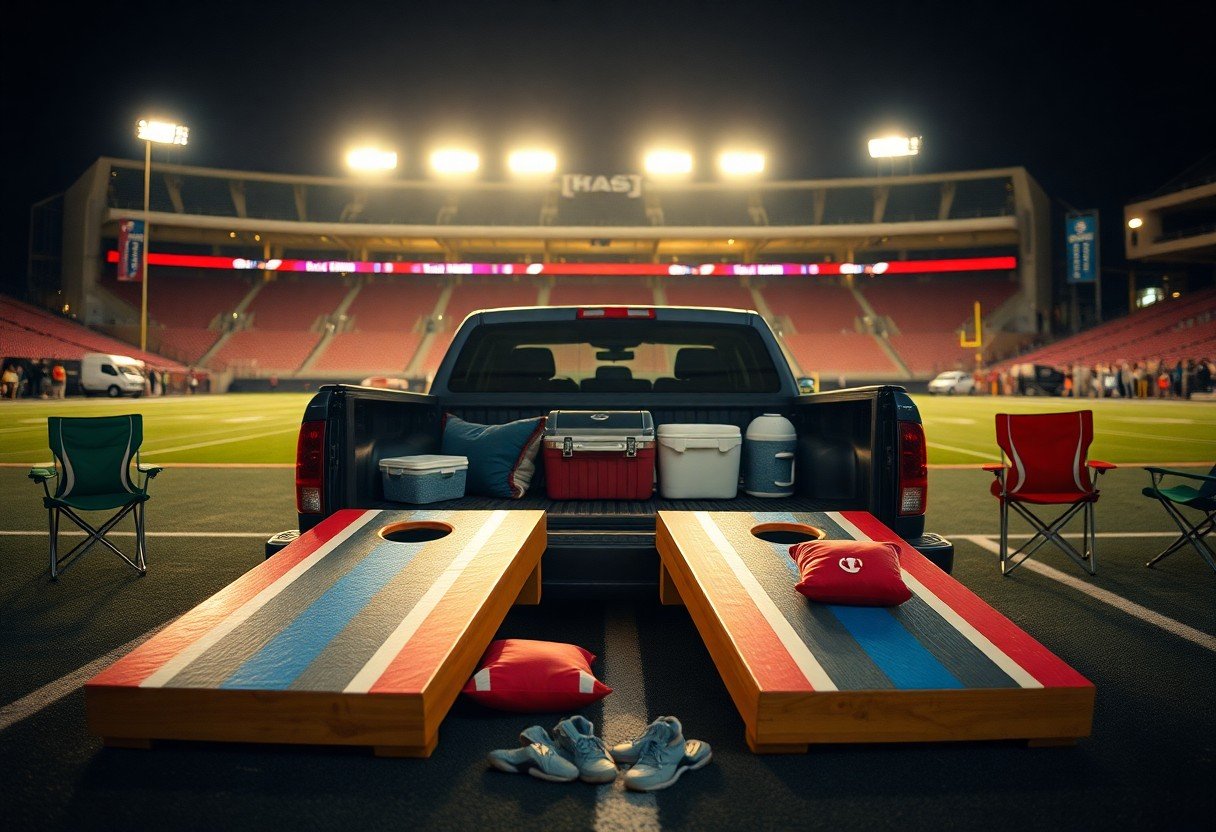
At tailgates you’ll see cornhole act as both crowd magnet and quick competition, with many groups arranging matches between kickoff and halftime. Boards are often set within 20-30 feet of the tailgate cluster so spectators can watch, and league-style setups increasingly appear near stadium entrances where organizers replicate regulation spacing: 24×48-inch boards, 6-inch holes, 27 feet between front edges, giving your casual game a professional feel.
Equipment and Setup
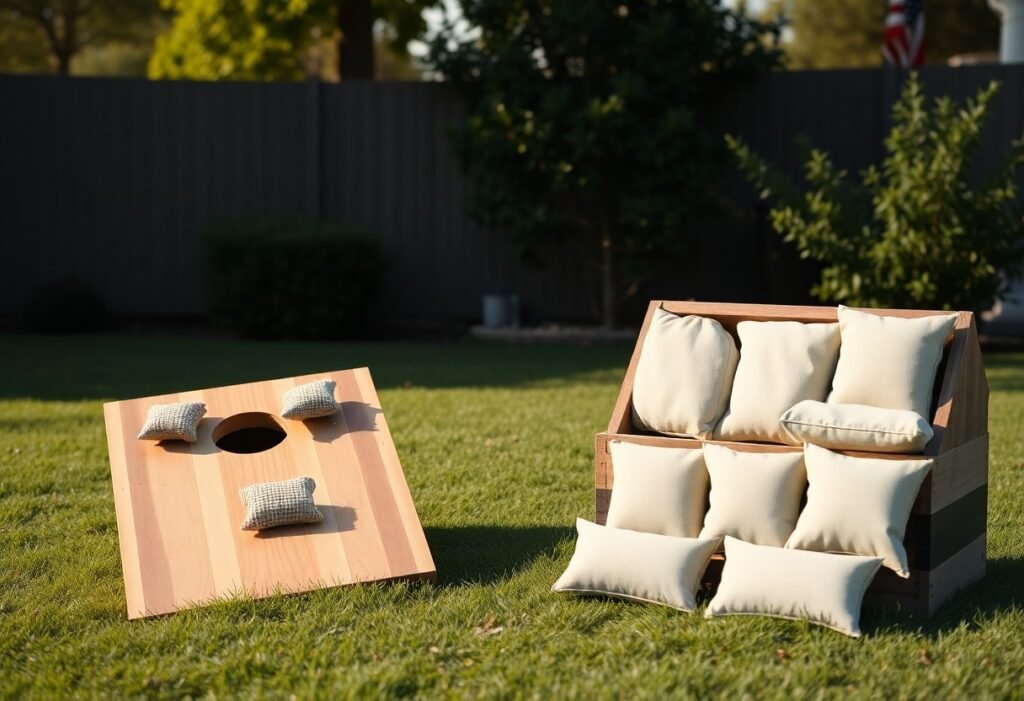
You’ll typically bring a pair of regulation boards (folding options for easy transport) and eight bags per match. Standard boards measure 24×48 inches; bags are usually 6×6 inches and weigh about 14-16 ounces, with ACL-approved bags using plastic pellets for weather resistance. Setup takes 2-5 minutes: place boards 27 feet apart front edge to front edge, clear a 10-foot play zone, and you’re ready to toss.
Rules and Regulations
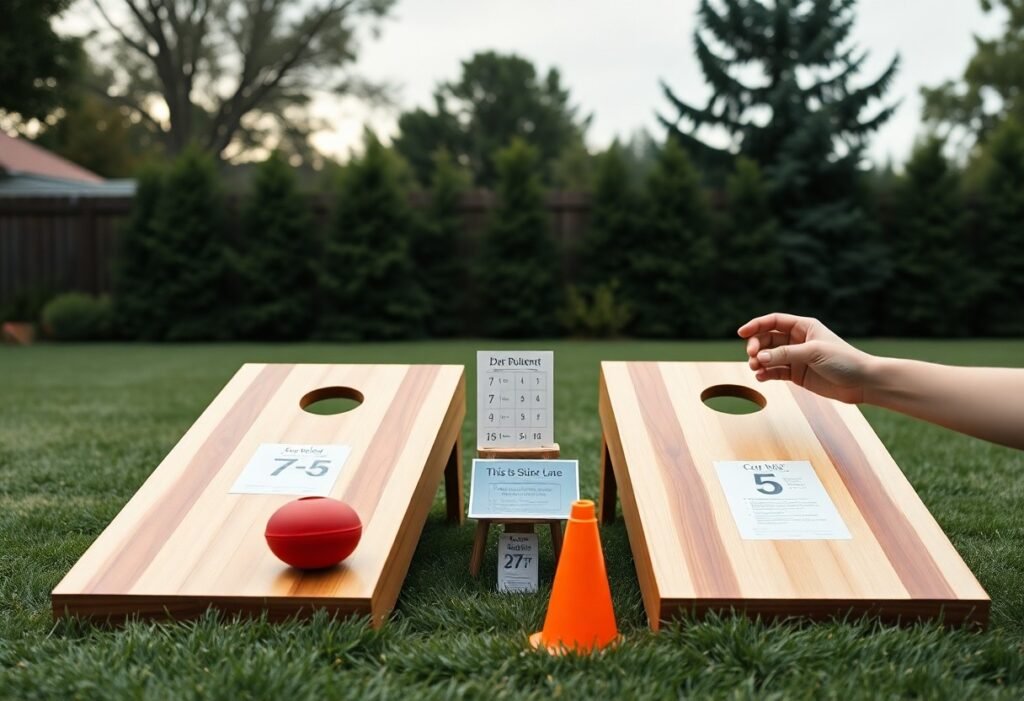
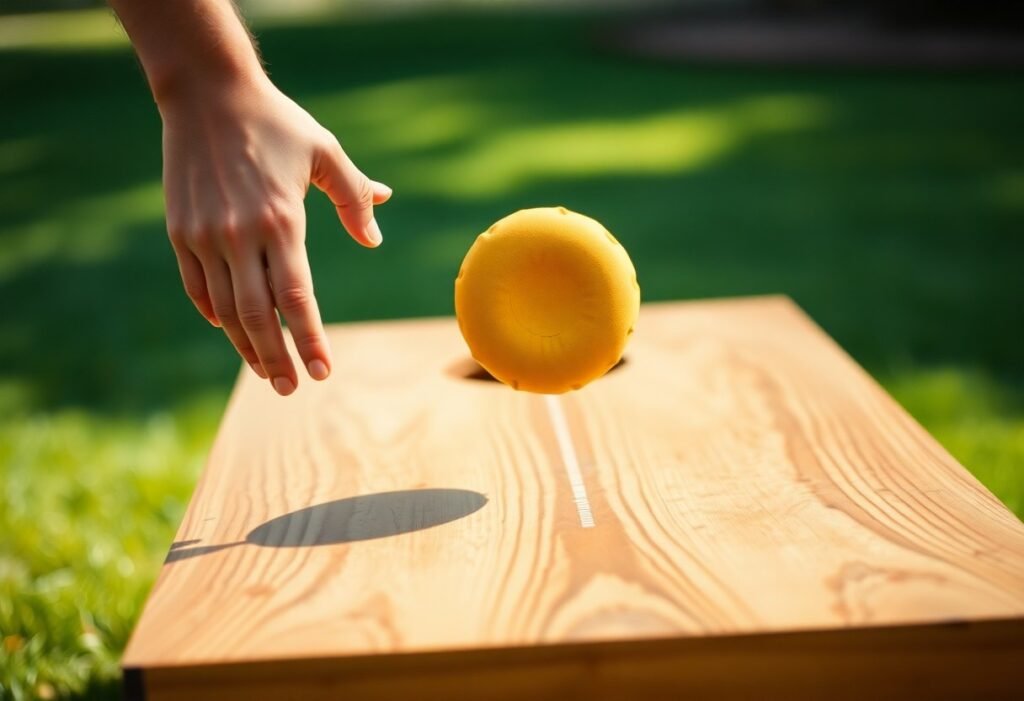
You score 3 points for a bag in the hole and 1 point for a bag on the board, with rounds using cancellation scoring (opposing points offset). Matches commonly play to 21 points; fouls include stepping past the front edge of the board when pitching and using non-regulation bags. Officials at organized tailgate tournaments enforce these standards to keep play fair.
More detailed rules affect turn order and game flow: you and your partner each throw four bags per inning, alternating throws, and the team that scored in the previous inning throws first next inning. Casual tailgates often adopt house rules-such as playing timed rounds or allowing 33-foot spacing-but if you’re entering a tournament expect strict enforcement of bag weight, board specs, and the first-to-21 finish condition.
The Community Aspect
Across parking lots and tailgate rows, cornhole becomes a social hub that you can pivot around to meet new people and strengthen existing ties. Leagues such as the American Cornhole League run hundreds of sanctioned events annually, and local charity tournaments often raise thousands of dollars for causes while drawing alumni, neighbors, and coworkers into shared play and conversation.
Building Connections Through Play
You bond quickly when teams are two players and rotations force interaction; the standard doubles format encourages pairing strangers with friends, breaking ice in minutes. Social clubs use weekly cornhole nights to recruit members, while tailgate hosts schedule casual round-robin play so everyone from parents to students can join and swap stories between throws.
Tailgate Tournaments and Competitions
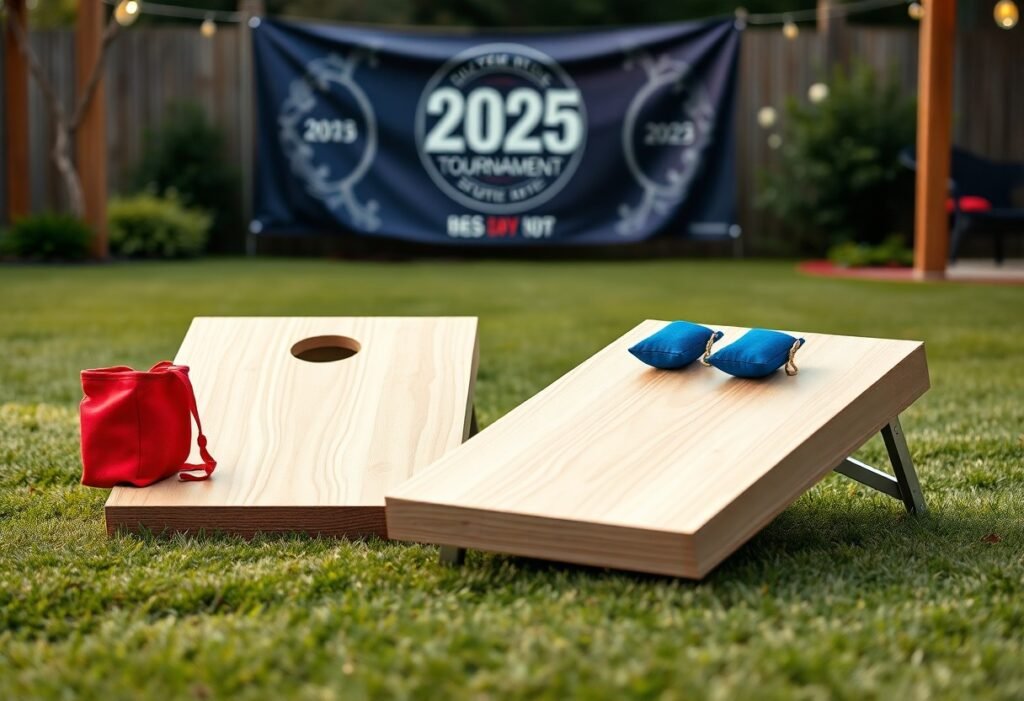
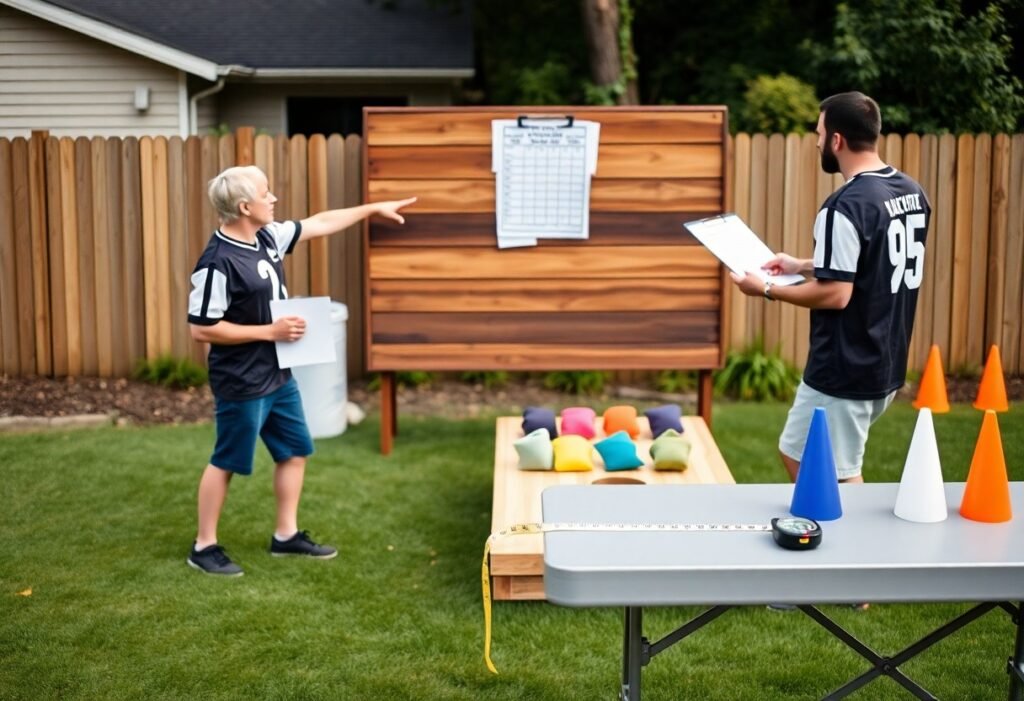
You’ll find mini-tournaments at many tailgates, often organized as 8-32 team brackets with seeded play and small prizes. Event organizers adopt standard rules to keep fairness-match formats like single-elimination or best-of-three-and the resulting competitive energy draws larger crowds and post-game celebrations.
For deeper planning you should note that sanctioned formats often use a round-robin followed by single-elimination, with equipment standards-boards set 27 feet apart and bags around 15.5 ounces-kept consistent for fairness. Also prioritize safety: secure tents and clear walking paths to minimize tripping hazards so your tournament stays fun and incident-free.
Cornhole Variants and Innovations
Boards still follow the ACA standard of 48×24 inches with a 6‑inch hole and a 3″ front / 12″ back rise, but you encounter many variants: lighter festival boards, bags sized 6×6 inches and weighing 14-16 oz, and hybrid rule sets that mix cancellation scoring with 21‑point play. If you want deeper context, read The History of Cornhole. Manufacturers now push LED lighting, synthetic surfaces, and tournament‑legal composite tops for tailgate durability.
Regional Variations
You’ll notice clear regional patterns: the Midwest and Rust Belt favor wooden, regulation boards at collegiate tailgates; the Southeast prefers portable, weatherproof composites for frequent rain; coastal cities adopt illuminated night games faster. For example, college towns like Athens, GA and Ann Arbor, MI run weekly fall leagues, while Southern circuits host dozens of weekend charity tournaments each season, each shaping local rule tweaks and play styles.
Creative Boards and Themes
You can personalize boards with team logos, brewery branding, or pop‑culture art; custom shops use UV printing and vinyl wraps with prices commonly ranging $80-$400. Many tailgates add LED strips, recessed cup holders, or Bluetooth speakers to boost atmosphere, though organized tournaments may restrict certain modifications to preserve fair play.
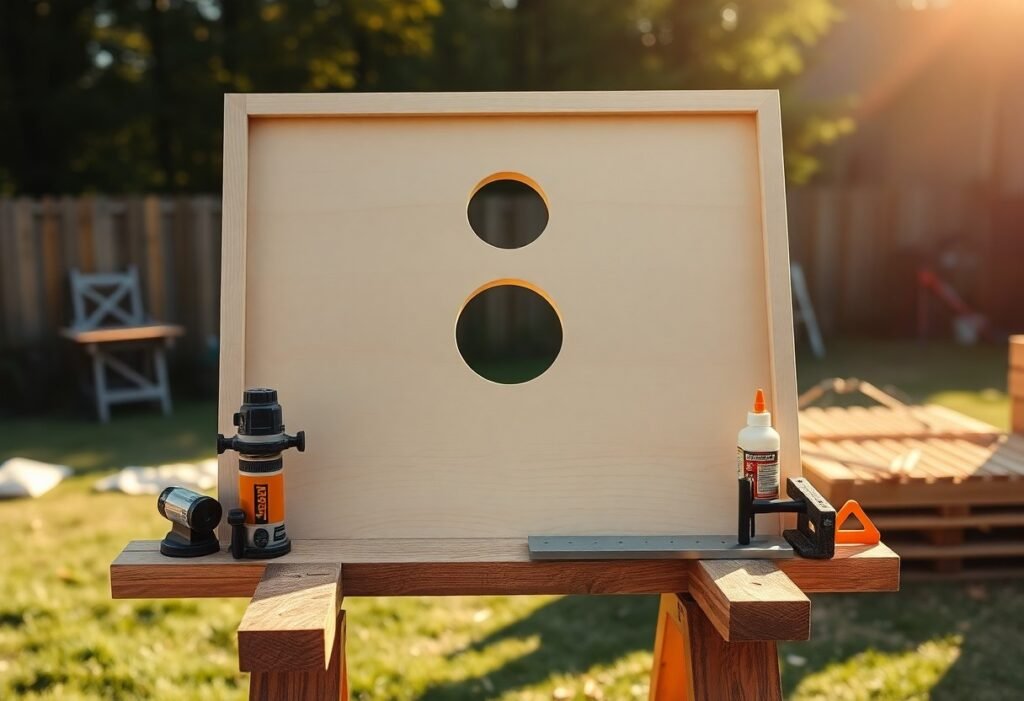
Going deeper: choose materials and finishes based on intended use – Baltic birch or 1/2-3/4″ plywood tops give consistent slides, while acrylic paints sealed with polyurethane or epoxy protect graphics from spills. UV printing reproduces photo‑quality art and custom builds typically take 1-3 weeks. Battery‑powered LEDs and recessed cup holders transform night play, but if you plan to enter sanctioned events, keep your board dimensions, 6‑inch hole, and surface grit within tournament specs to avoid disqualification.
The Future of Cornhole
Expect cornhole to deepen its tailgate foothold as sponsors, venues, and leagues expand access; you’ll see branded boards from major beer and sports companies, more college tailgate programs, and regional tournaments that funnel talent into national circuits. With the American Cornhole League and local promoters running hundreds of events annually, the game’s commercial and social footprint keeps growing while remaining low-cost and portable for your next tailgate.
Potential Growth and Trends
As brands chase engagement, you can expect more corporate-sponsored tournaments, youth clinics, and adaptive divisions for veterans and players with disabilities; dozens of campuses now include cornhole in official tailgate activities. Regional circuits feeding into national finals will create clearer pro-am pipelines, and merchandising-custom boards, licensed bags-will drive revenue, making cornhole both a community staple and a viable small-business opportunity for your local builders.
The Role of Technology
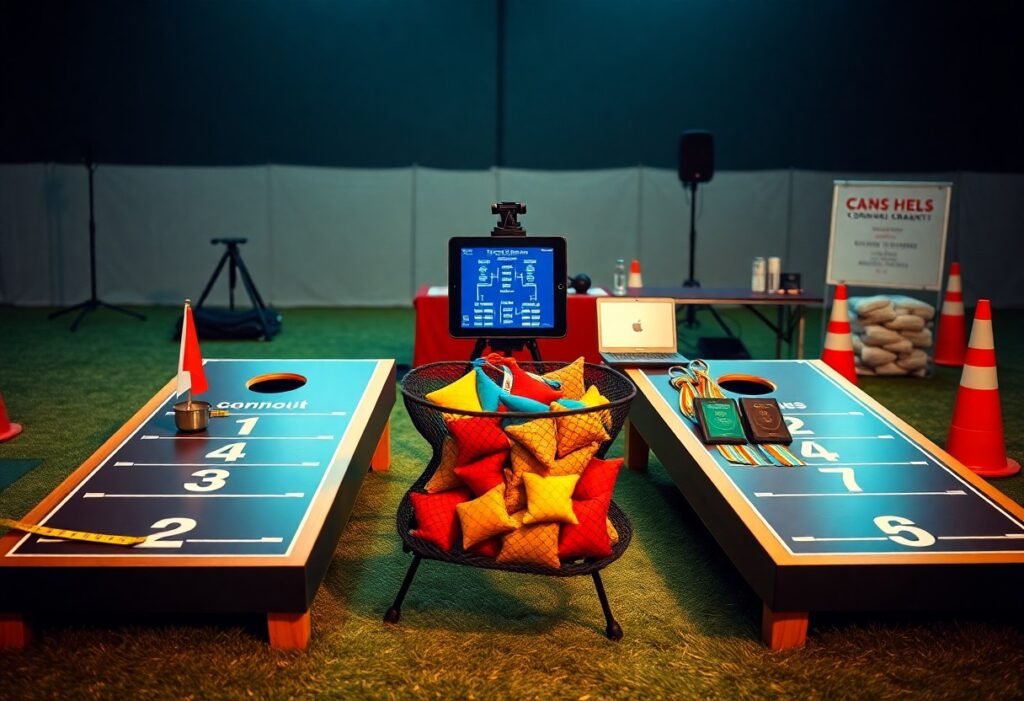
Apps and livestreaming already let you register, track scores, and watch matches from anywhere, so you’ll find real-time brackets, stat tracking, and community chat built into many league platforms. Smart scoreboards and Bluetooth scoring apps reduce disputes, while live streams on platforms like Twitch and YouTube expose the sport to thousands of remote fans, increasing sponsorship value for your local events.
Beyond simple scoring, technology brings sensor-equipped boards, camera-assisted replays, and analytics that map shot patterns and success rates, helping you practice more efficiently. Platforms now handle registrations, payouts, and background checks for event hosts, but the flip side is data collection and connectivity risk-privacy and cybersecurity deserve attention as more tournaments go digital.
FAQ
Q: What is the origin of cornhole and how did it become a tailgate staple?
A: Cornhole traces its roots to folk toss games brought to North America by European immigrants and evolved in Midwest farm communities; the modern boxed-board-and-bag version was popularized in the late 20th century and standardized by organized leagues in the 2000s. Its rise at tailgates followed naturally from being portable, easy to set up on parking lots or lawns, and highly social-perfect for mixed-age groups, short play sessions between events, and a culture that values casual competition and team spirit. Manufacturers, college club play, televised tournaments and social media amplified visibility, turning it from a backyard pastime into a ubiquitous tailgate activity.
Q: What are the standard rules and scoring commonly used at tailgates?
A: Standard play uses two boards facing each other with centers 27 feet apart for regulation play (shorter distances are common at tailgates). Each team throws four bags per inning, alternating throws. Scoring commonly follows cancellation scoring: a bag in the hole (cornhole) is 3 points, a bag on the board (woody) is 1 point; opposing points cancel and the net score is recorded each inning. Fouls include stepping past the foul line before release, throwing out of turn, and using damaged bags. Tailgate play typically allows relaxed distances or house rules-agree on distance, scoring (race to a set score or timed rounds), and fouls before starting.
Q: What equipment and setup should I bring for an effective tailgate cornhole game?
A: Bring a pair of boards (regulation or folding), two sets of four bags (distinguishable colors), a measuring tape or pre-marked spots to set distance, and a scorekeeping method (chalkboard, app, or paper). Add ground anchors or non-slip pads for uneven surfaces, a carrying case or cart for transport, and optional items like LED board lights for evening play, a small canopy for sun/rain protection, and a mat for protection on asphalt. Check the parking surface, clear a safety zone around play, and pack spare bags and a basic repair kit for boards.
Q: Why has cornhole become so popular across demographics at American tailgates?
A: Cornhole’s broad appeal stems from a low barrier to entry-minimal physical skill needed to enjoy competitive play-combined with fast learning, short game cycles, and social interaction. It accommodates mixed-age groups and varying athletic abilities, making it ideal for family-friendly tailgates. The ability to customize boards and bags supports team identity and sponsorships, while leagues and televised events have professionalized the game and raised mainstream interest. During periods favoring outdoor, distanced socializing, cornhole’s portability and outdoor suitability further accelerated adoption.
Q: What etiquette, safety practices, and competitive tips improve tailgate cornhole play?
A: Etiquette: agree on rules before starting, wait until throws are complete before retrieving bags, avoid heckling that crosses into distraction, and clean up the area after play. Safety: maintain a clear throwing zone, secure boards on uneven ground, supervise children and pets near play, and avoid glass or hazardous debris in the area. Competitive tips: establish a consistent stance and release, aim to place a blocker bag to force lane openings, practice both loft and push shots to adapt to board speed, and adjust target height and angle based on wind and surface. For tight matches, use a pre-agreed tiebreak format such as sudden-death innings or closer distance shots.