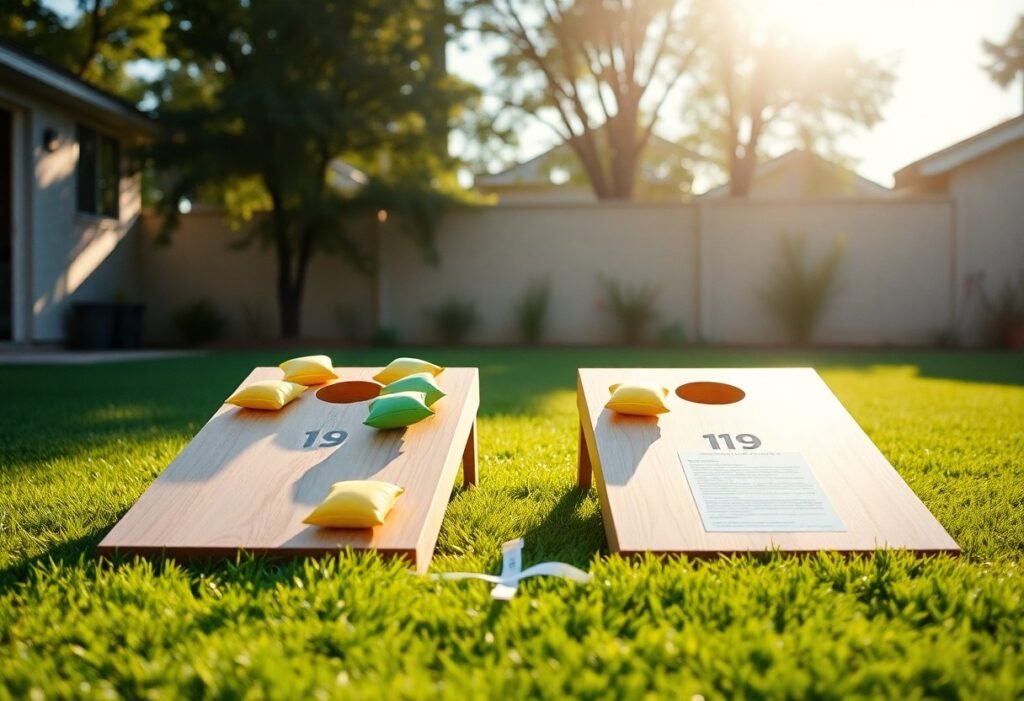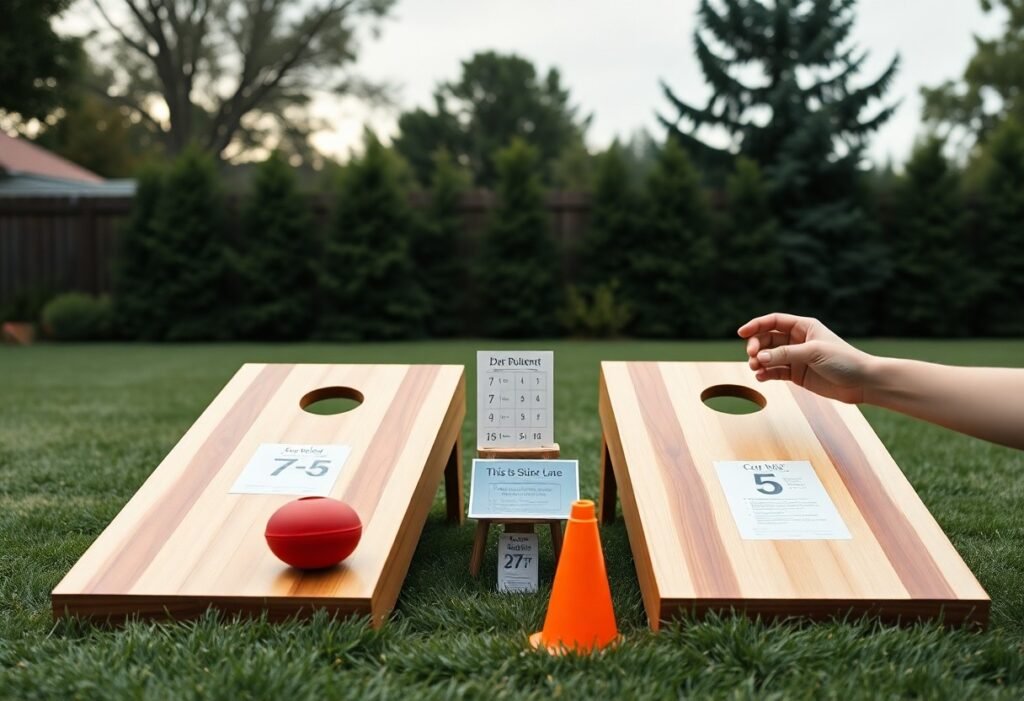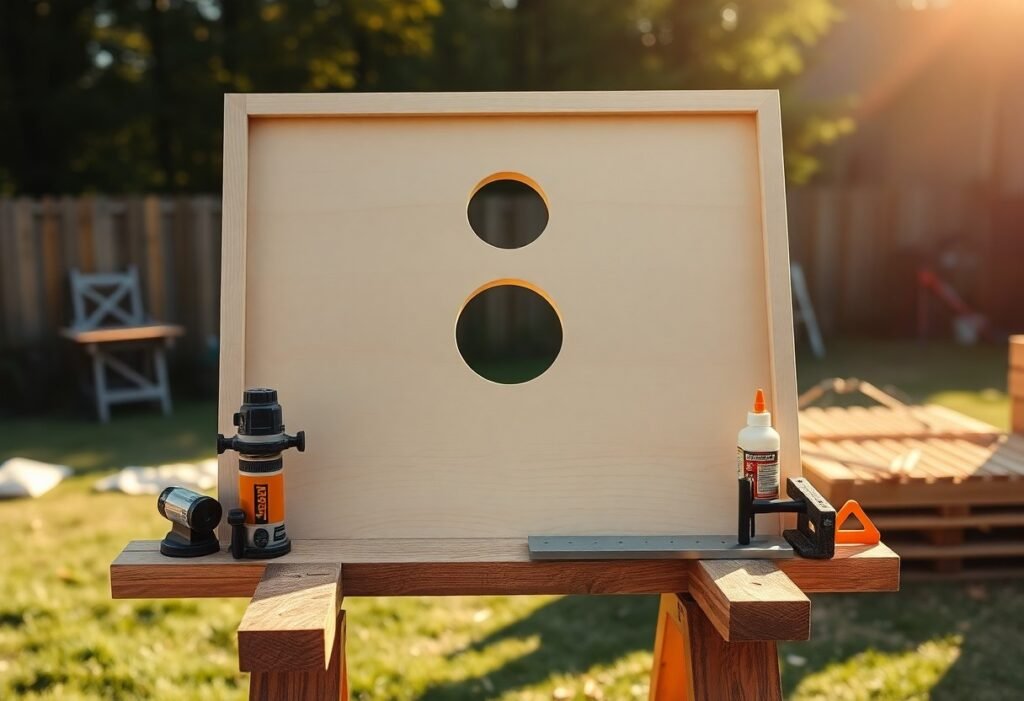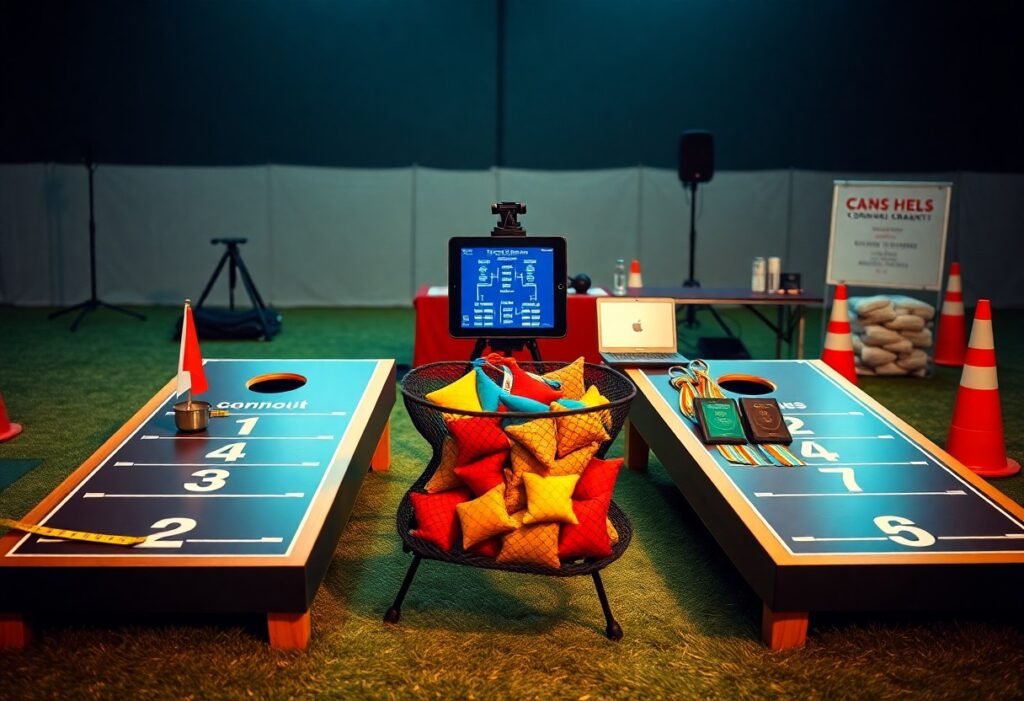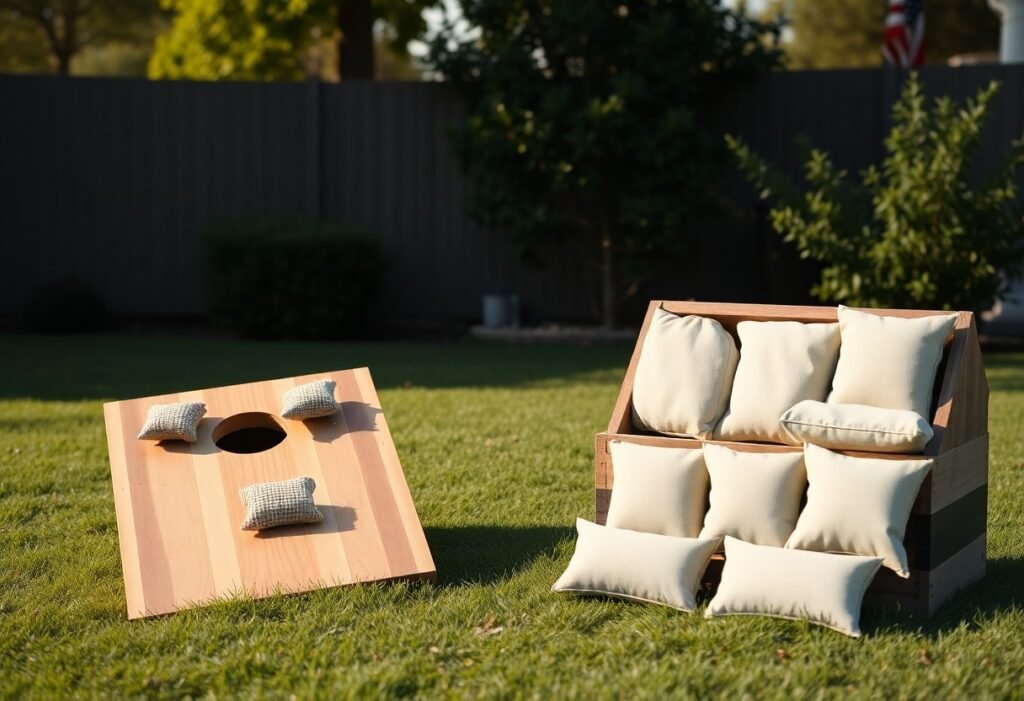

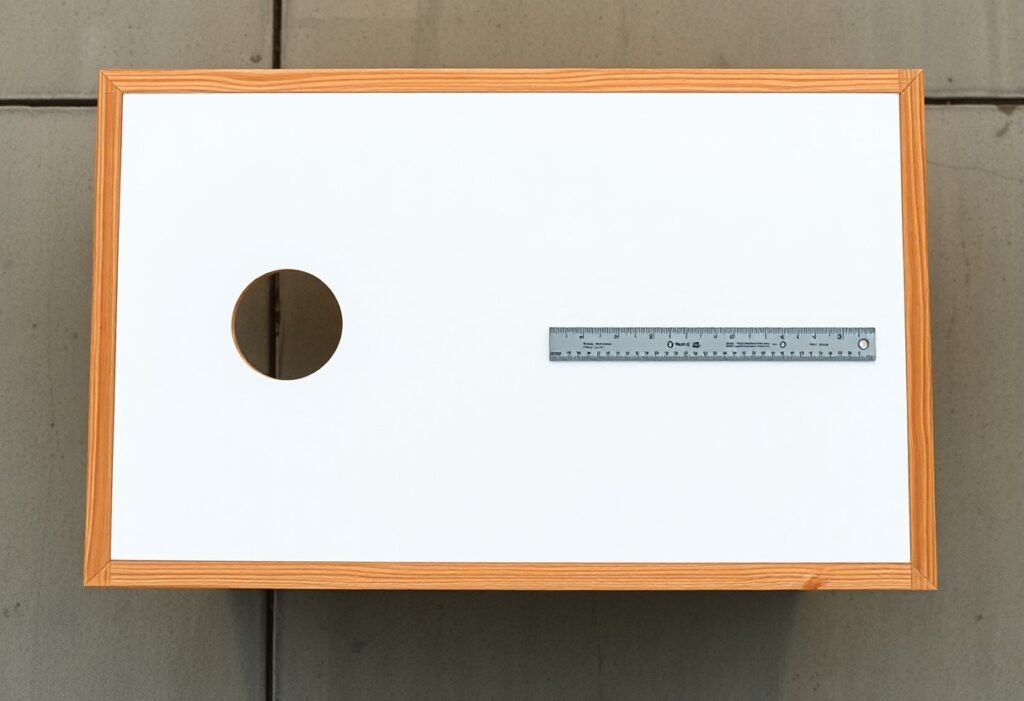
Just to set up a proper cornhole game, you should build boards that are 48″ long and 24″ wide, with a 6″ diameter hole centered 9″ from the top and a front height of 3″ and back height of 12″; these exact measures ensure fair play and consistent scoring and reduce the risk of tipping or injury when your boards are used competitively, so use sturdy materials and secure legs for a safe, reliable setup.
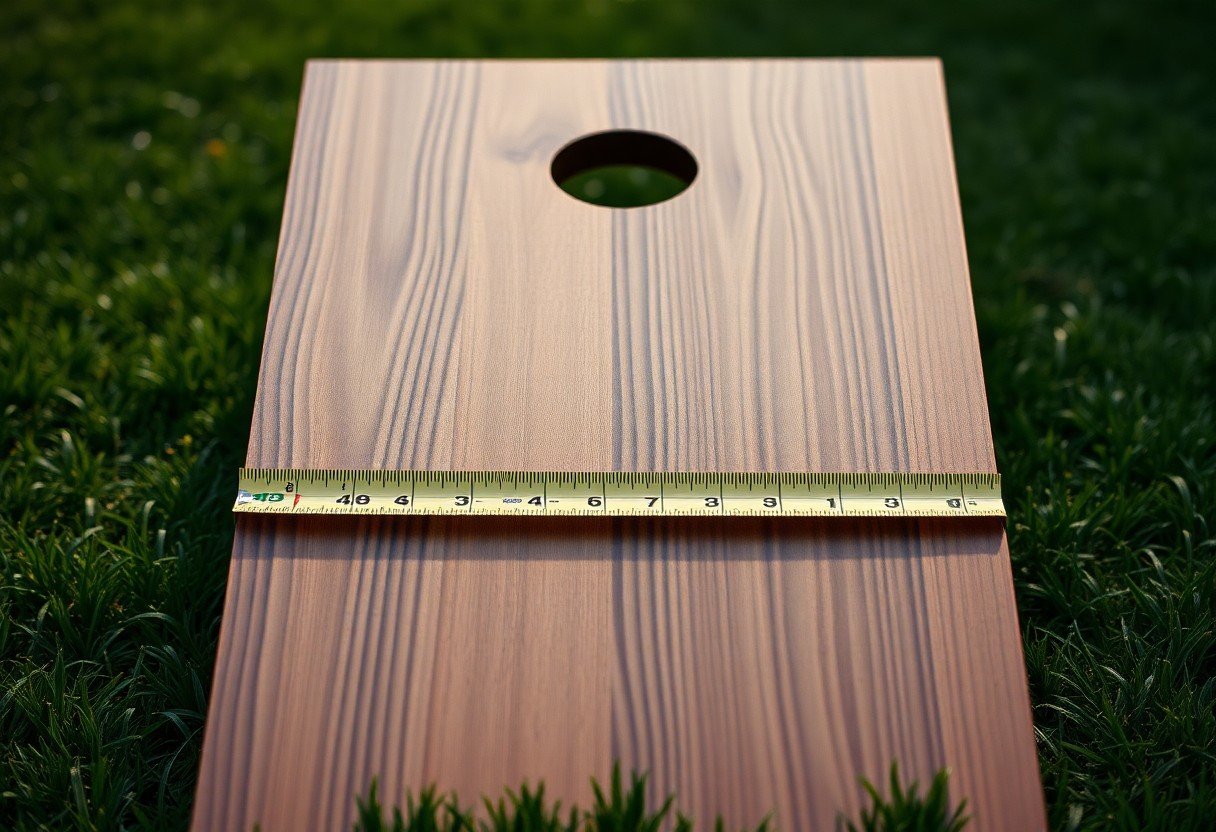
Key Takeaways:
- Board size: 48″ long × 24″ wide (standard plywood surface, ~1″ thick).
- Hole: 6″ diameter, centered side-to-side with the hole center 9″ from the top edge.
- Height & placement: front edge 3-4″ off the ground, top back edge 12″ high; front edges of opposing boards 27′ apart for regulation play.
Importance of Regulation Dimensions
Consistent dimensions remove guesswork: when you build or buy a board that meets 48″×24″ with a 6″ hole centered 9″ from the top, shot angles, bounce and scoring stay repeatable across venues. You’ll notice the standard incline-3″ front to 12″ back-produces the expected trajectory, and keeping these numbers aligned with the regulation 27′ spacing preserves practice-to-tournament transferability.
Standardized Play
When you practice on regulation boards, your release, arc and slide translate directly to competition; recreational deviations in width or hole placement shift the sweet spot for a slide-in. For example, moving the hole center by even an inch changes entry angles, so using the formal 6″ hole and exact centering keeps your mechanics reliable under match pressure.
Fair Competition
Uniform dimensions level the field so skill, not equipment, determines outcomes; leagues expect every player to face identical board geometry. You’ll see officials reject nonconforming boards or require fixes because a slightly higher back or off-center hole gives measurable advantage to lofted or bank shots.
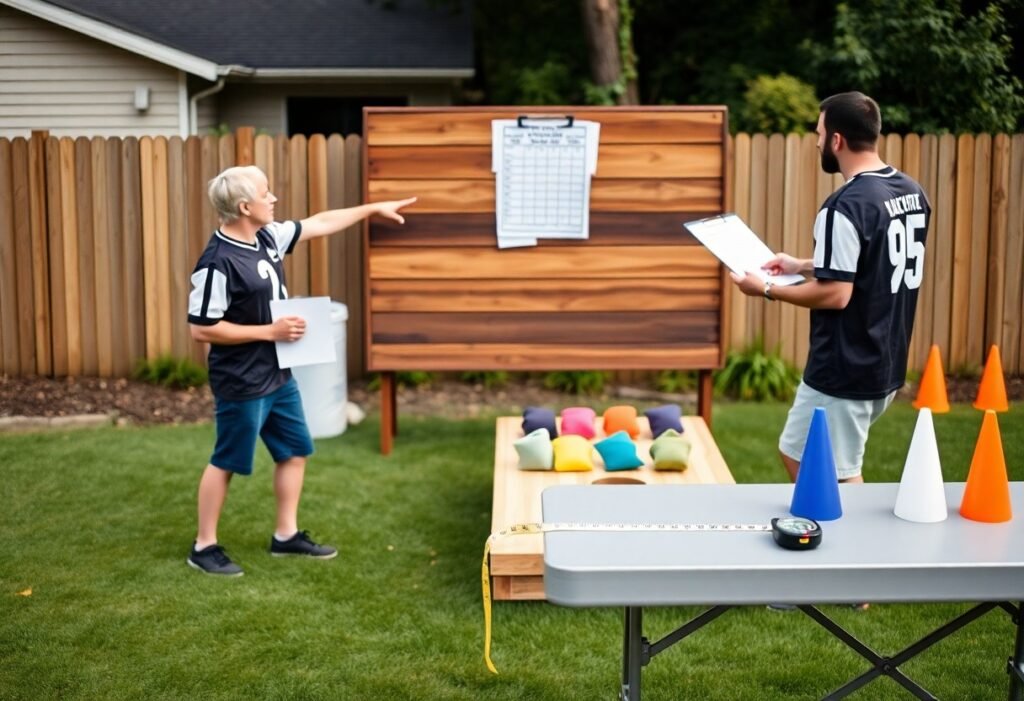
In practice you should measure boards before matches: use a square to confirm the 48″×24″ footprint, a template for the 6″ hole, and a level to verify the 3″ front / 12″ back heights; tournament inspectors commonly apply simple gauges, and discrepancies of even a couple of inches can reclassify boards to casual play or remove them from official brackets.
Official Dimensions for Cornhole Boards
You should build to the standardized playing surface used in competition: a board that is 48 inches long by 24 inches wide with a 6-inch diameter hole centered on the width and positioned 9 inches from the top edge; many tournaments also specify a smooth, level surface of 1/2″-3/4″ plywood for consistent play.
Length and Width Specifications
The accepted footprint is clear: 48″ x 24″ gives the playing field and landing area you need, and the hole center should be 9″ from the top and 12″ from each side, so you can reproduce official geometry and expect the same angles and shot behavior used in regulated matches.
Height and Angle Requirements
You must set the board so the front edge sits about 3-4 inches off the ground while the top rear edge is roughly 12 inches high, producing an angle near 10-12°, which governs how bags glide, stall, or drop through the hole during play.
To fine-tune performance, measure the top deck from the ground-front at ~3-4″ and back at 12″-and note that small changes alter play: raising the front to 4″ increases steepness and can favor higher-arc shots, while 3″ softens the approach; leagues often allow only minimal tolerances, so you should verify your measurements before competition.
Materials and Construction Standards
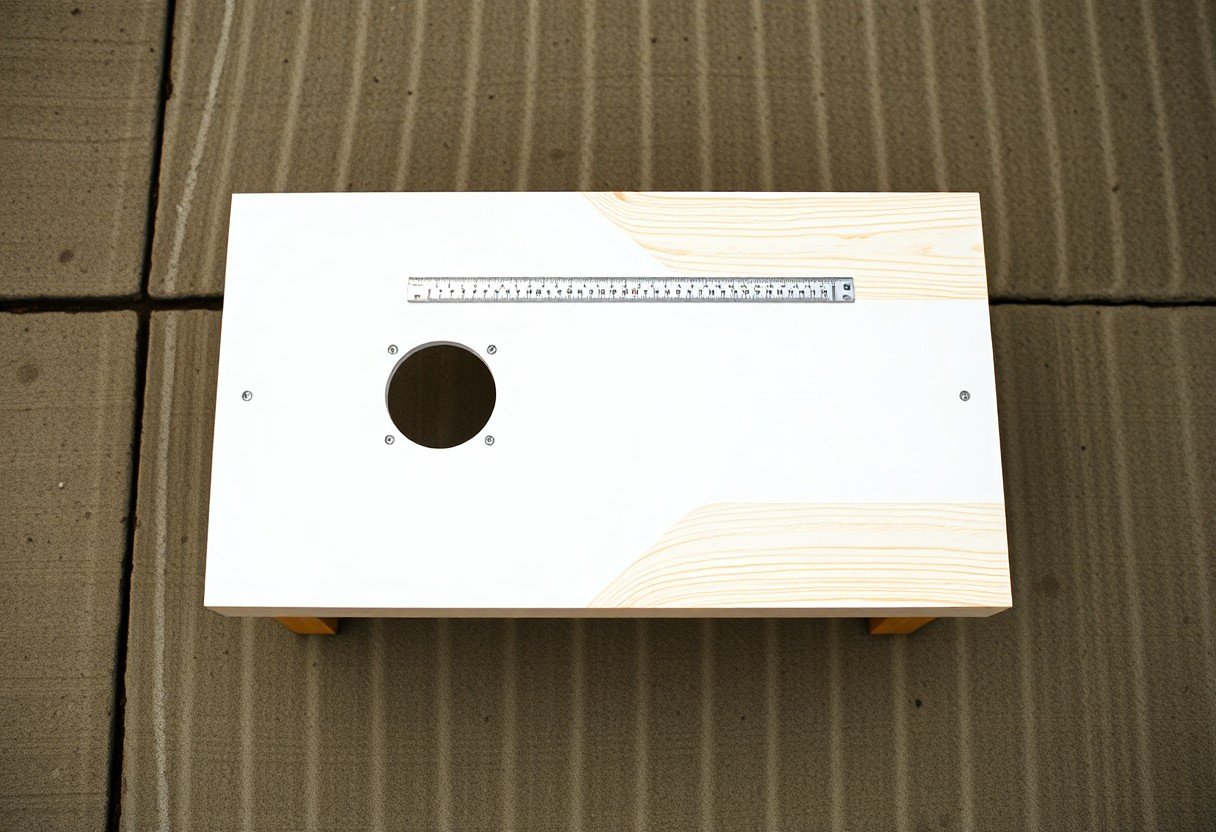
You should select materials and joinery that keep the playing surface flat and rigid: common practice is a 3/4″ or 1″ plywood top, reinforced with a 2×4 under-frame spaced every 12-16″, glued with exterior PVA and secured with 1¼” deck screws, then sanded smooth and sealed with 2-4 coats of polyurethane for weather resistance.
Board Material Types
Different tops offer clear trade-offs: plywood (economical, widely used), Baltic birch (stable, professional finish), hardwood (durable, heavier), MDF (ultra-smooth but moisture-sensitive) and composite (weatherproof, costly). The table below summarizes common choices.
- Plywood
- Baltic birch
- Hardwood
- MDF
- Composite
| Plywood (AC/BC) | 3/4″ exterior-grade, economical; good stiffness and paint adhesion |
| Baltic birch | 3/4″ stable, tight-grain; premium surface for consistent play |
| Hardwood (maple/oak) | 3/4″-1″ very durable and heavy; excellent longevity indoors |
| MDF | 3/4″ ultra-smooth finish but moisture-sensitive; avoid outdoors |
| Composite/PVC | Weatherproof and low-maintenance; can be heavier and more expensive |
Durability and Safety Considerations
To keep play safe and long-lasting, you need to prevent splinters, warp, and slipping surfaces: sand to 220 grit, round edges to a small radius, anchor legs with locking hardware rated for at least 200 lb, and apply 2-4 coats of exterior polyurethane or marine varnish; inspect annually for loose fasteners and delamination.
For assembly, countersink screw heads every 6-8″ along edges and use Titebond III or exterior PVA plus 1¼” deck screws; maintain a front board height of 3-4″ and rear height of 12″ to match regulation geometry, and add a thin non-skid additive or textured topcoat to improve traction when surfaces get wet.
Bean Bag Specifications
Size and Weight Standards
You’ll most commonly see official cornhole bags at 6″ x 6″ square, weighing about 16 ounces (≈454 g) each; many leagues accept a ±1 ounce tolerance. Tournament rules often require uniform sets so you’ll want both bags and opposing-player bags to match within that range. For example, ACL-style play specifies consistent weight per bag to prevent unfair flight differences and to keep scoring predictable across rounds.
Material and Design
Manufacturers use two primary fills: whole-kernel corn and tiny resin/polypropylene pellets; you’ll prefer resin for consistent weight and water resistance, while corn gives more grip and softer landings. Externally, duck cloth or canvas is typical for outdoor bags, and microsuede or suede is common indoors to control slide. You should choose material based on where you play most and whether you need bags that withstand moisture.
Durability hinges on construction: look for double-stitched seams, reinforced binding, and tightly sewn corners to prevent burst seams under repetitive impact. You’ll notice resin-filled bags maintain weight and shape longer and require minimal care, whereas corn-filled bags can absorb moisture, swell, and develop mold if left wet; also expect differences in slide-suede surfaces break in and slide more predictably after 10-20 games, while coarse duck cloth resists slick glides but lasts through rough outdoor use.
Measuring and Setup Guidelines
When you prepare boards, use a reliable tape measure and square to hit the 48″ x 24″ tabletop and mark the 6″ diameter hole with its center 9″ from the top. Consult a step-by-step guide like How to Make a Cornhole Board for cutting and bracing techniques. You should plan for a 3/4″ plywood top with a 2×4 frame and folding legs that set the front at 3″ and back at 12″.
Correct Measurements
You must cut the top to 48″ x 24″ and drill a 6″ hole centered 9″ from the top edge. Use 3/4″ exterior-grade plywood for durability and a 2×4 frame to prevent sagging; keep squareness within ±1/8″. Fasten with exterior screws, glue joints, and sand edges so the board remains consistent across sets for fair play.
Board Placement and Distance
Place boards so the front edges face each other at the regulation distance of 27 feet, measured front edge to front edge, on a level surface and aligned parallel; mark foul lines and ensure at least 3 feet of clearance behind each board for your stance.
For tighter spaces you can shorten distances-many casual games use 21 feet or even 18 feet for juniors. Also verify both boards sit level with a carpenter’s level and anchor them on grass with small stakes or on concrete with rubber pads to prevent shifting during play; inconsistent surfaces change trajectory and scoring significantly.
Common Variations and Deviations
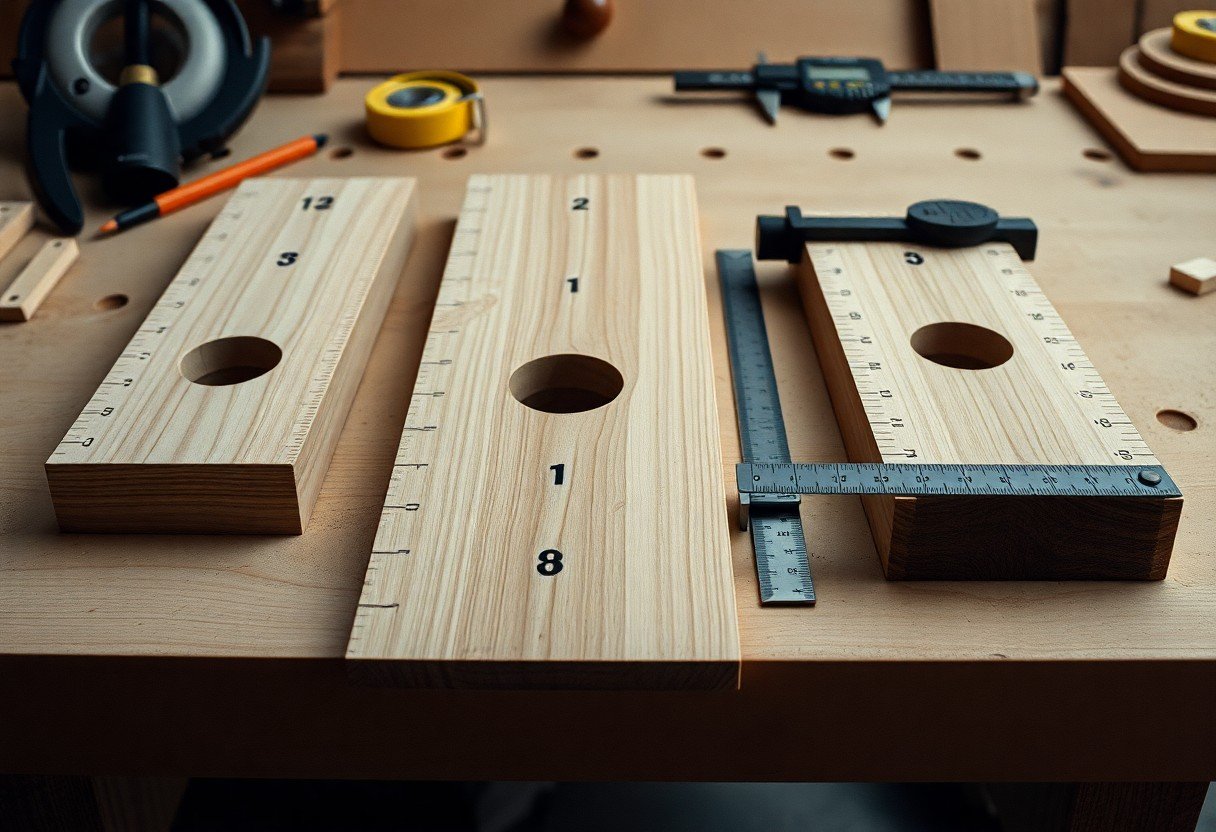
Many builders tweak board size, hole diameter, surface, and height to suit space or skill. You’ll see scaled backyard boards at 36″×18″, oversized festival boards up to 48″×24″, hole diameters from 5″ to 7″, and distances shortened for parties. Note that unstable legs or incorrect back elevation increase toppling risk and inconsistent play, so keep tolerances tight when you want reproducible results.
Casual vs. Competitive Boards
When you compare setups, competitive boards adhere to the 48″×24″ surface, 6″ hole, and a 27 ft pitching distance, plus consistent finishes for predictable friction. Casual boards often use thinner plywood, improvised hole placement, and shorter distances (15-20 ft) for convenience. If you plan tournaments, invest in durable frames, sealed surfaces, and measured hole placement to ensure fair play and repeatable shots.
Regional Differences
Across regions you’ll notice metric rounding, local league rules, and space-driven changes: some clubs treat 27 ft as 8.23 m while pub leagues truncate to 15-20 ft. Junior divisions commonly set 21 ft to match development levels. These variations affect shot selection, with shorter distances favoring lobs and longer distances emphasizing push shots and accuracy.
In practice, you’ll find the U.S. tournament circuit almost universally uses the 27 ft standard, while community centers and bars adopt their own sizes for throughput and safety. Canadian and European clubs frequently convert to meters but still mirror adult and junior separations; for example you might see 7 m casual setups or 8.2 m competitive layouts. Always list the specs ahead of an event so players can adjust technique.
To wrap up
Following this, you can ensure your cornhole boards meet official play standards: 48 inches long by 24 inches wide, hole diameter 6 inches centered 9 inches from the top, front edge 3 inches high and back edge 12 inches high. Adhering to these dimensions guarantees consistent gameplay, accurate practice, and competitive compatibility for your casual or tournament matches.
FAQ
Q: What are the official regulation cornhole board dimensions?
A: Regulation cornhole boards are 24 inches wide by 48 inches long (610 mm x 1219 mm). The hole must be 6 inches in diameter (152 mm). The center of the hole is 9 inches (229 mm) from the top edge of the board and centered laterally (12 inches from each side). The playing surface height is 3 inches (76 mm) at the front and 12 inches (305 mm) at the rear when set on a flat surface.
Q: How should the hole be positioned and cut for accuracy?
A: Measure and mark the board centerline lengthwise, then mark the hole center 9 inches down from the top edge on that centerline. Use a 6-inch diameter template or compass to draw the circle, then cut with a jigsaw and sand the edge smooth. Verify diameter with a ruler or caliper and confirm the circle is centered (12 inches from each side). Ensure the top surface is flat and the hole edge is free of splinters or bevels that could alter play.
Q: What is the correct distance between regulation boards for play?
A: Official pitching distance is 27 feet (8.23 m) measured from the front edge of one board to the front edge of the opposite board. For casual or backyard play shorter distances are common, but tournament play uses 27 feet. Players must pitch from the pitching area beside the board; court foul lines and stance rules are defined by tournament organizers.
Q: What board thickness, materials, and construction tolerances are standard?
A: Common construction uses 1/2-inch to 3/4-inch plywood for the top (plywood or cabinet-grade material for a smooth surface) and solid framing underneath. Legs are sized to achieve the 3-inch front and 12-inch back heights. Build to the specified dimensions with typical woodworking tolerances (roughly ±1/8″ to ±1/4″ where exact fit matters). Finish the top with paint or varnish for a consistent playing surface and apply grip or wax as permitted by event rules.
Q: How do I verify a board is regulation-compliant before a match?
A: Use a tape measure and straightedge: confirm overall board is 24″ x 48″, hole diameter is 6″, and hole center is 9″ from the top and centered laterally. Place the board on a flat surface and measure top surface heights at the front (3″) and rear (12″). Measure the distance between front edges of opposing boards to ensure 27 feet. Check for a flat, level surface and smooth hole edges; small deviations can affect play and should be corrected prior to tournament use.