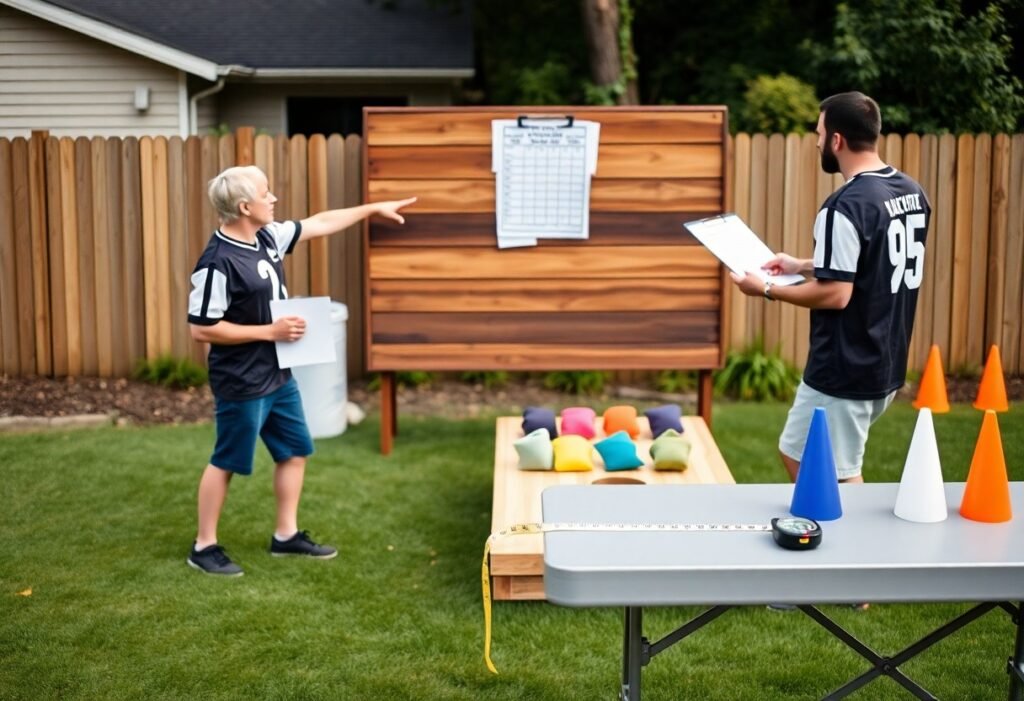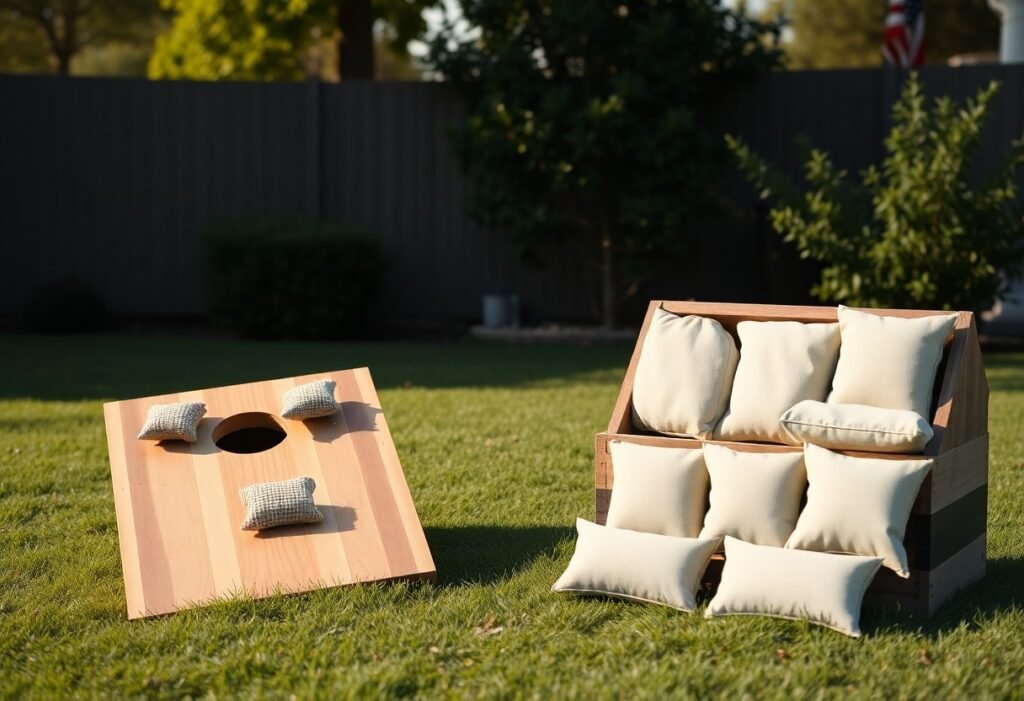

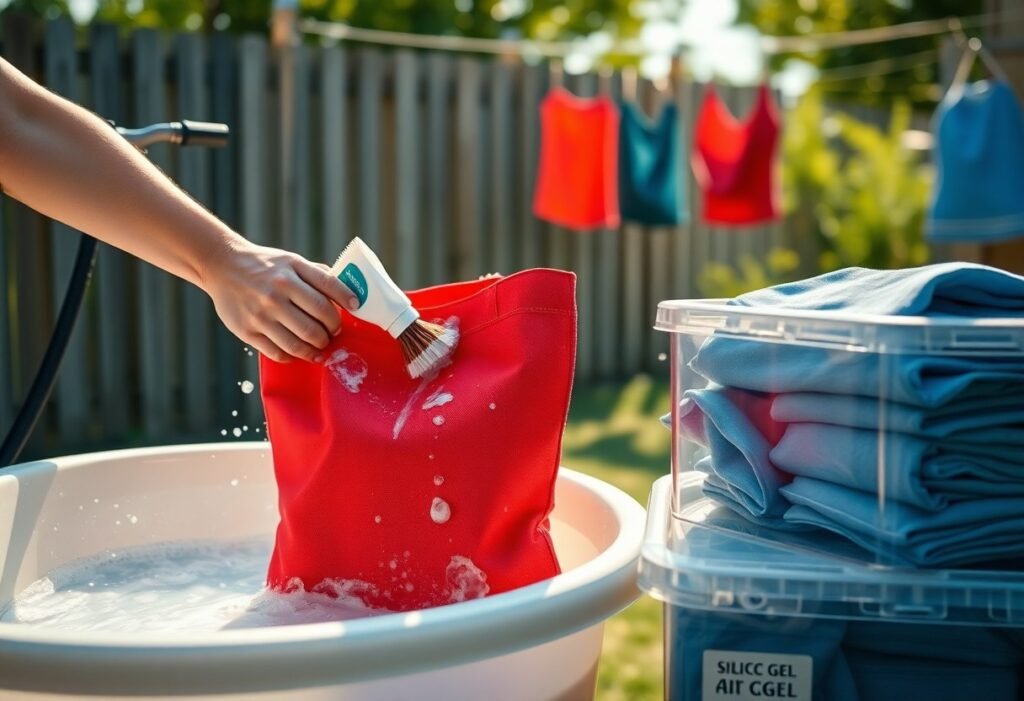
There’s a straightforward routine you can use to keep your cornhole bags game-ready: spot-clean dirt with a soft brush and mild soap, avoid machine washing to prevent stitching damage, air-dry completely to stop mold and mildew, and store bags flat in a breathable container away from direct sunlight and heat to ensure a longer lifespan and like-new performance.
Key Takeaways:
- Remove loose dirt and spot-clean with mild soap and cool water; rinse and air-dry completely – avoid bleach and machine drying.
- Store bags completely dry in a breathable container (mesh bag or cardboard box) in a cool, dry, dark place; avoid sealed plastic and direct ground contact to prevent mildew and deformation.
- Rotate sets and inspect seams and fill regularly; repair or replace worn bags to keep play consistent and extend lifespan.
How to Clean Cornhole Bags
Choosing the Right Cleaning Method
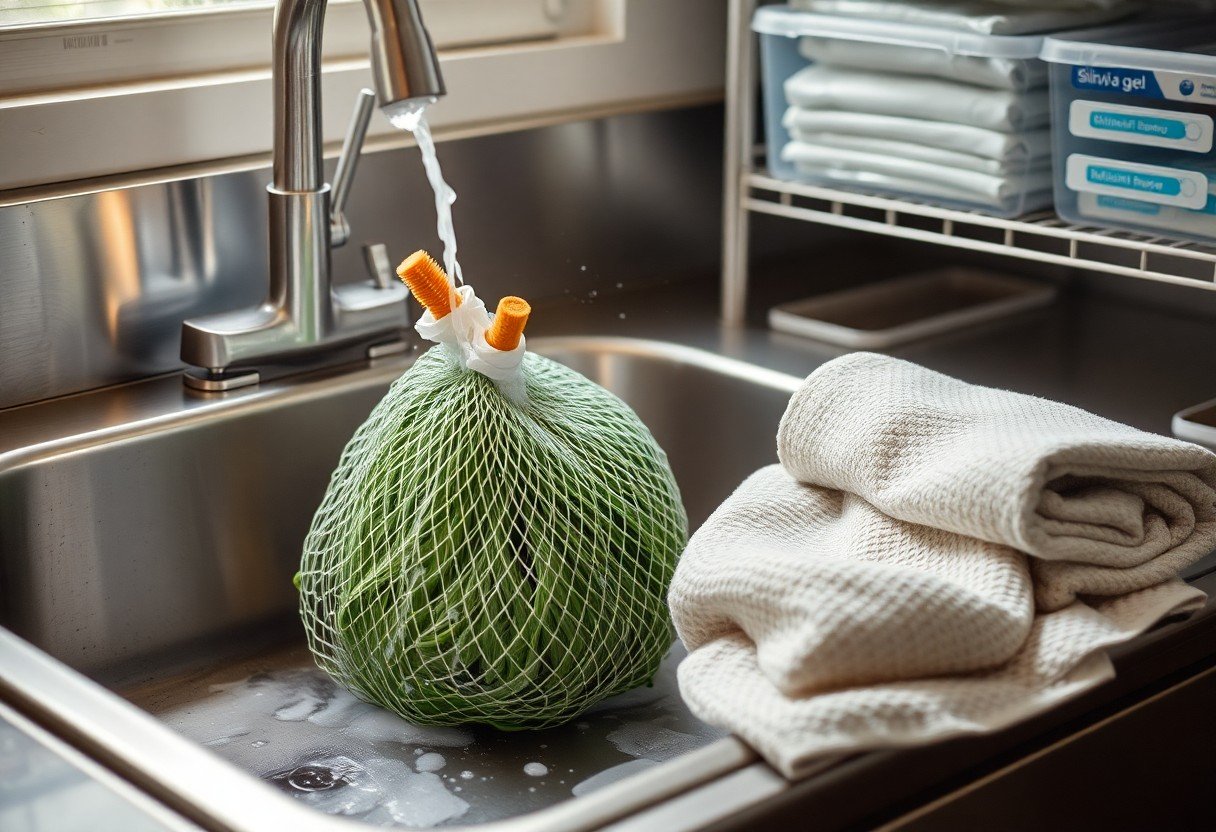
Choose based on your bag filling and fabric: if your bags are corn-filled (traditional), do not machine wash; instead spot-clean with a damp cloth and mild soap and dry completely to prevent mold. For synthetic bead-filled bags you can use a mesh laundry bag and a cold, gentle cycle (below 30°C) with mild detergent. Always spot-test a hidden seam for about 10 seconds before full cleaning.
Step-by-Step Cleaning Process
Inspect your bags for loose seams and heavy stains, then brush off dry dirt. Treat stains by applying a few drops of mild detergent or dish soap and gently scrubbing for 30-60 seconds. For synthetic bags, place them in a mesh bag and wash cold on a gentle cycle; for corn-filled, hand-wipe or open the seam to replace wet filling. Air-dry flat only – no tumble drying.
When you face mildew or persistent odor on your bags, mix one part white vinegar to four parts water, spot-apply, let sit 10 minutes, then rinse; vinegar neutralizes smells without harsh chemicals. Pre-treat grease with dish soap and, if seams weaken after cleaning, reinforce with a short double stitch. Plan on about 24 hours of air-drying and reshape bags while damp to maintain play performance.
Cleaning Quick Reference
| Bag Type | Recommended Method |
| Corn-filled | Spot-clean with mild soap; hand-wipe; if soaked, open seam, replace filling, resew; air-dry completely |
| Synthetic bead-filled | Place in mesh bag; machine wash cold, gentle cycle; mild detergent only; air-dry flat |
| Grease/Stains | Pre-treat with dish soap; gently scrub 30-60s; repeat if needed |
| Mildew/Odor | Spot-treat 1:4 vinegar:water, let sit 10 min, rinse; dry thoroughly |
| Drying | Air-dry flat ~24 hours; reshape while damp; no heat or tumble drying |

Tips for Drying Cornhole Bags
When your cornhole bags get wet, aim for consistent airflow and avoid high temperatures; air dry usually takes 24-48 hours indoors at 40-60% humidity while a fan can cut that to 6-12 hours. You should spread bags single-layer, unzip any removable covers, and separate different fills (corn vs. pellets) to prevent odor transfer. Use buffered sunlight sparingly to prevent fading. The simplest rule: prioritize airflow over heat.
- Spread cornhole bags flat or hang them singly to speed drying.
- Use a fan for air dry speeds-6-12 hours typical versus 24-48 hours without.
- Avoid direct, prolonged sun to prevent fabric fading and seam stress.
- If using a dryer, choose low-heat settings and a mesh bag to protect seams.
Best Practices for Air Drying
You should rotate bags every 4-6 hours and lay them on a breathable surface like a drying rack or mesh to maximize ventilation; in 50% humidity expect 24-36 hours, while >70% can take 48+ hours. For tournaments, dry bags at least 48 hours beforehand to ensure even moisture loss. Use a household fan directed across the bag cluster to reduce drying time by roughly half.
Using a Dryer Safely
You can use a dryer if you follow strict limits: place bags in a mesh laundry bag, select tumble-low or air-fluff, and limit cycles to 10-20 minutes per batch to avoid high heat damage. Check seams and filling after each short cycle and remove while still slightly damp to finish air drying.
For example, with synthetic pellet fill, run a 15-minute low-heat cycle then inspect; natural corn fill is more sensitive-avoid heat over 100-120°F to prevent shrinking or spoilage. If you detect melting, warping, or a strong odor, stop immediately and complete drying with airflow.
Factors to Consider When Storing Cornhole Bags
You should weigh bag material, fill type, and where you keep them: fabric and polyfilled bags handle humidity better than traditional corn, and synthetic beads resist mold longer. Aim for storage areas between 50-70°F and relative humidity near 40-60%, avoid direct sunlight and attics or damp basements, and rotate bags every few months to maintain even wear. Keep pests in mind-rodents chew natural fills. Recognizing that storage choices directly affect bag weight, feel, and lifespan will improve your game.
- cornhole bags
- storage
- moisture
- mildew
- fabric type
Ideal Storage Conditions
You want a cool, dark spot with steady climate control: keep temperature between 50-70°F and humidity around 45-55%. Store bags flat in breathable cotton sacks or ventilated plastic bins with lids to block dust but avoid trapped condensation, and never stack heavy gear on top-compressing bags by 25-30% changes fill distribution and flight.
Preventing Moisture and Mildew
Use desiccant packs-two 7-10 g silica packets per small bin-or a dehumidifier set to maintain <60% RH in storage areas; breathable storage keeps air moving, while sealed containers without desiccants can trap moisture and promote mildew. If you store in a garage, aim for elevated shelving to avoid floor dampness.
When a bag gets damp, dry it immediately by laying it flat on a towel in indirect sunlight or near a fan for 24-48 hours; avoid high heat dryers if the bag uses natural fillers, since temperatures above 140°F can damage stitching or warp synthetic beads. For persistent odors or spores, apply a diluted 1:10 white vinegar solution spot-test first, then air out completely before returning to storage.
How to Properly Store Cornhole Bags
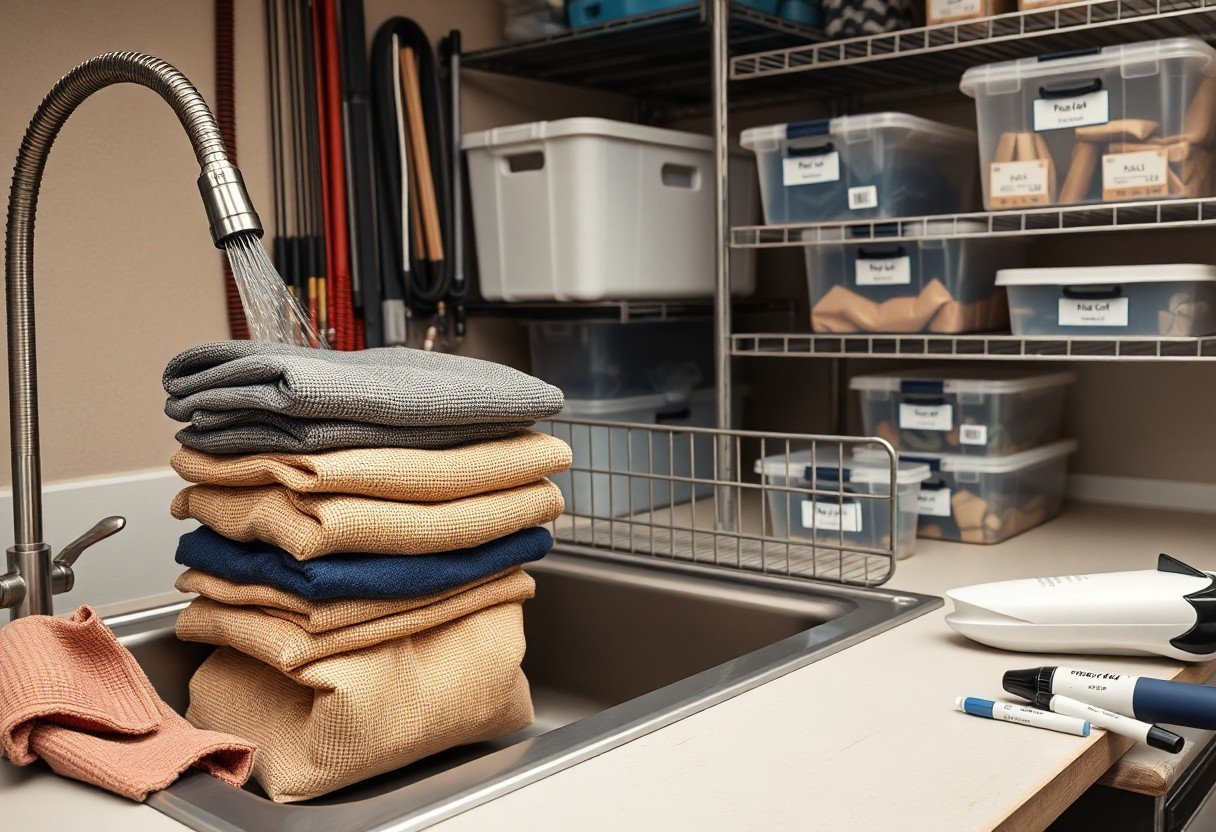
After cleaning and drying your bags-see this wash guide How To Wash Cornhole Bags Without Breaking Them In …-store them flat in a dry spot at about 50-70°F and 40-60% humidity. You should avoid attic heat spikes and garage dampness; use silica gel packets in plastic bins or breathable cotton sacks for duck-cloth bags, and rotate sets every 6 months to equalize wear. Perceiving the material differences will guide your ideal storage choices.
- cornhole bags
- storage temperature
- silica gel
Optimal Storage Solutions
For polyfill bags, use clear plastic bins with tight lids and add 5-10 g silica gel packs per bin to control moisture; for duck cloth, use breathable cotton sacks and lay bags flat on shelving 12-18 inches above the floor to avoid damp and pests. You can also hang weekly-play sets on pegs to preserve shape and keep them ready for play.
Long-Term Care Tips
Inspect seams and stitching every 3-6 months and repair small holes with fabric glue or a whip stitch; replace any bag that leaks fill. Avoid machine drying-air-dry at room temperature after spot-cleaning with mild detergent-and mark older sets so you can rotate them into lighter duty. Store backups separately to prevent transfer of dirt or moisture.
Keep humidity steady at 40-60%, since natural-fill bags can clump above 65% RH and polyfill may mold if persistently damp; use a hygrometer in storage areas and vacuum-seal seasonal sets for up to a year, checking seams before reuse. Perceiving moisture risk early prevents permanent damage and preserves consistent bag flight.
- inspect seams
- humidity control
- vacuum seal
Maintenance Tips for Longevity
To keep your bags performing, set a routine of cleaning, drying, and storing them in cool, dry places: wash canvas or poly-blend bags on a gentle cycle, air-dry completely, and avoid direct sunlight and heat that can fade or warp fabric. Store below 75°F and under 50% humidity when possible; proper care can extend bag life by 1-3 years. Knowing these steps prevents mold, filler clumping, and costly replacements.
- Cleaning
- Storage
- Inspection
- Replacement
- Drying
Regular Inspection and Care
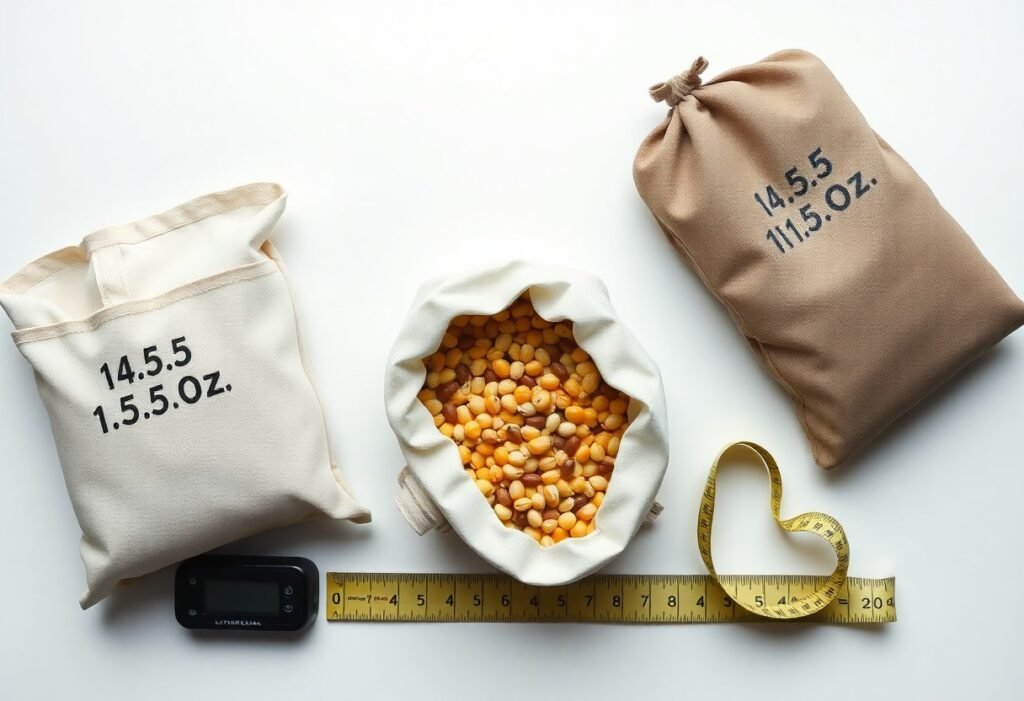
You should inspect bags monthly for seam splits, weight changes, and filler shift; regulation bags are about 16 ounces, so a drop >5% indicates leakage. Feel for hard spots or uneven distribution, weigh suspect bags on a kitchen scale, and repair small tears with heavy-duty thread or fabric glue after fully drying. Treat any sign of mold or persistent odors immediately to avoid further damage.
When to Replace Cornhole Bags
Replace bags when seams are split beyond 1 inch, weight loss exceeds 10%, or filler is compacted and no longer yields the proper feel – for example, a 16-ounce bag measuring under 14.5 ounces should be retired. Persistent foul odors or visible mold warrant replacement rather than repair to protect your health and game consistency.
If you play weekly, plan to replace bags every 12 months; casual players can expect 2-4 years of life. You can refill poly pellets or buy replacement sets ranging roughly $20-$80 depending on material and brand; choose tournament-grade options that meet 16-ounce specs and tighter seams. Swap worn sets before competitive play to keep your shots consistent.
Common Mistakes to Avoid
You’ll undo careful maintenance by skipping routine checks: washing only when bags look dirty lets salt and sweat degrade fabric, while stashing damp bags invites mildew (it thrives above 60% humidity). You should wash after 10-15 games or monthly with frequent play, and avoid storing bags on concrete or in direct sun, both of which accelerate fabric breakdown and color fade.
Cleaning Faux Pas
You should avoid machine-washing corn-filled or loosely sewn bags because agitation can cause fill clumping and seam failure; hand-wash canvas in cool water with mild detergent instead. Don’t use bleach or fabric softeners, which break down fibers and reduce grip. Never tumble-dry on high – heat above 120°F can warp fills and shrink fabric; air-dry flat and reshape corners to keep square edges.
Missed Storage Opportunities
You often worsen bag lifespan by storing them in sealed plastic bins while damp, leaving them on garage floors, or exposing them to sunlight; instead keep bags in breathable containers at about 50% humidity and 50-70°F to prevent mold and filler breakdown. You should also avoid leaving bags on boards between games, since prolonged pressure can permanently flatten fill and alter play.
You should use breathable cotton or mesh tote bags and include 2-3 silica gel packets per container to control moisture; for corn-filled bags, rotate them every 3-6 months to redistribute settling and check seams for pests. Store bags off concrete on a shelf, inspect monthly after wet-weather play, and address any damp spots immediately to stop mildew before it spreads.
To wrap up
With this in mind, you should spot-clean or machine wash bags per manufacturer instructions, fully dry them, brush off residue, inspect for damage, and store in a cool, dry, sealed container or breathable bag away from moisture and pests; rotate bags to prevent uneven wear so your set stays consistent and game-ready.
FAQ
Q: What is the safest way to clean canvas, duck cloth, or burlap cornhole bags?
A: Start by brushing off loose dirt and debris with a soft brush. For spot stains mix a small amount of mild liquid detergent with cool water and gently scrub with a soft-bristled brush or cloth; rinse the area with a damp cloth and blot excess moisture with a towel. Avoid full submersion for bags filled with organic material (dried corn); if a deeper clean is needed for synthetic-filled bags, place them inside a mesh laundry bag and wash on a gentle cold cycle with mild detergent, no bleach or fabric softener. Always air-dry flat in a shaded, well-ventilated area until completely dry; do not use high heat or prolonged direct sunlight, which can shrink fabric, distort fill, or fade colors.
Q: How should I treat wet or mildew-prone cornhole bags?
A: If bags get wet, lay them flat on a dry towel and blot excess water. Air-dry thoroughly in a warm, ventilated spot out of direct sun.
For musty smell or light mildew, mix one part white vinegar to four parts water. Lightly mist the surface, let sit 10-15 minutes, then blot and dry completely. For persistent odors, sprinkle baking soda on the interior surface if accessible. Let sit several hours, shake out, and air-dry.
For corn-filled bags that are soaked or show mold growth, open a seam and remove the wet filling. Spread filling on a tarp to dry or discard it. Replace with fresh filling or switch to synthetic resin pellets for all-weather use. Resew the seam using heavy-duty thread.
Q: Can I put cornhole bags in the dryer or use heat to speed drying?
A: Avoid heat for bags with organic filling. High temperatures can cook the fill and warp fabric. For synthetic-pellet bags, some use an air-only or low-heat tumble with dryer balls. However, air-drying flat is safer and recommended for most bags. Never use high heat. Avoid extended direct sunlight that can fade fabric and weaken fibers. If you must accelerate drying, use a fan and good airflow rather than heat.
Q: What’s the best way to store cornhole bags long-term to prevent damage and pests?
A: Clean each bag and ensure it’s completely dry before storage. Store corn-filled bags in breathable cotton or mesh bags. Store synthetic-filled bags in a sealed plastic bin with desiccant packs to control humidity. Keep bags in a cool, dry place off concrete floors. Avoid attics, damp basements, and prolonged sunlight. Add pest deterrents if necessary using sealed metal containers or traps. Label all containers. Inspect bags periodically and air them out if any stale odor or moisture appears.
Q: How can I repair, refresh, or upgrade bags to extend their lifespan?
A: Patch small holes with fabric patches and heavy-duty thread. Reinforce seams by top-stitching if they begin to split. Restore shape by gently massaging and redistributing fill. Replace degraded corn filling with new dried corn or synthetic resin pellets for weather resistance. Treat synthetic fabrics with fabric protector spray designed for outdoor gear. Avoid waterproofing sprays on burlap unless specified safe. Rotate bag sets regularly to even out wear. Avoid playing on wet surfaces. Store properly between uses to maximize lifespan.