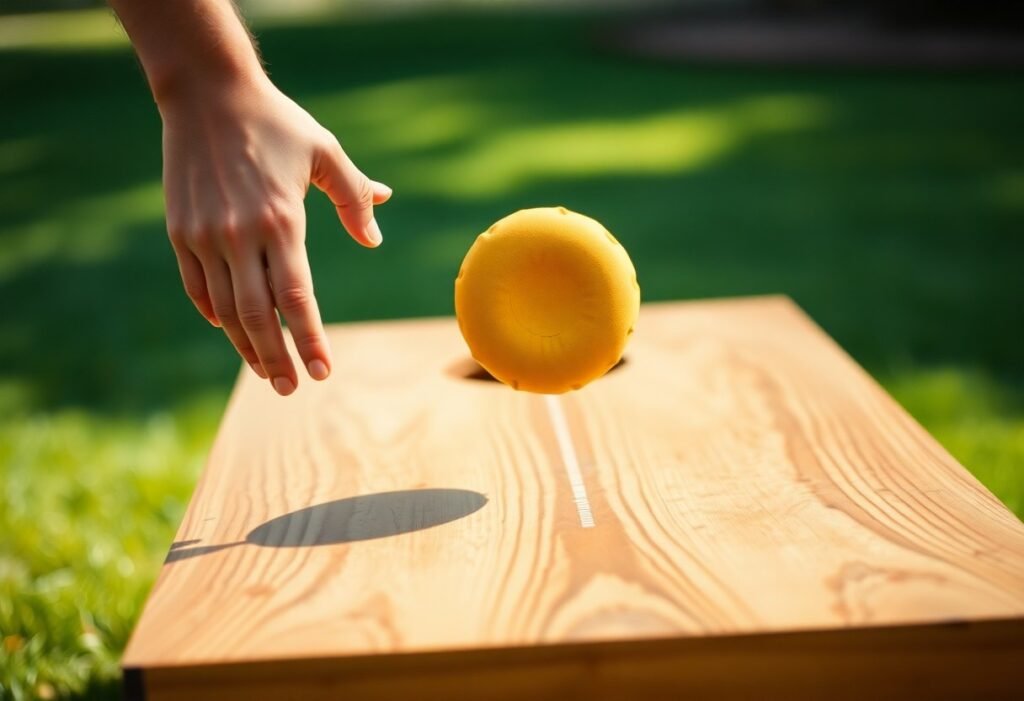

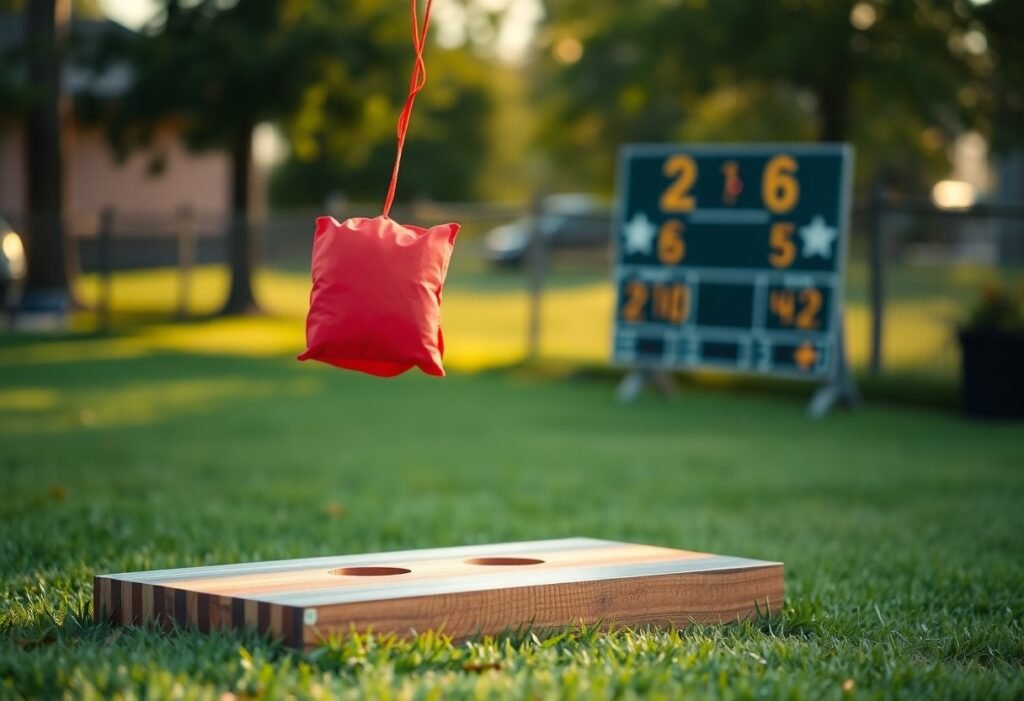
Over a few sessions you can learn advanced cornhole trick shots and staged challenges that test your aim and creativity; focused practice builds consistency while avoiding common hazards – keep bystanders clear to minimize injury risk. You should analyze angles, bag spin and board speed, progress from simple banks to behind-the-back shots, and track results to refine technique for impressive, repeatable outcomes.
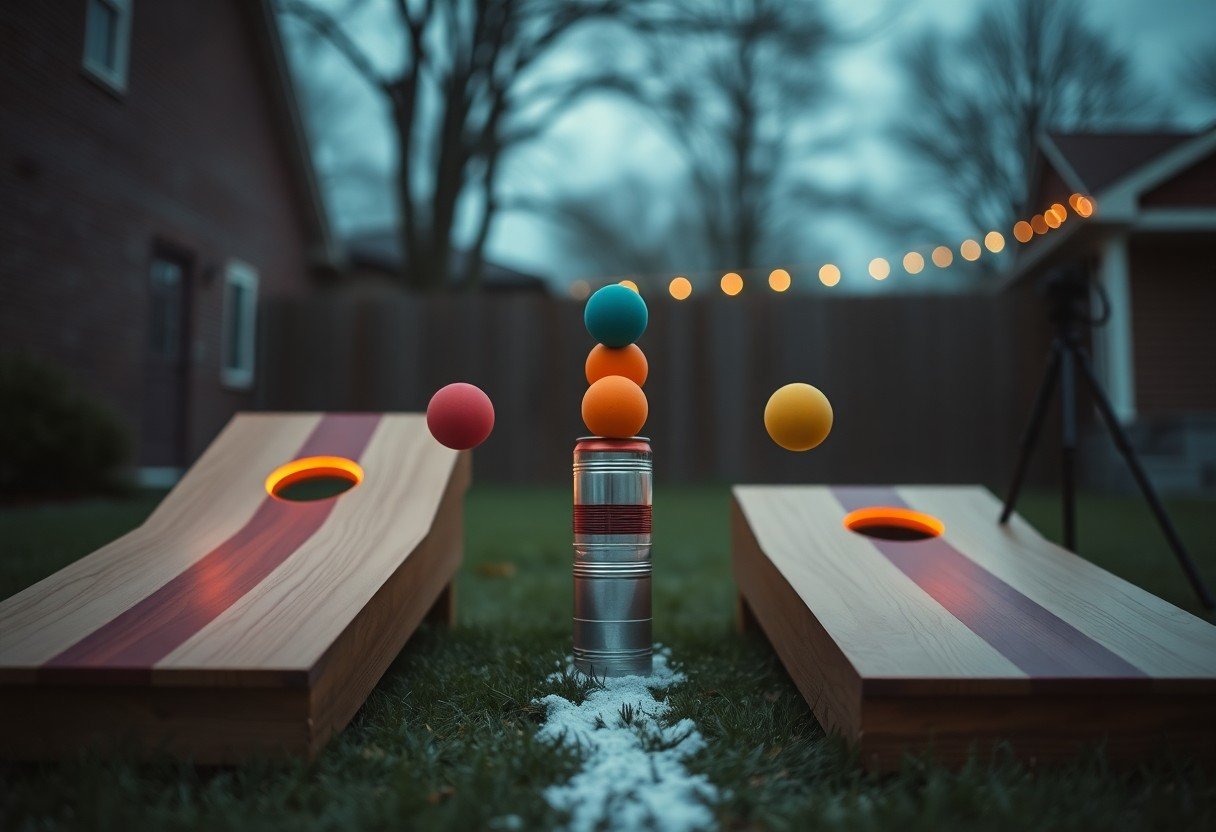
Key Takeaways:
- Develop a consistent release, stance, and aim with progressive drills-break complex trick shots into smaller movements and master each component before combining them.
- Use stable boards, marked distances, and appropriate bag weights; prioritize safe surroundings and clear landing zones when attempting high-risk or novelty shots.
- Design simple rules, scoring, and time limits; mix themed challenges, handicap variations, and spectator-friendly formats to keep play engaging and replayable.
Understanding Cornhole
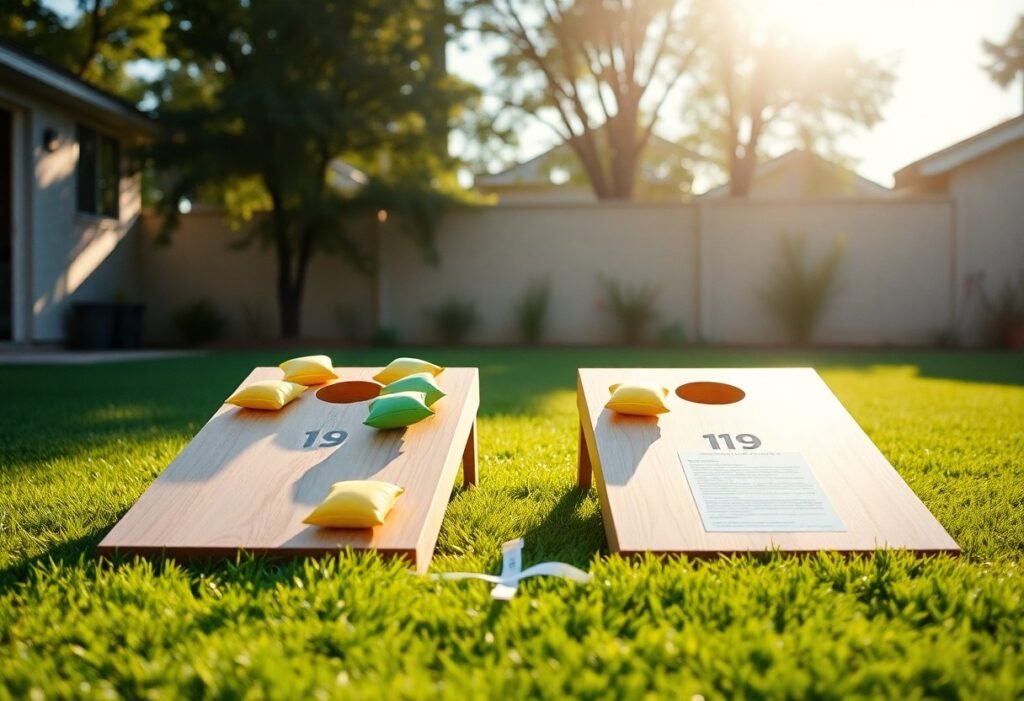
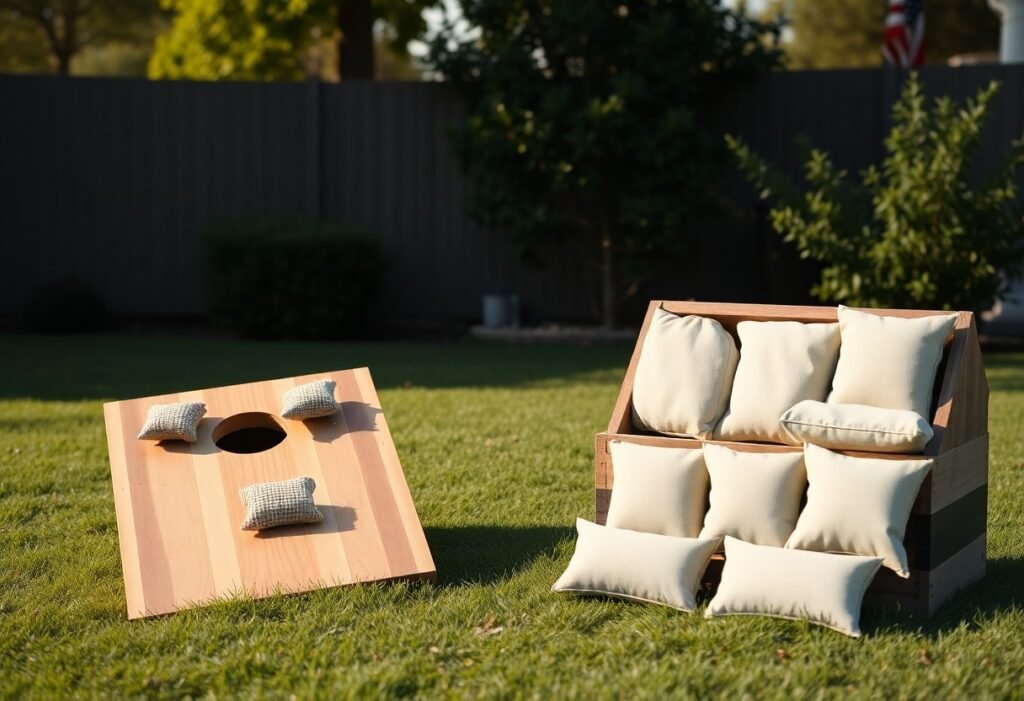
When you step into advanced trick shots you must master the physical setup: regulation boards are 48×24 inches with a 6-inch hole centered 9 inches from the top, front edge about 3-4 inches high and rear 12 inches. Standard adult distance is 27 feet between front edges. Games are played singles or doubles with four bags per player; many experienced players practice 100-200 throws per session to build repeatable release and angle control. Avoid throwing when anyone stands in the flight path.
Rules of the Game
You score 3 points for a bag through the hole and 1 point for a bag on the board, with cancellation scoring applied each inning (only the net difference counts). Play continues until a player or team reaches 21 points; ties and house-rule variations are common. You must pitch from behind the foul line and alternate throws until all eight bags are pitched. Stepping over the line, touching the board, or using illegal bags results in a foul and the throw is removed.
Equipment Essentials
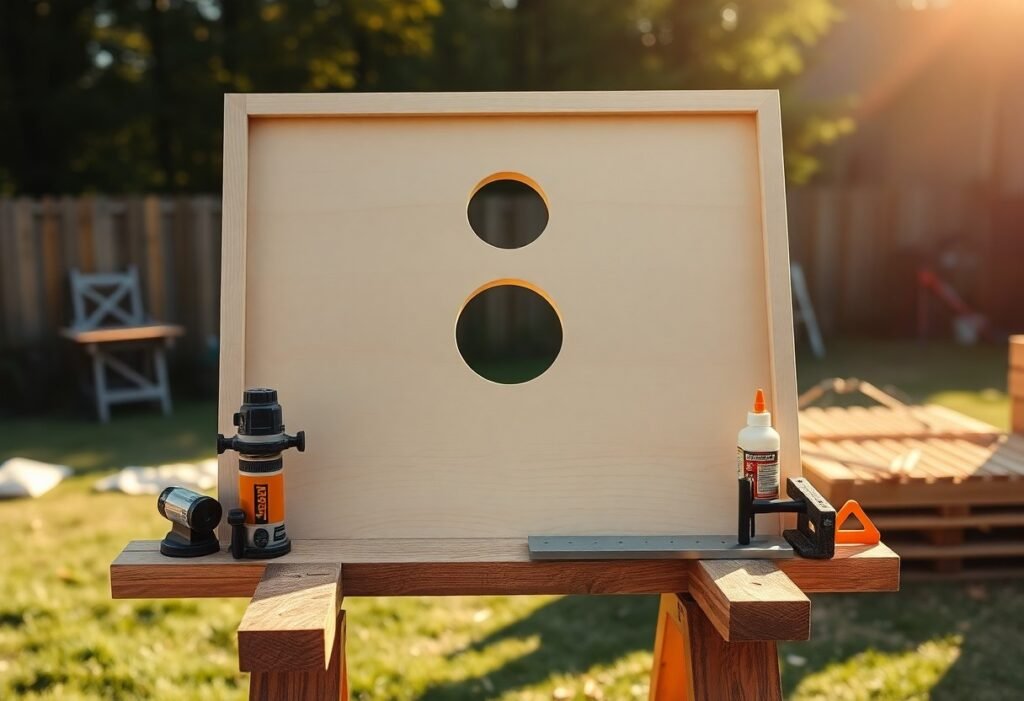
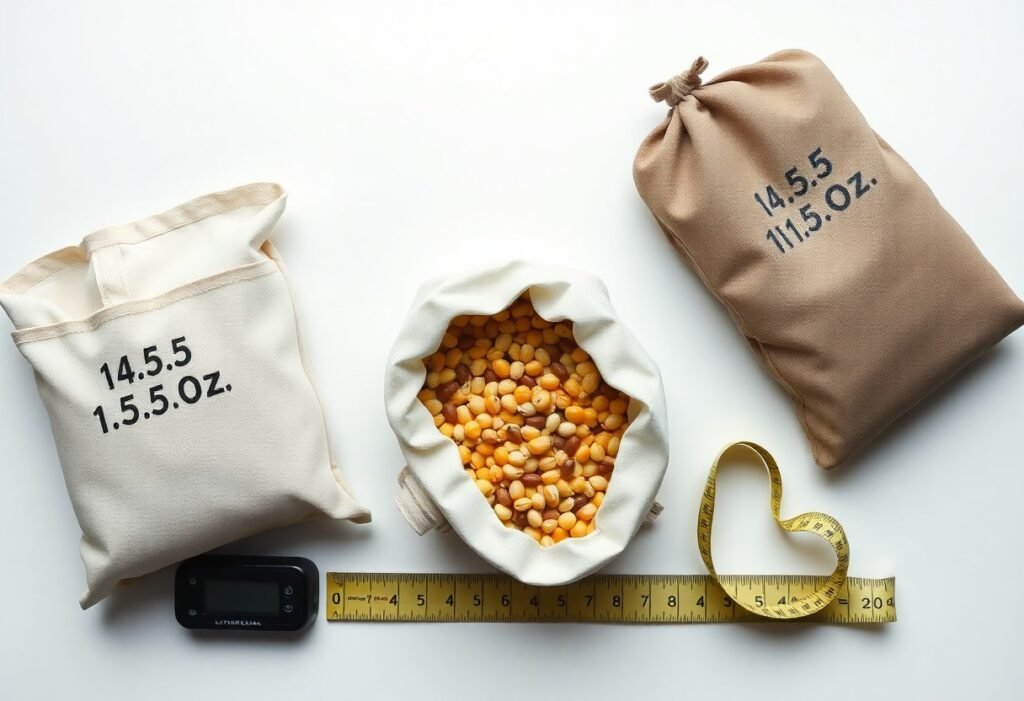
Your gear determines consistency: regulation bags are typically 6×6 inches and weigh about 14-16 ounces, commonly filled with resin pellets or traditional corn. Boards should be sturdy 48×24-inch plywood or certified tournament boards with smooth surfaces for predictable slides. Choose bags and board finishes that match your playing environment-indoor polished surfaces favor slick bags, windy outdoor play favors heavier or textured bags. Avoid waterlogged or torn bags that alter flight and can cause unpredictable bounces.
Bag fill matters: resin-filled bags maintain consistent weight and moisture resistance, while corn-filled bags can settle and change behavior over time. Many competitive players prefer a 16-ounce resin bag for wind stability and a slightly looser-face bag for increased “hang” on the board when aiming for leaners. For boards, 1/2-3/4-inch birch or maple plywood with a matte finish gives repeatable friction; tournament surfaces often use a thin lacquer to standardize slide. Rotate bags regularly and replace them when seams or fill degrade to preserve shot consistency.
Popular Trick Shots
Popular shots mix physics and showmanship: you’ll use board specs-48×24 inches with a 6-inch hole-to plan angles, spin, and contact points. Try a low-bounce slide, an arced lob that kisses the rim, or a bank off the board’s edge to pocket. Skilled players often break practice into 10-20 minute focused drills, logging reps and video to track improvements in release, speed, and consistency.
The Flat Board Bounce
You execute the Flat Board Bounce by throwing a low, controlled shot with slight backspin so the bag lands 6-12 inches short, contacts the board’s lower third, then bounces and slides toward the hole. Aim for a shallow entry angle, moderate velocity, and a soft wrist snap; most players see better results when they adjust release height by 1-2 inches and practice 50-100 repetitions per session.
Behind-the-Back Toss
The Behind-the-Back Toss relies on torso rotation and wrist timing: you step slightly open, rotate your shoulders, and flick the bag from behind your hip on a smooth arc toward the hole. It’s a high-skill, high-reward move-great for entertainment-but it can strain your shoulder if you overdo it, so build strength and mobility gradually and limit intense practice to short, focused sets.
To improve the Behind-the-Back Toss, start close (10-12 feet) and increase distance as your accuracy rises; film sessions to analyze elbow angle and follow-through, and use a two-stage drill: 50 stationary throws concentrating on wrist snap, then 50 with your full approach. Emphasize consistent grip and a relaxed wrist, and pause practice if you feel persistent discomfort-prioritize durable technique over flashy reps.
Challenge Ideas
Mix timed sprints, precision banks, and blindfold rounds to test your skills; you can try the standard 27‑foot distance or shorten to 20 feet for beginners. Incorporate progressive difficulty-start with single-bag accuracy, move to double-bag bank sequences, then to multi-board relays. For inspiration and bold, viral moves refer to Crazy Cornhole Trick Shots! and adapt setups to your space and skill level.
Timed Challenges
Set 60‑second, 90‑second, and 3‑minute rounds to force rapid decision-making; you should assign 1 point per board hit and 3 points per bag in the hole to keep scoring simple. Alternate starters each round and run best-of-5 heats so momentum matters. Use a visible timer and enforce a 10‑second reset to prevent stalls and keep pressure high during sprints.
Team Versus Team
Organize teams of 2 (doubles) or 3 for rotation, play to 21 points with alternating throws; your team should practice synchronized lanes and communication to control pace. Try best-of-7 matches for evening events, or quick 10‑minute timed matches for festivals. Emphasize player roles: a consistent anchor who hits boards and a finisher who targets holes to close games efficiently.
You can run ladders, double-elimination brackets, or round-robins with 8-16 teams; seed by blind draw to speed registration. Allocate 20-30 minutes per match in brackets and reserve a warm-up board so teams warm up safely. During live events, prohibit throws from elevated surfaces and keep the crowd behind a safety line-avoid ricochets near spectators to reduce injury risk and liability.
Tips for Mastering Trick Shots
Sharpening your trick-shot game means isolating variables like release, arc, and spin: aim for a 6-8 inch arc on slides or a 12-18 inch lob for roll-ins, practice from the standard 27‑foot distance and shorter ranges for control, and log results after sets of 50 throws to track progress; avoid overusing your wrist to prevent wrist strain. This methodical approach builds reliable mechanics and measurable improvement.
- Trick shots: break a shot into release, arc, and landing zone to troubleshoot errors.
- Release point: practice 50 reps per session to lock timing and reduce variance.
- Spin: use 1-2 rotations for slide shots, 0-½ rotation for lobbed blocks.
- Practice drills: combine timed 5‑minute sets with 27‑foot and 15‑foot repeats.
- Technique: maintain a consistent stance and controlled follow‑through to improve accuracy.
Technique and Form
Set a shoulder‑width stance (about 18-22 inches) with your lead foot 6-8 inches forward, grip the bag under the seam and keep your wrist firm to avoid wrist strain, pull back until your elbow is near 90° and release smoothly at hip height aiming for a 6-8 inch arc for slide shots; perform 30-50 focused reps per week to engrain the pattern and track accuracy percentages after each session.
Practice Drills
Use structured drills: 5‑minute timed sessions, 50‑throw blocks, and alternating 10 throws from 27 ft and 15 ft to train distance control; add 20 bank shots off the board edge and 10 blindfolded attempts to sharpen feel-record hit rates and adjust one variable per week to isolate causes of misses.
Progress over four weeks: week 1 do 300 throws focused on consistent release, week 2 add 100 bank shots and introduce 1-2 rotation spin work, week 3 simulate match pressure with alternating turns and a running scoreboard, week 4 analyze video of your release to shave 0.2-0.5 seconds off inconsistent motion and aim to raise slide‑to‑hole success by 10-20%.
Hosting a Cornhole Challenge Event
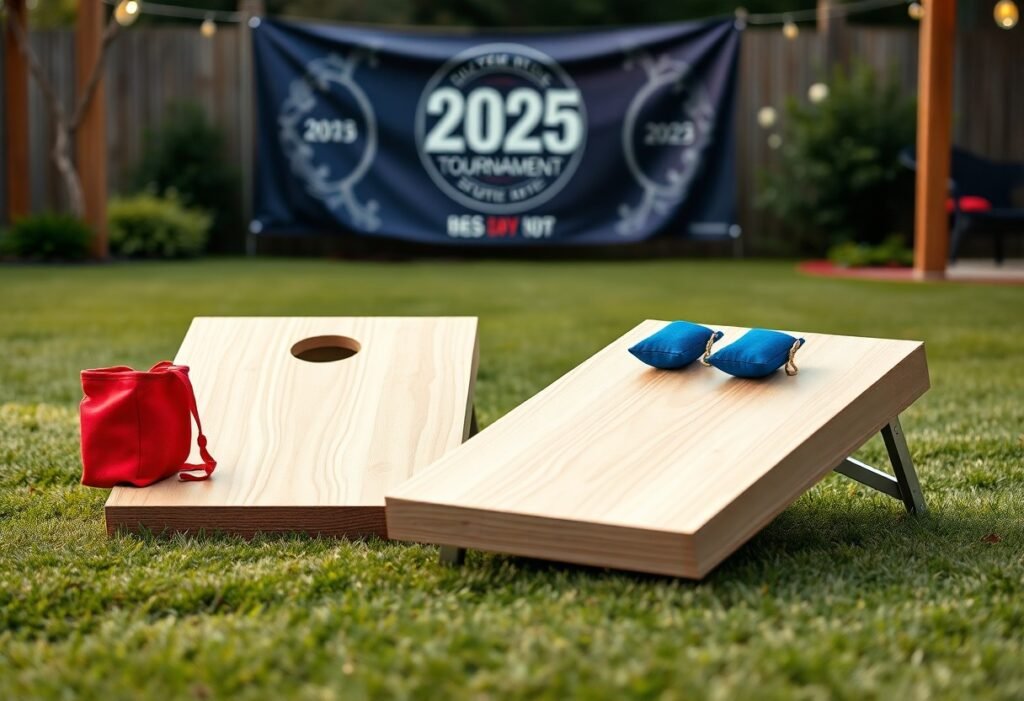
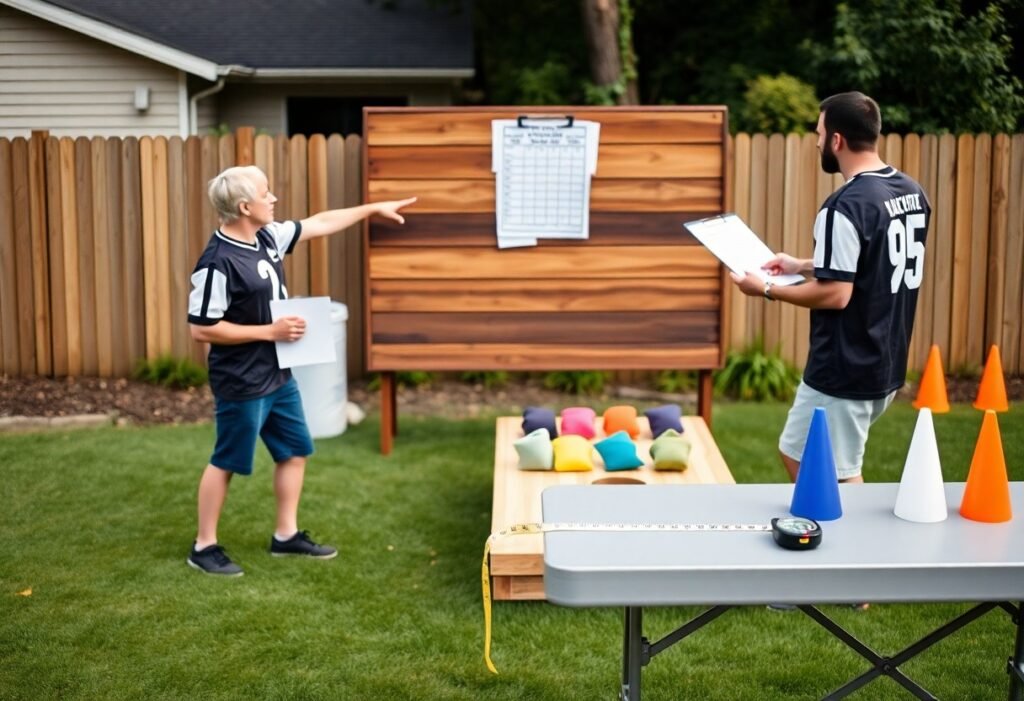
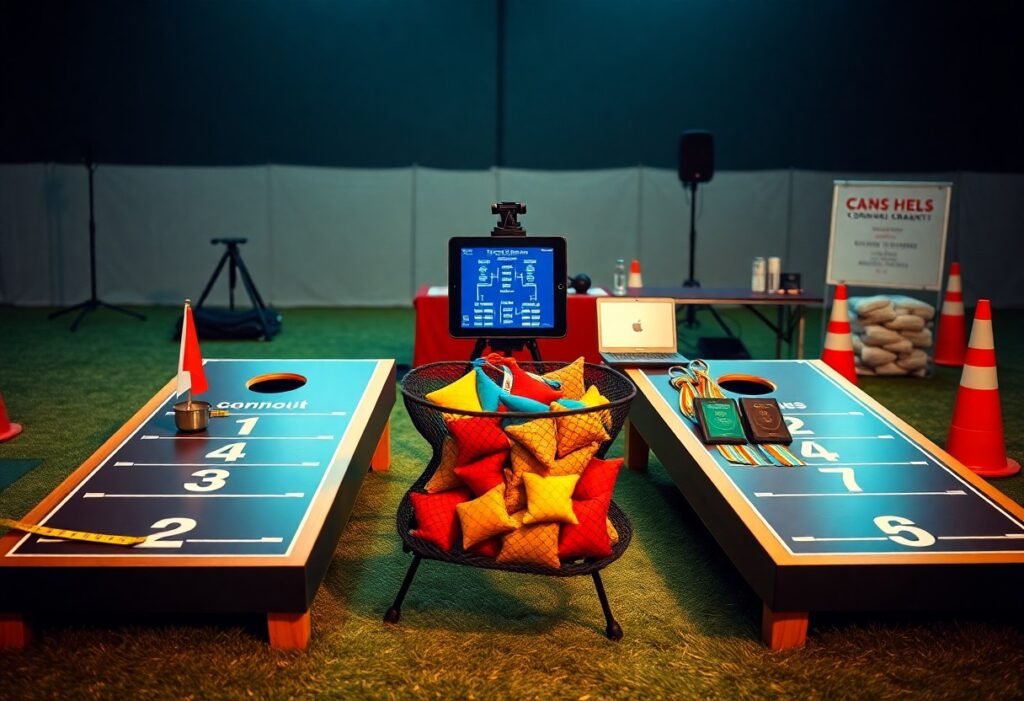
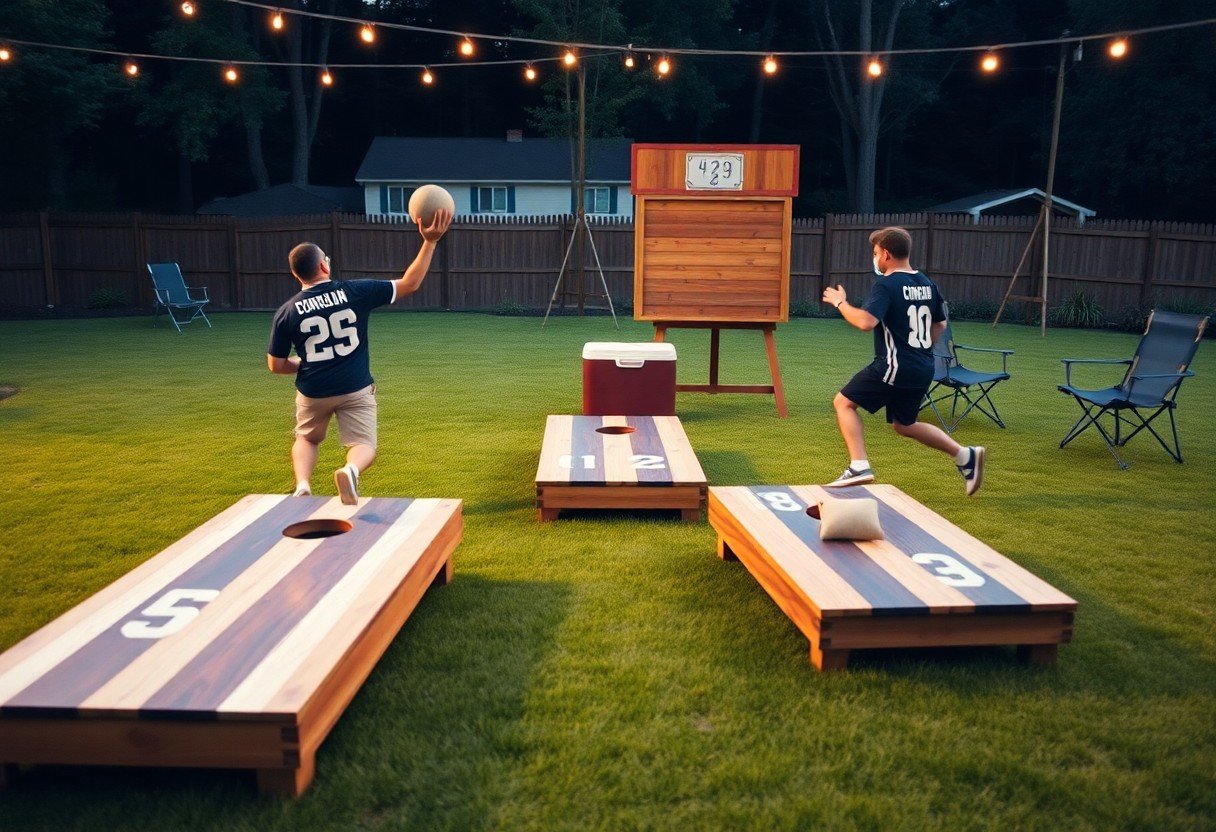
You can run a tight, spectator-friendly event by planning brackets, scheduling, and amenities in advance; for example, a 16-team double-elimination bracket with 8 boards can finish in ~3-4 hours. Set up 2’x4′ regulation boards at the standard 27-foot pitch, assign scorekeepers, and post a visible schedule so players know their times. Provide shade, water, and a first-aid kit to address heat or trip hazards during long afternoon sessions.
Setting Up the Competition
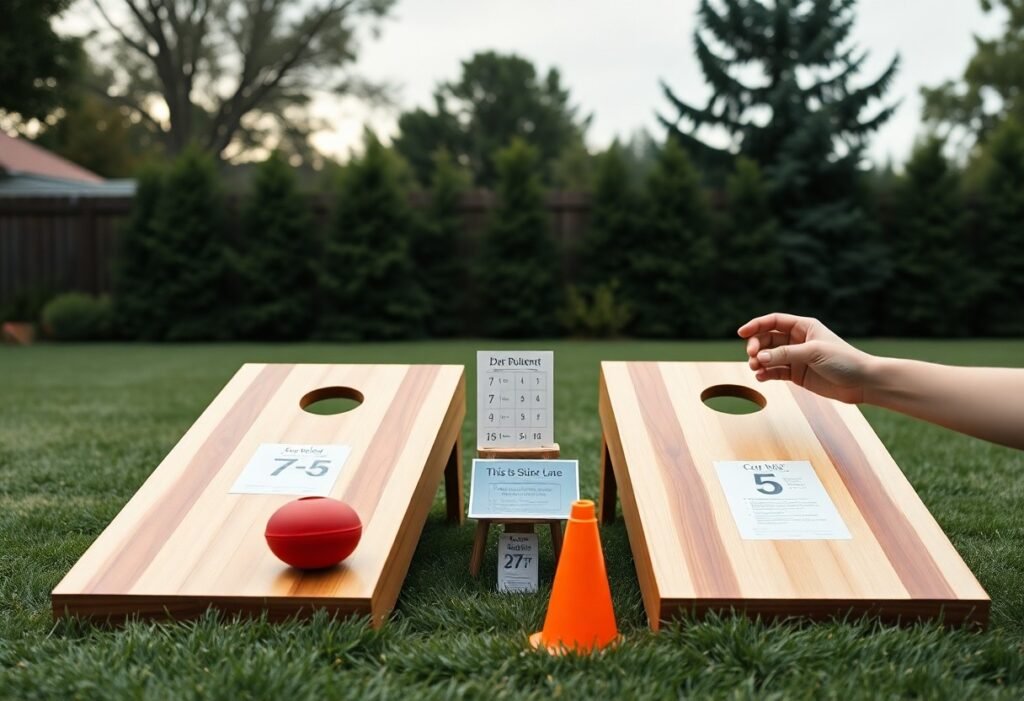
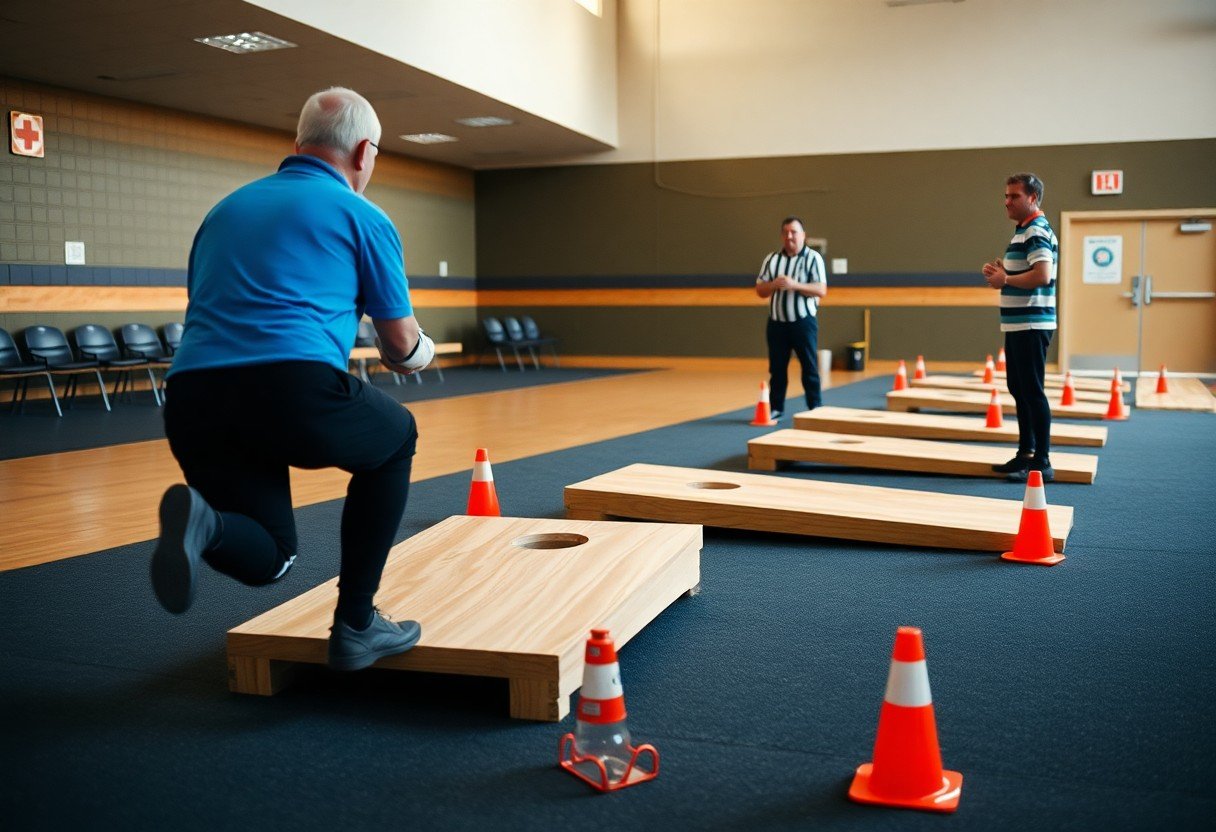
Arrange lanes with clear aisle space and number each court; use cones or tape to mark boundaries and a central check-in table for registrations and waivers. Limit matches to first-to-21 with 4 bags per side and keep spare bags and a tape measure on hand. If you run multiple simultaneous games, assign a referee per court to enforce rules and speed play between rounds.
Scoring and Prizes
Use cancellation scoring: a bag in the hole = 3 points, on the board = 1 point, then subtract opponent totals each inning for the net score (e.g., your 7 vs their 3 = net 4). Offer tiered rewards like $100 first place, $50 second, $25 third or branded trophies and merch, and state tiebreaker rules (extra inning or sudden-death) before play begins.
For payouts, set the entry fee to cover prizes and venue costs – for instance, a $10 entry with 32 players funds a $320 prize pool. You should post match results promptly and use a visible scoreboard or app to prevent disputes; appoint a head official to rule on scoring disagreements and enforce sportsmanship standards so the event runs smoothly and transparently.
Safety and Sportsmanship
Keep your playing area safe by maintaining the regulation board size (2×4 ft) and typical 27‑foot distance, checking for loose screws or splinters before play, and storing spare bags out of walkways. Warm up with 5-10 easy tosses to loosen your wrist and shoulder, wear flat-soled shoes, and enforce a clear throwing lane so you avoid tripping hazards and reduce the chance of wrist or shoulder strain.
Importance of Safety
When you set up, leave at least a 3‑foot buffer behind each board and remove toys, coolers, or cords from the area; most mishaps happen from slips and trips near the boards. Inspect bags (about 15 ounces each) for tears that could spill filling, supervise children, and limit consecutive high‑intensity rounds to prevent fatigue-related injuries.
Promoting Good Sportsmanship
You should call your own fouls, keep honest score (many games use first‑to‑21), and congratulate opponents on smart shots to maintain a positive atmosphere. Avoid trash talk and heated disputes-those are the behaviors most likely to escalate into complaints or disqualifications-so model respectful, rule‑based conduct at every match.
Establish explicit ground rules before play: agree on scoring method, a 30‑second shot clock, timeout limits, and handling of disputed calls. Use a neutral scorekeeper for tournaments, rotate teams to prevent dominance, and apply progressive penalties (warnings, point deductions, removal) to enforce standards so that you foster long‑term participation and community trust.
To wrap up
From above, you can see how mastering cornhole trick shots and challenges sharpens your aim, creativity, and game strategy; practicing bank shots, long-range tosses, and obstacle runs helps you adapt to varied conditions and outplay competitors. Use structured drills, track progress, and push your limits safely to elevate your skills. With consistent focus you’ll turn flashy plays into reliable tools that improve both individual performance and team dynamics.
FAQ
Q: What are the most effective cornhole trick shots and how do you execute them?
A: Start with fundamental shots: straight toss (consistent rotation and release angle), bank shot (aim at board edge and adjust force for rebound), bounce shot (lower arc and aim for landing zone near front of board), and airmail (high arc directly to hole). Key execution points: maintain a consistent grip, use your hips and shoulder for power rather than arm-only force, vary release angle for trajectory control, and practice foot placement for consistent alignment. Progress from low-risk shots to higher-skill airmails and simulated obstacle shots to build reliability.
Q: How can I design engaging cornhole trick-shot challenges for players of mixed skill levels?
A: Create tiered stations with escalating difficulty: beginner (short distance, larger target zone), intermediate (standard distance with obstacles like raised rims or small ramps), advanced (airdrops, bank-only shots, moving targets). Use point values for each station to balance scoring, and include time-limited rounds to add pressure. Rotate players through stations and use handicaps (extra distance or blindfold partials) to level the field. Offer clear rules per station and a visible scorecard so all players understand the challenge structure.
Q: What safety and etiquette rules should be enforced during trick-shot sessions or competitions?
A: Keep a clear throwing lane and mark spectator boundaries to avoid stray bags hitting bystanders. Require players to wait until previous throw is complete and concede immediate space when retrieving bags. Prohibit risky throws aimed near faces or heads, and discourage running near boards to prevent slips. Maintain sportsmanlike conduct: no intentional interference, accept scoring calls, and resolve disputes calmly with a designated judge. Ensure surfaces are dry and boards are stable to prevent falls.
Q: How do you score and judge complex trick-shot attempts fairly in a casual tournament or video challenge?
A: Define scoring rules before play: standard points (3 for hole, 1 for on board) plus bonus points for named trick shots (e.g., airmail double, bank-and-hole). For multi-step tricks, require a single throw completion or count as a sequence with timestamps. Use at least two impartial judges to confirm outcomes; if video is recorded, keep the clip for tie-break verification. Establish penalties for rule violations (e.g., foot faults, distracting opponents) and a clear appeal process to handle disputes quickly.
Q: What training drills and progression plan will improve trick-shot consistency and enable new challenge creation?
A: Begin with warm-up routines that emphasize grip, stance, and release consistency-repetition of straight tosses from short to regulation distance. Introduce arc control drills: aim for markers at different heights to train trajectory. Practice bank and bounce shots with adjustable angles by moving the board or adding small blockers. Use target-only drills (hit inside ring zones on the board) before attempting full trick sequences. Track accuracy and attempt difficulty weekly, gradually increasing distance or obstacles, and record attempts to analyze mechanics and refine new challenge ideas.