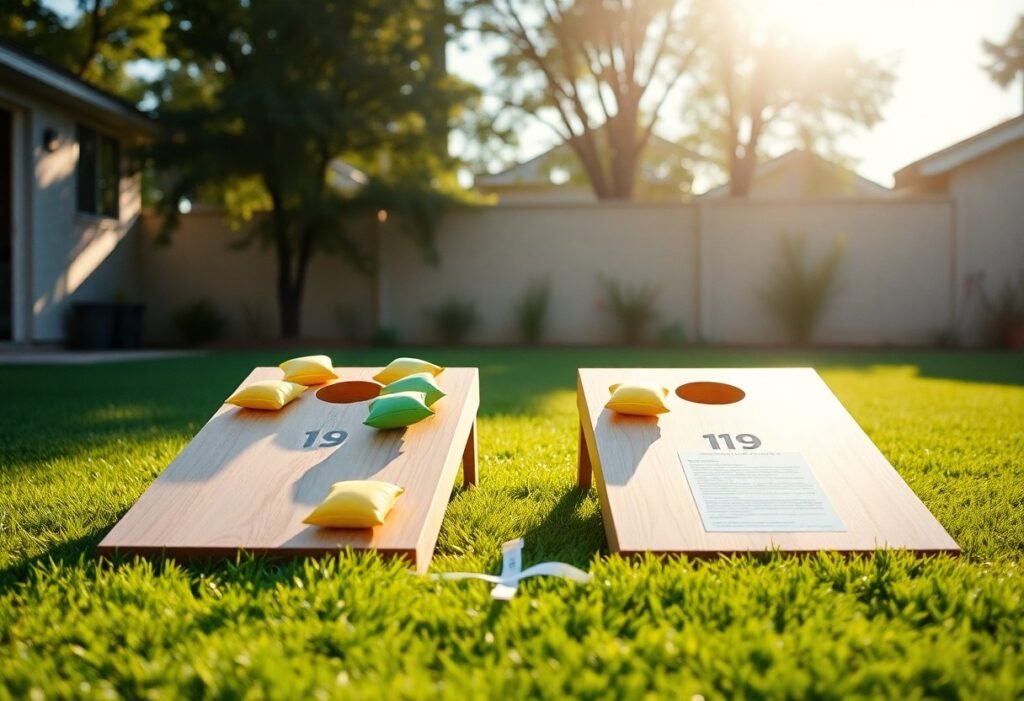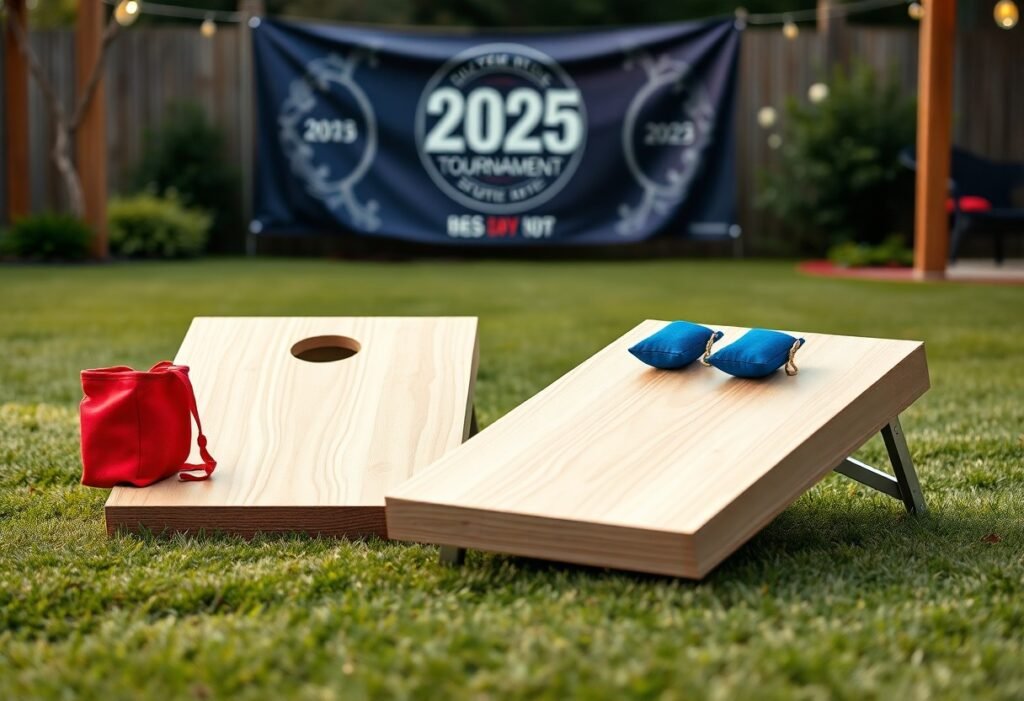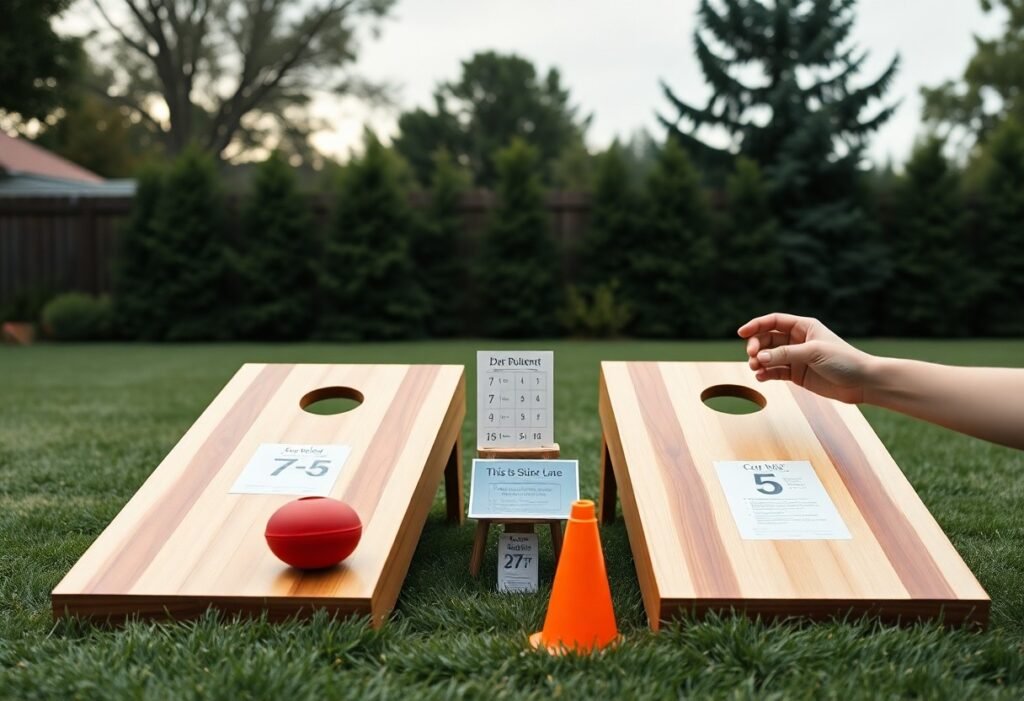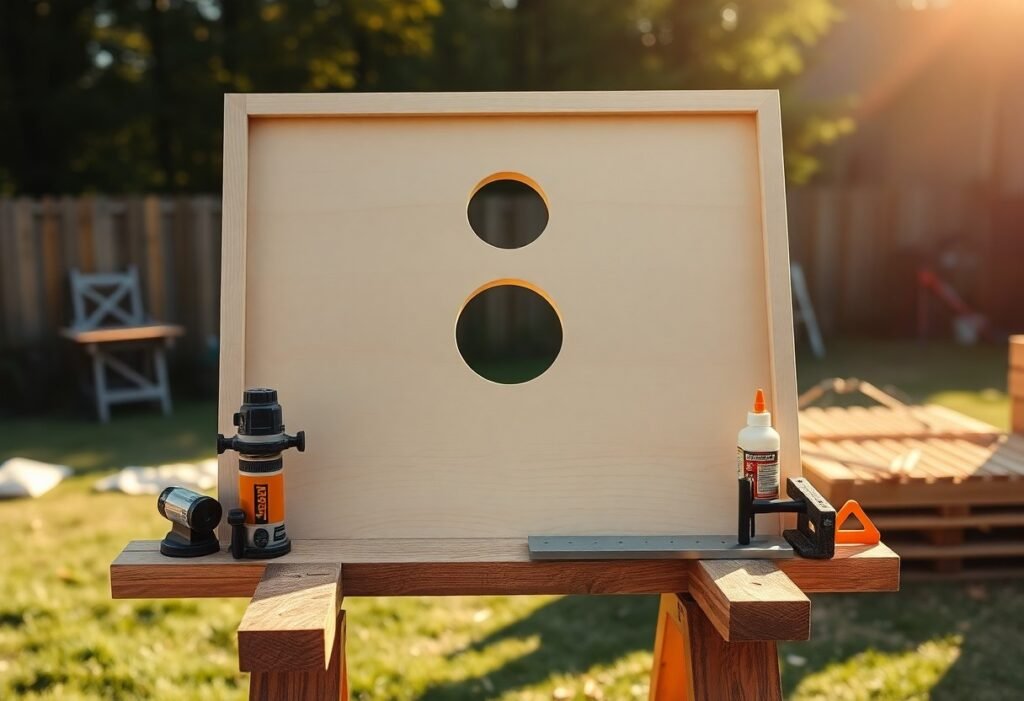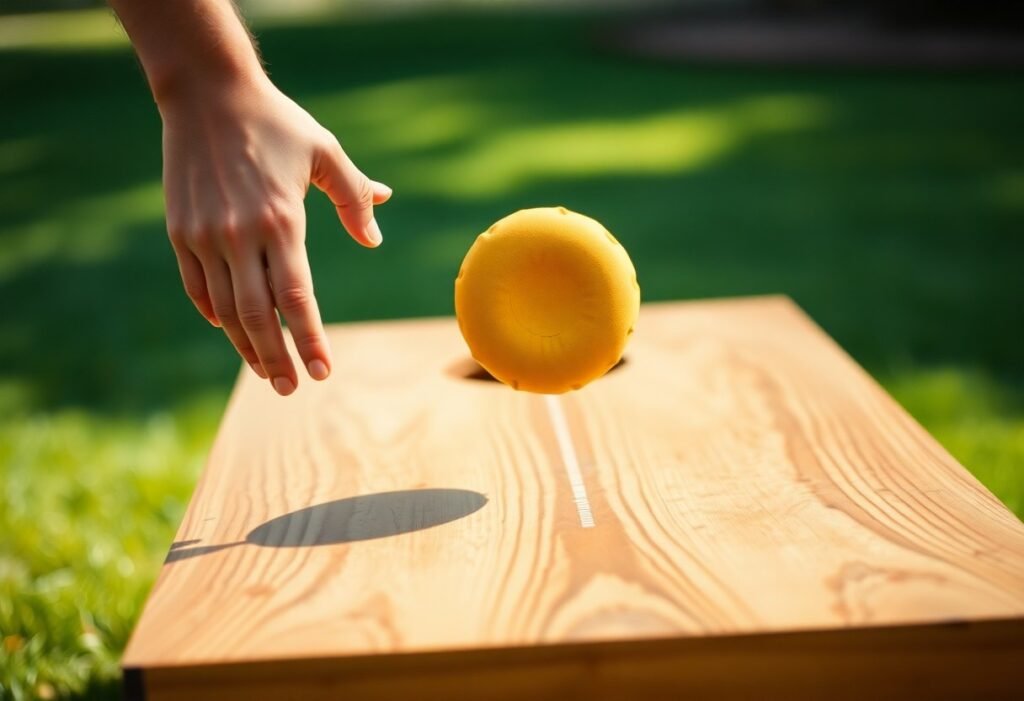

This guide puts you in command of Cornhole Tournaments in the USA (2025), showing how to navigate tournament schedules and formats, secure entries and points so your season planning is efficient; watch for extreme heat, travel fatigue, and crowded venues that can impact safety and play; and capitalize on growing prize pools and welcoming communities to boost your experience and competitiveness.

Key Takeaways:
- National growth and pro circuits: Cornhole is a rapidly expanding competitive sport with established pro tours (ACL, ACO) alongside local, collegiate, and backyard circuits; major events are widely live-streamed and provide clear pathways from local qualifiers to national championships.
- Standardized rules and equipment: Most 2025 tournaments use standardized board and bag specifications and 21-point cancellation scoring-always verify event-specific rules and allowed bag types before competing.
- Entry, logistics, and earnings: Register early (many events sell out), pick the correct skill division, expect variable buy-ins and payouts (top events offer substantial purses), and bring tournament-legal bags plus measuring tools for disputes.
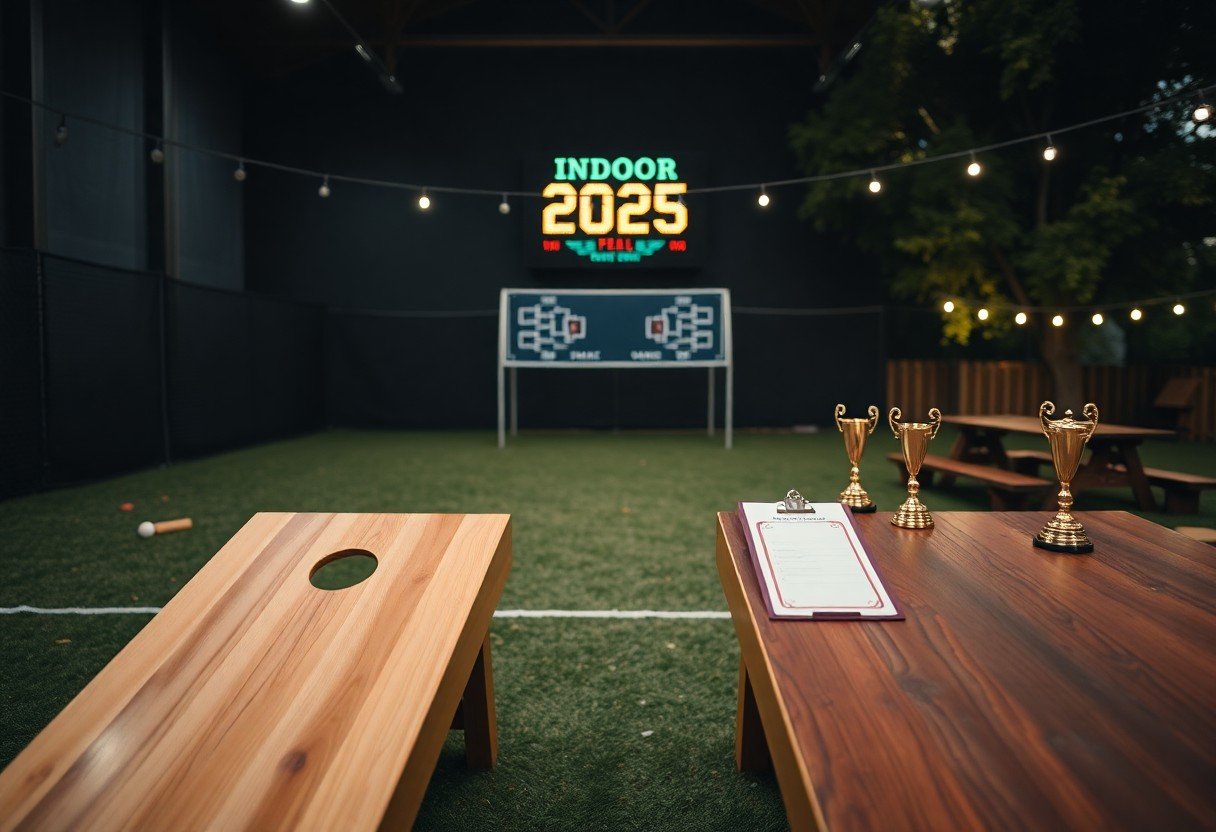
Types of Cornhole Tournaments
You’ll encounter a range of formats: local tournaments and weekly bar leagues for casual play, open cash events and charity festivals, plus structured regional qualifiers and pro-level national tournaments like ACL/ACO stops; entry fees typically run $10-$350 while fields range from 8 to 512 teams, and formats vary between single, double-elimination, and pool-play to bracket.
| Type | Example / Notes |
| Local | Bar leagues, park meets – 8-32 teams, $10-$50 entry |
| Open/Cash | Weekend events – open entry, cash prizes $100-$2,000 |
| Regional | State champs/qualifiers – 64-256 teams, points toward ranking |
| National | ACL/ACO events – pro fields, prize pools $5k-$100k |
| Corporate/Charity | Festival-style – sponsorships, brand activations |
- cornhole tournaments
- local tournaments
- regional tournaments
- national tournaments
Local Tournaments
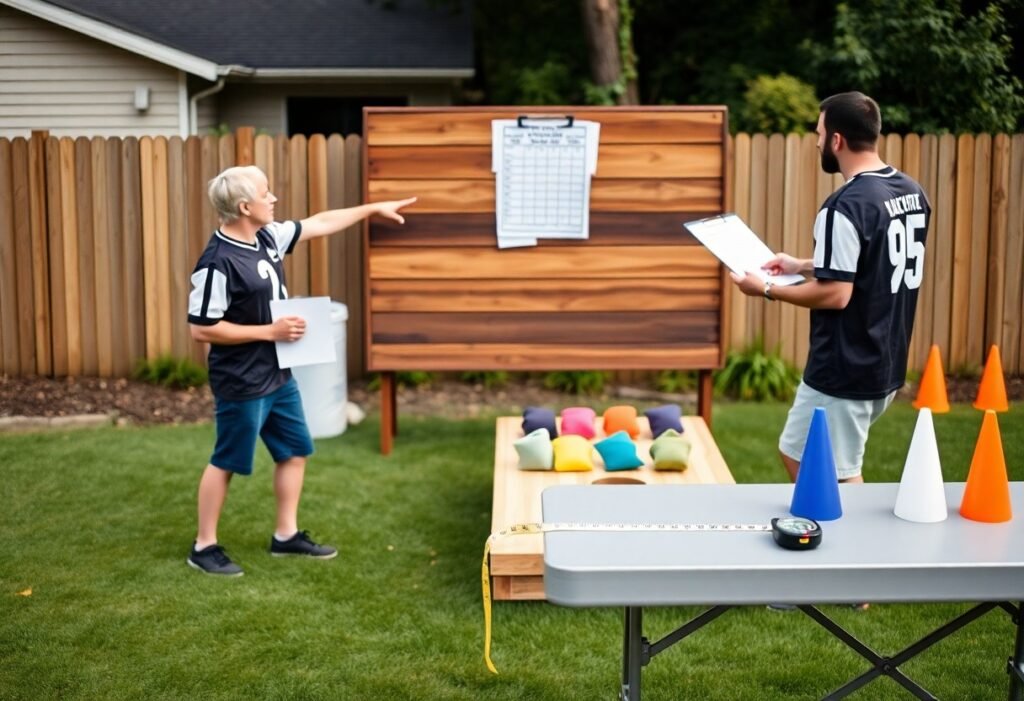
You can join weekly local tournaments-many run by bars or parks-with typical fields of 8-32 teams, entry fees between $10-$50, and prize pools of $50-$500; these events let you test setups, practice clutch shots in double-elimination brackets, and network with local sponsors while keeping travel minimal and your schedule flexible.
Regional and National Tournaments
You’ll find regional events serving as qualifiers for national championships, often hosting 64-256 teams with entry fees from $30-$200, and national pro stops that feature separated pro/am divisions, ranking points, live streams, and prize pools ranging from a few thousand to six figures for top events; travel and lodging can significantly affect your budget.
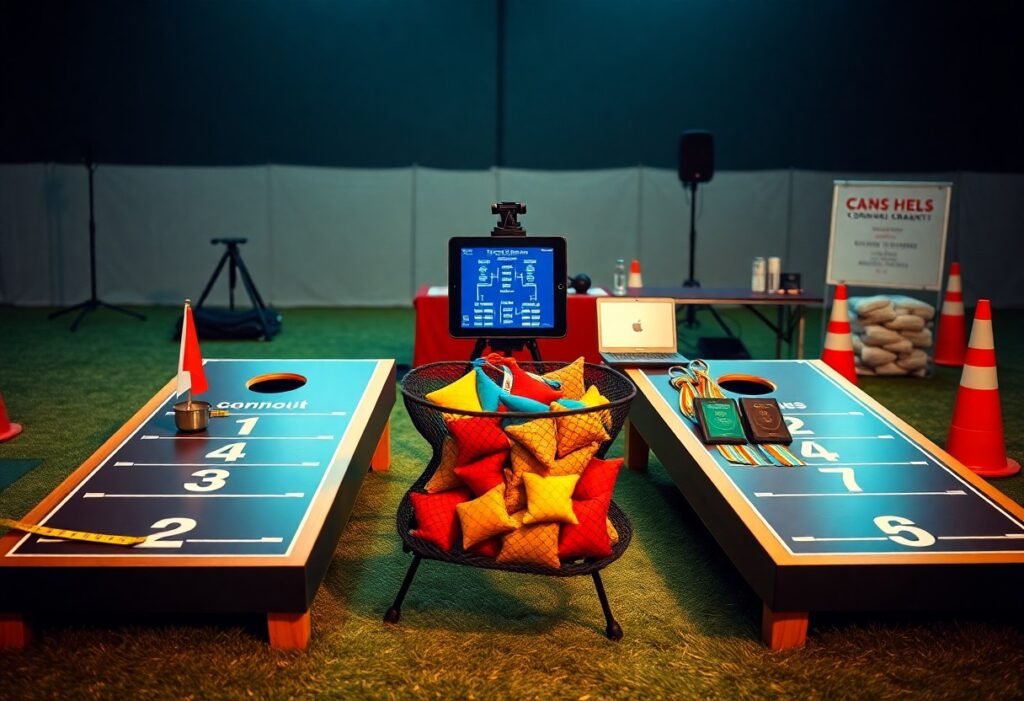
The pro circuit uses points-based qualifying, weekend schedules that include pool play and single-elimination brackets, and mandatory registration windows; if you plan to compete at the regional or national level, budget for travel, packet fees, and potential seeding tournaments while targeting specific ACL or ACO events that match your ranking goals.
Step-by-Step Guide to Organizing a Tournament
| Step | Action |
| Planning | Define format (singles/doubles), cap (e.g., 32 teams), entry fee range ($20-$80), and prize split; set schedule length (single-day vs. weekend). |
| Venue & Equipment | Book space with 48″×24″ boards, 27-foot board spacing, lighting, parking, and backup boards; secure liability insurance and permits. |
| Registration | Use online platforms (Eventbrite, TourneyMachine), collect waivers, cap entries, and publish bracket rules and payout structure in advance. |
| Staffing | Assign referee rotation, scorekeeper per two courts, volunteer check-in, and a stage manager for finals; plan for at least one medic or first-aid kit onsite. |
| Day-of Ops | Create printed brackets, schedule warm-up windows, enforce time limits, and run a PA for announcements; allow 10-15 minutes between rounds for delays. |
Planning the Event
You should choose format and capacity early: a 32-team doubles bracket typically needs 8 courts and runs 6-8 hours; price entry to cover venue, prizes, and staff-common splits are 50%/30%/20% for top three. Use past local attendance data or a similar city’s event as a benchmark when estimating turnout and budgeting.
Securing Venue and Equipment
When booking, prioritize a flat, level surface with 27 feet between board fronts and good drainage; indoor gyms or fairground halls are ideal for weather-proofing. Confirm electrical access, restroom capacity for expected crowd size, and vendor space so you can guarantee a smooth player and spectator experience.
Additionally, plan for contingencies: reserve at least one extra set of tournament-grade boards and a backup scoreboard, and require proof of venue liability coverage or purchase a one-day event policy. For a 32-team field expect to allocate roughly 3,000-5,000 sq ft including walkways and spectator areas, and ensure clear emergency exits and lighting-wet or uneven floors are dangerous and must be mitigated before play begins.
Essential Tips for Players
Dial in fundamentals: consistent stance, release and scoring awareness separate top players from casual entrants. Use the official 27‑foot board spacing, practice 200 throws per session with a repeatable 10-12 foot arc and study pro patterns from ACL and ACO events; check regional dates at American Cornhole League’s 2025/26 schedule is out! Assume that you will log results, adjust for wind and fatigue, and prioritize recovery to avoid shoulder or elbow overuse.
- Stance
- Release
- Arc
- Scoring
- Recovery
Techniques and Strategies
Develop a repeatable release and split practice into three 30‑minute blocks: draw (soft arc to stick), push (firmer slide) and block (low trajectory to interrupt opponents). You play mostly 21‑point games; learn to manipulate the board angle and use backboard banks when opponents crowd the hole. Track make percentages per drill and target steady improvement rather than one-off power plays.
Mental Preparation
Build a pre-match routine: a 5-10 minute warm-up, simple breathing (four counts in/out) and a one-word reset after errors. Visualize closing sequences-picture landing three in a row to finish a 21‑point game-and practice pressure sets to simulate late-game stress.
Simulate pressure by starting practice matches at 18-18 to force clutch throws; adopt micro‑routines between tosses (bounce the bag twice, breathe four counts, fix a landing spot) to reduce variability. You should also limit caffeine before multi-match days and use progressive muscle relaxation to lower tension-consistent routines are what separate steady performers from streaky competitors.
Key Factors Influencing Tournament Success
You must balance logistics, player mix, and audience experience; venue quality, format, and staff levels determine flow, while scoring and scheduling affect match tempo-events with >200 entrants often need 20% more volunteers and dedicated staging. Perceiving how these variables combine guides your operational choices.
- Venue (indoor/outdoor, surface)
- Format (round-robin, single/double elimination)
- Weather (wind, rain, temperature)
- Player Skill distribution and seeding
- Staffing and equipment (scoreboards, screens)
Weather Conditions
You need contingency plans for wind and rain; gusts above 10 mph shift bag arcs and can cause a 15-20% scoring variance in windy playtests, while persistent rain forces board covers and drainage plans-temperatures below 40°F stiffen bag fabric and slow play, so schedule buffers and backup indoor sites to keep safety and fairness intact.
Player Skill Levels
You should seed to avoid mismatches; top competitors often convert 70-80% of shots while recreational players sit around 30-50%, so offering A/B flights and handicaps reduces early blowouts and keeps pools competitive, improving retention and spectator interest.
Implement a dynamic ranking (Elo or points-based) that updates seedings after each event and track metrics like bag percentage, cancellation rate, and match length; you can require 8-16 player flights, run 5-10 minute warm-ups, and offer pre-tournament clinics since pros commonly log 300-500 practice throws weekly to maintain consistency.
Pros and Cons of Competing in Tournaments
| Pros | Cons |
|---|---|
| Match experience and strategy development | Entry fees (commonly $30-$150) |
| Networking with players, sponsors, and clubs | Travel and lodging costs for regional/pro events |
| Prize money at local to pro levels ($500-$100,000+) | Time away from work/family for multi-day events |
| Rankings and exposure on ACL/ACO circuits | Variable playing surfaces and board conditions |
| Regular competition (typical 32-team events: 5-8 matches) | Performance pressure and higher-stakes formats |
| Skill sharpening under tournament rules | Risk of repetitive strain or wrist/shoulder soreness |
| Opportunity for sponsorships and local media | Possible inconsistent officiating or rule interpretations |
| Community building and club growth | Weather-dependent outdoor events can be disrupted |
Benefits of Participation
You accelerate improvement by playing consistent, structured matches-typically 5-8 games at a 32-team weekend event-while gaining exposure to sponsors and ranking systems like ACL/ACO; you can also win payouts ranging from local $500 cash prizes to six-figure pro purses, build a following on social media, and expand your network with club organizers and brands that fund travel or gear.
Challenges and Considerations
You must budget for entry fees, travel, and lodging, manage time off (weekend tournaments often span two days), and adapt to inconsistent boards or formats that can change outcomes; pressure in single-elimination brackets and the physical toll of back-to-back matches are common obstacles for advancing players.
For example, competing in a regional ACL qualifier may require you to play 6-7 matches in a single day with only short turnarounds, travel >300 miles for better fields, and pay $80-$180 per night for hotels; to mitigate risks you should test different board surfaces in practice, track your match volume to avoid shoulder/wrist overuse, and plan a budget that covers unexpected expenses like last-minute lodging or replacement equipment.
Popular Cornhole Rules and Regulations
Within tournament play you’ll encounter a mix of national standards and house rules; the standard scoring awards 3 points for a bag in the hole and 1 point for a bag on the board, usually resolved by cancellation scoring, and matches commonly run to 21 points. You should expect strict foot-foul enforcement and timed innings at pro events, so adapt your pacing and stance to avoid penalties that cost entire rounds.
Official Rule Sets
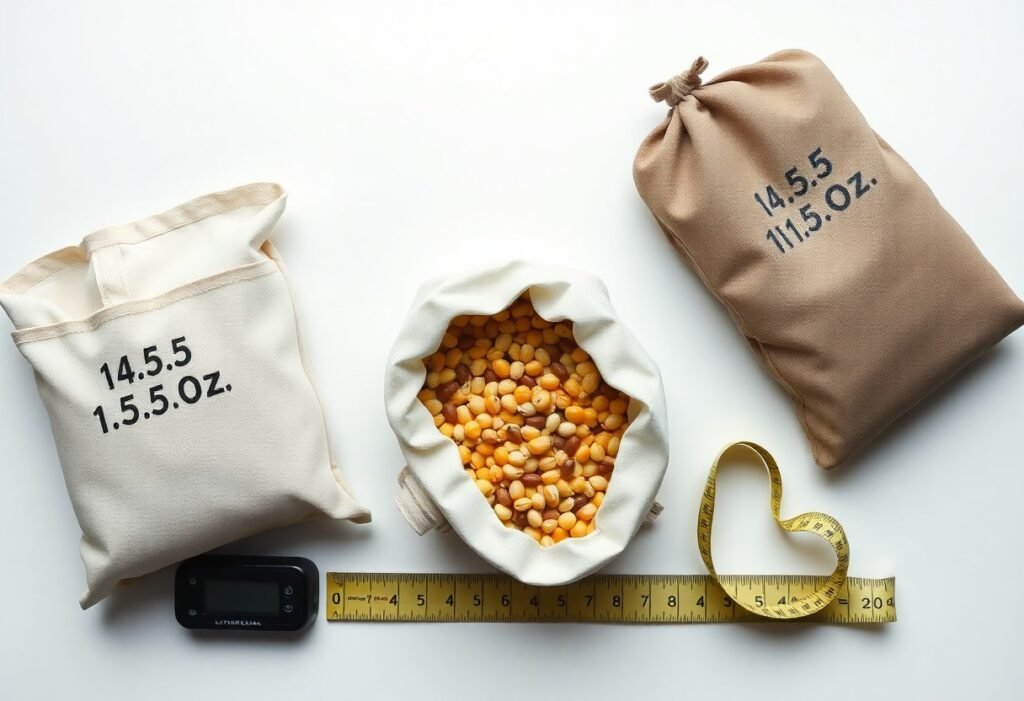
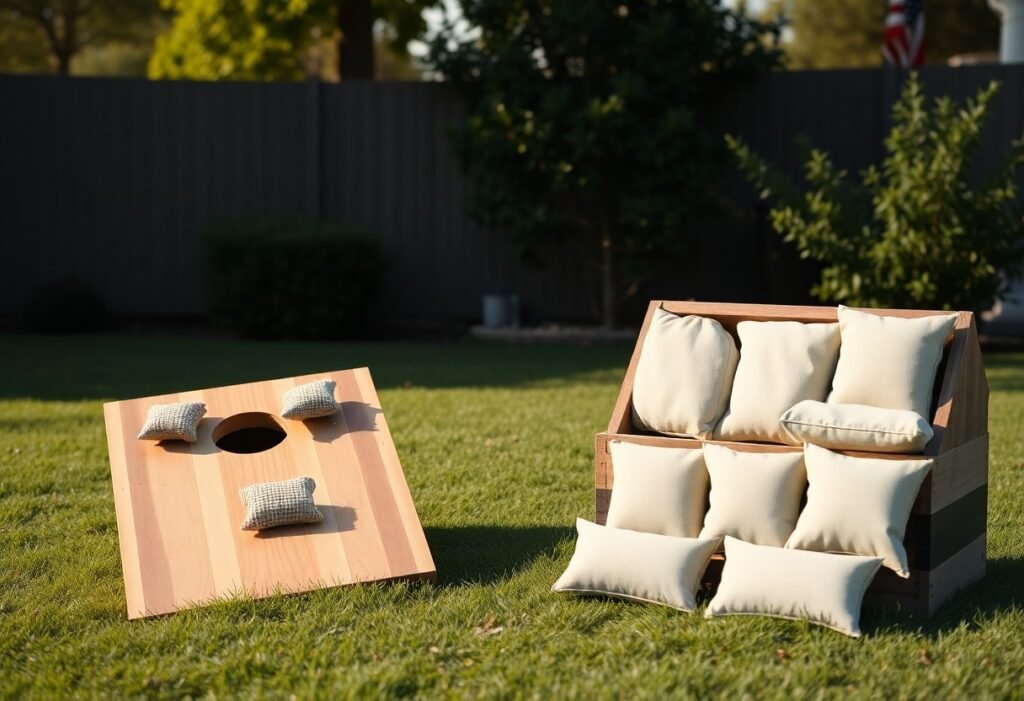
You’ll see ACL and ACO formats dominate: official boards are 24×48 inches with a 6-inch centered hole, front height ~3-4″ and back ~12″, and pro pitching distance is 27 feet between board fronts. Bags are typically 6×6 inches, filled with corn or plastic pellets weighing ~14-16 oz. Tournament play enforces lineup order, time limits, and strict foul/measurement procedures for disputes.
Common Variations
You’ll often face shorter or altered formats: recreational play commonly uses a 21-foot distance for easier play, some leagues adopt count-up scoring instead of cancellation, and quick matches may be played to 15 points or best-of-three. Casual rule sets also permit house-created tie-breakers or scoring bonuses for back-to-back hole shots, so confirm rules before your first match.
Expanding on those variations, you’ll encounter themed formats-charity events may use mixed doubles, college leagues limit pitch times to 20 seconds, and backyard games often allow coaching or walking between boards. Tournament organizers sometimes implement a “skunk” or mercy rule in pool play to speed rounds; verify event-specific rules to avoid surprises and potential foot-fault or timing penalties that can swing standings.
Conclusion
Taking this into account, you can confidently navigate Cornhole Tournaments in the USA (2025 Guide): the sport’s growth has produced consistent rules, tiered circuits, and accessible local events, so your choices range from casual leagues to pro competitions. By focusing on practice, equipment standards, and event formats, you’ll optimize performance and planning while connecting with a thriving community that supports both players and organizers.
FAQ
Q: What are the standard formats and rules used in Cornhole tournaments across the USA in 2025?
A: Most 2025 events use established ACL or ACO rule sets: regulation boards (24″ x 48″) with a 6″ hole, boards placed 27′ apart (front edge to front edge), bags worth 3 points in the hole and 1 point on the board, cancellation scoring, and games played to 21 points. Tournament formats include single- and double-elimination brackets, pool play leading to bracket rounds, and round-robins for small fields. Check the specific event page for any local rule variations (foul-line enforcement, match time limits, tiebreak procedures).
Q: Where can I find and register for Cornhole tournaments in 2025?
A: Use official league calendars (ACL and ACO), regional cornhole club websites, Eventbrite, Meetup, and social platforms like Facebook and Instagram. Dedicated tournament platforms and apps (Tourney Machine, Challonge, Cornhole-specific apps) list events and handle registration. Local sporting bars, city recreation departments, and state cornhole associations also post schedules. Register early-popular events fill up weeks in advance-and verify cancellation/refund policies and required memberships.
Q: How should a player prepare for competitive cornhole in 2025 to improve performance?
A: Focus on consistent mechanics (stance, grip, release, follow-through), drill ranges and accuracy (spot shooting at hole, pocket angles), and match-simulated practice with cancellation scoring. Track metrics: make percentage from different distances and angles, and train for pressure by practicing timed rounds. Use a mix of bag fills and brands to find preferred weight/feel; maintain boards (surface grip, level setup). Cross-train for stamina and focus-short cardio and breathing drills help in long tournament days.
Q: What are the key steps and costs to organize a successful amateur cornhole tournament in 2025?
A: Secure venue and permits, set a clear format and prize structure, provide at least 2-4 regulation boards per court, recruit scorekeepers/volunteers, and choose registration/bracketing software. Budget items: venue rental, board rentals or purchase, insurance, trophies/prize money, staff, and marketing. Typical entry fees vary widely ($10-$75+), with prize pools scaled to entries and sponsors. Publish rules, schedule, refund policy, and contingency plans (weather/indoor backup).
Q: How do rankings, pro circuits, and prize structures work for players aiming to compete at a national level in 2025?
A: Major circuits (ACL, ACO) run regional events, point series, and national championships; players accumulate points via sanctioned events for seeding and qualification. Pro events offer larger prize pools and potential sponsorships; entry into pro brackets often requires ranking or qualification. Prize structures range from cash payouts for top finishers to sponsor gear and travel stipends. Track your circuit’s points system, maintain membership where required, and target higher-point events to climb rankings efficiently.