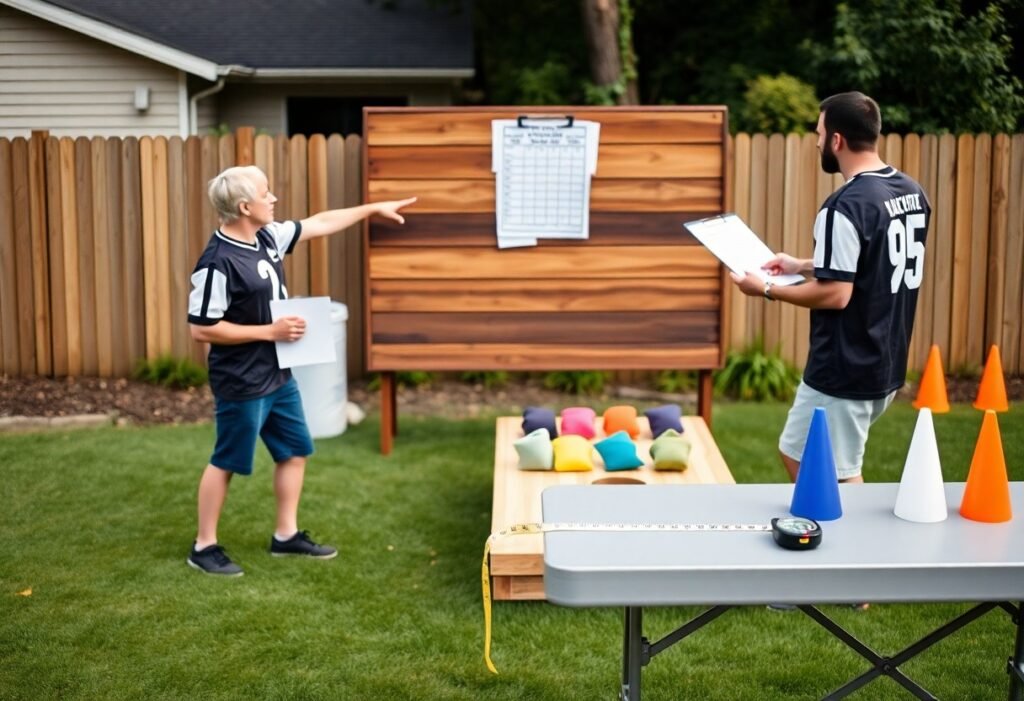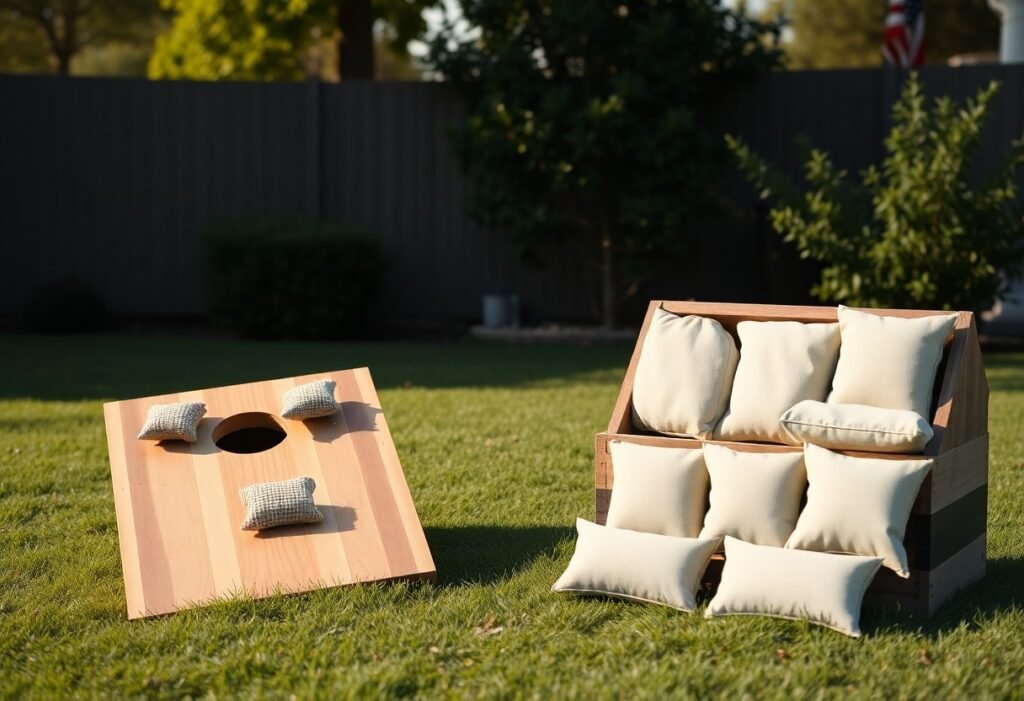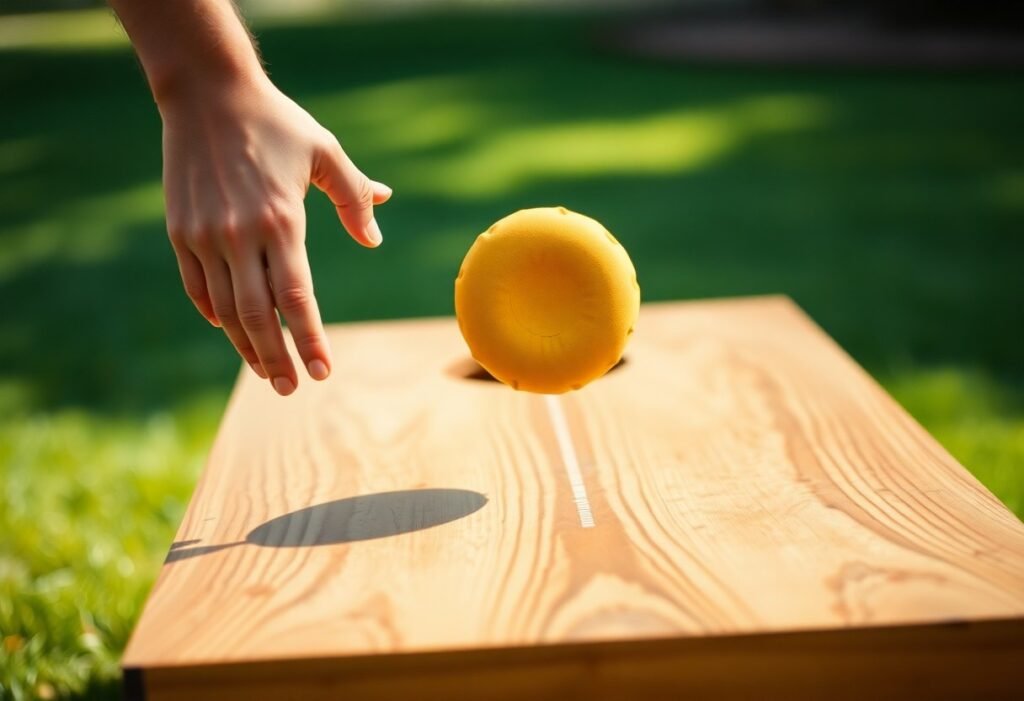

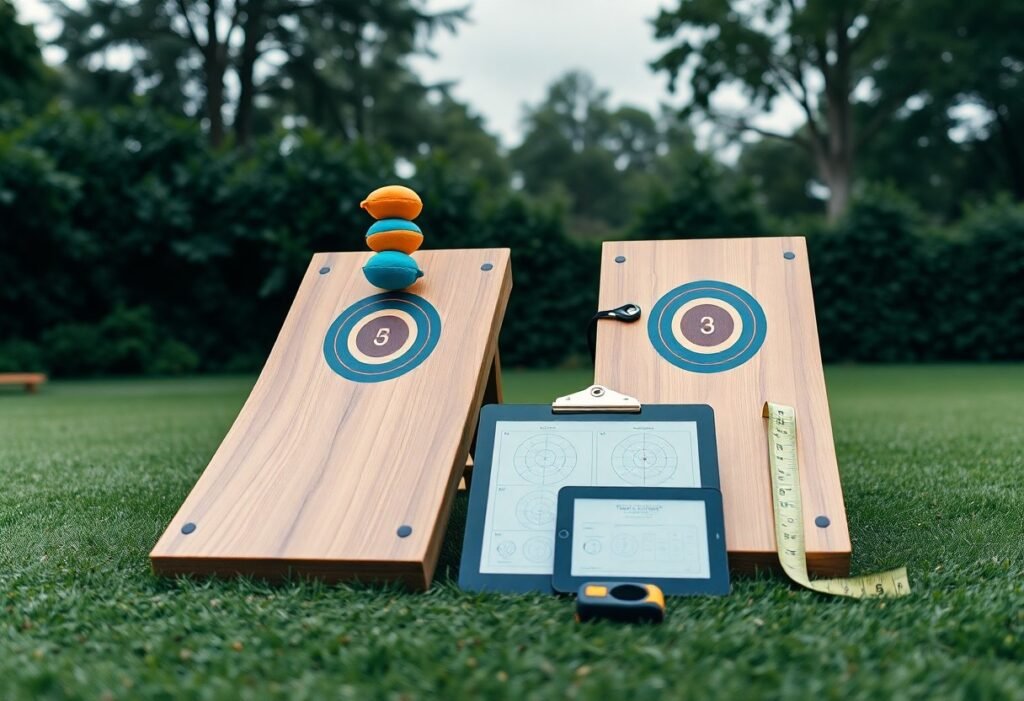
Strategy begins with mapping your opponent’s tendencies so you can exploit their weaknesses; you practice high-percentage shots, use aggressive blocking when the risk pays off, and adjust your positioning and pace to force errors and take control of each round.

Key Takeaways:
- Control the board: alternate airmails and blockers to dictate angles and force opponents into low-percentage shots.
- Adapt by score and tendencies: protect a lead with blockers and use aggressive airmails when trailing.
- Maintain a consistent routine and partner signals; exploit opponents’ weaker side and predictable releases.

Understanding the Game
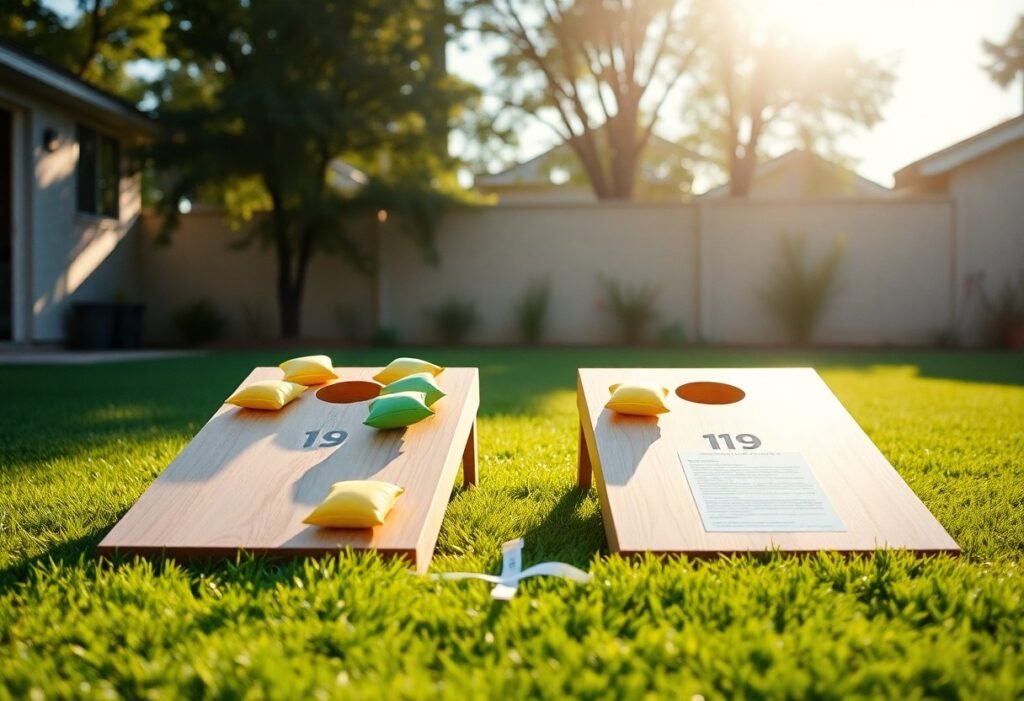
Start with spatial control: the standard board is 24×48 inches with a 6-inch hole centered 9 inches from the top, and boards sit with front edges 27 feet apart in tournament play. You should practice both lofted airmails and low blockers because with 4 bags per frame patterns form fast; alternate angles to force opponents into low-percentage bank shots and dictate tempo.
Basic Rules of Cornhole
Each player throws 4 bags per inning toward the opposite board; a bag in the hole scores 3 points, on the board scores 1 point, and scoring uses cancellation so only the net difference counts toward the race-to-21. You must enforce foot-faults and remove dead bags between rounds to avoid gifting free points.
Key Terms and Concepts
Terms you need: airmail (a bag that goes directly in the hole), blocker (a bag left to obstruct lines), push (using one bag to nudge another), and cancellation scoring (only net points count); if an opponent throws airmails 70% of the time, you should prioritize blockers to flip odds in your favor.
Grasp angles: the hole sits 9 inches from the back, so when you land a bag 10-12 inches short it becomes an effective blocker; practice release angles-aim 30-45° for lofts and 5-15° for pushes-and track results, since adjusting release by 2-3 inches can move a 60% make rate to over 80% in focused drills.
How to Develop Winning Strategies
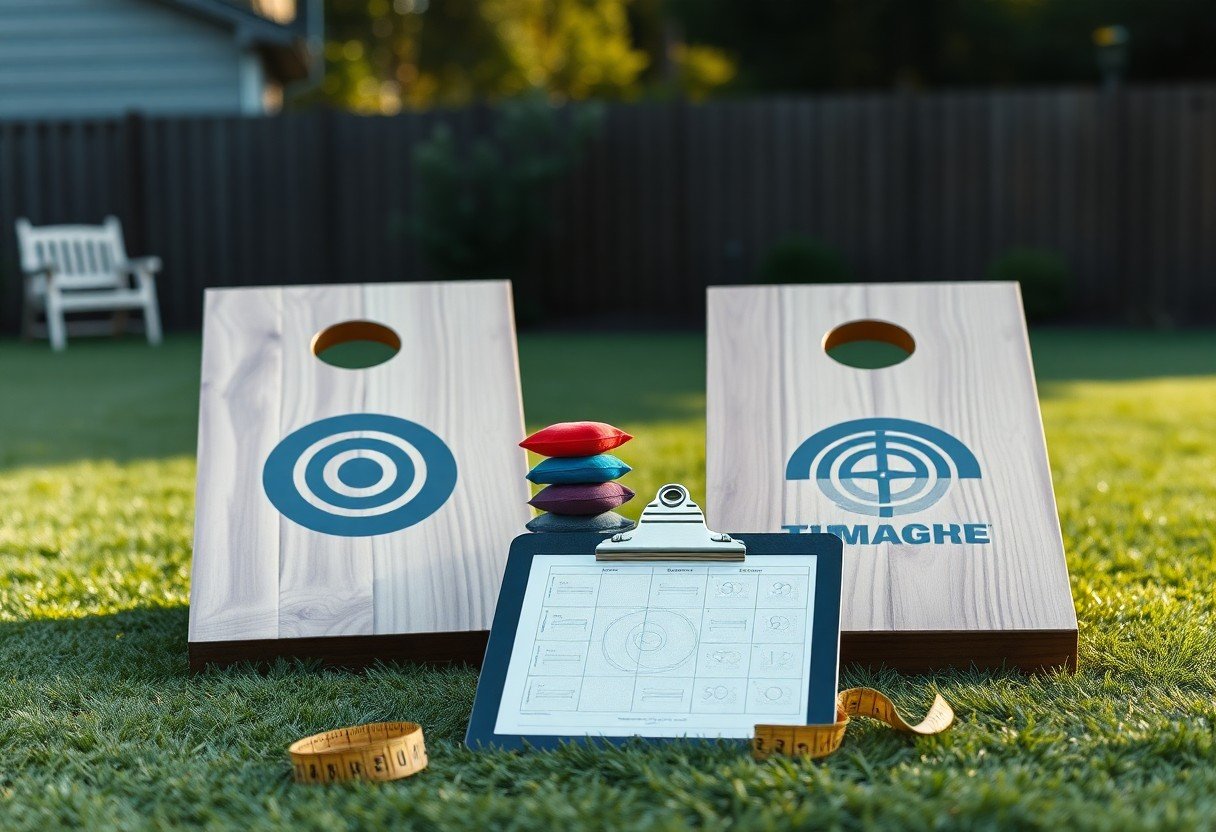
Map tendencies across sessions by logging ~20 throws per opponent so you can spot patterns: if they convert airmails >60% or rely on slide-ins. Then set a plan-you should deploy blockers when they hit the hole under 30% and alternate airmail attempts when they’re weak at long arcs. Apply score-based shifts: in a 21-point game, when you’re ahead by 6+, play conservative boards to force errors.
Analyzing Opponent’s Play Style
When analyzing, you should track 20 throws, noting release angle, arc height, and landing zone; regulation distance is 27 ft, so low-arcing shots that slide to the hole indicate slide specialists. If they sink >60% of close-to-hole shots, you prioritize blockers; if they rely on airmails with >50% success, shift to defensive backboard placement. Use split-second video or a quick tally after games to quantify tendencies.
Adjusting Your Game Plan
When opponent statistics show strength, change tactics immediately: if they make airmails >50%, you should throw two blockers landing 3-6 inches in front of the hole to force tougher angles. Conversely, when you’re trailing by 3-5 in a 21-point match, adopt aggressive airmails-aim for a higher arc and a softer landing to increase hole percentage. Rotate these adjustments every 4-6 bags to stay unpredictable.
For example, in a club final, Player A tracked opponent hits and switched to blockers after the third inning; opponent’s hole-rate dropped from 45% to 18% over the next 12 throws, turning a 2-point deficit into a 7-point lead. You can replicate this: log changes per 4 bags, note opponent adjustments, and counter within two rounds-rapid feedback loops win matches.
Tips for Improving Your Skillset
Hone your mechanics with deliberate practice: do 50-100 throws per session tracking bags-on-board and hole percentage, alternate push and slide shots, use a weighted bag to build wrist control, and rehearse five pressure throws to simulate late-game scenarios. Analyze opponent patterns between rounds and adjust your blocking or smoothing choices. Thou keep a simple log (date, throws, % on board) to measure small, consistent gains.
- Throwing
- Consistency
- Focus
- Strategy
Perfecting Your Throw
Dial in a repeatable grip. Hold the bag with three fingers across the seam. Square your shoulder to the target. Release at hip level so the bag arcs softly onto the board. Practice from regulation distance in sets of 30. Aim for a 45-60% hole rate. Tweak backswing length and wrist snap until you see consistent results. Proper release beats raw power every time.
Consistency and Focus
You build muscle memory with timed routines: warm up 5 minutes then run 5 sets of 20 throws keeping identical foot placement and tempo; exhale on release to steady nerves and add crowd-noise playback to sharpen concentration. Track your bags-on-board percentage each session and set small weekly targets (for example, +5%) to generate measurable improvement.
For deeper gains, you should log three core metrics: bags-on-board, bags-in-hole, and average miss distance. Run progressive range drills-start at 10 ft and move back 5 ft every 10 throws-to force micro-adjustments, and include pressure sequences like “must-make” final shots. Use a stopwatch to keep cadence around 12-15 seconds per throw to mirror match rhythm. A club-level group that tracked metrics and added ~200 practice throws weekly saw bags-on-board climb from about 65% to ~80% in two months, showing how disciplined tracking plus varied drills delivers real improvement.
Factors Influencing Success
Wind, board wear, teammate coordination and scoring math all affect outcomes; focus on release angle, speed control and board position to adapt. Use case studies: pro tournaments show a 7-12% drop in hole percentage when gusts exceed 8 mph; practice 75 throws in mixed-wind drills. Consult community threads like Cornhole strategy for different scenarios for situational plays. Perceiving opponent tendencies and conditions lets you adjust line and weight quickly.
- Release angle
- Speed control
- Board position
- Wind management
- Scoring math
Environmental Conditions
When wind exceeds 8 mph your hole percentage can fall 7-12%; you should aim 3-6 inches upwind and reduce speed ~10% to compensate. Surface matters: dry burlap offers more grip than painted plywood, and a 30° sun angle can create deceptive depth cues. Practice 20-30 minute sessions in varied weather so you internalize adjustments and know when to switch to a blocker.
Mental Preparedness
You should build a 3-step pre-shot routine and use 3 deep diaphragmatic breaths to lower heart rate; many top players rehearse 5-10 minutes of visualization pre-match. Simulate pressure by practicing ten “must-make” throws at game-like distance and scoring to improve clutch performance by noticeable margins.
Go deeper by tracking emotional triggers. Create micro-routines: a 5-second visual, two practice swishes, then one exhale. Use a journal to log 50 practice throws. Note distractions, score state, and results. Patterns emerge over 500 throws revealing when you tilt. When down by 3 points, train a specific bailout shot. Rehearse it 30 times so your motor pattern stays consistent under stress. Apply timeout rules. If you miss three in a row, reset with a 60-second breathing break. Add one slow-motion rehearsal to regain focus and avoid cascading errors.
Outsmarting Your Opponents
Exploit patterns you’ve logged: after ~20 throws you can target tendencies-if an opponent misses boards on low-speed releases, mix airmails with low-speed blockers to force opponents into low-percentage shots. Use a 2:1 sequence (two airmails, one blocker) to shift angles and make their comfortable lanes disappear. When they habitually aim right, place blockers slightly left of center to exploit weak side and convert higher-percentage follow-up plays.
Psychological Tactics
Vary tempo to disrupt rhythm: add 1-2 seconds to your pre-shot on pressure points, or speed up unexpectedly between rounds. Use silence and a steady pre-shot routine to project confidence while feigned pauses or brief timeouts break opponents’ momentum. When the scoreboard shows they need 3 points, apply blocker-heavy pressure to narrow choices and increase their error rate.
Reading Body Language
Watch micro-behaviors-shoulder alignment, eye focus, grip tension and the length of pre-shot rituals-to predict shot quality. A closed shoulder or eyes drifting to the board edge often precedes an inside miss; visible grip tightening correlates with rushed releases. Prioritize cues that repeat across throws and mark them in your notes for in-match exploitation.
Track a baseline across the first 6-10 throws: record their typical pause, stance width and eye line. If you spot a shortened routine or forward lean, exploit rushed release by targeting soft board placements rather than hole airmails. Conversely, if they avoid airmails under pressure, commit 1-2 blockers to the hole and force bank shots you can more reliably counter.
Practice Makes Perfect
Structure your sessions with intent. Do 50-100 throws focusing 60% on bag-on-board control and 40% on hole shots. Log bags-on-board and hole percentage by distance, such as 27 feet and 33 feet. Vary wind simulation and alternate starting positions. Set weekly targets, like raising your hole rate by 5% over four weeks. Ensure every practice has measurable outcomes you can act on.
Drills and Exercises
Rotate high-rep drills: 3 sets of 30 standard throws, 2 sets of 20 airmail attempts, and the box drill (place 4 targets and hit each in sequence). Mix in 10-minute pressure simulations where you must make 4/5 to ‘win’ the round. These drills build consistency, train trajectory control, and force clutch execution under fatigue – practice the aerial control and blocker placement you use in matches.
Learning From Mistakes
Keep a shot log and review video to spot trends: note release point, foot alignment, and common miss direction (e.g., low-left on 7 of your last 50). Use that data to design small corrections – adjust grip by 2-3 mm, alter follow-through, or shorten your pre-throw routine. Targeted tweaks fix repeatable errors faster than generic repetition.
If your elbow drops on late releases, do a short drill. Focus solely on elbow height for 40 throws. Retest under pressure. This method often halves repeat misses within two weeks. Apply the same to opponent-based errors. If defenders block your angle, practice converting those shots. Do 30 dedicated reps until your success rate climbs.
To wrap up
On the whole you gain an edge by mastering consistent toss mechanics, strategic board placement, situational scoring, and defensive blocking; you adjust technique to wind and distance, anticipate opponents’ tactics, and control tempo to force errors. Practice targeted drills, communicate with teammates, and analyze patterns so you can outplay rivals through smarter choices rather than raw power.
FAQ
Q: What core tactics give you an edge over opponents in cornhole?
A: Prioritize consistency and board control. Aim for repeatable release mechanics so you can choose whether to go for the hole or to block. Early in a match, focus on landing bags on the board to establish lane dominance; later, shift between aggressive hole attempts and defensive blockers based on the score. Use angle shots to avoid defenders and deploy blockers to create scoring opportunities on subsequent throws. Track opponent tendencies each game and adjust your mix of shots accordingly.
Q: When should you throw for a sack versus laying a blocker?
A: Target the hole when you’re confident in your release and alignment, or when the opponent leaves a clear lane. Opt for a blocker when the opponent is likely to score multiple points on their next throw or when you need to protect a small lead. Blockers are especially valuable late in an inning to disrupt opponent scoring runs and to set up your follow-up throws. Balance risk and reward: a missed aggressive shot that lands off board hands points to the opponent, while a well-placed blocker forces them into difficult angles.
Q: How can you exploit specific weaknesses in an opponent’s game?
A: Watch their release, common miss patterns, and preferred side of the board. If they consistently fade wide, place blockers on that side to force awkward corrections. If they over-aim for the hole and pull short, deepen your blockers to tempt overthrows that slide off. Vary throw speed and angles to disrupt rhythm; forcing opponents to adapt on the fly increases errors. Mental pressure-changing cadence or alternating shot types-can amplify technical flaws under match conditions.
Q: What practice drills most directly translate into match-winning strategy?
A: Drill 1: Target zones-divide the board into sections and practice landing 20 in each zone to build precision. Drill 2: Block-and-follow-one player throws blockers while the other practices getting around them to simulate tight-game situations. Drill 3: Pressure sets-play short matches to 11 with forced clutch shots to simulate endgame stress. Drill 4: Consistency reps-do high-volume identical throws (same stance, same release) to ingrain a repeatable motion. Integrate scorekeeping into drills to link technical practice with strategic decision-making.
Q: What are the best endgame strategies for close matches and tie scenarios?
A: Do the math each inning: know whether you need to outscore, match, or cancel to win. If trailing, prioritize hole shots to maximize scoring; if leading by a small margin, favor blockers and safe board placement. In tie situations, leverage the hammer (last throw) by setting up boards to make the opponent choose between a risky hole shot or a safe but low-value board. Keep composure and avoid unnecessary risk when one point secures victory-force the opponent into the high-variance plays instead.