
Over time, you’ve watched cornhole evolve from a backyard pastime into an organized, competitive sport; tracing its roots shows how the standardization of rules and formation of leagues propelled its rise. You’ll see how sponsorship and television professionalized play, why some styles can pose injury risks like strains or impacts, and how its accessibility and community-building appeal made it a mainstream recreational and spectator activity.
Key Takeaways:
- Evolved from European and American bag‑toss traditions into a widespread backyard pastime across the Midwest and South.
- Standardized rules and board specifications in recent decades enabled consistent competition and larger organized tournaments.
- Formation of formal leagues, national championships, TV coverage and sponsorships in the 2010s helped transform cornhole into a professional sport with full‑time competitors and rising prize pools.
Origins of Cornhole
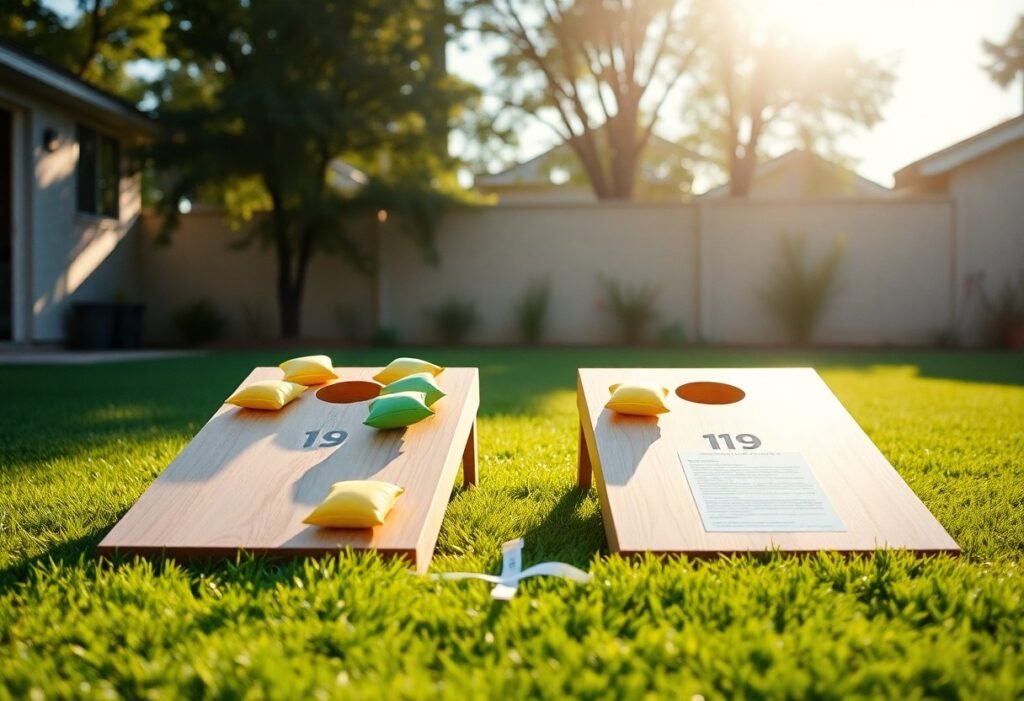
Long before professional circuits, you can trace cornhole to European bag‑toss traditions brought to America by immigrants in the 19th and early 20th centuries; rural communities adapted those games using readily available materials-most often corn‑filled sacks. By mid‑century the pastime spread through the Ohio River Valley and Appalachia, eventually standardizing into the boards you know today: 48″×24″ surfaces with a 6‑inch hole centered 9 inches from the top, enabling consistent play and formal rules.
Early Beginnings
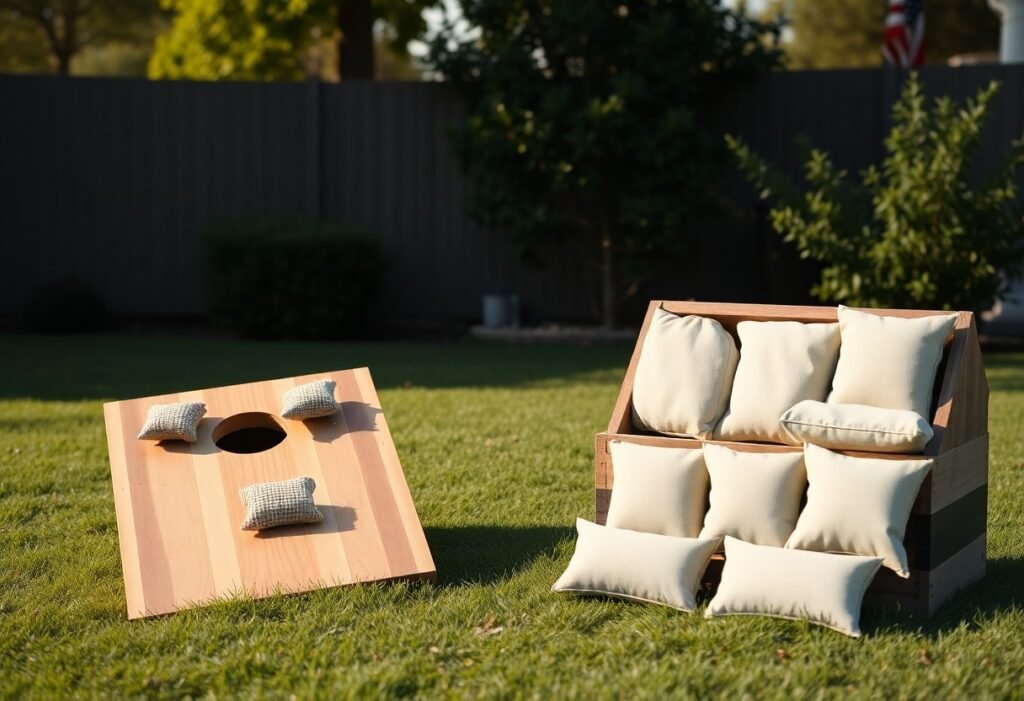
You’ll encounter early backyard versions using burlap or canvas and corn‑filled sacks; the affordability made the game ubiquitous at farm fairs and tailgates. By the mid‑20th century (1940s-60s) many households in Kentucky and Ohio had house rules-scoring, distances and board sizes varied-so you saw dozens of informal rule‑sets before any official organization began standardizing play.
Regional Variations
In practice you’ll notice distinct regional rules: the Midwest and Ohio River Valley favored the 3‑point hole / 1‑point on‑board scoring with cancellation, while Southern and Plains players often used shorter distances and ad‑hoc scoring. Local tournaments in Cincinnati and Louisville helped push standardization, but your average backyard game still reflected family traditions and bespoke adjustments to board size and pitch.
Digging deeper, you’ll find board dimensions ranging from 36-48 inches and hole diameters of 5-8 inches across regions; tournament organizers converged on the larger end, but backyard kits still vary. That variation changes strategy-smaller holes demand greater accuracy-and introduces safety concerns: poorly finished boards can cause splinters or tripping hazards, whereas standardized gear improved competitive play and spectator appeal.
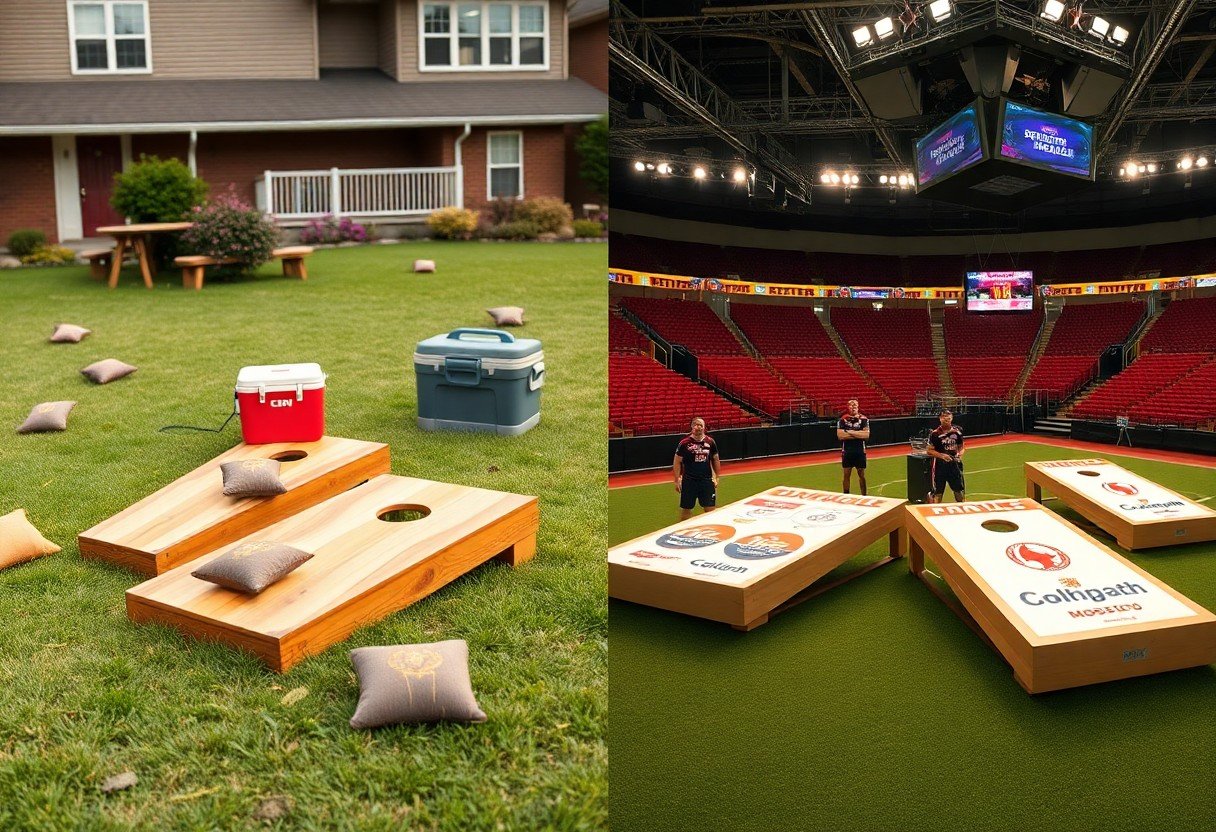
Evolution in Backyard Games
As you move from casual tosses to more structured play, backyard cornhole has adopted regulation dimensions-24×48-inch boards with a 6-inch hole and 27 feet between front edges-while staying adaptable for patios and driveways. Equipment shifted from rough homemade boards to lightweight, portable sets and fiberglass or polymer-filled bags, and you’ll see rule variations (shorter distances for kids, softer bags for indoor play) layered onto a once-spontaneous pastime.
Popularity Surge
You now find cornhole at tailgates, breweries, weddings and corporate events, with major retailers stocking sets year-round and social media amplifying DIY tutorials. Tournaments moved from garage parties to sponsored league nights, increasing visibility and bringing a wider age range to the game. The result is mass appeal and easy accessibility-you can start with a $40 set or invest in tournament-grade gear.
Community Tournaments
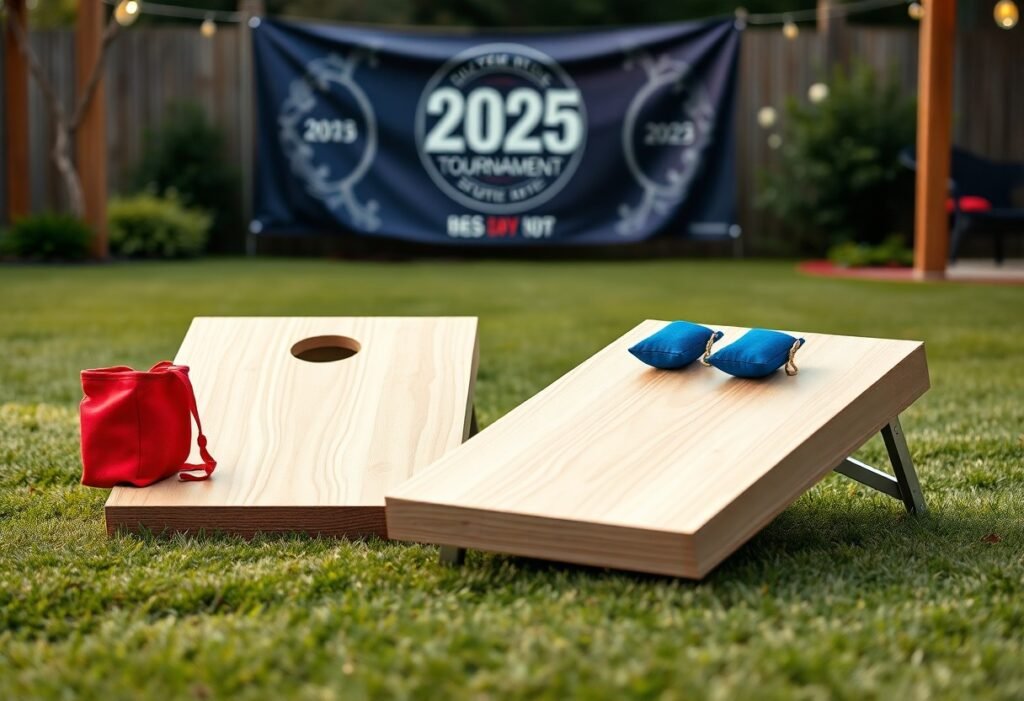
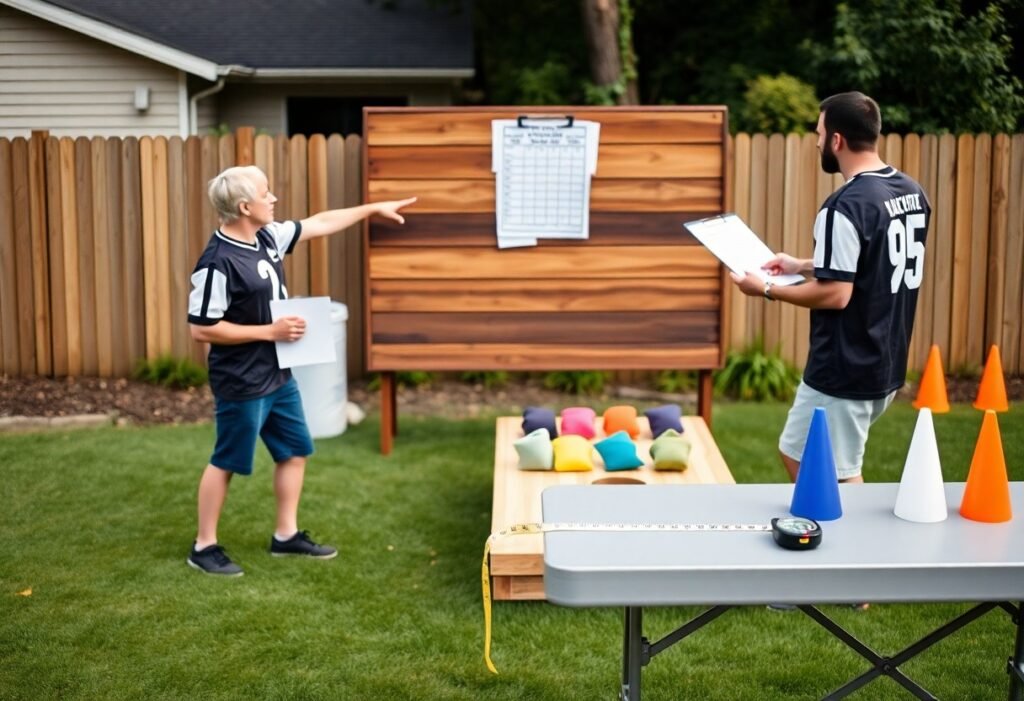
You’ll notice local tournaments commonly run 8-32 team brackets using round-robin pools or double-elimination formats, often split into open, amateur and recreational divisions. Prize purses tend to be modest-typically $100-$1,000 for small events-while organizers emphasize standardized rules and equipment to keep competition consistent and fair.
Digging deeper, community events usually charge entry fees between $20-$50 per team, include seeding based on local rankings, and use ACA/league-style refereeing for disputes; many feed winners into regional qualifiers and state championships. You should expect weekend schedules with pool play Saturday and elimination Sunday, vendor booths or sponsors on-site, and basic safety measures (clear courts, first-aid kits) to manage crowds and alcohol-related risks.
Transition to Professional Sport
By the mid-2010s you saw backyard tosses become organized tours as promoters and players pushed for consistency; this professionalization produced televised matches on ESPN, standardized rules used nationwide, and top events offering five-figure prize purses, which shifted training, sponsorships, and year-round competition into the sport’s core.
Formation of Leagues
Leagues such as the American Cornhole League (ACL) and the American Cornhole Organization (ACO) established formal ranking systems, membership tiers, and regional qualifiers; you can follow clear pro pathways through seasonal tours that stage roughly 30-50 sanctioned events annually, backed by official rulebooks and certified referees.
National Recognition
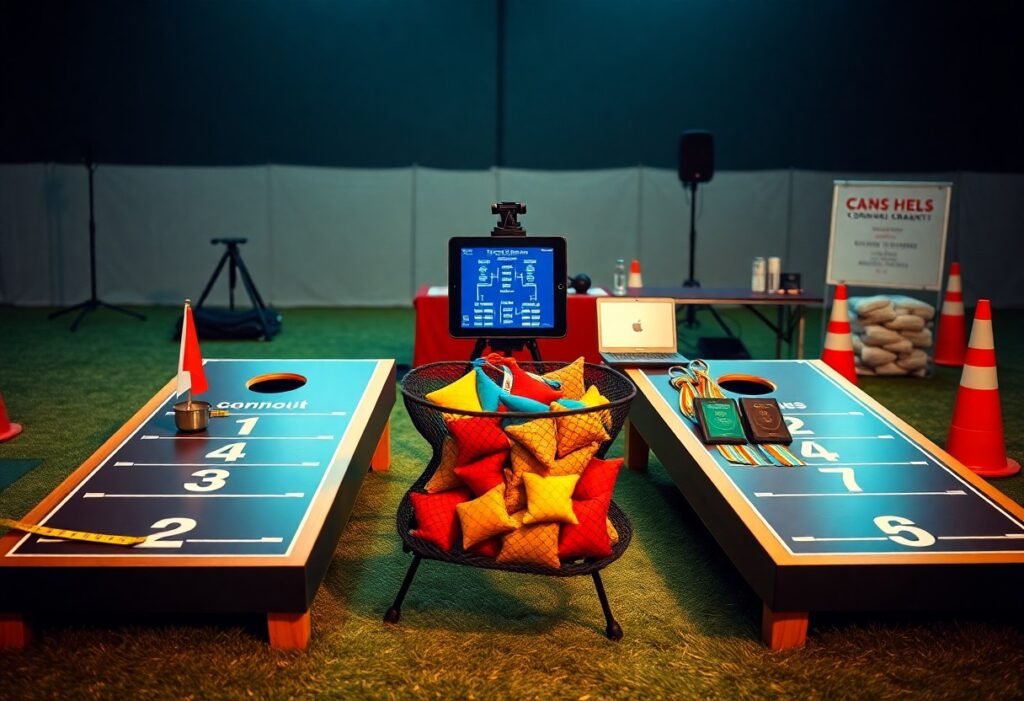
Major finals moving into arenas and convention centers led to national TV broadcasts, broader media coverage, and corporate partnerships, so you began to experience cornhole framed as a spectator sport with polished production and marketing rather than merely a backyard pastime.
As a result, marquee events like national championships routinely draw thousands of live spectators and sizeable streaming audiences, which you can link directly to increased sponsorship deals, municipal support, expanded youth programs, and more viable pro-am career pathways for elite players.
Equipment and Gameplay Standardization
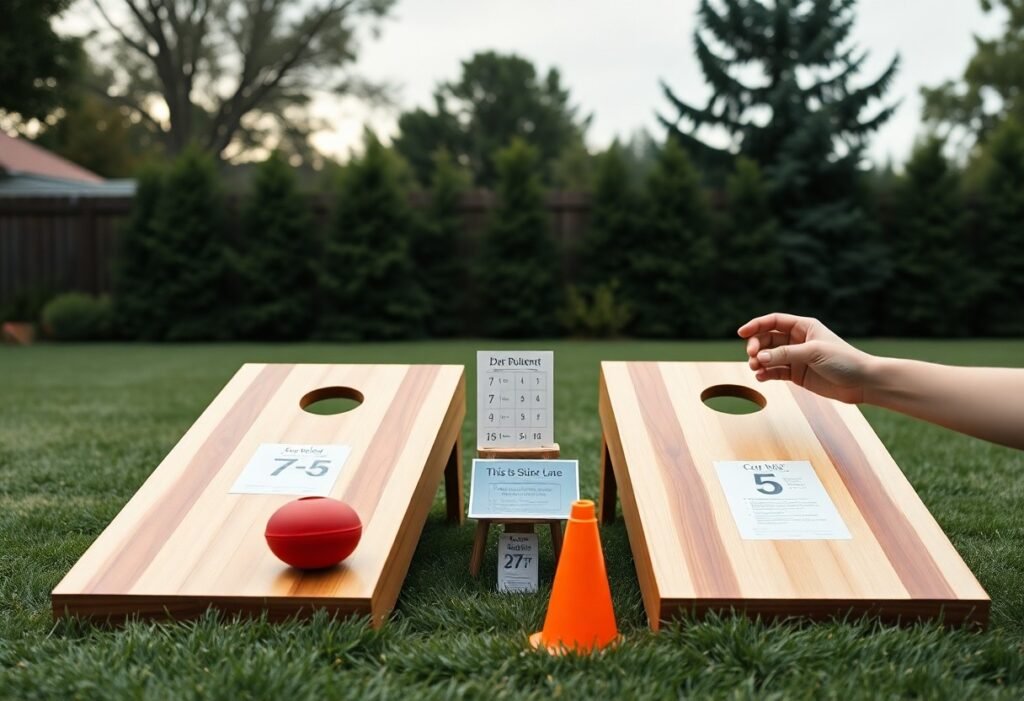
As play moved beyond yards and patios, you started seeing uniform specs: the board stays at 24×48 inches with a 6‑inch hole, and tournament pitching distance is typically 27 feet. Manufacturers and leagues referenced historical sources (see History of Cornhole – from folklore to modern game) while codifying those measurements, so your matches now use consistent gear that supports fair, repeatable competition.
Official Rules and Regulations
You’ll find most tournaments use 4 bags per frame, scoring 3 points for a bag in the hole and 1 point for a bag on the board, with cancellation scoring and play commonly to 21 points. Governing bodies enforce foul lines, placement of boards, and time limits, so your strategy must account for standardized pacing and scoring rather than house rules.
Equipment Innovations
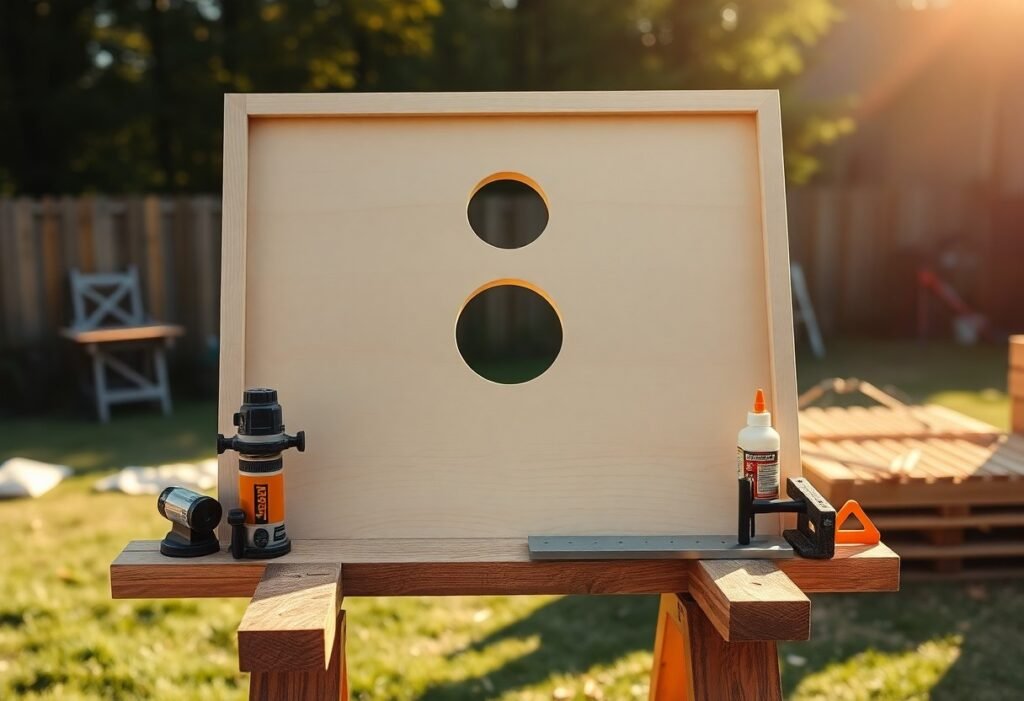
Manufacturing shifted your bags from loose corn to stable fills like resin or plastic to avoid pests and moisture, and bag specs tightened to about 6×6 inches at roughly 15.5-16 oz. Boards evolved into foldable, weather‑resistant designs using composite or treated woods, giving you lighter transport, consistent surfaces, and longer lifespans.
For more depth, you’ll notice pro players carry two bag types-“slide” vs “stick”-to adapt to surface finishes; boards in elite events often use Baltic birch or phenolic coatings and weigh between 20-40 lb. Manufacturers add options like angled frames, adjustable feet, and LED accents, but heavier custom boards can increase your risk of transport injury or trip hazards, so event organizers set equipment limits and inspection standards.
Cultural Impact of Cornhole
Across neighborhoods and networks, you see cornhole as more than a pastime: it’s a social glue and a marketing platform. You’ll spot organized tours, local leagues, and televised matches that have turned casual players into paid competitors. At the same time, its association with tailgates and bars means overconsumption can raise safety concerns, even as professionalization and media exposure deliver legitimacy and sponsorship dollars to the scene.
Cornhole in Popular Culture
You encounter cornhole in viral TikTok challenges, late-night TV segments, and branded festival activations where companies use custom boards for promotion. Sports networks and digital creators have amplified moments like trophy finals or celebrity charity matches, turning simple tosses into shareable clips. That visibility fuels merchandise sales and themed events, while also tying the game to alcohol-focused marketing that venues must manage responsibly.
Cornhole as a Social Activity
You often find cornhole at tailgates, block parties, and office outings because it’s quick to learn and works for mixed-age groups. Typical casual matches take 20-45 minutes, and you can play with two-player teams or one-on-one, making it ideal for rotating groups. Its low cost and portability make it inclusive and accessible, encouraging community play across neighborhoods and campuses.
You can also leverage cornhole for structured social programming: many bars run weekly leagues in dozens of cities, and charities host tournaments that commonly raise several thousand dollars per event. For corporate team-building, organizers typically provide 2-4 boards and set 30-60 minute round-robin sessions, so you get measurable engagement, easy scoring, and clear ways to include novices alongside seasoned players.
Future of Cornhole
As the game professionalizes, you’ll see more televised events, expanding league structures and deeper corporate sponsorships; the ACL and similar organizations now run hundreds of sanctioned tournaments annually, and participation from casual backyard players to serious competitors suggests steady audience and revenue growth over the next decade.
Growing Popularity
Across cities and college campuses you notice local leagues, tailgate programs and charity tournaments multiplying; sponsors pay for signage at regional events, prize pools now commonly reach five-figure totals, and live-stream audiences in the tens of thousands are turning cornhole into a commercially viable spectator sport.
International Expansion
Outside the US, you find emergent scenes in Canada, the UK, Germany, Australia and parts of Latin America and Asia, where organizers are establishing organized leagues and national championships that mirror American formats and attract cross-border competitors.
For example, in Canada regional tournaments in Toronto and Vancouver feed into national finals, while UK pub leagues in London and Manchester partner with festivals to boost visibility; you’ll notice European university clubs adopting regulation boards to compete internationally, but expansion faces hurdles-especially shipping costs and inconsistent local rules that slow standardized growth.
Final Words
Hence you can trace cornhole’s journey from casual backyard pastime to organized professional sport, observing how grassroots community play, standardized rules, and media exposure reshaped your opportunities to play, compete, and spectate; this history gives you insight into the game’s cultural roots, institutional growth, and the networks that sustain leagues, sponsorships, and tournaments.
FAQ
Q: How and where did cornhole originate?
A: Variants of bag-toss games have existed for centuries in Europe and North America, but the modern cornhole format evolved in the American Midwest. Rural communities adapted simple materials-wooden boards and filled sacks-into a backyard pastime that spread through family gatherings, tailgates and county fairs. Regional names and small rule differences persisted for decades until the late 20th and early 21st centuries, when the game’s particular board-and-bag design and scoring convention became widely recognized as cornhole.
Q: When did cornhole move from backyard recreation to organized competition?
A: Organized competition grew gradually as local tournaments and college tailgate leagues gained popularity. In the early 2000s, formal rule sets and regional governing bodies began to appear, standardizing play and creating ranking systems. The 2010s saw the rise of professional circuits and larger national events, which introduced scheduled tours, player rankings, sponsorships and higher-stakes prize pools-shifting cornhole from casual play to a spectator-oriented competitive sport.
Q: What changes were made to standardize equipment and rules for pro play?
A: Standardization focused on board dimensions, hole placement, bag size, weight and scoring to ensure fairness across venues. The accepted regulation board is roughly 2 by 4 feet with a six-inch hole and a raised back; boards have a shallow front height and a higher rear height to create the correct angle. Competition bags are approximately 6 by 6 inches and generally weigh in the mid-teens of ounces. Official rules standardized pitching distances, alternating throws, fouls, and scoring conventions (including cancellation scoring) so tournaments could be run consistently nationwide and internationally.
Q: What role did media, sponsors and leagues play in professionalizing cornhole?
A: Leagues packaged cornhole into season formats, produced ranking systems and negotiated broadcast and streaming deals that brought matches to wider audiences. Sponsors provided equipment support, prize-money increases and cross-promotional opportunities, while televised and streamed events introduced commentary, production values and celebrity appearances that attracted new fans. Together, these elements transformed isolated tournaments into marketable events with regular schedules, fan engagement initiatives and growing commercial viability.
Q: What are the major milestones in cornhole’s development and what comes next?
A: Key milestones include the adoption of standardized rules and equipment, the formation of national governing bodies and professional tours, the first nationwide televised and streamed events, growth in prize money and brand partnerships, and expansion of organized amateur-to-pro pathways. Ongoing trends include increased international participation, youth and collegiate development programs, refined broadcast production, and technology-driven fan engagement (live stats, streaming platforms and social media). Future growth is likely to emphasize global tournaments, deeper sponsorship investment and continued integration into mainstream sports entertainment.