
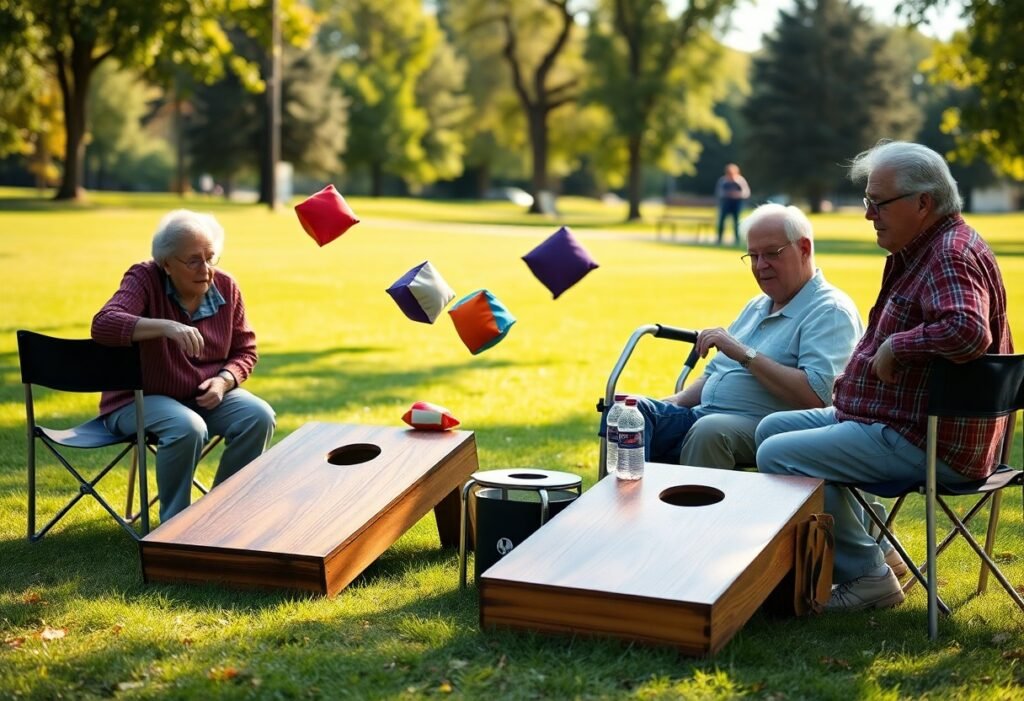
Many seniors benefit from cornhole because it gives you low-impact exercise that improves balance and builds strength while offering meaningful social connection. You can adapt play for mobility limits, emphasize proper stance and footwear to lower fall risk, and use pacing and rest to keep activity safe and enjoyable for your fitness level.
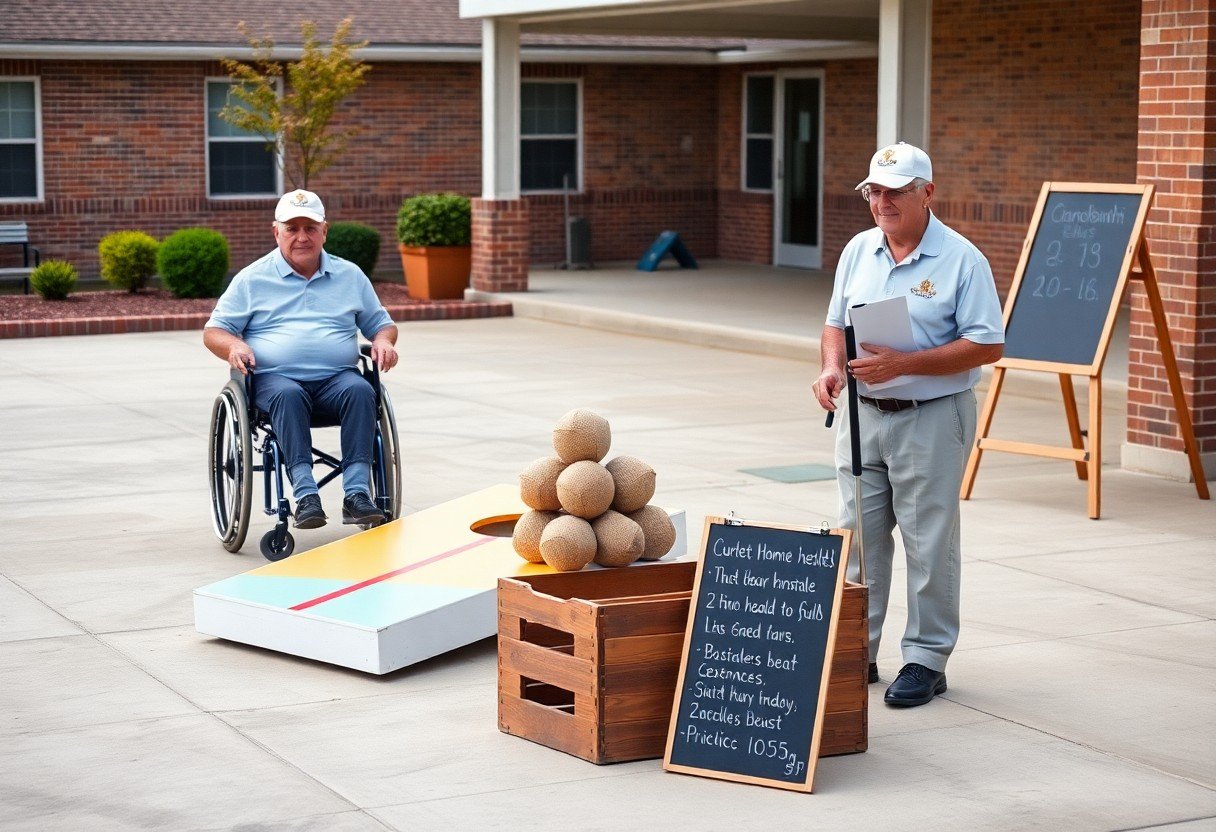
Key Takeaways:
- Cornhole offers low-impact physical activity that improves balance, coordination, and gentle cardiovascular movement for seniors.
- Games foster social connection and community engagement, helping reduce isolation through friendly competition and group play.
- Equipment and rules are easily adapted-shorter distances, lighter bags, seated play, or ramps-to match mobility and comfort levels.
Benefits of Cornhole for Seniors
Playing cornhole gives you a blend of low-impact physical activity, cognitive stimulation, and social connection. Just 30-60 minutes, two to three times a week, can improve balance, coordination, and mobility while burning roughly 100-200 calories per hour. You can adapt distance, bag weight, or rules to match abilities, and community programs often report better attendance and mood among participants. Prioritize stable footwear and non-slip surfaces to minimize fall risk.
Physical Exercise
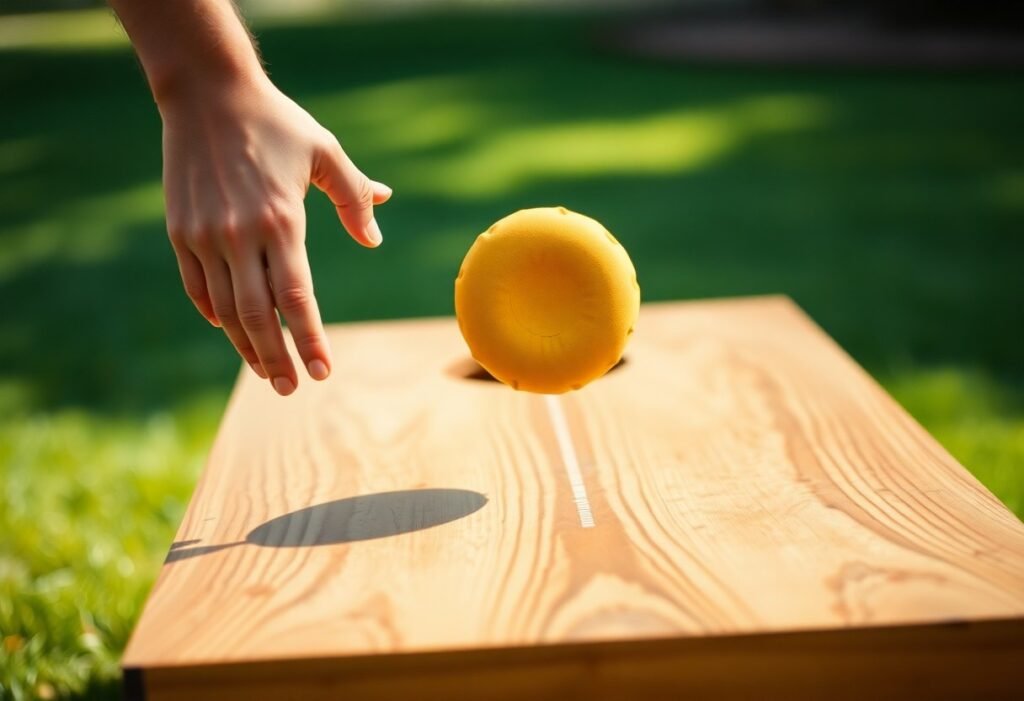
Throwing bags engages your shoulders, core, hips, and legs while repeated weight shifts and reaching improve proprioception and gait; a typical session includes about 20-40 tosses per player. Studies of balance-focused activity show targeted programs can lower fall risk by roughly 20-30%, so adding cornhole-style balance work two or three times weekly helps maintain strength and stability. Modify board distance and standing time to control intensity.
Mental Engagement
Keeping score, planning shots, and adjusting strategy exercise your working memory and executive function; even simple arithmetic and pattern recognition during play provide meaningful cognitive load. Research links regular social and cognitive activity to slower cognitive decline, and cornhole’s turn-based format gives you repeated opportunities to practice attention and decision-making. Mental stimulation from gameplay also lifts mood and reduces isolation.
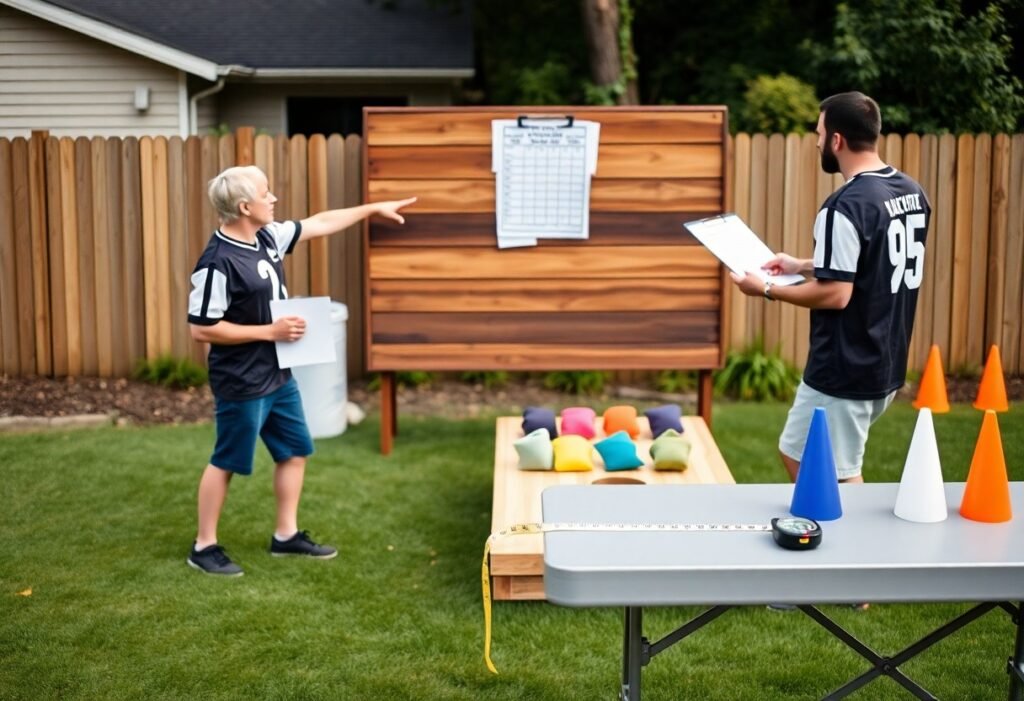
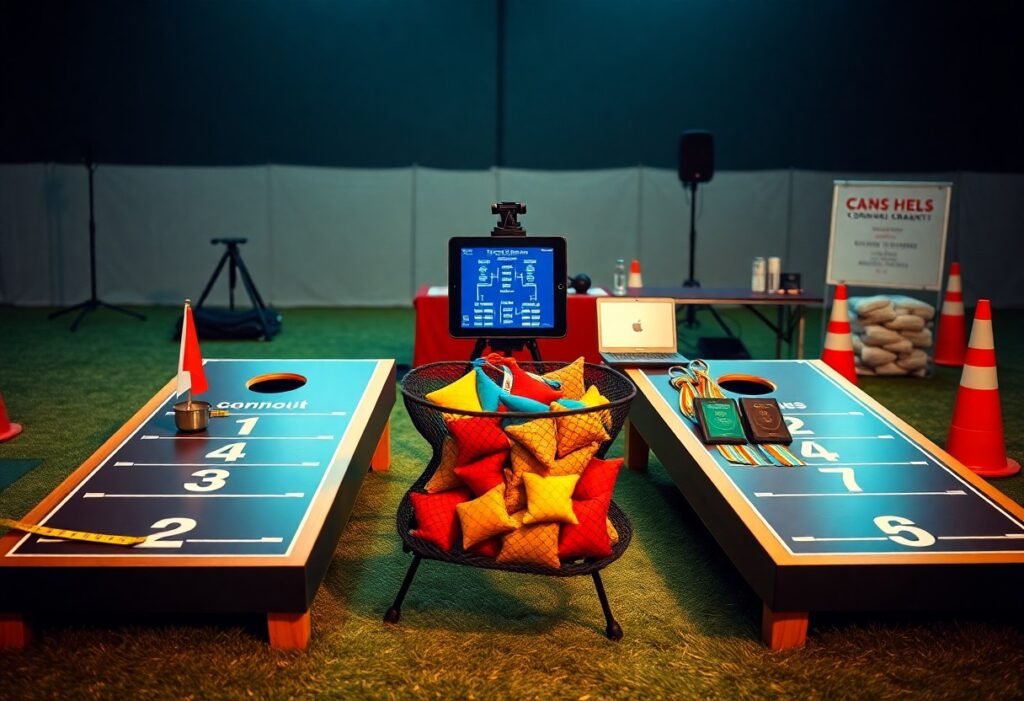
To deepen the cognitive benefits, you can introduce specific challenges: alternate hands each round, track cumulative stats on a scoresheet, or run small round-robin tournaments to manage brackets and schedules. Aim for sessions with 20-40 tosses and a 5-10 minute scorekeeping period to tax memory and planning. Adding roles (scorekeeper, announcer) and varied distances increases complexity and purpose, while visual cues or verbal prompts support players with mild memory issues. Structured play enhances executive function and social engagement.
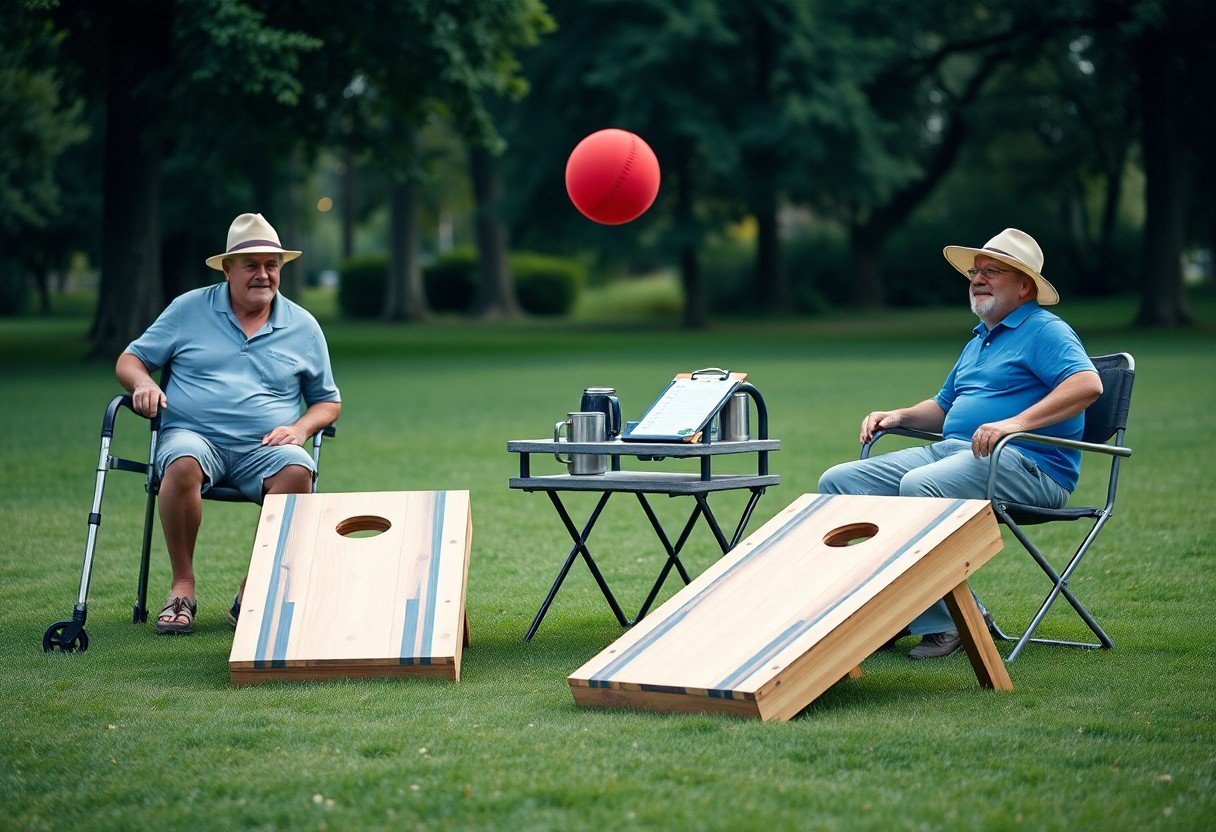
Social Aspects of Playing Cornhole
Beyond exercise, cornhole creates regular, low-pressure social contact that can reduce isolation; meta-analyses link strong social ties to roughly a 50% higher likelihood of survival, so your weekly game night matters. You’ll meet neighbors in 1- or 2-player teams, share strategies, and keep conversations flowing while you play; just be mindful of tripping hazards around boards and uneven ground to keep gatherings safe.
Building Community
Organize small leagues (8-12 players) or weekly meetups at your senior center to turn casual play into a community ritual; rotating partners and publishing a simple scoreboard fosters friendly competition and steady attendance. You can partner with local YMCAs or recreation departments to supply boards, host seasonal tournaments, and invite nearby schools for intergenerational events that expand your social circle.
Enhancing Relationships
Playing cornhole gives you shared goals with family and friends-2-on-2 rounds or quick singles create moments for teamwork and conversation that strengthen bonds. Invite grandchildren for short, timed sessions and you’ll build memories while encouraging gentle motor practice; emphasize fun over scorekeeping so interactions remain positive and inclusive.
To deepen relationship benefits, schedule 30-60 minute sessions once or twice weekly, rotate partners, and use handicaps (closer board or larger target) to balance skill gaps. Try post-game routines-brief reflections, photos, or a snack table-to turn play into ritual. Always ensure proper lighting, clear walkways, and stable board placement to avoid falls; those safety steps keep social gains both positive and sustainable.
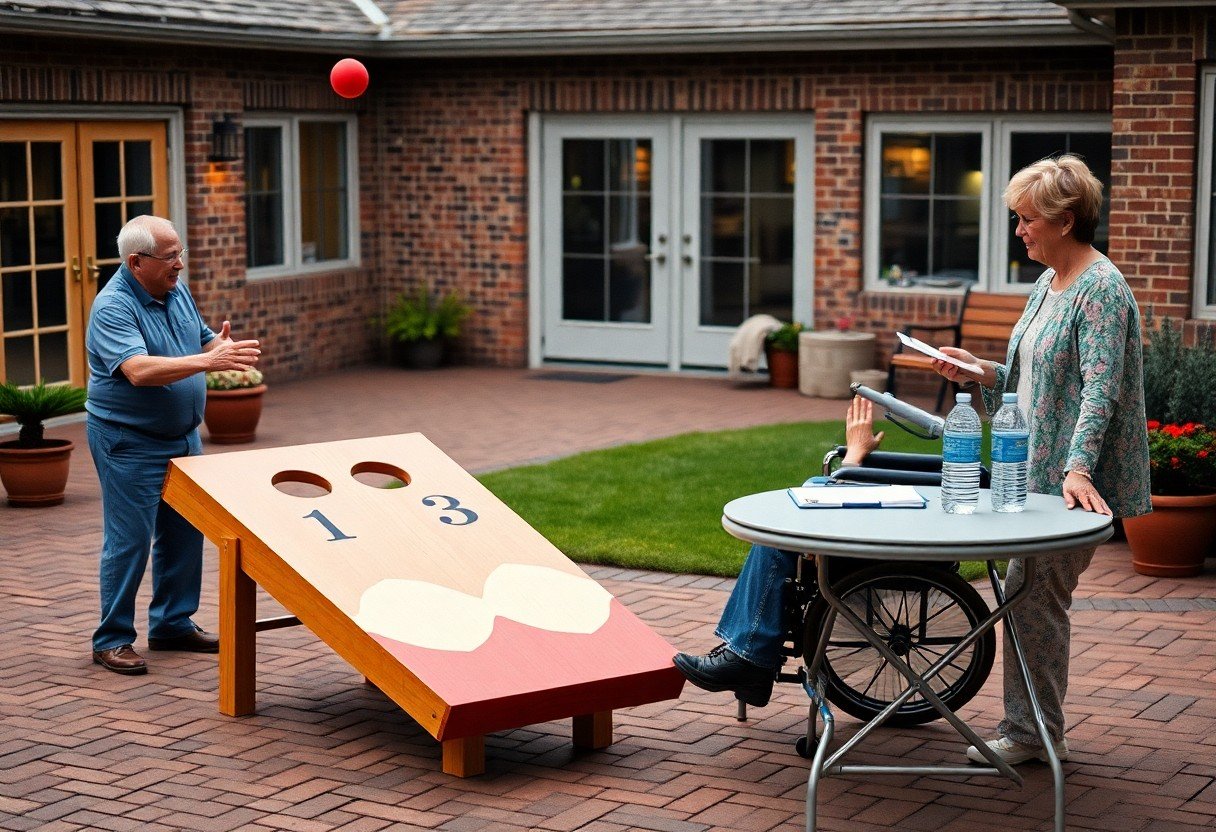
How to Get Started with Cornhole
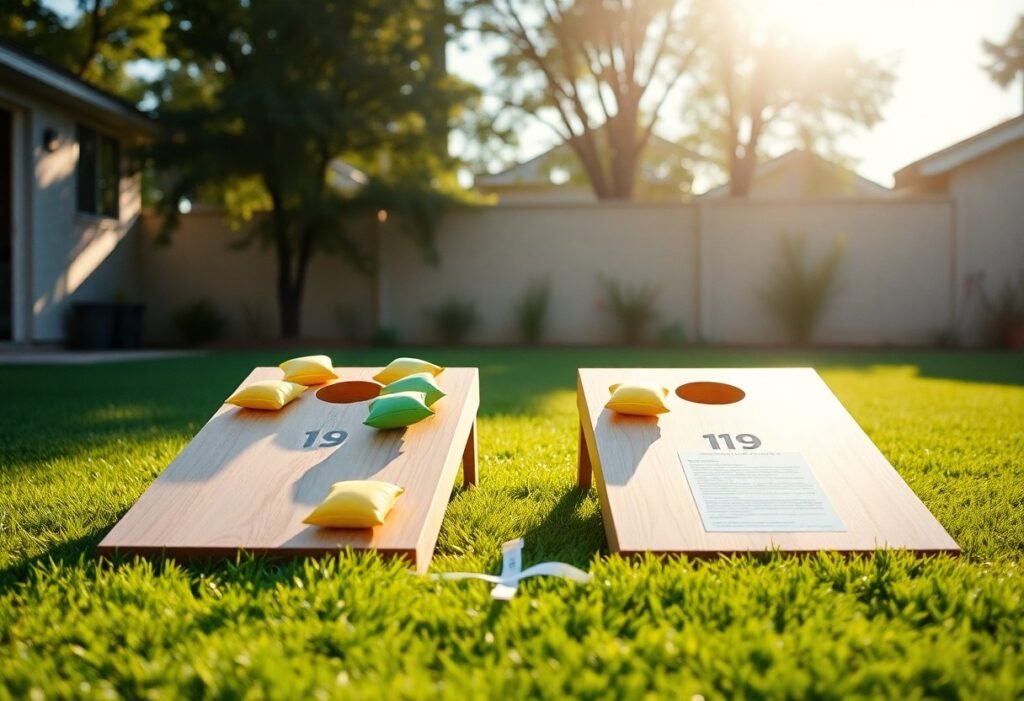
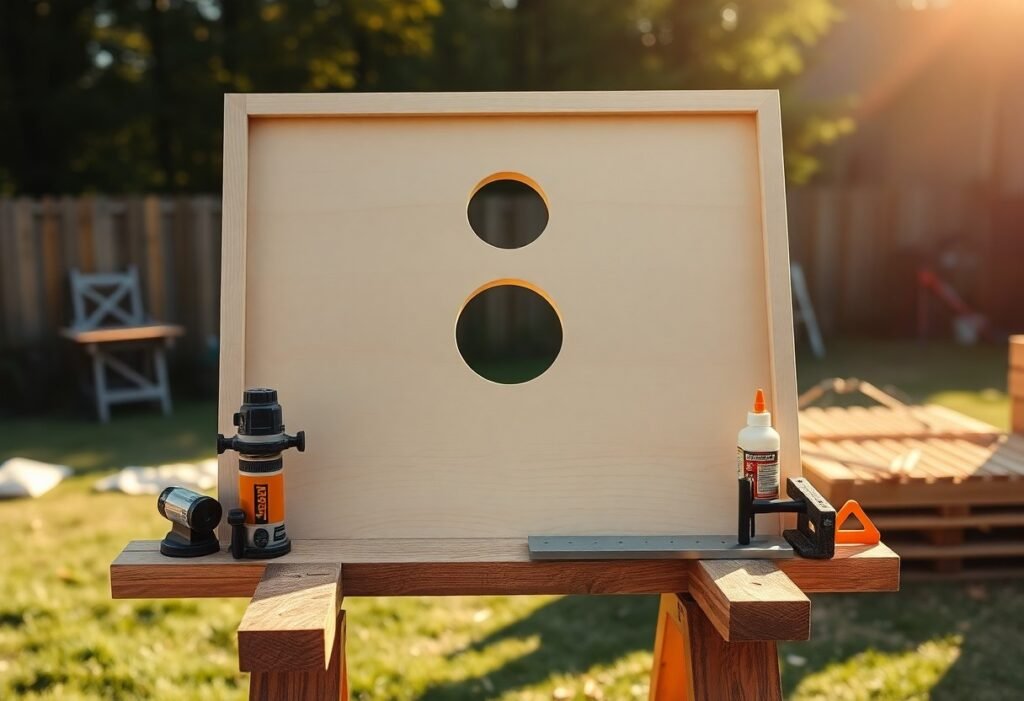
Begin by setting up a level, firm playing area and learning the official board specs: 48″ x 24″ boards with a 6″ hole, hole center 9″ from the top; front height 3-4″ and back 12″. You can practice solo to build a repeatable throw or play pairs for match experience. Aim for the standard throw distance of 27 feet between board fronts, or shorten to 18-22 feet for limited mobility. Avoid uneven ground to reduce trip hazards.
Equipment Needed
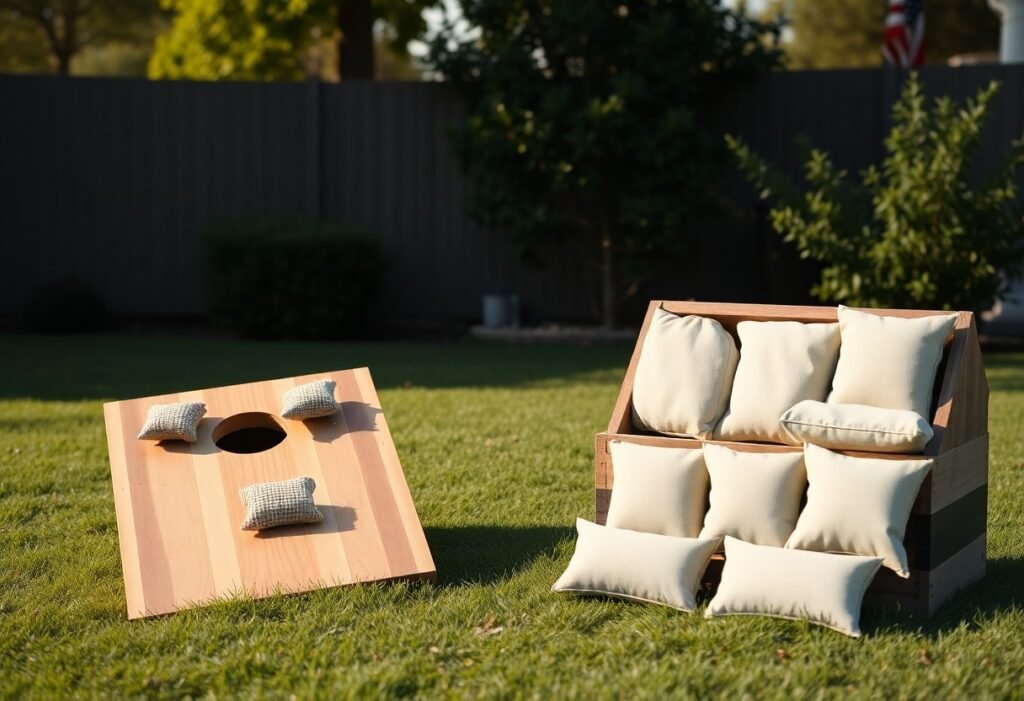
You’ll need one set of boards and typically 8 bags (four per team); bags commonly weigh 15-16 ounces. Basic portable sets run about $50-$100, while tournament-grade boards cost $150+; folding boards suit travel. Keep a chair for rest and inspect bags for tears and boards for splinters to prevent minor injuries.
Finding Local Games
Search Meetup, Facebook groups, or your YMCA and parks & rec pages to find sessions; you’ll often discover weekly or biweekly senior cornhole with 6-8 teams in amateur leagues. Check senior centers, VFW halls, and library bulletin boards for casual nights. Call ahead to ask about beginner slots and whether equipment is available to borrow.
If you can’t find a group, start one by posting flyers at the senior center, contacting parks & rec to reserve space, or creating a Meetup-small groups of 4-12 players build quickly. Offer a one-hour beginner clinic and provide two board sets; this lowers barriers and boosts participation. Check access routes and parking, and plan seating for players with limited standing tolerance.
Tips for Playing Cornhole Safely
Adjust your play area, equipment and pace to protect hips, knees and shoulders.
- cornhole: place boards on level, non-slip surface and keep bags dry.
- seniors: shorten throwing distance to 12-20 ft and use lighter 10-12 oz bags.
- safety: warm up 5-10 minutes, wear supportive shoes, and clear trip hazards.
Knowing simple tweaks keep the game fun and safe; see Benefits Of Playing Cornhole For Senior Citizens.
Injury Prevention
Start with a 5-10 minute warm-up (leg swings, ankle rolls, gentle shoulder circles) and inspect boards for splinters or loose screws before play. Maintain a 3-4 ft clear zone behind players, wear supportive shoes, and avoid twisting throws; switch to seated or underhand throws if you feel discomfort. Small checks each session significantly reduce injury prevention risks and let you play more rounds safely.
Adapting for Mobility Issues
Shorten distances to 12-18 ft, offer 8-12 oz bags, and provide chairs with 17-19 inch seat heights and armrests so you can throw seated. Anchor boards with non-slip pads, allow seated or underhand delivery, and use a helper to retrieve bags to limit bending. These adjustments keep play accessible while protecting joints and balance for players with limited mobility.
Consider adjustable-height boards or lightweight folding ramps so you can alternate between standing and seated play; test setups in 2 ft increments to find comfort. Add textured grip tape on bag corners, mark landing zones with cones, and trial one change at a time – track how many pain-free rounds you can play to identify the best adaptations for your needs.
Variations of Cornhole for Seniors
To keep games accessible and fun, adapt equipment, rules, and pacing to match your mobility and stamina. Try shorter distances, timed rounds, or cooperative formats that focus on social interaction over competition. Several senior centers report higher participation when games last 10-15 minutes and players rotate every 8-10 throws. Emphasize seated play and non-slip surfaces to lower fall risk and boost confidence.
Game Modifications
Reduce the regulation 27-foot distance to about 12-18 feet so you avoid long reaches that stress hips and lower back. Use lighter, soft-sided bags and larger target markings to increase success rates. Consider raising boards to table height, adding handrails or placing chairs behind the foul line for seated play. Always clear pathways and use a non-slip mat, since tripping hazards and sudden twists are the most dangerous risks.
Alternative Scoring Systems
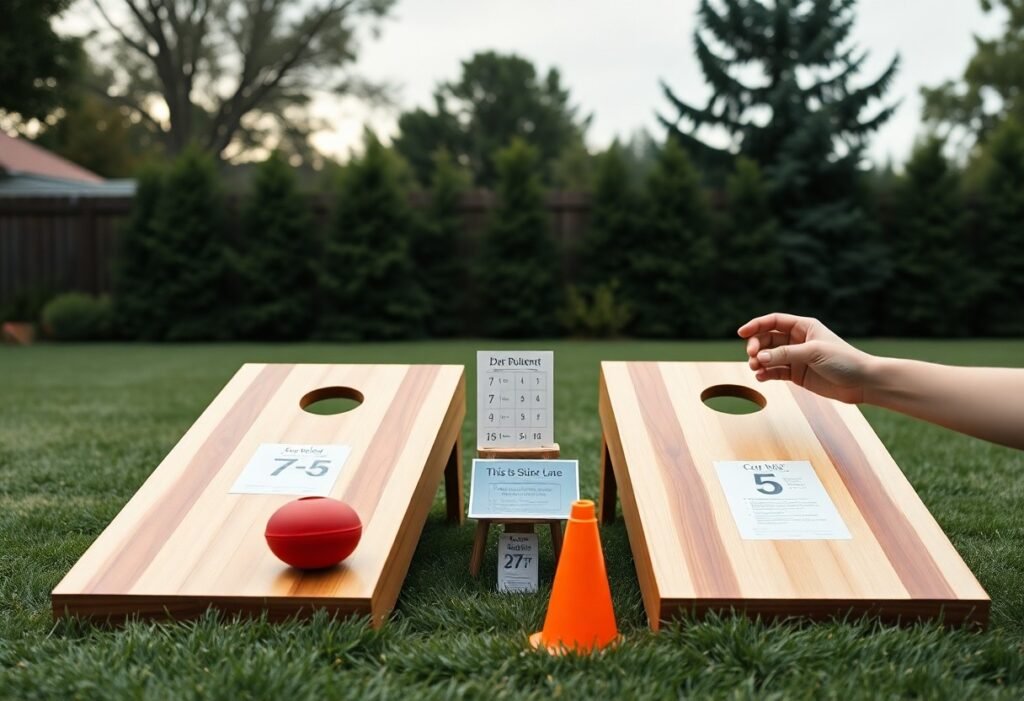
Swap standard cancellation scoring for shorter, friendlier options: play to 11 or 15 points, use cumulative scoring (both sides keep points), or award zones (e.g., 5-3-1) on the board to reward accuracy. Implement handicap starts-give less-mobile players 3-5 starting points-or run multiple 10-minute games to fit attention spans. These tweaks keep play competitive yet encouraging for all skill levels.
For more structure, use zone scoring by taping concentric rings: bullseye = 5, inner = 3, board = 1; first-to-21 still works if you require a 2-point lead to win. Handicap examples include subtracting 3 feet from a more mobile player’s throw distance per handicap point or granting 2-5 starting points to new players. Time-limited sessions (two 10-minute halves) help manage fatigue and increase weekly turnout at community sites.
Success Stories: Seniors Enjoying Cornhole
Personal Testimonials
Neighbors often tell you how cornhole boosts mobility and connection: a 75-year-old Joan in Des Moines regained confidence after 8 weeks of twice-weekly play, and a group of 12 veterans in Phoenix report improved mood and fewer lonely days. You’ll hear specific changes-short sessions, adaptive rules, and measurable gains in balance and social engagement-that turn casual play into meaningful health and friendship wins.
Community Initiatives
Many senior centers run cornhole leagues that draw 20-50 participants; you can join sessions that combine 15 minutes of warm-up, 45-60 minutes of play, and social time. A Cleveland program grew from 8 to 36 members in six months by offering rides and beginner coaching, showing how accessible, structured programs quickly increase participation.
To launch your own initiative, set adjustable distances (12-18 feet), provide 2-3 board sets, schedule 60-90 minute sessions twice weekly, and recruit 4-6 volunteers for setup and scoring. Apply for small grants ranging from $500 to $2,000. Partner with a physical therapist to track mobility using Timed Up and Go tests. These metrics document participant progress. Watch for shoulder or hip pain during play. Adapt rules as needed to keep the activity safe.
Summing up
To wrap up, cornhole offers a low-impact way for you to stay active, improve coordination, and connect socially; it adapts to your fitness level, encourages regular movement, and fosters camaraderie with minimal equipment and risk. By making it part of your routine, you support physical health, mental well-being, and enjoyable social interaction with peers.
FAQ
Q: What physical and mental benefits does cornhole provide for seniors?
A: Cornhole provides gentle aerobic movement and improves hand-eye coordination. It helps maintain shoulder and arm range of motion through repeated, low-impact throws. Standing and reaching can support balance and leg strength when players shift weight. Regular play contributes to better circulation and joint mobility. Mentally, the game encourages focus, planning, and short-term memory as players track scores and strategies. Social interaction reduces feelings of isolation and can lower stress and anxiety.
Q: How can cornhole be modified for seniors with limited mobility or wheelchair users?
A: Adjustments include shortening the throwing distance, elevating boards slightly for easier bag trajectory, and using lighter or softer bags to reduce strain. Place boards on non-slip surfaces and ensure clear, level pathways for wheelchairs. Allow seated throws from a stable chair or wheelchair and permit underhand or roll-style tosses. Adopt turn-taking rules that accommodate longer rest periods and use visual scoreboards or volunteers to assist with fetching bags and tracking points.
Q: What safety precautions should seniors follow while playing cornhole?
A: Begin with a brief warm-up for wrists, shoulders, and ankles to reduce stiffness. Wear supportive, non-slip footwear and keep the playing area free of trip hazards, uneven ground, and clutter. Avoid twisting movements that strain the back-pivot with the feet rather than rotating the torso when possible. Stay hydrated, protect against sun exposure during outdoor play, and inspect boards and bags for damage or sharp edges. If balance is a concern, provide a stable chair or allow seated participation to lower fall risk.
Q: How do I organize an inclusive cornhole session for a group of seniors?
A: Plan sessions of 45-90 minutes with frequent breaks and low-pressure play. Use small teams or pairs to promote conversation and social bonding, and rotate partners so everyone interacts. Keep scoring simple-best of three rounds or time-limited play works well-and offer a mix of casual play and short, optional challenges. Assign roles like scorekeeper or bag retriever to involve less active participants. Provide shade, seating, refreshments, and clear signage for accessible routes to make the event welcoming for all ability levels.
Q: What type of cornhole equipment is best for seniors and how should boards be positioned?
A: Choose lightweight, soft-filled bags and sturdy boards with a smooth surface and rounded edges to reduce impact. Compact, portable boards with rubber feet improve stability and prevent slipping. Indoors, place boards on non-slip mats; outdoors, set them on level ground and consider moving boards closer than regulation distance to accommodate reduced throwing strength. For storage and transport, look for foldable or lightweight options. Equipment is widely available at sporting goods stores and online retailers-seek products with good reviews for durability and safety features.