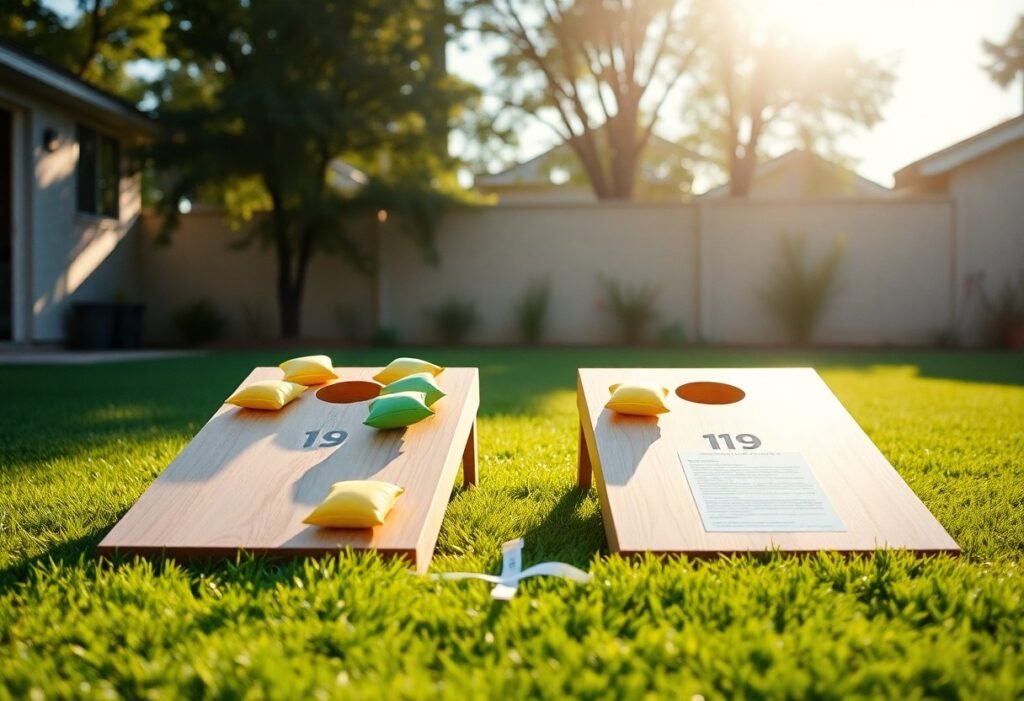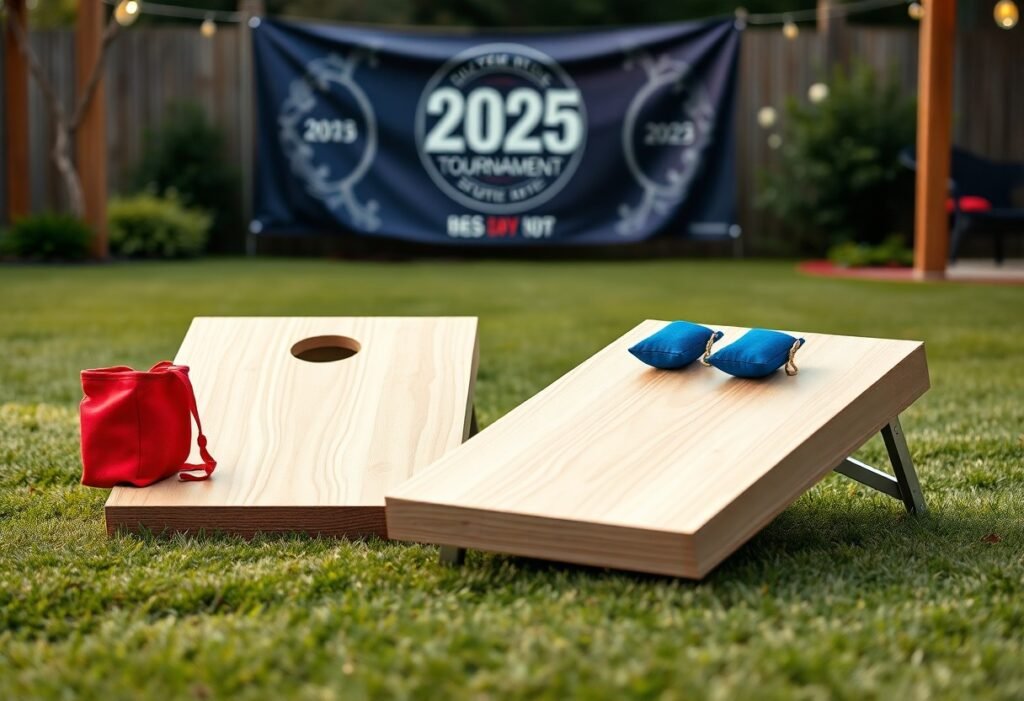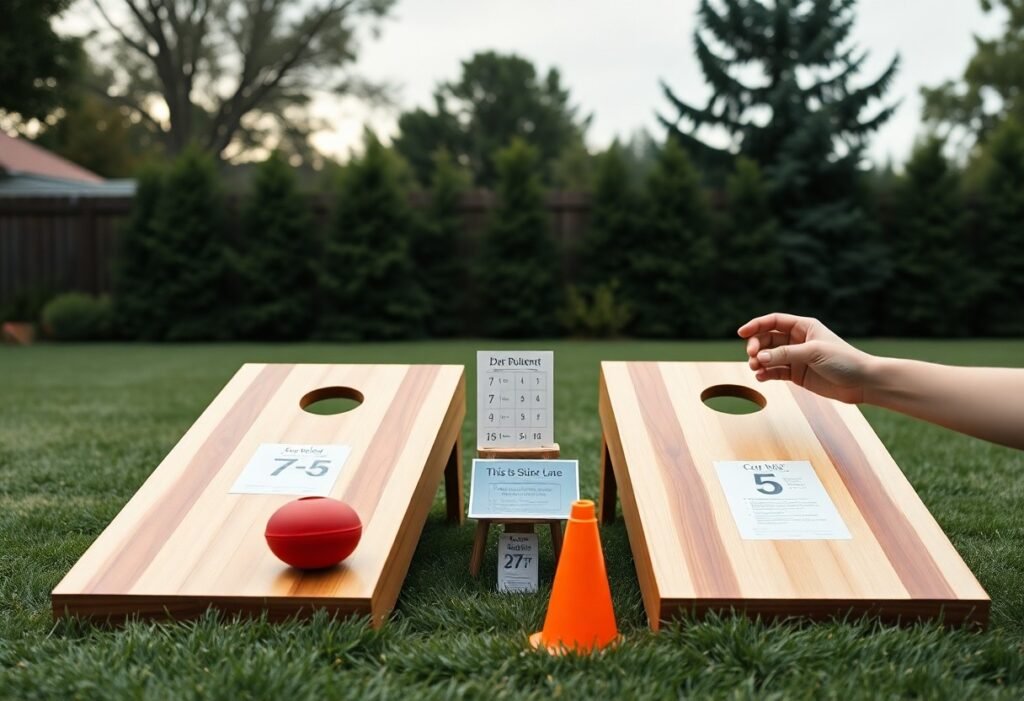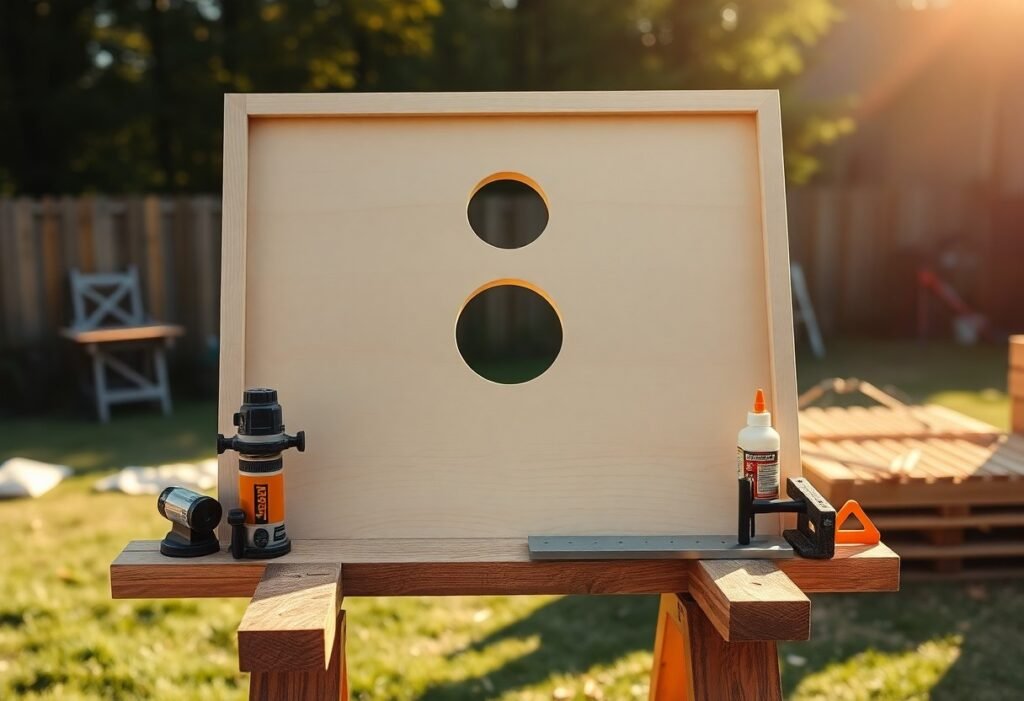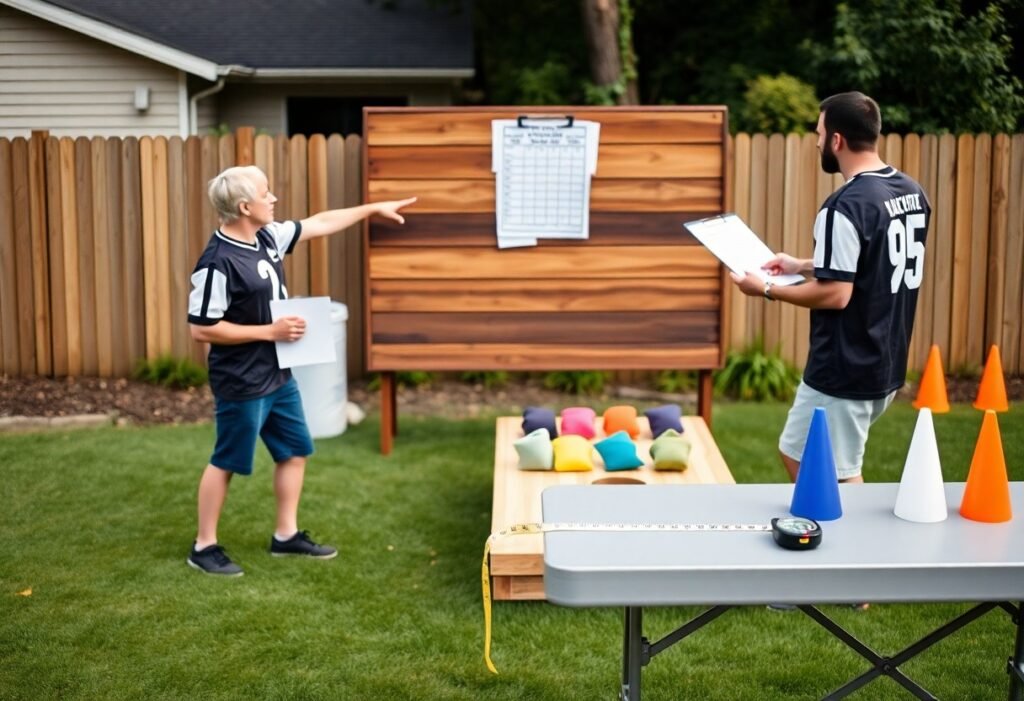

Just follow straightforward rules so you and others enjoy the game: do not stand in the throwing lane or behind the board to avoid accidents, keep quiet and avoid movement while opponents throw, call your own scores honestly, and offer a handshake and sincere congratulations after rounds to promote good sportsmanship; keep bags and drinks out of play areas to prevent trips and disputes.
Key Takeaways:
- Maintain sportsmanship: avoid distracting opponents, keep trash talk friendly, and accept calls and scores without arguing.
- Keep the game moving: be ready to throw on your turn, retrieve bags promptly between rounds, and observe foul lines and player positions.
- Respect the equipment and playing area: don’t stand on boards, keep drinks and bags out of play, and handle others’ equipment with care.
Understanding the Game
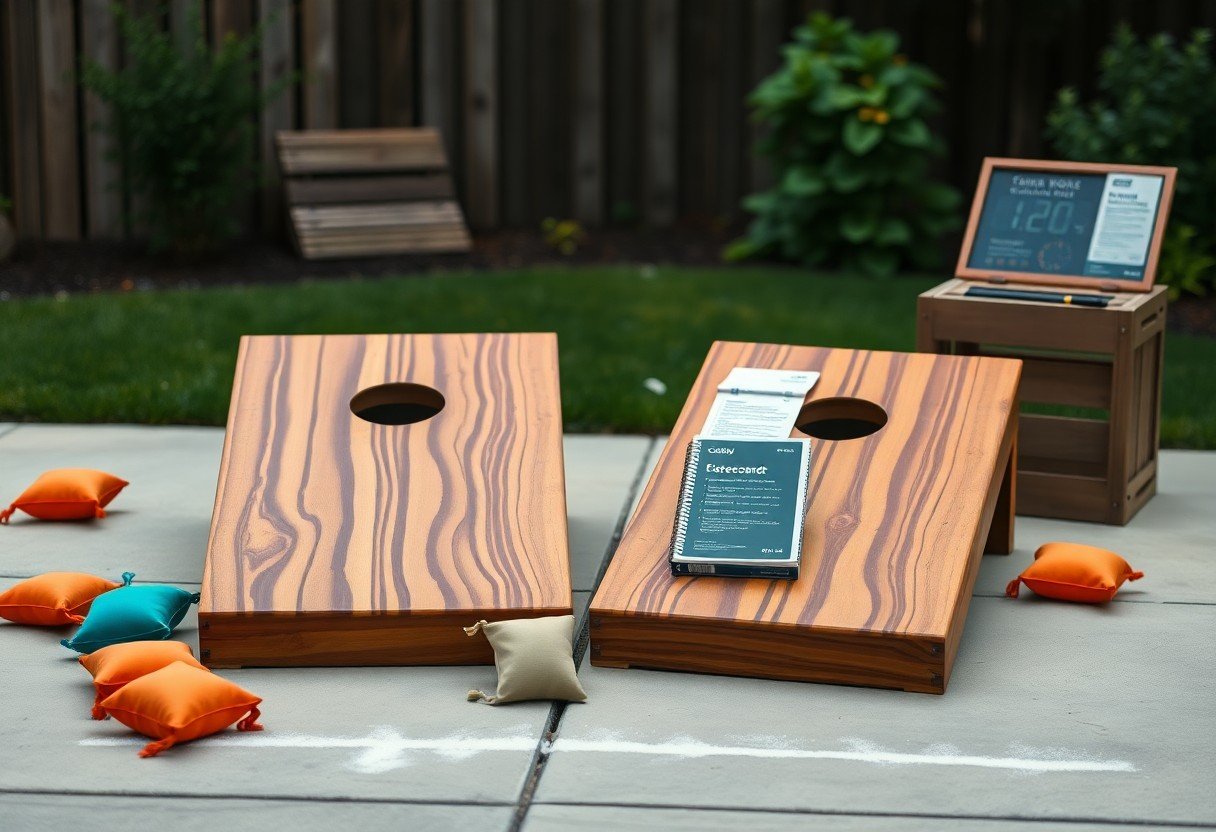
In cornhole you face off across boards set at the regulation distance of 27 feet (front edge to front edge) and aim to accumulate points by landing bags on the board or through the hole, with the common target being 21 points. Play alternates between teams, and strategy matters: for example, a well-timed block bag can turn defense into a scoring opportunity, while a missed bag can swing a frame by several points.
Basic Rules of Cornhole
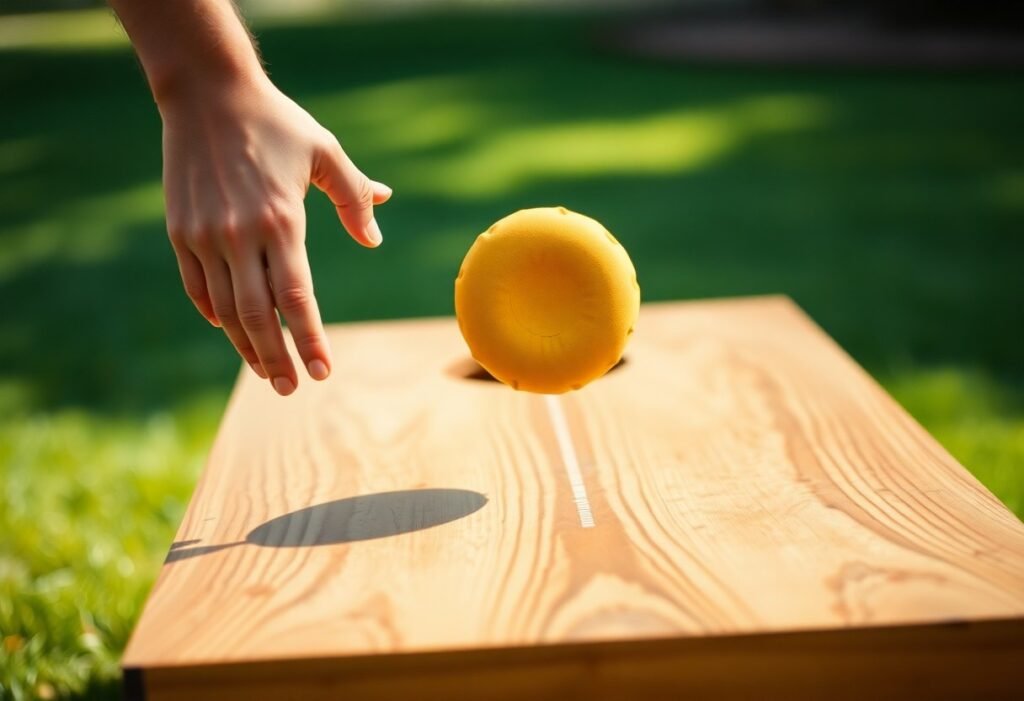
You stand behind the foul line and alternate throws, with each side typically throwing four bags per inning; stepping past the front of the board voids that throw. Bags landing on the board count, but those touching the ground first usually don’t. Officials and leagues enforce consistent throwing order, and substituting house rules-like shorter distances or different win conditions-happens often in casual play.
Scoring System
Scoring uses cancellation: a bag in the hole is worth 3 points, a bag on the board is 1 point, then opposing totals cancel (e.g., your 7 vs their 5 nets you 2). First team to reach 21 commonly wins, but many groups adopt variations-some require hitting exactly 21, others apply a bust-to-15 rule if you go over.
For clarity, if you score 11 in one inning and the opponent scores 8, your net gain is 3, moving your total from, say, 15 to 18. When both teams score equally in a frame the net is zero and play continues. Tournament play often sticks to standard cancellation and a straight-to-21 finish, while local leagues may mandate an exact-21 rule or add a two-point win margin; check the rules before you play.
Player Conduct
During matches you must follow clear behavioral rules to keep play fair and safe: avoid distracting noise or movement while an opponent throws, keep sideline cheers controlled, and accept official calls promptly. At regulation distance of 27 feet and with scoring that often turns on a single bag (3 points for a hole, 1 for the board), stepping past the front edge or interfering with a toss can nullify a round and cost your team the game.
Sportsmanship
You should keep trash talk light and sportsmanlike, congratulate good shots, and offer a handshake after tight matches. When games are played to 21 points, tensions rise in late innings-so avoid taunts, limit celebrations, and let officials settle disputes. Showing calm under pressure preserves your reputation and prevents ejections or penalties in league and tournament play.
Respect for Opponents
Never attempt to influence an opponent’s throw by shouting, waving, or stepping into their sightline; physical contact with the board or bags before scoring is unacceptable. If a scoring disagreement arises, pause play, discuss calmly, and consult a referee or scorekeeper rather than escalating. Maintaining distance and decorum keeps matches fair and prevents contested outcomes.
In practice, that means you confirm scores aloud after each inning, avoid touching another player’s equipment, and don’t celebrate until scores are recorded. For example, wait until both teams acknowledge a bag in the hole before removing it; doing so prevents disputes and demonstrates professionalism in league matches and backyard play alike. Interference or equipment tampering can lead to forfeits or penalties, so err on the side of respect.
Tournament Etiquette
Arrive at least 30 minutes before your scheduled match; many events close check‑in 15 minutes prior and start rounds back‑to‑back. Carry your confirmation, cash or app for entry fees, and a basic kit so you can warm up quickly. Stay aware of the bracket board, keep warm‑ups to the allotted area, and avoid wandering into live courts-doing so can delay multiple matches and draw warnings from officials.
Registration and Preparation
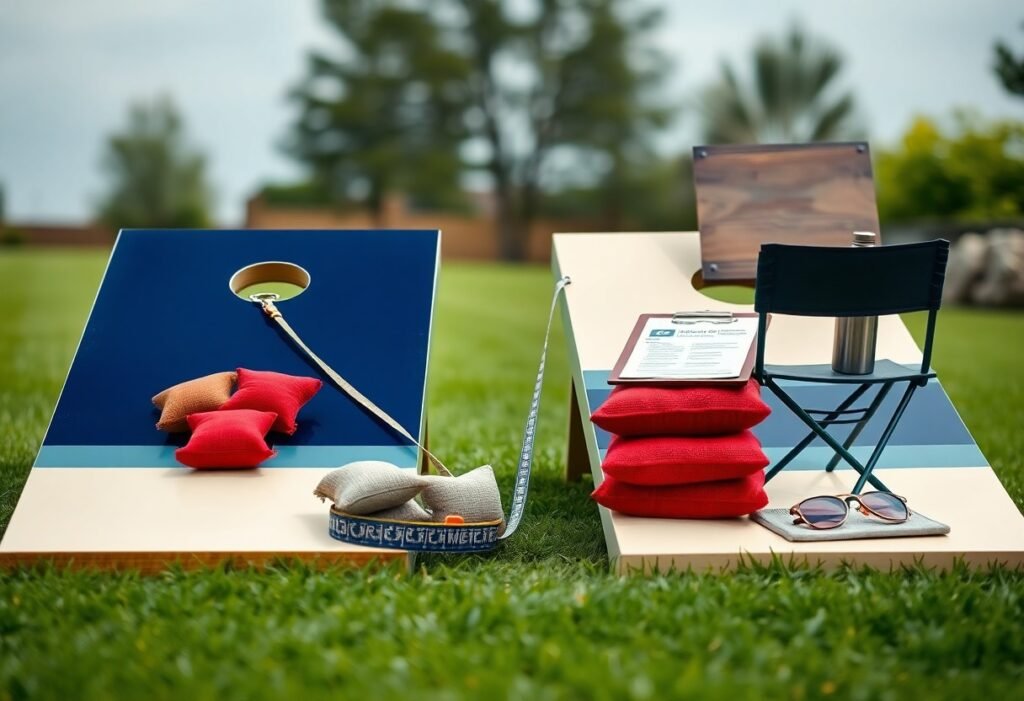
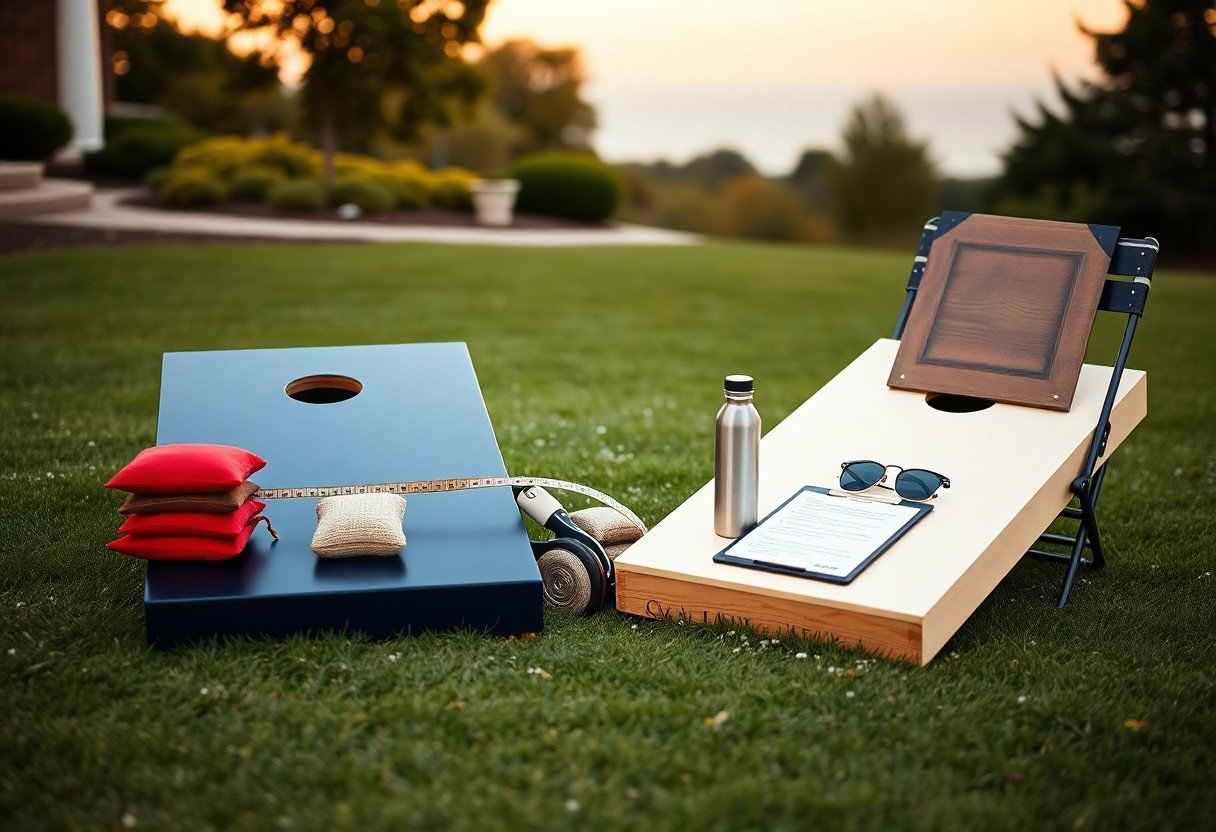
Register online ahead of time, print or screenshot your confirmation, and have a photo ID ready at check‑in. Bring your playing set plus at least one backup set of 4 bags, a measuring tape, and a pen for score cards. Expect to play 3-6 rounds in a day depending on format; pack water, sunscreen for outdoor events, and a small towel so you stay ready between matches.
Conduct on the Court
While on court you must stay silent during opponents’ throws, wait until all four bags are thrown before approaching the board, and remain behind the foul line (usually the front edge of the board) when delivering. Announce scores clearly and accept official calls; coaching is limited to between frames and aggressive disputing can earn warnings or forfeits. Keep phones on silent and avoid obstructing sightlines for scorers and spectators.
Foot faults are enforced strictly: a violation generally voids that throw and can swing a close match, so check your stance every round. If a scoring dispute occurs, signal the tournament director within 2 minutes-many events maintain a short protest window and issue two warnings before harsher penalties. Noise policies and equipment damage fees vary, so follow posted rules to avoid penalties or replacement charges.
Social Etiquette
Friendly Competition
You should treat friendly games like short exhibitions: most casual matches use first-to-21 scoring, you alternate throws, and keep a brisk pace so groups cycle quickly. Offer light banter but avoid shouting, sudden movements, or phone flashes that can break someone’s concentration. When matches drag, propose a time or score cap (for example, 30 minutes or to 21) so everyone gets turns and the social flow stays positive.
Celebrating Wins and Losses
After a match, acknowledge opponents with a quick handshake or high-five; congratulating the other team maintains goodwill even after a lopsided score. Avoid prolonged taunting or gloating-many leagues and tournaments warn or penalize poor sportsmanship. Offer a concise “good game,” suggest a rematch, or invite everyone to share a drink so the mood stays friendly and inclusive.
If you win, keep celebrations under about 30 seconds and help gather bags; excessive revelry can inflame spectators and players. If you lose, take a breath and log 2-3 takeaways-release timing, stance, or aim-to practice before your next game. Also thank organizers and follow any referee guidance: consistent sportsmanship preserves invitations to future events and your reputation in the community.

Equipment Standards
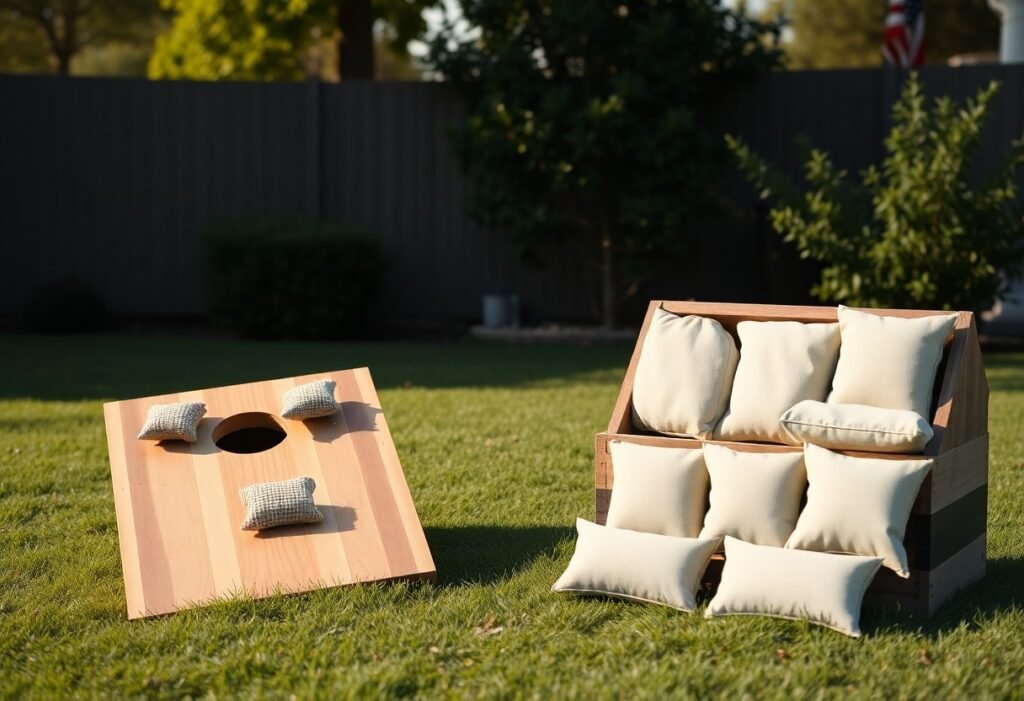
When you play, use regulation gear: a 48″ x 24″ board with a 6″ hole centered 9″ from the top and a back height near 12″, plus bags that measure 6″ x 6″ and weigh ~16 oz. Tournament rules vary, so consult the Official Cornhole Rules and Gameplay before buying to ensure your setup meets event specifications.
Proper Bag and Board Specifications
If you want consistent throws, choose bags that are 6″x6″ and ~16 oz, filled with corn or synthetic pellets; pro players often pick triple-stitched duck cloth for grip. Boards should be smooth, 48″x24″ plywood with a sanded finish and the hole 9″ from the top to match regulation play-small deviations in size or surface dramatically change angle and scoring behavior.
Maintenance and Care
To keep performance steady, store boards indoors and avoid prolonged dampness; warped or delaminated boards produce unpredictable bounces and are dangerous to competitive integrity. Replace bags that lose weight or develop frayed seams, and wipe surfaces after each use to remove dirt and oils that alter slide and grip.
Inspect your equipment quarterly: check for loose screws, hairline cracks, or delamination and repair with wood filler; then reseal boards with two coats of clear polyurethane to guard against moisture. Wash bag covers on a gentle cycle and air-dry, and weigh bags periodically-if any bag differs by >1 oz from the set, rotate or replace it to keep play fair and consistent.
Common Etiquette Pitfalls
Common pitfalls often stem from small habits that escalate: late starts that throw the bracket, players stepping past the 27′ foul line while releasing, and spectators talking while opponents are pitching. Since many local leagues use first-to-21 scoring and strict time windows, these slip-ups can cost games or invite warnings. You should enforce simple rules-timers, designated bag retrievers, and a clear boundary-to keep matches moving and fair.
Distractions during Play
Phones ringing, music blaring, and children darting between lanes break concentration and shift momentum. You must put phones on silent and stand behind the foul line or at least 3-5 feet back; many tournaments require spectators to remain behind a designated zone. If interruptions persist during a string of throws, ask the host or referee to enforce silence so you and others can maintain consistent delivery.
Cheating and Fair Play
Altering bags, moving boards, or misreporting scores undermines the sport and leads to penalties or ejection in organized play. You should call out obvious violations calmly-pointing to a shifted board or a changed bag texture-and request an impartial scorekeeper when disputes arise. Many leagues treat tampering as a serious offense, with repeat offenders facing suspension or removal from standings.
To prevent tampering, tournaments commonly use a 20-30 second shot clock, pre-match bag inspections, and neutral scorekeepers; directors also mark board positions to detect movement. You can protect your match by photographing board placement and bags before play, agreeing on a scorer, and reporting suspicious behavior immediately to organizers so incidents are logged and investigated.
Final Words
Ultimately you should prioritize sportsmanship, fair play, and clear communication to keep games enjoyable for everyone; maintain pace, care for equipment, respect scoring and opponents, and be ready to help new players learn the rules so your games stay friendly, competitive, and fun.
FAQ
Q: What should I do when I arrive at a casual cornhole game?
A: Arrive a few minutes early to offer help setting up boards and distributing bags. Confirm the playing distance, foulline, and any house rules (scoring method, match length, sudden-death). If you move or adjust boards, check with opponents first. Volunteer to take the first score or handle the coin flip; courteous setup keeps play smooth and reduces confusion.
Q: How is scoring handled so everyone stays on the same page?
A: Agree on scoring at the start (cancellation scoring vs. count-all) and designate a visible scorekeeper or rotate score duties each game. Announce each round’s results out loud so both teams hear (e.g., “Two on the board, cancellation nets one”), and update the score immediately. If there’s a dispute, stop play, discuss calmly, and use a replay or coin flip if needed to resolve the round.
Q: What are the proper rules for throwing order and positioning?
A: Alternate throws with your opponent; teammates stand opposite each other on the same side. Do not step over the foul line while throwing. Stand still and quiet while an opponent releases a bag, and avoid blocking their line of sight. When not throwing, stand to the side or behind the boards to keep the throwing lane clear.
Q: How should spectators and non-players behave during matches?
A: Spectators should stay behind the playing area, keep noise to a minimum during throws, and avoid coaching unless asked. Keep children and pets away from the flight path and playing surface. Applaud good shots and avoid disruptive behavior like retrieving bags mid-turn or crowding the boards.
Q: How do players handle disagreements, sportsmanship, and cleanup after play?
A: Resolve disagreements calmly using agreed rules or a neutral third party; if no consensus exists, use a short replay or coin flip to move on. Show good sportsmanship by congratulating opponents and avoiding taunting. After the game, return bags to their case, stack or store boards as found, and pick up trash. Offer to help the host put equipment away if playing at a private venue.