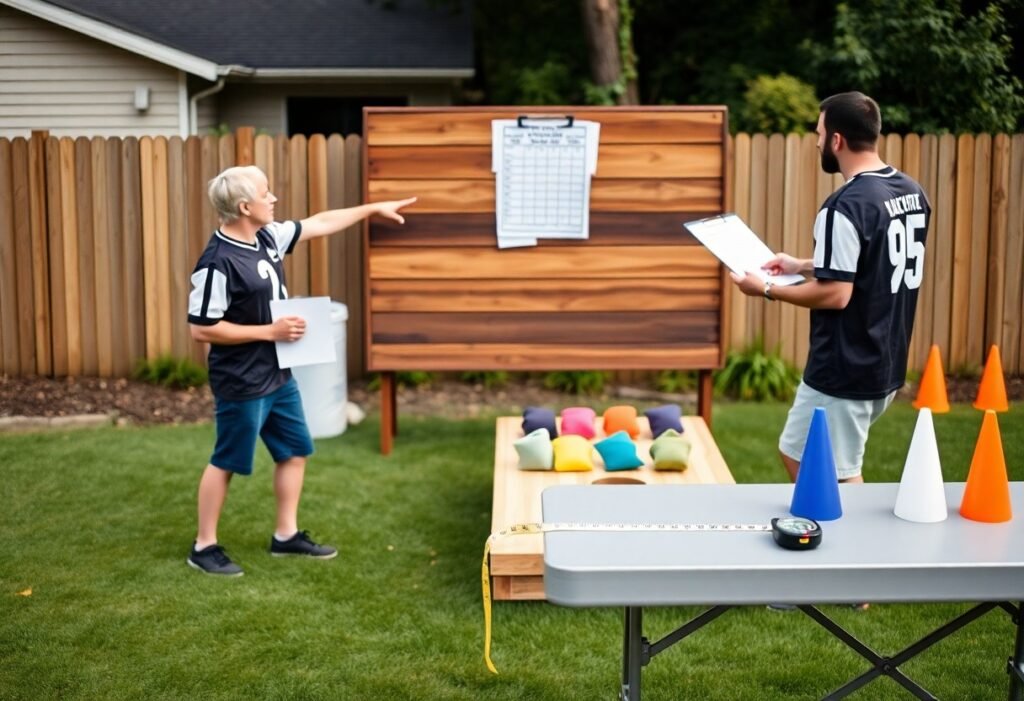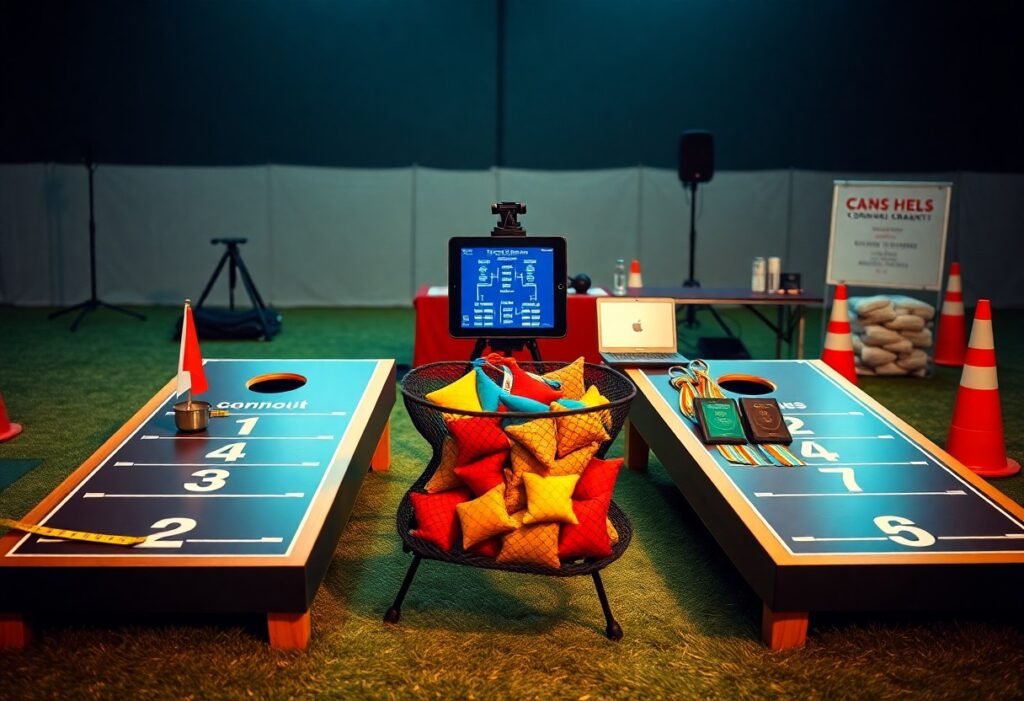


Over time, you’ll see how your scoreboard and accessories shape game flow and fairness: accurate digital scoring reduces disputes, rugged construction survives outdoor play, and clear visibility speeds rounds; beware fading displays or unreliable sensors that can provoke heated disagreements-select options that match your playstyle, weather needs, and portability so your matches stay smooth and competitive.

Key Takeaways:
- Choose durable, weather-resistant scoreboards that are lightweight and portable for easy transport and outdoor play.
- Prioritize features you need: visible LED or manual scoring, long battery life, Bluetooth/app integration, and simple controls for quick score tracking.
- Complement scoreboards with quality accessories – regulation bags, carrying cases, replacement parts, and mounting or storage solutions for longevity and tournament compatibility.
Importance of a Good Scoreboard
When you pick a reliable scoreboard, your matches stay organized and disputes drop: accurate scoring keeps 21-point games fair, LED displays offer visibility up to 100 feet, and weather-resistant housings protect electronics from rain and sun. Avoid units with exposed wiring or poor seals that can short out during outdoor play.
Enhancing Game Experience
By adding features like built-in timers, sound cues, and team name displays you make casual play feel tournament-ready; digits of at least 4 inches improve readability across a backyard or park, and LED brightness settings prevent glare during noon sun. Digital scoreboards with quick-reset buttons speed up rounds-most leagues aim for 10-15 minute match turnover in events.
Keeping Accurate Scores
For cornhole’s cancellation scoring and 21-point wins you need a scoreboard that records net points and prevents accidental overwrites; physical scoreboards often rely on manual flips, while digital units can lock entries and timestamp changes so you can audit a disputed 21-20 finish.
If you’re running a league, choose scoreboards that sync with scoring apps or export CSVs so standings update automatically; rechargeable batteries offering 8-12 hours of runtime and overcharge protection reduce mid-event failures. Prioritize captive buttons and clear confirmation LEDs to lower manual-entry errors during noisy matches and long tournament days.
Types of Cornhole Scoreboards
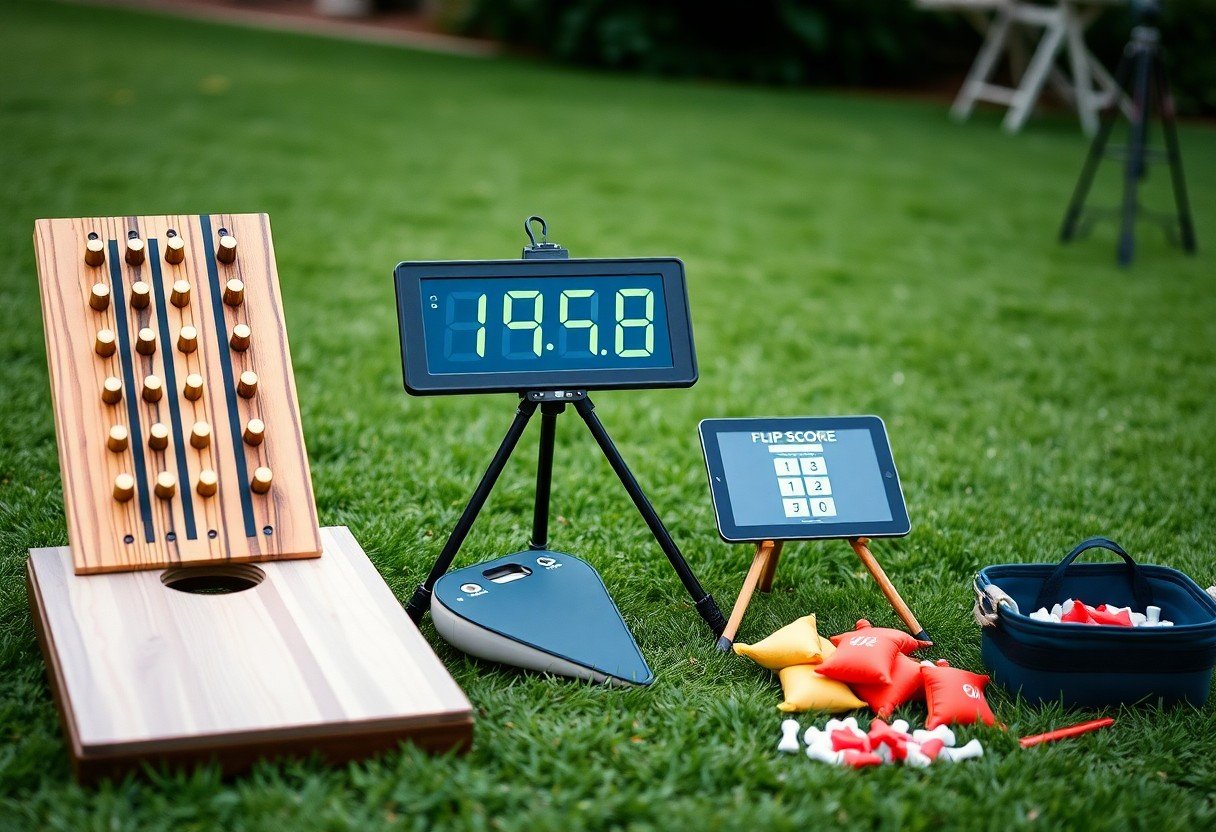
You’ll find several common styles of cornhole scoreboards that affect setup time, visibility, and durability: low-tech flip or chalk boards, magnetic sliders, dry-erase panels, battery-powered LED displays, and app-driven scoring. You should weigh portability, weather resistance, and how fast scores update during tournament play. After comparing features, pick the type that matches your event size and typical conditions.
- Traditional Scoreboards – flip cards, chalk, or peg systems
- Electronic Scoreboards – LED or LCD displays with battery power
- Magnetic Slider – tactile, durable, low-tech option
- Dry‑erase Panels – reusable, lightweight, easy to transport
- App‑Based Scoring – smartphone/tablet integration for stats
| Traditional | Simple flip/peg/chalk boards, minimal power needs, easy repairs in the field. |
| Electronic | LED/LCD displays offer instant updates, higher visibility at night, require power. |
| Magnetic Slider | Rugged sliders resist wind and drops; best for backyard play and travel leagues. |
| Dry‑erase | Lightweight and cheap to replace, but prone to smudging in humid conditions. |
| App‑Based | Offers stats, sharing, and brackets; depends on phone battery and connectivity. |
Traditional Scoreboards
You’ll appreciate traditional scoreboards for their reliability: flip cards, pegs, and chalk systems cost under $30-$80, require no batteries, and survive rough handling. You can repair or replace parts at a local hardware store, and the tactile feedback helps keep focus during loud matches. Be mindful of weather exposure-wood and untreated paint will degrade faster if left in rain.
Electronic Scoreboards
You can upgrade to electronic scoreboards for quicker, clearer scoring-many LED models display scores in large numerals readable from 50-100 feet and run on rechargeable batteries that typically last 8-20 hours depending on brightness. They often cost $80-$300 and add features like fault alerts and team toggles, but you should plan for charging and occasional firmware or component issues.
In practice, electronic units vary: some use simple seven‑segment LEDs, others pair with Bluetooth apps for remote control and stat tracking; models with IP65 ratings resist light rain, while cheaper units may fail in moisture. You should test brightness at dusk, confirm battery runway for your longest event, and verify spare-part availability. After you evaluate power, visibility, and repairability, choose the electronic model that aligns with your tournament frequency and budget.
Features to Look for in Cornhole Scoreboards
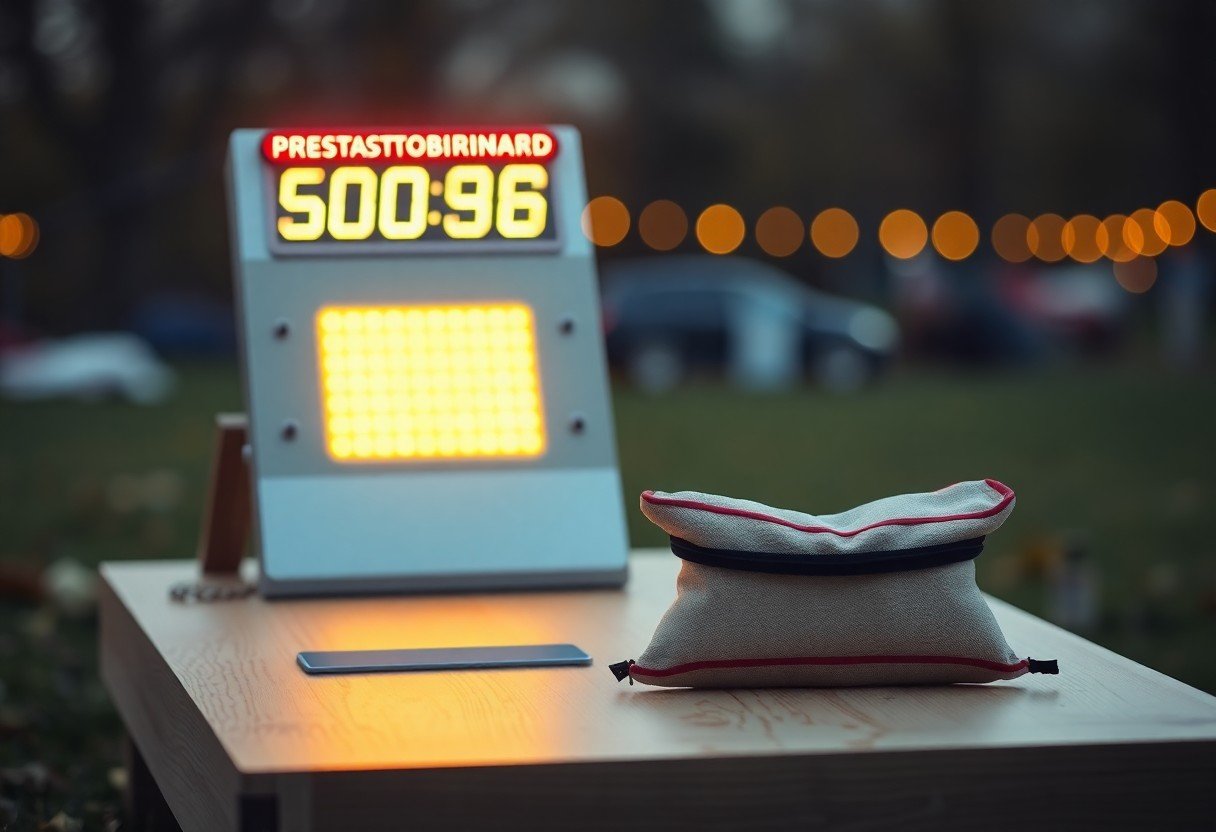
You want excellent visibility (large LEDs or high-contrast printed numbers), reliable power (look for USB-C charging and 10+ hour battery life), and clear scoring controls-wireless Bluetooth remotes or tactile knobs. Also prioritize weather resistance like an IP65 rating for outdoor play, easy mount options, and models that balance features with a lightweight build for transport.
Durability and Material
You should choose powder-coated steel or anodized aluminum frames and UV-stabilized ABS or marine-grade plywood faces to resist warping. Opt for stainless fasteners and sealed electronics; avoid exposed wiring or non-sealed batteries that invite moisture damage. Manufacturers that advertise a 3-5 year finish warranty and impact-tested housings usually outlast cheaper plastic units in regular backyard and tournament use.
Portability and Design
You’ll appreciate fold-flat scoreboards under 8 lbs with integrated handles, quick-release legs, and a padded carry case. Compact footprints (folded thickness under 3″) and one-handed setups that take under 30 seconds make transport between tailgates or parks painless while preserving tournament-ready stability.
Delving deeper, look for practical design details: a folded footprint around 30 x 12 x 3 inches, reinforced hinges, and stackable profiles for trunk storage. Prefer models with removable battery packs, USB-C charging, and 10-20 hour runtime so you can play multiple matches without swapping power. Also check for anti-slip feet and strap-mounted remotes to prevent loss during events.
Recommended Cornhole Scoreboards
When you evaluate scoreboards you should prioritize readability, portability, and weather resistance: choose LED displays with 300-500 nits brightness, or magnetic dry‑erase boards for quick manual tracking. Aim for units under 3 lbs with an IP54+ rating and battery life between 10-40 hours depending on use. Expect tradeoffs-cheap plastics may warp and cause slips, which is dangerous for competitive matches-so favor robust housings and secure mounting systems.
Top Picks for Beginners
For casual play you’ll want simple, affordable models: a flip/manual scoreboard (~$20-$35), a magnetic dry‑erase board with numbered sliders (~$30-$50), or a basic portable LED scoreboard (~$60-$120). These options offer easy setup, markers that won’t blow away, and weights under 2.5 lbs for transport. Choose clear, high‑contrast numerals and protective sleeves so your scoreboard lasts through rain and frequent backyard use.
Best Options for Professionals
For tournament play select electronic LED scoreboards with wireless syncing (range up to 300 ft), shot‑clock and bracket modes, rechargeable Li‑ion packs (typically 10-20 hours), and rugged aluminum housings; prices commonly range $300-$1,200. Pick units with anti‑glare panels and visible digits at 50+ ft so officials and spectators can read scores instantly; prioritize tournament‑certified models when available.
Dig deeper into pro features: you’ll want ACO‑approved or equivalent certification, Bluetooth/app integration for live brackets, OTA firmware updates, and IP65 water resistance for outdoor events. Also verify serviceability-replaceable batteries, spare LED modules, and quick‑mount clamps reduce downtime at events and keep your setup competition‑ready.
Essential Cornhole Accessories
You’ll want reliable scoring and gear to keep tournaments running smoothly; digital displays remove manual errors and speed play. For a portable, league-ready option check Cornhole Scoreboard – The Best Cornhole Accessory, which many players prefer for its 20+ hour battery life and weather-resistant housing that keeps score visible in varied conditions.
Cornhole Bags
You should choose regulation 6×6-inch bags at roughly 16 ounces for tournament play, picking duck cloth for grip or microfiber for slide depending on surface. Many players opt for resin-filled bags to avoid humidity-related weight shifts; rotating sets every season preserves stitching and consistent performance during league matches.
Carrying Cases
You’ll want a case sized for standard 48×24-inch boards; most hold two boards plus up to eight bags and offer thick padding, reinforced zippers, and shoulder straps. Wheeled hard cases speed transport between venues, while collapsible soft cases save storage space at home.
Compare soft vs hard: ballistic-nylon soft cases typically weigh 3-5 lbs and cost $30-$70, whereas molded polyethylene hard cases run $80-$200 and weigh 10-20 lbs but provide impact protection for travel. Prioritize lockable zippers, drainage vents to prevent moisture buildup, and external pockets so your scoreboard, stakes, and lights are ready in under five minutes.
Tips for Maintaining Your Scoreboard
Keep a predictable maintenance rhythm: you should inspect hardware, electronics, and power sources after every tournament or every 10 matches. You can use a checklist to track battery health, loose screws, and display calibration; replace batteries every 18-24 months and keep a spare charged. You should also limit direct sun exposure to under 6 hours and avoid puddles. This small routine can extend your scoreboard‘s life by as much as 40% over five years.
- Battery care: charge monthly if idle, replace every 18-24 months
- Protective cover: use padded case and UV-resistant cover for outdoor storage
- Firmware & calibration: update quarterly and run a quick accuracy check before play
- Hardware checks: tighten mounts and test connectors after 10 matches
Cleaning and Storage
Before cleaning, power down and remove batteries; then wipe LED panels with a soft microfiber and mild soapy water-never spray liquids directly. For sticky residue use 70% isopropyl on a cloth and avoid abrasive pads or bleach that can damage finishes. When storing, you should keep the unit in a padded case at 40-70°F with humidity under 60% and remove batteries for storage longer than 30 days to prevent leakage.
Regular Checks and Updates
You should perform visual and functional checks monthly or after every 10 matches: test buttons, connectors, speaker, display brightness, and score accuracy. Keep a log of firmware versions and serial numbers; install manufacturer updates roughly every three months to fix scoring drift and power bugs. Replace any frayed cables immediately and carry a spare USB/connector for quick swaps.
When updating firmware, you should back up custom settings, ensure the scoreboard is at >50% charge, and use the manufacturer’s app or official cable on a stable connection. After an update, run a full calibration and a 5-minute stress test with simulated matches to confirm stable scoring; record results in your maintenance log and note any anomalies for warranty claims.
Summing up
From above you can assess the best cornhole scoreboards and accessories to suit your play: choose durable, weatherproof scoreboards with clear displays, easy mounting, and simple controls; pair them with balanced bags, lighting for night games, protective cases, and portability options. Prioritize compatibility with your boards and rules so your setup performs reliably and improves every match.
FAQ
Q: Which type of cornhole scoreboard is best for visibility and ease of use?
A: LED and electronic scoreboards offer bright, easy-to-read displays, automatic scoring with remotes or sensors, and app integration for tracking matches; choose them for night play, tournaments, or spectator events. Manual scoreboards (magnetic sliders, dry-erase, or flip boards) are lightweight, low-cost, and require no power-good for casual backyard play and travel. Consider viewing distance, display size, battery life, waterproofing, and whether you need wireless sync or tournament-grade accuracy when deciding.
Q: What accessories meaningfully improve cornhole gameplay and scoring consistency?
A: Helpful accessories include regulation bean bags, measuring tapes or laser measurers for disputed scores, score remotes or wireless transmitters, LED board lights or clip-on lamps for evening games, carrying cases for boards and scoreboards, weatherproof covers, and dedicated bag racks or storage. Smartphone scoring apps and Bluetooth-enabled boards speed up bracket management and reduce manual errors. Pick accessories based on frequency of play, portability needs, and whether you host events.
Q: How do I choose a scoreboard for tournament play versus casual backyard use?
A: For tournaments, prioritize durable, regulation-compliant scoreboards with accurate numeric displays, stable mounting, long battery life or AC power, anti-glare screens, and reliable wireless syncing or remote control features. For casual play, value portability, low weight, simple manual operation, and affordability. If you plan to host leagues, opt for models compatible with scoring apps and easy-to-transport stands or mounting hardware.
Q: What maintenance and protection steps keep electronic scoreboards functioning longer?
A: Keep electronics dry and store them in padded cases when not in use, clean displays with a soft, lint-free cloth and manufacturer-approved cleaners, remove batteries or disconnect power for long-term storage, update firmware if supported, inspect connectors and buttons regularly, and use protective covers during outdoor play. Avoid direct sunlight for prolonged periods to prevent screen damage and confirm waterproof ratings before using in damp conditions.
Q: Are there good DIY scoreboard or upgrade options if I want custom features?
A: DIY options include building a wooden or acrylic board with magnetic sliders or a chalkboard surface, adding LED strips behind translucent numbers for backlit displays, or using a microcontroller (Arduino/Raspberry Pi) plus an LED matrix and Bluetooth module to create a custom digital scoreboard with app control. You can retrofit manual boards with clip-on lights, battery-powered numeric LED panels, or attachable remote receivers to automate scoring. Ensure any DIY electronics are weatherproofed and safely enclosed.