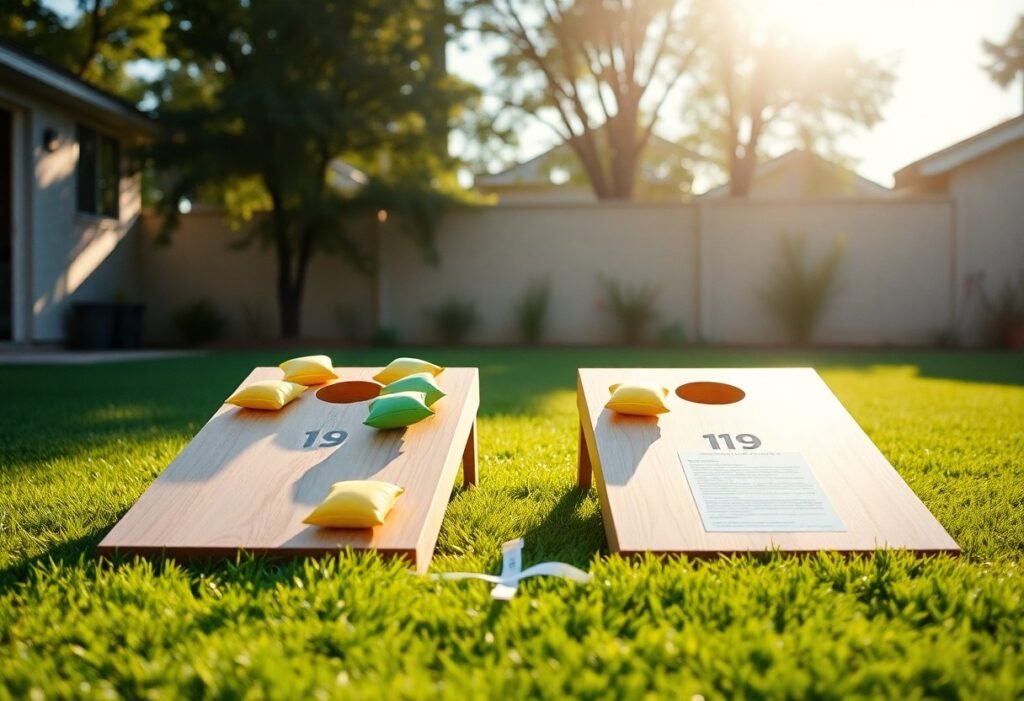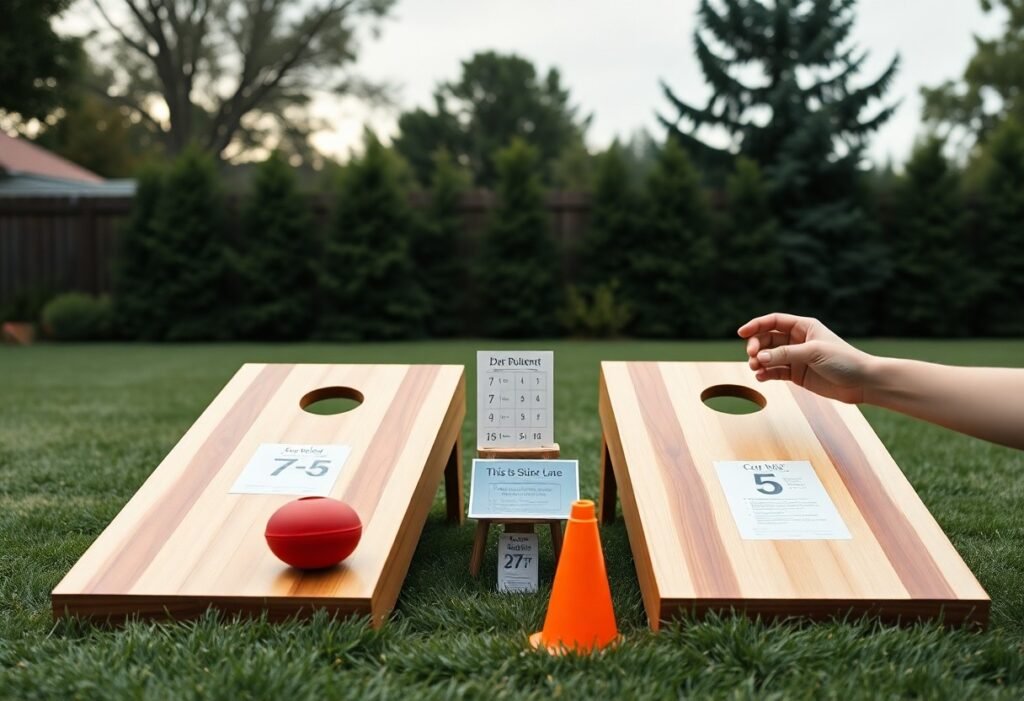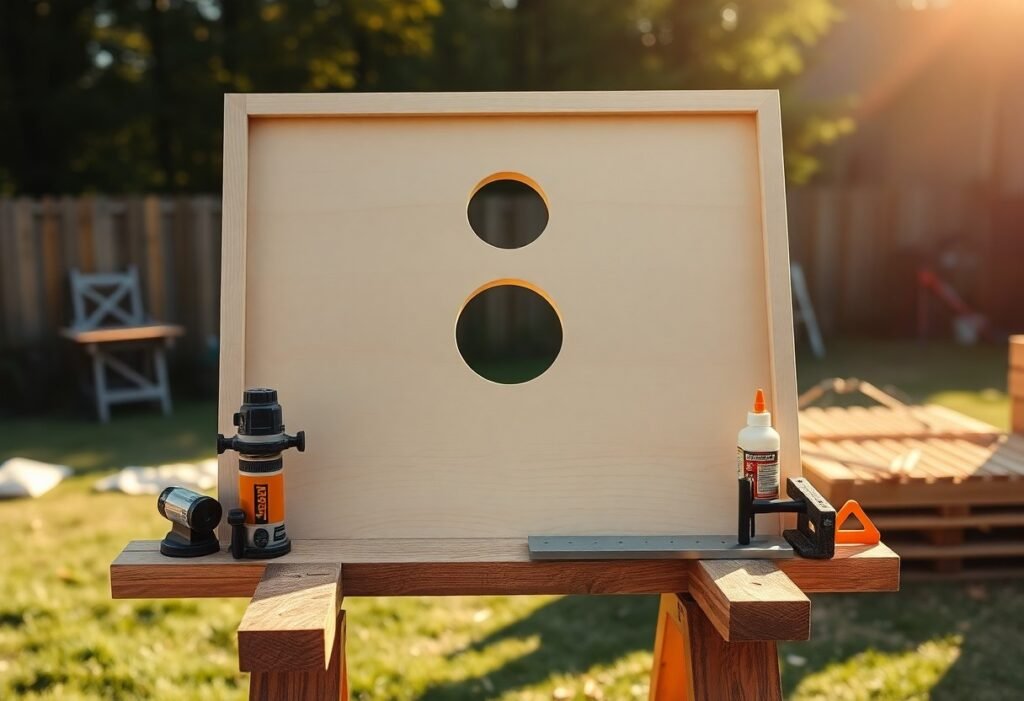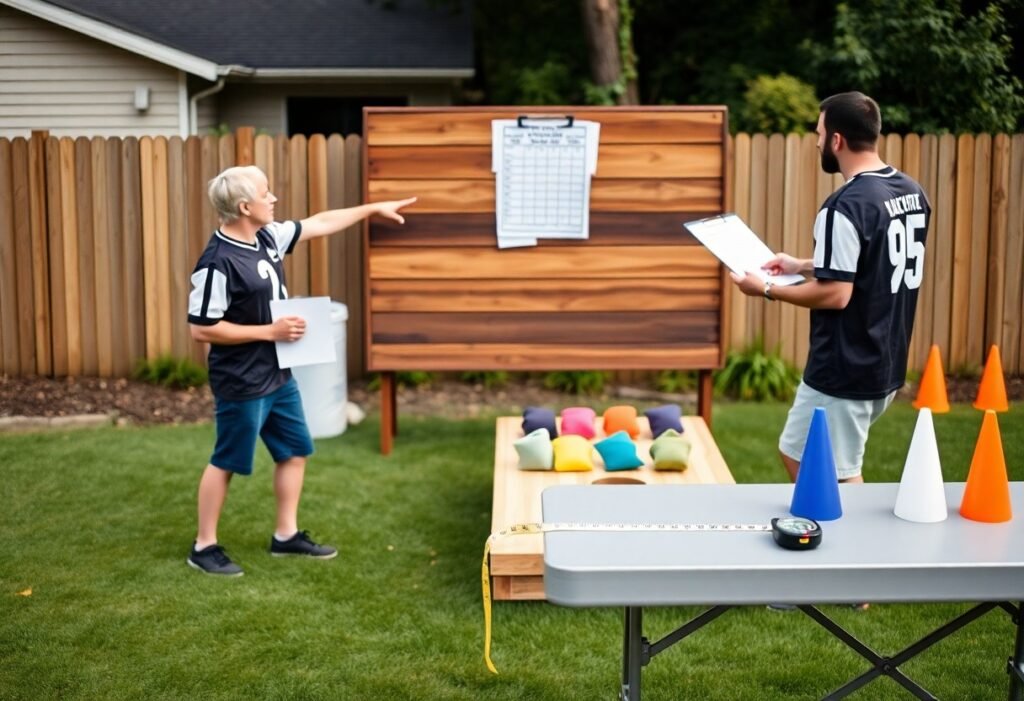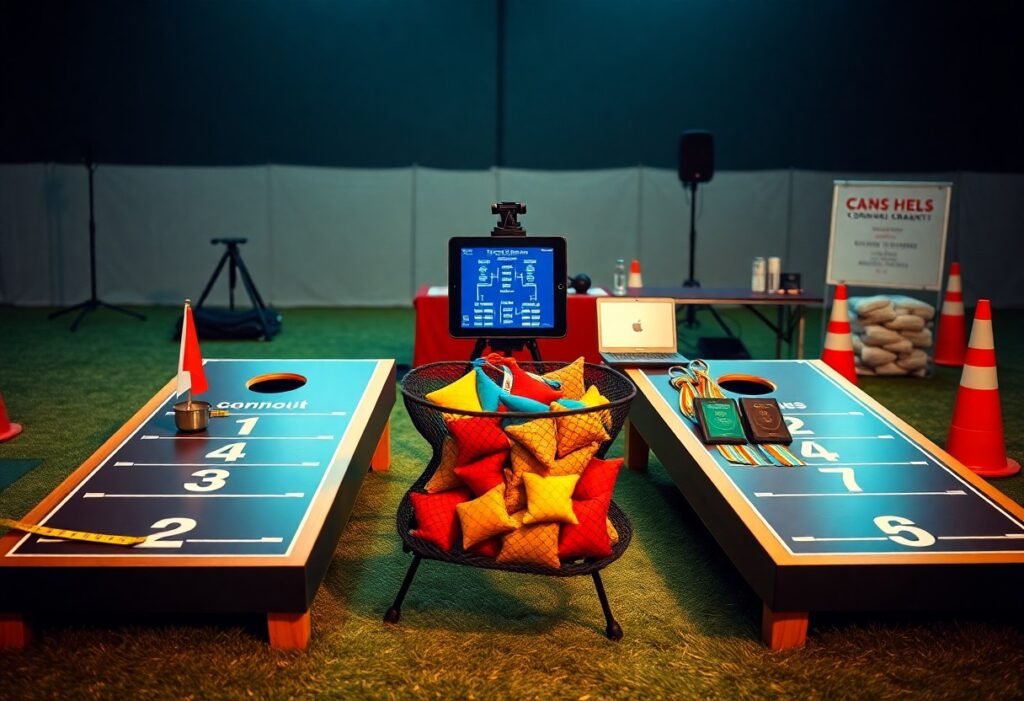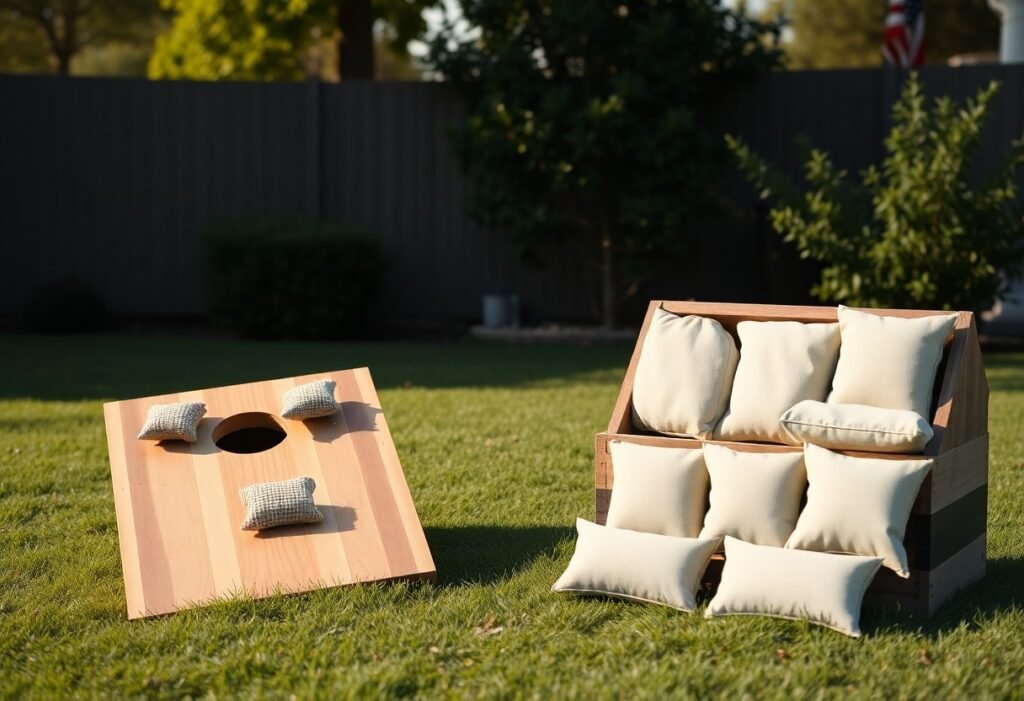

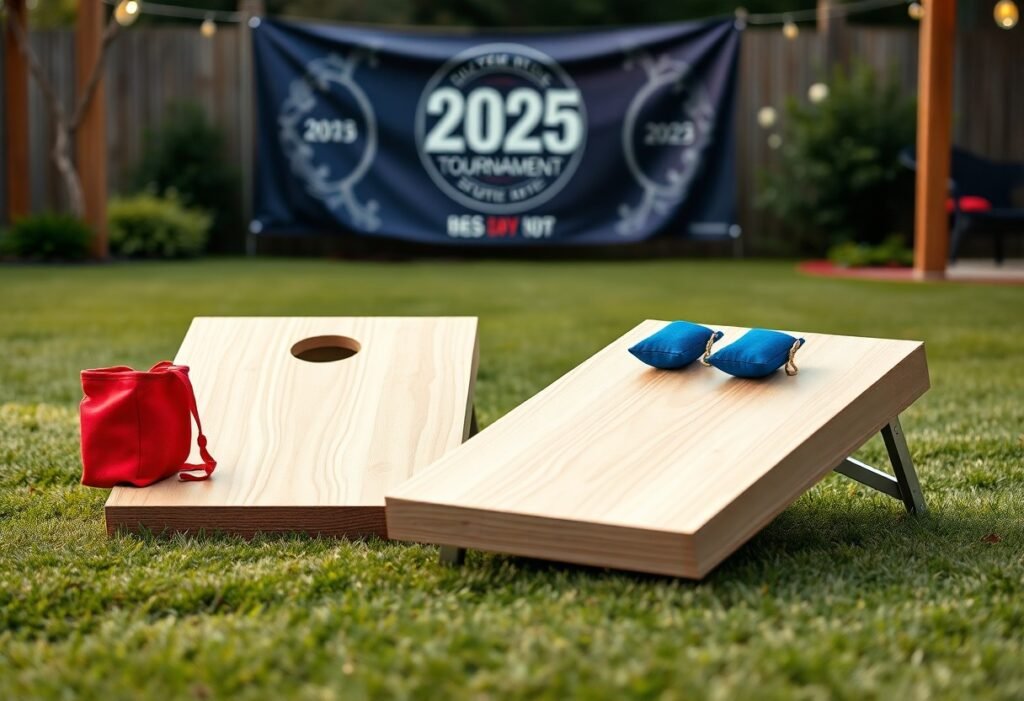
You should choose cornhole boards that balance playability and durability; prioritize tournament regulation size and hole placement for competitive use, and weather-resistant, sturdy construction for backyard longevity. Inspect for loose hardware, warped boards, or sharp edges that can cause injury or inconsistent throws. Select solid materials and even surfaces so your games – casual or competitive – remain fair, safe, and enjoyable.
Key Takeaways:
- Use regulation-size boards (48″×24″ with a 6″ hole centered 9″ from the top) and ACA/USA Cornhole-approved construction for tournament play.
- Choose durable playing surfaces-Baltic birch or tournament-grade plywood with a smooth, weatherproof finish; composite or folding-frame options improve portability for backyard use.
- Prioritize consistent surface glide and a sturdy, square frame: reinforced, heavier boards offer tournament stability while lighter, portable models suit casual backyard play.

Understanding Cornhole Board Regulations
Tournament Standards
For sanctioned play you must use 48″×24″ boards with a 6″ hole centered 9″ from the top and set the throw line 27′ from board front to board front. You should opt for ACA/USA Cornhole-approved construction-smooth, sealed 1/2″-3/4″ plywood tops and consistent frames-to ensure predictable slide and scoring; tournament bags are typically 6″×6″ and about 15-16 oz, so nonstandard equipment risks disqualification.
Backyard Game Specifications
You can relax many specs for casual play: shorten the distance to 21′ (or 15′ for children), use smaller 36″×24″ boards or foldable designs, and choose lighter 1/4″-1/2″ plywood or MDF for portability; expect different roll and bounce, and consider lighter bags for easier tossing and quicker setup.
To tailor boards for families, make them 36″ long while keeping the hole centered on the width about 9″ from the top, seal surfaces with exterior paint, and round edges to avoid splinters; reinforce legs to prevent tipping and use marine-grade materials or covers in wet climates to extend lifespan and keep play consistent.
Materials Used in Cornhole Boards
Materials range from 3/4″ Baltic birch plywood used on tournament tops to HDPE and PVC composites built for outdoor play. You’ll see regulation boards commonly built with 3/4″ tops and reinforced frames weighing about 30-40 lb per board, while composite backyard options often weigh 15-25 lb and resist moisture and UV. Manufacturers pair polyurethane or epoxy finishes with aluminum or steel frames for added rigidity and longevity.
Wood vs. Composite
Wood gives you a truer, faster bounce-best example: 3/4″ birch or maple tops with smooth poly finish used in sanctioned play-while pine and MDF are cheaper but prone to warping. Composites like HDPE or weatherproof molded surfaces let you leave boards outdoors and typically come with 3-5 year warranties; they trade a slightly different feel for consistent, low-maintenance performance.
Durability and Weather Resistance
Exposure to moisture and UV is what will make your wooden boards warp, delaminate, or grow mold, sometimes within weeks if left unsealed; composites avoid that by design. You should expect wood to need regular sealing and indoor storage, whereas a UV-stable HDPE board can be left outside with minimal degradation over multiple seasons.
For wood, use exterior-grade 3/4″ plywood, seal edges with marine epoxy, then apply 2 coats epoxy primer and 2-3 coats of spar urethane; silicone bead joints where the top meets the frame. For composites, choose HDPE with UV inhibitors and ventilate under covers. Store boards off damp ground, keep indoor humidity below ~60%, and verify manufacturer warranty (many offer 3-5 years) before buying.
Key Features of Quality Cornhole Boards
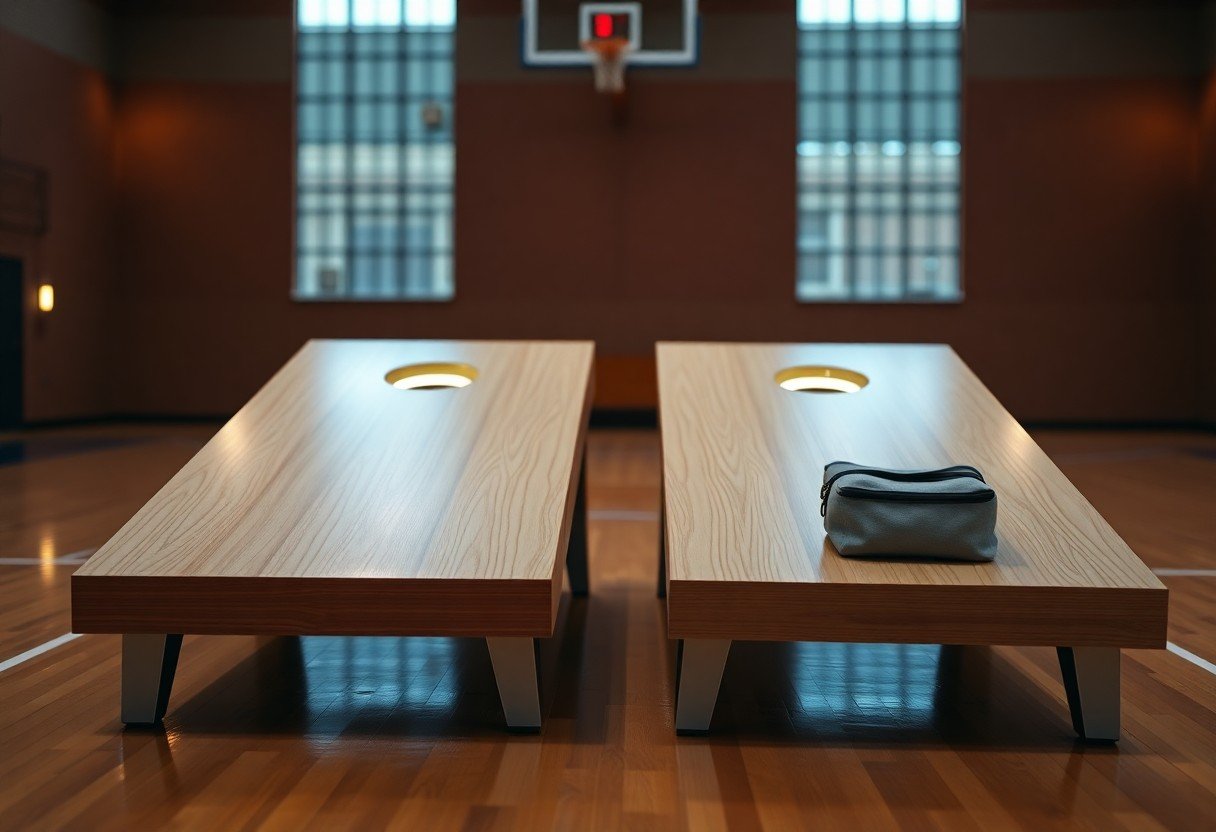
When evaluating boards you should focus on measurable qualities that affect every toss: regulation dimensions produce predictable arc and scoring, while solid joinery and straight edges prevent wobble and inconsistent bounces. Choose materials that resist warping-especially in humid climates-and finishes that balance bag slide with stopping power. For backyard play you can relax some tolerances, but for tournament setups you must meet ACA/USA specs. This ensures consistent, repeatable play across sessions.
- Regulation size: 48″×24″ board and 6″ hole centered 9″ from the top for sanctioned play.
- Material: 3/4″ birch or Baltic plywood top for stiffness and low warp; avoid particle board or MDF for tournament use.
- Surface finish: 3-5 coats of clear polyurethane (water- or oil-based) or marine varnish to protect and tune slide.
- Smoothness: sand to 220-320 grit between coats for predictable bag roll and friction consistency.
- Leg & frame stability: reinforced hinge/lock systems and bracing to keep the rear height ~12″ and front ~3-4″ without wobble.
- Weight & portability: target ~24-40 lbs per board for stability; built-in handles or folding legs speed transport.
- Dimensional tolerances: hold hole position and diameter within ±1/8″ for repeatable play and tournament legality.
- Weatherproofing: sealed edges, epoxy or marine-grade topcoat to extend outdoor lifespan and resist moisture-driven warping.
- Graphics & paint: use flexible, thin paints under clear coat so designs don’t crack or alter slide characteristics.
- Top-sheet options: interchangeable slick laminate versus textured surfaces let you tune playability between backyard and tournament conditions.
Size and Shape Considerations
Your boards should be 48″×24″ for sanctioned play with the 6″ hole centered 9″ from the top; set the rear edge about 12″ high and the front 3-4″ high to match official angles. Small changes in length, width, or hole placement significantly alter bag trajectory and scoring, so if you want tournament-accurate performance fabricate to ±1/8″ tolerances on critical dimensions.
Surface Texture and Finish
Your finish determines how bags slide and stop: sand the top to 220-320 grit, apply thin coats of clear poly (typically 3-5 coats), and test finish gloss-higher gloss gives more slide, satin/matte yields more bite. You can tune playability by adjusting grit and number of coats to match backyard conditions or tournament expectations.
For deeper control, start with a sealed 3/4″ plywood top, fill seams and edge grain with epoxy or a sanding sealer, then apply multiple thin poly coats, sanding between each with 220-320 grit for adhesion and consistency. Water-based polys dry faster and yellow less; oil-based offer slightly tougher films but amber over time-choose based on aesthetics and maintenance. Final gloss level matters: many tournament players prefer medium gloss for a balance of slide and stoppage, and you should validate with at least 10-20 test throws using different bag fillings to confirm the surface matches your intended play style.
Top Recommendations for Backyard Cornhole Boards
Prioritize boards that balance durability and playability: aim for a 48″×24″ surface with a 6″ hole, topped by 1/2″-3/4″ Baltic birch or exterior-grade plywood and supported by 2×4 or 2×3 frames. You’ll pay between about $120 and $800 depending on materials and finish; lighter, budget sets favor portability while heavier, sealed tops resist warping and deliver consistent slide for competitive backyard play.
Budget-Friendly Options
If you want sets under $150, look for prefab plywood boards or DIY kits with folding legs and melamine or vinyl laminates; many weigh 20-30 lbs and ship ready-to-play. You’ll accept trade-offs: thinner tops, less consistent surface speed, and a higher warp risk in damp climates, but these options let you outfit multiple lanes for parties without breaking the bank.
Premium Choices
For tournament-quality backyard play, choose boards priced from $300 to $800+ with 1/2″-3/4″ Baltic birch tops, sealed polyurethane finishes, and reinforced frames or aluminum rails for rigidity. You’ll notice more consistent toss behavior, professional-grade slide, and often an included warranty-features that justify the investment if you host regular competitive games.
Delving deeper, premium builds often weigh 30-45 lbs per board, use internal cross-bracing and CNC-cut surfaces for flatness, and offer adjustable leg heights to meet ACA/USA specs; expect delivery times of 1-4 weeks for custom finishes. You should prioritize sealed tops and solid corner joints to avoid splitting, and consider models with replaceable tops or a lifetime-refinish option to protect your long-term investment.
Best Cornhole Boards for Tournaments
For tournament play you should choose boards built to official specs: 48″×24″ surface, 6″ hole centered 9″ from the top, 4″ front and 12″ back height. Many competitors prefer Baltic birch tops and polyacrylic finishes for predictable slide and durability. If you want a turnkey option with pro construction, check Premium Cornhole Boards | Slick Woody’s Cornhole Co..
High Performance Boards
To maximize consistency you should pick boards with a 1/2″ Baltic birch top, 3/4″ internal bracing, and a smooth poly finish. Pro builders tune tolerances to within 1/8″ to avoid warping; weights typically run 25-35 lb per board for a stable feel. Look for replaceable tops, sealed edges, and anti-slip bases if you expect heavy tournament use.
Portable Options for Events
For events you need portability: choose folding-leg designs or split boards that break down to under 30 inches per section and often weigh 20-28 lb each. Quick-lock hinges and padded carry cases speed setup so your tournament runs on schedule, while many portable models still meet sanctioned size requirements.
Expect trade-offs: lighter frames and thinner tops improve transport but can flex under repeated throws, so you should prefer models with reinforced cross-bracing or optional travel cases. Also verify leg-lock durability, case padding, and availability of replacement tops-those details determine how well your boards hold up through dozens of events.
Maintenance and Care for Cornhole Boards
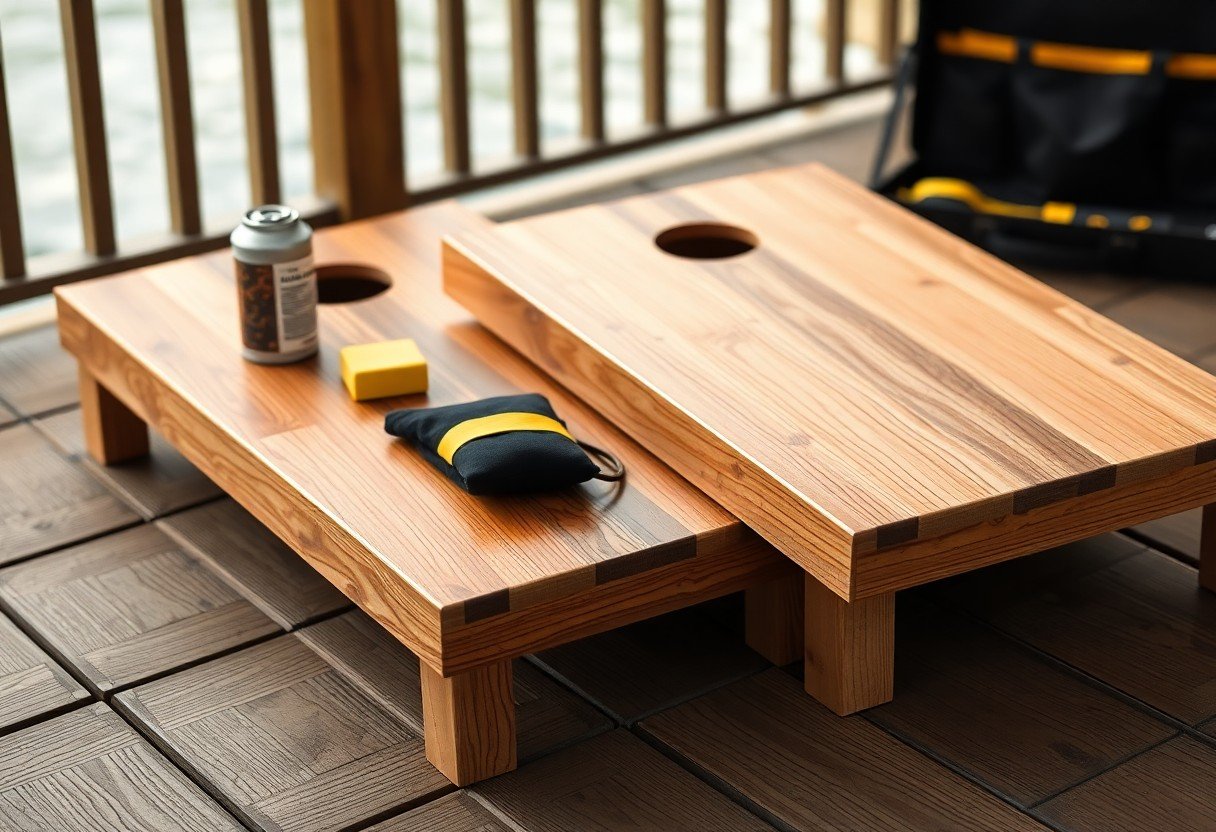
Regular upkeep prevents warping and keeps surfaces playable: sand rough spots with 220-grit, recoat varnish or polyurethane at least every 12 months or after 100+ outdoor sessions, and tighten hinges/legs before major play. You should check bolt torque (about 20-30 in·lb) and replace worn bags to avoid surface oil transfer. For tournament-grade boards, apply 2-3 coats of clear satin poly, sanding lightly between coats to maintain a consistent slide.
Cleaning Tips
Use warm water, a mild dish soap and a soft-bristle brush for routine cleaning; avoid bleach and harsh solvents that strip finishes. For stubborn stains, lightly sand with 220-grit and wipe with a damp cloth before recoating. Dry boards fully to prevent mold and water damage. Any spills left overnight can cause staining and finish failure.
- cleaning
- varnish
- polyurethane
- mold
- UV protection
Storage Solutions
Store boards in a climate-controlled area between 50-80°F and 40-60% humidity to minimize warping. Stand them upright with a 1-2 inch spacer to allow airflow, or lay flat on padded shelving if stacking. You should keep boards off concrete floors and away from direct sunlight to protect paint and clear coats.
For long-term storage, use breathable covers and include silica gel packs to control moisture; avoid plastic tarps that trap condensation. When transporting, use padded carry bags or wrap corners with foam to prevent dings. Inspect stored boards every 3-6 months and reapply a thin coat of finish if you detect dryness or surface checks to preserve playability.
Final Words
To wrap up, when selecting the best cornhole boards for backyard and tournament play in 2025 you should balance regulation dimensions, durable materials, weatherproof finishes, and portability so your setup performs competitively and lasts. Prioritize boards that suit your skill level, storage needs, and budget; with the right choice you’ll get consistent play, easy transport, and years of backyard enjoyment and tournament-ready performance.
FAQ
Q: What distinguishes tournament-grade cornhole boards from backyard sets?
A: Tournament-grade boards use regulation dimensions (24″ x 48″), a precisely cut 6″ diameter hole centered and positioned per league specs, and thicker, more stable materials-commonly 1/2″-3/4″ Baltic birch or hardwood plywood. Surfaces are sanded smooth and sealed with durable finishes (water-based or polyurethane or epoxy) to ensure consistent slide and scoring. Frames and legs are reinforced for rigidity and consistent play angle; many tournament sets are heavier and less portable than casual backyard boards because added mass improves stability and shot consistency.
Q: Which materials and finishes are best for backyard durability and weather resistance?
A: For backyard use choose marine-grade or exterior plywood, pressure-treated or composite boards, or aluminum-framed composite tops for superior weather resistance. High-build exterior paint plus multiple coats of UV-resistant, waterproof clear coat (water-based polyurethane or marine varnish) protects against moisture and sun. Sealed edges, corrosion-resistant hardware, and removable or folding legs help limit water intrusion. For frequent outdoor use, composite boards require less ongoing maintenance than bare wood.
Q: Are composite or plastic cornhole boards legal for tournaments?
A: Acceptance of composite or plastic boards depends on the tournament organizer. Many leagues and events allow composite-top boards as long as they meet regulation size, hole placement, and surface uniformity rules; some high-level or sanctioning organizations require wood tops or certified equipment. Always check the specific event or league rulebook (ACL, ACO, USCA, etc.) before assuming a board is tournament-legal.
Q: How should I maintain and store wooden cornhole boards to extend their life?
A: Keep boards dry and clean-wipe off dirt and moisture after play and let them air-dry before storing. Inspect and touch up chips or exposed edges with sandpaper and a matching exterior sealant or varnish. Reapply a fresh topcoat of outdoor polyurethane or marine varnish every season if used outdoors. Store boards flat or upright in a dry, ventilated area; use padded carry bags or covers to prevent dings during transport. Avoid prolonged sun exposure and never store boards while damp.
Q: What features should I prioritize when choosing a tournament-ready set in 2025?
A: Prioritize regulation size and hole placement, a consistent sealed playing surface with predictable slide, and a rigid frame with secure leg supports to maintain a fixed 12°-14° play angle. Look for quality hardwood or certified composite tops, corrosion-resistant hardware, and a weight that resists wind but remains transportable. Extras that matter: foldable/locking legs, integrated carry handles, protective travel cases, and manufacturer or league certification if you plan to compete in sanctioned events.