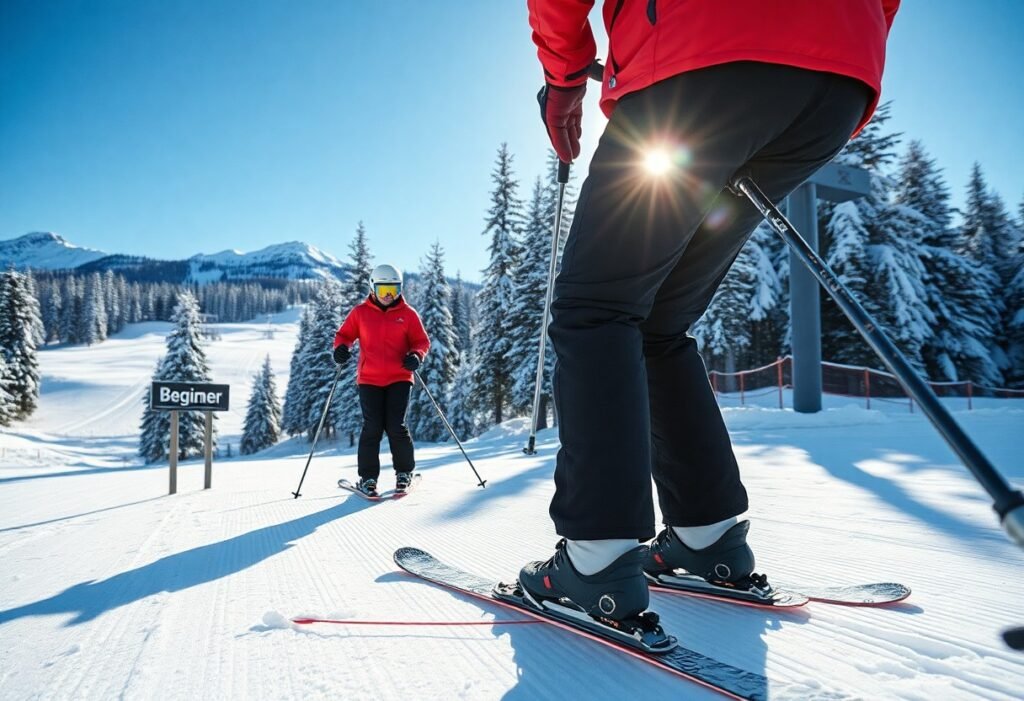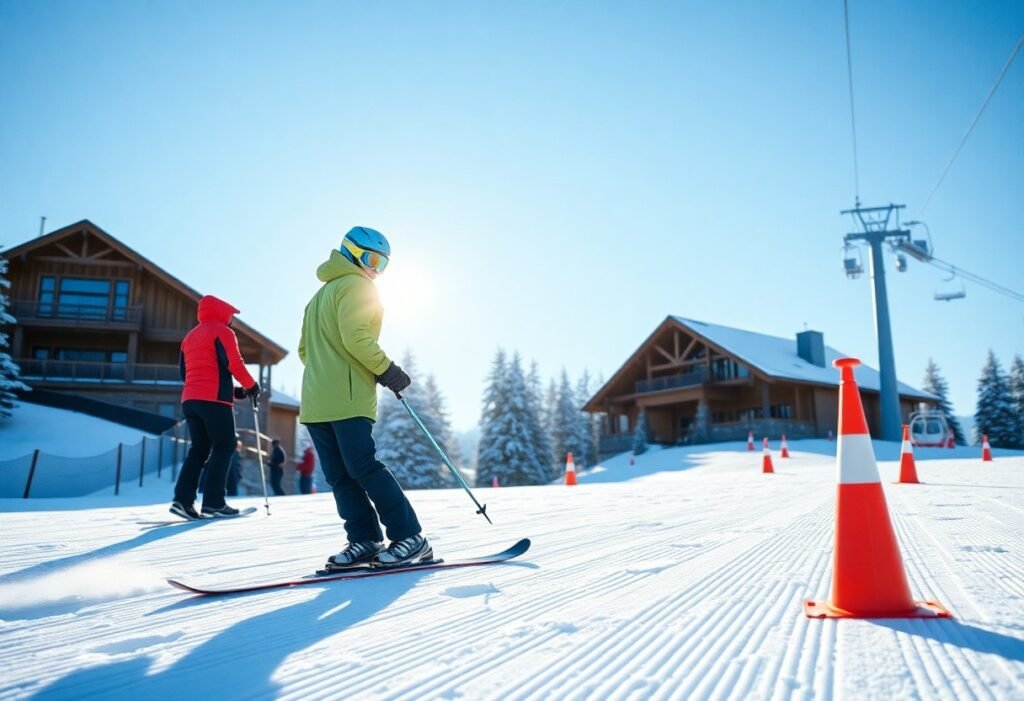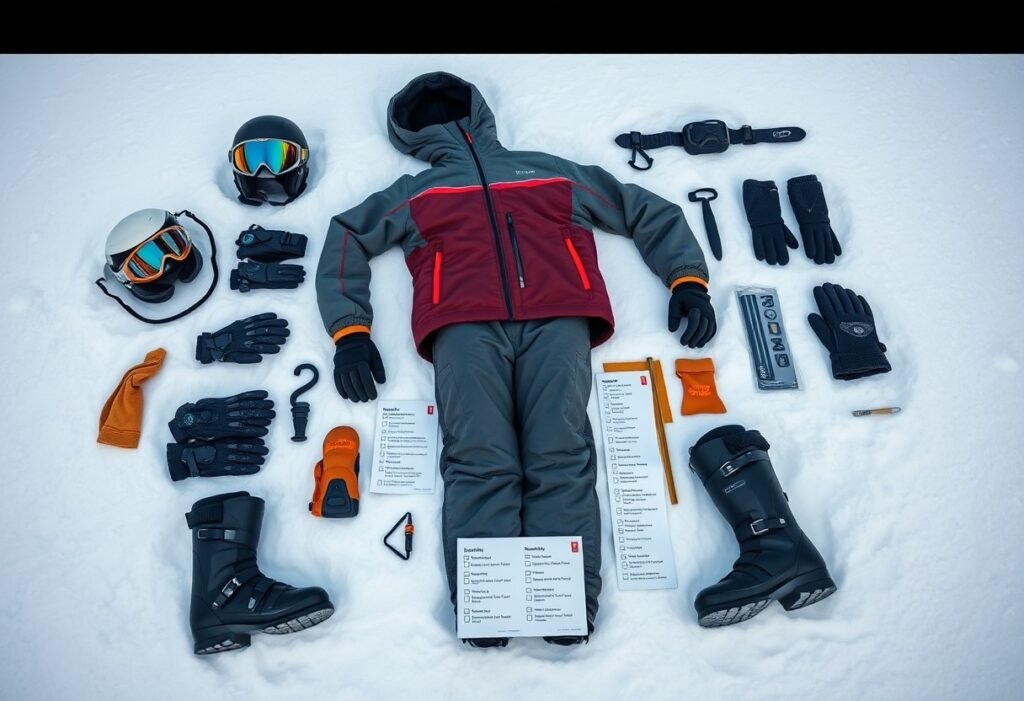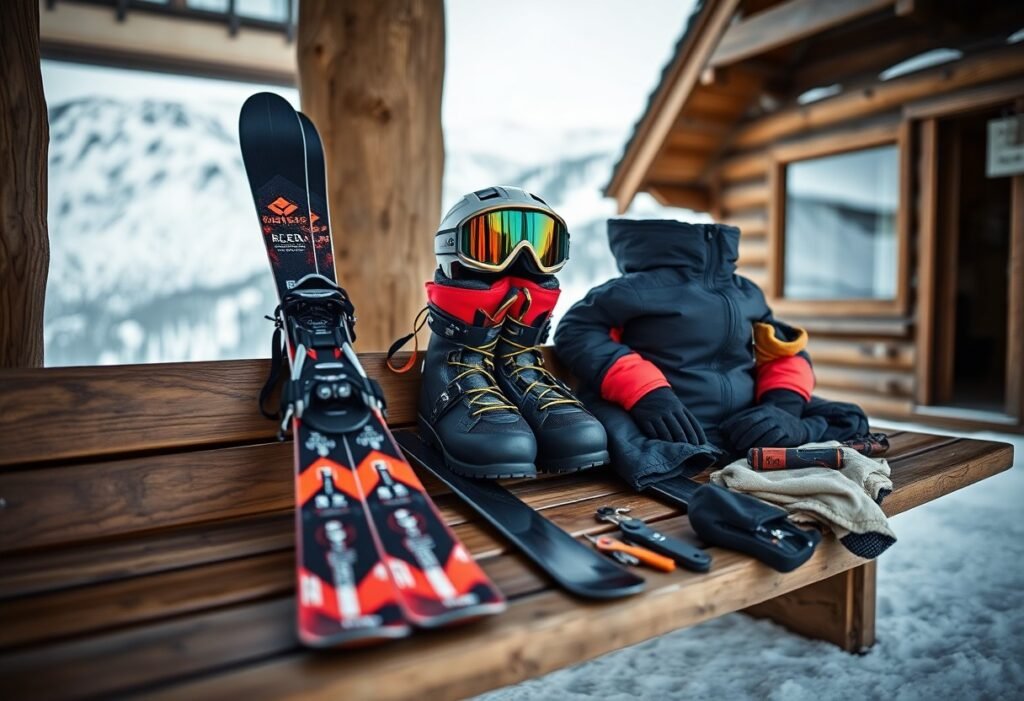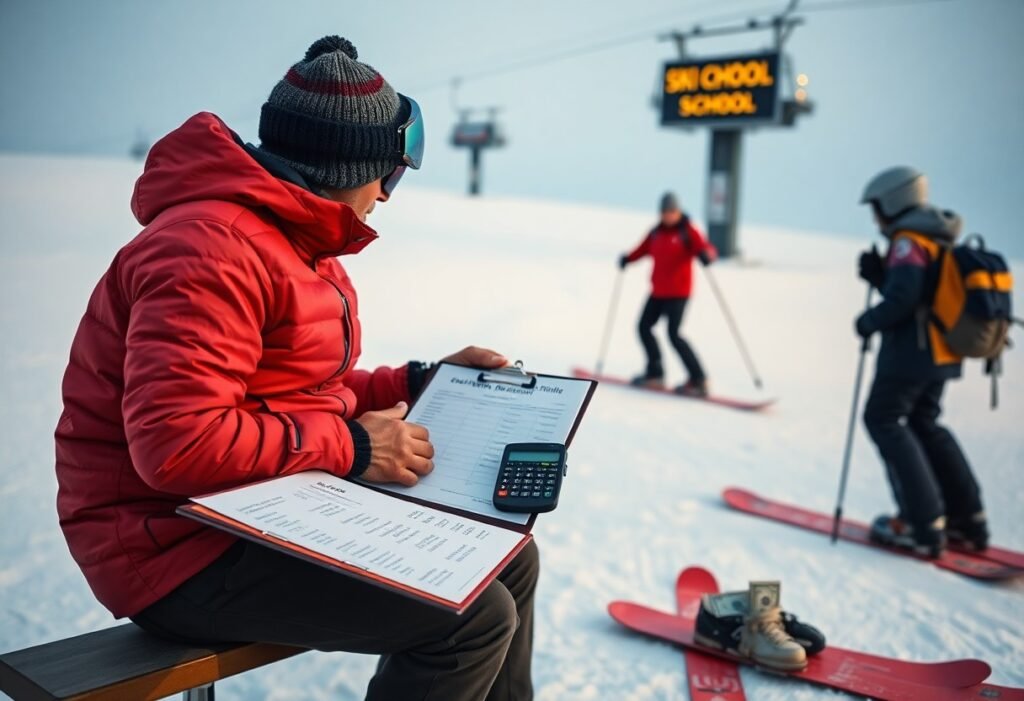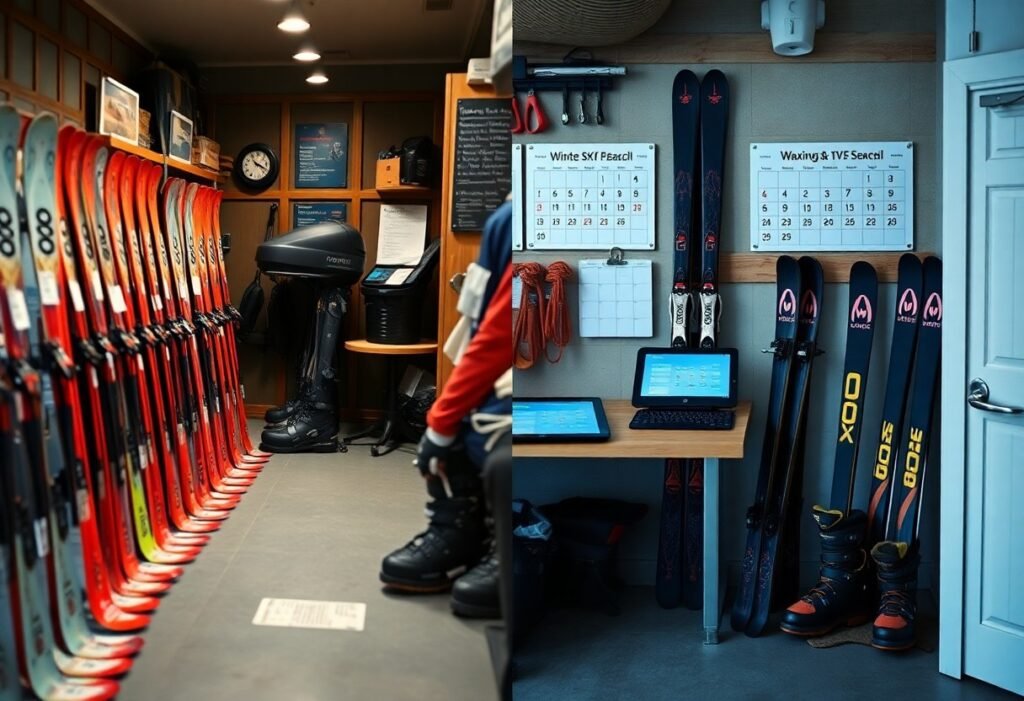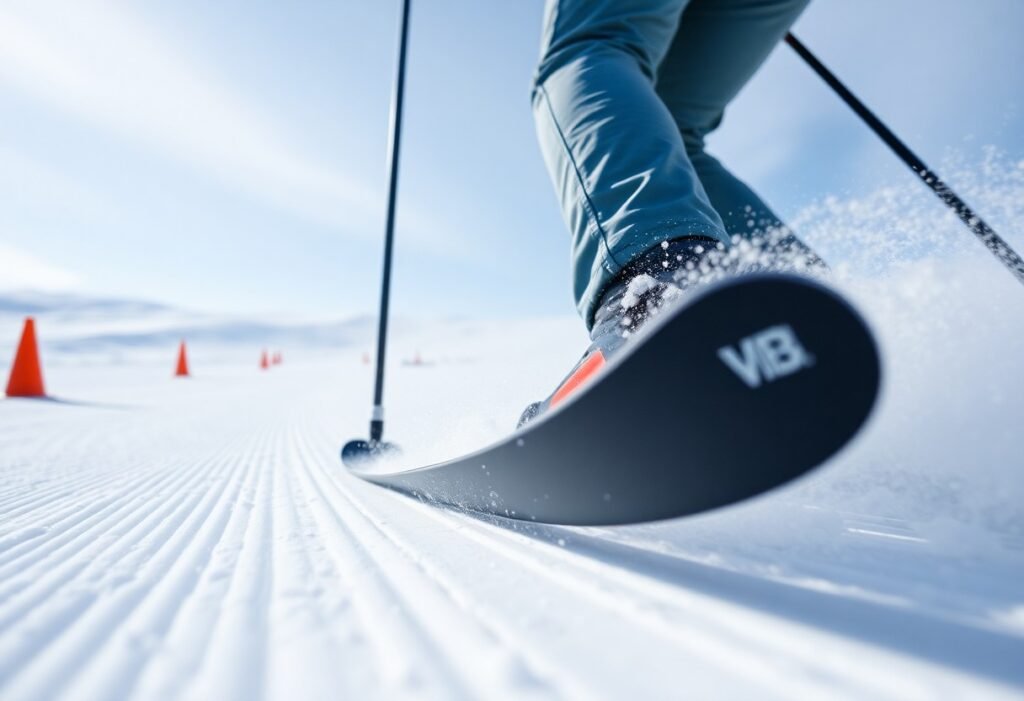

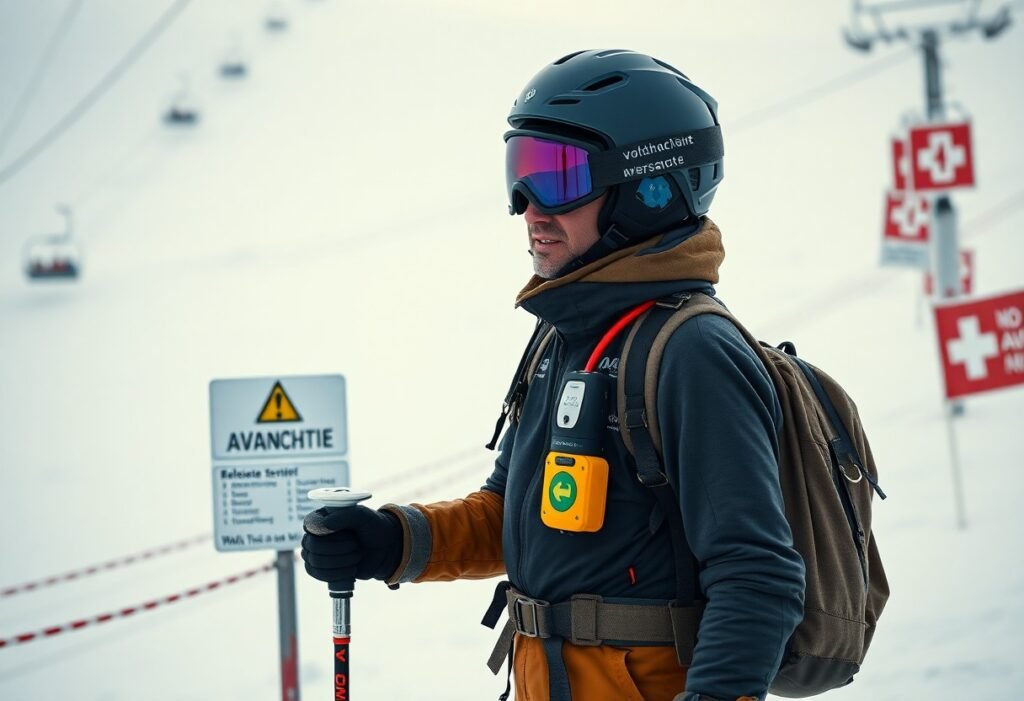
Skiing demands that you wear a helmet, control your speed, take lessons, check weather and avalanche reports, stay on marked runs, and use properly fitted equipment to reduce injury risk.
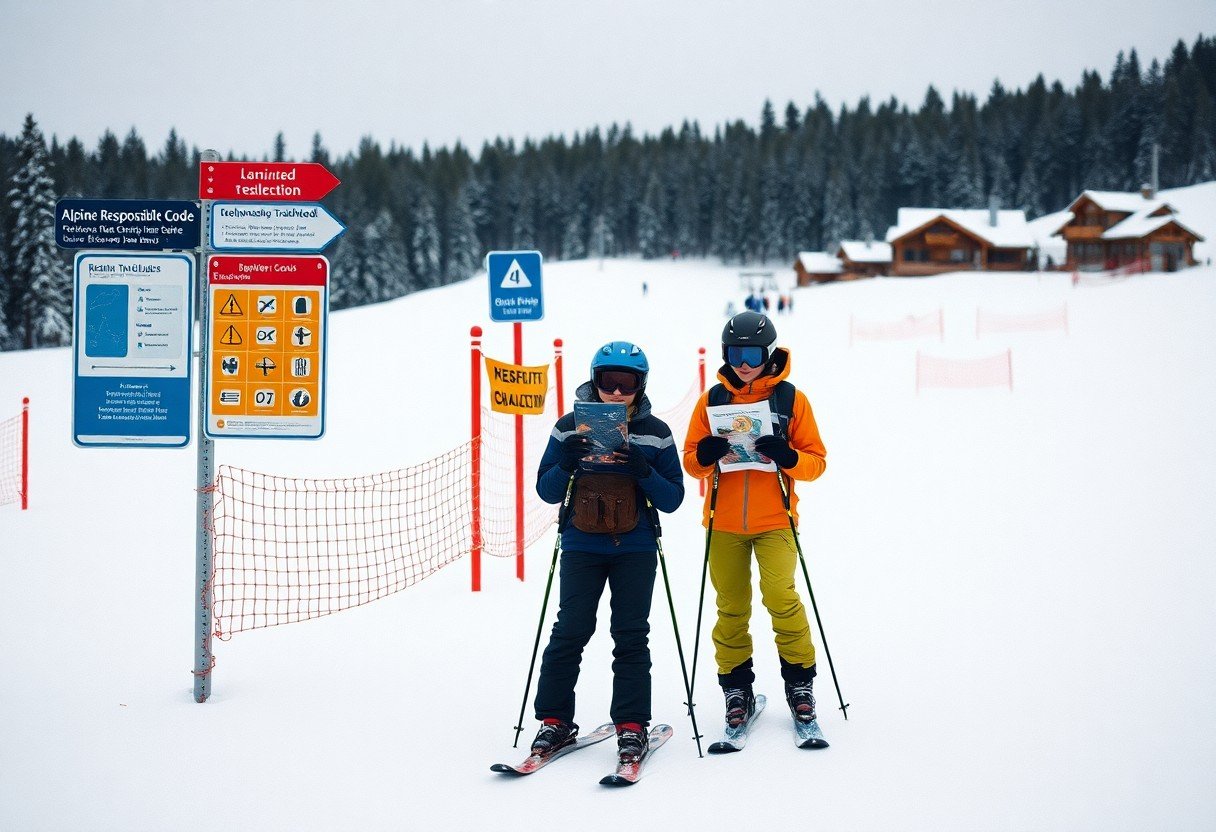
Understanding the Alpine Responsibility Code
You must follow the Alpine Responsibility Code to keep the mountain safe for everyone; consult The Ultimate Guide to Beginner Ski Etiquette and apply rules like controlling speed, yielding to downhill skiers, and obeying signs to reduce collisions.
Maintaining Constant Control of Speed and Direction
Keep your speed and direction predictable so others can anticipate you; you should control turns, stop within visible distance, and use braking techniques rather than sudden moves that cause collisions.
Rights of Way: Yielding to the Downhill Skier
Downhill skiers have the right of way, so you must yield to anyone below you, look uphill before merging, and avoid cutting across lines because failure to yield risks high-speed collisions.
Before merging or passing, look uphill and signal your intent; you should slow, drop behind when visibility is poor, and give wide clearance when overtaking to protect both you and the skier below.
Adhering to Posted Signs and Trail Closures
Observe posted signs and closures; you must not enter closed runs or ignore warnings since hidden hazards and rescue delays dramatically increase danger.
Closed areas often hide tree wells and unstable snowpack; you should follow trail markers, obey lift-operator directions, and accept reroutes-violating closures can cause severe injury and fines.
Fundamental On-Slope Safety Techniques
Learning the Mechanics of a Safe Fall
Practice falling on gentle slopes while keeping your chin tucked and arms close to your body; you should aim to roll onto your side and let skis release. This reduces wrist and head injuries-watch for sharp contacts and twisting motions that often cause harm.
Mastering the Emergency Stop and Speed Scrubbing
Drills that teach the hockey-stop, wedge stop, and side-slip will help you control speed; use short, controlled turns to scrub speed before attempting steeper runs. Keep weight centered and eyes downhill to avoid high-speed collisions.
Once you can execute a reliable emergency stop, practice under varied conditions-soft snow, icy patches, and moderate slopes-so you can judge how much edge angle and pressure to apply. Train with a coach or partner, simulate surprise obstacles, and focus on quick reaction and stable balance to prevent falls or dangerous slides.

Physical Conditioning and Injury Prevention
You should focus on strengthening legs, core and balance to lower your risk of injury, improve control on varied terrain and protect knees from common alpine strains and sprains.
Essential Pre-Ski Warm-Ups and Dynamic Stretching
Begin with dynamic drills-walking lunges, leg swings, hip openers and ankle mobilizations-to raise body temperature, boost circulation and prime muscle groups; a short routine reduces muscle strain and sharpens reaction time.
Recognizing and Responding to Physical Fatigue
Watch for sloppy technique, slowed reactions and heavy legs; those are clear signals you should pause, refuel and rest because fatigue increases crash and injury risk.
Assess your energy using simple checks: rate perceived exertion, count runs since your last break, and distinguish general soreness from sharp pain. If you feel persistent heaviness, poor edge control or delayed decision-making, take a 15-30 minute break, hydrate and eat easily digestible carbs; returning too soon raises the chance of a serious knee or wrist injury. If acute pain or loss of function occurs, stop immediately and contact ski patrol or medical help.
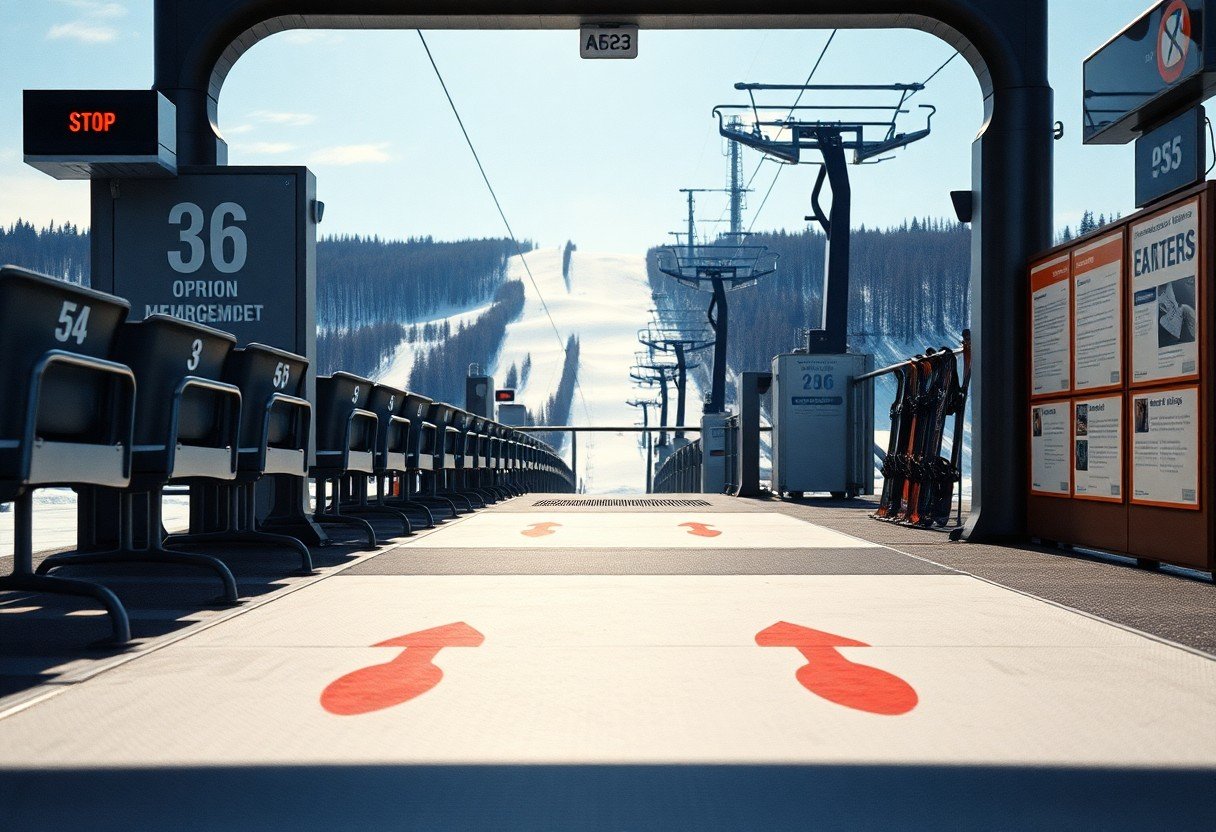
Chairlift Safety and Mountain Etiquette
Safe Loading and Unloading Protocols
Approach the chair with your skis parallel, keep your eyes on the operator, and be ready to sit; hold poles in one hand and stand clear if you are unprepared to avoid blocking others.
Proper Use of Restraining Bars and Lift Conduct
Lower the restraining bar as soon as you’re seated, keep your back against the seat, and avoid swinging; failure to secure the bar can result in severe falls.
Sit squarely, secure loose straps, and tuck backpacks and long clothing so nothing can snag; keep skis pointed forward, follow operator signals, and if you drop gear stay seated and alert staff because standing early can cause severe injury to you and others.
Respecting Slow Zones and Congested Intersection Areas
Yield to exiting riders; you should slow before intersections, push poles down when crossing, and obey posted signs to reduce the chance of collisions.
Observe slow-zone etiquette by reducing speed well before junctions, choosing a predictable line, and never stopping in narrow or blind spots; if you fall move off the route promptly so others avoid a high collision risk, and follow patrol directions.
To wrap up
Presently you must wear a fitted helmet and proper layers, take lessons, control speed, read trail signs and conditions, ski with a partner, and stop when fatigued to reduce injury risk.
FAQ
Q: What protective gear should every beginner wear on the slopes?
A: A certified ski helmet that fits snugly and sits level on the head reduces the risk of head injury. Goggles with UV protection and anti-fog coating preserve visibility in variable light and weather. Ski boots fitted by a professional ensure proper control and reduce the chance of blisters or knee strain. Bindings must be adjusted to height, weight, skill level, and boot sole length by a trained technician to help prevent leg injuries. Layered clothing-moisture-wicking base, insulating mid-layer, and a waterproof breathable shell-keeps the body warm and dry. Gloves or mittens that are insulated and waterproof protect hands, and sunscreen and lip balm with SPF prevent sunburn at altitude. A small repair kit, whistle, and basic first-aid items tucked into a backpack add practical safety options.
Q: How should a beginner choose which slopes and trails to use?
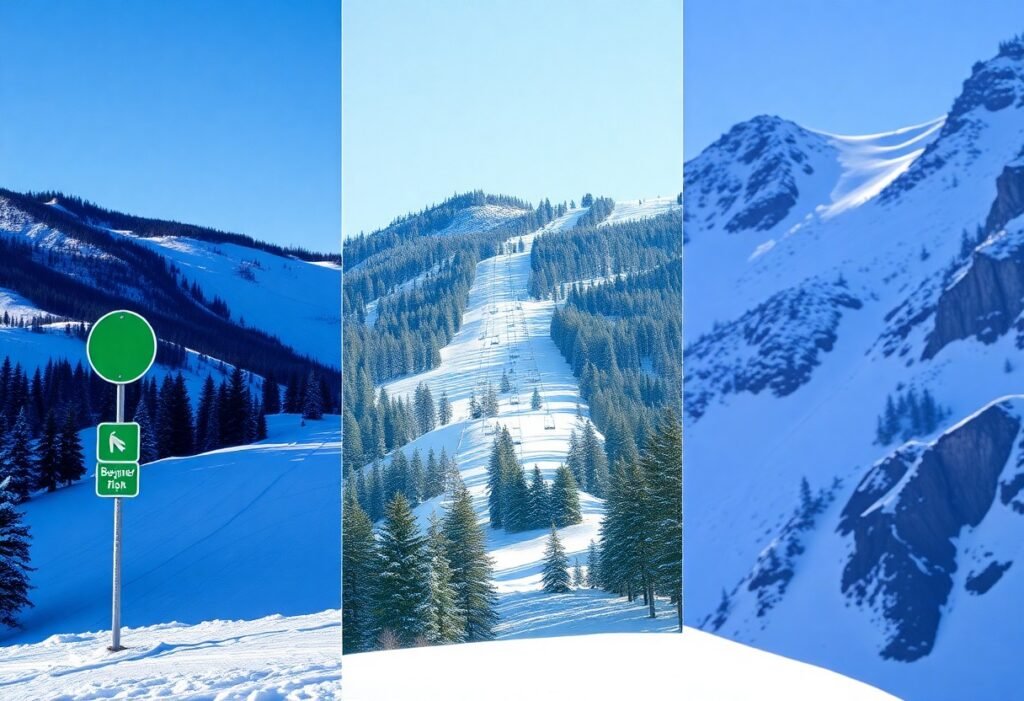
A: Trail ratings use colors and symbols; green or beginner runs offer the gentlest gradients and wide corridors for learning. Inspect trail conditions before starting, looking for ice patches, crust, or heavy moguls that increase difficulty. Check weather and lift status at the mountain operations desk or online to avoid sudden storms or closures. Start on the practice area and progress gradually to longer, slightly steeper runs once confidence grows. Follow posted signs, obey rope-off areas, and ask ski patrol or instructors for route recommendations tailored to current conditions. Avoid crowded times when possible to reduce collision risk, and always be prepared to stop or turn safely for other skiers.
Q: Should beginners take lessons, and what basic techniques should they focus on first?
A: Professional lessons accelerate safe skill development and teach correct habits from the start. Focus first on stance: knees slightly bent, weight forward over the boots, and hands held forward at waist level to aid balance. Practice the snowplow (wedge) for speed control and stopping, then learn short linked turns to control direction and speed on gentle slopes. Work on getting on and off lifts safely, gliding in a controlled manner, and falling and getting up without blocking the run. Warm-up exercises and basic strength and flexibility routines reduce injury risk and improve endurance for a full day on the hill.
Q: What strategies help beginners control speed and avoid collisions?
A: Always ski at a speed that allows stopping or turning to avoid people and obstacles; feel for a pace where you maintain control. Use turns to bleed off speed rather than attempting long straight runs down steep terrain. Keep a safe distance from other skiers and yield to those downhill from you, who have the right of way. Scan the slope ahead and pick lines that steer clear of congested areas or lift unload zones. Slow down before intersections, trail merges, and entrances to lodges. If visibility is poor, reduce speed further and stick to familiar routes or lower-traffic runs.
Q: What should I do if I fall, get injured, or encounter avalanche risk?
A: After a fall, move to the side of the run as soon as possible to avoid collisions; check yourself for pain, bleeding, or loss of function before attempting to stand. Keep arms and legs still and call for ski patrol if you suspect a fracture, head injury, or spinal issue. For collisions involving other people, exchange contact information and report the incident to ski patrol so it can be logged. When skiing off-piste, always check the avalanche forecast, carry beacon, probe, and shovel, and travel with a partner trained in rescue procedures. If caught in an avalanche, try to create an air pocket near the face and attempt to grab onto a tree or rock; activating an avalanche airbag, if available, increases survival chances. For hypothermia or severe exposure, get to shelter, replace wet clothing with dry layers, seek warm fluids if alert, and obtain medical care promptly.