
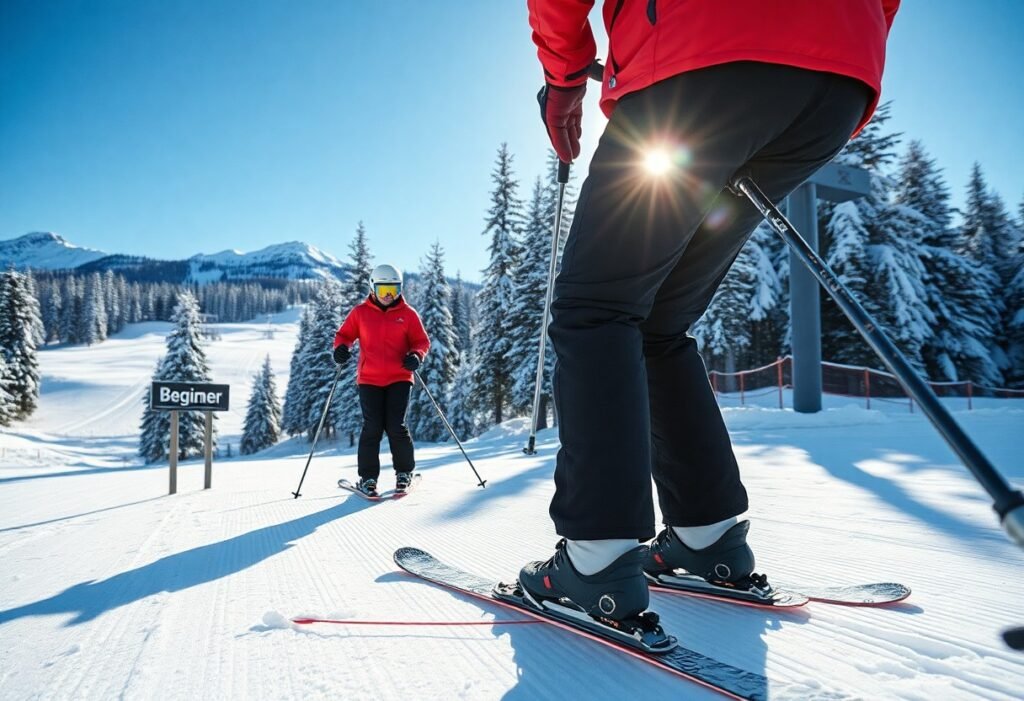
Over your first run you learn alpine skiing is downhill on fitted skis using edges to turn; you must manage high speeds and fall risk, use proper boots and bindings, and enjoy thrilling speed and great fitness.
Defining Alpine Skiing
You descend groomed and steep slopes using rigid boots, fixed-heel bindings, and directional skis, relying on gravity for speed and carving turns. Expect high speeds and technical edge control, plus avalanche and collision risks on exposed runs.
Core Principles of Downhill Movement
Your stance, edge angle, and weight distribution control turns; shifting pressure lets you carve and control speed. Maintain a forward, athletic posture and timely movements to keep stable edges and reduce the chance of high-speed falls.
Key Differences Between Alpine, Nordic, and Freestyle
Downhill Alpine focuses on speed and edge control, Nordic uses free-heel glide for endurance, and Freestyle centers on aerials and rails; you face varied gear, technique, and risk profiles.
Equipment choices differ widely: you wear stiff boots and fixed bindings in alpine for control, lightweight skis and free-heel bindings in Nordic for efficiency, and flexible setups in freestyle for trick absorption. Understand each setup’s impact on handling and injury risk.
Fundamental Techniques for Beginners
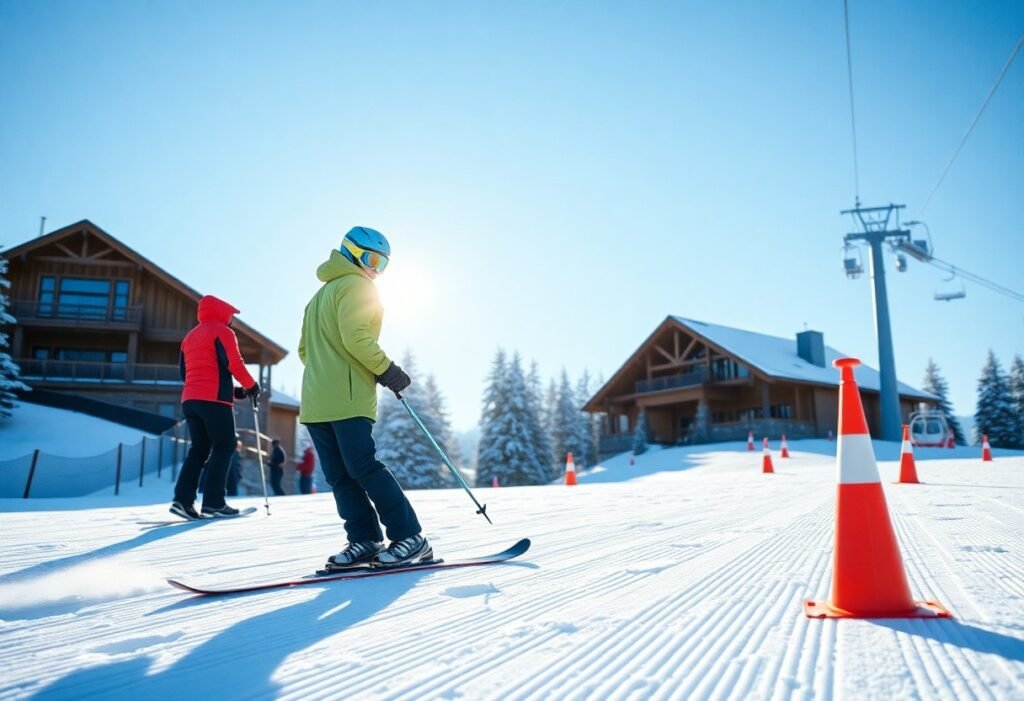
Practice basic stance, turning and weight shifts to build control. You keep knees bent, weight centered and use skis’ edges for turns. Focus on balance and smooth movements to reduce the risk of falls and gain confidence on gentle slopes.
Achieving the Proper Athletic Stance
Align hips over your skis, bend ankles and knees, and keep hands forward for stability. You press slightly into the front of the boots to maintain control, which lowers your chance of catching an edge and falling.
Speed Control and the Mechanics of Stopping
Master the snowplow to scrub speed, then progress to controlled turns using edges. You distribute weight to carve or skid to stop; keep your upper body steady. Excessive speed increases injury risk, so practice stopping on gentle slopes first.
When you stop from higher speeds, combine a wider wedge with progressive edge engagement: shift weight smoothly to the outside ski, increase edge angle to bite the snow, and use turns that remove momentum rather than forceful skids. Train sideslips to control descent on steep pitches and always watch for changing snow; uncontrolled speed or poor edge control often causes the most dangerous falls.
Safety and On-Slope Etiquette
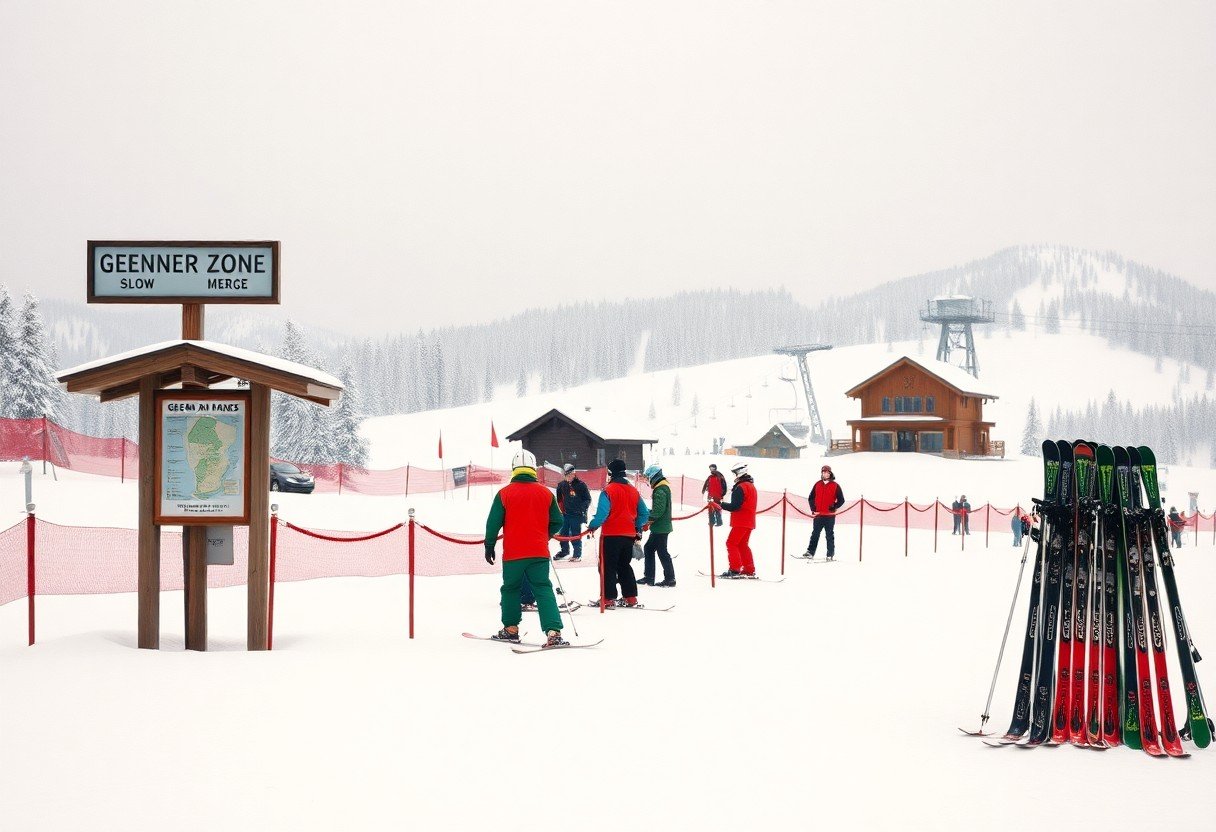
On busy slopes you must keep control, yield to downhill skiers, avoid stopping where you block visibility, and wear a helmet; check conditions and prep gear before heading out. See a practical beginner guide at Skiing for Beginners: What to Know at the Start of Your Skiing Journey…
The Skier’s Responsibility Code
Follow the Skier’s Responsibility Code by giving way to people below you, controlling your speed, obeying signs and lift rules, and avoiding stops in narrow or obstructed areas; failure to yield and loss of control cause most slope collisions.
Managing Terrain and Changing Weather Conditions
Check terrain and weather before each run, choose groomed slopes when visibility drops, slow on ice or variable snow, and carry extra layers and goggles; whiteouts and sudden storms raise the danger quickly.
Assess slope features as you approach: scan for ice patches, moguls, exposed rocks, cliff bands, and tree wells, then pick a line that keeps you on firmer, groomed snow when conditions worsen. Adjust turn size and stance for visibility and steepness, stop off-trail if you suspect avalanche risk, carry a resort map, consult the mountain bulletin, ski with a partner, and contact mountain patrol for unclear hazards.
Progression and Skill Development
Progression in alpine skiing comes from focused practice, deliberate drills, and varied terrain; you build balance, edging, and pressure control while learning to manage speed. Emphasize consistent instruction and measured challenge to reduce fall and injury risk.
The Importance of Professional Instruction
Instruction from a qualified coach helps you accelerate learning by correcting mechanics, teaching safety, and building confidence on snow. Seek certified instructors to learn proper technique and reduce injury risk early.
Transitioning from Beginner to Intermediate Terrain
Transitioning to intermediate terrain requires you to control speed through consistent turns, read snow and slope changes, and pick appropriate lines; push your limits slowly while keeping speed and fall risk managed.
Practice linked short turns, carving drills, and controlled-speed exercises to build strong edge feel; spend ample time on easier blues before steeper pitches and ask for feedback so you keep control and lower injury risk as you advance.
FAQ
Q: What is alpine skiing?
A: Alpine skiing is downhill skiing performed with rigid boots and fixed-heel bindings on groomed runs or marked mountain slopes. The discipline emphasizes turning, edge control, and speed control while descending; common formats include recreational resort skiing and timed racing events such as slalom, giant slalom, super‑G, and downhill. Alpine skiing differs from nordic (cross-country) skiing by using heavier equipment, steeper terrain, and lift access for repeated descents.
Q: What basic equipment do I need?
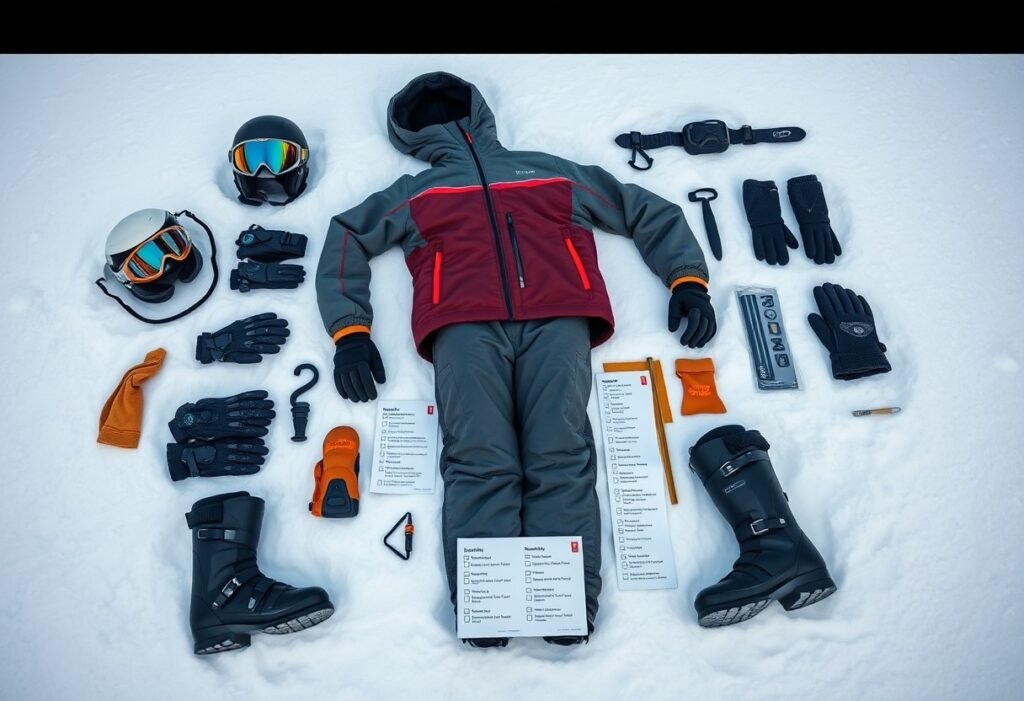
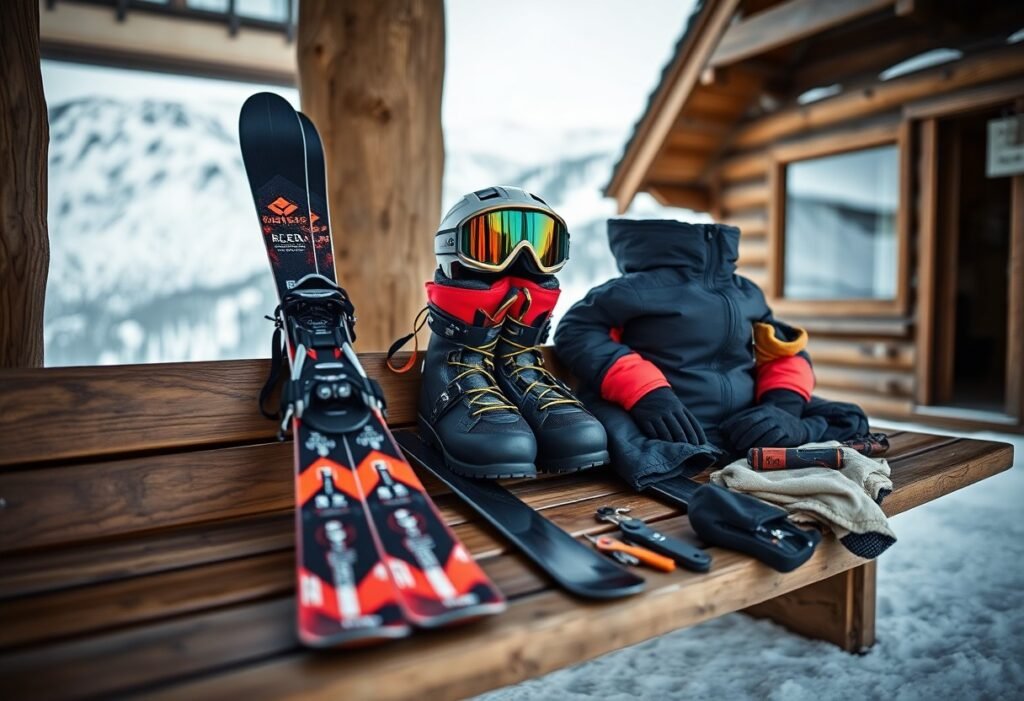
A: Essential equipment includes alpine skis, compatible alpine boots, bindings, poles, a helmet, goggles, gloves, insulated layering, and ski socks. Beginner skis are typically shorter and more forgiving; rental shops can size skis and boots and set bindings to your weight, height, ability, and boot sole length. A proper boot fit is the most important factor for control and comfort; consider professional boot fitting when buying equipment.
Q: What are the fundamental techniques for beginners?
A: A balanced, athletic stance with knees bent, weight slightly forward, and hands ahead of the body provides stability and control. Beginners learn the snowplough (wedge) to control speed and stop, then progress to wedge turns and parallel turns by rolling the skis onto their edges and shifting pressure from one ski to the other. Edge control, active ankle and knee flexion, and looking in the direction of travel help initiate smooth turns and maintain control on steeper slopes.
Q: What safety practices and mountain etiquette should I follow?
A: Obey trail signs and respect slope difficulty ratings. Always ski in control so you can avoid others. The skier below or downhill has the right of way, but every skier must take action to prevent collisions. Never stop where you obstruct a trail or are not visible from above. Wear a helmet and follow proper lift procedures. Stay on marked runs unless you have avalanche training and appropriate gear. Yield when merging or overtaking.
Q: How should a complete beginner get started and progress?
A: Take at least one lesson with a certified instructor. Learn basic stance, stopping, and turning techniques on a beginner slope. Rent equipment for the first few sessions.
Practice on gentle green runs until you can control speed and link turns. Move to slightly steeper blue runs when comfortable.
Keep practice sessions short. Use targeted drills like basic turns and edge drills. Add leg and balance training to improve skills. Consider additional lessons to refine technique and build confidence.