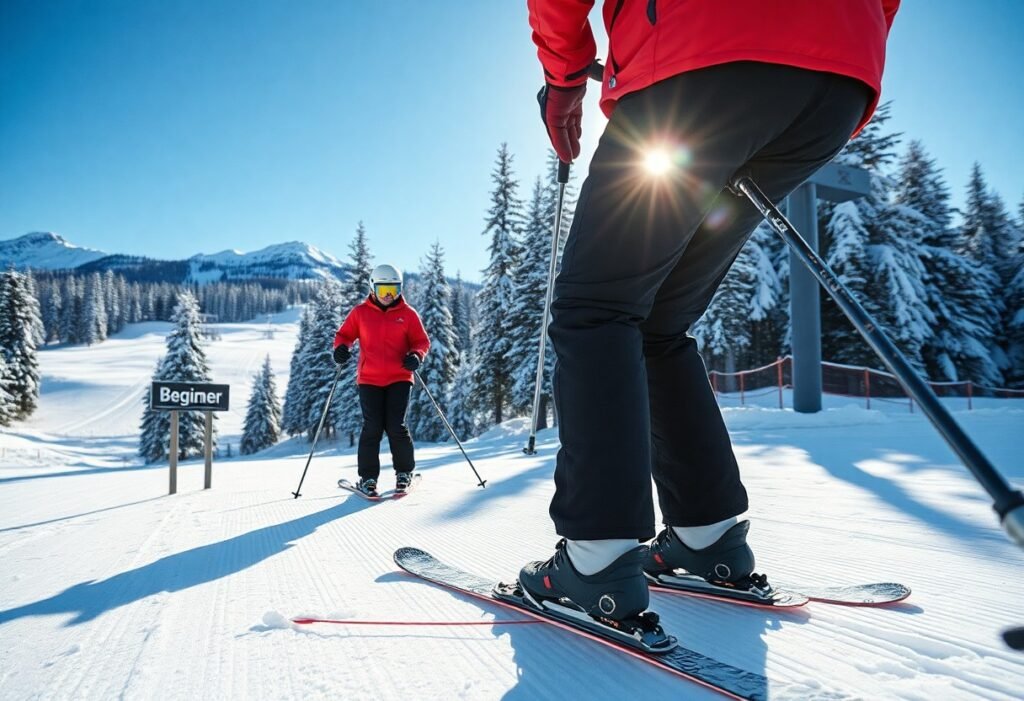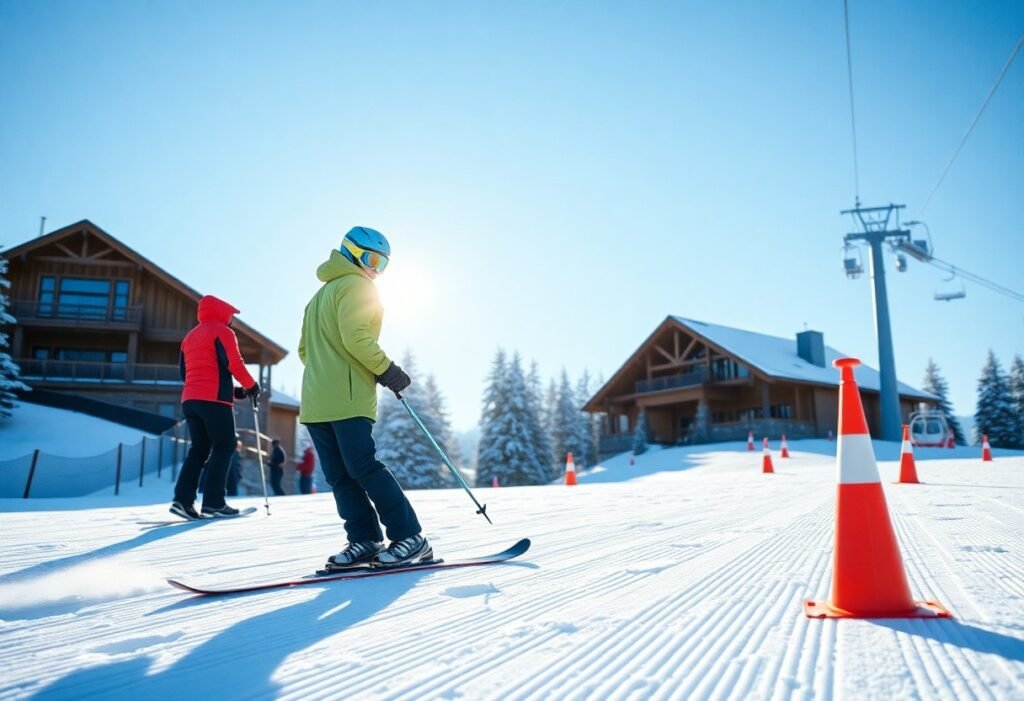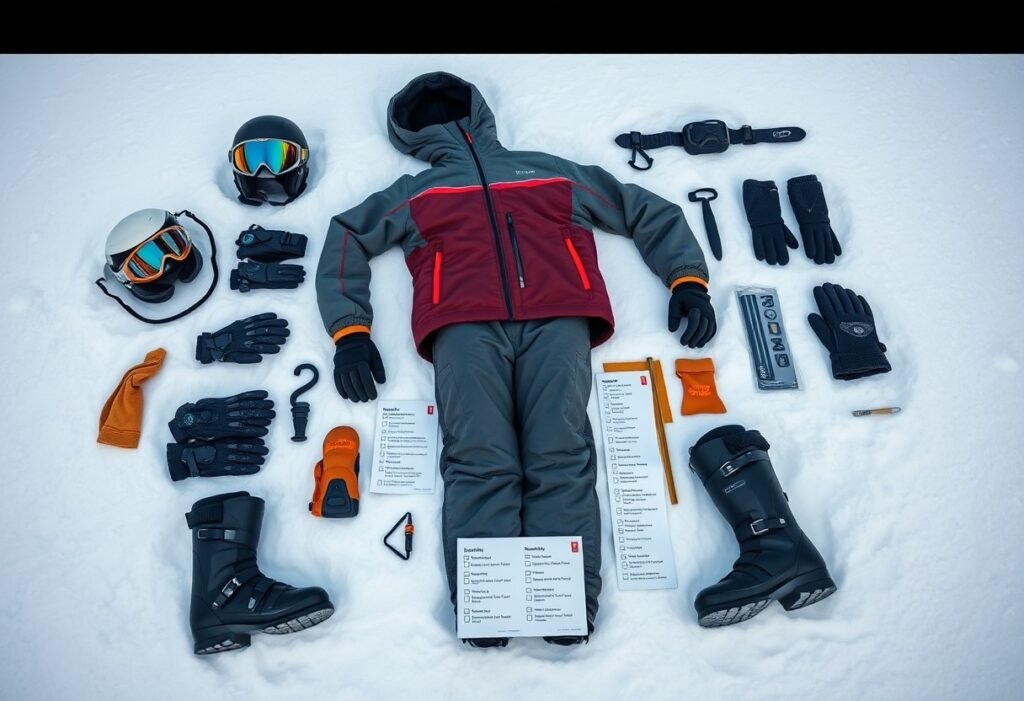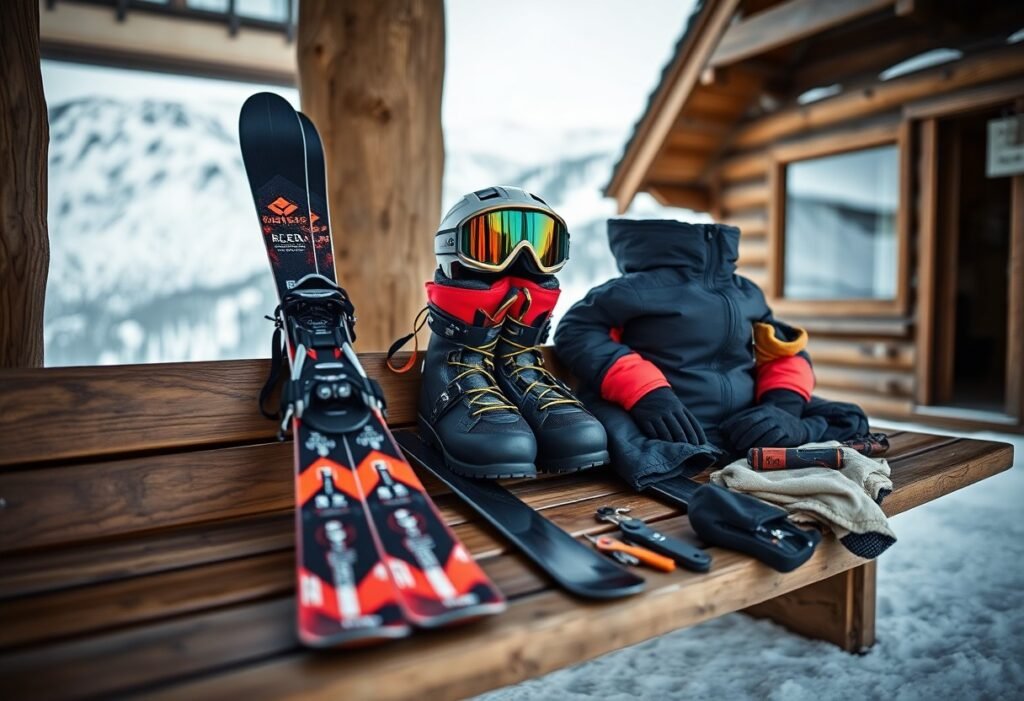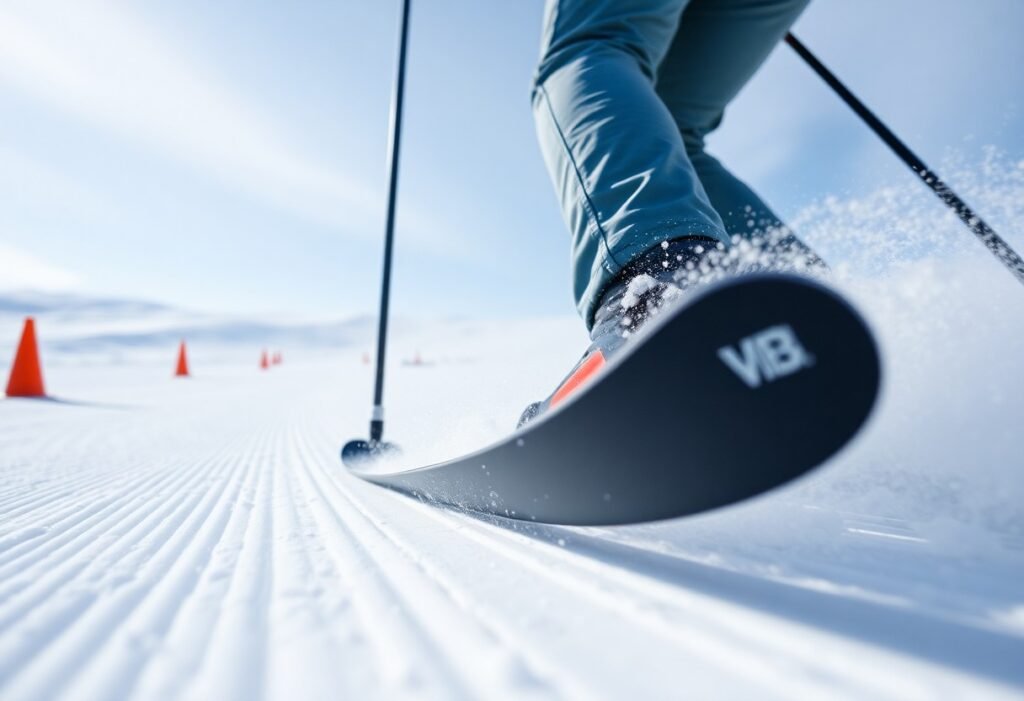

Prevention begins when you build strength, practice technique, and use properly fitted bindings and helmets to lower exposure to knee and head injuries; warm up, assess conditions, and ski within your limits.
Evaluating Personal Risk Factors
Assessing your personal risk factors clarifies where you must focus to reduce injuries and stay safe on demanding terrain.
- Physical limitations: prior ACL, knee, back injuries or limited mobility
- Concussion or balance issues that raise head injury risk
- Skill level versus slope difficulty
- Equipment: binding release settings, boot fit
- Fatigue, alcohol or medications
Identifying Physical Limitations and Previous Injuries
You should list past previous injuries, assess joint stability and range of motion, and note any balance deficits since prior ACL or concussion history raises your injury risk on icy or steep runs.
How to Assess Skill Level Against Slope Difficulty
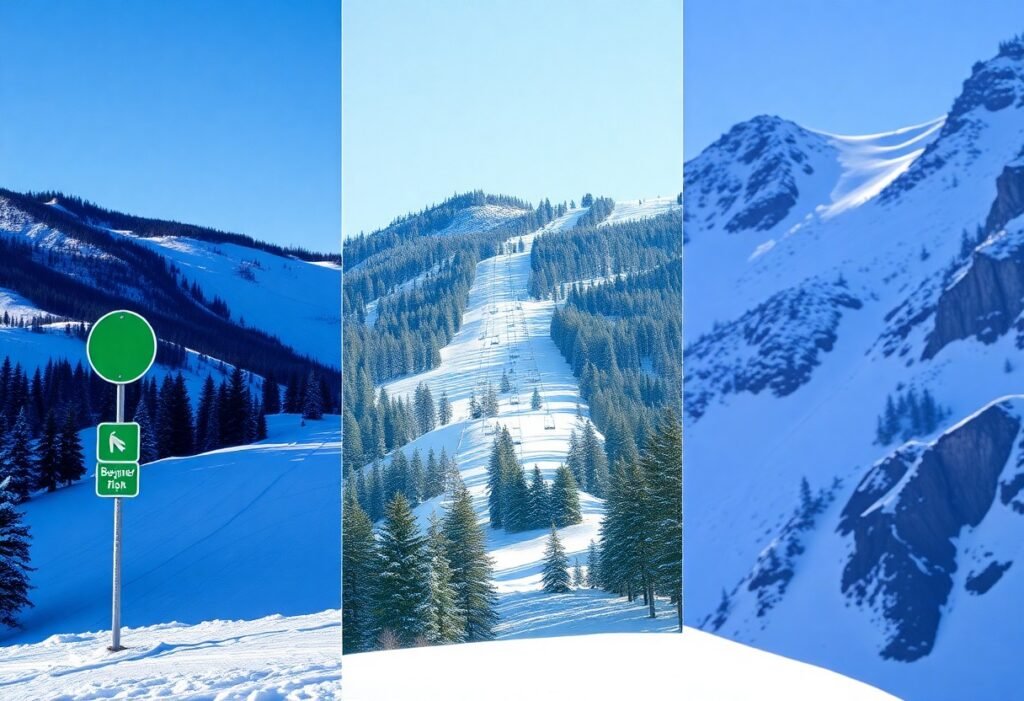
Match your control, speed management, and consistent turning ability to the slope rating; if you lack confidence on groomed blues, avoid ungroomed blacks and exposed terrain.
Observe how you handle varied snow, test controlled stops and short-radius turns on easy runs, seek objective feedback from an instructor, and practice progressively harder sections while monitoring fatigue and equipment response. This reduces exposure to high-speed crashes and helps you choose terrain that protects your joints and head.
Physical Conditioning and Pre-Season Training
Strength Factors for Protecting the ACL and Lower Limbs
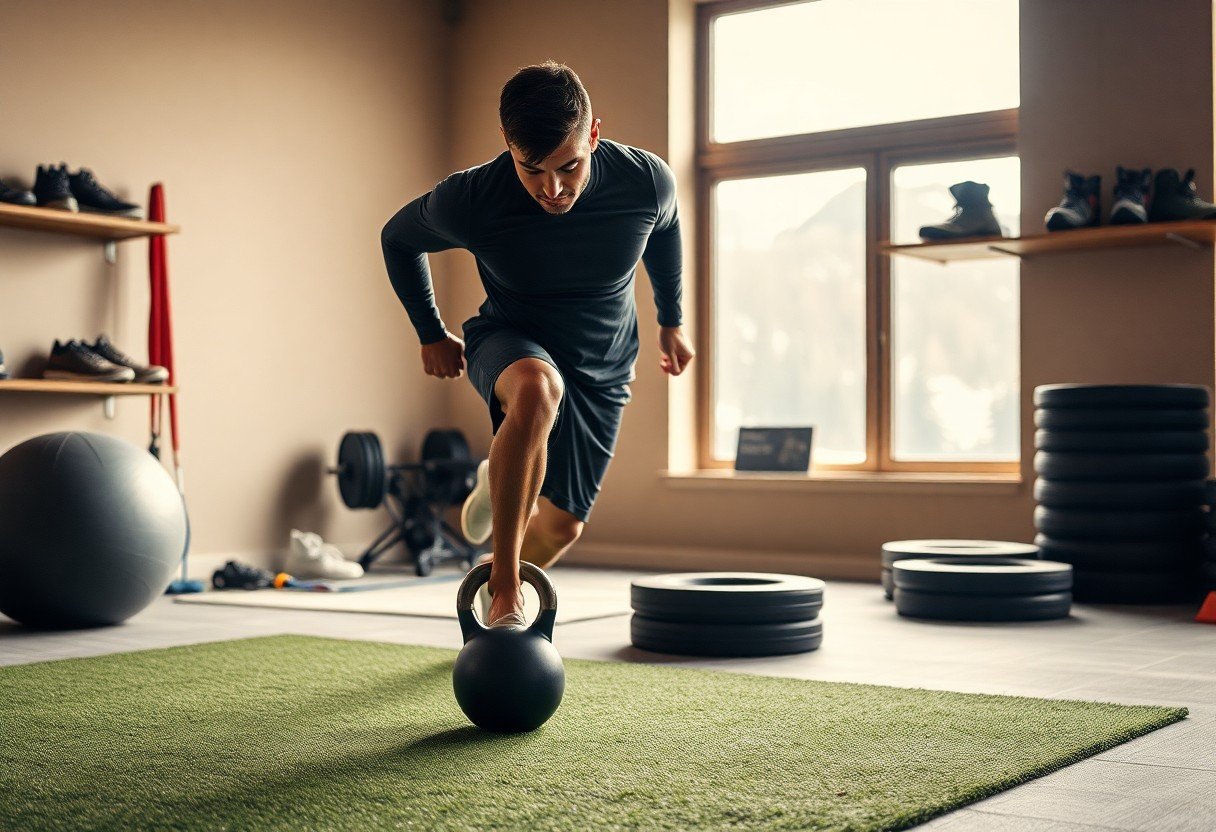
Target hip, glute and hamstring strength to reduce knee valgus and torsion; prioritize eccentric control and single-leg stability to protect your ACL. Recognizing that strength, proprioception, and neuromuscular control must integrate will guide your preseason work.
- Strength
- Proprioception
- Neuromuscular control
Dynamic Warm-up Routines for Cold Environments
Warm with dynamic moves, joint mobility and progressive plyometrics to raise tissue temperature and reduce injury risk; prioritize movements that mimic your skiing posture so you stay responsive on cold, stiff slopes.
Cycle through 3-5 minute blocks: light ski-specific cardio, multi-planar leg swings and walking lunges, then 30-60 seconds of single-leg hops, lateral bounds and reactive drills; finish with short, high-intensity efforts so your nervous system and muscles are primed for icy, variable terrain.
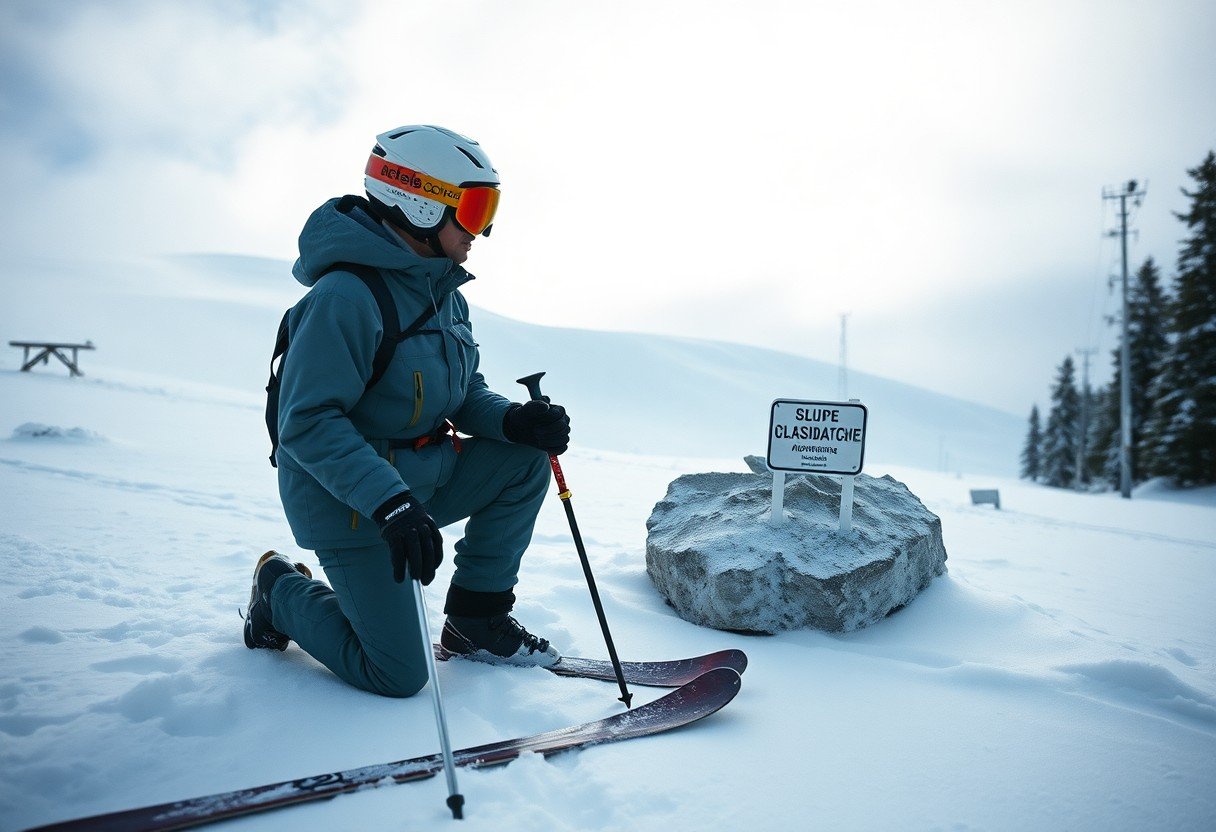
Environmental and Terrain Factors
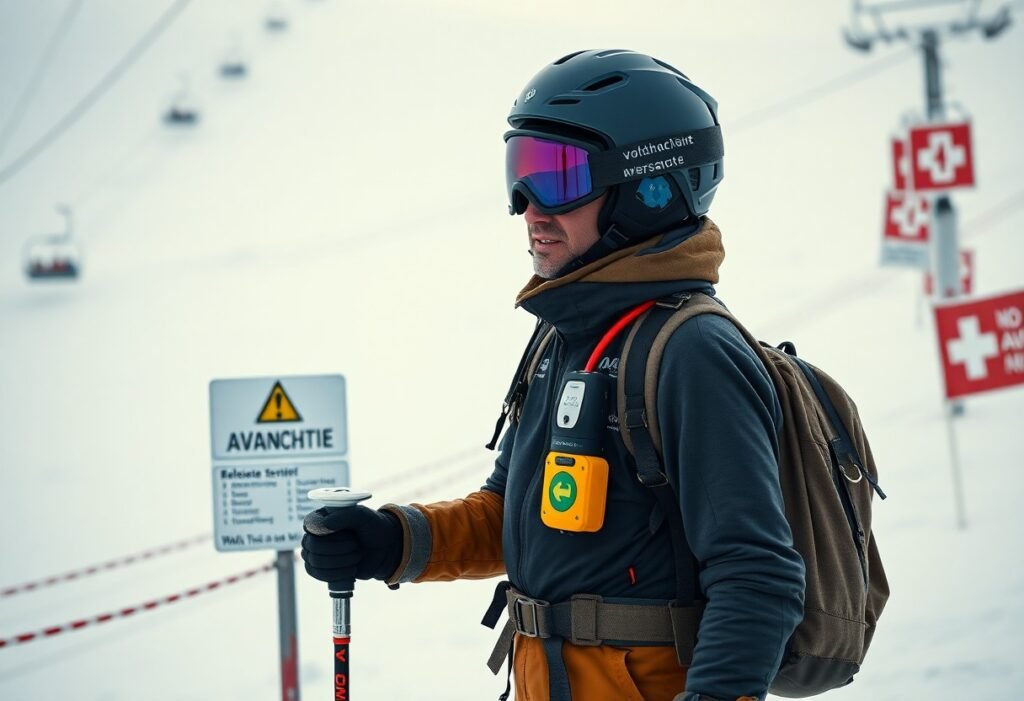
Assess how the mountain’s environmental factors and terrain force you to change line and speed: you should scan for hidden ice, sudden drop-offs, and avalanche terrain, adjust gear for variable snow conditions and visibility, and respect posted warnings; follow simple checks before each run. The Skiing Injury Prevention – OrthoInfo – AAOS offers evidence-based tips on reducing risk.
- Check the forecast and avalanche bulletin
- Study trail maps and closed-run notices
- Adjust speed for technical or low-visibility sections
- Wear appropriate goggles and layered clothing
Managing Variable Snow Surfaces and Changing Visibility
Adjust your stance and turn shape when snow changes so you keep control on chop, soft patches, or glare; you should slow into low-visibility zones and follow conservative lines to avoid hidden hazards.
Understanding the Impact of Altitude and Extreme Weather
Acclimatize gradually and monitor exertion so you limit fatigue; you should hydrate, eat, and cut laps if you feel dizzy, short of breath, or unusually cold.
Prepare for altitude by arriving early to adapt, packing warm, windproof layers, and knowing signs of altitude sickness-if you experience severe headache, confusion, or persistent breathlessness you must descend immediately; you should also plan shorter, lower-effort runs in extreme cold or high winds and carry a communication device and sunscreen to reduce multiple injury risks.
To wrap up
Taking this into account you should warm up, maintain strong leg and core conditioning, use properly fitted boots and helmets, set bindings to recommended settings, take lessons to improve technique, ski within your limits, and check weather and trail conditions to reduce risk.
FAQ
Q: How should I choose and maintain ski equipment to reduce injury risk?
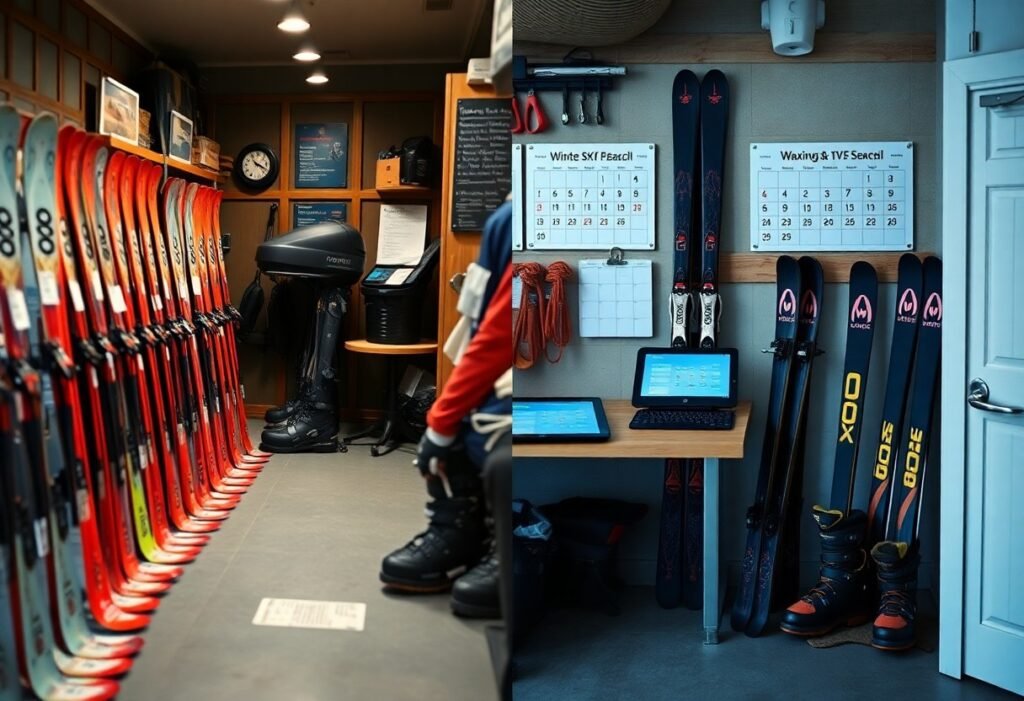
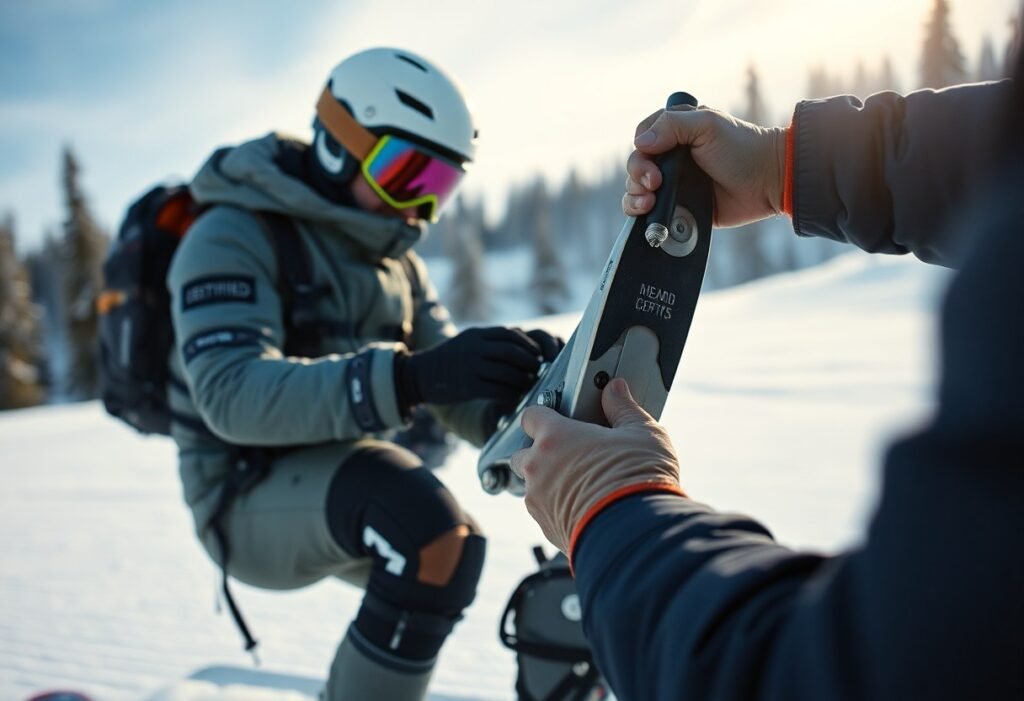
A: Choose boots that fit snugly without painful pressure points and allow full ankle flexion; have a professional bootfitter adjust shell and footbed. Have bindings mounted and DIN settings calibrated by a certified technician based on your weight, height, skill level, and boot sole length, and test release functions regularly. Wear a certified helmet that fits snugly and replace it after any significant impact. Inspect skis for delamination, damaged edges, and binding play; keep edges sharp and bases waxed to ensure predictable edge grip. Replace worn straps, buckles, or leashes and recheck all adjustments at the start of each season.
Q: What physical training lowers my chance of getting hurt while skiing?
A: Develop leg strength with squats, lunges, step-ups, and deadlifts to support controlled turns and absorb terrain forces. Build hip and glute strength with clamshells, hip thrusts, and band walks to stabilize the knee and pelvis. Train hamstrings and eccentric control to protect the ACL, and add core work such as planks and anti-rotation drills to maintain balance under load. Include plyometrics and single-leg balance drills to improve power and proprioception for unpredictable snow conditions. Maintain aerobic conditioning and flexibility so fatigue and stiffness do not increase fall risk during long days on the mountain.
Q: Which skiing techniques and lessons help prevent injuries?
A: Take lessons to learn balanced stance with hips over the feet and forward pressure on the boots, which reduces backward falls and loss of control. Practice proper turn mechanics: initiate with ankles and knees, avoid twisting the upper body independent of the hips, and use progressive edge engagement rather than abrupt moves that place torsional stress on the knees. Learn how to fall safely by protecting the head, avoiding bracing with stiff arms, and trying to rotate away from the skis when possible. Progress terrain difficulty gradually and work on confidence in short, focused sessions rather than pushing maximum speed on unfamiliar runs.
Q: What specific steps reduce the risk of ACL and other knee injuries?
A: Keep bindings correctly set and serviced so they release in twisting or high-force falls instead of transmitting torque to the knee. Strengthen hamstrings, glutes, and hip abductors and train neuromuscular control with jump-landing and single-leg stability drills to reduce valgus collapse and rotational loads on the knee. Avoid skiing on the tails of the skis or sitting back, which increases chances of catching an edge and producing internal rotation injuries. Ski within technical limits, slow before hazards, and stop for rest when leg fatigue sets in to prevent form breakdown that leads to high-risk movements.
Q: Which on-mountain habits and safety checks help prevent injuries during a ski day?
A: Perform a dynamic warm-up before the first run: leg swings, walking lunges, and light plyometrics to raise temperature and joint mobility. Monitor weather, visibility, and slope reports and choose runs that match your ability; turn back or stop if conditions deteriorate. Stay hydrated, eat regular snacks to maintain energy and concentration, and take breaks when coordination drops. Use the buddy system, carry a charged phone and trail map, obey posted signs and closure barriers, and avoid off-piste terrain without proper avalanche training and equipment.