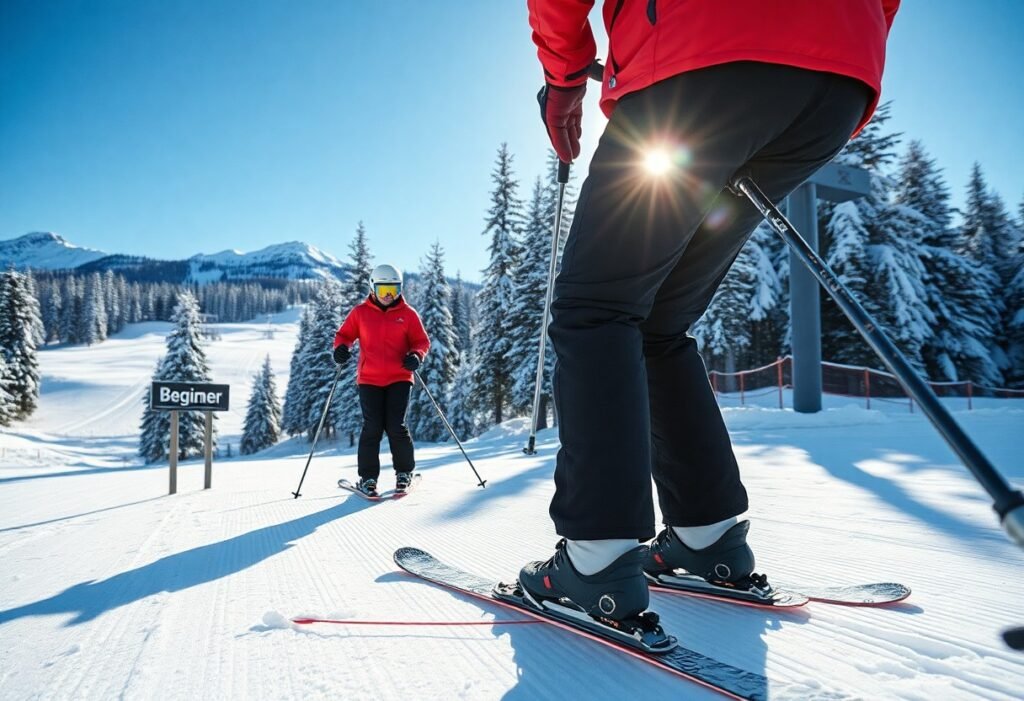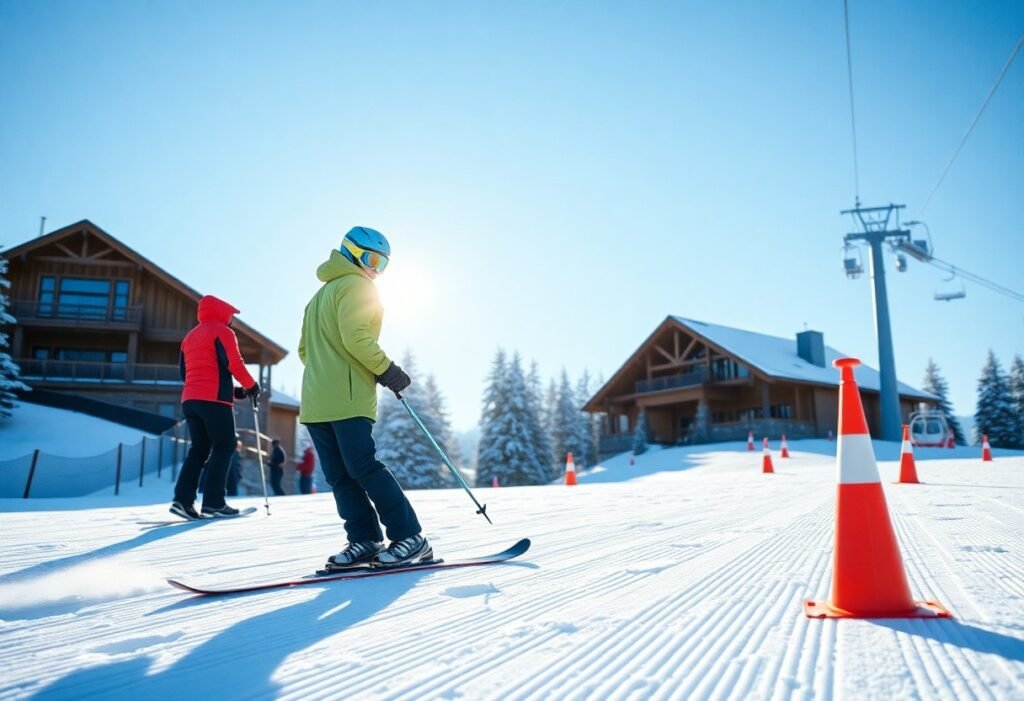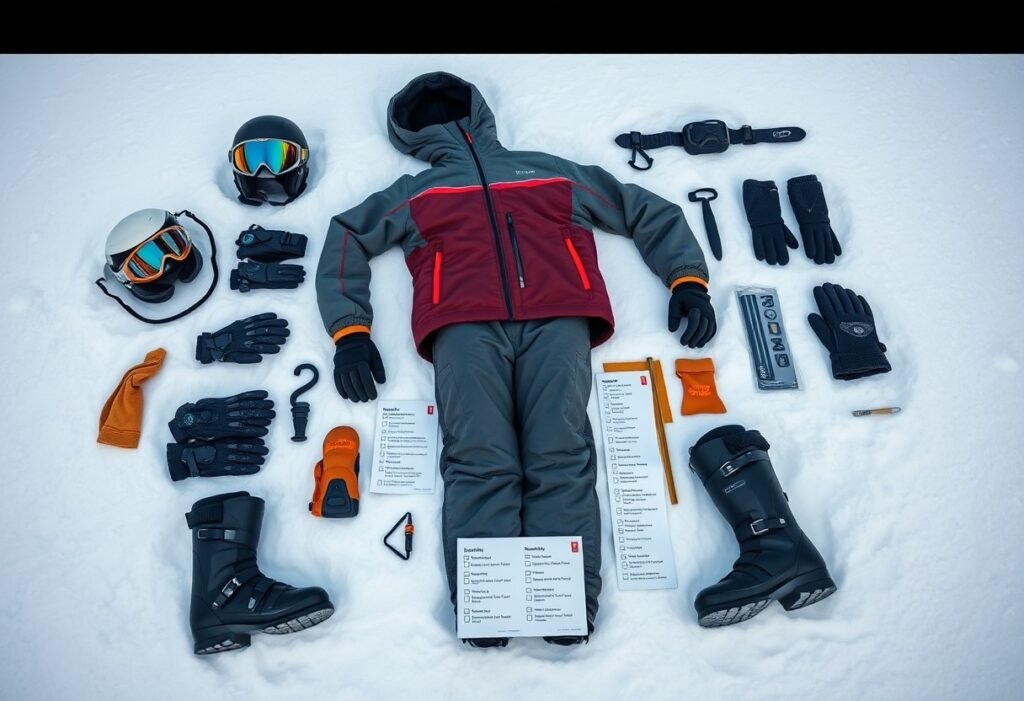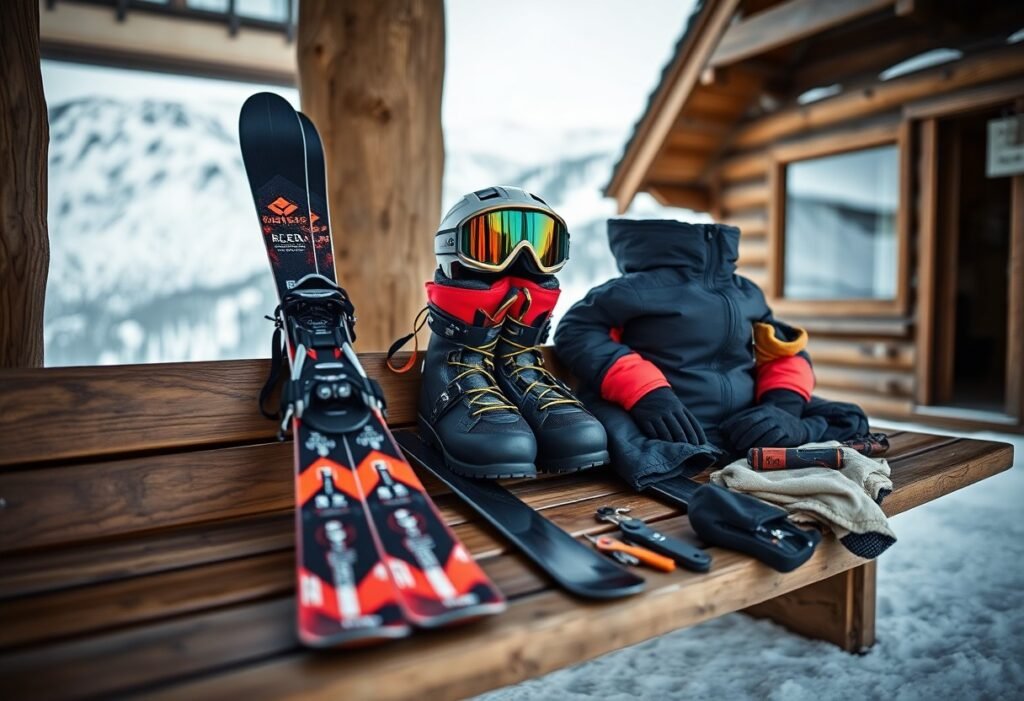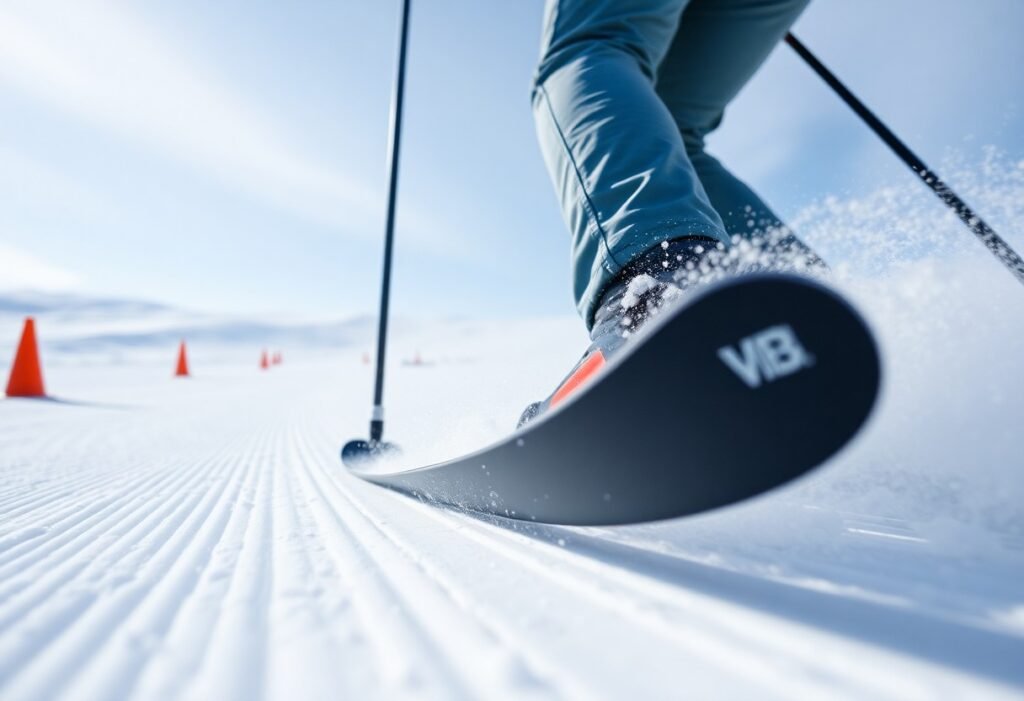

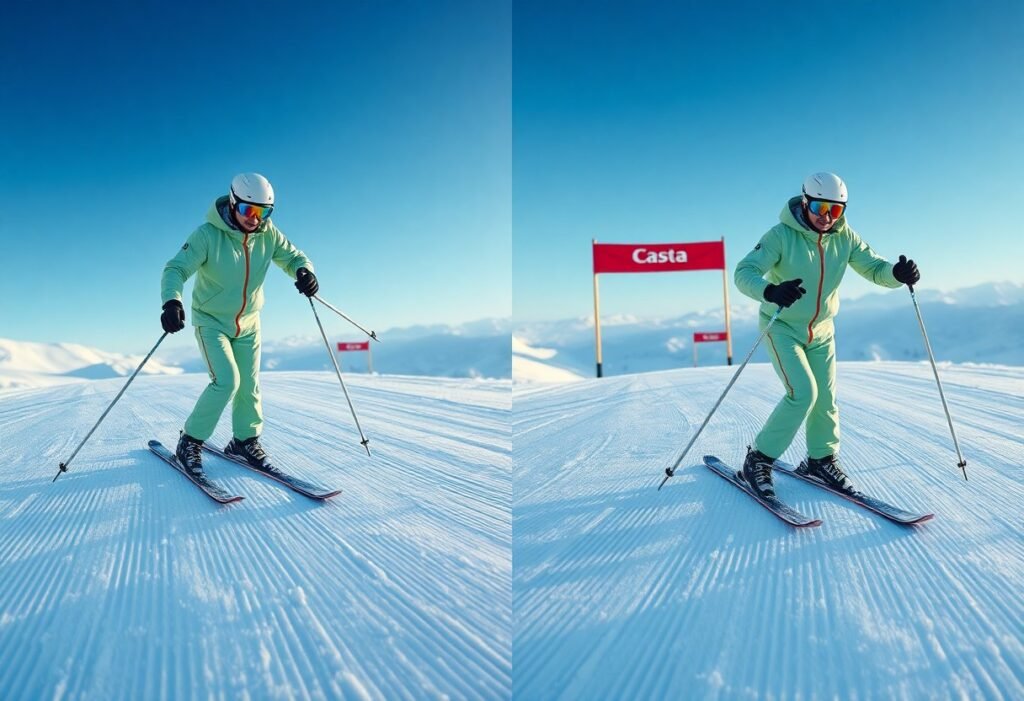
Just adopt a forward stance, keep weight centered and eyes downhill to avoid serious falls; you fix common errors by practicing balance, edging, and pole timing for safer, smoother turns.
Mastering Edge Control and Pressure Distribution
You refine your edge control and pressure distribution to carve cleaner turns, manage speed, and avoid skidding by focusing weight on the outside ski while modulating flexion to maintain consistent grip and reduce the risk of a sudden catch.
How to Avoid “A-Framing” Your Knees
Avoid the A-framing posture by keeping your knees closer together and stacking hips over your skis so the inside ski remains loaded; this reduces drag, improves steering, and prevents a dangerous loss of edge hold.
Factors for Balanced Weight Transfer Between Skis
Shift pressure progressively with controlled flexion and a steady stance so both skis share load and you preserve turn shape while avoiding skidding or stall.
Balance timing, stance, and angulation through targeted drills:
- Stance width – governs leverage for transfers
- Flexion timing – meters pressure ramp
- Edge angle – controls grip distribution
Perceiving subtle pressure changes lets you make micro-adjustments and maintain symmetry throughout the turn.
Tips for Engaging Edges Early in the Turn
Engage edges early by initiating with a controlled ankle drive and forward pressure so the skis bite predictably, reducing late scrubbing and unstable exits.
Practice drills that pair small lateral moves with support:
- Ankle drive – leads the edge into the snow
- Angulation – balances vertical pressure
- Timing – syncs edge set with turn initiation
Thou will notice crisper, more reliable turn initiation as edge engagement becomes earlier and more consistent.
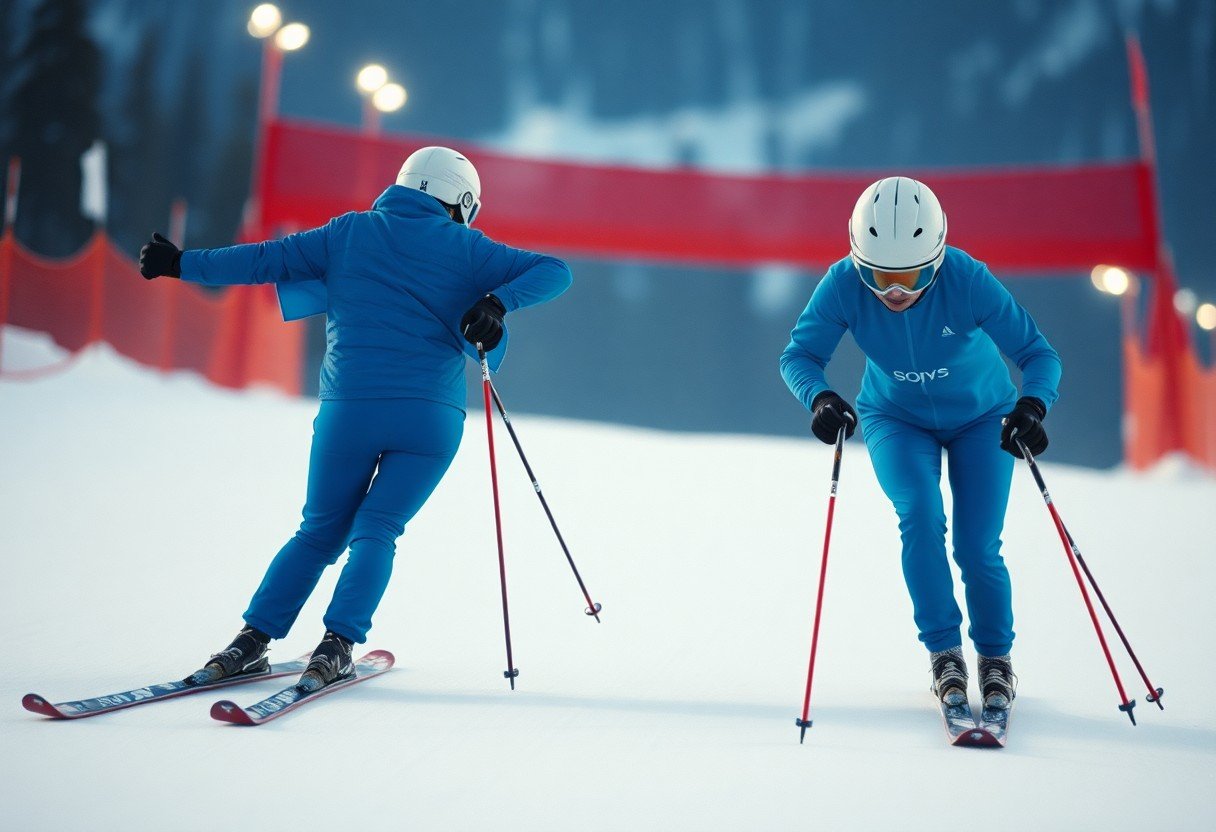
Common Alpine Skiing Mistakes and How to Fix Them – Optimizing Pole Plants and Upper Body Quietness
Optimize your turn quality by syncing a precise pole plant with a quiet upper body, so you keep weight centered over the skis, preserve edge hold, and let your legs control speed and direction without wasted upper-body motion.
How to Use Pole Plants to Initiate Rhythm
Use the pole plant as a timing cue: plant just before your turn apex to start weight transfer and set rhythm, keeping the arm low and relaxed so the plant guides the turn rather than forcing it.
Tips for Keeping a Stable and Forward-Facing Torso
Position your torso over the boots with eyes downhill and shoulders facing forward, maintaining a stable, forward-facing upper body so you avoid counter-rotations that unsettle balance and edge control.
- Pole plant timing links your rhythm to edge engagement.
- Upper body quietness prevents unwanted weight shifts and skidding.
- Thou edge control and balance must sync to reduce falls and erratic turns.
Maintain a compact stance by keeping your hands forward, chest over the boots, and a slight ankle flex so you place consistent pressure on the downhill ski; practice short, controlled movements to stop upper-body rotation, avoid leaning back, and reduce the risk of catching an inside edge or crashing when conditions tighten.
- Hands forward keep your center of mass over the skis.
- Ankle flex lets you absorb terrain and keep the torso steady.
- Thou forward-facing posture and compact arms will save you from uncontrolled rotations and falls.
Addressing Equipment and Fit Issues
Tips for Selecting the Right Boot Flex for Your Skill Level
You should match boot flex to your weight, skill and skiing style to keep edge contact and comfort; avoid overly stiff choices that cause heel lift and fatigue. After testing models in proper socks and stance, pick a flex that lets the cuff bend without heel movement.
- Beginner: softer flex for forgiveness
- Intermediate: medium flex for control
- Advanced: stiff flex for power
How Improper Binding DIN Settings Affect Performance
Your DIN set too low causes unexpected releases, while too high prevents release, increasing risk of leg injury during falls; have settings checked against your weight, height and ability.
Bindings must be adjusted to your weight, height, boot sole length and ability; technicians use these inputs to calculate the correct DIN setting. If you ski aggressively or change gear, request a mechanical release test and a professional adjustment to reduce non-release risk and avoid serious leg injury.
Final Words
Hence you can fix common alpine skiing mistakes by focusing on stance, weight distribution, and controlled turns; practice drills, professional feedback, and gradual speed increases will improve balance and confidence on varied slopes.
FAQ
Q: Why do I keep leaning back when I turn?
A: A common mistake is leaning back because fear of falling or poor boot fit shifts weight toward the tails of the skis. This position reduces edge grip and slows turn initiation, making control harder on steeper terrain. Practice a neutral, athletic stance with hips over the boots and hands forward; feel light pressure on the shins and imagine keeping your shins against the tongue of the boots. Drill: on gentle slopes make slow traverses, then apply small forward pressure into the front of the boots while bending ankles and knees to maintain balance. Adjust boot canting or flex if you cannot maintain a forward stance despite correct technique.
Q: Why do I keep looking down at my skis instead of ahead?
A: Looking down shortens reaction time and causes late turn initiation and poor line choice. Visual focus should be two to three turns ahead, which helps plan turn shape and speed control. Practice by choosing a target on the slope ahead and committing to look at that point as you complete each turn; use poles or a marker to reinforce the habit. On easy runs, try skiing with your head up and feel how weight distribution and timing improve when vision leads movement.
Q: Why are my legs so stiff and rigid while skiing?
A: Stiff legs block shock absorption and make balance reactive instead of controlled, resulting in choppy turns and fatigue. Aim for active, dynamic flexion and extension of the knees and ankles to absorb bumps and maintain pressure through the turn. Drill: perform small up-and-down movements (pumping) through a series of medium-radius turns to practice timing flexion with the turn phase. Bend the knees slightly before terrain changes and allow the lower body to flow independently from the upper body for smoother skiing.
Q: Why do I skid out of turns instead of carving cleanly?
A: Skidding often comes from insufficient edge angle, poor pressure control, or early rotation of the skis. To carve, increase edge angle by angulating at the hips and roll the knees and ankles into the hill while keeping consistent pressure on the outside ski. Drill: on a moderate slope, trace clean arcs by gradually tipping skis on edge and holding that angle while controlling speed with rotary movement rather than skidding. Focus on steering with pressure changes-apply more weight to the downhill ski through the transition and maintain that pressure into the arc.
Q: Why does my upper body rotate and cause loss of balance in turns?
A: Upper-body rotation usually stems from initiating turns with the shoulders or arms instead of driving the turn with the hips and legs. Keep the torso quiet and face downhill while using hip steering and leg rotation to shape turns. Drill: ski without poles or with hands lightly touching your hips to feel separation between upper and lower body; practice ledge turns by moving hips into the turn first and letting the shoulders follow passively. Use short, deliberate pole plants timed at turn initiation to stabilize the upper body and reinforce correct sequencing.