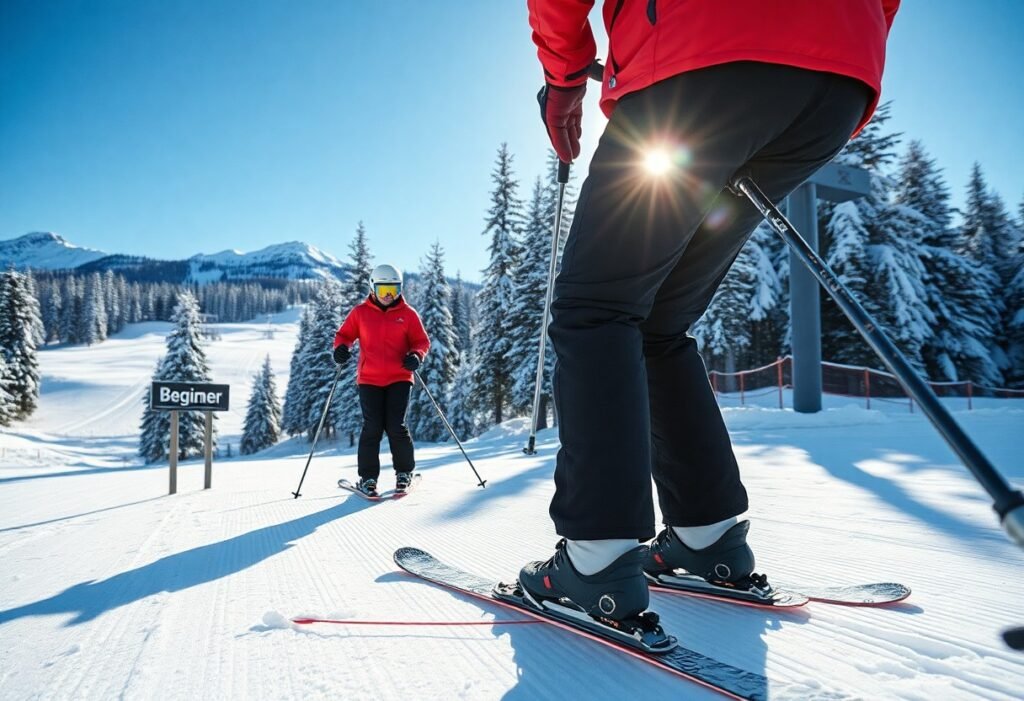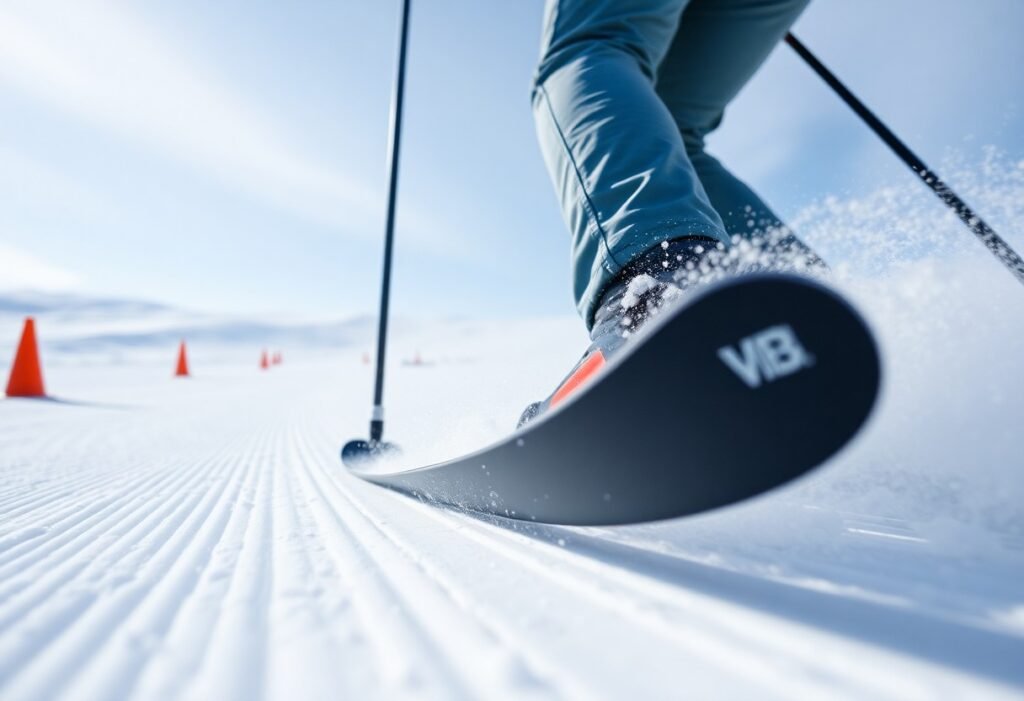

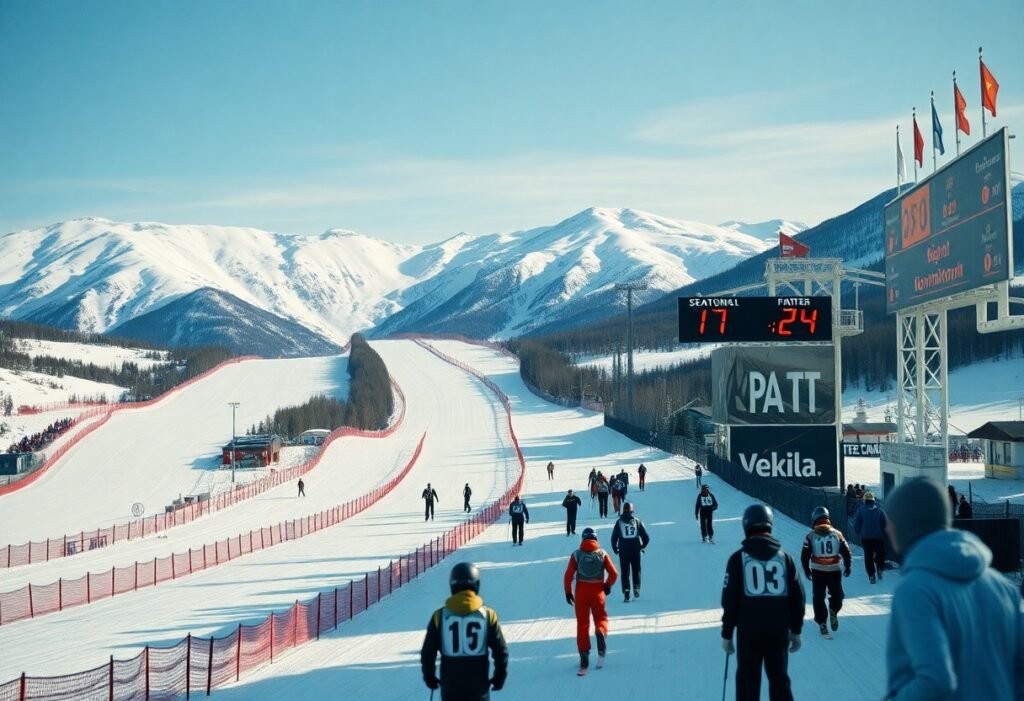
Just understand that competitive alpine skiing covers downhill, super‑G, giant slalom and slalom across junior to World Cup levels; downhill reaches the highest speeds and is most dangerous, while clear progression rewards technical skill and athleticism for you.
The Fundamentals of Alpine Racing Disciplines
Distinguishing Speed vs. Technical Events
Speed events force you to accept higher velocities and longer radii, while technical races demand rapid, precise gate-to-gate movements; expect greater impact risk at high speed in downhill and super-G, and repetitive edge transitions in slalom and giant slalom that expose technical weaknesses.
The Physics of Gate Clearance and Line Choice
Gate clearance and line choice teach you to balance minimum distance with controlled pressure; compressing the fall line preserves momentum but misaligned exits magnify mistake consequences, so refine entry to gain tenths of a second and avoid high-energy gate impacts.
Optimizing your trajectory means managing centripetal forces, edge angle, and ski-snow contact: angling skis tighter shortens turn radius but raises lateral load, which can induce chatter or a skid that wastes speed; when you time weight transfer and edge pressure correctly you carve a cleaner path, delivering measurable time gains, whereas late inputs or poor rhythm increase the probability of a stumble or a dangerous gate collision.
Technical Disciplines: Precision and Agility
Technical runs force you to combine edge control, rhythm and split-second decisions; Alpine skiing rewards that precision but exposes you to high-speed hazards that demand disciplined training.
Slalom: The Art of Rapid Direction Changes
Slalom forces you into rapid, tight turns where reflexes and edge control determine lines; the compressed gates increase the risk of falls while rewarding explosive technique.
Giant Slalom: The Core Benchmark of Technical Skill
Giant sets longer turns and higher speeds, so you must blend precision and flow; clean carving gives you consistent time gains while errors amplify consequences.
Course variations and gate spacing in Giant Slalom force you to manage momentum and line selection; you will adopt narrower skis, refine stance and hold aerodynamic tucks to sustain speed-this produces fast, technical racing but also raises the chance of severe crashes if timing or edging lapses.
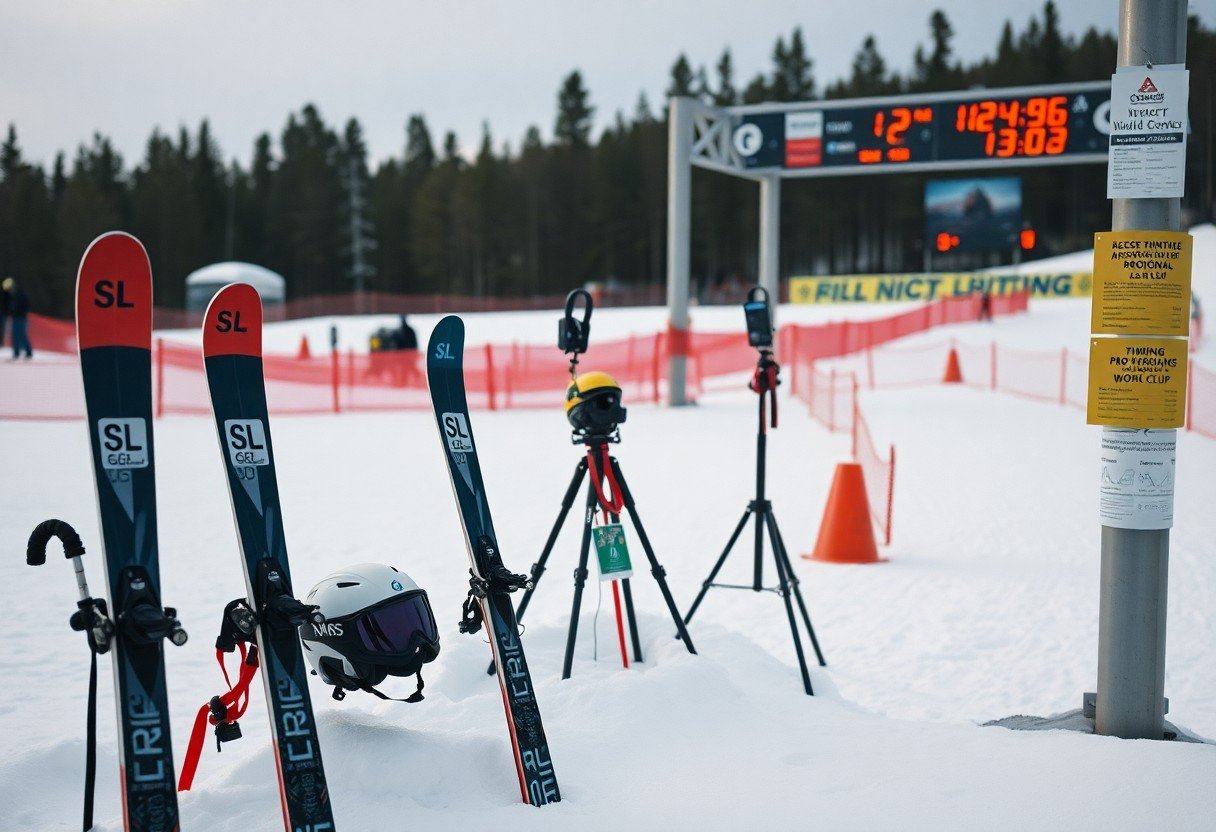
Speed Disciplines: Velocity and Risk Management
Downhill: Reaching the Limits of Human Speed
Top speeds in downhill push you past 130 km/h, forcing an aerodynamic tuck and razor-sharp focus; the course emphasizes pure glide, so high-speed crashes are your greatest hazard while you chase the thrill of maximum velocity.
Super-G: Merging Technical Turns with High Momentum
Super-G forces you to blend sweeping speed with sudden technical turns, demanding split-second line choices; with visual inspection only and no practice runs, you face amplified momentum and tighter margins at every gate.
You must read varied terrain instantly-radius changes, compressions and blind exits-so your ski setup balances edge hold with high-speed stability; technical line selection, equipment tuning and timing determine podiums, while G-forces in late turns leave little room for error.
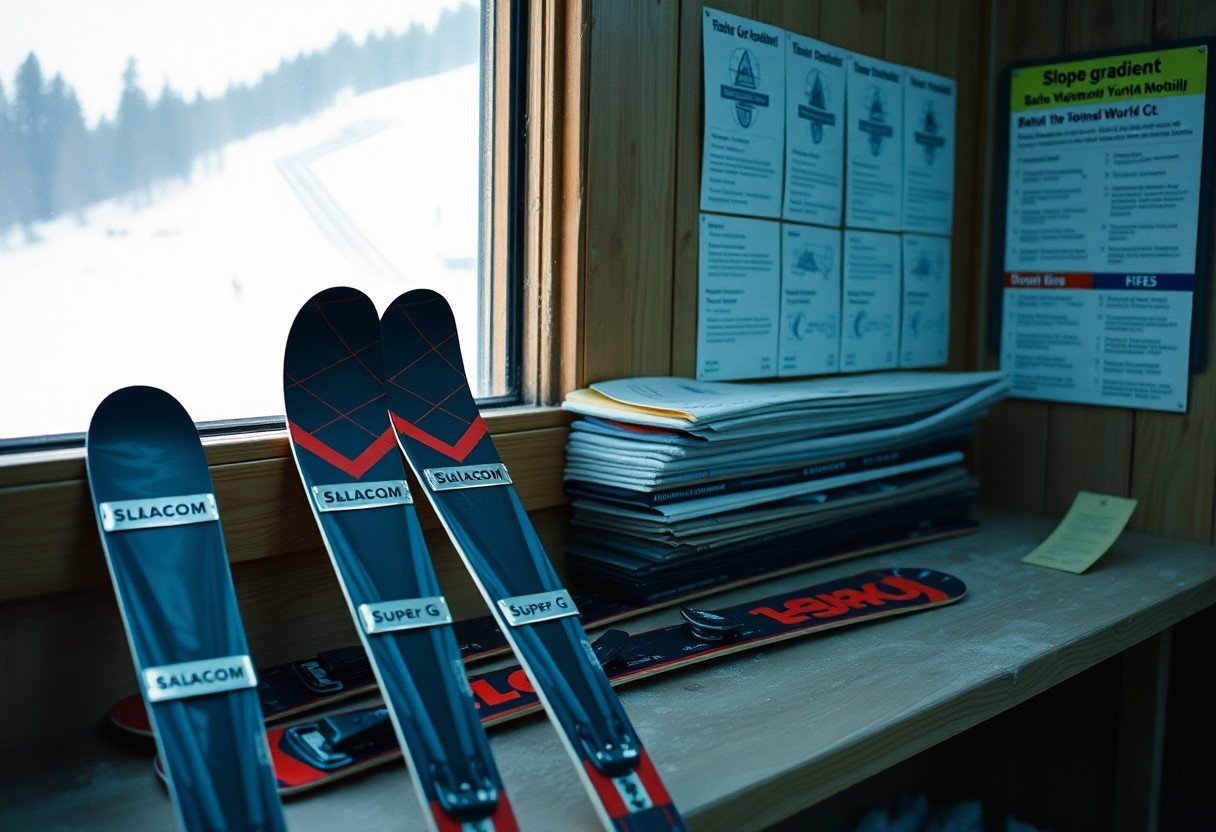
Specialized Race Formats
The Alpine Combined: Testing All-Around Proficiency
Alpine Combined forces you to master a speed run and a slalom on the same day, rewarding versatility while punishing errors in the fast sections where crashes carry higher consequences.
Parallel Racing: The Head-to-Head Elimination Format
Parallel Racing pits you against another racer on mirrored courses so you face head-to-head pressure and must execute explosive starts and razor-sharp turns to survive the elimination rounds.
You will find that courses are shortened and set to promote attacks and mistakes count; the bracket format means one slip sends you home, so you feel intense pressure and must balance aggression with control. Races run in heats, often with multiple rounds per day, increasing physical and mental fatigue. Spectators love the format for its spectacle and rapid, television-friendly drama.
Essential Equipment and Safety Standards
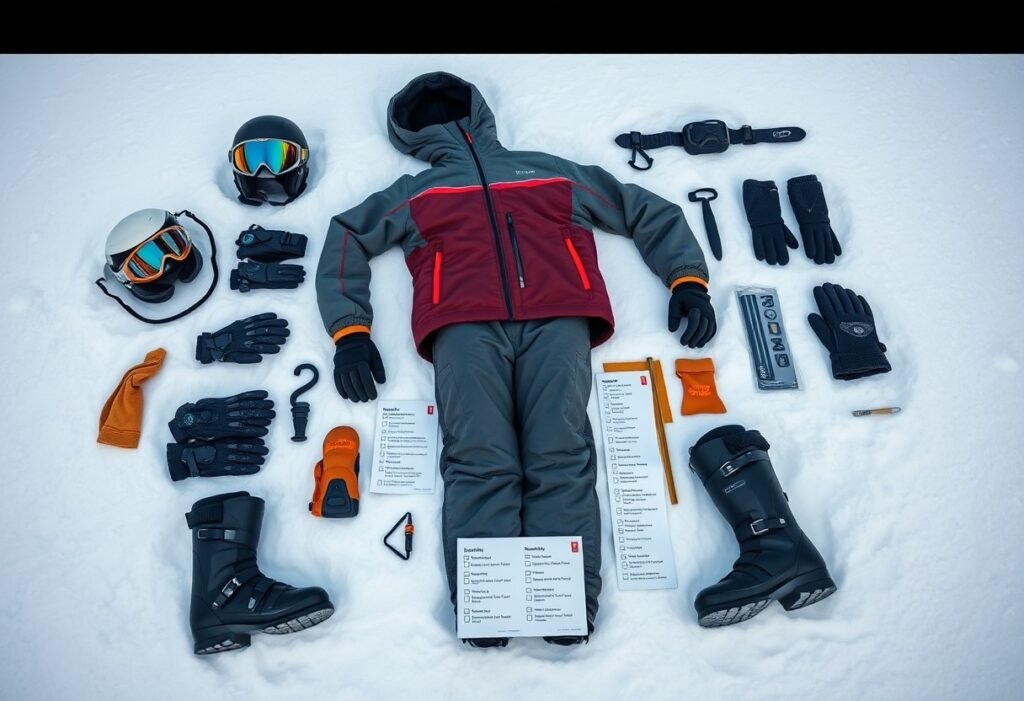
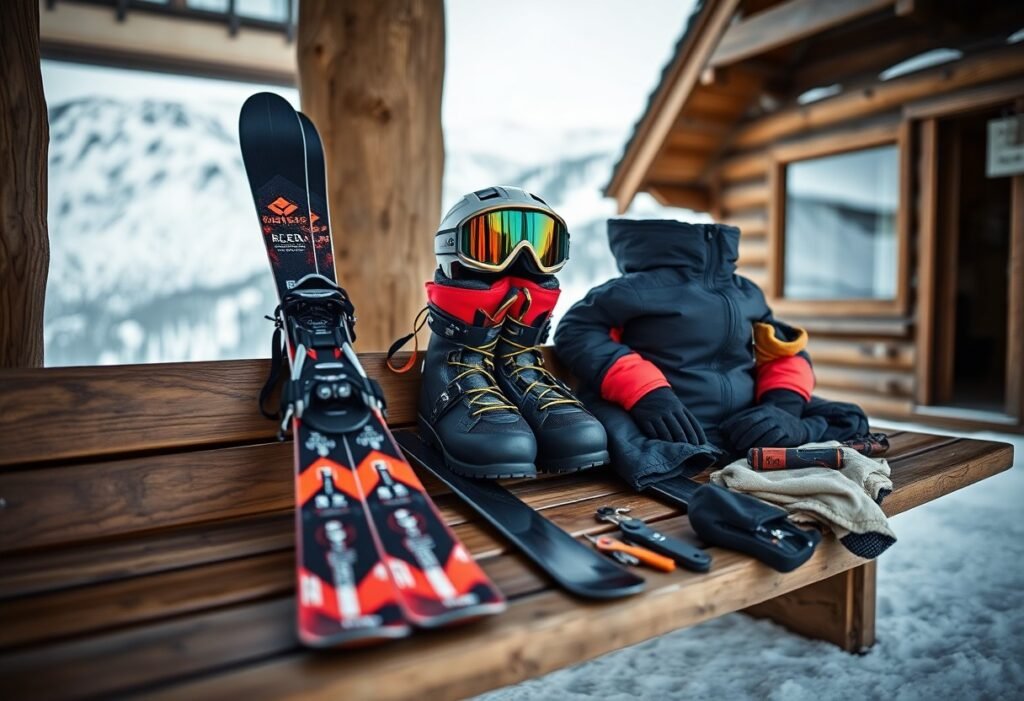
Equipment maintenance and selection determine how reliably you perform on race day; you must follow FIS rules, service bindings and edges regularly, and wear FIS-certified helmets plus back protectors to limit the risk of serious injury.
Discipline-Specific Skis and Protective Gear
Skis vary by event: you choose shorter, more agile slalom skis or longer GS/DH skis, and pair them with stiff boots, precise bindings, and impact-rated helmets to maximize control and safety.
Course Preparation and Snow Injection Techniques
Course crews compact and inject snow so you face consistent, fast surfaces; you should expect hard, icy ruts and trust that safety crews install netting and padding where impacts are most likely.
Injection involves forcing high-pressure water into packed snow and letting it freeze, creating a dense, fast surface that you will race on. Teams monitor temperature, humidity and wind to time injections; improper freezing can leave soft patches or dangerous ice ridges that increase crash risk. You should watch for visible testing, repeated grooming, and placement of netting, foam blocks, and impact pads at exposed sections to reduce injury severity.
Summing up
Now you know the five main events-slalom, giant slalom, super‑G, downhill and combined-and how athletes progress from junior and national ranks through FIS to World Cup, so you can grasp competition formats, required skills, and pathway options.
FAQ
Q: What are the main alpine skiing events and how do they differ?
A: Downhill is the fastest event, featuring long, steep courses, high speeds, and relatively few gates that favor aerodynamic tuck and stability. Super-G mixes speed and technical turns with more gates than Downhill and requires immediate line decisions from a single run. Giant Slalom uses shorter, more frequent turns than Super-G with gates set to enforce wider radius carving turns and is usually contested over two runs. Slalom demands the quickest, shortest turns with the highest gate density and rapid edge-to-edge changes across two runs. Alpine Combined pairs a speed discipline (Downhill or Super-G) with a Slalom run and ranks skiers by total time to reward versatility across speed and technical skills.
Q: How are competitions organized across different levels of the sport?
A: World Cup is the top professional annual circuit where athletes accumulate points at each event toward season titles in overall and individual disciplines. Olympic Games and World Championships are single-event cycles that award medals and carry heavy national selection criteria rather than season-long point totals. Continental Cups such as the Europa Cup and Nor-Am Cup serve as feeder systems that give athletes opportunities to earn start rights and improve rankings for World Cup access. National FIS races and national championships provide competition at the country level and let skiers earn FIS points needed to advance. Junior and age-group competitions offer structured development pathways and rankings for athletes moving from grassroots racing toward international circuits.
Q: What path does an athlete typically follow from junior racing to the World Cup?
A: Local and regional races introduce athletes to gate racing and begin the process of earning FIS points and experience. Progressing skiers enter national junior championships and international junior events where consistent results and lower FIS points attract national federation attention. Strong junior performers move to Continental Cups and national team support programs that provide coaching, physical preparation, and race exposure. National federations select athletes for World Cup starts based on FIS points, race results, and internal selection policies, with top performers eventually securing regular World Cup quotas and championship or Olympic team spots.
Q: How do scoring systems and start orders work in alpine events?
A: World Cup uses a points table that awards 100 points for the winner, 80 for second, 60 for third, and descending to 1 point for 30th place to determine season rankings. Championships and Olympic races award medals for single-event performance rather than season points. FIS points rank skiers by comparing race times to the winner and applying an event penalty; lower FIS points indicate a better rank and influence start positions. Start lists generally favor higher-ranked skiers with earlier bibs on courses that deteriorate with traffic, and two-run events combine both run times to determine final standings.
Q: What equipment rules and safety measures vary by event and competition level?
A: Skis differ by discipline with longer, more stable models for Downhill and Super-G and shorter, more responsive designs for Giant Slalom and Slalom; ski dimensions and radii follow FIS regulations at international events. Helmets, boots, bindings, and protective gear must meet homologation and safety standards for elite competitions, with some additional protective items like back protectors common in speed events. Courses use safety nets, padding around posts, and carefully planned gate setups to reduce injury risk, while race-day protocols include course inspection, gate judges, timing systems, and on-site medical teams. Equipment checks, wax control, and homologation inspections increase at higher levels to ensure fairness and safety for all competitors.