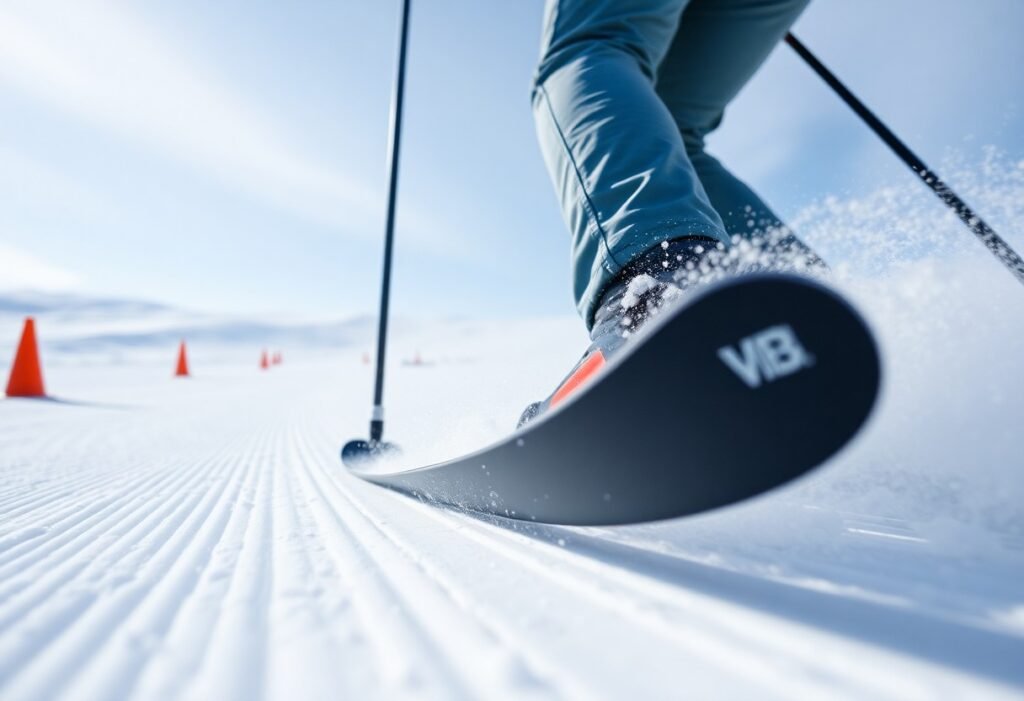

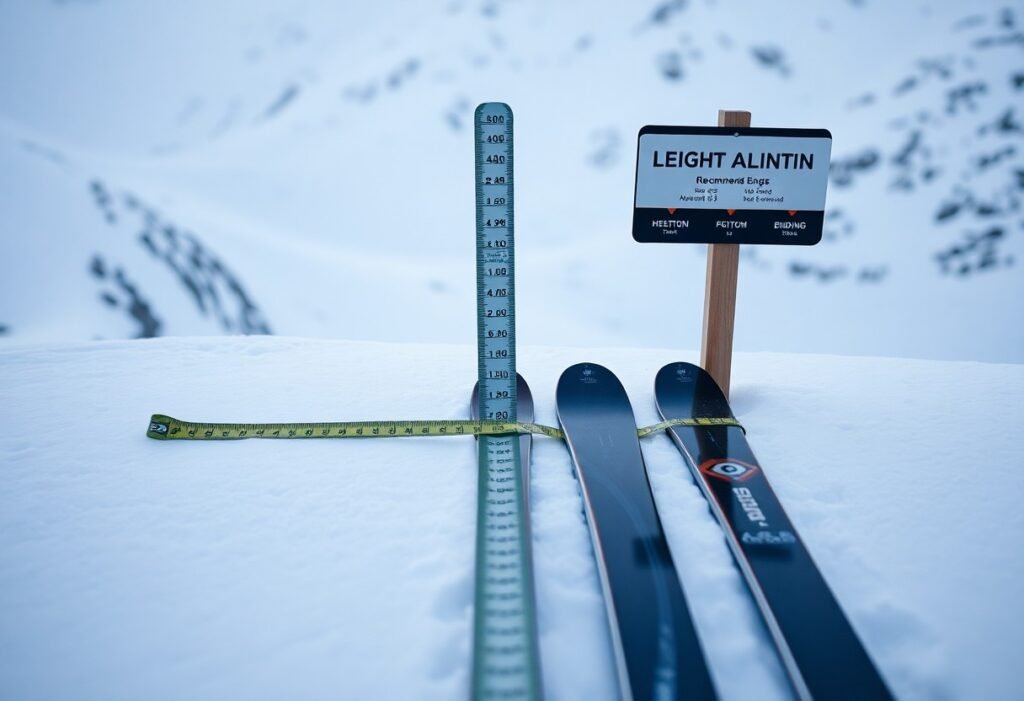
Many skiers misjudge size; you should match height, weight, skill to terrain and flex to avoid increased injury risk, while choosing length that gives better control and stability for performance.
Calculating Your Baseline Using Physical Factors
Calculate your baseline ski length by anchoring on height and then modifying for weight, stance width, skill level, and ski type; shorter skis give easier turning and safer control, while excessively long skis increase injury risk and reduce responsiveness. Thou must cross-check manufacturer charts and favor control when unsure.
- Height
- Weight
- Stance
- Skill level
- Ski type
Using Height as the Primary Reference Point
Measure your standing height to choose an initial ski length range-typically between chin and forehead for adults-and then refine based on your preferred turn size and terrain; keep height as the foundation for adjustments.
Adjusting for Body Weight and Physical Mechanics
Scale your baseline up if you carry extra weight or down if you’re very light; heavier skiers need longer skis for float and stability, while lighter skiers gain control with shorter skis. Always balance weight changes with your turning preference and ability.
Assess how your weight distribution, muscle mass, and riding position affect ski choice: if you have strong legs or a forward stance you can handle a slightly longer ski for high-speed stability, but if you are lighter or plan to carry gear choose shorter skis to preserve maneuverability and lower fall risk; use manufacturer weight ranges and on-snow testing to fine-tune the fit.
How to Choose Length Based on Ski Construction
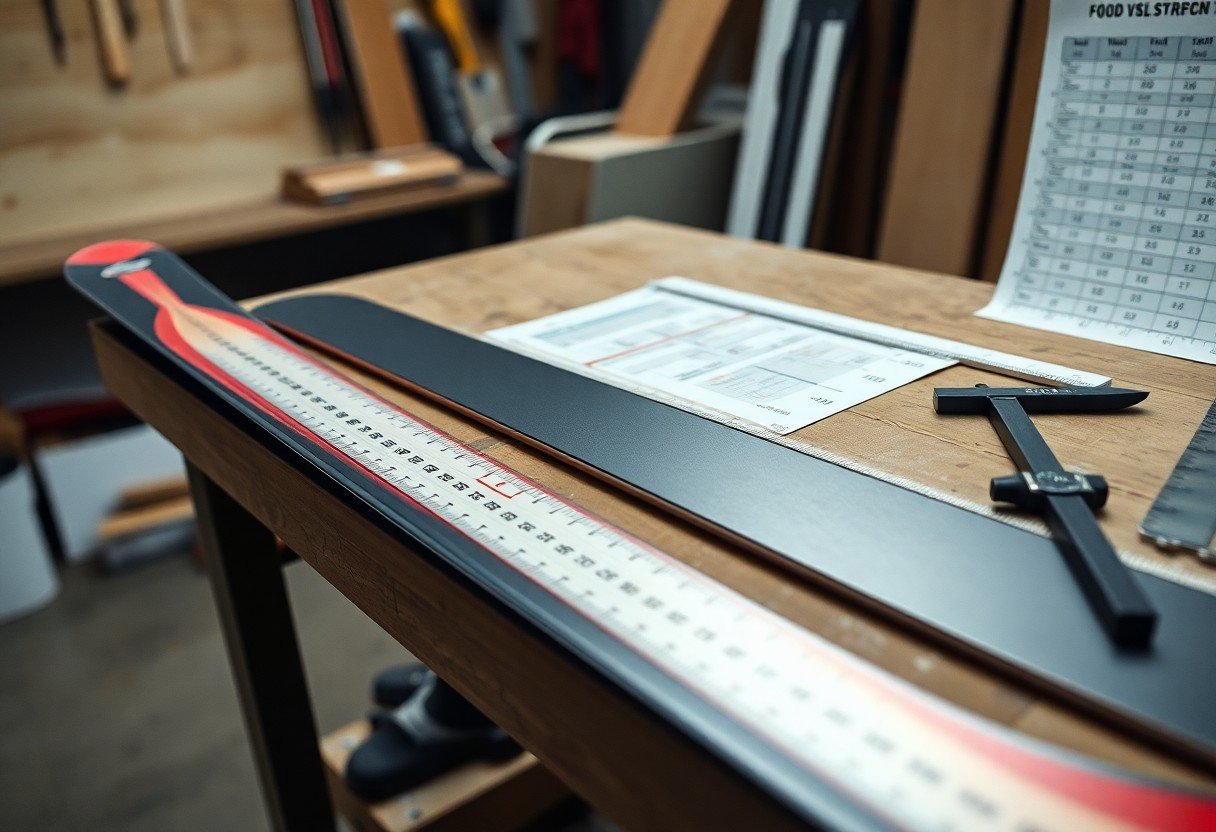
Ski construction dictates how length alters flex, edge hold and float, so you should match length to camber, rocker and torsional stiffness to get intended handling; read the Expert Ski Length Guide: Advanced Sizing for Performance … for deeper rules – choosing skis that are too long can increase your risk of falls, while matching length to construction unlocks control and float.
Sizing for Narrow Waist Carving Skis
Carving skis with narrow waists work best around chin to forehead height so you get quick edge-to-edge response; shorter lengths enhance turn initiation and precision when you push high edge angles on groomers.
Determining Length for Wide Powder and Freeride Skis
Powder and freeride skis usually run longer than your height to maximize float; you should accept that longer skis boost flotation but reduce low-speed maneuverability.
When choosing length for wide powder and freeride models, add about 5-15 cm over your height based on weight and aggression-heavier or aggressive skiers lean toward +15 cm while lighter or playful skiers stay closer to height; check rocker and flex because rocker can permit shorter lengths, and excessively long skis can overwhelm your ability to control speed and turns.
Pro Tips for Customizing Your Ski Length Preference
Adjust your setup by testing lengths in conditions you ski most and note how ski length affects turn initiation, float and edge grip; tune choices to your skill level, typical terrain and weight.
- Demo multiple lengths before buying
- Account for waist width and camber
- Pick slightly longer for piste speed, shorter for tight trees
- Consult bindings for proper release settings
Recognizing you must balance comfort and control to minimize the risk of falls and strain.
When to Size Up for High-Speed Stability
Opt for a longer ski if you spend time on groomers or charge fast; longer lengths deliver high-speed stability and smoother tracking, though they demand more strength and edge control from you.
When to Size Down for Enhanced Maneuverability
Choose shorter skis when you prioritize quick turn initiation, tight-tree skiing or playful carving, because shorter lengths improve responsiveness and reduce swing weight for you.
Lowering your length further helps in tight terrain and park work, but be mindful that overly short skis sacrifice edge hold and can increase the danger of catching an edge at speed; you should match reductions to your skill level, preferred turn shape and the ski’s construction.
Special Considerations for Junior and Youth Sizing
Consider shorter, forgiving lengths for juniors to build confidence and technique; youth skis with softer flex and narrower waists let you learn turns with less effort while limiting the chance of overuse injuries.
Match growth expectations and adjustable bindings to your child’s progression, choosing models with appropriate flex and a safety-minded binding range; when in doubt, err toward slightly shorter skis to protect developing muscles and reduce the risk of falls.
How to Use a Sizing Chart for Final Selection
Matching Personal Data to Manufacturer Recommendations
Match your height, weight, skill level and preferred terrain to the manufacturer’s sizing chart, prioritizing skill level and weight when ranges conflict. Watch for longer skis’ greater speed but reduced maneuverability, and pick the shorter end if you favor quick turns or lower risk.
Finalizing Your Choice with Professional Shop Advice
Ask the shop tech to measure your stance, test-fit boots and check binding compatibility against the chart; their advice will align manufacturer numbers with your actual gear. Insist on discussing binding DIN limits and any injury-risk tradeoffs before committing.
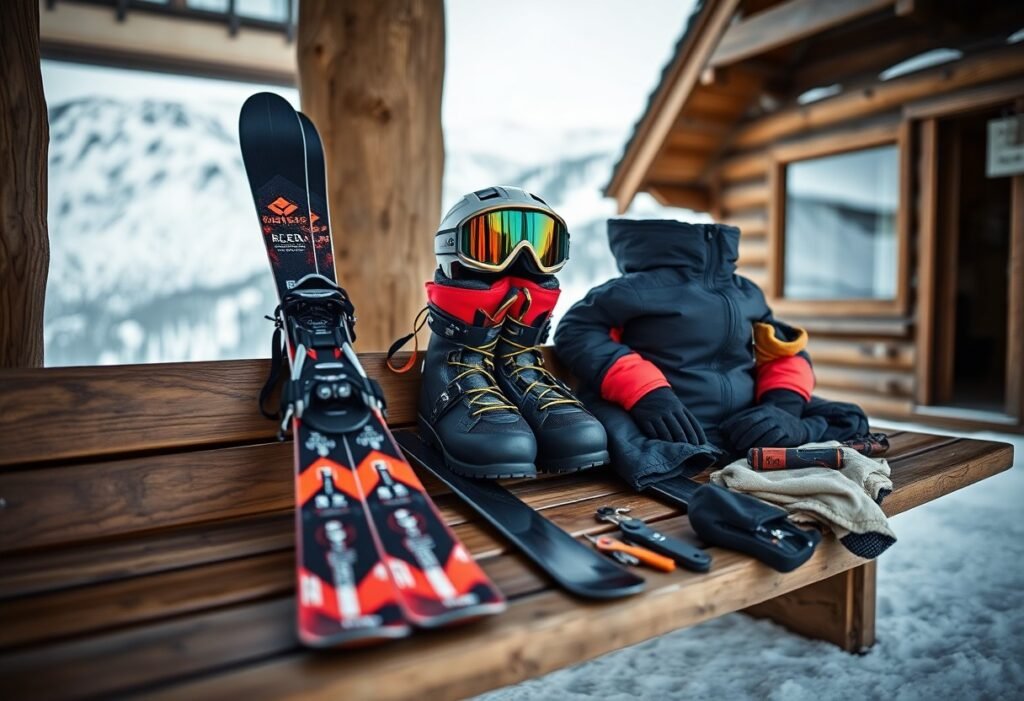
Bring your boots, typical socks and any current skis so the tech can mount and set bindings to your stance; they can demo alternative lengths and show how longer skis increase stability while shorter skis improve agility. Trust professional measurement when you’re between sizes.
Summing up
With this in mind, you should choose ski length based on your height, weight, ability, and preferred terrain; shorter skis offer control for beginners and tight turns, longer skis provide stability at speed and in powder, so match length to your skill and conditions.
FAQ
Q: What are the main factors that determine the correct ski length?
A: Ski length is based on a combination of skier height, weight, skill level, preferred terrain and turn style, and the ski’s intended design (carving, all-mountain, freeride, park). Taller or heavier skiers usually need longer skis for edge hold and stability. Lighter or shorter skiers benefit from shorter skis for easier turn initiation. Ski shape-sidecut radius, rocker profile, and camber-changes the effective contact length, so a ski with pronounced rocker can feel shorter than its measured length. Flex or stiffness alters how the ski responds under load; stiffer skis suit faster, more aggressive skiers and often run longer for added stability.
Q: How should I adjust ski length by skill level?
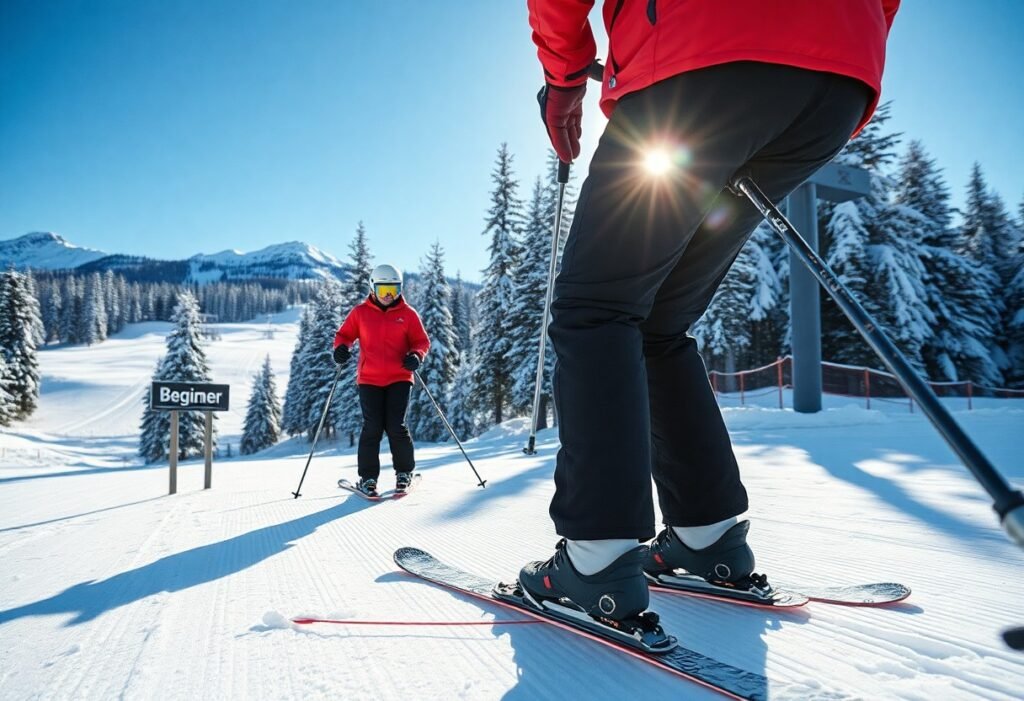
A: Beginner skiers should choose shorter skis, generally between chin and nose height, to simplify turning and reduce catch risk. Intermediate skiers often pick skis around nose to forehead height to balance maneuverability with stability. Advanced and expert skiers who pursue high speeds, long turns, or deep snow typically select skis at forehead height or longer; expert racers or powder specialists may go well above head height for flotation and stability. Skiing speed and aggressiveness push length upward, while a focus on quick short-radius turns favors shorter lengths.
Q: How does ski type affect the ideal length?
A: Carving and piste skis normally run shorter relative to skier height to improve edge-to-edge quickness and turn initiation. All-mountain skis sit in a mid-range to offer versatility across groomers, crud, and occasional powder. Freeride and powder skis are typically longer and wider for flotation and high-speed stability, with mounting points sometimes set slightly back. Park and twin-tip skis tend to be shorter to aid spins, presses, and quick maneuvering. Rocker-dominant designs allow shorter effective lengths without losing flotation, while long cambered runs require full measured length for proper contact.
Q: Are there reliable rules of thumb or formulas to pick a ski length?
A: Use height as a baseline then adjust by weight and style: subtract 10-15 cm from height for complete beginners, subtract 5-10 cm for cautious or low-weight intermediates, choose within -5 cm to +5 cm of height for versatile all-mountain use, and add 5-10+ cm for aggressive, high-speed, or powder-focused skiing. Apply weight adjustments: add about 5-10 cm if you are heavier than average for your height; subtract 5-10 cm if you are lighter. Consult manufacturer size charts and turn-radius specifications: shorter skis give quicker, tighter turns, while longer skis increase stability at speed. Final selection should reflect personal comfort and the type of snow you ski most often.
Q: What practical steps should I take before buying or mounting skis?
A: Demo rentals or test models at a shop to assess how different lengths feel in your typical conditions; perform a few runs to check turn initiation, edge hold, and confidence at speed. Bring your height, weight, skiing style, and boot sole length to the shop so the salesperson can recommend sizes and set bindings correctly. For powder or freeride, request bindings mounted slightly back; for carving or piste-focused skis, choose a center mount or neutral position. Follow binding DIN-setting procedures and have a certified technician mount and adjust bindings to ensure safety and optimal performance.