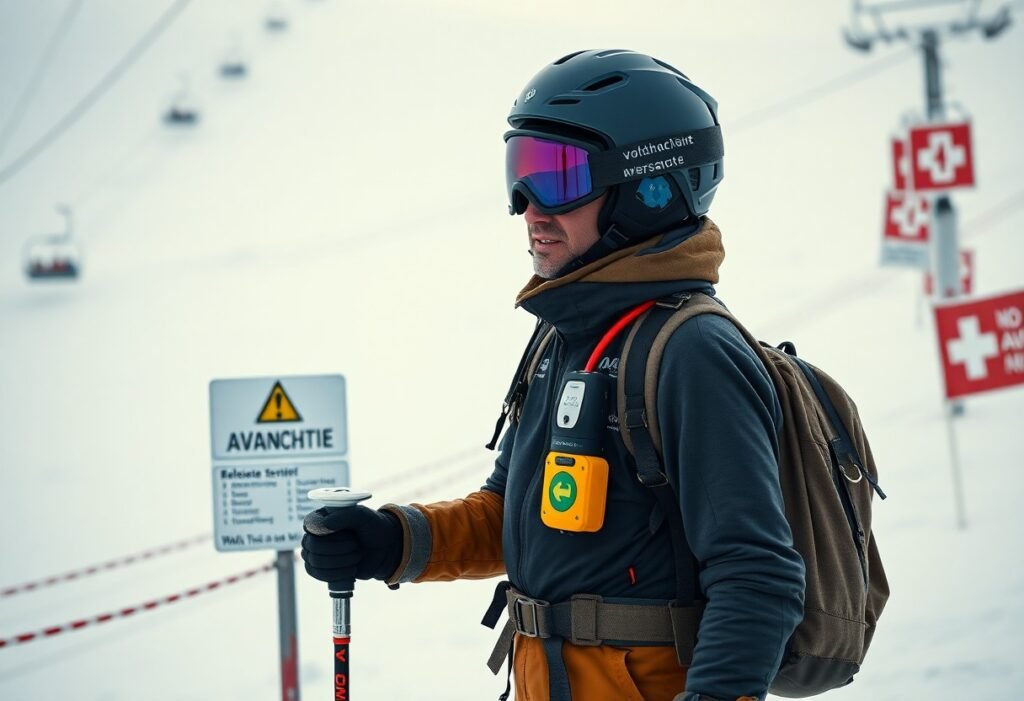

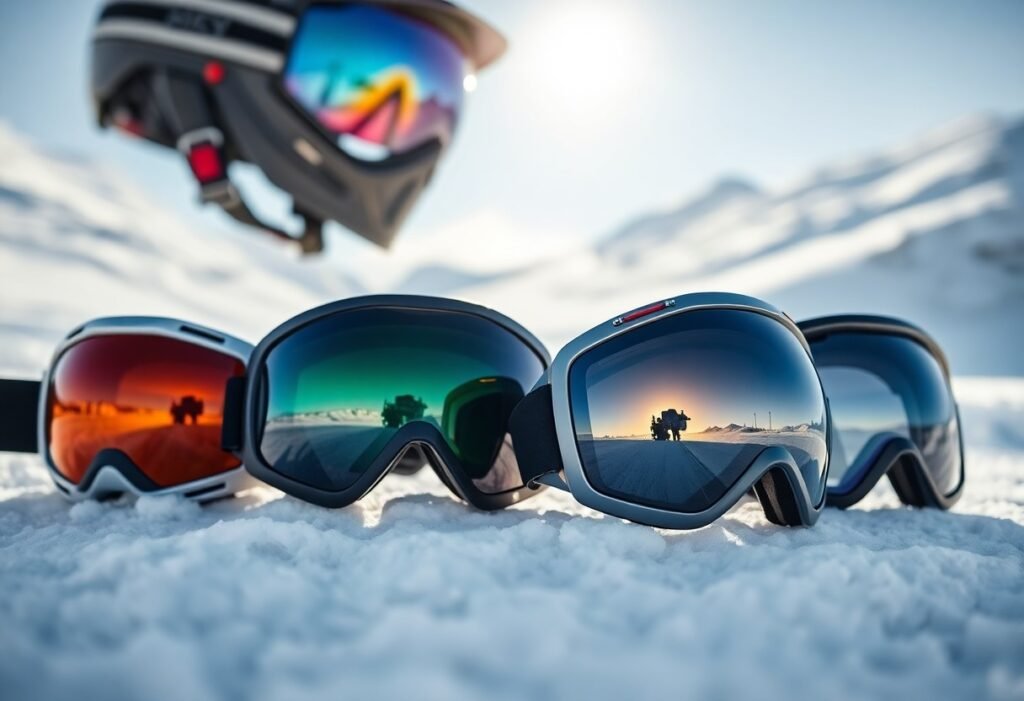
You should choose alpine goggles with reliable anti-fog coatings, secure fit to prevent snow intrusion, and 100% UV protection to avoid reduced vision and collision risks while keeping clear sight on steep runs.
The Science of Lens Optics
Understanding Visible Light Transmission (VLT)
VLT tells you how much light your goggles pass; choose low VLT (5-20%) for bright sun and high VLT (40-90%) for flat, low light to preserve contrast and reduce eye fatigue.
Photochromic vs. Polarized Performance
Photochromic lenses adjust tint as conditions change, while polarized lenses cut reflective glare; you should favor photochromic for mixed light or polarized for glare-heavy slopes.
Polarized lenses dramatically cut surface glare, giving you clearer vision on reflective slopes, but they can reduce contrast and hide subtle icy patches; Photochromic compounds rely on UV so in-goggle activation may be weak, leaving you under-darkened in cold or shaded conditions.
Advanced Anti-Fog Systems
Key Anti-Fog Components
| Component | How it helps you |
| Dual-pane lens | Creates a thermal barrier so you experience reduced condensation and clearer runs. |
| Perimeter ventilation | Directs airflow across the inner lens so you avoid pockets of humid air that cause sudden fogging. |
| Hydrophilic/permanent coatings | Wicks moisture into a thin film, giving you long-lasting anti-fog protection. |
| Foam fit and helmet interface | Seals warm air away from lenses so you keep consistent airflow and prevent internal condensation. |
- Choose dual-pane lenses when you want extended fog resistance in cold-to-moderate conditions.
- Keep perimeter vents unobstructed so you maintain active airflow and reduce fog risk.
- Clean inner lenses gently and avoid abrasive products to protect permanent coatings and retain clarity.
Dual-Pane Thermal Barriers
Dual-pane lenses create a temperature gap between exterior cold and interior warm air, so you notice fewer fogging events and steadier visibility on steep runs.
Perimeter Ventilation and Airflow Management
Perimeter vent channels route air across the inner lens so you preserve clear sightlines; keep helmet gaps aligned to maintain that flow and avoid stagnant humidity.
Airflow systems often combine variable vents, angled channels and foam tuning so you can adjust exchange rates for changing exertion levels; if you block vents with a buff or helmet strap you risk abrupt fogging, so prioritize an unobstructed interface for consistent, fog-free vision.
Hydrophilic and Permanent Anti-Fog Coatings
Hydrophilic coatings spread moisture into a thin film so you experience less light scatter, and permanent formulas give you longer-lasting protection without frequent reapplications.
Coatings differ in durability and care needs, so you should avoid rubbing the inner lens harshly and never use household cleaners; instead, rinse with lukewarm water and blot with a microfiber cloth to preserve performance and prevent irreversible damage.
Frame Geometry and Comfort
Your frame geometry controls peripheral vision, pressure points and fog risk, so match frame depth and curvature to your facial width and helmet profile; low-profile shapes often reduce drag while spherical lenses improve clarity. Check community tests like Best goggles / lenses for skiing in foggy and snowing … and prioritize fit, venting and anti-fog.
Helmet Integration and Fit
Choose goggles that sit flush with your helmet to avoid gaps that let wind and snow into your eyes; test tilt and strap tension with your helmet to prevent pressure points, and favor adjustable mounts for a secure, fog-free seal.
Over-the-Glasses (OTG) Considerations
If you wear prescription glasses, pick OTG models with deeper frames and temple cutouts to prevent arm pressure and reduce fogging; verify clearance and strap adjustability before buying to ensure comfort and clear sight.
Beyond basic clearance, examine how the foam compresses over your specs-too much squeeze creates pressure points while too much gap allows cold air to trigger fog. You should try OTG goggles with removable foam, dedicated temple channels and treated lenses; pairing them with helmets that offer ear pockets reduces temple strain and improves long-day comfort.
Triple-Layer Face Foam Construction
Foam that combines a plush outer layer, absorbent middle and dense inner layer distributes pressure, wicks sweat and maintains the seal against your face for consistent comfort and anti-fog performance.
Layered foam also adapts to varied cheekbones and nose shapes, cutting down on cold-air intrusion that causes sudden fogging; you should inspect foam thickness for long-term compression resistance and opt for replaceable or hypoallergenic materials to avoid irritation and preserve a reliable goggle-to-face seal on extended outings.
Selecting the Optimal Lens Shape
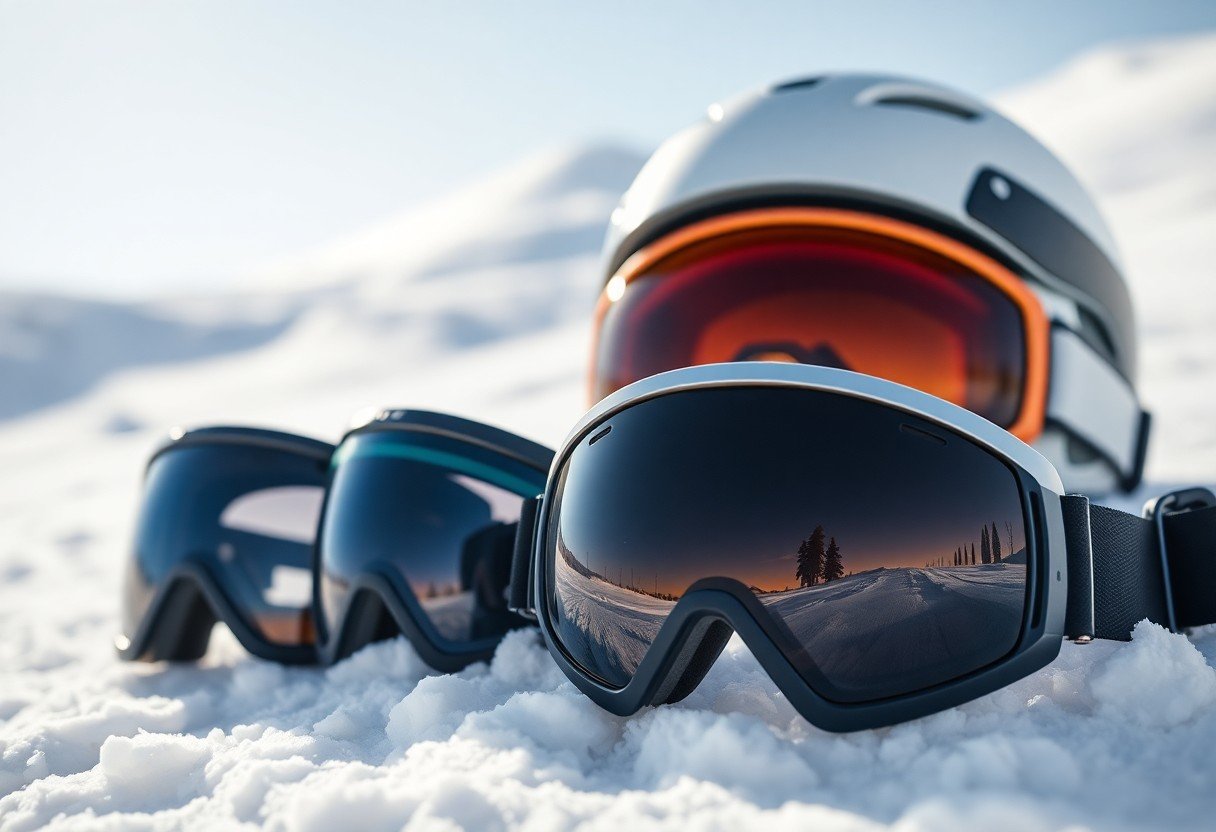
Choosing lens curvature influences optical clarity, peripheral view and ventilation; you should match shape to your face and skiing style to minimize glare and fog. Ensure fit to avoid dangerous fogging from poor sealing and ventilation.
Spherical vs. Cylindrical vs. Toric Optics
Spherical lenses mimic your eye’s curve, giving you less distortion and wider peripheral vision; cylindrical models are flatter and cheaper but can cause edge distortion, while toric blends both so you get a strong balance of performance and reduced fogging.
Top-Rated Fog-Free Models for Alpine Skiing
Best Overall High-Performance Goggle
You get top-tier anti-fog performance with the Smith I/O Mag: dual-pane lenses, advanced ventilation, and durable anti-fog coating keep visibility clear at speed, while the wide peripheral view and impact-rated frame protect you on steep alpine runs.
Best Value for Anti-Fog Reliability
Choose the Anon M4 for consistent anti-fog reliability without breaking the bank; magnetic lens swaps, solid ventilation, and prescription-friendly fit give you performance that lasts season after season.
More on Best Value for Anti-Fog Reliability
Engineered to balance cost and performance, the Anon M4 pairs sealed triple-layer foam, aggressive venting, and a hydrophobic inner lens to cut condensation; replaceable lenses and a secure strap mean you can switch glass quickly and stay fog-free during long descents.
Best Interchangeable Lens System
Interchangeable systems like the Oakley Flight Deck let you swap lenses quickly for changing light; precise quick-change mechanisms and anti-fog treatments ensure you won’t lose visibility when clouds close in.
More on Best Interchangeable Lens System
Swapping lenses on these models is fast-practice so you can change with gloves on; carry extra lenses, use the protective case, and keep vents clear to minimize fog risk when you push hard in mixed conditions.
Maintenance Protocols for Optical Clarity
Proper Storage and Drying Techniques
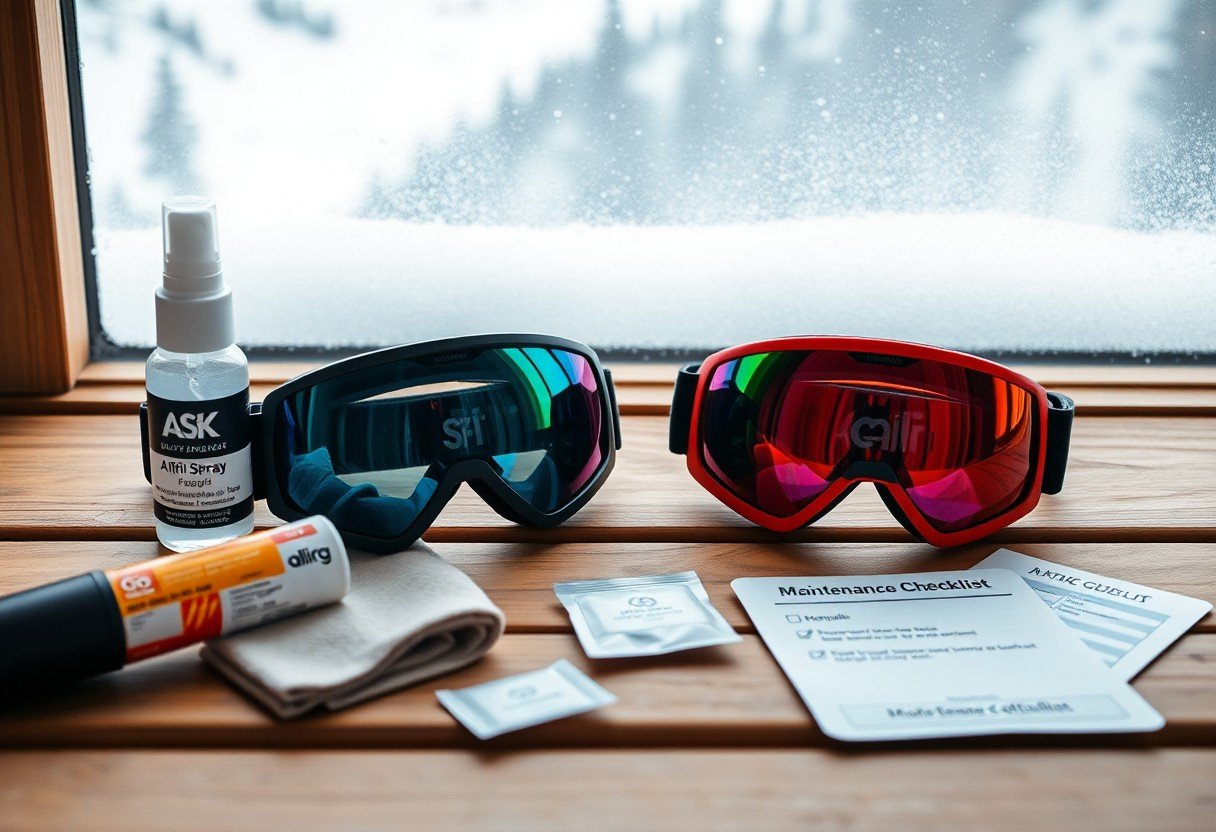
Store your goggles in a soft microfiber pouch after each run, leaving the foam exposed to air to dry; never place damp goggles in sealed pockets or near direct heat, since trapped moisture causes persistent fogging and mold.
Cleaning Without Damaging Coatings
Clean lenses using only a soft microfiber cloth and lukewarm water, avoiding paper towels, household sprays, or scrubbing the inner anti-fog layer to prevent permanent coating damage.
When you must remove stubborn grime, rinse lenses under lukewarm water, apply a drop of mild dish soap only to the outer lens, gently pat with a soft microfiber cloth, and never rub the inner anti-fog coating; if residue persists, use manufacturer-approved wipes or let lenses air dry to avoid scratches and coating loss.
Final Words
Following this guide, you can pick fog-free alpine ski goggles that fit your face, suit changing light, and use dual-lens anti-fog tech to keep vision clear on long, cold days.
FAQ
Q: What features prevent fogging in ski goggles?
A: Double-layer (dual-pane) lenses create a thermal barrier that reduces temperature differences between inner and outer surfaces. Anti-fog coatings on the inner lens change surface tension so condensation doesn’t form visible droplets. Ventilation channels and exhaust ports circulate air to remove humid air from inside the goggle. Moisture-wicking face foam and a close but not airtight seal move sweat away from the lens area. Interchangeable and photochromic lenses help maintain appropriate VLT for changing alpine conditions, lowering fog risk.
Q: Which lens tints and VLT ranges work best for alpine skiing?
A: High-VLT lenses (60-90%) are ideal for low-light, overcast, or flat-light days to boost contrast. Medium tints (20-50% VLT) suit mixed or partly sunny conditions and provide versatility on varied terrain. Low-VLT lenses (5-20%) and mirrored coatings perform best on bright, sunny alpine days. Photochromic lenses that adapt to light changes reduce the need to swap lenses and keep visibility optimal throughout a day on the mountain.
Q: How should goggles fit with a helmet to reduce fogging?
A: Proper fit seals the face without compressing vent channels; foam should contact skin evenly around the frame. Helmet-compatible frames that match the helmet’s rear cuff prevent gaps and allow exhaust vents to function correctly. Over-the-glasses (OTG) models provide space for prescription glasses while maintaining dedicated venting to manage moisture. Adjust strap tension and goggle position to keep consistent airflow and avoid pressure points that block vents.
Q: How do I care for fog-free goggles to preserve anti-fog performance?
A: After use, brush off snow, rinse lenses with clean lukewarm water, and shake off excess before air-drying inside a padded bag. Avoid wiping the inner lens when wet; blot gently with a soft microfiber cloth only after the lens has dried to prevent scratching the anti-fog coating. Store goggles in a breathable pouch away from direct heat or sharp objects. Reapply only manufacturer-approved anti-fog treatments if the original coating shows wear, following product instructions.
Q: What are top fog-free goggle picks for alpine skiing?
A: Smith I/O MAG and Smith Squad MAG offer magnetic interchangeable lenses, excellent ventilation, and dependable anti-fog performance. Oakley Flight Deck Prizm provides a wide field of view, effective rim ventilation, and high-quality lens coatings. Anon M4 Toric features a toric lens for clarity, MFI face mask integration, and effective venting. Julbo Aerospace and Julbo Fury include photochromic options and strong airflow for alpine exposure. Giro Axis and Dragon Alliance PXV deliver good value with dual lenses and reliable anti-fog coatings.