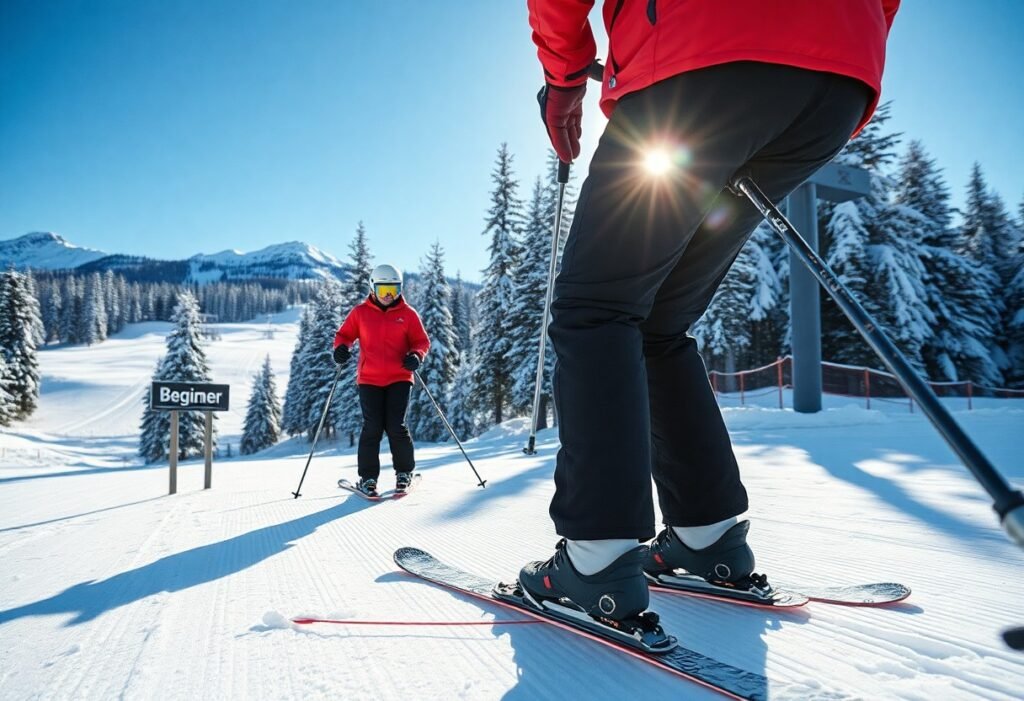

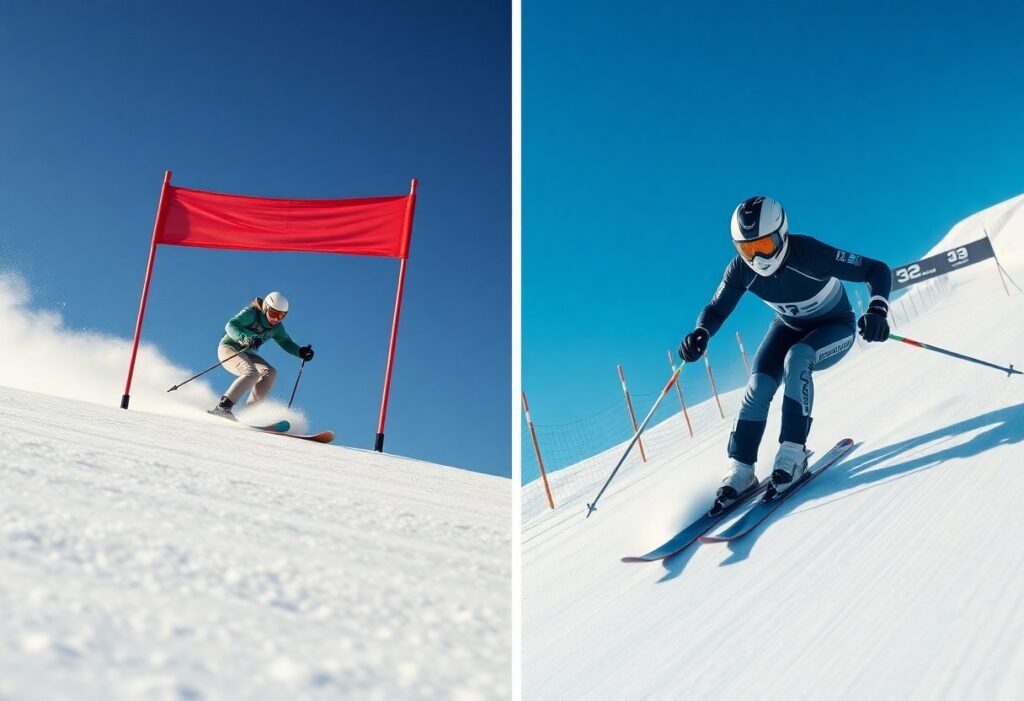

It’s a common mix-up, but you should know alpine skiing denotes recreational, technical turning while downhill is a specific, high-speed race; different gear and techniques, thrilling speed and the elevated crash risk separate them and shape how you train.
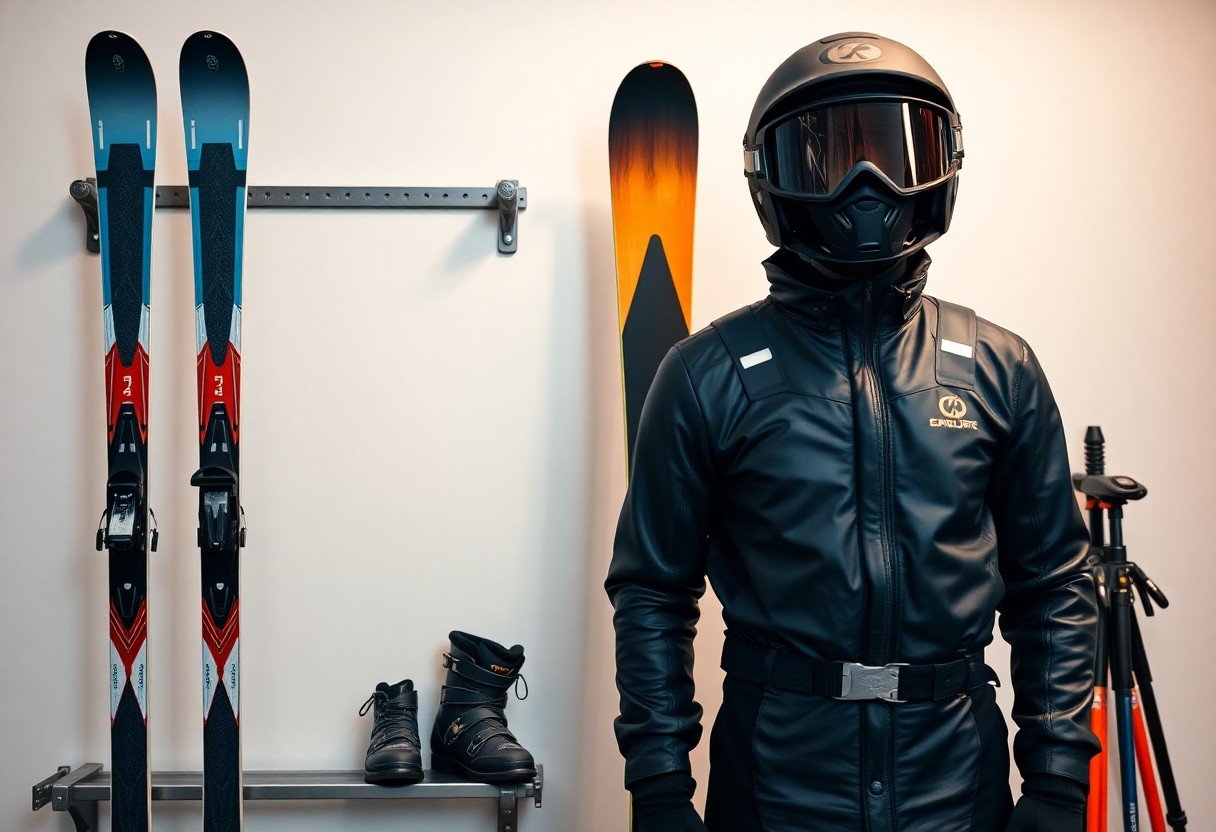
Defining the Terms: Technical vs. Colloquial Use
Alpine Skiing as a Broad Category
Alpine skiing serves as the umbrella for gravity-fed disciplines, and you should note it includes slalom, giant slalom, super-G and downhill, blending precise turns with sections of high speed that test your technique and endurance.
Downhill as a Specific Competitive Discipline
Downhill denotes the single elite speed event where you face very high speeds, long courses and wide-gate lines, creating a higher performance threshold and increased injury risk compared with technical races.
Races in downhill demand that you optimize aerodynamics, line choice and jump control; you encounter steep pitches and speeds often exceeding 130 km/h (80+ mph), so you depend on longer skis, stiff boots and protective gear, while course crews deploy nets, padding and profiling to mitigate the danger.
The Core Disciplines of Alpine Skiing
Alpine skiing divides into technical and speed disciplines that test distinct skills; you must master edge control, timing, and course reading to excel across events, balancing precision with the willingness to accept higher risk in faster races.
Technical Events: Slalom and Giant Slalom
Slalom and giant slalom force you into rapid, controlled turns where technical skill and quick decision-making beat raw speed, making these the best tests of your edge control and rhythm.
Speed Events: Super-G and Downhill
Super-G and downhill push you to extreme velocities; you rely on aerodynamic tuck, line judgment, and trust in your equipment while managing the high-speed danger that defines these events.
Downhill demands that you commit to long, sweeping turns at speeds often exceeding 130 km/h, trusting your skis and protective gear. You will face jumps and compressed snow where aerodynamic position and precise line selection determine both time and survival; helmets, body armor, and course inspection reduce the serious injury risk. Expect less gate frequency than technical events and more emphasis on mental focus and stability, as small errors multiply at race pace.
Key Characteristics of Downhill Skiing
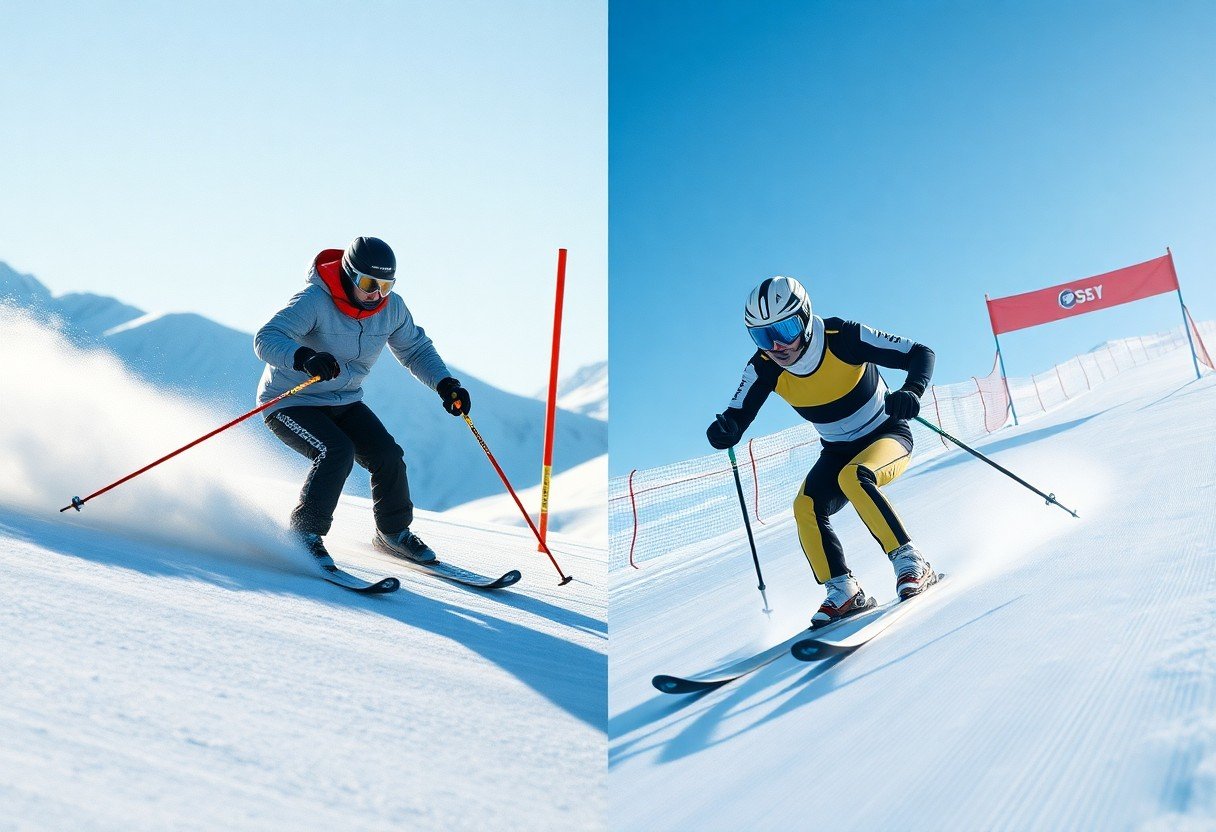
Downhill skiing pushes you to the edge with long, steep runs, extended straights and high-speed jumps that demand precise control and absolute commitment. You rely on long skis, aerodynamic tucks and protective gear to manage speeds often exceeding 130 km/h and the high risk of heavy crashes. For context on how this differs from other events see What are the differences between the alpine skiing disciplines?
Maximum Velocity and Aerodynamics
Speeds force you into a tight tuck and aerodynamic equipment choices so you can reduce drag; you may hit over 130 km/h, increasing the chance of catastrophic impact if you lose control.
Course Design and Vertical Drop Requirements
Courses demand long vertical drops and high-speed sections so you face sustained descent; courses often exceed 800m of vertical drop, testing your endurance and technical line choice.
Steep profiles combine wide-open straights, high-speed turns and large jumps that make you commit to one line, while organizers set strict vertical drop rules-men usually 800-1100m, women 500-800m-to ensure comparability. The course contains fewer gates, focuses on speed rather than technical weaving, and requires extensive safety infrastructure like netting and crash barriers to protect you from high-impact falls.
Equipment Variations and Technical Specifications
Ski Length and Turning Radius Comparison
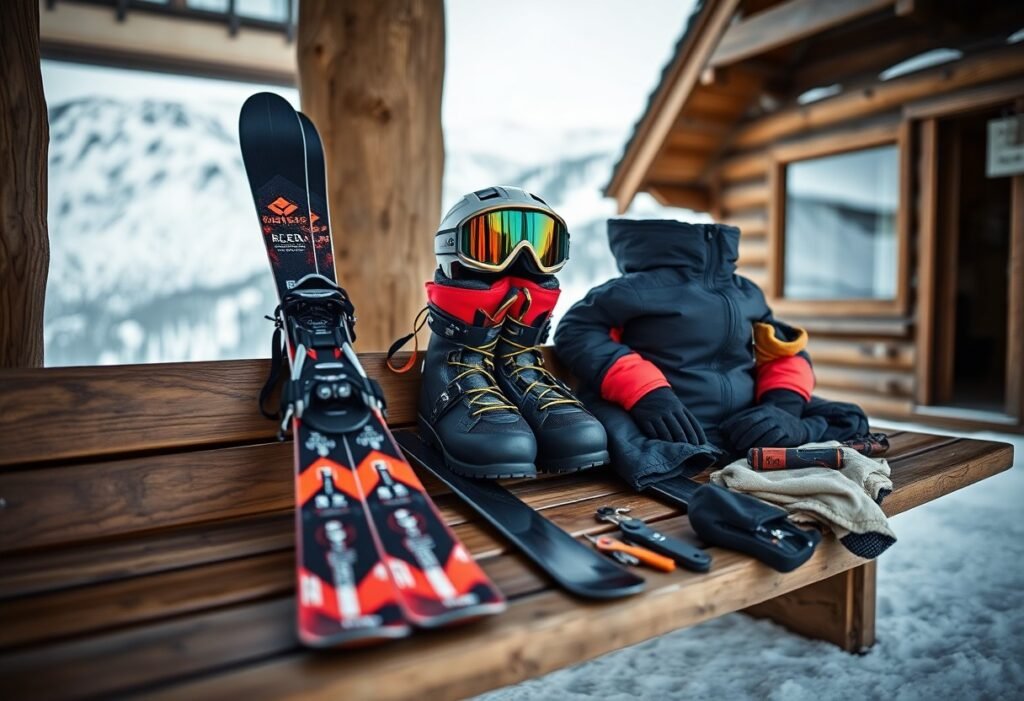
Skis for alpine are generally shorter with smaller turning radii to help quick carving; downhill skis are longer with larger radii for high-speed stability, so you must pick based on agility versus straight-line control.
Equipment Specs: Alpine vs Downhill
| Ski Length | Shorter for quick turns; longer for sustained stability at speed |
| Turning Radius | Smaller radius for tight carving; larger radius for long, fast arcs |
| Boot Stiffness | Softer for responsiveness in alpine; stiffer for control in downhill |
| Bindings & Safety | Standard release tuning for carving loads; higher-rated systems and reinforced mounts for downhill impact forces |
Boot Stiffness and Binding Safety Standards
Boots in downhill are stiffer to give you firm control at speed, while alpine boots let you flex for quick turns; always match boot stiffness to binding settings so release mechanisms protect you from dangerous forces.
You should have a certified technician set and test your DIN release settings and verify boot sole compatibility, because mismatched stiffness or improper mounting can cause premature release or failure-to-release, increasing the risk of severe injury; schedule regular checks after any hard impacts.
Skill Requirements and Physical Demands
Skill demands vary between disciplines: you must execute rapid, precise edge changes in alpine technical runs while downhill forces you to sustain an aerodynamic tuck, high-speed balance and long-duration power; both prioritize exceptional balance and strict course awareness to lower serious injury risk.
Precision Edge Control in Technical Events
Precision in gates asks you to modulate pressure and angle continuously, using edge control, tight knee flexion and quick reflexes; small timing errors increase injury risk and cost you race time.
High-Speed Stability and Gliding Techniques
Speed demands that you hold a compact tuck, manage ski pressure over long turns and make split-second corrections; exposure to very high speeds raises overall crash risk if stability falters.
Maintaining stability at velocity requires you to build pronounced core and leg strength, train proprioception and practice aerodynamic posture; you must also hone reaction time, fine-tune equipment setup (bindings, ski flex, wax) and rehearse line choices under fatigue to reduce forces on impact and improve crash mitigation.
Safety Protocols and Risk Management
You must follow race-grade procedures and personal precautions that separate alpine and downhill: downhill demands stricter speed controls, dedicated rescue teams, and medical readiness for high-speed crashes, while alpine emphasizes control and ski tuning to reduce technical errors.
Specialized Protective Gear for High-Speed Descents
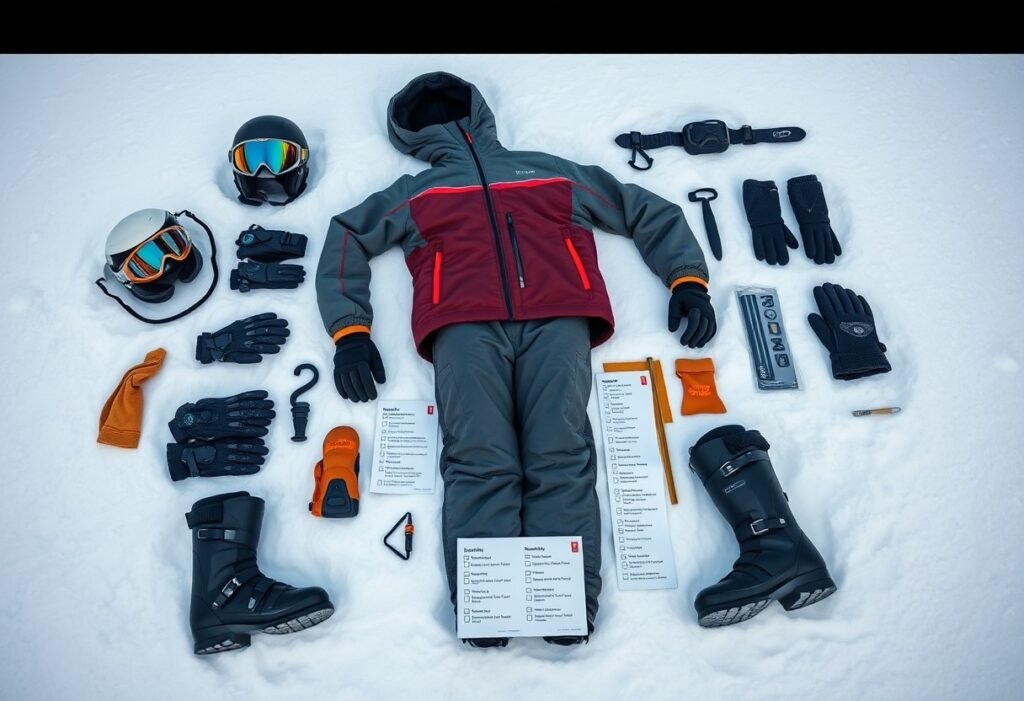
Protective equipment for downhill includes aerodynamic suits, full-face helmets and rigid back protectors so you can withstand impacts at speed; wearing certified gear reduces the risk of severe injury on high-velocity runs.
Course Preparation and Netting Standards
Course crews place and tension safety nets, install energy-absorbing barriers, and mark hazards so you have clear run lines; strict anchoring and inspection minimize the chance of net failure during crashes.
Officials coordinate net placement with double-layer fencing and energy-absorbing nets at predicted crash zones so you are deflected away from trees and pylons; they check anchor points, enforce minimum clearance, and perform post-warmth and post-storm inspections to prevent sagging or detachment that could produce catastrophic outcomes.
Summing up
Presently you should view alpine skiing as the umbrella sport that includes technical and speed events, while downhill is a dedicated high-speed alpine discipline with distinct equipment and rules, so you should not treat them as identical.
FAQ
Q: Are Alpine skiing and Downhill skiing the same?
A: Alpine skiing is the broad category that covers skiing disciplines performed with fixed-heel bindings at ski resorts and on prepared courses, including slalom, giant slalom, super-G, and downhill. Downhill skiing refers specifically to the high-speed, long-course racing discipline inside alpine competition and is also used colloquially to describe skiing straight down a slope recreationally. They share equipment and basic movement patterns, but downhill has unique demands for top speed, long turns, and high-risk course features, so the terms are related but not identical.
Q: What equipment differences distinguish alpine and downhill racing?
A: Downhill race equipment prioritizes speed and stability: skis are longer, heavier, and stiffer to hold high-speed arcs; boots are very stiff and highly supportive; bindings are set for high-force impacts; and racers often use aerodynamic suits, helmets with visors, and back protectors. Recreational alpine gear is available in many shapes and flex patterns to suit turning style, snow conditions, and skill level, with a focus on versatility and maneuverability rather than pure straight-line stability.
Q: How do techniques and body positions differ between alpine disciplines and downhill?
A: Downhill technique emphasizes an aggressive aerodynamic tuck, minimal steering, high-line selection, and absorbing large compressions and jumps with a strong, forward-centered stance. Alpine disciplines like slalom prioritize quick, agile turns, rapid edge changes, and short-radius carve technique, demanding more frequent edge transitions and pole plants. Skiers moving between disciplines must adapt timing, edge pressure, and balance to match the intended speed and turn radius.
Q: Are safety, training, and course risks different for downhill compared to general alpine skiing?
A: Downhill racing carries higher speeds and longer exposure to high-risk course features, so training includes specialized physical conditioning, crash training, course inspection, and practice on race-specific terrain. Protective gear and meticulous ski preparation matter more in downhill due to higher forces and speeds. Recreational alpine skiing still requires avalanche awareness off-piste and helmet use inbounds, but the overall intensity and specific race hazards are typically lower than in competitive downhill.
Q: Can a recreational alpine skier transition into downhill racing, and what steps are required?
A: Yes. A progressive pathway works best: master solid carving and edge control on varied terrain, take race fundamentals (gates, timing, basic racing tactics), join a race club or coach for supervised practice, build sport-specific strength and conditioning, and upgrade equipment to race specifications as skills and speed increase. Licensing, race-entry procedures, and practice on closed courses are necessary before attempting official downhill events because the discipline demands technical proficiency and risk management beyond recreational skiing.