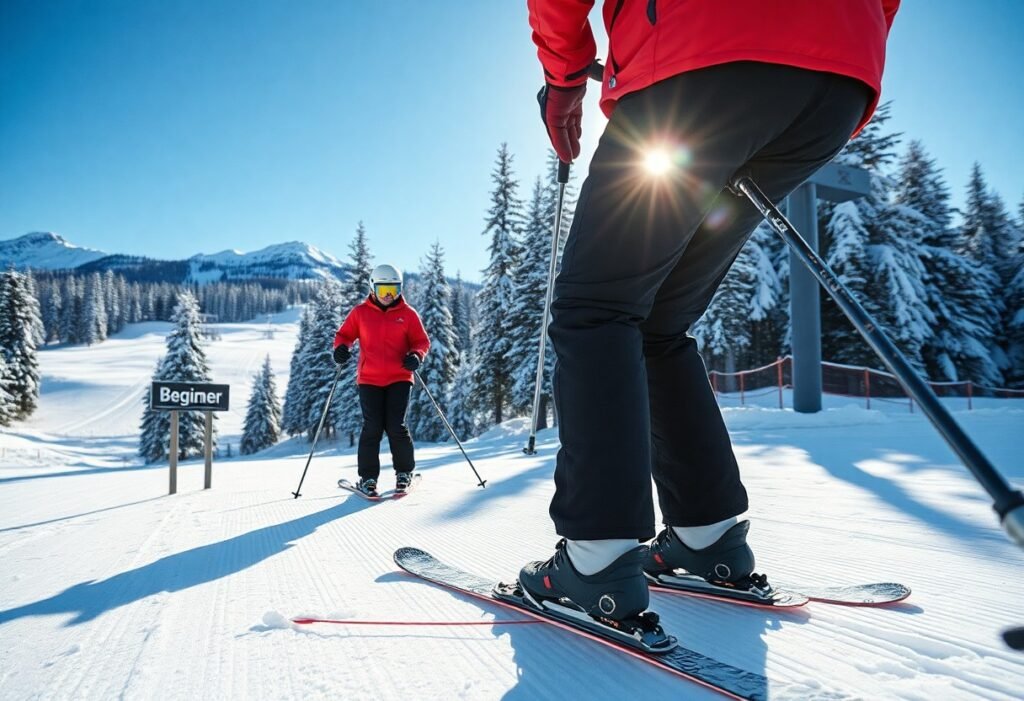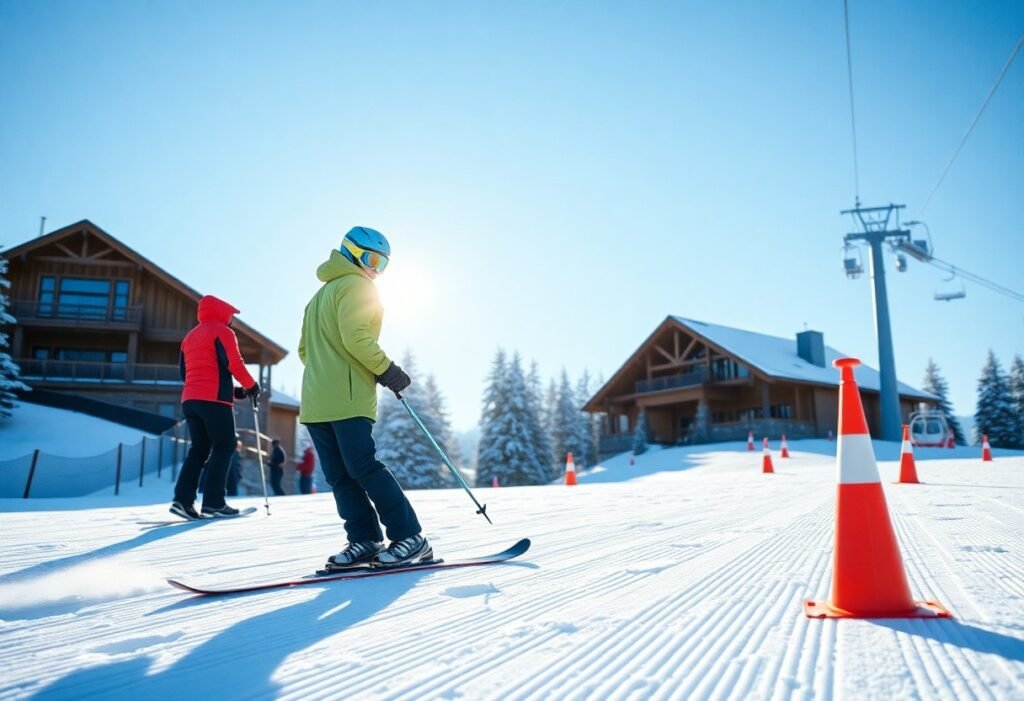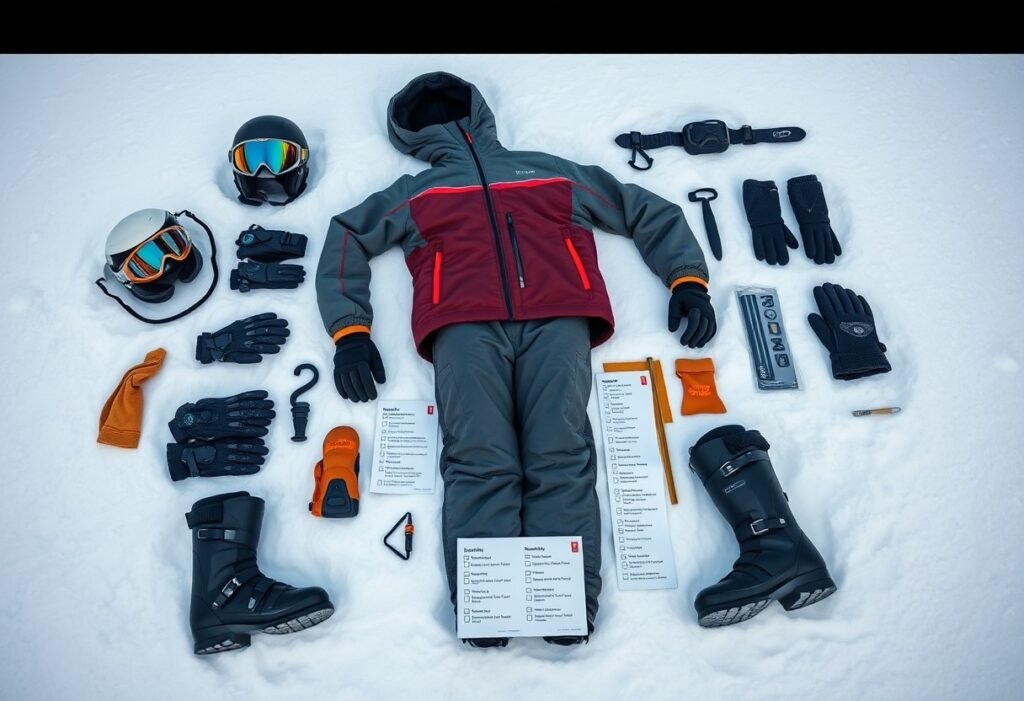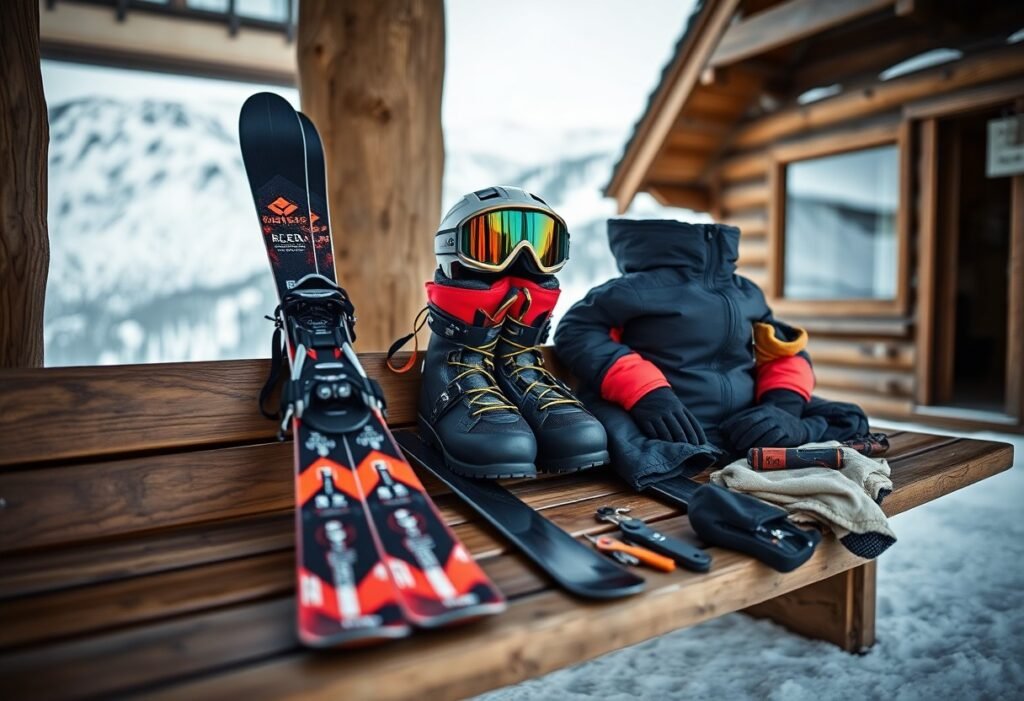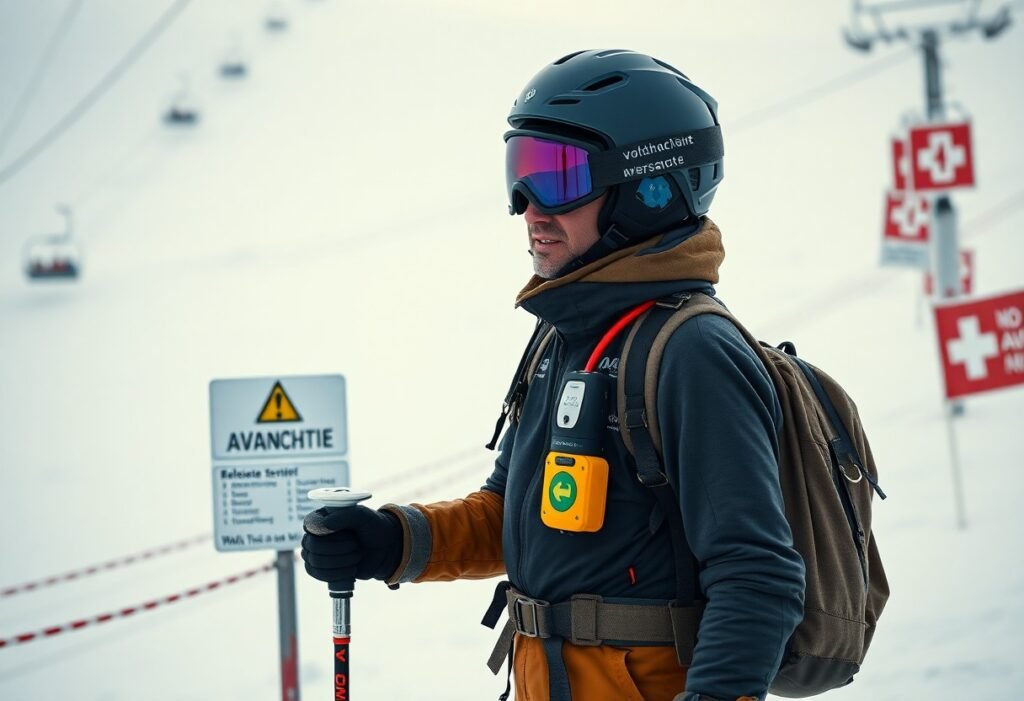

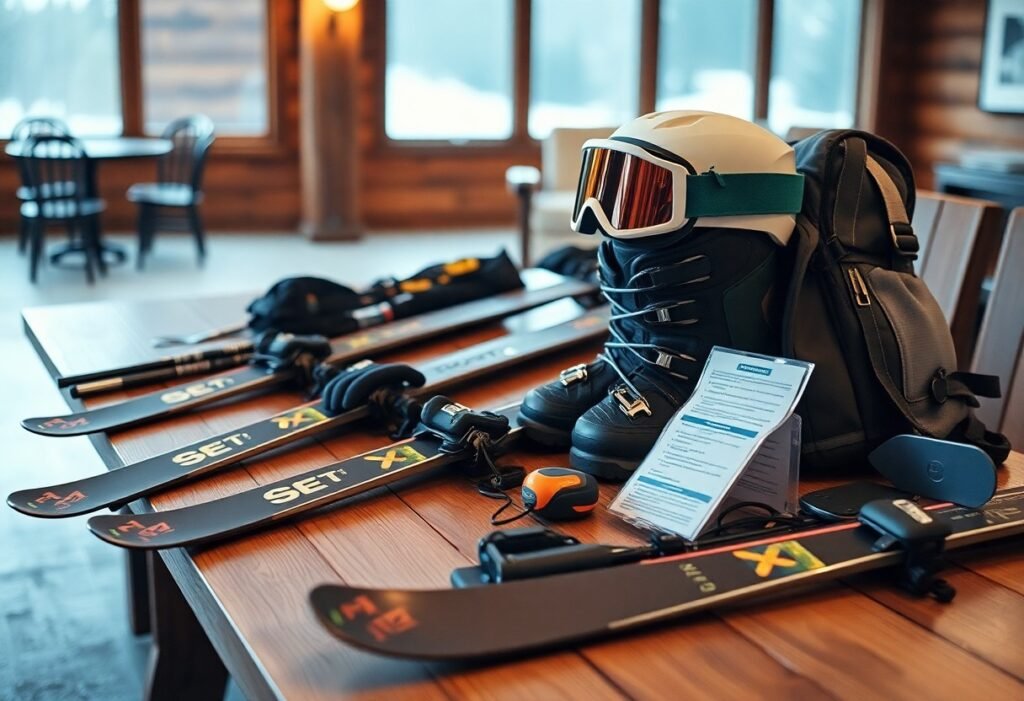
You should pack a complete kit: helmet, avalanche beacon/probe/shovel for off-piste danger, and well-fitted boots, plus layers, goggles, sunscreen, gloves and a basic repair kit to ensure safety and peak performance on the slopes.
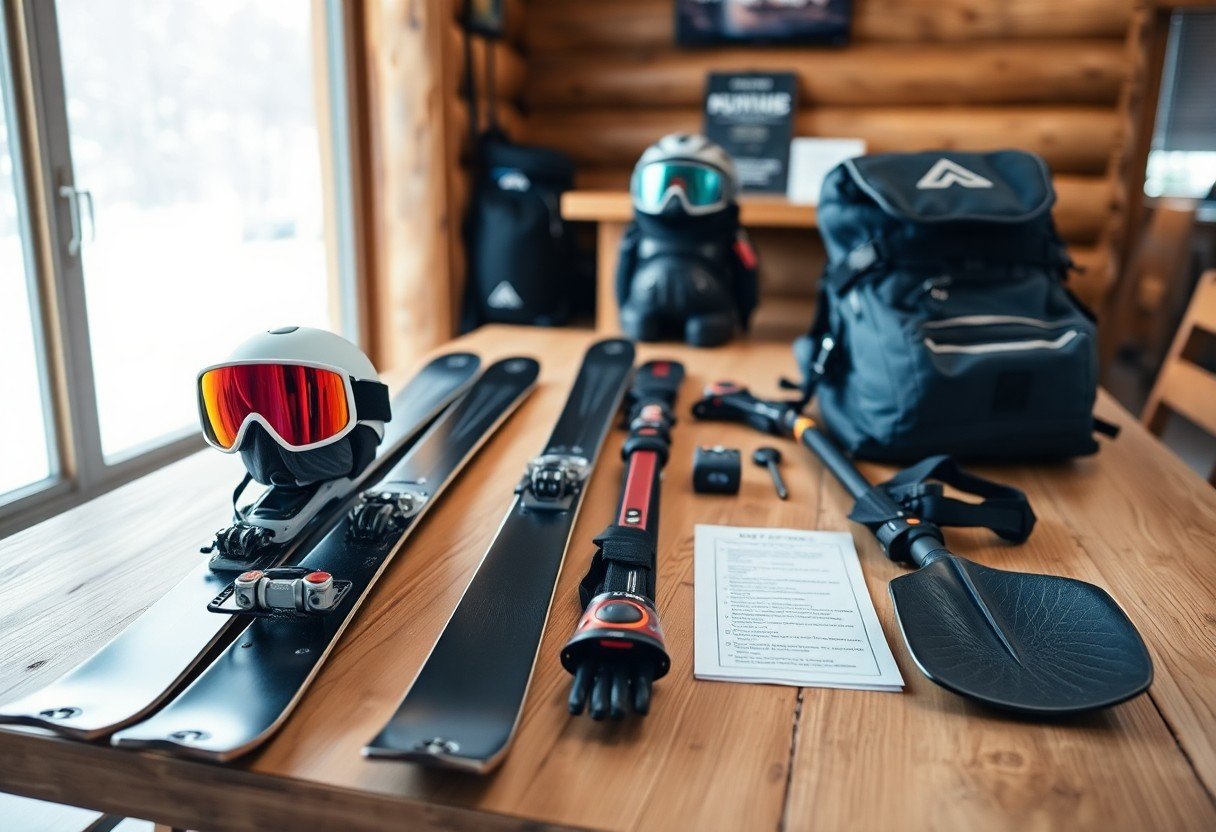
Essential Hardware and Technical Equipment
Equipment selection determines how you handle varying snow and affects your safety, so choose skis, boots, bindings and poles matched to your style and conditions, with correct DIN settings and a precise boot fit to lower injury risk.
Selecting Skis Based on Terrain and Skill Level
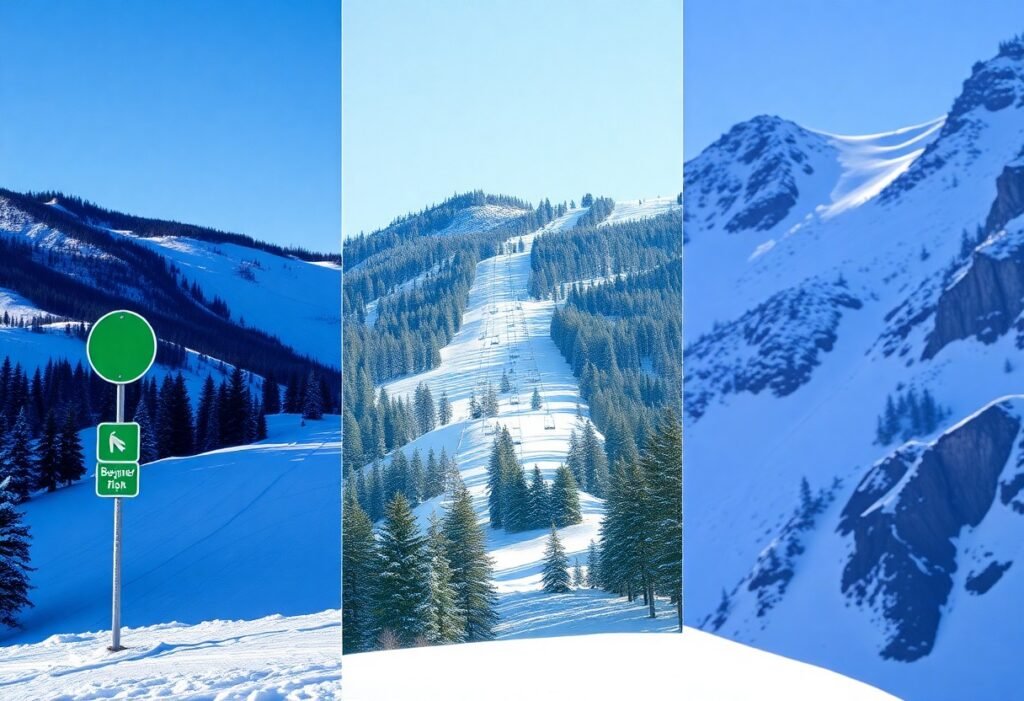
Skis should match the terrain and your ability: you want carve-oriented shapes for groomers, wider waists for powder, and forgiving rocker for beginners; pick length and flex that let you control turns and avoid fatigue.
Precision Fit: Ski Boots and Custom Footbeds
Boots must hug your feet without hot spots: you should get shell and liner fitting, consider heat-molded liners and custom footbeds to improve power transfer and cut pain and injury risk.
Custom footbeds support your arches and align your knees, so bring your ski socks to a bootfitter who will assess stance, perform foam or heat impressions, and adjust shell or cuff canting; accurate work yields better edge control and lowers injury risk.
Bindings Safety Settings and Pole Selection
Bindings must be set to your weight, ability and boot sole length by a certified tech to ensure proper DIN settings and reliable release; pick poles with correct length, sturdy shafts and secure straps.
Adjustment of bindings includes matching DIN to your weight, age and skiing aggressiveness, confirming forward pressure and brake function, and checking heel and toe release values; have bindings mounted and tested on your skis by a pro and rechecked after hard impacts to avoid release failures.
The Three-Layer Clothing System
Layering gives you direct control over temperature and moisture on the mountain: use a moisture-wicking base, an insulating mid-layer, and a wind- and waterproof outer shell so you can adjust quickly to changing weather and avoid sweat buildup that increases hypothermia risk.
Technical Outer Shells for Wind and Water Resistance
Shells block wind and shed moisture; choose jackets and pants with waterproof membranes, taped seams, and adjustable hoods to keep you dry. You want breathability to prevent sweat build-up and a durable face fabric to resist abrasions on high-speed runs.
Insulating Mid-Layers for Thermal Regulation
Mid-layers trap heat while letting moisture pass; select fleece, wool, or synthetic jackets that balance warmth and breathability. You can add or remove them to fine-tune temperature without overheating during climbs or fast descents.
Fibers determine performance: down offers the best warmth-to-weight but will lose insulation when wet, while synthetic fills retain loft when damp and dry faster, making them more reliable in mixed conditions. You should match mid-layer thickness to effort level and prefer zips for ventilation and quick temperature control.
Moisture-Wicking Base Layers and Performance Socks
Base layers and socks pull sweat away from skin; choose merino or technical synthetics to prevent chill and odor. You want a snug fit that moves with you and socks with targeted padding to avoid blisters and cold toes.
Materials and weight affect comfort: lightweight bases suit high-output days, midweights handle cooler conditions, and heavy options work for stationary tasks; never use cotton since it holds moisture and raises hypothermia risk. You should also match sock thickness to boot fit to maintain circulation and warmth.
On-Slope Accessories and Health
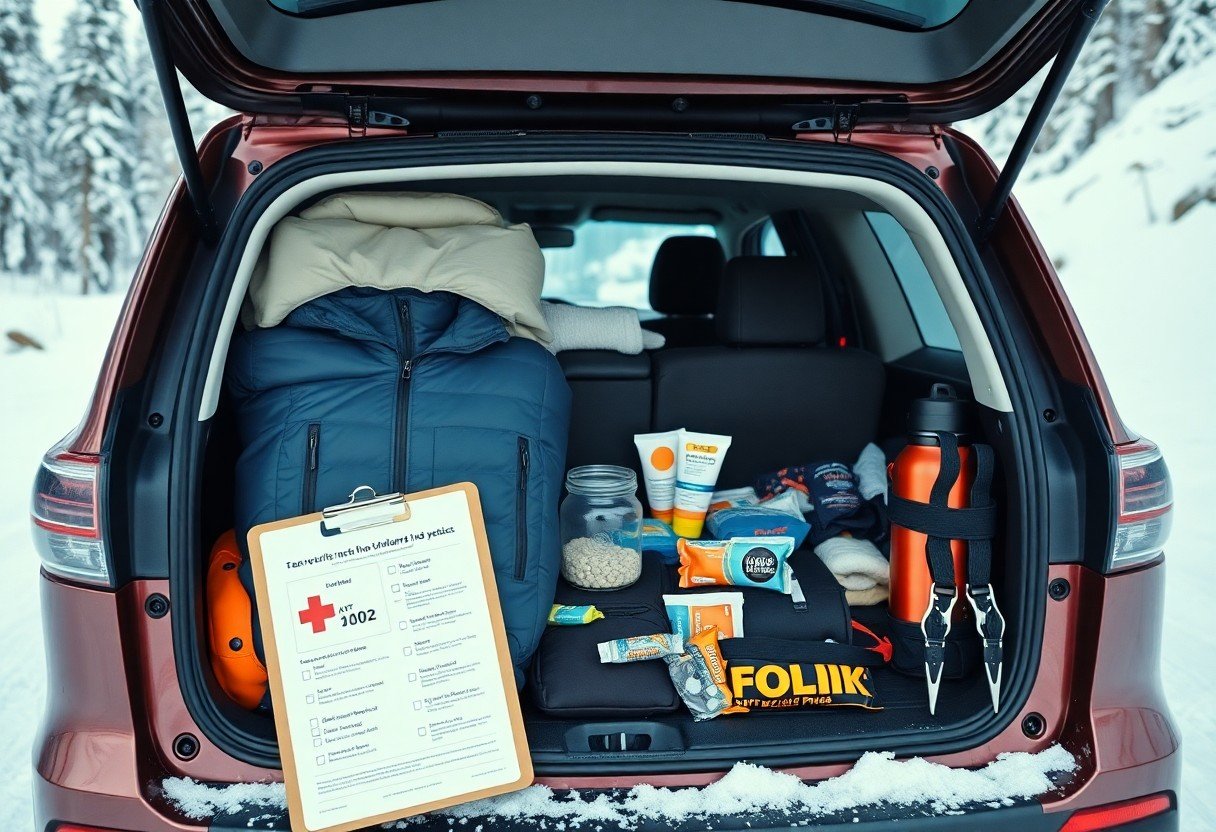
Pack extra layers for quick changes, a small first-aid kit, and a compact repair tool; keep a hydration option and snacks handy and consult this What to Pack for Your Next Ski Trip – Ridge Merino for clothing ideas. Always carry warmth and a means to call for help.
Sun Protection and High-Altitude Skincare
Protect your face with SPF 50+ sunscreen, lip balm with SPF, and a wide-brimmed hat; high altitude increases UV exposure so apply frequently and cover any exposed skin to avoid sunburn and long-term damage.
Hydration Systems and Nutritional Management
Carry a hydration pack or insulated bottle and easy-to-eat, high-calorie snacks to sustain energy; dehydration and low blood sugar impair performance, so sip and snack regularly.
Bring a hydration system with a bite valve and insulated tube to prevent freezing, and plan meals that combine quick carbs and protein-bars, nuts, and dried fruit work well. If you use electrolytes, mix them to taste to avoid stomach upset. Monitor urine color and energy levels so you can adjust intake before fatigue or cramping becomes a safety issue.
Portable Tool Kits for On-Mountain Adjustments
Store a small multi-tool, strap cutter, spare screws, and a mini pump or CO2 cartridge; these items let you make quick fixes so you can stay on the hill and avoid long walks back to the lodge.
Practice basic repairs at home so you can replace a binding screw, tighten a pole basket, or fix boot buckles confidently on the mountain. Include a lightweight patch kit, duct tape, and zip ties for temporary fixes, and check your kit before each trip to ensure all bits are present and your tools are functional.
Equipment Maintenance and Storage
Tune and Repair
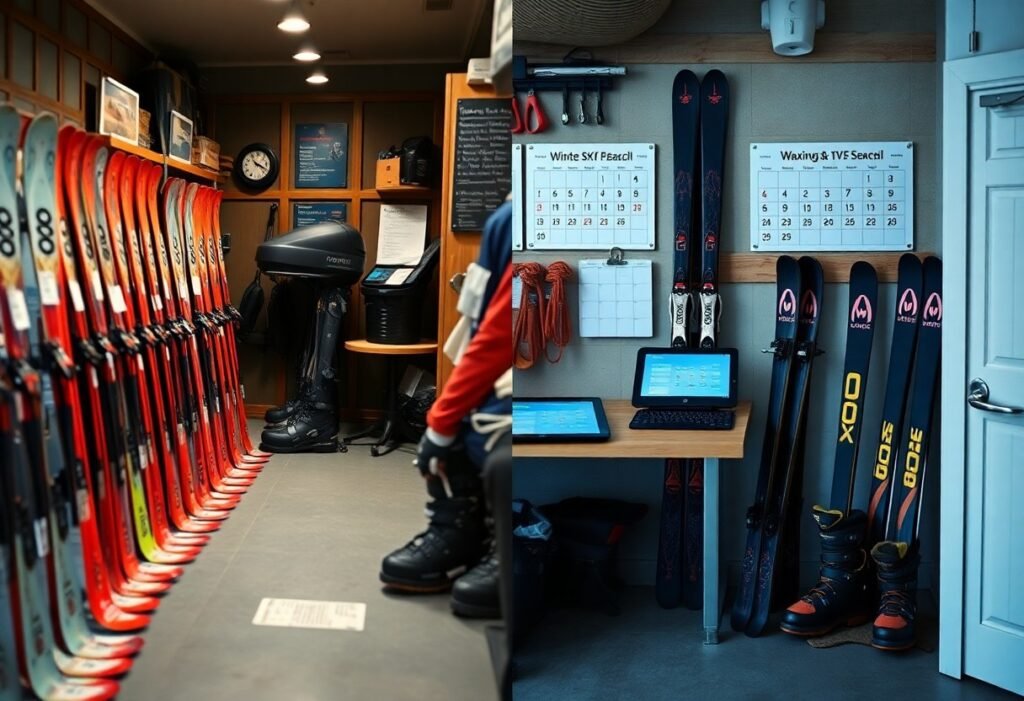
Tune your skis and sharpen edges regularly, especially after encountering rocks or icy conditions, and wax bases to maintain glide and protection. Dull edges increase the chance of catching an edge and causing a fall, so have edges professionally sharpened if you lack the tools or experience. Base gouges larger than a quarter-inch warrant a shop repair to prevent water intrusion and core damage. Have bindings tested and DIN settings checked by a technician at least once per season to ensure proper release and reduce injury risk.
Drying and Storage
Hang wet garments, open pockets, and spread liners to dry completely to avoid mold and persistent odors; storing damp gear in bags creates mildew and material degradation. Use boot trees or crumpled paper to pull moisture from liners and maintain shape, and wipe down metal buckles and zippers to prevent corrosion. Avoid leaving skis, boots, or bags in a hot car or direct sun because heat can warp plastics and adhesives; store all gear in a cool, dry place.
Boot and Binding Care
Protect boots by wiping liners and shells after each day and allowing foam and liners to dry fully before closing to preserve insulation and fit. Inspect boot soles, buckles, and binding contact points for wear or cracks, since a compromised sole or binding can prevent correct release and create a dangerous failure on the slope. Replace worn parts or seek professional service rather than improvising fixes that could affect performance and safety.
Off-Season Preparation
Before storing gear for months, apply a thick storage wax to bases and leave it in place to prevent base drying and oxidation over the offseason. Loosen ski-boot buckles and straps to relieve constant pressure on materials, and store skis vertically in a rack or flat with light support to maintain camber. Keep service receipts, binding settings, and serial numbers in a small envelope with your equipment so you can verify maintenance history before the next season.
Conclusion
Considering all points, you should check well-fitted skis or board, layered clothing, helmet and goggles, avalanche safety kit for backcountry, and valid travel and medical insurance to ski confidently and safely.
FAQ
Q: What clothing and layering system should I pack for alpine skiing?
A: Base layers: moisture-wicking synthetic or merino wool top and bottom to keep skin dry. Mid layers: breathable fleece or thin down for insulation that can be added or removed. Outer shell: waterproof, breathable ski jacket and pants with sealed seams and a helmet-compatible hood. Insulated jacket: lightweight down or synthetic for very cold days and après-ski. Socks and gloves: thin wool ski socks and waterproof insulated gloves or mittens plus thin liner gloves. Head and face protection: helmet, goggles with interchangeable lenses for low-light and sun, neck gaiter or balaclava, and a beanie for off-slope wear. Footwear for the village: warm, waterproof après-ski boots. Accessories: hand warmers, spare goggles lens, and a small repair kit for zippers or straps.
Q: What ski equipment should I bring or arrange before arriving at the resort?
A: Skis and poles: either your own skis and correctly sized poles or pre-booked rental gear matched to ability and terrain. Ski boots: properly fitted boots that support ankles and hold toes in place; get a professional boot-fit if possible. Bindings: professionally mounted and adjusted to your weight, height, skill level, and boot sole length. Helmet: certified ski helmet with a comfortable fit. Extra items: ski straps, a padded ski bag, boot bag, spare boot buckles or straps, wax and edge tuning tools if you service your own skis, and a basic multi-tool for field adjustments. Rental tip: confirm binding DIN settings and request a demo if testing new ski models.
Q: What safety and avalanche gear do I need for resort skiing versus backcountry travel?
A: Resort skiing: helmet, properly fitting goggles, and a small first-aid kit. Ski patrol and marked runs reduce risk, so avalanche transceiver and probe are generally not required for in-bounds runs. Backcountry travel: transceiver, probe, and shovel carried and practiced frequently. Avalanche airbag is recommended for higher-consequence terrain. Training: avalanche awareness and companion rescue training before heading out. Planning: check avalanche forecasts, route plan with partners, and carry a map, GPS or phone with offline maps, and a personal locator beacon or satellite messenger for emergencies. Companion protocols: always travel with at least one trained partner and agree on communication and rescue roles before leaving the skin track.
Q: What personal documents and small items should I pack?
A: Documents: government ID or passport, lift pass or confirmation, and copies of travel and medical insurance that include mountain rescue or evacuation coverage. Payment and contacts: credit card, some local cash, and emergency contact information. Electronics: phone, charging cable, and portable power bank; spare batteries for headlamp. Health items: prescription medications, blister kit, sunscreen SPF 30+ and lip balm with SPF, basic first-aid supplies, and any allergy meds. Convenience items: reusable water bottle, high-energy snacks, sunglasses for off-slope use, contact lens solution or spare glasses, and a small lock for skis or locker use.
Q: How should I prepare physically and tune my equipment before the trip?
A: Physical preparation: focus on leg strength, balance, and aerobic fitness with exercises such as squats, lunges, single-leg deadlifts, plyometric drills, and core stability work performed 4-8 weeks before the trip. Flexibility: mobility work for hips, ankles, and thoracic spine to reduce fatigue and improve stance. Equipment prep: have skis professionally serviced before departure-edge tune, base repair, and hot wax. Boot checks: inspect liners, buckles, and soles; consider a boot fitter for comfort and performance. Practice: test new or rental gear on easy terrain first, and pack a basic tuning kit (wax, scraper, edge stone) for on-trip maintenance.